Asakusa offers a memorable place to wear traditional Japanese clothing, and this outing makes room for a wider range of body sizes than many standard rental shops. Plus-size kimonos are available, with women’s options reaching a stated torso measurement of 160 cm, though the selection narrows as sizes increase.
I like two things in particular: a guide helps you choose photo spots and takes pictures with your own phone or camera, and the rental includes the clothing, accessories, shoes, socks, and basic hairstyling. One thing to check before booking is fit and timing: size limits and an unclear surcharge apply, and the stated finish times do not quite agree.
- What to know before you book
- Getting dressed in Asakusa
- Choosing kimono or yukata
- Sensoji and the photo walk
- How the schedule works
- Price and what you get
- Who will enjoy this outing
- Should you book it?
- FAQ
- What is included in the kimono rental?
- Is the experience available in summer?
- What are the stated size limits?
- Is there an extra charge for some sizes?
- Does the guide take photos?
- Where do I meet the guide?
- Can I cancel or change my booking?
- The Best Of Tokyo!
- More Tours in Tokyo
- More Tour Reviews in Tokyo
- Not for you? Here's more nearby things to do in Tokyo we have reviewed
What to know before you book
 1 / 8
 2 / 8
 3 / 8
 4 / 8
 5 / 8
 6 / 8
 7 / 8
 8 / 8
- Plus-size choices are part of the offer: Women’s kimono sizes are listed up to a widest torso measurement of 160 cm. Larger sizes have fewer patterns, though more than 10 are said to be available even at the largest size.
- Men’s large-size choices are limited: The shop has a few larger men’s kimonos, mainly in basic dark colors.
- Your guide handles the photos: Bring your phone or camera. The guide accompanies you around Asakusa and helps find scenic spots, including places beyond Sensoji.
- The outfit changes with the season: Kimono is generally offered from October to April, and yukata, a lighter garment, from May to September. Temperature can affect the choice.
- Plan for two hours of walking and photos: The guided visit to Sensoji and its surroundings is listed as about two hours, after roughly 30 minutes for dressing.
- Check the final price and schedule: The displayed starting prices differ, and the stated return time is inconsistent with the example for a 10:00 start.

👉 See our pick of the 25 Best Guided Tours In Tokyo
Getting dressed in Asakusa
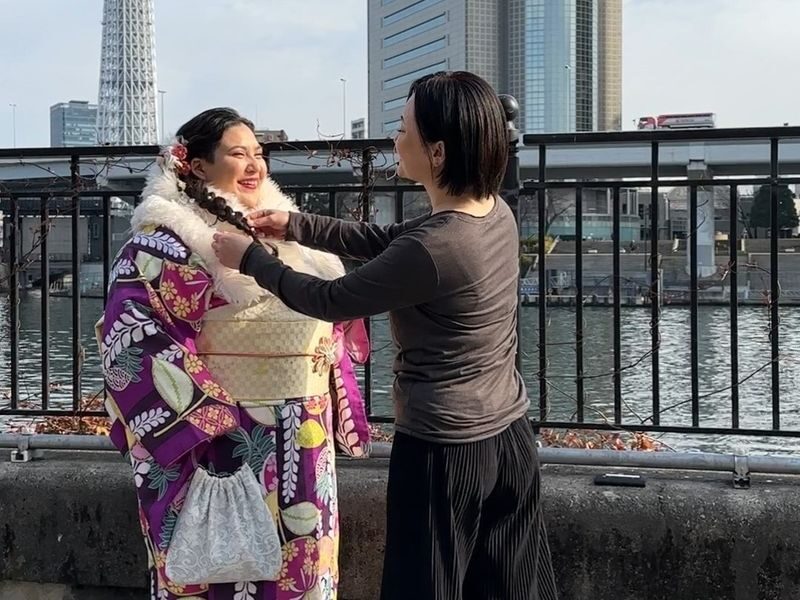
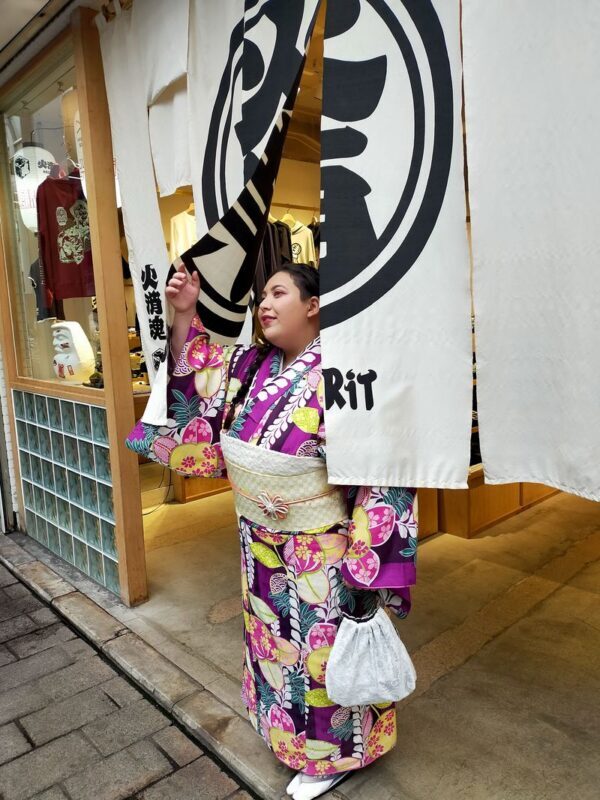
The meeting point is Asakusa Station, where your guide meets you and takes you to a nearby rental shop. You’ll choose a garment, then female shop staff help dress you. For women, basic Japanese-style hairstyling is included, along with a choice of bags and hair accessories. The rental package also includes a belt, innerwear, shoes, socks, and other accessories.
That hands-on dressing help matters. A kimono is not simply a robe you throw on, and getting the layers and belt in place can take some patience. If you’re new to wearing one, staff can explain the process and help you choose a design. The guide may also help translate and explain the shop’s routine.
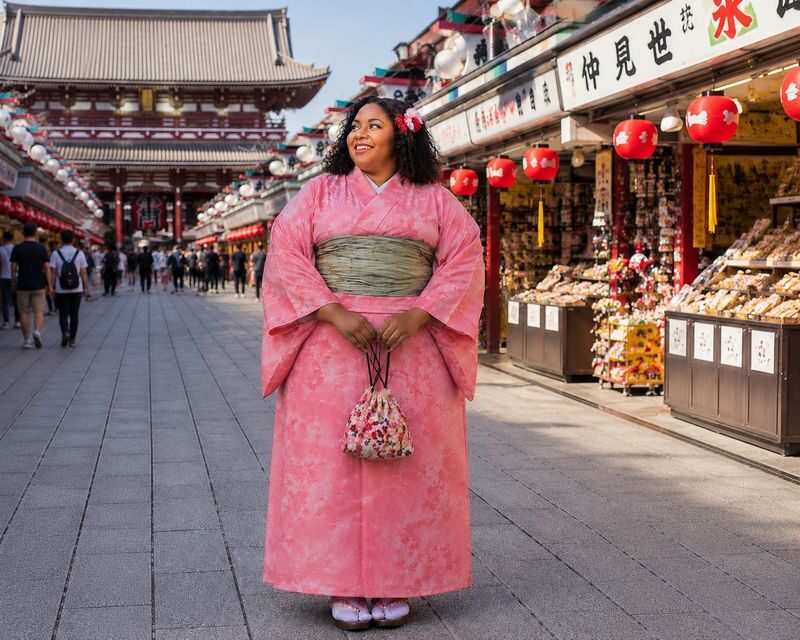
There are regular-size kimonos as well as plus-size options, all at the same stated price. The range is not equally broad across sizes, though. The larger the garment, the fewer patterns you can choose from. The largest sizes are said to have more than 10 patterns, but that still means less choice than you may find in a standard size.
Fit details deserve a close look before you pay. The stated limit for women is a widest torso measurement of 160 cm, while the height limit is 170 cm for women and 190 cm for men. The information also mentions a ¥2,000 additional charge for people between 130 and 160 cm, but does not clearly explain what that measurement refers to. Ask the operator to clarify the surcharge and confirm your fit before the activity.
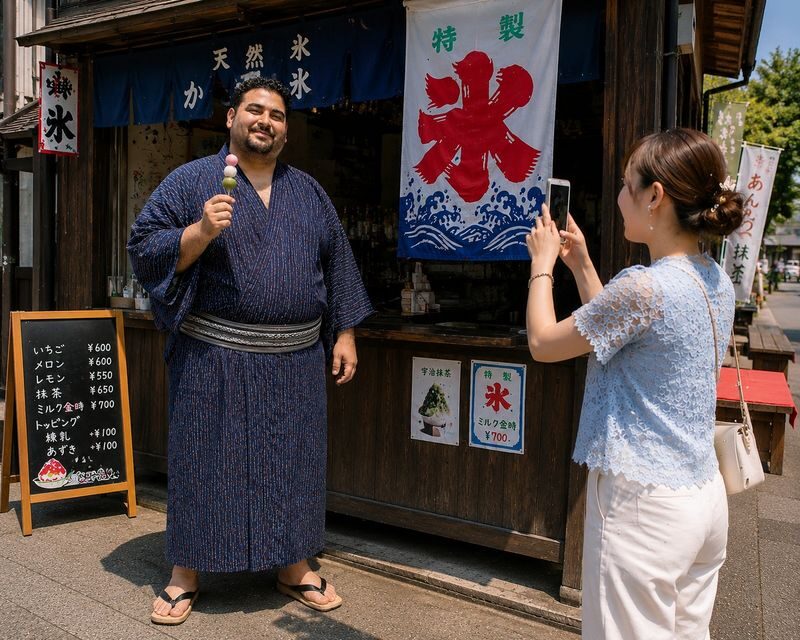
For men who need a larger size, expect fewer choices. The available large men’s kimonos are described as a small selection in basic dark colors. If color and pattern are central to your plans, ask what is available rather than assuming there will be a broad range.
One practical clothing tip: don’t arrive after a very large meal. The belt is snug around the stomach, and the operator advises against being too full. That little bit of planning can make a long walk in a fitted outfit more comfortable.
You can also read our reviews of more tours and experiences in Tokyo.


Choosing kimono or yukata
The season guides the clothing choice. From October through April, the shop generally provides kimono. From May through September, it generally provides yukata, a lighter garment often suited to warmer weather. The final choice can depend on the temperature, so you may not be able to select either style regardless of season.
The distinction is useful when you’re packing. A summer booking does not necessarily mean a heavier kimono, and a colder-season booking is not automatically a yukata. If the style matters to you, ask what is likely to be available on your date.
The rental includes accessories, shoes, socks, and a bag, so you don’t need to assemble a complete outfit yourself. Make-up is not included. Women receive basic hairstyling, but this is not a full hair-and-make-up service. Build that into your expectations if you’re preparing for a special occasion or a more formal photo session.
Sensoji and the photo walk
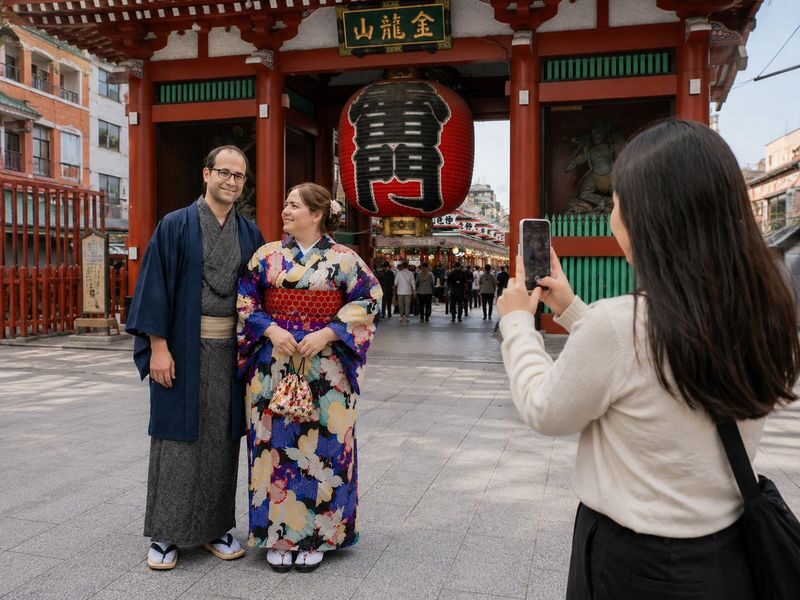
After dressing, you head out with the guide for about two hours around Sensoji Temple and nearby spots. The guide takes photos using your phone or camera and can lead you to scenic corners that are easy to miss when you’re focused on crowds, framing, and keeping your outfit neat.
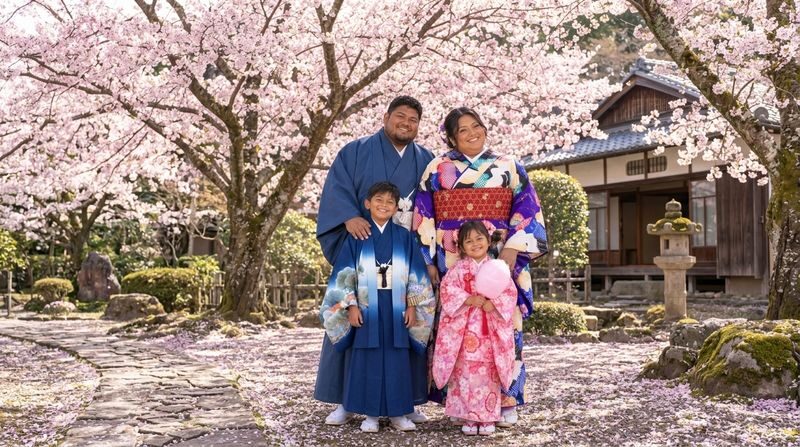
Sensoji is a fitting center for the outing: wearing a kimono in this historic temple district gives the photos a strong sense of place. The surrounding streets and nearby areas also offer different backdrops. One route described by a participant included Sumida Park, with views of Tokyo Skytree and the Asahi headquarters, as well as seasonal cherry blossoms. The exact route can vary, and the schedule may change with weather and traffic.
The photo help is one of the tour’s most useful features. You don’t need to set up a tripod or ask strangers to take pictures. The guide can take multiple shots on your own device, and you keep the images rather than relying on a separate photographer or photo package. That suits solo visitors especially well, but it also helps couples, families, and friends get pictures together.
Alisa is the guide named most often in accounts of the outing. She has helped with the rental-shop process, suggested locations, taken photos, and explained temple customs. Some people describe her as responsive by email and willing to adjust the photo walk to their energy level. Your guide may be someone else, so treat Alisa’s name as a useful reference rather than a guaranteed assignment.
Asakusa can be crowded, particularly around well-known temple areas. That can make it harder to find an uncluttered shot, and tripods may be impractical. A guide who knows the area can help you work around that, though a photo walk cannot make the district quiet. If you want a calm, empty backdrop, this busy central location may not deliver it.
How the schedule works
The listed schedule begins at 10:00, with about 30 minutes for dressing followed by roughly two hours around Sensoji. The meeting window is shown as 10:00 to 12:00, and the return information gives a range of 14:30 to 14:40. However, it also says that people starting at 10:00 finish at 12:40. Those times conflict, so confirm the expected end time for your booking by email.
After the activity, you return the kimono and change clothes. You can then continue sightseeing in Asakusa. Tokyo Skytree is described as nearby, making it a possible next stop if you still have energy and time. Don’t plan a tightly timed connection until you’ve confirmed the tour’s actual finish time.
Arrive five minutes before your departure time. The operator says late arrivals and no-shows are not refunded, and the cancellation information also excludes refunds for participants who are at least 10 minutes late. After booking, check your email and spam folder for the station exit number and other instructions. If the details don’t arrive, contact the guide by the day before.
The meeting address is 1-chome-1-3 Asakusa, Taito City, Tokyo, and the operator meets you at Asakusa Station. You’ll receive the exit number by email after booking, so don’t rely on choosing an exit on the day.
Price and what you get
Prices are shown from US$90.55, while the kimono rental package is also shown from US$113.15. Since those starting prices differ, check the amount and inclusions at checkout. The stated package includes the guide, garment rental, basic hairstyling, accessories, shoes, socks, and bag. Make-up, personal expenses, and tips are not included. A ¥2,000 surcharge may apply in the stated size range, so confirm how it applies to you.
The value is not just the clothing rental. You’re also paying for help getting dressed, a guide through Asakusa, and someone to take photos on your device. If you would otherwise rent a kimono and then spend time figuring out how to photograph your group, that combination can be worth the extra cost. It’s especially practical for a solo visitor who wants pictures without a tripod.
The trade-off is that this is not a custom photo shoot with a promised set of edited images. You use your own phone or camera, and the guide takes the pictures during the walk. The shop’s choices can also be narrower for larger sizes, particularly for men. The experience is best value if you want the outfit, a guided introduction to the area, and usable personal photos in one outing.






Who will enjoy this outing
This is a good fit if you want to wear a kimono but have struggled to find plus-size rentals, or if you’d like practical help with dressing and photos. It also suits solo visitors, since the guide can take pictures without requiring a tripod or a helpful passerby.
It works well for a parent and child, a couple, or friends who want shared photos and time around Sensoji. Children and infants must be included in the passenger headcount. Keep the walk and outfit in mind when deciding whether it suits your group, and note that the activity is not recommended for pregnant women.
If choosing from a wide range of large-size patterns is your top priority, contact the shop before booking. The largest sizes have fewer patterns, and large men’s options are particularly limited. If your priority is wearing a traditional outfit and getting help exploring and photographing Asakusa, the arrangement makes more sense.
Should you book it?
Book this if you want a supported first kimono experience, especially if standard rental sizing has been a barrier. The guide’s help with photos and Asakusa’s temple-area scenery add real value, and the included accessories mean you can arrive without assembling an outfit.
Before confirming, ask about your size, the ¥2,000 surcharge wording, the patterns available, and the correct finish time. If those details suit your plans, this is a practical way to spend part of a Tokyo day in traditional dress, with someone on hand to help you enjoy the outing rather than fuss over the camera.
Plus Size Kimono Rental and photo shoot in Tokyo
“We had a very nice time with the guide and the people in the store. Would definitely recommend!”
FAQ
What is included in the kimono rental?
The rental includes a plus-size or standard-size kimono, belt, innerwear, shoes, socks, bag, accessories, and basic hairstyling. Make-up is not included.
Is the experience available in summer?
Yes. From May through September, the shop generally provides yukata, a lighter kimono-style garment. The choice can depend on the temperature.
What are the stated size limits?
The stated widest torso measurement for women is up to 160 cm. The height limits are 170 cm for women and 190 cm for men. Larger-size pattern choices are more limited, and the shop has only a few large men’s options in basic dark colors.
Is there an extra charge for some sizes?
The information states that a ¥2,000 surcharge applies to people between 130 and 160 cm, but it does not clearly identify what that measurement refers to. Confirm the charge with the operator before booking.
Does the guide take photos?
Yes. The guide accompanies you around Asakusa and takes pictures using your own phone or camera. The guide can also suggest scenic spots.
Where do I meet the guide?
You meet at Asakusa Station. The operator sends the station exit number by email after booking, so check your inbox and spam folder.
Can I cancel or change my booking?
A full refund is available if you cancel at least 48 hours before the activity date, based on local time. Changes are allowed until 48 hours before the activity, with some booking types excluded. Late arrivals of 10 minutes or more are not eligible for a refund.