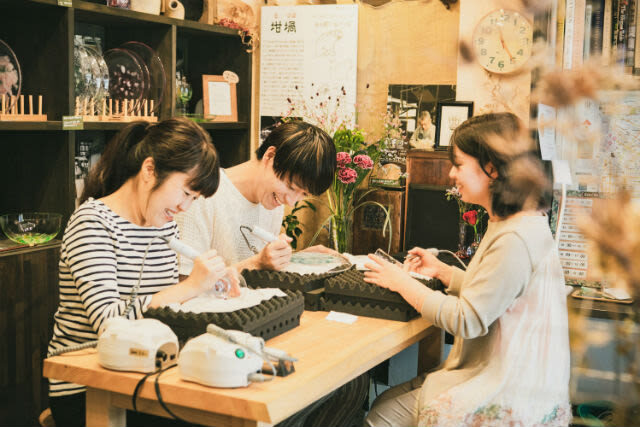
A glass cup becomes your own when you draw a design on it, then carve the lines into the surface yourself. At the Small Glass Book Museum in Sumida, you choose from locally handcrafted glassware and learn to etch it with a small rotary tool, with an instructor close by to guide the work.
I like the choice of useful, handmade pieces and the calm, small-shop setting, where it’s easier to ask for help than in a large class. The main consideration: this is glass etching, not glassblowing, and your final cost depends on the piece you select.
- What makes this glass workshop worth considering
- First, know what you’re making
- Arriving at the Small Glass Book Museum
- Choosing a piece that suits your design
- Sketching before the rotary tool comes out
- Practising, then etching your own glass
- How much time to allow
- Is the price good value?
- Who will enjoy this, and who might skip it
- A small workshop with a lasting souvenir
- FAQ
- Is this glassblowing?
- How long does the experience take?
- What kinds of glassware can I choose?
- What is the minimum age to participate?
- How do I get to the workshop?
- What do I need to show when I arrive?
- What are the workshop’s opening hours?
- The Best Of Tokyo!
- More Tours in Tokyo
- More Tour Reviews in Tokyo
- Not for you? Here's more nearby things to do in Tokyo we have reviewed
What makes this glass workshop worth considering
 1 / 7
 2 / 7
 3 / 7
 4 / 7
 5 / 7
 6 / 7
 7 / 7
- You etch the design yourself: Sketch or trace a pattern, practise on a sample, then use a rotary tool on your chosen glass.
- The glass is made by Sumida artisans: The workshop uses authentic glassware handcrafted in the neighborhood.
- There’s more to choose from than drinking glasses: Options may include sake cups, bowls, chopstick holders, paperweights, and other pieces.
- You don’t need to arrive with an idea: Sample patterns offer a starting point, and the instructor can advise on designs and carving.
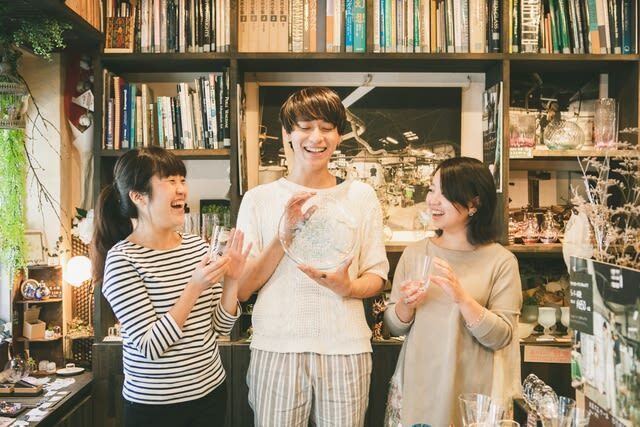
- It’s a small, quiet shop: The space can accommodate only a handful of people comfortably, which makes individual guidance easier.
- The finished piece is a personal souvenir: You leave with glassware you decorated, not a mass-produced keepsake picked up on the way back to the hotel.

👉 See our pick of the 25 Best Guided Tours In Tokyo
First, know what you’re making
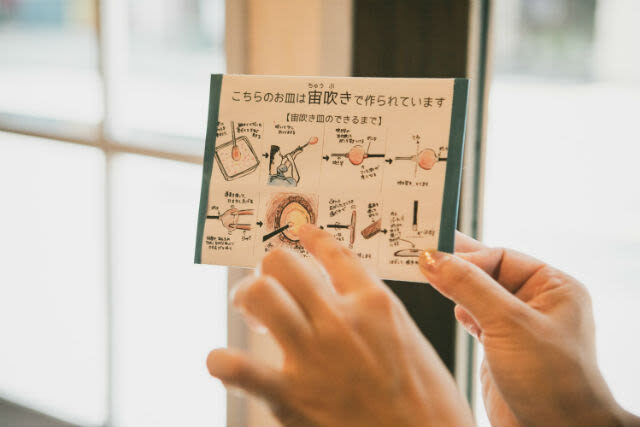
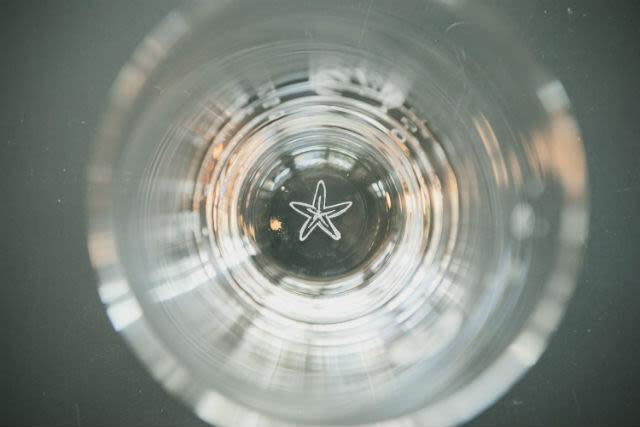
The name can suggest a furnace, molten glass, and a dramatic puff of air. That isn’t this class. You select an already-made glass object and etch its surface with a handheld rotary tool. The result is a frosted design cut into the glass.
That distinction matters when you’re choosing activities in Tokyo. If you want to learn how glass is formed while hot, this isn’t the right workshop. If you’d rather create a custom cup or small dish and take it home, the hands-on approach is a good fit.
The glassware is handcrafted by artisans in Sumida Ward. Your part is to add a design, using a router-style engraving tool. The process is straightforward, but the finished effect depends on your choices: a simple outline can look clean and bold, while a complicated pattern takes longer and may be harder to carve neatly.
You can also read our reviews of more tours and experiences in Tokyo.



Arriving at the Small Glass Book Museum
The workshop takes place at 1F Yazaki Building, 1-19-8 Azumabashi, Sumida-ku, Tokyo 130-0001. It’s a two-minute walk from Honjo-azumabashi Station on the Toei Asakusa Line, or about six minutes from Asakusa Station on the Toei Asakusa Line or Tokyo Metro Ginza Line.
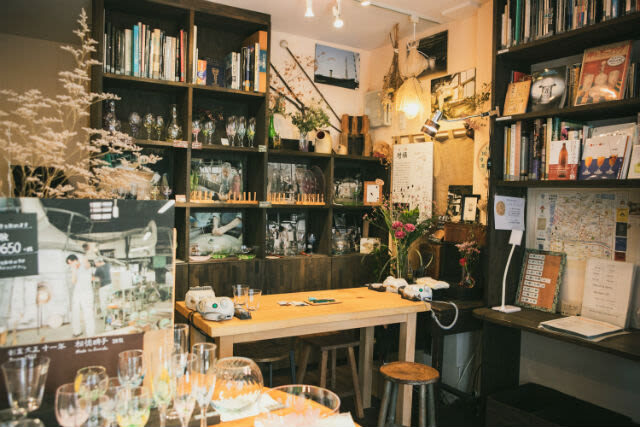
The location is one of the activity’s practical strengths. You can fit it into a day around Asakusa without setting aside time for a long trip across the city. The shop is small and has a cozy, quiet feel rather than the scale of a major tourist attraction. Some participants have also had a view of Tokyo Skytree while working, though you shouldn’t count on that as a guaranteed feature of every seat.
Bring your booking voucher on a phone or another internet-connected device. Staff need to operate the e-voucher when you arrive, so show it to them rather than trying to activate it yourself. A screenshot alone may not help if the voucher link needs an internet connection.
Choosing a piece that suits your design
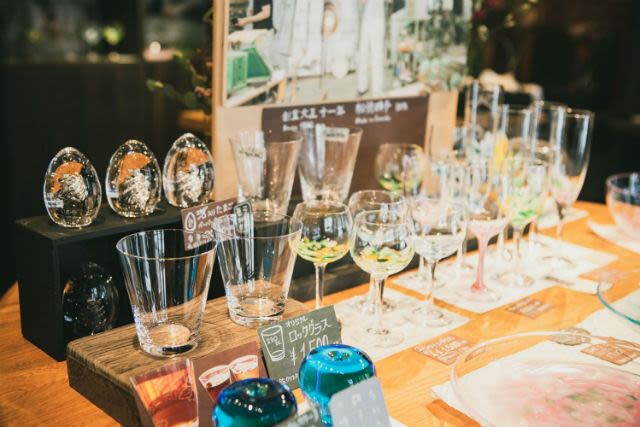
Once you arrive, you choose the glassware you want to decorate. The selection can include drinking glasses, rocks glasses, sake cups, bowls, chopstick holders, free-blown dishes, paperweights, and sets. The exact range can vary, so think about whether you want a piece to use every day or a smaller keepsake.
This choice affects the price. The listed starting rate is from $18.75, but the total is based on the experience fee plus the cost of the glassware. Some available packages include a glass item, while other choices may cost more. Check the particular option before booking, and ask the instructor about the price of any extra pieces you’re considering.
I’d choose the object before settling on a design. A broad bowl gives you more room for a larger motif; a small sake cup calls for a simpler image or lettering. If you’re undecided, the sample-design booklet can help. Patterns have included flowers, animals, stars, zodiac signs, and phrases, and you can copy one or use it as a starting point for your own idea.
Sketching before the rotary tool comes out
The design stage is a useful part of the experience, not just a warm-up. You can draw directly on the glass or trace a pattern, depending on the design and the instructor’s guidance. Allow enough time to make a choice: one participant described spending about 30 to 40 minutes drawing before beginning the etching.
You don’t need polished drawing skills. The instructors are described as art college graduates and can advise on how to make a design work on the shape of your chosen glass. That help is especially useful if you have an ambitious idea but aren’t sure how to simplify it into lines that can be carved.
If you already have a picture in mind, bring a reference illustration. Glasses and a hair tie are also listed as helpful items, though they aren’t required. The shop’s design examples mean you can still arrive empty-handed and find a direction once you see the options.
Practising, then etching your own glass
Before working on your selected piece, you practise on a sample. This gives you a chance to feel how the tool works and test the pressure and movement before making marks that can’t be erased from your glass. The instructor explains the steps and can help you improve the clarity of the carved lines.
The tool is small, and the task is more controlled than it may sound. Safety glasses are available, and the equipment is set up for the activity. Still, you’re handling a powered tool and glass, so listen carefully to the instructions and work at a steady pace. There’s no prize for rushing.
This is where the class earns its keep. You do the actual carving yourself, but you aren’t left to guess your way through the process. Instructors are described as patient and attentive, and help is available when you need it. Some sessions are led by Eri, though the instructor can vary. English ability may also vary; clear demonstrations and step-by-step instruction can make the process manageable even when spoken English is limited.






How much time to allow
The experience is described as a 40- to 50-minute activity, but the practical schedule deserves a closer look. The shop allows up to 90 minutes from your reservation time for the project, and actual time can vary with your design and pace. A straightforward piece may take around an hour; planning and engraving more than one item can stretch the visit closer to an hour and a half.
Arrive on time. Your allotted work period starts from your reservation time, and arriving late can mean an extension charge if you need more time to finish. Extensions may be available if there’s room, at 550 yen per person for each additional 30 minutes. Don’t build your plan around getting extra time, particularly if you have another booking afterward.
The small group format helps keep the pace personal, but it also means you should reserve a time that suits your day. The studio is open daily from 10:00 to 19:00. Children aged five and older can take part; children aged five to 13 must be accompanied by a paying adult.
Is the price good value?
At a starting price of $18.75, this is a relatively accessible way to make a one-off souvenir in Tokyo. The value isn’t simply the glass object. You get the materials and instruction, a chance to practise, and the satisfaction of making the design yourself. The glass replacement fee is included among the listed inclusions, and the package has been described as including the selected glassware, but prices vary with the piece. Confirm exactly what your chosen option covers.
The most convincing value is for someone who wants a useful object with a story behind it. A cup or chopstick holder is more personal than a generic souvenir, and the class turns a shopping stop into a creative hour. If you’re looking for a long technical course in glasswork, the short format won’t deliver that. If you want a relaxed activity and a take-home piece, it makes better sense.
You can also buy additional glassware at the shop, but extra items can add cost and time. Decide how many pieces you really want before you begin, and keep your design manageable if your schedule is tight.
Who will enjoy this, and who might skip it
I’d recommend the workshop to people who enjoy crafts, couples looking for a shared activity, and families with children old enough to follow the tool instructions. It also works well as a quiet break from walking and shopping, especially on a hot or rainy day. Solo participants can take part, too; the booking information says a person booking alone is generally seated alone.
You don’t need to be artistic. The templates, practice piece, and instructor’s advice take much of the pressure off. But you should enjoy working carefully with your hands. If you dislike detailed tasks, or want a dramatic demonstration rather than a project you make yourself, this may feel slower than you’d like.
For a family visit, remember that children aged five to 13 need a paying adult with them. If someone is joining only to assist or accompany a child, contact the shop in advance: non-participating companions are allowed only when necessary and to a limited extent.
A small workshop with a lasting souvenir
The best part of this experience is the balance between guidance and freedom. You get the satisfaction of making the marks yourself, but you have a patient instructor and sample designs to turn to when you need them. The small shop, locally made glass, and choice of objects give the activity a distinctly Sumida feel without asking you to commit half a day.
Book it if you want a hands-on craft, a calm change of pace, and a personalized souvenir you can use. Choose another activity if you specifically want to blow glass or need a fixed, very short session. For most curious visitors who can spare about an hour, this is a practical, creative stop near Asakusa.
Original Glass Making Experience (Tokyo)
“Thankyouuu for the service, Thankyouuu Moonfella helping us for booking 🫶🏻✨ Moonfella Japan help Customize Itinerary from Indonesia🇮🇩”
FAQ
Is this glassblowing?
No. You choose a finished glass object and etch a design into its surface using a small rotary tool.
How long does the experience take?
The activity is listed as 40 to 50 minutes. You can have up to 90 minutes from your reservation time to complete your work, and the time needed depends on your design and pace.
What kinds of glassware can I choose?
Options may include rocks glasses, drinking glasses, sake cups, bowls, chopstick holders, free-blown dishes, and paperweights. The price varies depending on the piece you select.
What is the minimum age to participate?
Participants must be at least five years old. Children aged five to 13 must be accompanied by a paying adult.
How do I get to the workshop?
It is a two-minute walk from Honjo-azumabashi Station on the Toei Asakusa Line, or a six-minute walk from Asakusa Station on the Toei Asakusa Line or Tokyo Metro Ginza Line.
What do I need to show when I arrive?
Show your mobile voucher on a smartphone or another internet-connected device. The facility staff must operate the e-voucher, so don’t try to activate it yourself.
What are the workshop’s opening hours?
The workshop is open Monday through Sunday, from 10:00 to 19:00.