Tokyo’s everyday food culture is often easiest to understand in a kitchen, not at a restaurant counter. In Nishiogu, chef Yuca teaches you to make ramen and gyoza from scratch in her home, then takes you to a local supermarket to see where residents shop.
I like two things here: you get hands-on cooking with clear, step-by-step instruction, and the supermarket visit adds a useful look at ingredients beyond the dishes you prepare. It is also a chance to spend time in a more residential part of Tokyo rather than staying among the city’s headline sights.
The main consideration is the setting. This is a home cooking class, not a large, professionally equipped teaching kitchen, and one participant noted that the kitchen is on the small side. If you want a polished restaurant lesson or a quick demonstration, this may not be the right fit.
- What to know before you book
- Starting in a home kitchen in Nishiogu
- Making ramen and gyoza from scratch
- Eating the meal you helped prepare
- Seeing a local supermarket after the meal
- How much the class is worth
- Who is likely to enjoy this
- Practical details for planning the visit
- Should you book this ramen and gyoza class?
- FAQ
- How long is the ramen and gyoza class?
- Where does the class meet?
- How do I get to the meeting point?
- What food is included?
- Are recipes provided?
- Can dietary requirements be accommodated?
- Can children take part?
- What is the cancellation policy?
- The Best Of Tokyo!
- More Tours in Tokyo
- More Tour Reviews in Tokyo
- Not for you? Here's more nearby things to do in Tokyo we have reviewed
What to know before you book
 1 / 9
 2 / 9
 3 / 9
 4 / 9
 5 / 9
 6 / 9
 7 / 9
 8 / 9
 9 / 9
- You make two Japanese staples from scratch: ramen and gyoza, with the chef guiding you through the process.
- The class takes place in Yuca’s home: expect a personal, domestic setting rather than a commercial cooking studio.
- A supermarket visit is part of the experience: after cooking and eating, you’ll see a local shop and learn about everyday and seasonal ingredients.
- The 2.5-hour session includes a full meal: the package lists two mains, one side dish, and a drink.
- You leave with English-language recipes: useful if you want to try making the dishes again at home.
- The meeting point is in Nishiogu: it is about a two-minute walk from Odai Station or around ten minutes from Oku Station.

👉 See our pick of the 25 Best Guided Tours In Tokyo
Starting in a home kitchen in Nishiogu
The meeting point is at 2 Chome-34-8 Nishiogu, in Tokyo’s Arakawa area. The address is close to Odai Station, with Oku Station also within walking distance. You’ll receive the detailed address and a Google Maps link after booking, so check the voucher rather than relying on the general address alone.
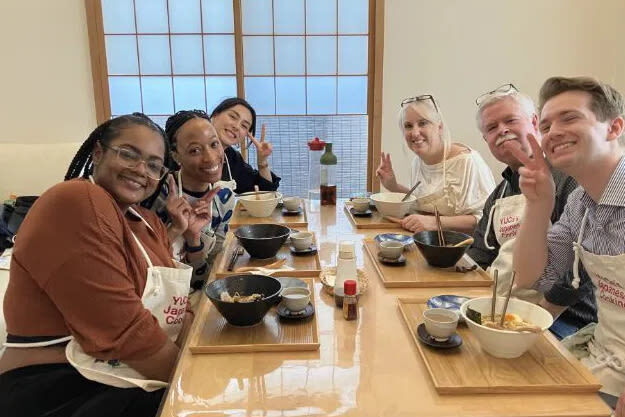
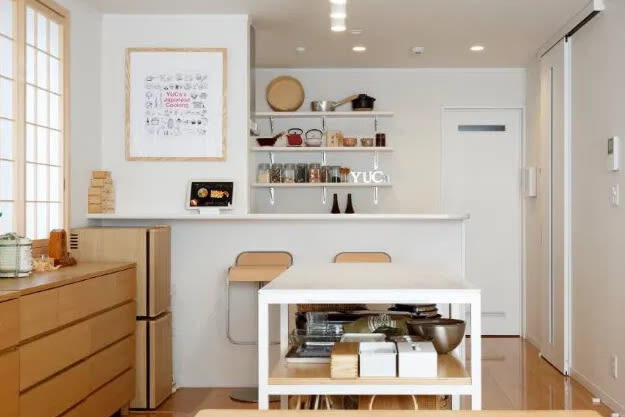
The setting is part of the appeal. You are invited into a Japanese home to cook and eat, which gives the session a more personal feel than a class held in a restaurant or a purpose-built venue. You can get a sense of how cooking fits into a residential Tokyo home, not just how a dish appears on a menu.
That home setting also means you should keep your expectations practical. A participant described the kitchen as small, though the class was still hands-on and well organized. Space can shape how a cooking session feels, so this is better suited to people comfortable working in a shared, home-scale kitchen than to anyone expecting a spacious cooking school.
The class lasts 2.5 hours. That is enough time for cooking, eating, and the supermarket visit, but it is still a compact activity. If you are planning a packed day of sightseeing, allow for the session and your trip to and from Nishiogu rather than treating it as a short stop between major attractions.
You can also read our reviews of more tours and experiences in Tokyo.



Making ramen and gyoza from scratch
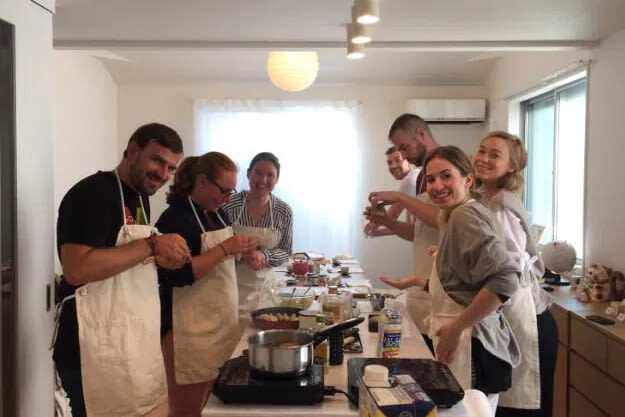
The heart of the experience is preparing ramen and gyoza with an English-speaking chef. Yuca explains the steps as you work, and the class is designed to be hands-on rather than a demonstration where you simply watch someone else cook. That distinction matters: you leave with a better sense of how the dishes come together, not only what they taste like.
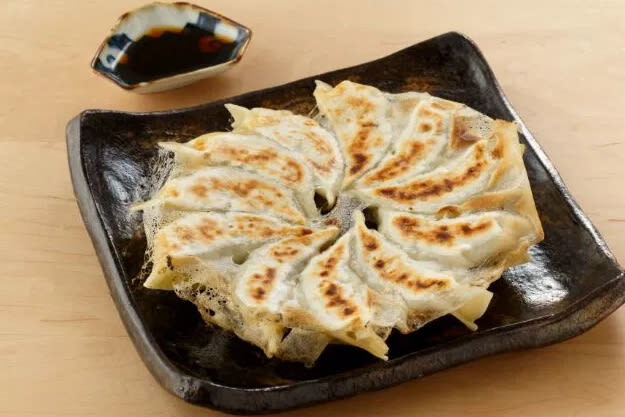
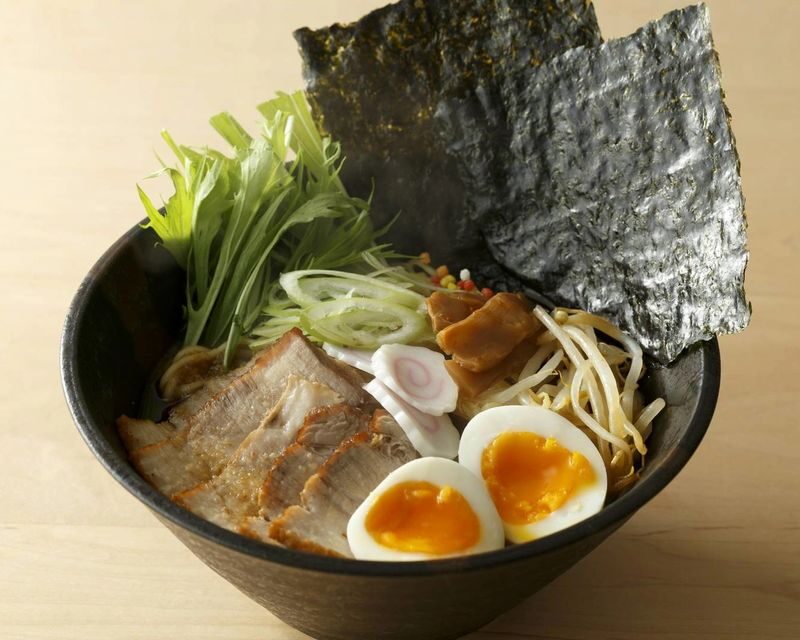
The class covers two familiar favorites, but in a home-cooking context. Ramen and gyoza are widely available across Japan, so learning to make them yourself offers a useful counterpoint to ordering them in a restaurant. You can ask questions, follow the process closely, and learn the background of the dishes as part of the lesson.
The specific recipes and cooking techniques are not set out in the activity details, so do not book expecting a particular regional ramen style, broth recipe, or dumpling-folding method. The promise is broader and more practical: make both dishes from scratch, learn about their history and place in Japanese food culture, and receive recipes in English to use later.
The class appears to be approachable for people without much cooking experience. Its appeal is not a test of culinary skill, but a chance to follow each stage and understand what you are doing. Yuca’s clear explanations and welcoming manner are central to that. The practical test is whether you enjoy learning by doing, with some kitchen activity and shared space.
Eating the meal you helped prepare
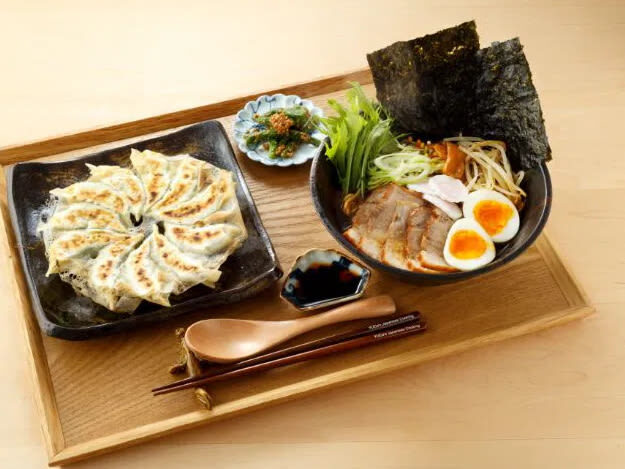
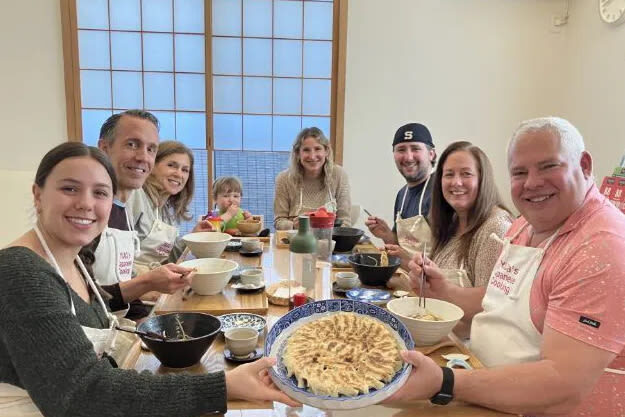
After the cooking, you sit down to eat what you have made. The package includes two mains, one side dish, and a drink, so this is more than a small tasting. The main dishes are the ramen and gyoza you prepared, and the meal gives you time to enjoy the results without having to rush straight back out.
There is value in eating the food immediately after making it. You can connect the finished meal with the steps you just practiced, and decide which parts you might want to repeat at home. The English-language recipes are a practical parting gift, especially if you want the class to be more than a pleasant afternoon memory.
The meal is described as home-style, not as a restaurant tasting menu. That is a useful distinction when weighing the price. You are paying for a guided class, ingredients, tools, a meal, a drink, recipes, and a local supermarket visit, rather than simply buying lunch. If you mainly want a bowl of ramen, eating at a ramen shop will cost less and take less time. If you want the process and the setting, the class offers a different kind of value.
Seeing a local supermarket after the meal
Once you have cooked and eaten, the chef takes you to a local supermarket. This stop shifts the focus from recipes to the daily choices behind home cooking. You are introduced to a range of unique and seasonal ingredients and can see where local residents buy food for everyday meals.
A supermarket visit may sound ordinary, but it can be a useful window into a city’s routines. The class gives you a guide to help explain what you are looking at, rather than leaving you to puzzle over unfamiliar labels and products on your own. It also gives the cooking lesson a wider frame: food culture is not only what people eat, but also what they can buy and how seasonal ingredients shape the kitchen.
The supermarket portion is not described as a market tour or a shopping excursion with tastings. Treat it as an informative look around a local store, not as a chance to sample a long list of foods. Its value is in the context and conversation, particularly if you are curious about ordinary life in Tokyo.
How much the class is worth
The listed starting price is US$149.79 for the 2.5-hour class. That is a substantial amount for a cooking lesson, so the decision comes down to what you want included. Here the price covers an English-speaking guide, ingredients and tools, cooking instruction, two mains, a side dish, a drink, English recipes, and the supermarket visit.
I see the strongest value for someone who wants a personal cultural activity and a meal in one booking. You are not only learning to prepare ramen and gyoza; you are also spending time in a local home and getting an introduction to a neighborhood supermarket. The combination gives the class more purpose than a short recipe demonstration.
It will be less compelling if your main goal is a low-cost meal, or if you already cook these dishes confidently. You may also prefer a larger studio if you want plenty of room to work independently. The starting price makes most sense when you value the host’s guidance and the home setting as much as the food itself.






Who is likely to enjoy this
This class suits food-minded visitors who want to do something practical between sightseeing days. It is especially appealing if you enjoy learning recipes, asking questions, or seeing how everyday life differs from the tourist center. You do not need to be an experienced cook, but you should be happy to take part rather than sit back and watch.
It can also work well for families, with a few age rules to keep in mind. Children aged one to six can attend free, but they must be accompanied by a paying adult and still need to be included in the passenger headcount. Children aged seven and older are charged at the same rate as adults. Participants must be under 80.
The activity is stroller-friendly, which can help families plan, though the kitchen is a home setting and space may be limited. If you are booking with children, consider whether they will enjoy a 2.5-hour cooking activity and a supermarket visit.
Dietary requirements may be accommodated for pescatarian, halal-certified, gluten-intolerant, vegetarian, and vegan diets. You need to inform the provider in advance, and it is sensible to do so when booking rather than waiting until the class begins. The details do not specify how each dish is adapted, so ask if you need to confirm particular ingredients or preparation needs.
Practical details for planning the visit
Transport is not included. Make your own way to the meeting point, and use the map link supplied with your voucher to confirm the exact location. The address is about two minutes on foot from Odai Station and roughly ten minutes from Oku Station.
Bring your mobile voucher and check that the booking is for the correct date. The voucher is valid only on the specified date and time, if a time is shown. Confirmation is expected within 48 hours; if it does not arrive, contact customer support.
The cancellation terms allow a full refund if you cancel at least 72 hours before the activity date, using destination local time. Other personal expenses are not included, so budget separately for anything you choose to buy during the supermarket visit.
Should you book this ramen and gyoza class?
Book it if you want more than a meal and like the idea of learning in a local home. The strongest reasons are the hands-on instruction, Yuca’s clear and welcoming teaching, and the supermarket visit that connects the recipes with everyday shopping. You also get a substantial meal and English recipes to take home.
Think twice if you need a large, open cooking space, want a specialized ramen technique, or are mainly looking for an inexpensive lunch. Those are not the strengths of this activity. For a curious cook who enjoys a personal setting and wants a practical taste of Tokyo life, it is a worthwhile way to spend 2.5 hours.
Make Ramen and Gyoza Like a Local (Tokyo)
“Yuca did an amazing job teaching us how to cook ramen and gyoza. It felt so straight forward I look forward to making these dishes at home 🙂 She a…”
FAQ
How long is the ramen and gyoza class?
The class lasts 2.5 hours.
Where does the class meet?
It meets at 2 Chome-34-8 Nishiogu, Tokyo. The detailed address and a Google Maps link are provided on the voucher after booking confirmation.
How do I get to the meeting point?
The location is about a two-minute walk from Odai Station or around ten minutes from Oku Station. Transport is not included.
What food is included?
The package includes two mains, one side dish, and a drink. You make ramen and gyoza as part of the class.
Are recipes provided?
Yes. You receive a copy of the recipes in English.
Can dietary requirements be accommodated?
The activity can accommodate pescatarian, halal-certified, gluten-intolerant, vegetarian, and vegan diets. Inform the provider of your requirements in advance.
Can children take part?
Children aged one to six can attend free with a paying adult, but they must be included in the passenger headcount. Children aged seven and older are charged the same rate as adults.
What is the cancellation policy?
You can receive a full refund if you cancel at least 72 hours before the activity date, using destination local time.