Ramen and gyoza are usually built around meat or fish, but this 2.5-hour class in Komae shows you how to make both with 100% vegan ingredients. With host Kaori-san guiding the cooking, you’ll learn useful techniques and leave with recipes you can use at home.
I like two things in particular: you make a complete meal, not just a quick demonstration dish, and the class can offer practical help for eating vegan in Japan, including useful Japanese phrases and restaurant suggestions. The ingredient explanations can also make unfamiliar miso pastes and Japanese products easier to identify.
The main consideration is the location. Komae is about 30 minutes from Shinjuku Station, and transport is not included, so this takes more planning than a cooking class in central Tokyo. The listed price starts at US$83.15.
- What you’ll make and take home
- Starting at Komae Station
- A supermarket visit puts ingredients in context
- Step by step from chopping board to ramen bowl
- Kaori-san’s warm, practical teaching
- What the price includes, and what it does not
- Is this class right for you?
- FAQ
- How long is the cooking class?
- What dishes will I make?
- What is included in the price?
- Where does the class meet?
- How far is Komae from Shinjuku Station?
- Are halal and gluten-free options available?
- What is the minimum age to participate?
- Is the class wheelchair-accessible?
- What is the cancellation policy?
- The Best Of Tokyo!
- More Food Experiences in Tokyo
- More Tours in Tokyo
- More Tour Reviews in Tokyo
- Not for you? Here's more nearby things to do in Tokyo we have reviewed
What you’ll make and take home
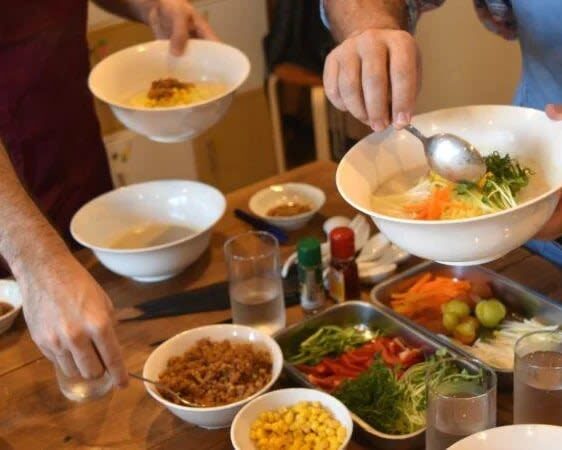
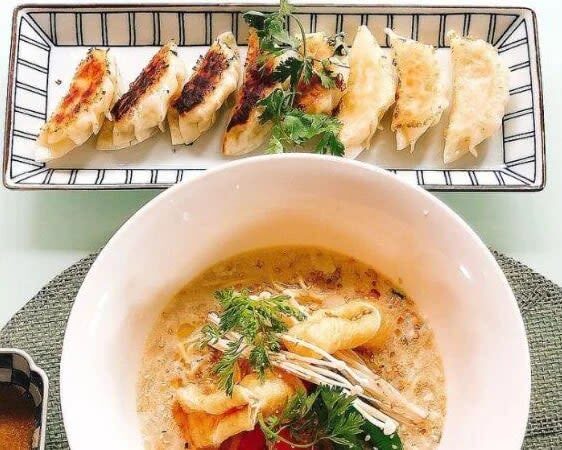
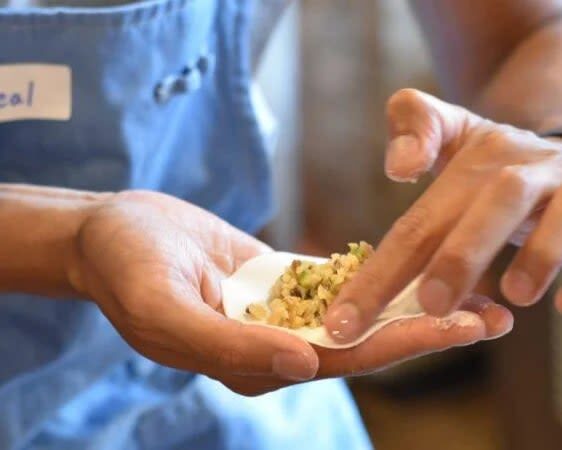
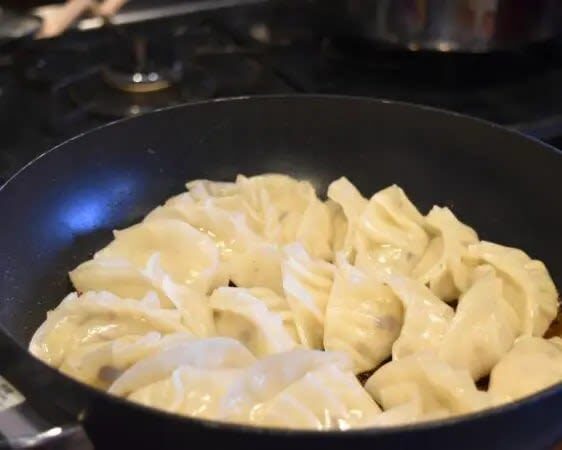
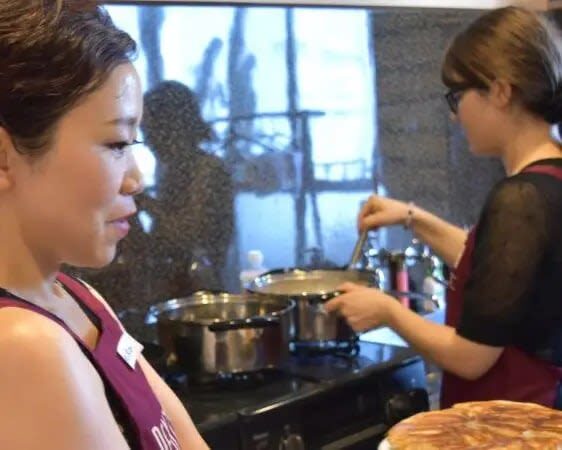
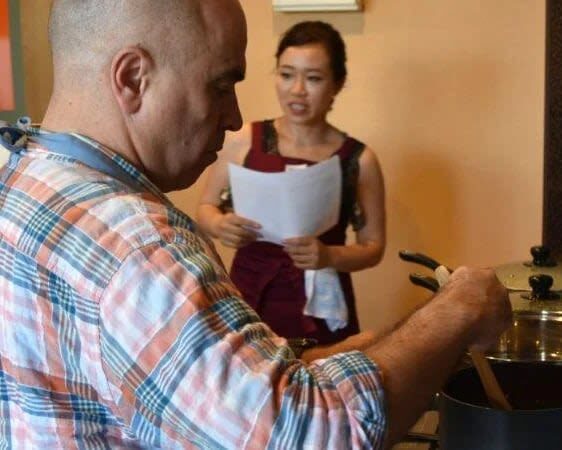
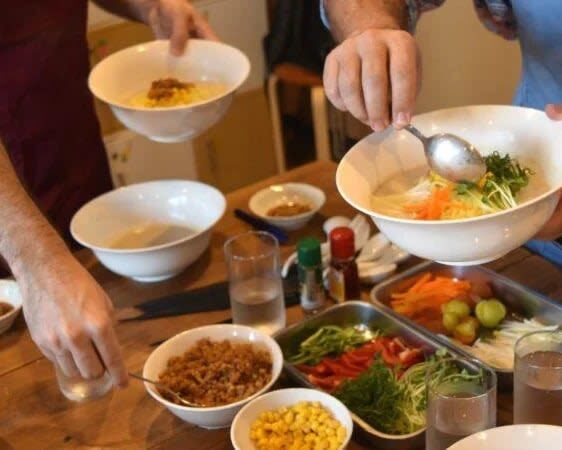
- Vegan ramen from scratch: Learn how to prepare the soup and assemble a bowl without meat or animal products.
- Gyoza and dipping sauce: Make plant-based dumplings as a side dish, with sauce and, in some sessions, chili oil.
- A closer look at ingredients: You may get to compare miso pastes and learn how Japanese products are used in the recipes.
- A friendly, hands-on class: Chop, mix, and cook alongside an English-speaking instructor and other participants.
- Useful take-home tools: You receive recipes, and the class can include practical Japanese phrases and vegan dining tips.
- More than one dietary option: Separate halal and gluten-free versions are available for a higher starting price.

👉 See our pick of the 25 Best Guided Tours In Tokyo
Starting at Komae Station
The class meets at 1-chome-7 Motoizumi, Komae, Tokyo. The meeting instructions say to meet the host at Komae Station, around 30 minutes from Shinjuku Station. Your confirmed voucher provides the detailed location and a Google Maps link, so check it before setting out.
That little journey is worth factoring into your schedule. You are heading away from Tokyo’s central sightseeing circuit for a home-style cooking session, not squeezing in a quick meal between major attractions. Transport is not included, and you should arrive on time. If you have a packed day, allow enough room for the train journey and the full class.
The address is in Komae, not central Tokyo, which may be a plus if you want to see a less touristed part of the city. But do not assume the meeting point is obvious from the street address alone. Use the map details supplied after booking, and keep your mobile voucher handy.
You can also read our reviews of more tours and experiences in Tokyo



A supermarket visit puts ingredients in context
Some classes begin with a short stop at a supermarket, where Kaori-san introduces ingredients used in the cooking. This is a useful addition, especially if Japanese food labels and unfamiliar products feel like a puzzle. Seeing the ingredients before they reach the cutting board helps connect the recipe to the way you might shop in Japan.
You may get to compare different miso pastes and hear how they affect the food. That kind of explanation is practical well beyond the class: once you know what an ingredient looks like and how it is used, it is easier to recognize it in a store or make sense of a recipe later.
A supermarket visit is not described as a separate, lengthy tour, so think of it as a brief introduction rather than a full food-shopping excursion. The class’s focus remains cooking. The exact sequence may vary, but the ingredient walk-through is one of the details that makes the experience useful for curious cooks as well as hungry ones.
Step by step from chopping board to ramen bowl
Back at the cooking space, you help prepare the ingredients rather than simply watch someone else work. Expect tasks such as cutting vegetables, mixing components, and following the instructor’s directions as the ramen and gyoza come together. The class is designed to teach traditional ramen-making techniques using vegan ingredients.
The value here is in the process. Vegan ramen can be more than a bowl with meat left out; the broth and other components need to carry the flavor. The class aims to show how to build a satisfying version using plant-based ingredients. You can ask questions as you go, and the English-speaking guide helps make the instructions accessible.
Then comes the gyoza. You make meat-free dumplings to serve alongside the ramen, with the class also covering gyoza sauce. Some sessions have included chili oil, too. Those extra elements matter: a good dipping sauce or a spoonful of chili oil gives you more ways to adapt the meal when you cook it again.
The menu is a sensible fit for a 2.5-hour lesson. You make two familiar Japanese dishes, but the work is varied enough to keep the session engaging. You also leave with recipes, which turns the class from a one-time meal into something you can try again at home.
Kaori-san’s warm, practical teaching
Kaori-san is the instructor most often named, and the class has a personal, welcoming feel. Participants have described learning in her home, with patient step-by-step explanations and plenty of room to ask questions. That setting is different from a demonstration in a restaurant kitchen: you are there to cook together and talk as you work.
The instruction is not limited to food. Kaori-san has shared useful Japanese phrases, including cards that can help you ask restaurants about vegan options. She has also offered vegan dining recommendations for other stops in Japan. If you are new to the country and follow a plant-based diet, that guidance can be as useful as the recipes.
The social side is part of the appeal. You cook and chat with the instructor and fellow participants, sharing a meal and, perhaps, stories about food at home. If you want a quiet, highly formal cooking lesson, this warm home-style approach may not be your preference. If you enjoy learning through conversation, it is a good match.
One detail to keep in mind: the instructor’s name is not fully consistent in every account of the class. Kaori-san is the name most commonly associated with the experience, while one participant refers to Keumi. The booking details identify an English-speaking guide, but do not treat a specific instructor name as a guarantee.
What the price includes, and what it does not
The standard 2.5-hour class starts at US$83.15. That covers the English-speaking guide, ingredients for vegan ramen and gyoza, cooking utensils, and recipes to take home. The price buys more than a meal: you are paying for instruction, a hands-on activity, and a set of dishes you can recreate.
For a visitor who wants to learn Japanese cooking in a practical setting, that can be fair value. It is less compelling if you only want to eat ramen. Tokyo has many places to dine, while this class spends its time on preparation, conversation, and learning. Choose it for the experience and the skills, not as the cheapest way to fill up.
Halal and gluten-free classes start at US$93.60. These are listed as separate package options, so choose the correct class when booking rather than assuming the standard vegan session can be adjusted to meet every requirement. Vegetarian and vegan diets are also accommodated.
Transport and personal expenses are not included. The class is wheelchair-accessible. Children must be at least four years old; ages four to 12 need a paying adult, and participants aged 13 or older pay the adult rate. Infants and children must be included in the passenger headcount.





Is this class right for you?
This is a strong choice if you eat vegan or vegetarian and want more than a list of restaurants. Learning how to make ramen and gyoza gives you a practical meal to take home, while the Japanese phrases and dining suggestions can help with food choices during the rest of your stay.
It also suits travelers who like to cook with other people and ask questions. The personal setting, ingredient explanations, and chance to prepare each dish yourself are the point. You do not need to be an experienced cook, but you should be willing to take part rather than sit back and watch.
If you are short on time, staying far from Komae, or looking only for a quick bowl of ramen, the journey and 2.5-hour commitment may not make sense. And if your dietary needs are halal or gluten-free, select the matching package. Those options cost more than the standard class.
I’d book it if you want a meal that comes with skills and useful local food advice. I’d skip it if your schedule is tight or you prefer a restaurant meal without a lesson. Before confirming, check the date and package carefully: the voucher is valid only for the specified date and time, and cancellation for a full refund is available at least 72 hours before the activity, in local time.
Make Gyoza and Ramen with Vegan Ingredients in Tokyo
“10/10 experience – well worth the time and money. Kaori-san was absolutely wonderful!! This cooking class has been our favorite Toyko experience by…”
FAQ
How long is the cooking class?
The class lasts 2.5 hours.
What dishes will I make?
You’ll make vegan ramen and gyoza. The class may also include gyoza sauce and chili oil.
What is included in the price?
The package includes an English-speaking guide, ingredients for vegan ramen and gyoza, cooking utensils, and recipes to take home.
Where does the class meet?
The meeting point is 1-chome-7 Motoizumi, Komae, Tokyo. Instructions say to meet the host at Komae Station, and the detailed location and Google Maps link are provided after booking.
How far is Komae from Shinjuku Station?
Komae Station is about 30 minutes from Shinjuku Station.
Are halal and gluten-free options available?
Yes. Separate 2.5-hour halal and gluten-free classes are available, starting at US$93.60.
What is the minimum age to participate?
Participants must be at least four years old. Children aged four to 12 must be accompanied by a paying adult, and those aged 13 or older are charged the adult rate.
Is the class wheelchair-accessible?
Yes, the activity is wheelchair-accessible.
What is the cancellation policy?
You can receive a full refund if you cancel at least 72 hours before the activity date, using the destination’s local time.