Japan’s past and present meet on this 12-day journey from Tokyo’s neon-lit districts to the quiet islands of Hirado. I love the contrast between Kyoto’s temples and gardens and the tea farms, fishing villages and coastal roads of Kyushu. I also like that the route uses public trains and local restaurants, rather than keeping you inside a tour bus.
The trade-off is a brisk schedule: Tokyo gets only one full day, and several travel days include multiple train or bus legs. You’ll also spend three nights in simple traditional accommodation, where futons and shared bathing facilities may take some adjustment.
- Ride the Shinkansen from Odawara to Kyoto, then continue by bullet train toward Hiroshima.
- Meet a maiko in Kyoto for a dance performance and conversation, with your tour leader translating.
- Visit Hiroshima and Nagasaki, two cities that give the journey its most sobering and reflective moments.
- Stay on Hirado, where a tea-farmer visit, a local lunch and island touring add a quieter side of Japan.
- Pack a small overnight bag on some travel days, as your main luggage is sent ahead.
- Tokyo’s temples, river and neon streets
- Hakone’s hot springs and Mount Fuji views
- Kyoto’s geisha arts, gardens and shogun palace
- Hiroshima’s Peace Memorial Park and the journey west
- Nagasaki’s Dejima and harbour history
- Tea country and two nights on Hirado
- Sasebo’s islands and the finish in Fukuoka
- What the price covers, and what to budget for
- Is this the right Japan tour for you?
- FAQ
- Where does the tour start and end?
- Are airport transfers included?
- How large is the group?
- What languages are used on the tour?
- How physically demanding is the trip?
- What kind of accommodation is included?
- Can I book a single room?
- How much luggage do I need to carry?
- What is included in the tour price?
- The Best Of Tokyo!
- More Tours in Tokyo
- More Tour Reviews in Tokyo
- Not for you? Here's more nearby things to do in Tokyo we have reviewed
Tokyo’s temples, river and neon streets
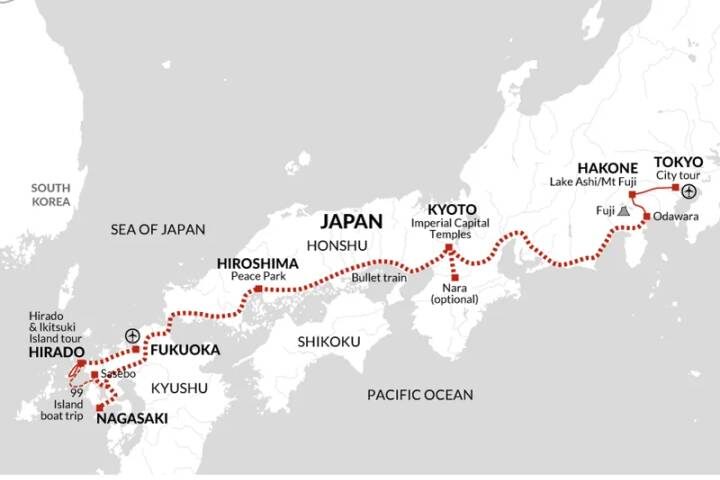
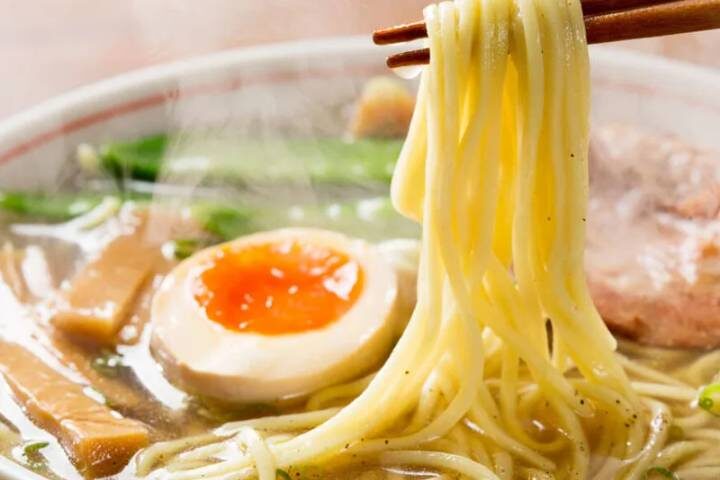
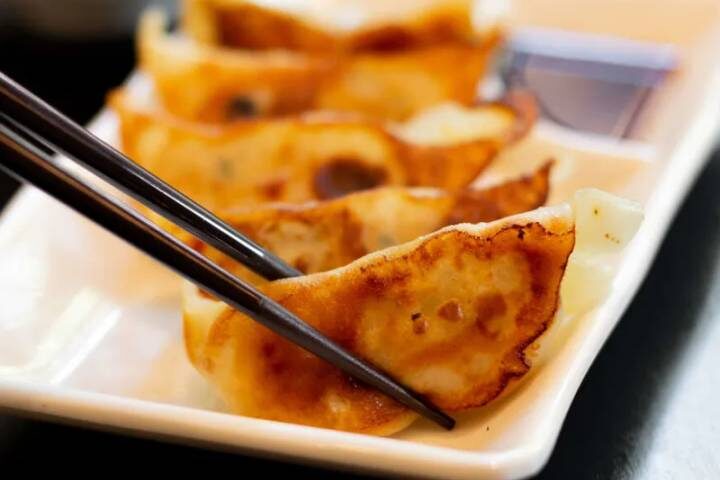
The tour begins in Tokyo, with airport transfers available from Haneda or Narita if you arrive on Day 1 and have supplied your flight details. The first evening is kept open for arrivals. There’s a welcome meeting at 6:30pm, with an optional group dinner, while anyone arriving late can catch the main briefing the next morning.
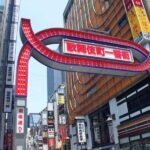
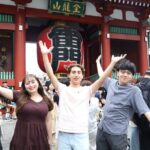
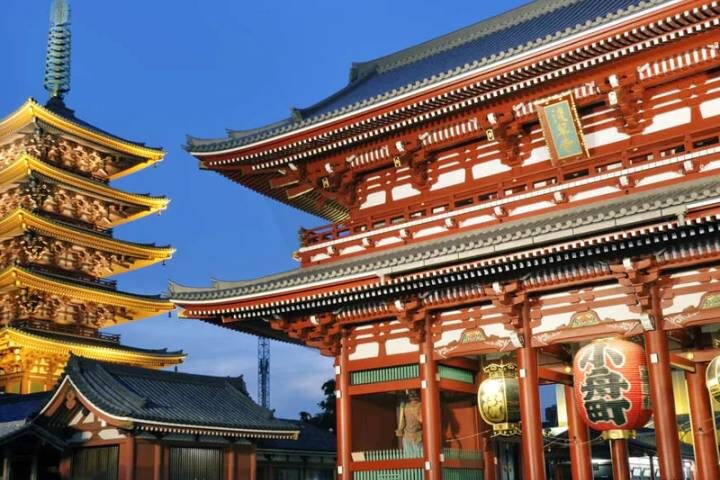
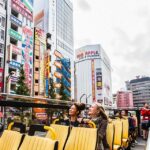
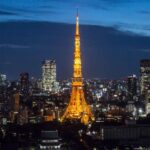
Day 2 combines old Tokyo with a taste of its modern scale. You walk to Senso-ji, the city’s oldest temple, then take a boat along the Sumida River, passing apartments, gardens and warehouses. Hamarikyu Gardens offers a calmer pause before a visit to Meiji Shrine. The afternoon is free for Harajuku, Shibuya or Shinjuku, and dinner is included at an izakaya, a casual Japanese restaurant serving a range of small dishes.
I like this balance of guided orientation and free time. One full day is enough to get a first impression, not to see Tokyo in depth. If the capital matters to you, add nights before the tour; that also gives you room for neighborhoods or interests not covered by the group route.

👉 See our pick of the 25 Best Guided Tours In Tokyo
Hakone’s hot springs and Mount Fuji views
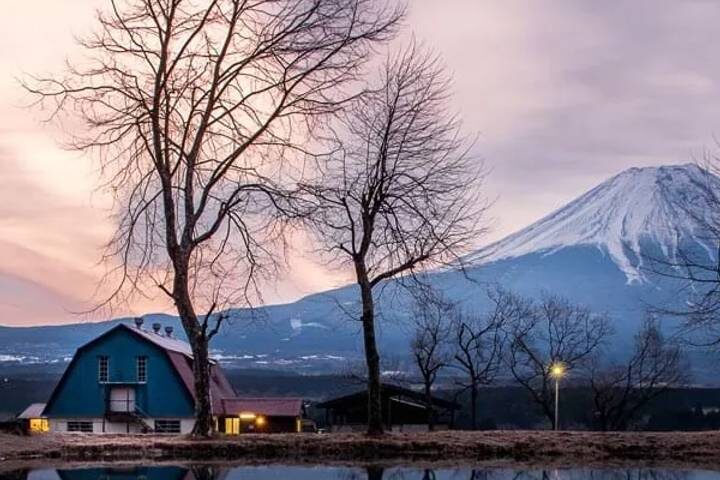
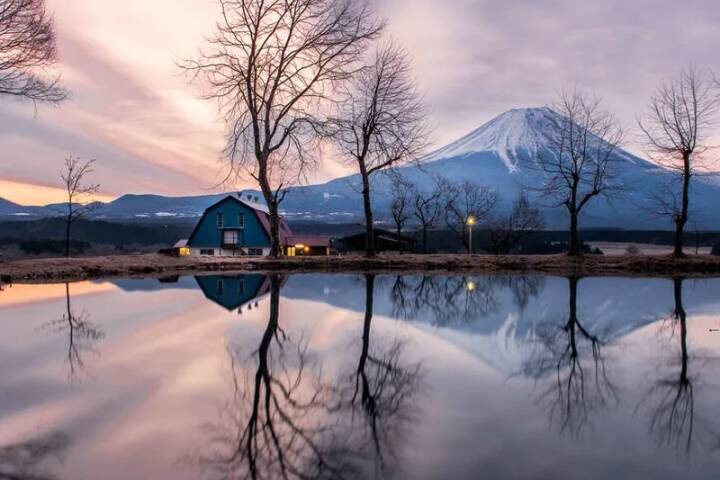
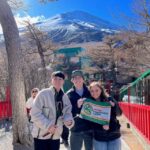
On Day 3, a private bus takes the group about two and a half hours to Hakone National Park. The day includes Owakudani, a volcanic area with hot sulphur springs, and a boat ride on Lake Ashi to Moto Hakone. On a clear day, Mount Fuji may appear above the lake and surrounding hills. Visibility is weather-dependent, so treat the view as a possible bonus, not a promise.
At Owakudani, you can try an egg boiled in the sulphur pools. Local lore says one adds seven years to your life, though the tour does not include a guarantee of longevity. You then spend the night in a ryokan, a traditional Japanese inn, with futon bedding and bathing facilities. Rooms have ensuite facilities at the listed Hakone accommodation, and the communal bathing arrangement is usually organized so people can use the bath in turns.
This is one of the trip’s most distinctive nights, but it is a change from a standard hotel. If getting up from a futon is a concern, the available furniture varies by accommodation and departure. A hiking stick is permitted, and you should expect some walking and stairs across the trip.
You can also read our reviews of more tours and experiences in Tokyo.


Kyoto’s geisha arts, gardens and shogun palace
The next morning, a local bus takes you to Odawara, where you board the Shinkansen for Kyoto. The ride is a highlight in its own right: high-speed rail is a practical part of daily travel in Japan, not just a novelty. You arrive around midday, then meet a geisha or maiko for a dance performance and a chance to ask questions. Your tour leader helps translate. Afterward, you visit Gion, Kyoto’s historic geisha district. You may see entertainers heading to appointments, but sightings on the street are never guaranteed.
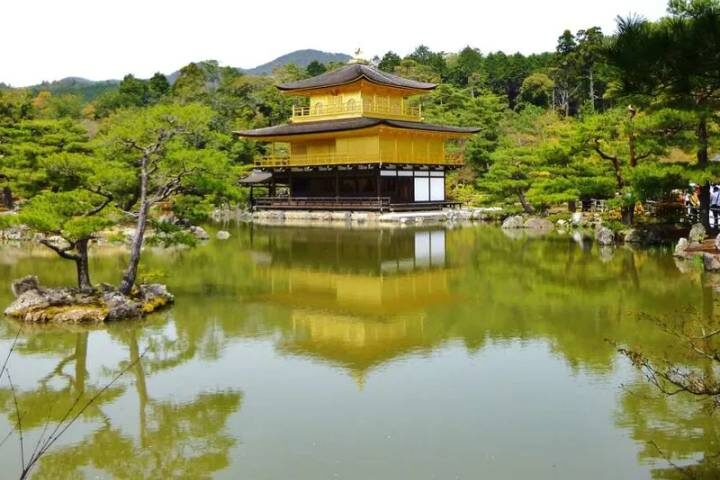
Day 5 brings three major sights. At Ryoan-ji, the spare rock garden invites a slow look; the familiar puzzle is whether you can see all the stones from any one spot. Kinkaku-ji, the Golden Pavilion, reflects in its pond, while Nijo Castle offers a different kind of history: the former shogun’s residence has impressive gates, gardens and nightingale floors designed to chirp underfoot.
That is a full day of important sites, and it can feel temple-heavy if you prefer everyday neighborhoods to formal monuments. The leader also points out favorite streets and canals, which helps add some breathing room. Day 6 is free, a welcome chance to set your own pace or take the 45-minute train to Nara. There, Todai-ji houses a giant bronze Buddha, and many of the main sights can be explored on foot.
Hiroshima’s Peace Memorial Park and the journey west
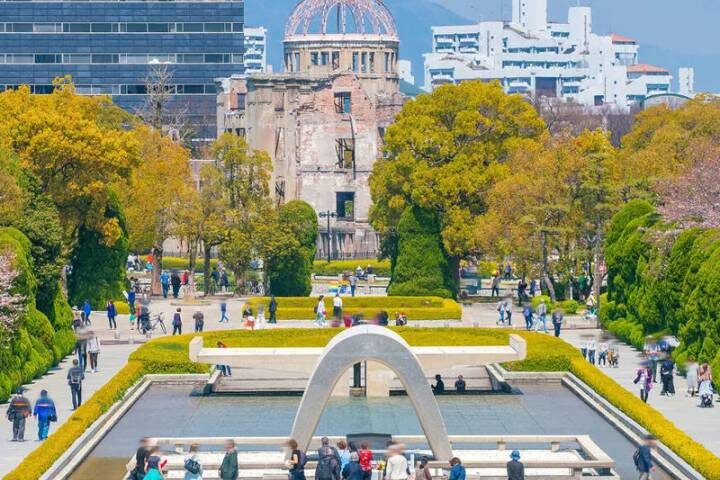
Day 7 starts early with a Shinkansen ride to Hiroshima. The Peace Memorial Park and museum sit near the hypocentre of the atomic bomb dropped on August 6, 1945. Allow yourself time to take in the exhibits and memorials; this is not a stop to rush through for a photograph. Hiroshima’s tram network makes it easy to get around, though the group’s schedule continues onward to Nagasaki later that day.
The route combines bullet train and local train travel, and you carry an overnight bag while your main luggage is sent ahead. This is one of several times when a compact backpack is more useful than relying on a wheeled suitcase. The travel is efficient, but the day is long, with a significant historical visit between train journeys.
Nagasaki’s Dejima and harbour history
Nagasaki has a different story from Kyoto or Hiroshima. For centuries it was one of Japan’s main points of contact with foreign traders. Dejima, a small artificial island in the harbour, was the Dutch trading post and Japan’s tightly controlled connection with Europe during a long period of isolation. You’ll see surviving features and reconstructed 18th-century buildings.
The tour leader also takes you to Glover Gardens, where foreign residences from the Meiji period look over Nagasaki Harbour. The afternoon is free. You could visit Nagasaki Peace Park and Museum, walk around Spectacles Bridge and Chinatown, or head to Mount Inasa for a celebrated night view. The Gunkanjima museum is another option for learning about Battleship Island. Choose one or two rather than trying to cover everything; the city’s hills and spread-out sights reward a little planning.
Tea country and two nights on Hirado
On Day 9, a private coach heads through the Higashi-Sonogi tea-growing area. You walk among terraced tea fields, visit a tea farmer’s house and sample Sencha green tea and roasted Hojicha. A traditional lunch with local farmers makes this more than a quick photo stop. It is a chance to see an industry and a rural community that city sightseeing cannot show you.
The journey continues to Hirado, a former port and castle town linked to trade with China, Holland and Portugal. You visit Kameoka Shrine and Hirado Castle before checking into a simple ryokan for two nights. Dinner is a multi-course Kaiseki meal, and an onsen bath is available. Bring what you need for the stay in a day bag: the main luggage is sent ahead to Fukuoka.
Day 10 explores Hirado and Ikitsuki with a local guide and charter minibus. A long bridge joins the islands, where the day takes in fishing communities, traditional industries, coastlines and the history of Hidden Christians. The group also visits the Matsura Museum, in the former home of the family that ruled the area from the 1300s. Lunch is a locally sourced bento. This section is a strong reason to choose the tour over a route focused only on Japan’s best-known cities, though the basic guesthouse and traditional sleeping arrangements will not suit everyone.

Sasebo’s islands and the finish in Fukuoka
The final full day begins with a minibus ride to Sasebo and a cruise among the so-called Ninety-Nine Islands. There are actually 208 islands along this jagged coast, most uninhabited. After the cruise, a local train takes you about two hours to Fukuoka, where the afternoon is free for a final stroll or souvenir shopping.
The tour ends after breakfast on Day 12. If you have a later flight, the hotel can store your luggage. A metro transfer to Fukuoka Airport takes about 20 minutes; the leader provides a ticket and instructions for the trip.
What the price covers, and what to budget for
The advertised price starts at $5,600, with actual costs varying by departure. International flights, travel insurance, tips, visa costs and personal spending are not included. Included are accommodation, listed activities and meals, plus airport transfers on the first and last days when you meet the stated flight and information requirements.
You get 11 breakfasts, two lunches and three dinners. That leaves plenty of meals for your own choices, and the tour encourages eating at local restaurants rather than relying on hotel dining. Vegetarian and vegan options can be requested. Remember to budget for lunches and dinners not included, optional activities such as a trip to Nara, and any extra nights you add in Tokyo or Fukuoka.
Accommodation is eight nights in standard hotels and three in simple ryokan or guesthouse settings. The balance helps the trip move comfortably through cities while preserving a few traditional stays, but this is not a luxury tour. A single supplement is listed at £775, and single accommodation is not available during the three traditional-style hotel nights. Confirm the current room arrangements for your departure before booking.
The group size is 7 to 16, with an average of about 11 across Explore’s tours. That is small enough for a more personal group experience, yet large enough that you should expect to keep to meeting times on train days. Tour leaders vary by departure. Past leaders have included Giulia Greco and Irene, and strong leadership matters here: the guide helps with transport, context, translation and the practical details of moving through Japan.
Is this the right Japan tour for you?
Book this trip if you want a broad first look at Japan, value a guide who can make train travel and cultural visits easier, and are happy to mix major cities with a few simpler stays. Its strongest features are the Kyoto geisha arts visit, the moving Hiroshima stop, and the detour through tea country and Hirado. It also gives you useful free time without leaving you to organize every transfer yourself.
Think twice if you want a slow holiday, a deep stay in Tokyo, or consistently upscale rooms. The operator describes the activity level as low, but the overall pace is moderate, with walking, stairs, early starts and several long transfer days. For the best fit, arrive in Tokyo a day or two early, pack a light overnight bag, and choose this route for its variety rather than for long stretches in one place.
Japan In Depth – Footsteps of the Shogun by Explore! – 12-Day Tour
“It's impossible to pick one or two moments since every day was filled with amazing planned activities, optional free time, and activities that were…”
FAQ
Where does the tour start and end?
It starts in Tokyo and ends in Fukuoka. The final night is in Fukuoka, and the tour ends after breakfast on Day 12.
Are airport transfers included?
A transfer is available from Haneda or Narita on Day 1 and to Fukuoka Airport on the final day if you provide your international flight information. The Fukuoka transfer is by metro, with a ticket and instructions from the tour leader.
How large is the group?
The group size is 7 to 16 people. Explore’s average group size across its tours is about 11.
What languages are used on the tour?
The tour is guided in English.
How physically demanding is the trip?
The tour is described as low intensity, though the travel pace is moderate. Expect walking, stairs, early starts and busy transfer days. A hiking stick is permitted.
What kind of accommodation is included?
The tour includes eight nights in standard hotels and three nights in traditional-style ryokan or guesthouse accommodation. Futon bedding is used during traditional stays, and bathing arrangements can be communal.
Can I book a single room?
A single supplement is listed at £775 per person. Single accommodation is not possible during the three traditional Japanese hotel nights, and arrangements may vary by departure.
How much luggage do I need to carry?
Your main luggage is sent ahead on some journeys. You need an overnight bag for the Hakone stay, the Hiroshima-to-Nagasaki travel day and the two nights on Hirado. A backpack is a practical choice for those sections.
What is included in the tour price?
Accommodation, listed activities and meals are included, along with eligible airport transfers. The tour includes 11 breakfasts, two lunches and three dinners. Flights, insurance, tips, visa costs, personal spending and meals not listed are extra.