
The Everest Base Camp trek covers 130 kilometers round trip over 12 days on the ground, tops out at 5,545 meters on Kala Patthar (not base camp itself, which sits slightly lower at 5,364m), and crosses seven suspension bridges strung over the Dudh Kosi river before you ever reach Namche Bazaar.
Those numbers matter because almost every photo you’ve seen of the trek flattens them into a postcard, and the postcard lies. EBC isn’t a walk to a famous rock. It’s a two-week altitude grind through Sherpa country, and booking it correctly is the difference between a trip you remember fondly and one you limp home from with HAPE (high-altitude pulmonary edema) and a refund request.
This is also the final Asia article in our booking guide run — the last stop on a trail that started with Mt Fuji day trips and snaked through Thailand, Vietnam, Indonesia, India, Sri Lanka, Malaysia, the Philippines, and everywhere in between. Nepal gets the closing chapter because, honestly, no tour we’ve profiled on the continent comes close to what the Everest region asks of travellers. It deserves the last word.
n
Below you’ll find the three tours I keep recommending to readers who email asking how to do this properly, plus everything I wish someone had told me before I committed to the flight to Lukla.
n
- The three EBC tours worth booking
- Everest Base Camp Trek — 14 Days
- Everest Base Camp Helicopter Tour with Breakfast at Everest View Hotel
- Everest Base Camp Trekking (12-Day Standard)
- Why booking EBC is harder than it looks
- The real route, day by day
- When to go — the peak season math
- What the three tours actually include
- Altitude sickness — the thing that actually ruins EBC trips
- What teahouse life is actually like
- The Lukla flight — the part nobody tells you about
- Gear — what to bring, what to rent, what to skip
- How EBC compares to other Asia treks we’ve profiled
- Budgeting: what the trek actually costs
- Who should not do this trek
- How to book — the actual steps
- Final thoughts on closing out Asia
The three EBC tours worth booking
Before I get into acclimatization schedules, teahouse food, and what “porter assist” actually means at 4,000m, here are the three booking options I’d stand behind. All three run out of Kathmandu, all three have hundreds or thousands of verified reviews, and all three handle the Lukla flight, permits, and teahouse logistics for you.
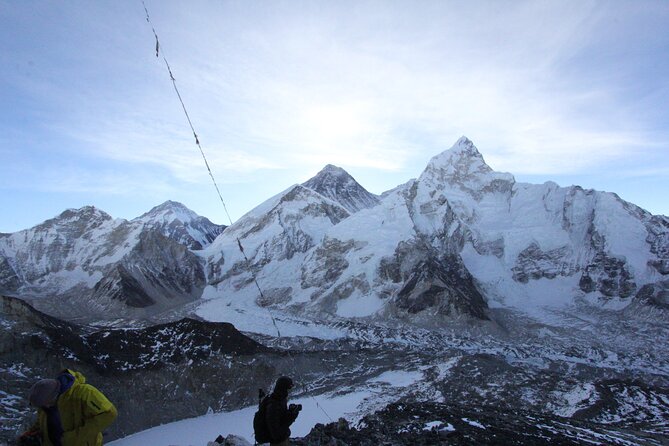
Everest Base Camp Trek — 14 Days
The full 14-day itinerary with two built-in acclimatization days (Namche and Dingboche), buffer day for Lukla weather delays, all permits, licensed guide, porter, Kathmandu hotel nights, and flights included. The highest review count of any EBC product on Viator and the package I’d choose for a first attempt. At $1,800 it’s not the cheapest, but the 1,499 five-star reviews reflect the value of a properly-paced trek with a professional crew.
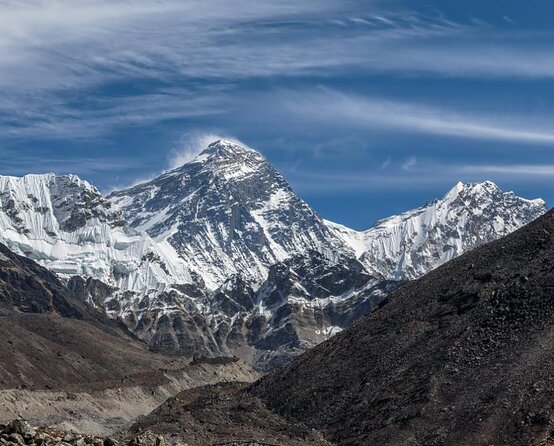
Everest Base Camp Helicopter Tour with Breakfast at Everest View Hotel
The legitimate shortcut for travellers who want the Everest experience without the 12 days on foot. Helicopter from Kathmandu to a high-altitude landing near Kala Patthar, then breakfast at the Everest View Hotel (3,880m) with full views of Everest, Lhotse, and Ama Dablam, then back to Kathmandu. About four to five hours total. I recommend this to older travellers, people with limited vacation time, and anyone with a medical reason they can’t trek.
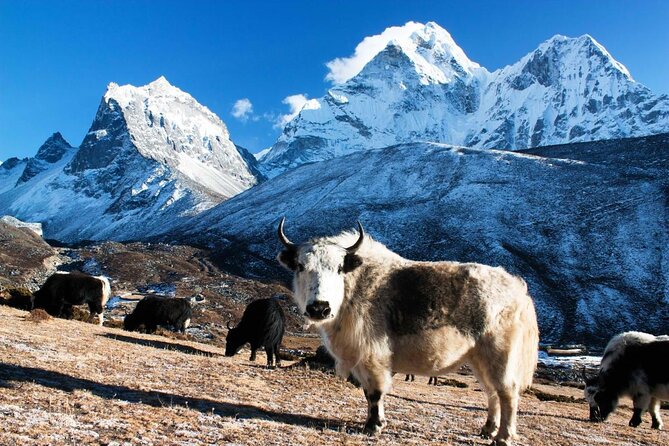
Everest Base Camp Trekking (12-Day Standard)
The 12-day compressed version at a lower price point. Same core route and same acclimatization days on the mountain but without the extra buffer days at either end. Works well for trekkers who’ve done high-altitude trekking before and know their bodies adapt quickly. At $1,350 it’s the best value of the three and worth considering if you’re confident in your acclimatization history.
Why booking EBC is harder than it looks
n
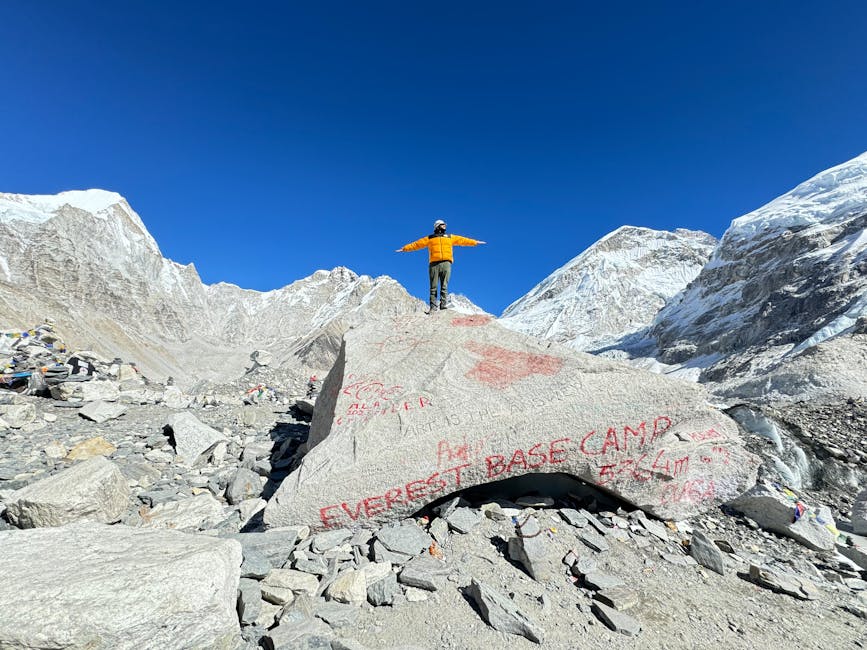
The Everest Base Camp trek occupies a strange category in the tourism world. It’s physically demanding enough that only about 35,000 to 40,000 people complete it each year, but it’s also well-trodden enough that you’ll never be alone on the trail. That dual reality breaks a lot of booking assumptions.
People who show up expecting a remote Himalayan expedition are shocked by the bottleneck at Namche Bazaar in peak season. People who expect a breezy guided walk are destroyed by the climb to Tengboche Monastery on day four.
The other complication is that Nepal’s trekking industry has roughly 2,000 registered agencies, and the quality gap between the best and worst is enormous.
A well-run outfit books your Lukla flight on Tara or Summit Air, gives you a government-licensed guide with wilderness first-aid training, carries a pulse oximeter to check you at every teahouse stop, and has a Gamow bag (portable altitude chamber) somewhere on the mountain.
A poorly-run outfit gives you a guy who’s never been above 4,000m, no medical kit, and a Lukla flight booked on whichever carrier was cheapest that week. Both might charge you the same $1,400 and call themselves “Everest specialists.”
That’s why I’m not sending you to a random TripAdvisor listing. The three tours above have been vetted through the review pipeline we use for all our India city tours and Sri Lanka safaris. They’re not the cheapest on the mountain. They’re the ones that consistently bring people home.
The real route, day by day
n
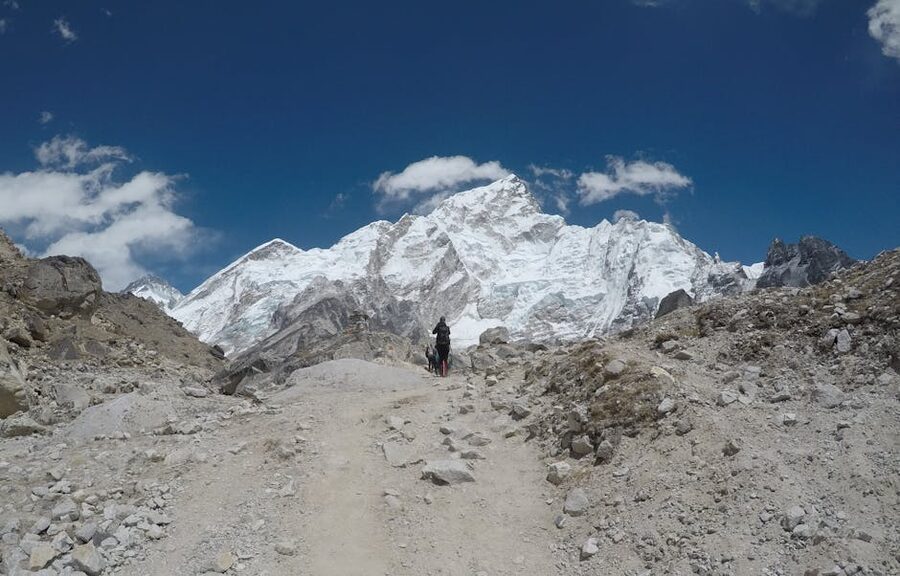
Tour operators describe this trek in glossy paragraphs with phrases like “breathtaking panoramas” and “mystical monasteries,” which is true but useless. Here’s what actually happens to your body and your schedule across the 12 to 14 days.
Day 1: Kathmandu to Lukla to Phakding. You wake up at 4am. You’re at the domestic terminal by 5am. Your flight may or may not leave on time depending on cloud cover at Lukla, which is one of the most weather-sensitive airstrips on earth.
When it does leave, you’re in a 19-seat twin-engine aircraft for about 35 minutes, and the landing at Tenzing-Hillary Airport is onto a 527-meter runway that slopes uphill at 12 degrees. After that, you walk three hours downhill to Phakding (2,610m) and sleep at lower altitude than where you started. This is intentional — it helps.
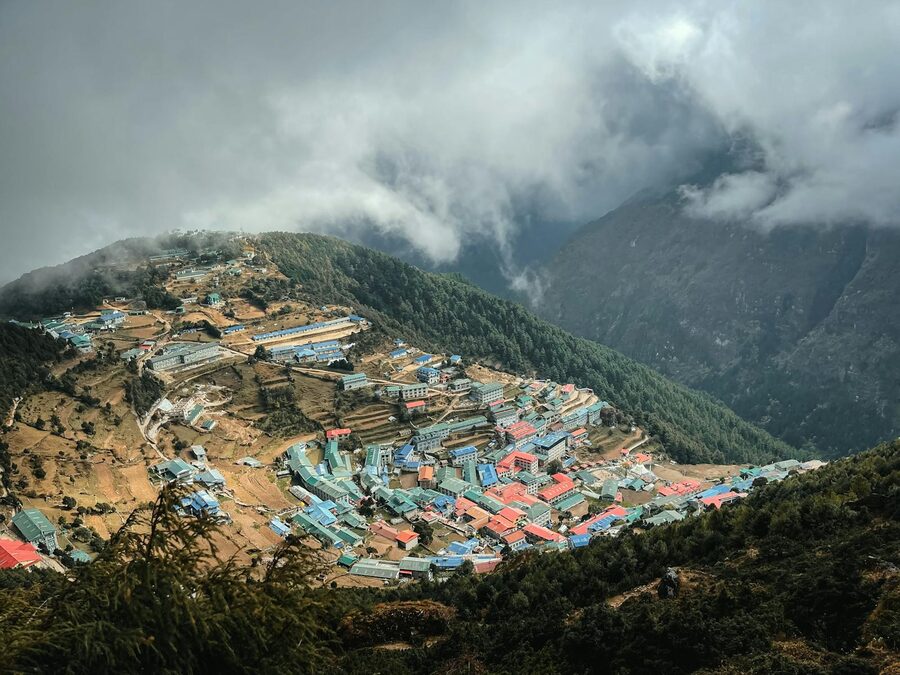
Day 2: Phakding to Namche Bazaar. This is the day that breaks people. You cross five suspension bridges, the last of which (the Hillary Bridge) hangs over a 100m drop, and then you climb about 600 vertical meters in roughly two hours to reach Namche Bazaar at 3,440m. I’ve watched people who run marathons at sea level sit down on that climb and cry. Altitude doesn’t care how fit you are. You’ll sleep in Namche that night and you’ll feel it.
Day 3: Acclimatization day in Namche. A good tour doesn’t push you up the next day. You stay in Namche, do a short morning hike to the Everest View Hotel (3,880m) for your first real glimpse of Everest, Lhotse, and Ama Dablam, then descend back to Namche to sleep. This “climb high, sleep low” pattern is the single most important acclimatization technique on the mountain. Skip it and your chances of turning back before base camp climb dramatically.
n
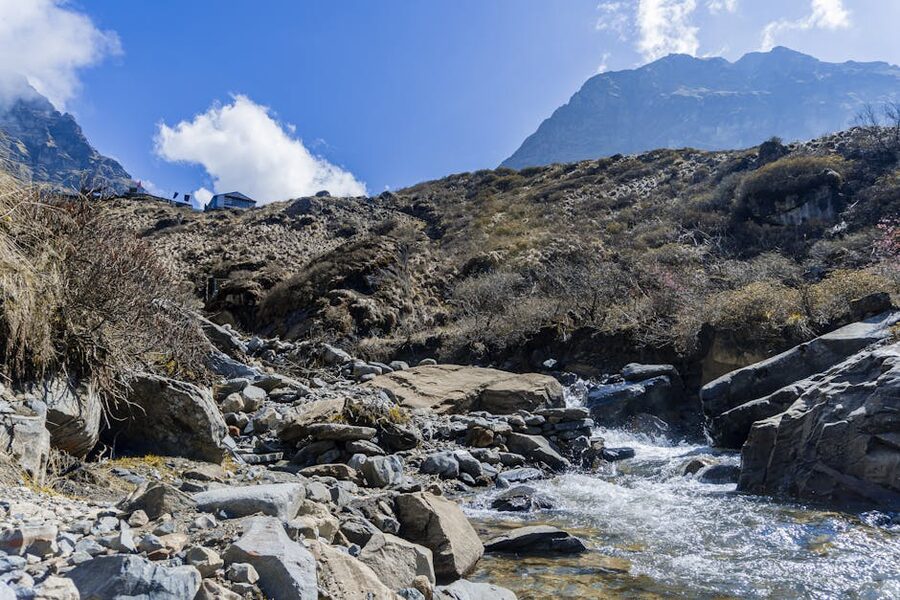
Day 4: Namche to Tengboche. Five to six hours of walking, ending at 3,860m. Tengboche Monastery is the cultural high point of the trek — a working Buddhist monastery founded in 1916, rebuilt after a 1989 fire, where you can sit in on evening prayers if you time it right. The views of Ama Dablam from the monastery courtyard are the ones that end up as desktop wallpapers.
Day 5: Tengboche to Dingboche. Another 5-6 hour day, climbing to 4,410m. You cross the Imja River, pass through rhododendron forest that thins into juniper scrub, and start to notice the air getting thinner. Most people hit their first mild altitude symptoms here — headache, light nausea, interrupted sleep. This is normal. What’s not normal is vomiting, confusion, or a wet cough, and any good guide will be checking you for those daily.
Day 6: Acclimatization day in Dingboche. Another climb-high-sleep-low day. You hike up to Nangkartshang Peak (5,083m) or similar viewpoint, then come back down to Dingboche. This is the second mandatory rest day on any properly-run itinerary. If your tour doesn’t include this, cancel it.
Day 7: Dingboche to Lobuche. Short day in distance (about 8km) but brutal in effort. You climb to 4,910m and pass Thukla Pass, where a field of stone memorials commemorates climbers who died on Everest. The views are overwhelming and you’ll probably feel emotional here — partly from the place itself, partly from the altitude messing with your brain chemistry. Both are valid.
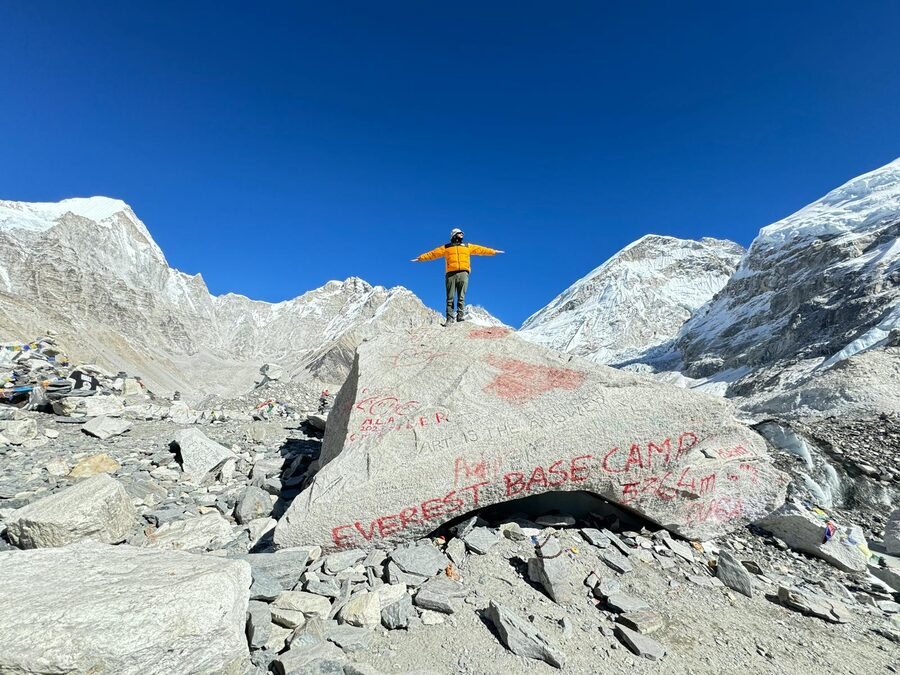
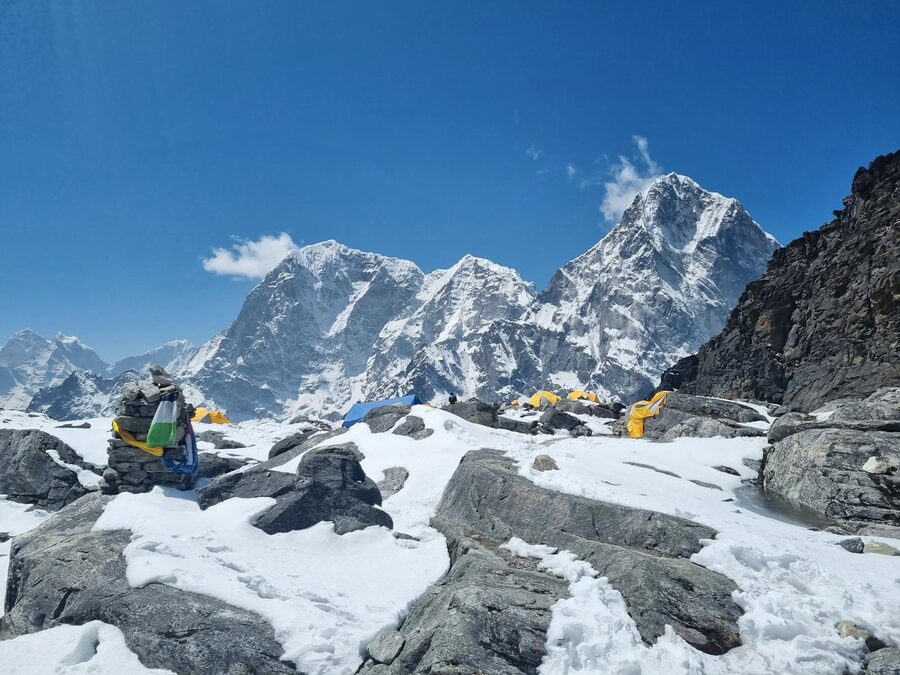
Day 8: Lobuche to Gorak Shep and Everest Base Camp. The big day. You walk to Gorak Shep (5,164m) in about three hours, drop your pack, eat lunch, and then push the final two to three hours to Everest Base Camp itself at 5,364m. You’ll be walking on the lateral moraine of the Khumbu Glacier for much of this stretch.
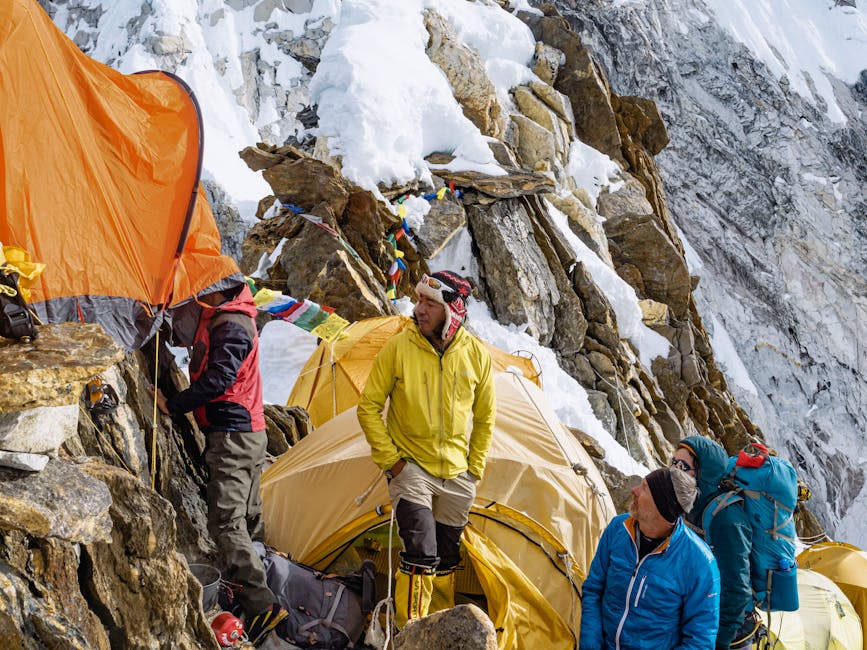
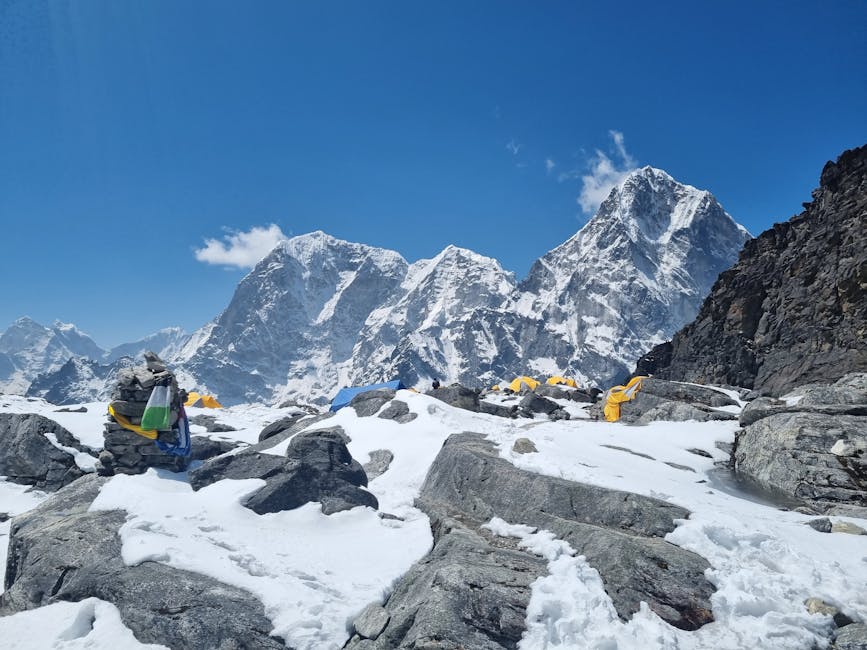
Base camp in the pre-monsoon season (April-May) has the climbers’ tents still set up — yellow North Face domes, Sherpa cook tents, the whole circus of an active expedition season. Out of season, it’s empty. Both versions are worth seeing. You walk back to Gorak Shep to sleep at 5,164m, which is rough.
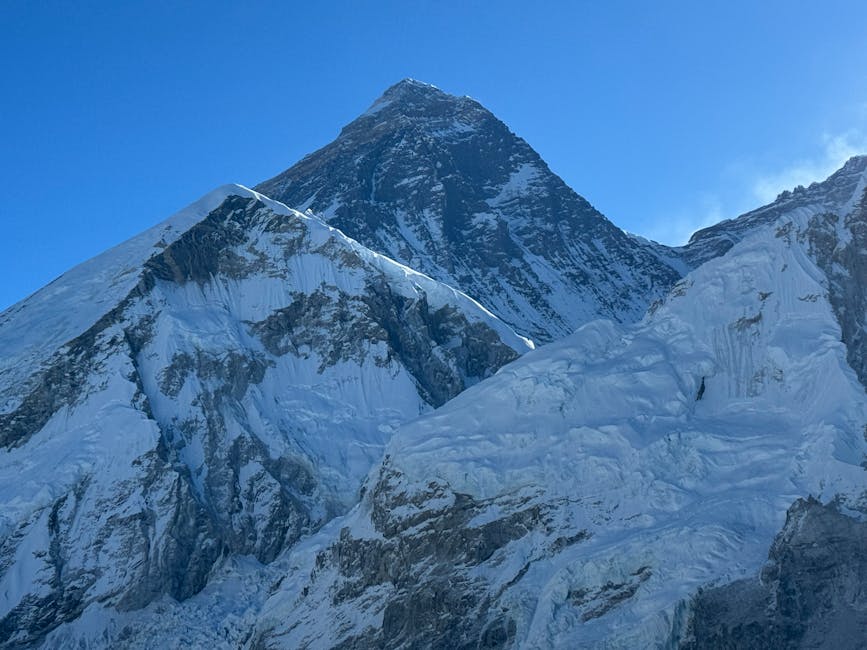
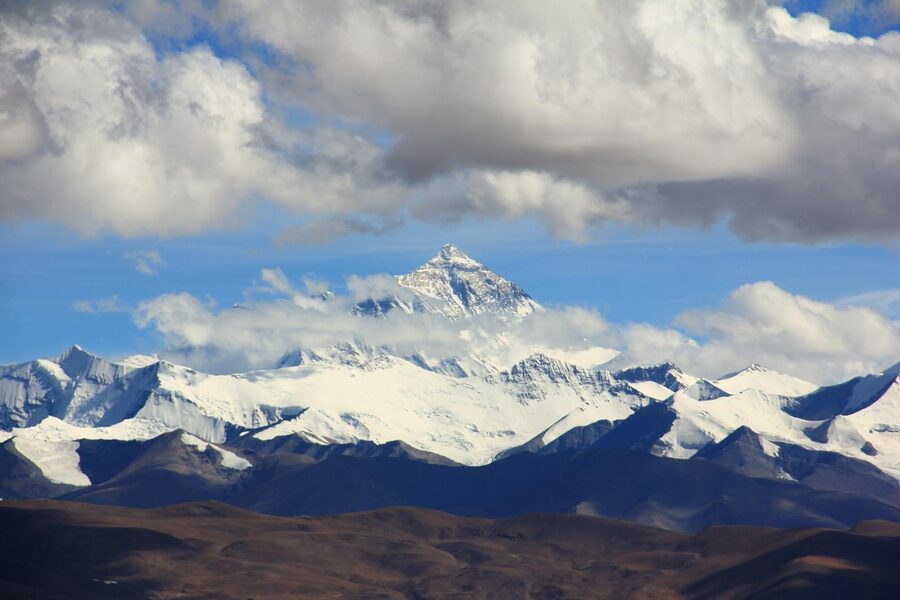
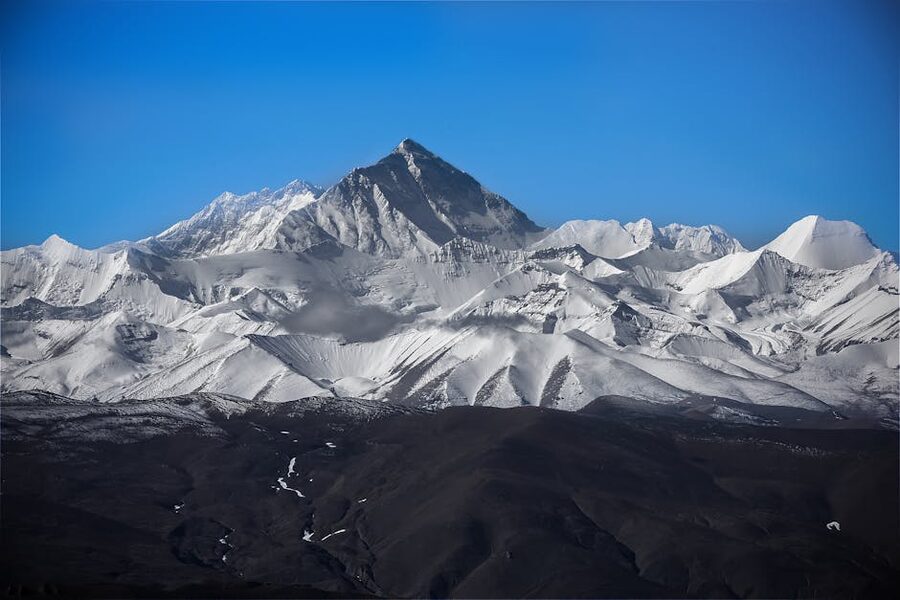
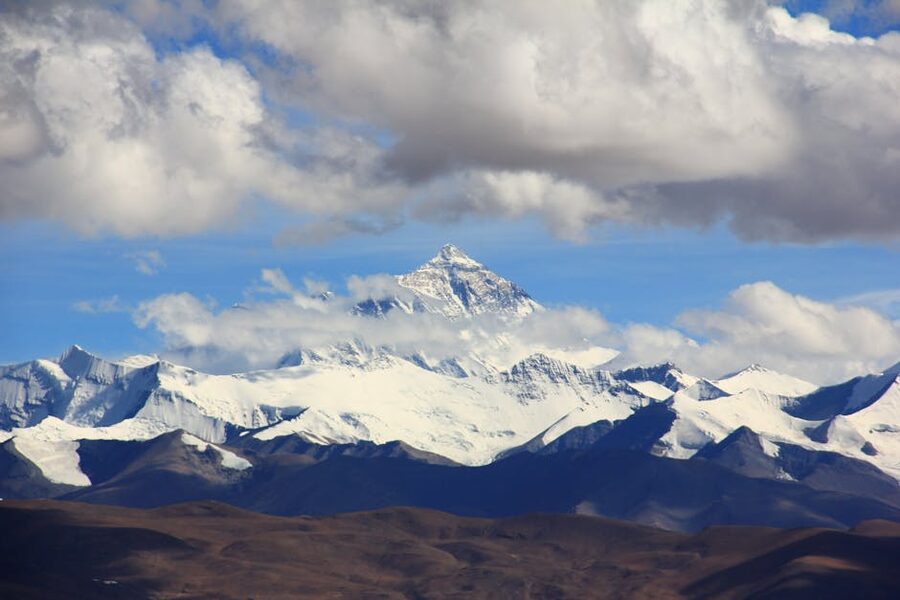
Day 9: Kala Patthar and descent to Pheriche. You wake at 4am to climb Kala Patthar (5,545m) for sunrise. This is the highest point of the trek and, counterintuitively, the best view of Everest itself — base camp is too close to Everest to see the summit clearly, but Kala Patthar sits on the opposite side of the valley and gives you the classic Everest summit photo.
After sunrise, you descend fast — all the way down to Pheriche at 4,371m. Your body will thank you for every meter lost.
Days 10-12: Descent to Lukla and flight back. Three days to reverse everything you just climbed, ending with another weather-dependent flight from Lukla to Kathmandu. A lot of tours build in a buffer day at the end in case the Lukla flight is canceled, because it very often is.
When to go — the peak season math
The EBC trek has two real seasons and two seasons to avoid. Booking at the wrong time is the easiest way to ruin this trip.
Pre-monsoon (March to May) is the most popular window. The weather is stable, rhododendrons are blooming in the lower valleys, and base camp is full of climbing teams preparing for summit attempts. Daytime temperatures at Gorak Shep hit 5-10°C, nights drop to -10°C. The downside is crowds — expect to queue at some teahouses and see lines of trekkers on the trail, especially in the second half of April.
Post-monsoon (late September to November) is what most experienced guides consider the best season. The monsoon has cleared the air so visibility is the best of the year — those impossibly sharp photos of Ama Dablam against a blue sky are almost always taken in October. Temperatures are similar to spring. Late October to mid-November is my personal recommendation if you have flexibility.
Winter (December to February) is technically possible but brutal. Lukla flights get canceled constantly, some teahouses close, and temperatures at base camp can drop to -20°C or lower. Only experienced winter trekkers should consider this.
Monsoon (June to early September) is miserable. Leeches in the lower forests, clouds hiding the mountains you came to see, and a very real risk of landslides on the trail. Don’t book this window unless you have a specific reason to.
What the three tours actually include
n
Let me translate the glossy brochure language into what you actually get.
The 14-day full trek (the $1,800 option). This is the most complete package. Fourteen days means two acclimatization days built into the itinerary — one at Namche, one at Dingboche — plus a buffer day at the end for weather delays.
Includes all accommodation in teahouses (twin-share rooms, you bring or rent a sleeping bag), three meals a day on the mountain, a licensed guide, a porter for every two trekkers (they carry your main duffel, you carry a daypack), all permits (TIMS card plus Sagarmatha National Park permit, currently around $50 combined), the Kathmandu-Lukla-Kathmandu flights, and two nights in a Kathmandu hotel at the start and end.
This is the version I’d book for a first EBC attempt.
The 12-day standard trek (the $1,350 option). Same route, compressed itinerary. You lose the Kathmandu hotel nights at the end and sometimes one of the acclimatization days. It works for trekkers with previous high-altitude experience who know their bodies adapt quickly, but it’s a gamble for first-timers. If you do book this, make sure it still includes both acclimatization rest days on the mountain — non-negotiable.
The helicopter tour (the $1,575 option). This is the option for people who want the Everest experience without the 12-day commitment, and it’s a legitimate product, not a lazy shortcut.
You fly by helicopter from Kathmandu to Lukla, on to Kala Patthar or a similar viewpoint for a brief landing, then back to the Everest View Hotel (3,880m) for breakfast with direct views of Everest, Lhotse, and Ama Dablam, then return to Kathmandu. Total time: about four to five hours. You’ll experience altitude briefly but won’t have time to acclimatize, which is why the landings are kept short.
This is what I recommend to older travellers, people with limited vacation time, or anyone with a medical reason they can’t do the trek. Done well, it’s extraordinary.
Altitude sickness — the thing that actually ruins EBC trips
About 50% of trekkers on EBC experience some form of acute mountain sickness (AMS). Most of it is mild — headache, fatigue, poor sleep — and goes away with rest and fluids. A smaller percentage develops HACE (high-altitude cerebral edema) or HAPE (high-altitude pulmonary edema), both of which are medical emergencies that kill people on this mountain every year.
The things that reduce your risk, in order of effectiveness: take the acclimatization days (non-negotiable), hydrate aggressively (4+ liters a day), don’t drink alcohol on the mountain, climb slowly, and consider prophylactic Diamox (acetazolamide) — talk to a travel doctor before you go. The things that don’t work: coca tea, “being fit,” and ignoring symptoms until they get worse.
Your guide should be checking your pulse oxygen every day with a fingertip oximeter. If your SpO2 drops below 75% and doesn’t recover overnight, or if you develop any confusion, wet cough, or inability to walk a straight line, your trek is over and you’re descending — no negotiation. A good operator enforces this. A bad one lets you push on because they don’t want to refund you. This is why tour selection matters more on EBC than on almost any other trek in the world.
What teahouse life is actually like
n
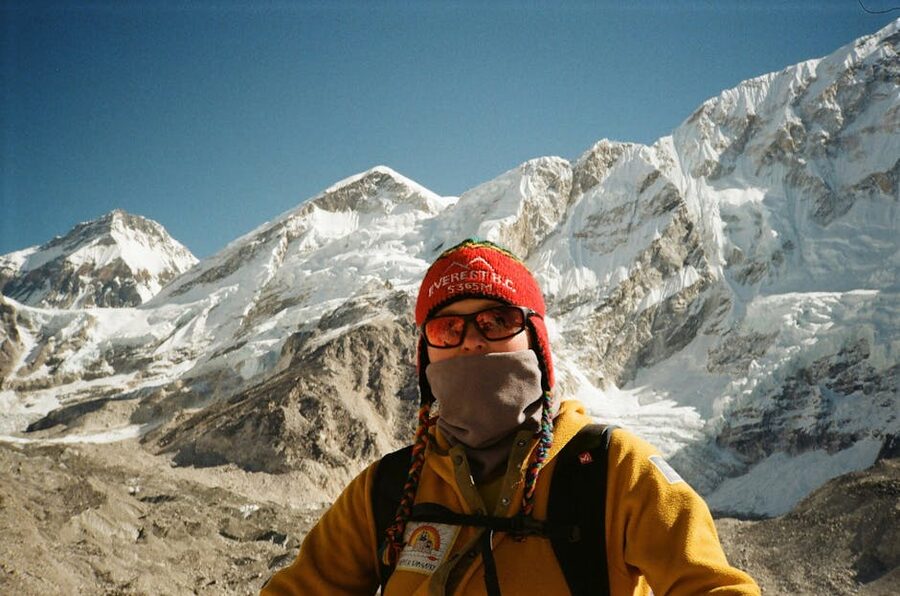
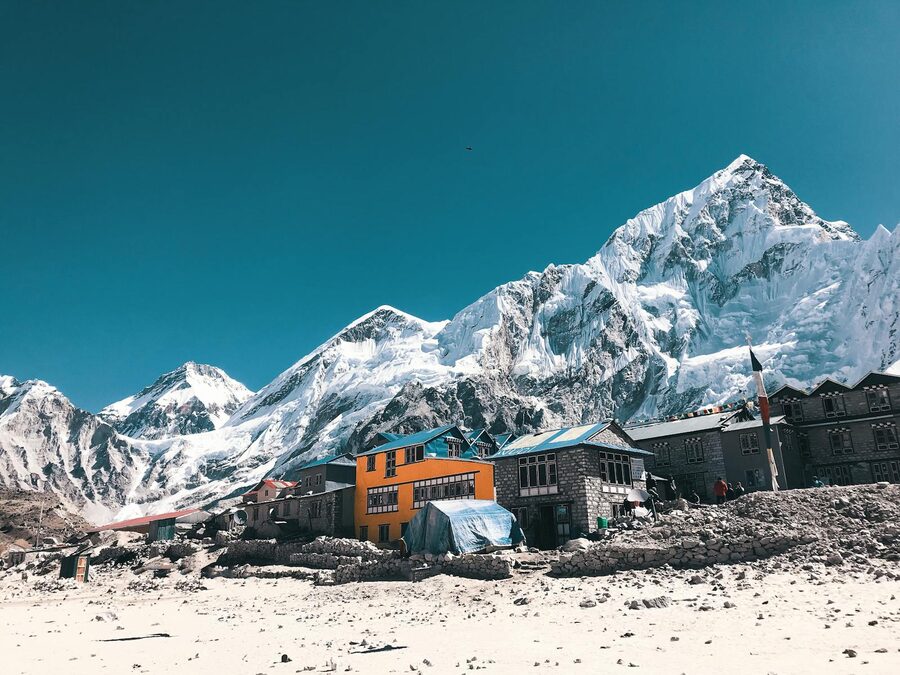
You will sleep in teahouses every night — family-run lodges that have evolved from simple stone huts into surprisingly capable accommodations with private (ish) rooms, shared dining halls heated by yak-dung stoves, and menus that are essentially identical from Lukla to Gorak Shep. The menu, by the way, is regulated by the local trekking committee — same dishes, same prices, set by elevation band.
Dal bhat (lentil stew with rice, curry, and pickle) is the unlimited-refills option and becomes your best friend above 4,000m.
Rooms are twin-share with thin foam mattresses, no heating (you sleep in your bag), and increasingly sketchy electricity as you climb. WiFi exists at most teahouses up to Gorak Shep but costs $5-10 for a coupon and works about 60% of the time. Hot showers are $3-5 below Dingboche and basically unavailable above it. Expect to be dirty. Everybody is dirty. This is fine.
Bring cash. The mountain runs on Nepalese rupees. ATMs exist in Namche Bazaar but are unreliable, so draw what you need in Kathmandu — plan on about $250-350 in cash for the full trek to cover snacks, drinks, WiFi, hot showers, charging fees, and tips. Tipping is expected: roughly $10-15 per day for your guide split from the group, $5-8 per day for each porter, paid at the end in Kathmandu.
The Lukla flight — the part nobody tells you about
Lukla’s Tenzing-Hillary Airport has a reputation as one of the most dangerous airstrips in the world, and while the fatality statistics have improved considerably since new safety measures in 2011, the flight is still the single most weather-dependent part of your trek. In peak season, flights from Kathmandu to Lukla are canceled about 10-15% of the time. In shoulder seasons it climbs to 25%+.
A good operator handles this two ways. First, they book your flights early and hold backup options. Second, they build buffer days into your itinerary so one canceled flight doesn’t kill your whole trek. In really bad weather, they’ll switch you to a helicopter transfer (at an extra cost, sometimes around $500 per person) to keep you on schedule.
The cheap operators don’t do any of this, and you’ll find yourself sleeping on a Kathmandu airport floor with 200 other stranded trekkers hoping the weather clears by morning.
One more thing worth knowing: in peak season, Kathmandu-Lukla flights sometimes shift to Ramechhap Airport, a four-hour drive from Kathmandu, to reduce Kathmandu airspace congestion. This adds a pre-dawn road transfer to your day one and is absolutely standard in spring. Don’t panic if your operator mentions it — it’s not a downgrade, just a logistics reality.
Gear — what to bring, what to rent, what to skip
n
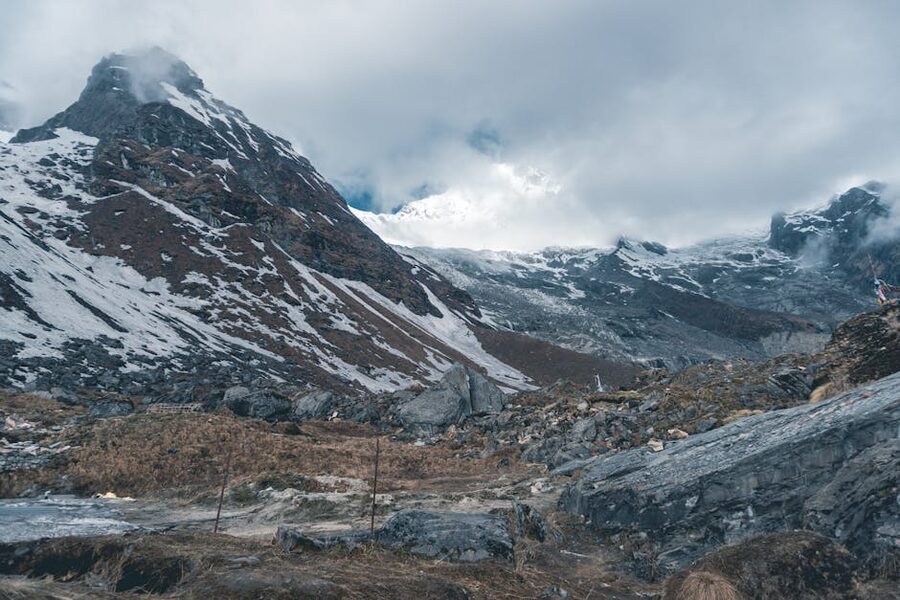
You do not need to show up in Kathmandu with $3,000 worth of new gear. Thamel, Kathmandu’s tourist district, has dozens of shops renting everything from sleeping bags to down jackets to trekking poles at very reasonable rates. Real North Face gear, real knockoff North Face gear, and a lot of grey area in between — most operators will walk you through a rental shop the day before you fly to Lukla to kit you out.
Things worth bringing from home: broken-in trekking boots (the single most important item — do not buy boots in Kathmandu), a good daypack (25-35 liters), your own base layers and socks, a headlamp with extra batteries, sunglasses rated for glacier glare, and any medications you take.
n
Things worth renting in Thamel: the -20°C sleeping bag, the down jacket, the trekking poles, the duffel for your porter. Things to skip entirely: a tent (you’re staying in teahouses), a camping stove, bear spray (there are no bears), and heavy luxuries of any kind. Your porter will carry about 15kg of your stuff, and weight matters enormously at altitude.
Pack water purification. Bottled water is available at teahouses but gets expensive at altitude ($3-4 per liter above 4,500m) and creates enormous plastic waste on the mountain. A Steripen, Aquatabs, or Grayl bottle lets you drink from teahouse taps and streams for pennies.
How EBC compares to other Asia treks we’ve profiled
If you’ve been following our booking guides across Asia, you already know we’ve covered a lot of ground. Nepal’s Everest Base Camp sits at the top of the difficulty pyramid, but it’s worth understanding where it fits in context.
Compared to hiking the Fushimi Inari shrine gates in Kyoto (a couple of hours, sea level), EBC is obviously in another universe. Compared to the snow monkey walk at Jigokudani in Japan, same story. What makes EBC unique among Asia trekking experiences is the combination of duration, altitude, and cultural depth.
You’re not just walking — you’re moving through Sherpa Buddhist villages that have existed for centuries, sleeping under wooden rafters hung with yak bells, eating the same dal bhat a climbing expedition ate fifty years ago.
The closest cultural cousin we’ve covered is probably the trekking around Cameron Highlands in Malaysia — tea estates, cool mountain air, colonial history — but that’s a day trip, not a 12-day commitment. For adventure scale, safari in Udawalawe Sri Lanka or the El Nido island hopping we profiled in the Philippines are intense in different ways, but neither tests your body the way EBC does.
And if you’re building a broader Asia itinerary that includes Nepal, the logical pairing is with India — fly into Delhi, do the Golden Triangle first for a week of Mughal history and city energy, fly up to Kathmandu, do your EBC trek, then fly home from Kathmandu. Reverse order works too, but most people prefer the lower-altitude cultural intro before committing to the mountain. Our full Taj Mahal day trip guide and Jaipur city guide cover the India side in detail.
Budgeting: what the trek actually costs
n
The tour price is not the total trip cost, and anyone telling you otherwise is hiding something. Here’s what a realistic EBC budget looks like for a traveler booking one of the three tours above.
Tour package: $1,350-1,800 depending on the option you pick. Covers flights within Nepal, guide, porter (shared), meals, teahouse beds, permits, Kathmandu hotel for two nights.
International flights to Kathmandu: $800-1,500 round trip from North America or Europe, less from Asia. Kathmandu’s airport has decent connections but direct flights from the US don’t exist — expect a layover in Doha, Dubai, Istanbul, or Bangkok.
Travel insurance with helicopter evacuation coverage: $120-200 for a two-week trip. Do not skip this. A helicopter rescue from the upper Khumbu costs $5,000-10,000, and Nepal requires upfront payment or insurance authorization before they launch. World Nomads, IMG, and Global Rescue all cover EBC properly — check that your policy specifically covers trekking above 5,000m.
Gear rental in Kathmandu: $50-100 for a down jacket, sleeping bag, and poles if you don’t bring your own.
n
Cash for the mountain: $250-350 as discussed above.
Tips: $120-180 total for guide and porter, depending on group size and trek length.
Kathmandu extras: $100-200 for extra food, souvenirs, Thamel wandering, and the inevitable celebratory dinner when you come off the mountain.
Realistic total: $2,500-3,500 all-in from a Western country for two weeks. Less if you’re flying from elsewhere in Asia, more if you want private rooms in Kathmandu or add a second trek.
Who should not do this trek
I’ll be honest in a way most booking guides won’t be. EBC is not for everyone, and I’d rather talk you out of a trip that will wreck you than help you book one.
Don’t book EBC if: you have uncontrolled high blood pressure, a heart condition, severe asthma, or any history of pulmonary or cerebral edema. Don’t book it if you’ve never walked more than 15km in a day before. Don’t book it if your idea of a vacation is a beach and a cocktail — the trek is genuinely hard, genuinely cold, and genuinely uncomfortable for most of its duration.
Don’t book it if you can’t handle shared rooms with a stranger, basic squat toilets above Dingboche, or going 10+ days without a real shower.
Do book EBC if: you’re medically cleared, reasonably fit (you can comfortably walk 6-8 hours with a day pack), mentally ready to grind through discomfort for a payoff, and have flexibility in your schedule for weather delays. The helicopter tour option is a legitimate alternative for anyone who falls short on any of these but still wants to see Everest.
How to book — the actual steps
n
Let’s turn all of this into a practical booking workflow. If you’re serious about EBC for 2026 or 2027, here’s what you do and in what order.
Step 1: Pick your season. Late September to mid-November or mid-March to mid-May. If you’re flexible, October is the single best month.
Step 2: Book the tour 4-6 months out. The three tours above are on Viator, which is fine — Viator is a reseller that fronts payment to legitimate local operators. Book early for peak season because good guides get snapped up. You’ll pay a deposit (typically 20-30%) with the balance due closer to departure.
Step 3: Book your international flights after the tour is confirmed. Do it in this order because Lukla weather means your tour operator sometimes suggests buffer days, and you want flexibility on your international return flight. Aim to arrive Kathmandu 1-2 days before your trek starts and leave 2-3 days after it’s scheduled to end.
Step 4: Get the travel insurance sorted. Specifically, insurance with trekking coverage above 5,500m and emergency helicopter evacuation. Screenshot the policy details before you fly — your guide or operator may need to see them if you end up needing a rescue.
Step 5: Start training. Twelve weeks out, begin walking 10-15km twice a week with a weighted pack (5-8kg). Add stairs, hills, or StairMaster work. You’re training endurance, not speed. Two months out, do a practice overnight with the boots you’re actually going to wear on the trek, because foot blisters end more EBC attempts than altitude does.
Step 6: Medical check-up. See a travel doctor at least four weeks before departure. Get vaccines up to date (Hepatitis A, Typhoid, and Tetanus at minimum). Ask specifically about Diamox for altitude. Some doctors are enthusiastic prescribers, others are cautious — have the conversation.
Step 7: Book your Kathmandu hotel for any buffer nights. Your tour covers two nights usually, but if you arrive early or need extra recovery time after the trek, book independently in Thamel. Hotels in Thamel run $25-80 per night for clean, comfortable rooms — no need to splurge.
Final thoughts on closing out Asia
n
This is the last Asia booking guide in the series, which feels strange to write. We’ve covered 137 topics, from the Fushimi Inari gates at the start of the Japan run to the El Nido lagoons in the Philippines to the Colombo tuk-tuk tours in Sri Lanka and everything in between.
Nepal’s EBC trek is the right way to end that run because it’s not a tourist activity in the casual sense — it’s the kind of trip that genuinely changes how you think about distance, altitude, and what a human body can do with twelve days of patient effort.
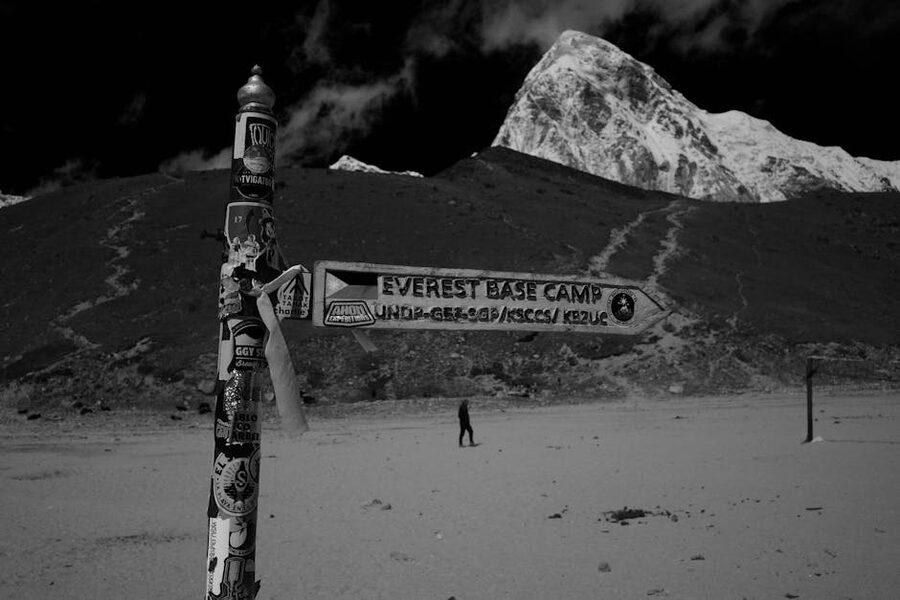
If you come off this mountain in reasonable shape, you’ll have walked further and higher than you ever have before, seen the highest point on earth from a vantage point only about 40,000 people a year ever reach, and probably made friends with people in your trekking group who you’ll keep in touch with for years. That’s the real product here, not the photo at the base camp sign. The photo is nice. The trip is transformative.
Pick one of the three tours above, start training, and email me after you get back. I always want to hear how it went.