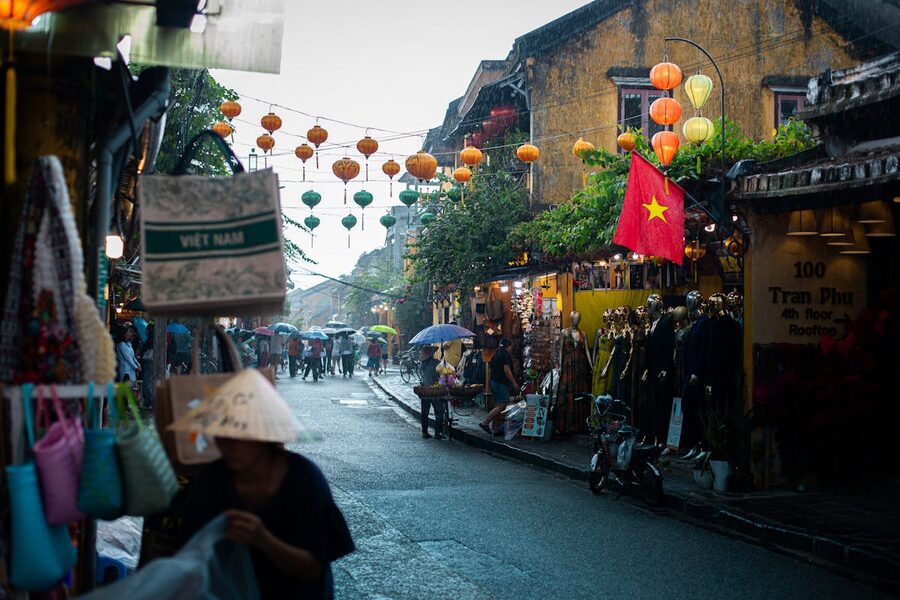
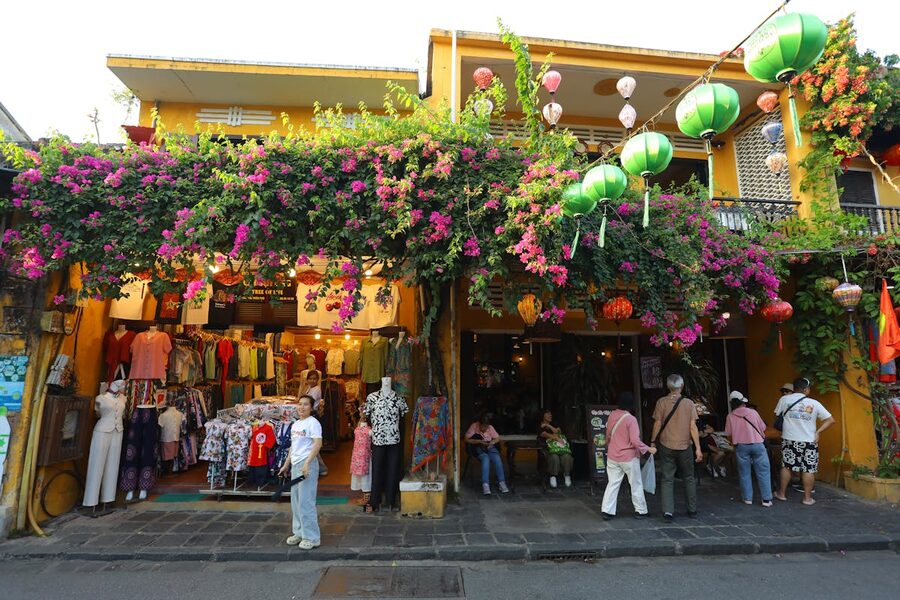
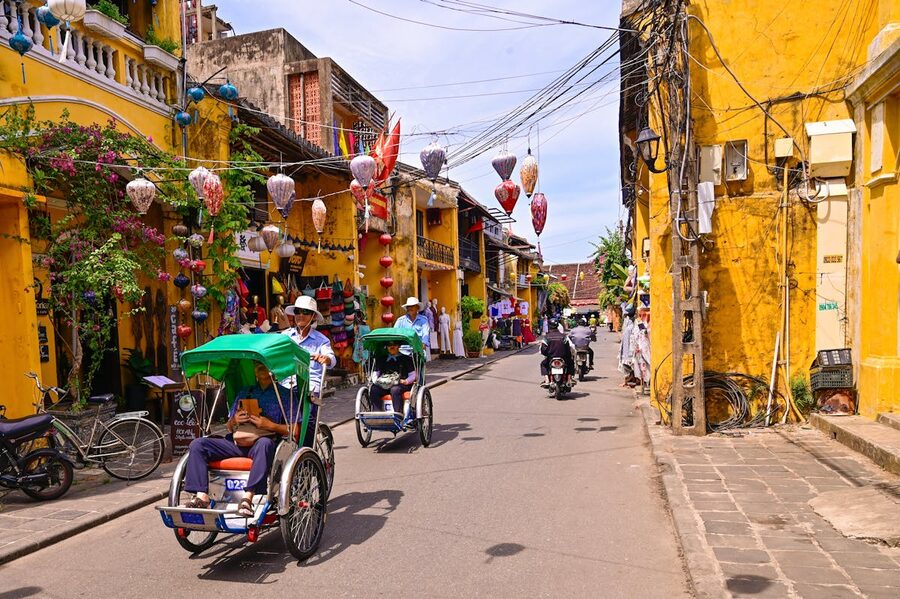
The sun was about fifteen minutes from dropping behind the Thu Bon River when the old town started to change. One by one, the silk lanterns strung between the yellow-painted buildings began to glow — soft pinks, deep reds, pale greens — until the entire street looked like someone had switched on a living painting. I had walked through Hoi An during the day and thought it was beautiful. At dusk, it became something else entirely.
That evening, I signed up for a lantern making class on a whim. I had no craft skills to speak of, no particular talent with glue or fabric, and about ninety minutes before my dinner reservation. What I walked out with — a slightly lopsided but genuinely beautiful foldable silk lantern — turned out to be the best souvenir I brought home from Vietnam.
If you are heading to Hoi An and want to do something more memorable than just shopping for lanterns (though you will probably do that too), here is everything you need to know about booking a lantern making class — including the two best workshops, what the experience is actually like, and how to time it perfectly around the full moon festival.
Short on time? Here are my top picks:
Best overall: Vietnamese Foldable Lantern Making Class — $10. The most popular workshop in Hoi An with nearly 4,000 reviews, family-run, and you get to keep your lantern.
Best for quality: Full Lantern Making Class — $15.42. Perfect 5.0 rating, smaller groups, more one-on-one instruction time.
- Why Hoi An Is the Lantern Capital of Vietnam
- What a Lantern Making Class Is Actually Like
- The Best Hoi An Lantern Making Classes to Book
- 1. Vietnamese Foldable Lantern Making Class —
- 2. Full Lantern Making Class — A Special Foldable Lantern — .42
- Should You Book in Advance or Walk In?
- The Hoi An Full Moon Lantern Festival
- When to Take a Lantern Class
- How to Get to the Workshops
- Tips That Will Save You Time and Hassle
- The History and Craft Behind Hoi An Lanterns
- What Else to Do in Hoi An
- More Vietnam Guides
Why Hoi An Is the Lantern Capital of Vietnam
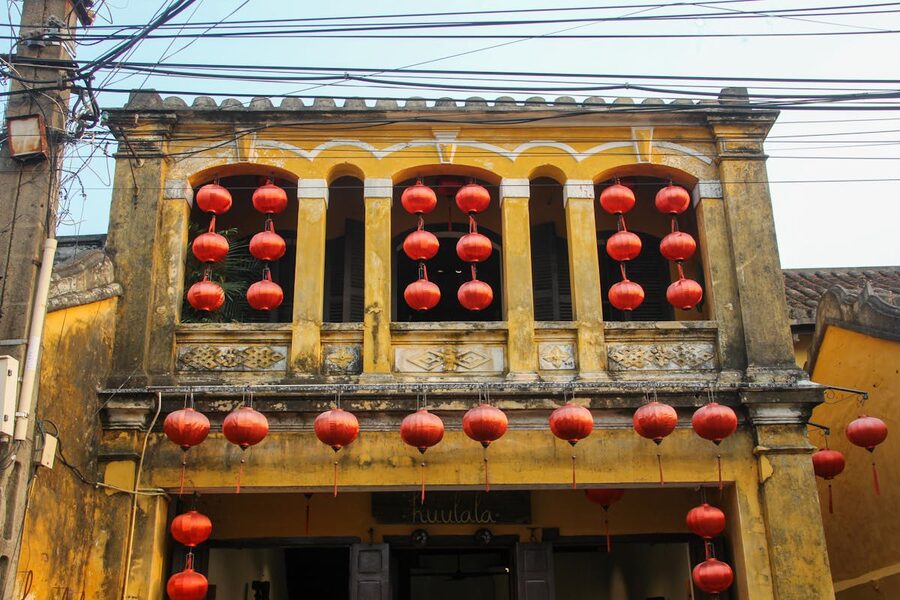
Lanterns and Hoi An go back centuries. During its peak as a trading port from the 15th to the 19th century, merchants from China, Japan, India, and Europe all passed through this small town on the central Vietnamese coast. The Chinese and Japanese traders brought the lantern tradition with them — hanging silk lanterns outside homes and shops was a feng shui practice meant to balance energy and attract good fortune.
What makes Hoi An different from other places in Vietnam where you will see lanterns is the sheer concentration. The entire old town — a UNESCO World Heritage Site since 1999 — is blanketed in them. Every restaurant, every tailor shop, every guesthouse hangs their own lanterns, and each family traditionally makes their own. That craft knowledge has been passed down through generations, and today several of those families run workshops where they teach visitors the same techniques.
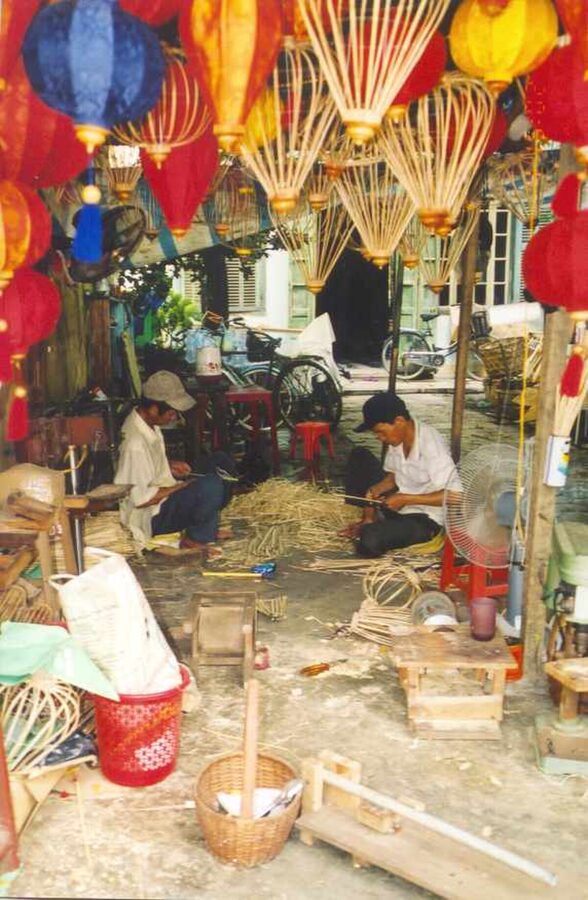
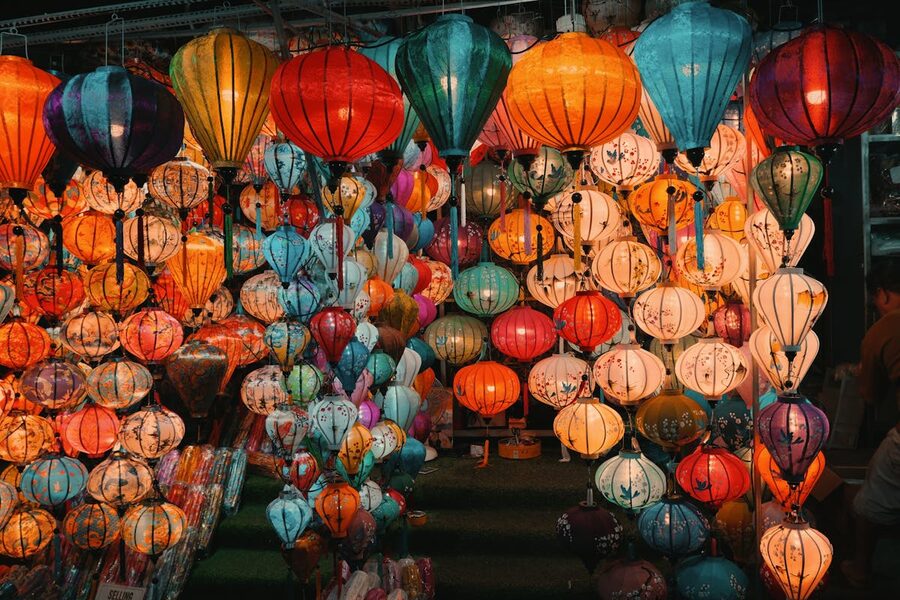
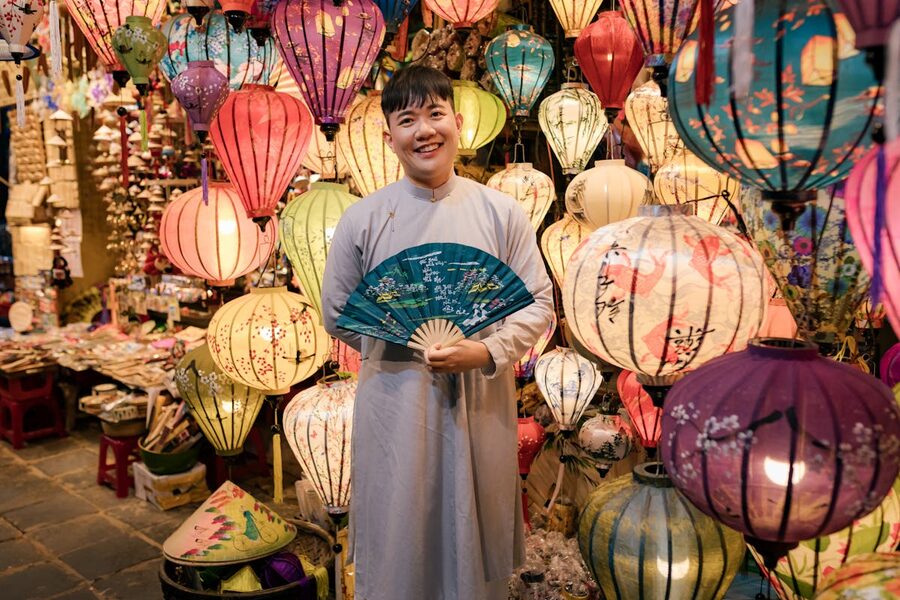
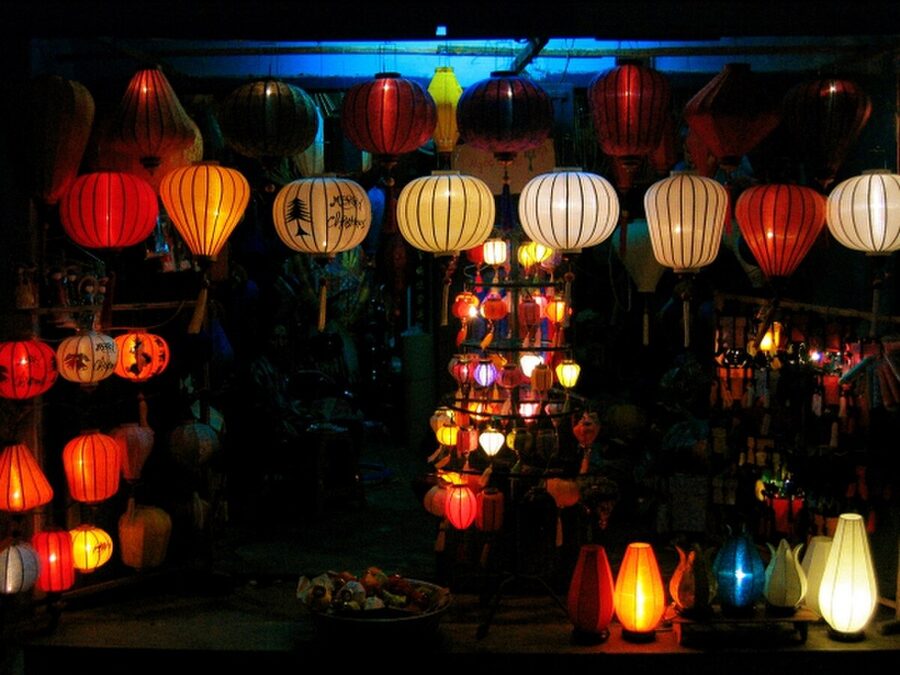
The lanterns are not just decorative. Each shape carries a specific meaning. Round lanterns symbolize completeness and unity. Diamond shapes represent prosperity. Lotus-shaped lanterns are tied to Buddhist spiritual purity. The colors matter too — red for luck and happiness, yellow for wealth, green for hope. When you pick your shape and fabric at the start of the workshop, you are actually making a choice that has meaning behind it, which is a detail most visitors miss.
What a Lantern Making Class Is Actually Like
Here is what to expect, step by step.
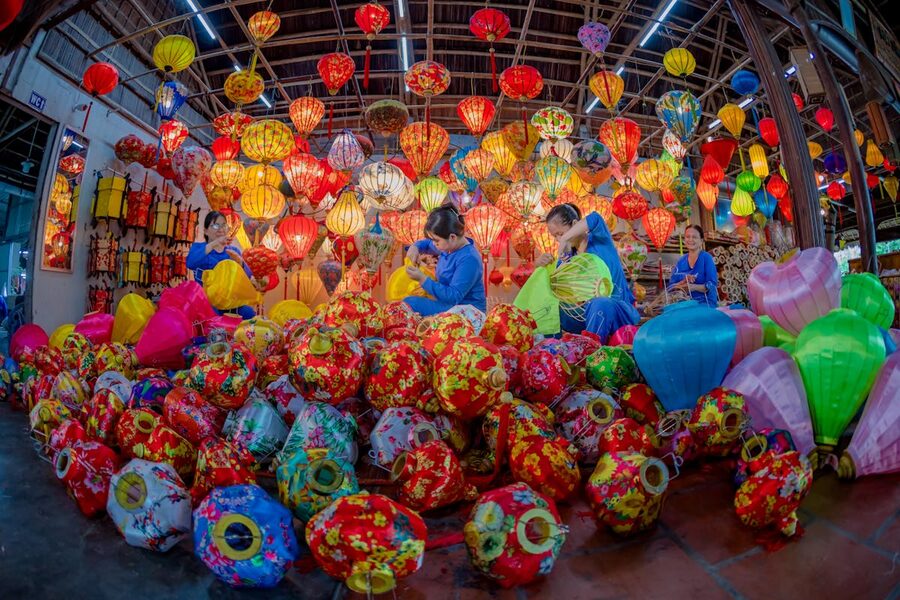
You show up at the workshop — usually a colorful open-air space in or near the old town — and you are greeted with Vietnamese tea. This is not just hospitality; it is a genuine part of the welcome, and it gives you a few minutes to look around at the finished lanterns and choose your design.
Step 1: Choose your lantern. You pick the shape (diamond, cylinder, round, lotus, star), the size, and the fabric. Most workshops have dozens of silk fabric options in every color imaginable. The staff will show you examples of finished lanterns in each style so you know what you are aiming for. If you are traveling with kids, the star and round shapes are the easiest to work with.
Step 2: Build the frame. This is the tricky part. You bend thin bamboo strips into the frame shape — diamond is the most common for beginners — and tie them together with thread. The instructors guide you through every bend, and they are incredibly patient. I messed up my first frame entirely and had to restart, which only added about five minutes.
Step 3: Wrap the silk. Once your frame is solid, you stretch the silk fabric over it, gluing and folding as you go. This is the satisfying part — seeing the lantern take shape as the silk wraps around the bamboo. The quality of the fabric makes a real difference. The workshops on this list use genuine silk, not synthetic material, which is why the lanterns glow properly when you put a light inside.
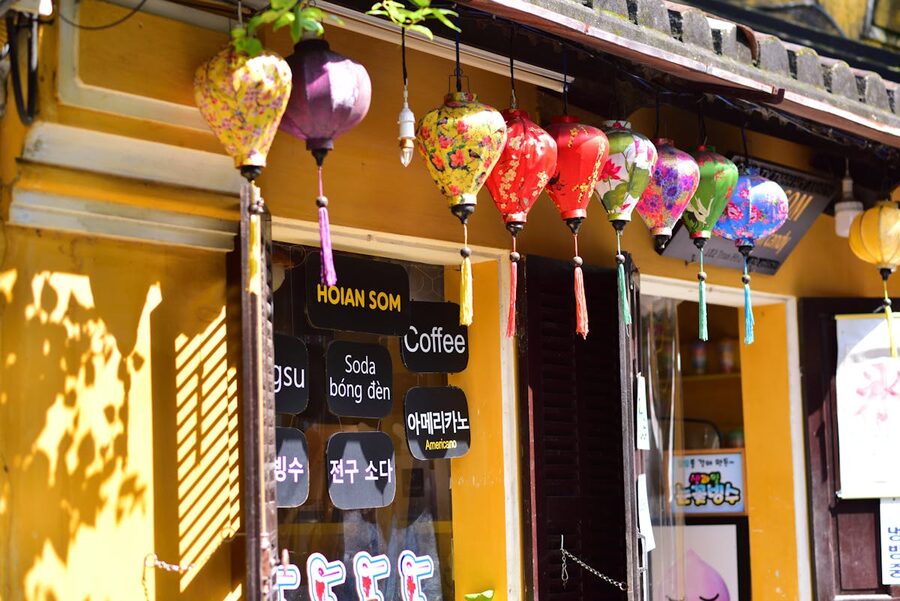
Step 4: Add the finishing touches. Tassels, decorative trim, and the collapsible mechanism that lets the lantern fold flat for your suitcase. The instructors handle the final quality check, smoothing out any wrinkles or loose edges. By the end, you have a lantern that looks surprisingly close to the professional ones hanging in the shops outside.
The whole process takes about 60 to 90 minutes. Some workshops run closer to two hours if you choose a more complex design or just want to take your time. There is no rush, and the atmosphere is relaxed — background music, tea refills, and other travellers working alongside you.
One important detail: the finished lantern collapses completely flat, so getting it home is not the logistical nightmare you might expect. It fits easily in a suitcase or backpack. I carried mine through three more cities in Vietnam and it arrived home without a scratch.
The Best Hoi An Lantern Making Classes to Book
There are only two standout workshops worth booking in advance. Both are family-run, both have thousands of verified reviews, and both include all materials and your finished lantern to take home. The difference comes down to group size and price.
1. Vietnamese Foldable Lantern Making Class — $10

This is the workshop most visitors end up at, and for good reason. At $10 per person, it is one of the cheapest organized activities in Hoi An, and the quality is consistently high across nearly 4,000 reviews. The family who runs it has been making lanterns for generations, and they have turned the teaching process into something genuinely fun rather than just a crafting exercise.
Classes run between 90 minutes and two hours. You get the full experience — choosing your fabric, building the bamboo frame, wrapping the silk, and adding decorative details. The staff speak good English, they are great with kids (several reviews specifically mention this), and the tea on arrival is a nice touch. If you are visiting Hoi An on a budget but still want to do something meaningful beyond walking around the old town, this is it.
The workshop is run through GetYourGuide, which means free cancellation up to 24 hours in advance — useful if your Hoi An plans are flexible.
2. Full Lantern Making Class — A Special Foldable Lantern — $15.42
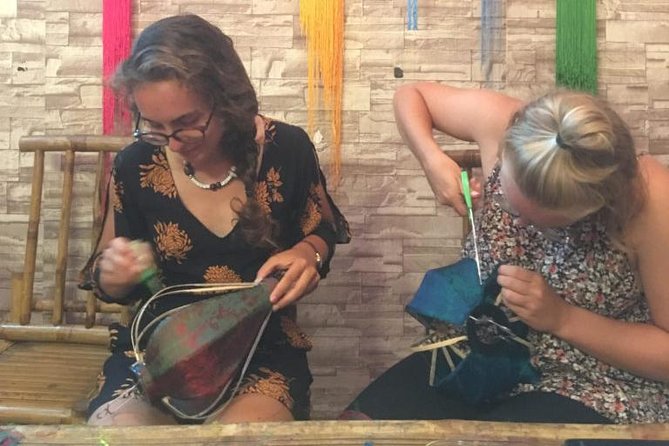
If you want a little more personal attention or a smaller group setting, this workshop on Viator is worth the extra five dollars. At $15.42 per person, it is still incredibly cheap for a hands-on cultural experience, and it holds a perfect 5.0 rating across more than 2,000 reviews — which is genuinely rare at that volume.
The workshop is also family-run, and the emphasis is on taking your time to produce something you are genuinely proud of. The instruction goes deeper into the history of each lantern shape and the meaning behind the colors, so it feels less like a tourist activity and more like a genuine cultural exchange. Several participants mention the family atmosphere and the way the instructors make the whole thing feel personal rather than production-line.
One thing I appreciate about this option: the team is well-organized and accommodating. The lantern you make is collapsible and travel-ready, just like the other workshop, but the extra time means your finished product tends to look a little more polished.
Should You Book in Advance or Walk In?
You can absolutely find walk-in lantern workshops throughout the old town — many of the lantern shops offer informal classes on the spot. But there are trade-offs worth knowing about.
Walk-in workshops are convenient and spontaneous. You wander past a shop, see people crafting, and join in. Prices are sometimes negotiable, typically around 100,000-200,000 VND ($4-8). The downside is inconsistency — the quality of instruction varies wildly, the materials might be cheaper, and you have zero reviews to go on. Some walk-in places are fantastic. Others hand you a pre-made frame and some fabric and call it a class.
Pre-booked workshops (like the two listed above) guarantee a structured experience with vetted instructors, quality materials, and thousands of reviews confirming the experience. They also include free cancellation, which matters if your Halong Bay cruise or travel plans shift unexpectedly.
My recommendation: book in advance during high season (October to March) and around the full moon festival dates. During the quieter months (April to September), you can probably get away with walk-ins, but I would still book ahead for the two workshops above — they are so cheap that there is no reason not to lock in your spot.
The Hoi An Full Moon Lantern Festival
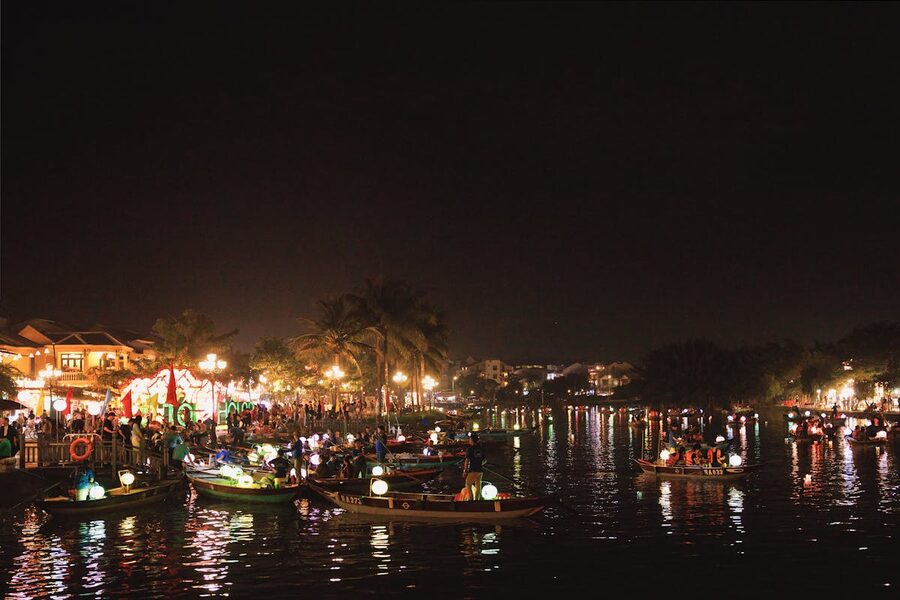
If you can time your visit to coincide with the full moon lantern festival, do it. On the 14th day of each lunar month, Hoi An shuts off all the electric lights in the old town. Cars and motorbikes are banned. The entire ancient quarter glows by candlelight and silk lanterns alone, and the effect is genuinely magical.
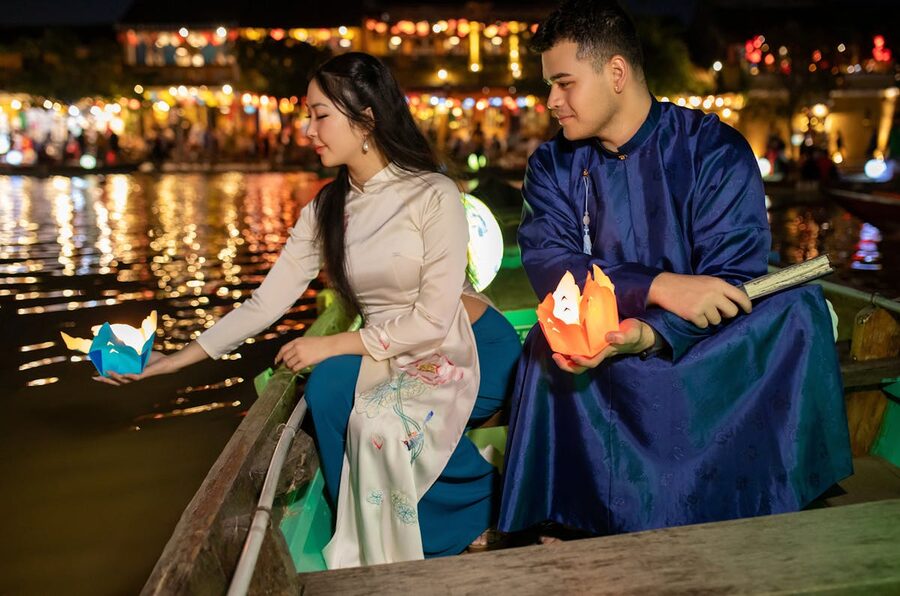
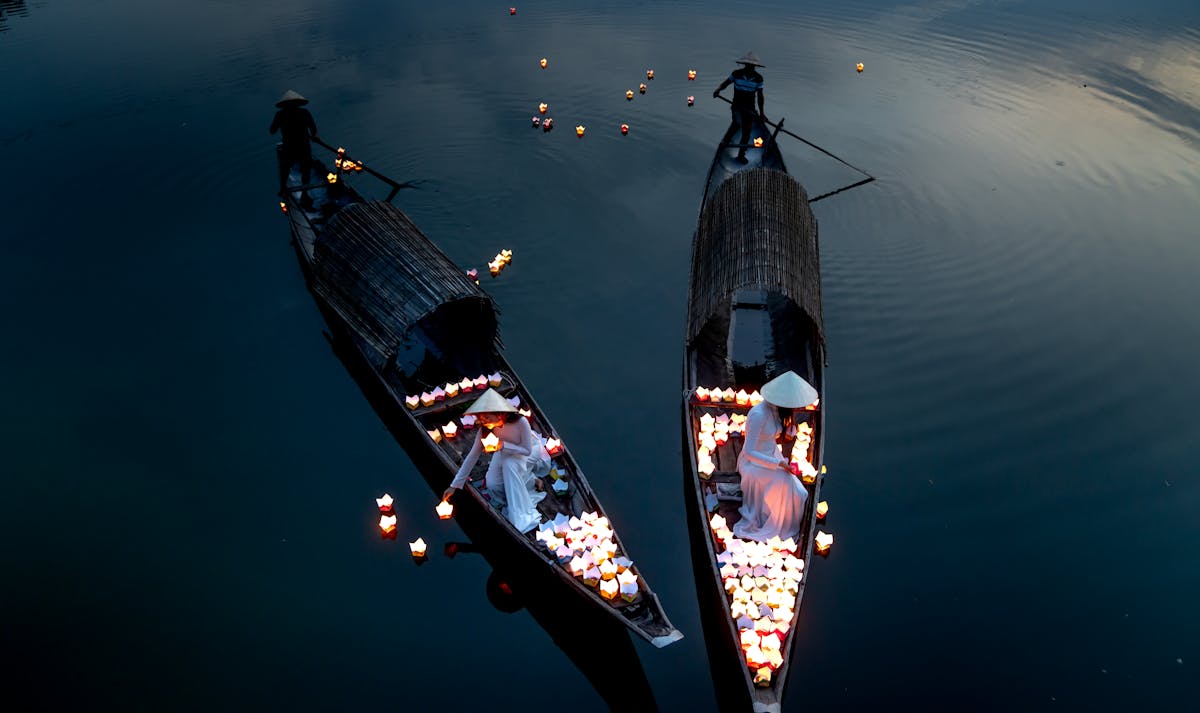
During the festival, the riverbanks fill with vendors selling small paper lanterns. You light a candle inside, make a wish, and place it on the Thu Bon River. Hundreds of glowing lanterns drift downstream under the Japanese Covered Bridge while traditional music plays along the water. It is the most photogenic night in Hoi An, and it happens every month.
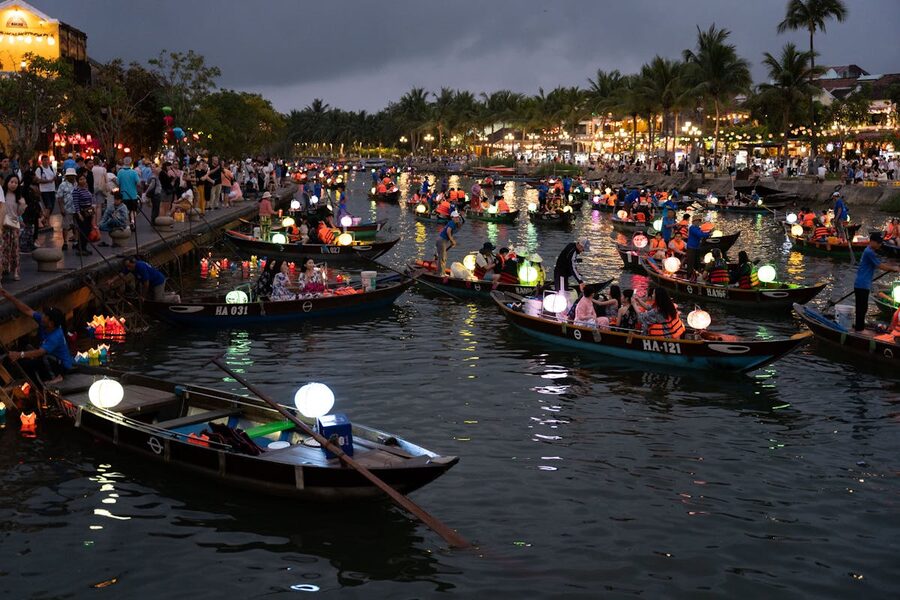
Combining a lantern class with the festival is the ideal plan. Take an afternoon workshop, learn the craft, then walk into the festival that evening with a much deeper appreciation for what those lanterns represent. Your own handmade lantern will mean a lot more after seeing thousands of them light up the town.
2026 full moon festival dates: Check the lunar calendar for the 14th day of each month — dates shift year to year. The biggest celebrations are during mid-autumn (September/October) when the festival coincides with the Mid-Autumn Festival, a major event across Vietnam.
When to Take a Lantern Class
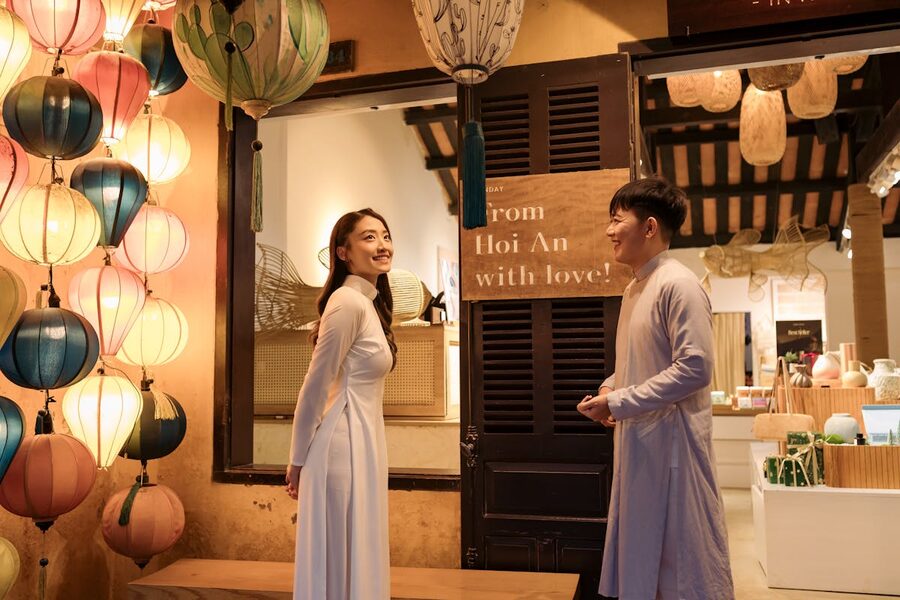
Best time of day: Late afternoon, around 3-4pm. This gives you time to finish the class, grab dinner, and then walk through the old town right as the lanterns light up at dusk. Morning classes work too if you want to beat the heat — Hoi An gets seriously hot between 11am and 3pm, especially from May to August.
Best time of year: The dry season from February to May offers the most comfortable weather. October to January is technically the wet season but also peak tourist season (cooler temperatures, holiday travellers). Workshops run year-round regardless of weather since they are indoor activities.
How long to allow: The class itself takes 60-90 minutes. Add 15 minutes before for choosing your design and having tea, and you are looking at about two hours door to door. Schedule it before dinner in the old town and your evening writes itself.
How to Get to the Workshops

Both workshops are located in or very near the ancient town. If you are staying anywhere in central Hoi An, you can walk. The old town is compact — maybe 800 meters from end to end — and completely walkable.
From Da Nang: Hoi An is about 30 kilometers south of Da Nang, roughly a 45-minute drive. Most visitors take a Grab taxi (about 200,000-250,000 VND / $8-10) or arrange transport through their hotel. There is also a local bus (route 1) that costs 30,000 VND but takes over an hour with stops.
From your hotel: If you are staying outside the old town, a Grab motorbike or taxi within Hoi An costs almost nothing — usually under 30,000 VND for a short ride. Many hotels also lend bicycles for free, and cycling to the old town is a pleasant ride.
Old town entrance tickets: Technically, Hoi An charges 120,000 VND ($5) for an old town entrance ticket, which gives you access to five heritage sites. Ticket checkers are stationed at major entry points. In practice, enforcement is inconsistent — some days they check, some days they do not. But the ticket is worth buying regardless: it supports preservation of a genuine UNESCO site, and the heritage houses you can visit with it are interesting.
Tips That Will Save You Time and Hassle
Wear something you do not mind getting glue on. The workshops provide aprons, but glue has a way of finding exposed skin and clothing. Light, casual clothes are fine.
Bring your own bag for the lantern. The workshops provide a plastic bag, but a tote bag or small backpack protects your lantern better during the rest of your evening.
Choose the diamond shape if it is your first time. It is the most forgiving for beginners, and it looks great. Round lanterns are trickier because the silk needs to stretch evenly across a curved frame. Star shapes are fun but complex. Save the lotus for your second class.
Ask about the lantern meanings. The instructors love talking about the symbolism behind each shape and color. It makes the experience feel less like a craft project and more like a cultural lesson — and gives you a better story to tell when someone asks about your lantern back home.
Book the Hoi An cooking class for the same day. A morning cooking class followed by an afternoon lantern class is a full day of hands-on cultural experiences, and both are affordable enough to do without thinking about it. Several visitors also combine the lantern class with a basket boat ride in the coconut forest — either morning boat then afternoon lanterns, or the other way around.
Group sizes vary. The $10 GYG workshop can have larger groups (10-20 people), while the $15 Viator class tends to run smaller. If personal attention matters to you, the extra $5 is worth it.
Do not buy mass-produced lanterns first. After the class, you will be able to tell the difference between handmade silk lanterns and the factory-made versions sold at souvenir shops. The handmade ones cost more (typically 200,000-500,000 VND / $8-20 at shops), but they last for years and glow properly. The cheap ones — usually made from synthetic fabric — look dull and fall apart within months.
The History and Craft Behind Hoi An Lanterns
Hoi An was one of Southeast Asia’s most important trading ports from the 15th century onward. Ships from China, Japan, Portugal, the Netherlands, and India all docked here, and the town became a melting pot of architectural styles and cultural traditions. The Japanese Covered Bridge — Hoi An’s most famous landmark — dates from the 1590s. The Chinese Assembly Halls scattered through the old town were built by merchant communities who settled permanently.
The lantern tradition arrived primarily through Chinese and Japanese influence. In Chinese culture, hanging a lantern outside your home is a way to ward off evil spirits and invite prosperity. The Japanese brought their own paper lantern styles, particularly the chochin design. Over centuries, Hoi An developed its own distinct style — brighter colors, silk instead of paper, foldable bamboo frames designed for portability.
What nearly killed the craft was the Vietnam War and the decades of economic hardship that followed. By the 1980s, few families still made lanterns by hand. It was the town’s recognition as a UNESCO World Heritage Site in 1999 that triggered a revival. Tourism brought income, and the lantern-making families found a new market for their skills — both selling finished lanterns and teaching the craft to visitors.
Today, Hoi An’s lanterns are recognized as an intangible cultural asset by the Vietnamese government. The craft is taught formally within families, and the workshops you can visit are direct extensions of that tradition. When the instructor at your class shows you how to bend bamboo without snapping it, they are using the same technique their grandmother used. That is not marketing — it is genuinely how the skill has been preserved.
What Else to Do in Hoi An
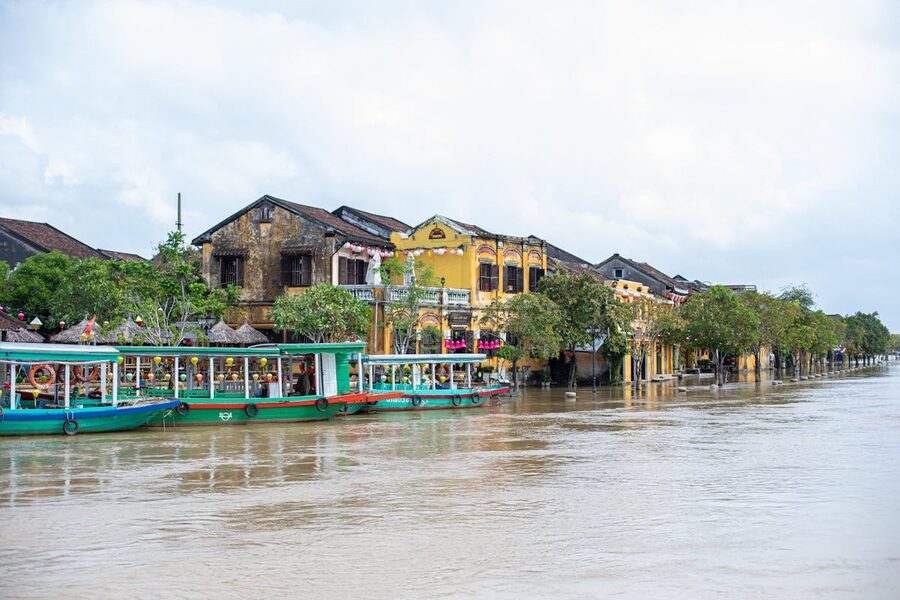
A lantern class pairs perfectly with a morning Hoi An cooking class, where you will learn to make cao lau and white rose dumplings — two dishes you can only get in this town. If you want something more active, the basket boat ride through the coconut forest is a fun half-day trip that takes you out of the old town into the waterways surrounding Cam Thanh village.

More Vietnam Guides
If your Vietnam trip goes beyond Hoi An — and it should — we have guides covering the other big experiences across the country. For the north, our Hanoi street food tour guide covers the best evening food crawls through the Old Quarter, and the Ninh Binh day trip guide is essential if you want to see the karst landscapes without staying overnight.
Further out, our Halong Bay and Lan Ha Bay cruise guide breaks down overnight vs day cruises so you can pick the right one for your budget. Down south, the Cu Chi Tunnels guide and the Mekong Delta day tour guide cover the two best day trips from Ho Chi Minh City.
And if you are staying in Hanoi for a few evenings, the water puppet show is one of those surprisingly charming things you will not see anywhere else in the world.