At Murodo, 2,450 meters above sea level, spring can bring snow walls as high as 20 meters. Walking between them is the headline moment here, but the wider journey is just as distinctive: you cross the Northern Alps by a chain of mountain railways, cable cars, ropeways and buses rather than retracing your steps. I like that the route ticket is included, and I like the two-day plan, which gives Shirakawa-go its own stop instead of squeezing it into a rushed day trip.
The trade-off is time on the road. Day one starts early in Tokyo, and the return to Shinjuku on day two is scheduled for around 8:30 to 9:30 p.m. Snow conditions and weather can also affect the Murodo walk. This tour suits you best if you want the major sights handled in one booking and are comfortable with a long, tightly timed trip.
- The snow walls are seasonal: Snow Otani is generally open from April 15 to June 25, though poor weather can close the walk.
- You cross the route one way: Travel from Tateyama to Ogizawa, with Kurobe Dam and changing mountain scenery along the way.
- Six types of transport make the crossing: Expect a sequence of vehicles and transfers, not one continuous bus ride.
- Shirakawa-go gets about two hours: You have time to explore the village at your own pace; the observatory shuttle costs extra.
- The overnight stay is in Toyama: Hotel Enoe Toyama is included, while dinner, breakfast and other meals are not.
- Plan for cold and snow: Murodo can be below freezing, and sunglasses, warm layers and waterproof shoes are useful.
- Why the snow walls are worth planning around
- Day one: Shirakawa-go, then an evening in Toyama
- Day two: crossing the Northern Alps
- What the price covers, and what it does not
- Practical details that can shape your decision
- Should you book this two-day tour?
- FAQ
- When can I walk through the Snow Otani snow walls?
- Are Alpine Route tickets included?
- How long is the stop at Shirakawa-go?
- Are meals included?
- What time does the tour leave Tokyo?
- What should I bring for the Alpine Route?
- More Tours in Nakaniikawa
- More Tour Reviews in Nakaniikawa
Why the snow walls are worth planning around
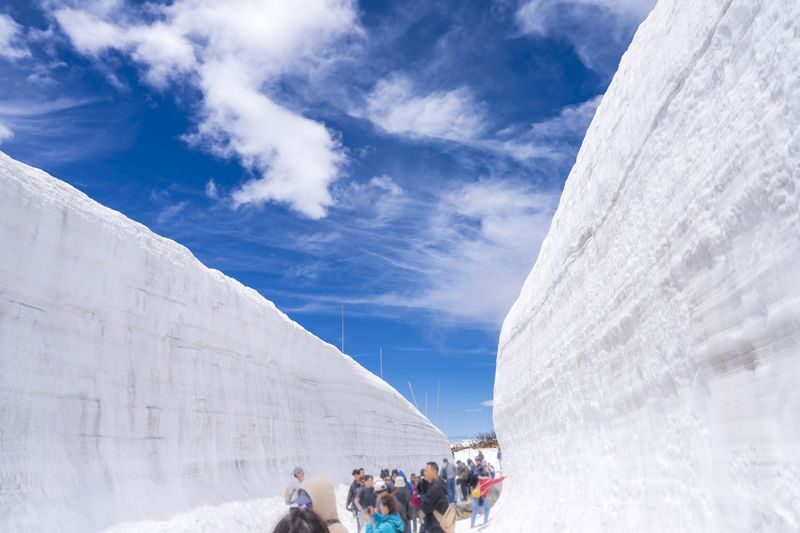
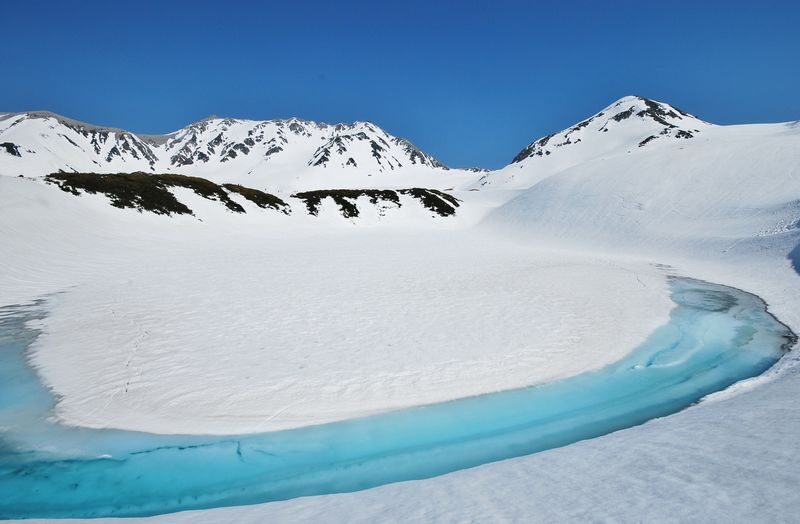
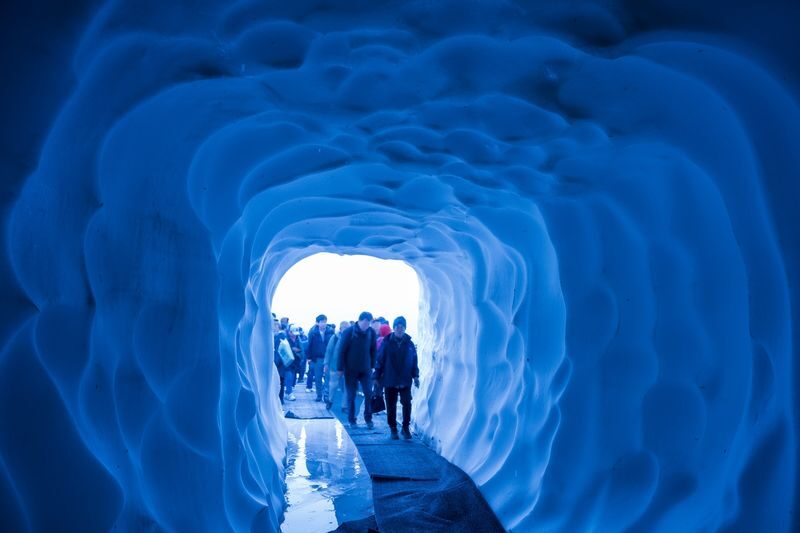
Snow Otani, near Murodo on the Tateyama Kurobe Alpine Route, is the tour’s great seasonal draw. Each spring, crews clear a passage through deep snow, leaving high white walls on either side. At their tallest, they can reach 20 meters. You walk through this corridor at 2,450 meters, where the scale of the snow is hard to grasp until you are standing beside it.
The walk is generally available from mid-April to late June, with the stated season running from April 15 to June 25. That window makes the trip special, but it also makes conditions part of the deal. Snowfall, wind or other bad weather can close the route, and there is no refund for a missed Snow Otani walk because access is normally free.
Pack for winter even if Tokyo feels mild. Temperatures at Murodo can drop below freezing, and snow glare can be strong. Bring a warm coat, gloves if you tend to feel cold, sunglasses and comfortable shoes with good grip. Waterproof shoes are recommended, though not essential. This is a mountain visit, not a city stroll in a light jacket.
Day one: Shirakawa-go, then an evening in Toyama
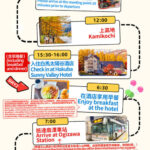
The tour leaves Tokyo at 7 a.m. on most dates. During the specified Golden Week departures, the start moves to 6:40 a.m. Arrive at the meeting point at least 15 minutes early. The bus will not wait for late arrivals, and a missed departure is not refundable.
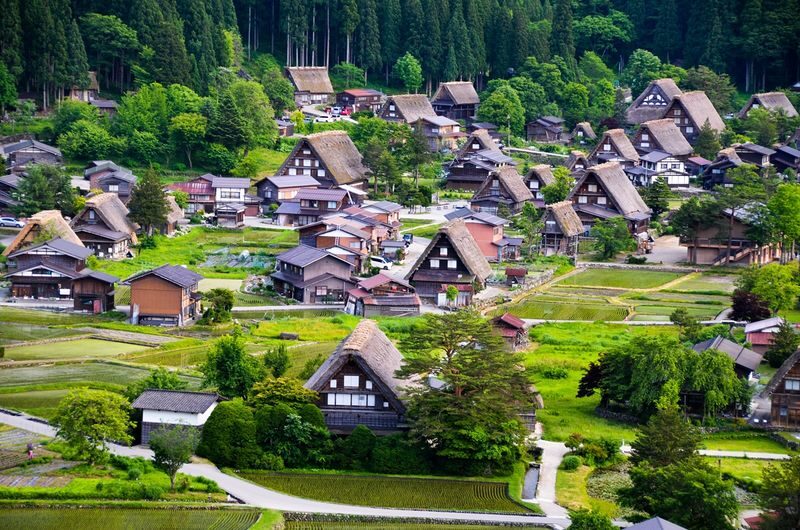
A rest stop at Alps Kaido Hirayu breaks up the drive before you reach Shirakawa-go. The village is known for its gassho-style farmhouses, whose steep thatched roofs were built to shed heavy snow. The two-hour visit is self-guided, so you can set your own pace among the traditional houses and village lanes rather than follow a fixed walking tour.
Two hours is useful, but it is not an open-ended visit. If you want the view from the Shirakawa-go Observatory, you need to take a shuttle bus and pay the fee on site. Traffic or shuttle schedules may make the viewpoint impractical on the day, so treat it as an option rather than a sure thing. If the view matters most to you, keep your village wander focused and check the shuttle details as soon as you arrive.
After Shirakawa-go, the tour continues to Toyama for the night. The package includes one night at Hotel Enoe Toyama. The hotel is described as close to Toyama Station, though reaching Dentetsu Toyama Station on foot takes about 15 minutes if the next morning’s transfer is by train. Toyama Castle is around a five-minute walk away, according to one stay account, and shops are also within walking distance.
Dinner is not included, so you choose and pay for your own meal. That small stretch of free time is welcome after a bus day, but it does mean you should budget for food and be ready to get yourself around town. Breakfast is also excluded, and you are asked to eat before departure on day two.
Day two: crossing the Northern Alps
The second morning begins at a time tied to your Alpine Route reservation. Departure can fall between 6 a.m. and 10 a.m., and the guide tells you the schedule at check-in on day one. The transfer to Tateyama Station, the route’s eastern entrance, is by Toyama Chiho Railway or bus. You cannot choose the mode. If it is the train, expect the walk from the hotel to Dentetsu Toyama Station and note that seating is unreserved, so a seat is not guaranteed.
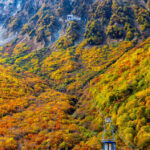
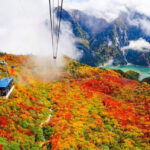
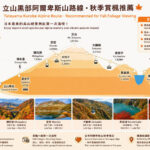
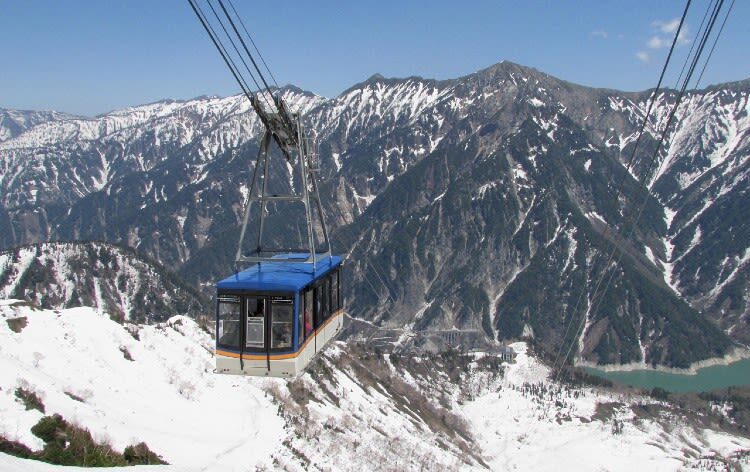
Once you reach Tateyama, the Alpine Route crossing takes about five and a half hours. The route spans 37.2 kilometers through the Northern Alps, with peaks reaching roughly 3,000 meters. Rather than ride a single vehicle from end to end, you change between six forms of transport. Cable cars, ropeways, buses, trolley vehicles and rail services each handle a different part of the mountain passage.
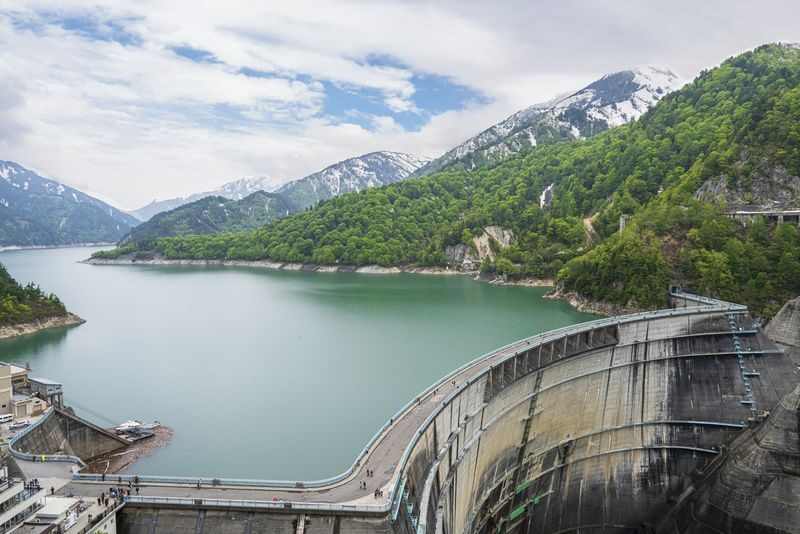
That variety is a big part of the appeal. The route opens up places that would be difficult to reach by ordinary road travel, while the views shift as you gain and lose altitude. You pass through the mountains in stages, with time to get out and see key areas. Kurobe Dam is one of the major sights on the one-way traverse from Tateyama to Ogizawa. You do not return along the same route, so the day feels like a crossing rather than a round trip.
The Alpine Route ticket is included, which is valuable both financially and practically. You do not need to buy the route tickets yourself on the day, and the English-speaking guide helps coordinate the changes. That matters here: there are multiple transport handovers, stairs and walking sections, and the schedule depends on reservations and operating conditions. Follow instructions closely and keep your group’s pace.
Ask your guide about where to sit for the best views on the journey toward Tateyama. A guide has helped passengers choose a good side for the approach, and it is a simple question worth asking early. The tour is carefully timed, so do not count on being able to linger wherever you like. Your freedom comes in the designated stops, while the connecting schedule needs to stay on track.
The day ends with the return to Shinjuku, scheduled between 8:30 and 9:30 p.m. Actual timing can change with road conditions and the Alpine Route reservation. This is a full day after an early start, so avoid planning a tight onward connection or an important late-night commitment.
What the price covers, and what it does not
The listed starting price is US$365.75 for a single room. The package includes round-trip transfers from the meeting point, one night at Hotel Enoe Toyama, admission to the Tateyama Kurobe Alpine Route and an English-speaking guide. Those inclusions remove much of the ticket planning and transport coordination that can make this route complicated to arrange independently.
The price is easier to justify if you value having the route tickets and Tokyo transfers handled for you. It also bundles Shirakawa-go with the Alpine Route, two major sights that would otherwise take separate planning and overnight logistics. The trade-off is less flexibility: you follow the tour’s schedule, and the long bus legs take up a substantial part of both days.
Meals and drinks are not included, nor are personal expenses. The Shirakawa-go observatory shuttle is another extra cost, and access is not assured. Check the package price for your chosen room type and date before booking, since the quoted starting rate is for a western-style single room.
Practical details that can shape your decision
This is an active, transfer-heavy trip. You may use elevators, stairs, cable cars and other vehicles, with walking between parts of the route. Comfortable shoes are essential, and the operator asks you to follow the guide’s instructions closely. If stairs, frequent vehicle changes or a long day on your feet are difficult for you, consider whether this format is a good fit.
Luggage can be stored on the bus, but you are responsible for valuables. Only small suitcases with total dimensions of 110 centimeters or less are accepted. Bus seating is assigned, and specific seat requests are not guaranteed. The coach has no restroom, though it makes scheduled bathroom stops.
The advertised guide service is English-speaking. If you need support in another language, confirm what is available before booking rather than assuming it will be provided. The operator may cancel if the minimum participant count is not met; the stated minimum is four, and cancellation for insufficient numbers is generally communicated at least 13 days ahead. Confirmation is expected within 48 hours.
Should you book this two-day tour?
Book it if the snow walls are high on your Japan wish list and you want the Alpine Route crossing, Shirakawa-go, hotel and Tokyo transfers arranged together. The strongest reasons are the seasonal walk at Murodo, the one-way mountain crossing and the practical value of having the route ticket included. The guide and driver can also make a complicated sequence of connections easier to manage.
Think twice if you want a leisurely pace, dislike early starts, or need exact control over transport and meal times. The visit to Shirakawa-go is self-guided and limited to about two hours, while the Alpine Route day runs on a set timetable. For the best chance of enjoying it, pack for cold weather, keep your luggage compact, and leave your return evening free.
From Tokyo: Tateyama Kurobe Alpine Route “Snow Wall” & Shirakawa-go
“This was a really different experience. Despite the long ride from Tokyo to Tateyama, definitely worthwhile trip. Our guide gave good trips on whic…”
FAQ
When can I walk through the Snow Otani snow walls?
The walk is generally available from April 15 to June 25. Bad weather can close it even during that period, and no refund is provided if access is canceled.
Are Alpine Route tickets included?
Yes. Admission to the Tateyama Kurobe Alpine Route is included, so you do not need to buy those tickets on the day.
How long is the stop at Shirakawa-go?
The self-guided village visit is about two hours. The observatory shuttle requires a separate on-site payment, and traffic or shuttle schedules may prevent a visit.
Are meals included?
No. Meals and drinks are not included. You need to arrange dinner in Toyama and have breakfast before the second day’s departure.
What time does the tour leave Tokyo?
The usual departure is 7 a.m. For the listed Golden Week dates, it is 6:40 a.m. Arrive 15 minutes early, since the bus cannot wait for late arrivals.
What should I bring for the Alpine Route?
Bring warm clothing and comfortable shoes. Waterproof footwear is suggested, and sunglasses or other eye protection are recommended because snow glare at Murodo can be intense.