The big draw here is the Tateyama Kurobe Alpine Route, where a chain of mountain transport carries you through the Japanese Alps between Tateyama and Ogizawa. This is a useful way to pair that high-altitude journey with Shirakawa-go, Gujo Hachiman and, when conditions allow, Kamikochi, without changing hotels every night on your own.
I like two things in particular: the Alpine Route gets a full six-hour block, and the tour gives you time to walk Shirakawa-go and Gujo Hachiman rather than simply pause for a photo. Meals, transport and a one-way route pass are also included, which makes the starting price of $504.05 easier to assess.
The main caveat is that not every advertised stop is confirmed in the day-by-day schedule. Daio Wasabi Farm appears in the tour name but not in the detailed three-day plan, and the two nights do not both guarantee a hot-spring inn. Confirm those details before paying.
- At a glance
- Three days from Nagoya, with the Alps at the center
- Day one: Gujo Hachiman and Shirakawa-go
- Day two: the Alpine Route takes the lead
- Day three: Kamikochi, or a change of plan
- What the price includes, and what it does not
- Who will enjoy this route, and who may not
- Should you book this three-day tour?
- FAQ
- Where does the tour depart from?
- How long is the tour?
- What is the starting price?
- What is included in the price?
- Are both nights at a hot-spring inn?
- Is Daio Wasabi Farm included as a stop?
- When can I see the Snow Corridor?
- When does Kurobe Dam release water?
- What happens if Kamikochi is closed?
- What languages are available on the tour?
- More Tours in Nakaniikawa
- More Tour Reviews in Nakaniikawa
At a glance
 1 / 8
 2 / 8
 3 / 8
 4 / 8
 5 / 8
 6 / 8
 7 / 8
 8 / 8
- Six hours on the Alpine Route: The main mountain crossing is the centerpiece, with a one-way pass from Tateyama to Ogizawa included.
- Two historic-town stops on day one: Plan on about two hours each in Gujo Hachiman and Shirakawa-go, with time to explore independently.
- Kamikochi is weather and season dependent: If it is closed or access is disrupted, the plan switches to Hida Takayama.
- One hot-spring night is secured: The second night’s accommodation may be a different type of lodging, including a cabin.
- Meals and basics are bundled: Two nights, transport, tolls, fuel, and the listed breakfasts and dinners are included.
- The named farm stop needs checking: Daio Wasabi Farm is in the tour title but absent from the supplied daily schedule.
Three days from Nagoya, with the Alps at the center
This is a guided coach tour with a lot packed into three days, but its best feature is that the central mountain crossing is not treated as a quick roadside stop. On day two, you have about six hours for the Tateyama Kurobe Alpine Route, which gives you room to experience the mountain transport and take in the scenery at several points along the way.
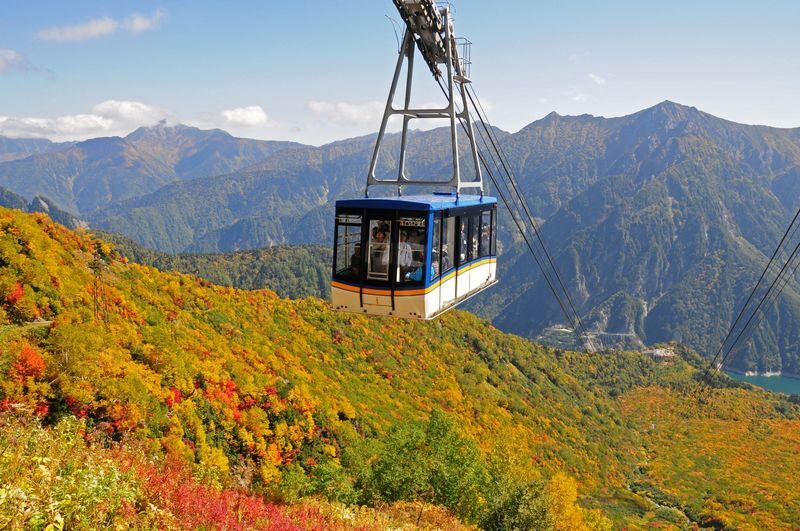
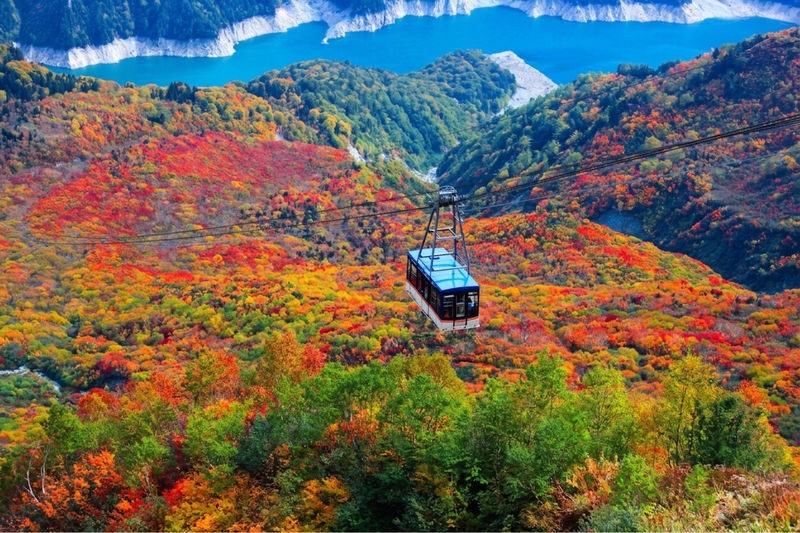
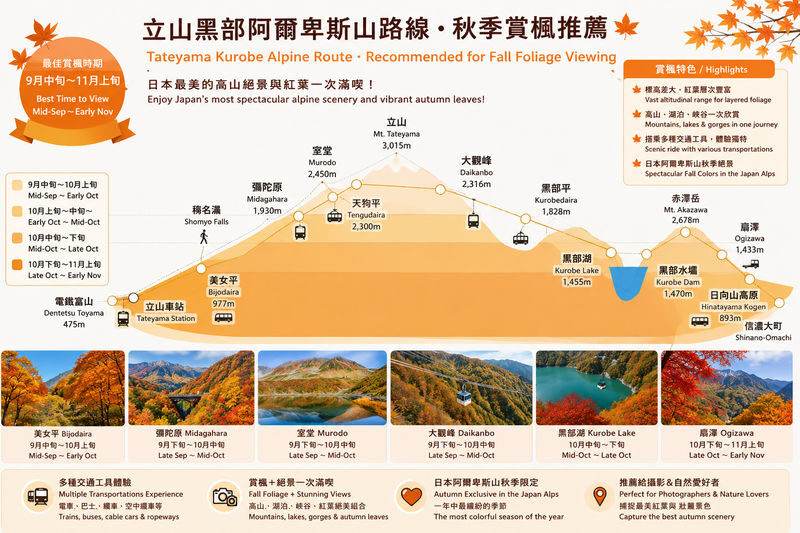
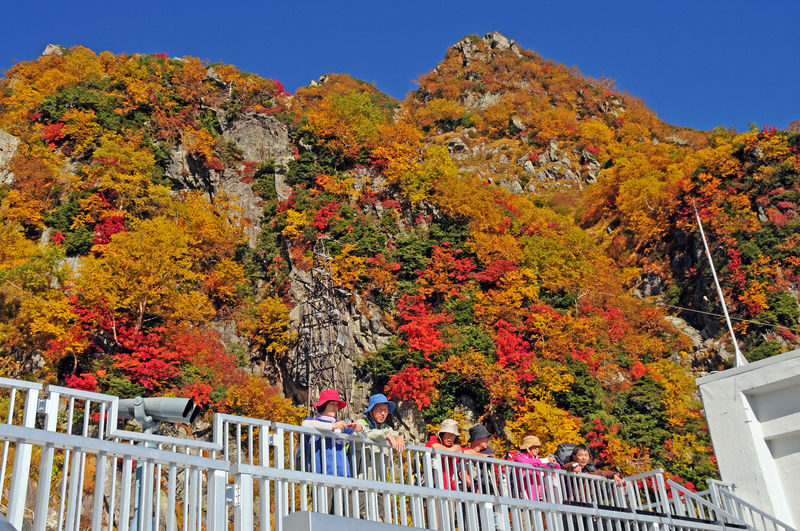
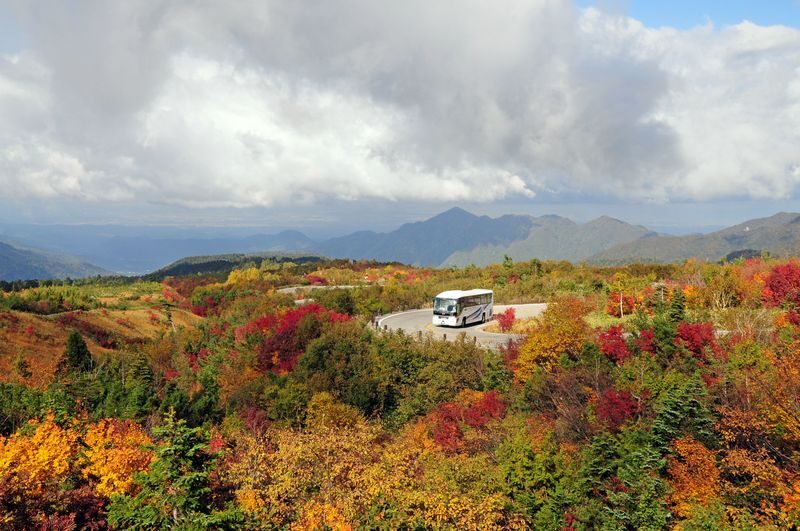
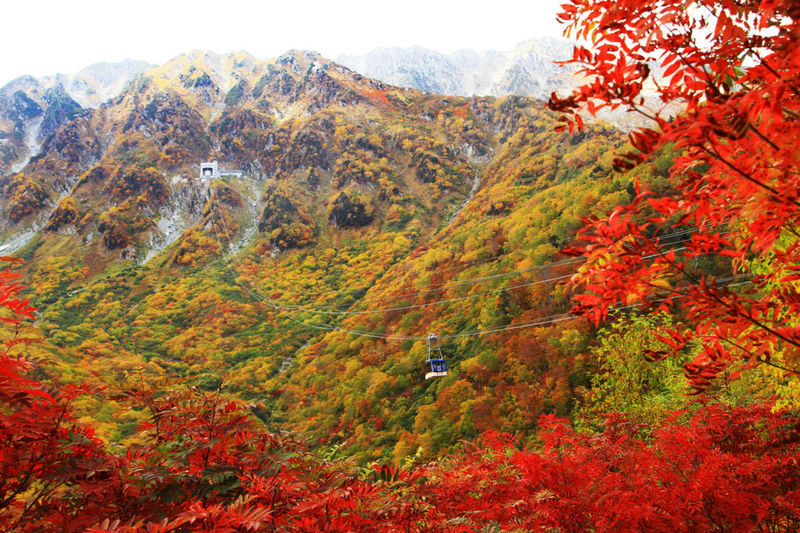
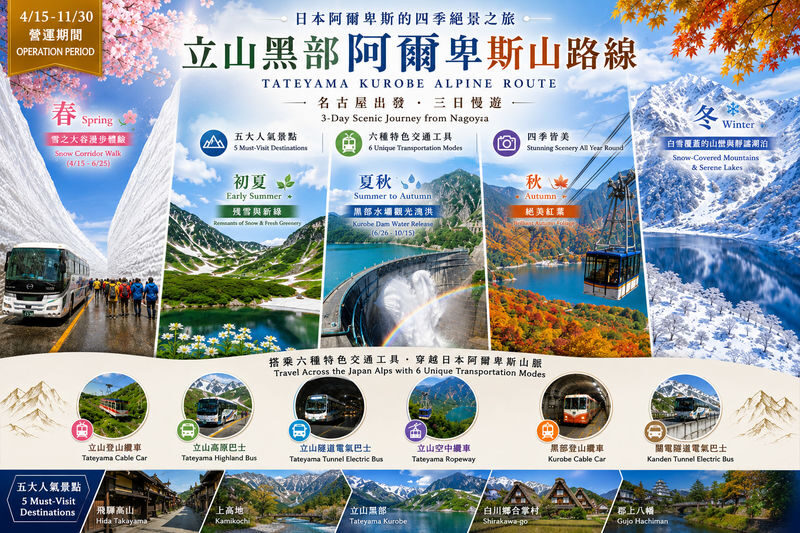
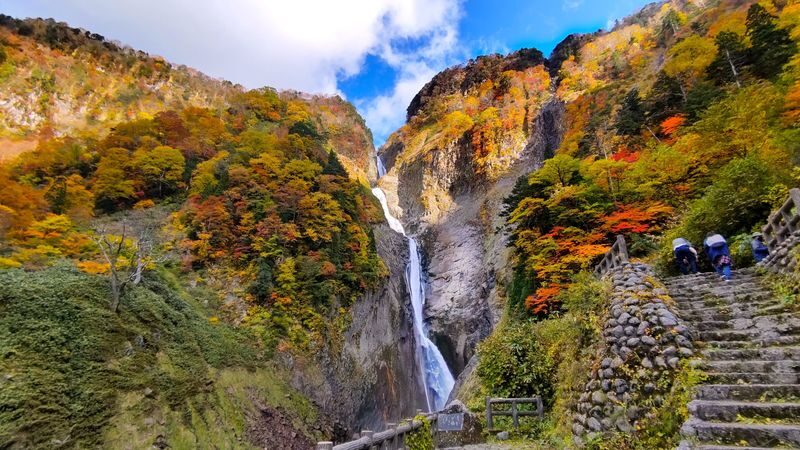
The route changes character with the season. In spring, the famous Snow Corridor may rise roughly 10 to 20 meters, though its height depends on the winter’s snowfall and cannot be promised. From late June into early July, patches of snow may remain at high elevations. The Kurobe Dam’s water release is scheduled from June 26 to October 15, and autumn brings fall colors to the mountains.
That seasonal variety is part of the appeal, but it also means the day is not fully fixed. Weather, crowds, road conditions, safety restrictions and mountain-entry reservations can change the order of stops or the time available. Some Alpine Route attractions may close or adjust operations due to weather or snow. I’d treat the plan as a framework, not a minute-by-minute guarantee.
The one-way pass covers the Tateyama-to-Ogizawa section. The route uses several forms of mountain transport, but the supplied details do not name each one or clarify every transfer. A professional guide is scheduled to lead travelers through the Alpine Route and help with transfers between its transport modes. That matters on a day with multiple connections and high-altitude walking.
Day one: Gujo Hachiman and Shirakawa-go
The bus leaves Nagoya Station’s Taiko-dori Exit 13 between 7:50 and 8:00 a.m. Arrive ten minutes early and look for staff with a LION TRAVEL flag or vest. The tour does not promise that staff will contact you the day before, and a late arrival counts as a missed departure without a refund, so allow extra time to find the meeting point.
First comes Gujo Hachiman, a mountain town known for clear waterways, Edo-style streets and traditional culture. You get about two hours to explore on your own. That is enough for a relaxed walk through the old streets and a taste of its water-town character, though not a deep visit to every corner. It is a good first stop for stretching your legs after the coach ride.
Shirakawa-go follows, with another two hours for self-guided exploring. Its gassho-zukuri houses, with steep roofs designed for heavy snow, give the village a distinctive look and a strong sense of place. The village is a World Heritage site, but the experience is still best taken at walking speed: look closely at the homes and village lanes rather than trying to cover every viewpoint in a short visit.
These two stops offer a pleasing contrast. Gujo Hachiman feels like a historic castle town with waterways, while Shirakawa-go is a traditional mountain village. The trade-off is limited time. If you like lingering over meals, shopping or taking long walks, you may need to choose what matters most at each stop.
The first night is at a hot-spring inn in Central Japan, with dinner and breakfast included. Dinner may be a buffet or Japanese kaiseki-style meal. Room types depend on the group and the lodging available, so you may get a Japanese-style, Western-style or mixed room. You cannot request a specific room type.
Day two: the Alpine Route takes the lead
The day begins with breakfast at the lodging. If the early entry time for the Alpine Route makes a sit-down breakfast impractical, the tour may provide a bento or refund JPY 2,000 per person. The rest of the day is built around the six-hour mountain crossing.
The Alpine Route is the tour’s strongest reason to book. Rather than driving straight through the mountains, you use the route’s dedicated transport links to cross a high-altitude stretch on the way from Tateyama to Ogizawa. You should expect transfers and walking, not a day spent comfortably seated on one bus. Wear layers and non-slip shoes; conditions at elevation can differ from those in Nagoya, and the tour recommends dressing for the day’s weather.
The scenery depends on your travel date. A spring visit may bring the Snow Corridor, while summer offers high mountain views and a chance of residual snow early in the season. The dam’s scheduled water release adds a seasonal spectacle from June 26 to October 15. In autumn, the appeal shifts to the changing foliage. None of these natural conditions can be guaranteed on a particular departure.
The one-way route pass is included, along with the coach transport, tolls, fuel and parking fees. That package reduces the number of separate transport arrangements you need to make yourself. It does not remove the need to follow the guide’s transfer instructions, especially if weather or crowd controls alter the day’s flow.
The second night includes dinner and breakfast, but the accommodation is not guaranteed to be another hot-spring hotel. Lodging may be in Toyama, Ishikawa, Nagano or Gifu prefecture, and room types can range from Japanese-style or Western-style rooms to a cabin. One past departure was led by Kevin, who was noted for careful arrangements and helping with photos; the staff member and level of English service can vary. Small groups may have a Chinese-speaking driver who also acts as attendant, with translation software used if needed.
Day three: Kamikochi, or a change of plan
Kamikochi gets about four hours when it is open and accessible. This mountain area is known for its natural scenery, and a few hours gives you time to walk and take in the setting at a more measured pace than the first day’s town visits. The tour requires walking at several stops, and some Alpine Route sections have stairs and paths, so it is not a good fit if you need step-free access throughout.
Kamikochi’s opening dates and access depend on official announcements, weather and traffic controls. If it is closed, or conditions make a visit impossible, the alternative is Hida Takayama’s old town. The change is practical, not a bonus stop: the schedule does not promise that you will visit both Kamikochi and Takayama on day three.
Takayama’s Sanmachi historical area preserves Edo-period streets, traditional wooden buildings, old sake breweries and small shops. You can also look for local foods such as Hida beef. It makes a worthwhile substitute if Kamikochi is inaccessible, but it offers a very different day: historic streets instead of mountain paths.
The coach is due back at Nagoya Station around 6:00 p.m., though road and traffic conditions can shift arrival time. Avoid scheduling a tight onward connection. Breakfast is included on day three, with a JPY 2,000 refund per person or an alternative arrangement if the accommodation cannot provide it.
One detail deserves special attention: Daio Wasabi Farm is named in the tour title, but it does not appear as a scheduled stop in the detailed day-by-day plan. Do not assume it is included without confirming directly with the operator. The listed route also includes Gujo Hachiman, Shirakawa-go, the Alpine Route, Kamikochi and a possible Takayama alternative, so clarify which stops are actually planned for your departure.
What the price includes, and what it does not
The double-occupancy option starts at $504.05 per person. A single-room option starts at $624.55. For the lower price, you share a room; the single option costs more but provides one room for one person. Actual room arrangements still depend on the lodging assigned.
The price includes two nights’ accommodation, the Alpine Route one-way pass, coach transport, tolls, parking, fuel and operator-provided insurance. It also covers the first day’s dinner, the second day’s breakfast and dinner, and the third day’s breakfast. Personal expenses are not included.
That is a substantial bundle for a three-day journey across several prefectures, particularly because the Alpine Route pass and transport are part of the package. The value depends on what you want from the trip: it makes sense if you’d rather have the major transfers and lodging arranged than piece them together yourself. It is less compelling if you mainly want a long, unhurried stay in one town or need certainty about every stop and room detail.
Meals can change with ingredient supply. Tell the operator about allergies or dietary needs when booking, since changes may not be possible on departure day. The hot-spring facilities also have restrictions: people with tattoos or body art, including tattoo stickers, as well as those who are intoxicated or have certain skin or infectious diseases, cannot use the baths.
Who will enjoy this route, and who may not
I’d consider this tour if the Alpine Route is high on your Japan wish list and you want to combine it with a few classic Central Japan stops in one booking. It suits people comfortable with early starts, long coach rides, walking and a schedule that may change with mountain conditions. The included meals and lodging also help keep planning simple.
It is less suitable if you need a fully fixed timetable, want to choose your exact room, or have limited mobility. The route includes long staircases and walking paths in places, and some sections are not fully accessible. Anyone with a chronic illness, pregnancy or other health concern should assess the high-altitude setting and long travel days with a doctor before booking.
Group size affects the service. Departure is confirmed only if the minimum number of participants is met, and the tour may be cancelled if fewer than 15 people sign up. Vehicles are chosen based on the final group size. For a small group, you may not have a dedicated full-time guide for the whole trip, and English may not be available throughout.
The luggage limit is one standard-sized bag per adult. Bus seats are assigned on the day and cannot be selected in advance. Travelers under 18 or over 80 must be accompanied by family or friends, and those over 70 or needing special care are advised to travel with a companion.
Should you book this three-day tour?
Book it if you want the Tateyama Kurobe crossing to anchor a compact trip from Nagoya, and you are willing to accept seasonal changes and shared transport. The six-hour Alpine Route block, two traditional town visits and bundled lodging and meals make the price reasonable for a traveler who values convenience.
Before booking, get clear answers about Daio Wasabi Farm and the second night’s lodging. Also check whether Kamikochi is expected to be open on your dates, while keeping in mind that weather or official restrictions can still change the plan. If you are comfortable with those uncertainties, this is a practical way to see several very different sides of Central Japan in three days.
Classic 3-Day Tateyama Kurobe Tour: Tateyama Kurobe & Kamikochi & Shirakawa-go Gassho-zukuri Village & Magome-juku and Tsumago-juku & Daio Wasabi Farm (Departure from Nagoya, Includes Admission Tickets & Accommodation & Tour Leader)
“The overall itinerary was smooth, and there was ample time to explore each tourist spot. Our tour leader, Kevin, provided excellent care and arrang…”
FAQ
Where does the tour depart from?
It departs from JR Nagoya Station, Taiko-dori Exit 13. The meeting point is about a one-minute walk from the exit, near the BicCamera building. Arrive ten minutes before departure and look for staff with a LION TRAVEL flag or vest.
How long is the tour?
The tour runs for three days and two nights. It leaves Nagoya in the morning on day one and is scheduled to return around 6:00 p.m. on day three, subject to traffic.
What is the starting price?
The double-occupancy package starts at $504.05 per person. The one-person, one-room option starts at $624.55.
What is included in the price?
The package includes transport, tolls, parking, fuel, operator-provided insurance, two nights’ accommodation, and the Tateyama-to-Ogizawa one-way Alpine Route pass. It also includes the first day’s dinner, the second day’s breakfast and dinner, and the third day’s breakfast.
Are both nights at a hot-spring inn?
No. One night at a hot-spring hotel is secured. The second night’s lodging depends on availability and may be a Japanese-style room, Western-style room, mixed room or cabin.
Is Daio Wasabi Farm included as a stop?
Daio Wasabi Farm is named in the tour title, but it does not appear in the detailed daily schedule. Confirm with the operator whether it is part of the departure you are considering.
When can I see the Snow Corridor?
The Snow Corridor is generally available from mid-April to late June. Snow may remain at high elevations into late June or early July, but the wall’s height depends on snowfall and is not guaranteed.
When does Kurobe Dam release water?
The scheduled water release runs from June 26 to October 15. Weather and other operating conditions may still affect what you see on the day.
What happens if Kamikochi is closed?
If Kamikochi is inaccessible because of winter closure, weather, traffic controls or other circumstances, the tour may substitute Hida Takayama’s old town. The actual arrangement depends on conditions.
What languages are available on the tour?
The tour lists English-, Chinese- and Japanese-speaking guide service. On small-group departures, a Chinese-speaking driver may also serve as attendant instead of a dedicated full-time guide. English communication may then rely on translation software.