Kamakura’s temple lanes and Mount Fuji’s high slopes make an unusually varied pair of days. You’ll visit the Great Buddha, walk among the bamboo at Hokoku-ji, then cross the Hakone area to volcanic Owakudani and Fuji viewpoints. The tour tackles a lot of ground, with a guide and coach doing the connecting work.
I like the mix of quiet temple visits and big-name sights, especially the tea stop in Hokoku-ji’s bamboo grove and the Great Buddha. I also like that the second day offers several different Fuji perspectives: village ponds, a boat ride on Lake Kawaguchiko and, when conditions allow, the drive to the Fifth Station.
The trade-off is pace. You have two days for several destinations, and the group can reach 72 people, so time at major stops may feel brief and it can be hard to hear the guide outdoors. The overnight hotel details also need checking: the route says Odawara, while the accommodation information includes a Tokyo hotel.
- At a glance
- From Tokyo to Kamakura’s temple paths
- Enoshima, a coastal pause before Odawara
- The overnight stop, and the hotel question to settle
- Day two: Owakudani, Oshino Hakkai and Fuji views
- What the pace and group size mean in practice
- What the 6 starting price includes
- Who should choose this two-day route
- Should you book it?
- FAQ
- How long is the tour?
- What places does the tour visit?
- Is the Great Buddha admission included?
- Is the Lake Kawaguchiko boat ride included?
- Which meals are included?
- Where does the tour stay overnight?
- What happens if Owakudani is closed?
- Does the tour always reach Mount Fuji’s Fifth Station?
- Is an airport transfer included at the end?
- What is the group size and language of the tour?
- The Best Of Tokyo!
- More 2-Day Experiences in Tokyo
- More Tours in Tokyo
- More Tour Reviews in Tokyo
- Not for you? Here's more nearby things to do in Tokyo we have reviewed
At a glance
 1 / 9
 2 / 9
 3 / 9
 4 / 9
 5 / 9
 6 / 9
 7 / 9
 8 / 9
 9 / 9
- Hokoku-ji’s bamboo grove gives you a calm start to a day packed with temples, coastal scenery and a castle.
- The Great Buddha of Kamakura is a key stop, with admission included.
- Enoshima is your lunch and free-time break, not a fully guided island visit.
- Owakudani’s steam vents and sulfur smell make the Hakone region’s volcanic activity tangible, but access can close.
- Lake Kawaguchiko and Fuji’s Fifth Station offer different mountain views, weather permitting.
- Plan for a long, busy day two and confirm the overnight hotel before departure.

👉 See our pick of the 25 Best Guided Tours In Tokyo
From Tokyo to Kamakura’s temple paths
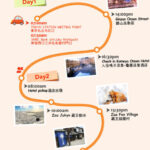
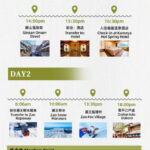
The first day begins with a coach transfer from Tokyo to Kamakura, the former capital described in the tour plan as an oasis of peace. Kamakura’s temples and shrines are spread across the city, so having transport between stops makes it possible to see several in one day. The trade-off is less freedom to linger or wander off on your own.
At Hokoku-ji Zen Temple, you’ll walk through a bamboo forest and have green tea on the grounds. That small pause is a welcome contrast to the busier sightseeing ahead. Bamboo groves are often photographed quickly, but give yourself a moment to take in the quieter atmosphere before moving on.
The next stop is Sugimoto-dera, founded in 734 and described as the oldest temple in Kamakura. It adds an older, more intimate place of worship to a day that also includes the city’s most famous landmark. The plan does not specify how long you’ll have at either temple, so it’s sensible to expect guided visits rather than extended, independent exploration.
Then comes the Great Buddha, or Daibutsu, with admission included. This is likely to be the day’s main draw if you’re interested in Kamakura’s history and religious sites. It is worth saving some attention for the setting as well as the statue itself; the stop is part of a larger temple itinerary, not a standalone visit.
Some past groups have found the schedule intense and wished for more time at the major sights. That’s useful to keep in mind if you prefer slow visits, quiet contemplation or plenty of time for photographs. If you’re comfortable seeing several places at a brisk pace, the range is a strength.
You can also read our reviews of more tours and experiences in Tokyo

Enoshima, a coastal pause before Odawara
After Kamakura, the coach follows a scenic coastal road toward Enoshima, a small island linked to the mainland by a bridge. Here you have free time to walk, explore shops and attractions, and find lunch at a local restaurant. This is the day’s most independent stretch, so use it to choose your own pace and meal.
Lunch is not listed among the included meals. Breakfast buffet is included, so budget for lunch and any other food you want to buy. The schedule doesn’t give a specific amount of free time on Enoshima, which means you may need to choose between a relaxed meal and a fuller walk around the island.
Later, the tour continues to Odawara Castle, a medieval fortress restored in the 20th century and associated with the Edo period. It sits on a hill above town, offering a change of scene after the temples and coast. Castle admission is included, though the details do not say how much time is set aside for the visit.
The route gives you three quite different impressions in one day: Kamakura’s religious sites, Enoshima’s coastal setting and Odawara’s castle. That variety is appealing, but it also explains why the day can feel full. If you want to explore any one place in depth, this tour may not leave enough time.
The overnight stop, and the hotel question to settle
The route places the overnight stay in the Odawara area. Listed possibilities include Tenseien Odawara Station, Tenseien Hakone and Hakone Yumoto Fujiya. They range from a listed three-star to four-star properties, and the operator says hotels are selected for quality, price and location, with public transport nearby. It does not promise a luxury stay, and room sizes and standards can vary.
There is an important mismatch in the accommodation details: the included-hotel information also names Shinagawa Prince Hotel in Tokyo, while the day-by-day route says you sleep in Odawara. The response supplied for this tour says the specific hotel is confirmed 24 to 48 hours before departure, but it does not resolve the discrepancy. Ask the operator to confirm where you’ll sleep before you book, especially if you are arranging separate accommodation or transport.
Rooms are described as having a private bathroom and TV. Other features, such as a minibar, safe or hair dryer, may vary. The listed hotels are not necessarily in the city centre, so nearby public transport matters more than a promise of a central address.
Day two: Owakudani, Oshino Hakkai and Fuji views
The second day heads through the Hakone region toward Mount Fuji. First is Owakudani, a volcanic crater area known for steam vents, bubbling mud and sulfur gases. The smells and steam make this more than a distant mountain-view stop, though volcanic activity or toxic gases can lead to closures. If access is restricted, the stated alternative is Kitaguchi Hongu Fuji Sengen Shrine.
This backup is a practical reminder that the route depends on conditions, not just the calendar. Europamundo also reserves the right to alter stops or their order in exceptional circumstances such as weather, traffic, strikes or other complex situations. If Owakudani is a must-see for you, understand that it cannot be guaranteed.
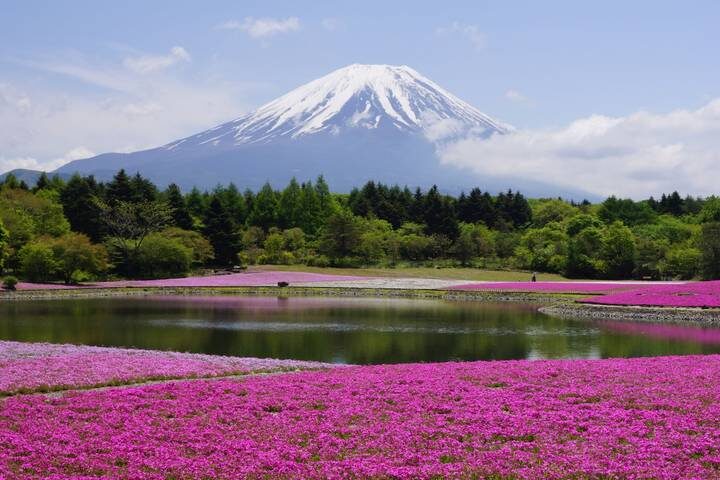
Next, you’ll visit Oshino Hakkai, a small village with eight ponds and views of Fuji when the weather cooperates. The mountain may be hidden by cloud, so treat a clear view as a bonus rather than a sure thing. The village offers a quieter counterpoint to the volcanic stop, though the tour information does not specify the length of the visit.
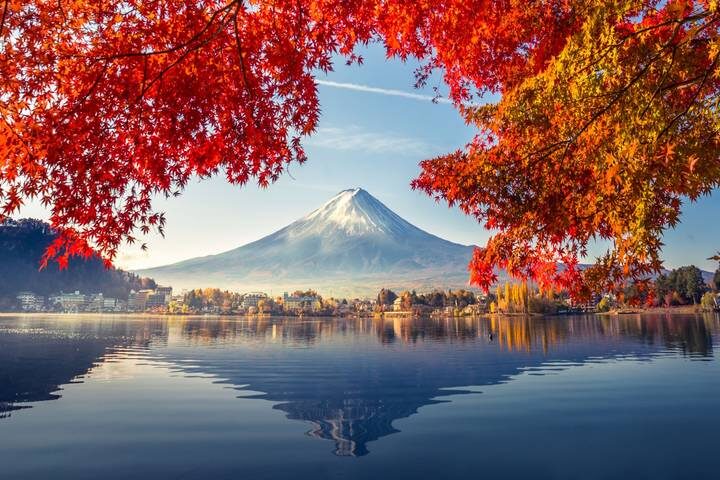
After lunch, the coach takes you to Kawaguchiko for a boat ride on the lake. Seeing the mountain from the water gives the day another angle, and the ride is included. The details do not say how long the sailing lasts, so think of it as a scenic interlude rather than a long cruise.
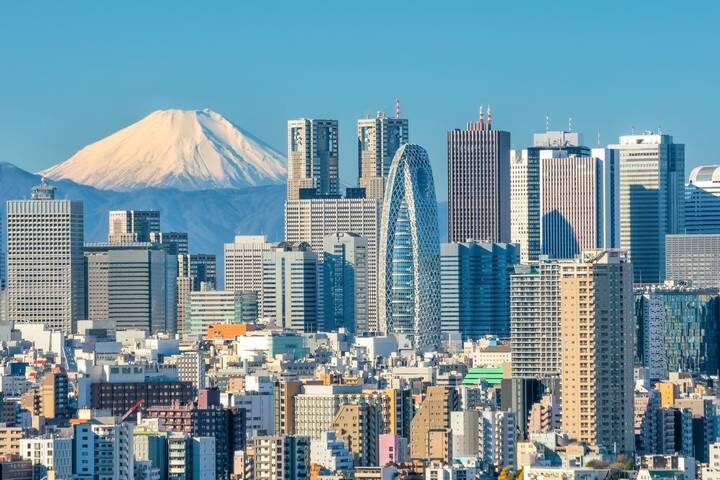
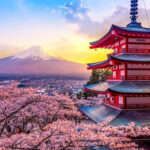
The final major excursion is the drive toward Mount Fuji’s Fifth Station, listed at 2,305 metres (7,562 feet). At this height, the forest thins and views open up around the mountain. But the road is often closed in winter because of snow or weather, in which case the coach goes as far as conditions allow. Access can also vary for other reasons, so the advertised altitude is a target, not a guarantee.
After the mountain visit, you return to Tokyo by evening. That is a substantial finish to an already full day. The tour does not include an airport transfer at the end, and the guide can suggest public transport options. Check your flight time carefully; you may need to arrange another night in Tokyo rather than connect to an evening flight.
What the pace and group size mean in practice
This is a fully guided group tour with a stated group range of 2 to 72. A large group can keep the price lower and make the transport efficient, but it can also make outdoor explanations harder to follow. Some people who have taken the trip specifically wished for radio guides or smaller groups at sightseeing stops.
The guide quality is one of the tour’s strongest points. Names praised in past trips include Ken, Erika and Jose, with particular appreciation for the way guides shared historical stories and helped the group feel included. Those names are not a guarantee for a future departure, and the guide may change during the tour. Depending on group numbers, explanations may be in English and Spanish, either with separate leaders or one guide speaking both languages.
The tour is rated low intensity, which suggests it is not built around strenuous activity. Still, two days of coach transfers, walking at multiple stops and a long return to Tokyo can be tiring. Bring comfortable walking shoes and be ready to keep moving when the group does. The rating does not mean the schedule is leisurely.




What the $476 starting price includes
The starting price is $476, based on the cheapest room. The package includes guided transport between the listed destinations, the specified hotel stay, breakfast buffet, basic travel insurance and admission to Hokoku-ji’s bamboo forest, Sugimoto-dera, the Great Buddha and Odawara Castle. The Lake Kawaguchiko boat ride is also included.
For two days of coach travel linking Kamakura, Enoshima, Odawara and Fuji-area stops, the price can make sense if you value convenience and a guide. Doing the same route independently would mean arranging transport and timing across several locations. The tour’s value is strongest for someone who wants a broad introduction without planning every connection.
It is not an all-inclusive food package. Breakfast is listed, but lunch is not, and the itinerary explicitly leaves you time to buy lunch in Enoshima. The second day also refers to lunch without listing it as included, so budget for meals beyond breakfast. The hotel inconsistency is another reason to confirm the exact stay before weighing the price against your plans.
Who should choose this two-day route
I’d consider this tour if you have limited time in Tokyo and want to combine Kamakura’s temples with a concentrated Fuji-area excursion. It suits people who like seeing a range of places with transport and historical context taken care of. Families are welcome, and the physical rating is low, though the schedule still asks for energy and patience.
It is less suitable if you want long, unhurried visits, independent time at every stop or a guaranteed view of Mount Fuji. Weather can hide the mountain, and winter conditions may limit access to the Fifth Station. A group of up to 72 may also feel too large if you prefer close contact with your guide.
The experience has a solid overall rating of 4.3 out of 5, with itinerary, transport, guide, accommodation and food each rated 4.3, and the operator rated 4.1. The strongest practical positives are the range of destinations, comfortable hotel feedback and guides who can make historical stops more meaningful. The recurring cautions are the packed schedule and the difficulty of hearing explanations in a large group.
Should you book it?
Book this tour if you want Kamakura and Mount Fuji in a short, guided package and can accept a brisk pace, changing conditions and some uncertainty about the exact hotel. Its mix of temples, coast, castle, volcanic terrain, lake and mountain access is unusually broad for two days.
Look elsewhere if you want to linger, travel independently or build your plans around a guaranteed Fuji summit-area visit. Before paying, ask Europamundo to confirm the overnight hotel and check how the guide will handle explanations for your departure group. Those two answers will make it easier to judge whether the convenience is worth the compressed schedule.
Discovering Kamakura and Mount Fuji by Europamundo – 2-Day Tour (2026-27 Departures)
“Good use and management of time. Groups should be smaller or use some device to be able to hear the guide at visited sites.”
FAQ
How long is the tour?
The tour lasts two days and starts and ends in Tokyo.
What places does the tour visit?
Stops include Kamakura, Enoshima, Odawara, Owakudani, Oshino Hakkai, Lake Kawaguchiko and Mount Fuji’s Fifth Station, subject to access conditions.
Is the Great Buddha admission included?
Yes. Admission to the Great Buddha, or Daibutsu, is included.
Is the Lake Kawaguchiko boat ride included?
Yes. A scenic boat ride on Lake Kawaguchiko is included.
Which meals are included?
Breakfast buffet is listed as included. Lunch and dinner are not listed as included.
Where does the tour stay overnight?
The route describes an overnight stay in the Odawara area and lists Tenseien Odawara Station, Tenseien Hakone and Hakone Yumoto Fujiya. The accommodation information also names Shinagawa Prince Hotel in Tokyo, so confirm the actual hotel with the operator.
What happens if Owakudani is closed?
The stated alternative is Kitaguchi Hongu Fuji Sengen Shrine.
Does the tour always reach Mount Fuji’s Fifth Station?
No. The road is often closed in winter because of snow or weather, and the coach goes as far as conditions permit.
Is an airport transfer included at the end?
No. A departure transfer to the airport is not included. The guide can recommend public transport options.
What is the group size and language of the tour?
The group size is listed as 2 to 72, and the tour is guided in English. Depending on group numbers, the guide may provide explanations in both English and Spanish.