Japan’s big appeal on this 14-day trip is the change of pace: Tokyo’s city streets give way to garden paths in Kanazawa, old-town lanes in Takayama and the stillness of Hiroshima Peace Park. Then come Kyoto’s shrines and a night near Mt Fuji. You travel mainly by train, with a local CEO to guide the group through the practical business of getting around.
I like two things in particular: the route balances famous sights with time to explore on your own, and it includes a stay at a traditional Japanese inn plus an onsen visit and kaiseki dinner near Lake Kawaguchi. The main trade-off is the physical routine. You carry your own luggage between stations, spend long stretches on trains and may walk around 15,000 steps a day.
At a glance
- Tokyo to Mt Fuji and back: See major sights across Honshu, from Kenrokuen Garden to Miyajima Island.
- A small group: The advertised group size is 10 to 15, with an English-speaking CEO throughout.
- Train travel is central: Bullet trains and local transport make the long route possible, but station changes and luggage are part of the deal.
- Planned sights, room to roam: Several major visits are included, while free time lets you choose your own temples, meals and museums.
- Meals are mostly your responsibility: The tour includes one breakfast and one dinner, so budget for meals each day.
- Travel light: Shinkansen luggage must be under 160 centimetres in total dimensions.

👉 See our pick of the 25 Best Guided Tours In Tokyo
- At a glance
- Tokyo sets the pace, then the trains take over
- Kanazawa’s gardens and samurai streets
- Takayama brings a smaller-town pause
- Hiroshima’s Peace Park, then a ferry to Miyajima
- Kyoto’s shrines and a free day to choose your own route
- Lake Kawaguchi offers a quieter Mt Fuji stop
- What the rail routine and lodging mean in practice
- The price is for the route, not the meals
- Who should book this Japan tour?
- FAQ
- Are international flights included?
- How many meals are included?
- How large is the group?
- Is there a guide throughout the tour?
- How much walking should I expect?
- Do I carry my luggage during sightseeing?
- Is there a luggage size limit?
- Is the Japan Rail Pass included?
- Are airport transfers included?
- Can I use the onsen if I have tattoos?
- The Best Of Tokyo!
- More Tours in Tokyo
- More Tour Reviews in Tokyo
- Not for you? Here's more nearby things to do in Tokyo we have reviewed
Tokyo sets the pace, then the trains take over
 1 / 9
 2 / 9
 3 / 9
 4 / 9
 5 / 9
 6 / 9
 7 / 9
 8 / 9
 9 / 9
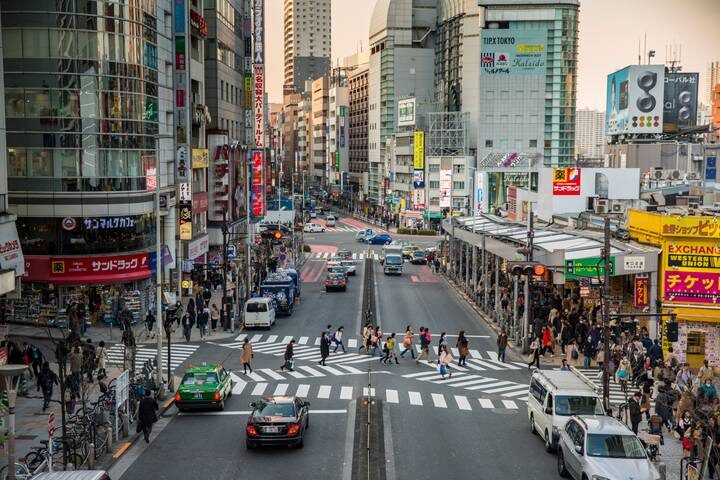
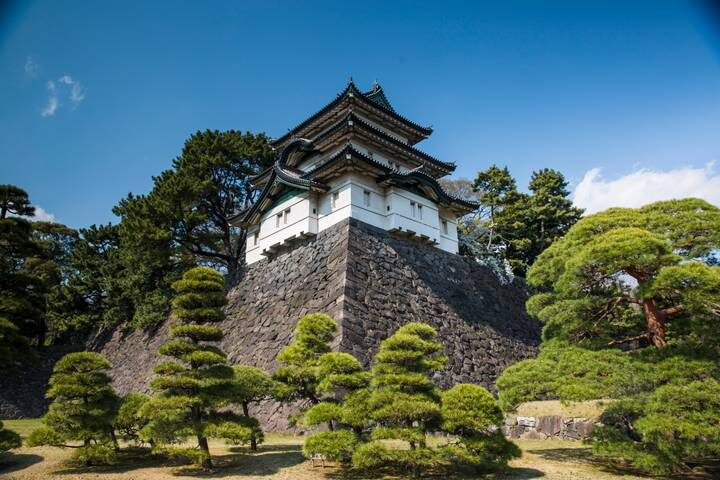
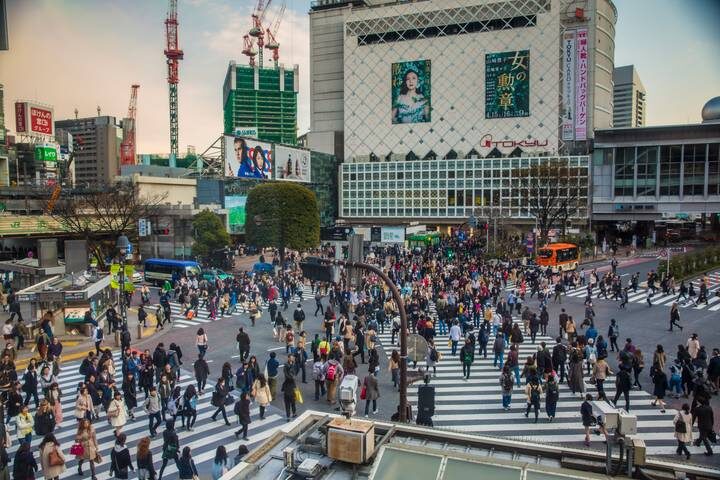
The trip begins in Tokyo, where you arrive at the hotel around 4 p.m. and meet your group and CEO at about 6 p.m. There are no planned sightseeing stops that first day, which is useful after a long flight, but you need to arrive in time for the meeting and bring your passport. The CEO uses its details to arrange train tickets.
Tokyo returns at the end of the tour, so you get a first taste and then a final free day with more confidence. The opening is deliberately light on sightseeing. If you want a longer Tokyo visit, add nights before or after the tour rather than trying to squeeze the city into its scheduled time.
On day two, you collect your JR Pass and take the train to Kanazawa, a journey listed at roughly two and a half to three hours. The evening is free. That first rail day is a preview of the tour’s rhythm: the train system is efficient, but stations can be busy, and you are responsible for your bags while moving between hotels and platforms.
You can also read our reviews of more tours and experiences in Tokyo.

Kanazawa’s gardens and samurai streets
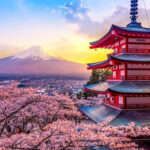
Kanazawa gives the trip an appealing change from Tokyo’s scale. The city’s former status as a wealthy castle town helped it develop a strong tradition of arts and crafts, and the included visits make good use of your two nights there.
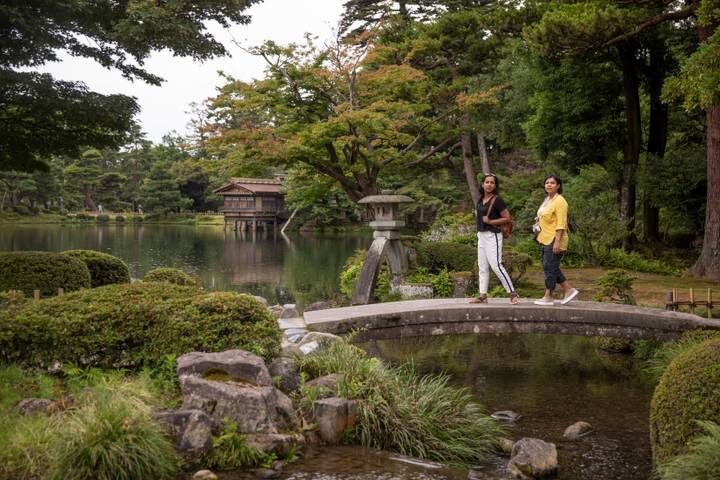
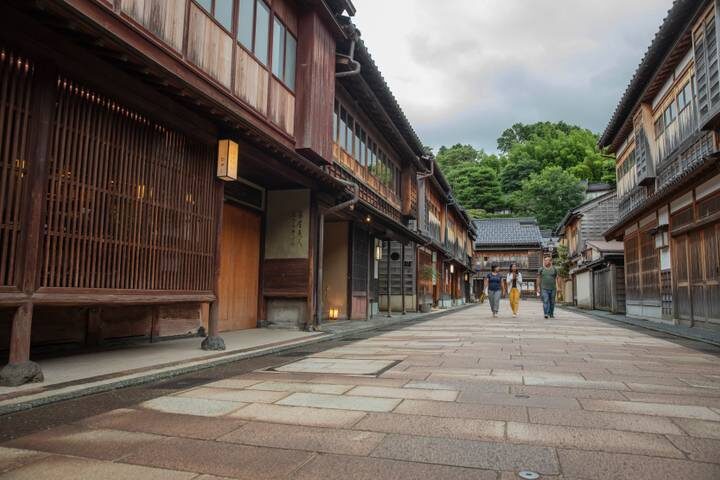
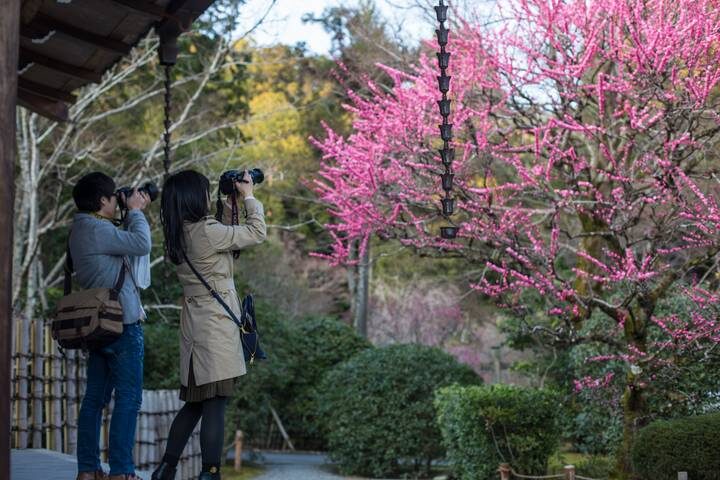
You visit Higashi Chaya, a preserved geisha district, then stroll through Kenrokuen, one of Japan’s best-known gardens. Its paths, ponds and carefully arranged scenery reward a slow walk rather than a hurried photo stop. The route continues through Nagamachi, the former samurai district, where the historic streets offer a different view of the city’s past.
You can use the remaining free time for Kanazawa Castle, the 21st Century Museum of Contemporary Art, Myoryuji Ninja Temple or the seafood market. These are optional, and costs vary. I would choose based on your interests rather than treating every stop as a box to tick. A museum or castle visit can easily fill the hours left after the included walking tour.
Takayama brings a smaller-town pause
The journey to Takayama takes you into the Japanese Alps, with arrival in the afternoon. You stay two nights at Minshuku Iwatakan, a traditional inn, which provides a welcome contrast to the city hotels. The accommodation is part of the experience, though you should not assume every room has the same setup as a standard Western hotel.
The main included outing is Hida No Sato, an open-air folk village with traditional houses. Afterward, Takayama’s old town is made for wandering: sake breweries and craft shops line its streets, and the day remains open for markets or a bike ride into the countryside. If you would rather keep things easy, simply take your time around the town centre.
This stop is one of the more relaxed parts of the route, but the tour still asks you to be active. The daily walking can add up, and free time is not the same as a rest day if you decide to explore every lane and market.
Hiroshima’s Peace Park, then a ferry to Miyajima
The trip from Takayama to Hiroshima is a long rail day, listed at about five hours by bullet train. Once in the city, you visit Hiroshima Peace Park and the Peace Memorial. This is a solemn stop, with memorials to people killed by the atomic bombing and a museum that gives the history proper attention. Leave yourself room to take it in; it is not just another landmark on a busy sightseeing day.
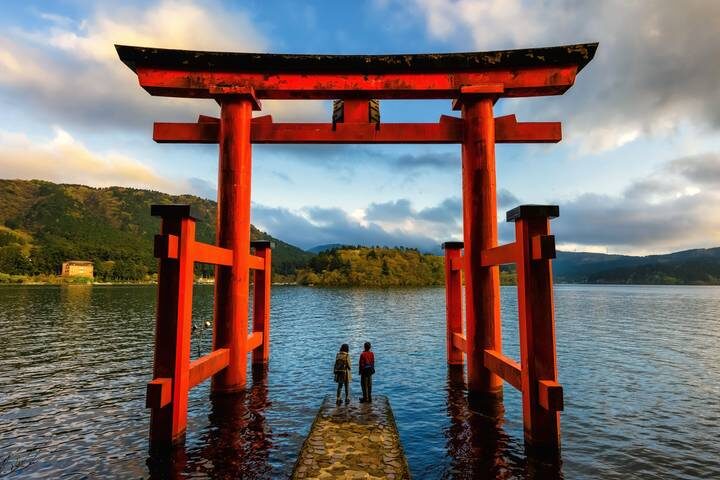
The next day brings a ferry ride to Miyajima Island. Its great torii gate is one of Japan’s most familiar images, and the shrine’s pier-like construction reflects its setting by the water. Deer roam the island, and you can spend your time visiting shrines and temples, trying maple-leaf cakes or hiking up Mt. Misen. The hike is optional, and the mountain visit may involve extra costs.
Miyajima is a strong counterpoint to Hiroshima’s memorials: sacred sites, sea views and time outdoors replace the city’s tram rides and museums. Check the day’s conditions and your energy before committing to the mountain. You can have a satisfying island visit without turning it into a strenuous climb.
Kyoto’s shrines and a free day to choose your own route
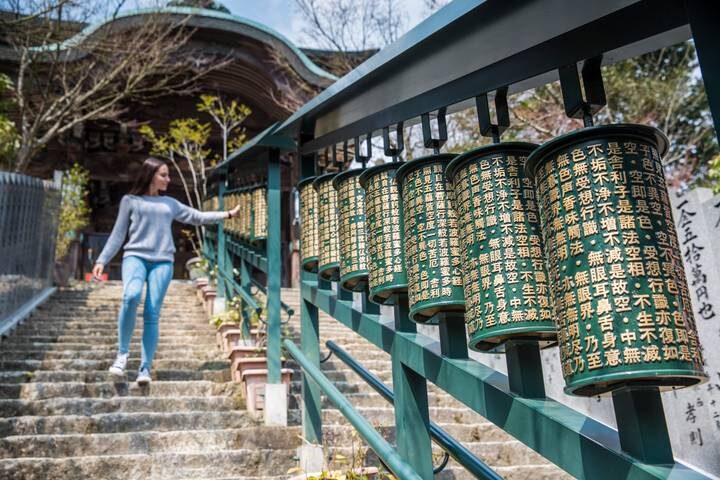
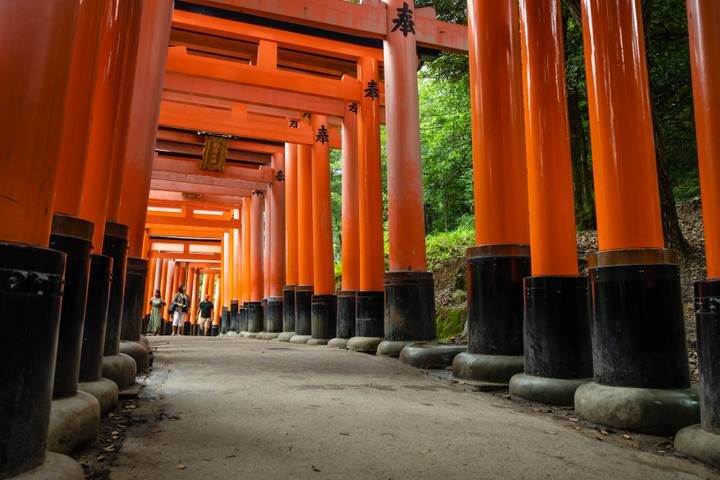
From Hiroshima, the train to Kyoto takes roughly one and a half to two hours. The included visit to Fushimi Inari Taisha takes you beneath long rows of red torii gates. The shrine grounds extend up a hillside, so you can decide how far to walk rather than feeling you must complete the full route.
The schedule also points you toward Gion, where you may see geisha moving between teahouses, though a sighting is never guaranteed. On the following day, you visit Nijo Castle and its gardens, then Kinkakuji, the Golden Pavilion. The gold-leafed building is striking, especially reflected in the surrounding pond, but it is a popular stop and the grounds can feel busy.
Day ten is free. Kyoto has more temples, gardens and historic streets than one day can cover, so this is where a little advance planning pays off. Options include Ryoanji’s Zen garden, the Silver Pavilion, the Philosopher’s Path and Nanzenji. Choose a few places in one area rather than spending your day crossing the city repeatedly.
The tour’s mix of guided visits and independent time works well here. Your CEO can offer suggestions and help you navigate, but you are not tied to a full-day group schedule. Past guides have been named Aska, Tetsuo, Taka and Kumiko, but the assigned CEO varies by departure.





Lake Kawaguchi offers a quieter Mt Fuji stop
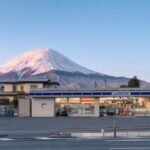
The journey from Kyoto to Fujikawaguchiko takes about five and a half to six hours, so this is another substantial travel day. You arrive mid-afternoon, with an included visit to the accommodation’s onsen spa, followed by a traditional multi-course kaiseki dinner. This is the tour’s only included dinner, making it a notable chance to sample a meal that is more elaborate than a quick station lunch.
The next morning is for a walk around Lake Kawaguchi in the Five Lakes region before the train ride back to Tokyo. Mt Fuji views depend on weather and visibility. A clear window can make the stop memorable; cloud cover can hide the mountain, so treat the setting and lakeside walk as part of the visit, not merely a photo opportunity.
The onsen comes with a practical caveat: tattoos may mean you cannot enter public spas or hot springs. The tour information advises covering tattoos where possible, but check the property’s rules before relying on access.
What the rail routine and lodging mean in practice
This tour is built around public transport: bullet trains, local trains, subway, tram, bus and ferry, along with plenty of walking. That is a real advantage in Japan, where rail links connect the main stops efficiently. Your CEO coordinates the group’s travel, tickets and route changes, helping you spend less time working out station logistics by yourself.
The flip side is that train days can consume much of the day. One past participant described days with several train changes, and the route includes long journeys between Takayama and Hiroshima and between Kyoto and Kawaguchiko. You carry your own luggage through stations and on the trains, though it stays at the hotel during sightseeing. Keep your bag within the 160-centimetre total size limit and bring a smaller day pack.
The tour describes its physical level as low intensity, but its practical notes put average walking at about 15,000 steps a day. A recent departure reported closer to 17,000 steps daily. Comfortable shoes, a manageable bag and the ability to use stairs are more important than the rating alone suggests. Some two-storey properties may not have lifts.
Accommodation includes hotels and traditional inns, with two nights noted as having shared facilities. The named properties range from business-style hotels to the Takayama inn and the Kawaguchiko hotel. Expect functional places chosen to support the route, not a luxury-hotel tour. If room setup matters to you, ask about it before booking.
The price is for the route, not the meals
Prices start at $3,919, with the final fare depending on departure and room choice. International flights, travel insurance, most meals and optional activities are not included. Only one breakfast and one dinner are covered. The tour’s guidance suggests allowing about $695 to $905 for meals not included, so build that into the real cost rather than treating the advertised fare as an all-in price.
The value lies chiefly in the route, Japan Rail Pass, transport between destinations and included visits, plus the CEO’s help with a complex itinerary. For a first visit, that support can spare you the work of organizing multiple rail legs and finding your way through unfamiliar stations. The operator’s overall rating is 4.7 out of 5, while this specific tour’s listed category scores include 4.5 for the guide and 4.0 for accommodation.
It is less compelling if you want luxury rooms, included meals or a guide explaining every site in depth. The CEO stays with the group, but the format leaves meaningful free time and does not provide a fully narrated tour at every attraction. If you prefer to choose your own pace and can handle Japanese rail travel, you could also plan the route independently.
Who should book this Japan tour?
I would consider this a strong first-trip framework for someone who wants to see several sides of Japan without planning every connection alone. You get major cultural stops, a small group and a local CEO, with enough free time to follow your own interests. It suits active adults and families with participants aged 12 or older who are comfortable walking and managing their luggage.
Think twice if you need frequent rest breaks, want a slower pace, expect most meals to be included or dislike changing trains with a bag. The stops are rewarding, but the itinerary covers a lot of ground in two weeks. If you book, pack light, budget honestly for food and consider adding extra Tokyo nights. That small extension gives you more time in the city without asking the tour’s final free day to do everything.
Discover Japan by G Adventures – 14-Day Tour from Tokyo
“We just finished this tour and I wanted to chime in to say we had a GREAT time. Our guide was amazing and knowledgeable, and it was perfect for fir…”
FAQ
Are international flights included?
No. You arrange and pay for international flights separately.
How many meals are included?
The tour includes one breakfast and one dinner. You pay for the other meals, with a suggested budget of about $695 to $905 for them.
How large is the group?
The advertised group size is 10 to 15 people.
Is there a guide throughout the tour?
Yes. An English-speaking CEO accompanies the group throughout. The CEO’s name varies by departure.
How much walking should I expect?
The tour information gives an average of about 15,000 steps a day. Recent experience on one departure was closer to 17,000 steps per day.
Do I carry my luggage during sightseeing?
No. Your luggage stays at the hotel during activities. You do carry it when the group moves between places, including through train stations and onto trains.
Is there a luggage size limit?
Yes. Luggage must measure less than 160 centimetres in total dimensions for Shinkansen travel.
Is the Japan Rail Pass included?
A Japan Rail Pass is included, and the group collects it early in the tour. Only foreign visitors travelling as tourists can use one. Japanese citizens and people travelling on student, business, military or diplomatic visas are not eligible.
Are airport transfers included?
No airport transfer is listed as included. An arrival shuttle from Haneda or Narita may be arranged for an additional cost.
Can I use the onsen if I have tattoos?
Not necessarily. The tour information notes that tattoos may prevent entry to public spas or onsens. Cover tattoos where possible and check the accommodation’s rules.