Shirakawa-go’s steep, thatched gassho-zukuri houses are the star of this two-day trip: in winter, snow can turn the UNESCO-listed village into a scene quite unlike Tokyo. You’ll also get a taste of Takayama’s old streets and several classic Mount Fuji viewpoints, without having to arrange separate long-distance transport.
I like the combination of Shirakawa-go and Takayama, which gives you both a historic village and a traditional town in one day. I also like that the second day takes you to Lake Kawaguchiko, the Lawson photo stop and Arakurayama Sengen Park, so you get several chances to see Fuji from different angles.
The trade-off is a long bus journey with short, timed visits, and Fuji is never guaranteed to show through the clouds. Winter traffic can also change the plan. If you want a slow, immersive stay in one place, this is not it; if you want to cover several distant sights without renting a car, it can be a useful deal.
- At a glance: five things to know
- Tokyo to the Japanese Alps: a full first day
- The Shirakawa-go illumination: a special-date extra
- A night in Takayama, with a hotel caveat
- Day two: Lake Kawaguchiko and three Fuji viewpoints
- Guides, transport and the pace of the trip
- Is the 8.35 fare good value?
- Who should book this tour?
- FAQ
- Where does the tour depart from?
- When does the tour return to Tokyo?
- What is included in the standard package?
- Are lunch and dinner included?
- Is the hotel guaranteed to have an onsen?
- Which dates include the Shirakawa-go illumination?
- Are there toilets on the bus?
- How much free time is provided at the main stops?
- Can children join the tour?
- What should I bring for a winter departure?
- The Best Of Shirakawa!
- More Winter Activities in Shirakawa
- More Tours in Shirakawa
- More Tour Reviews in Shirakawa
- Not for you? Here's more nearby things to do in Shirakawa we have reviewed
At a glance: five things to know
- Shirakawa-go gets two hours: Enough for a village walk and photos, but not a leisurely exploration of every lane.
- Takayama comes first: You have 90 minutes in the old town for a walk, local food and a quick look at the shops.
- The hotel is in Hida Takayama: One night and breakfast are included, but dinner is on your own and the specific hotel may vary.
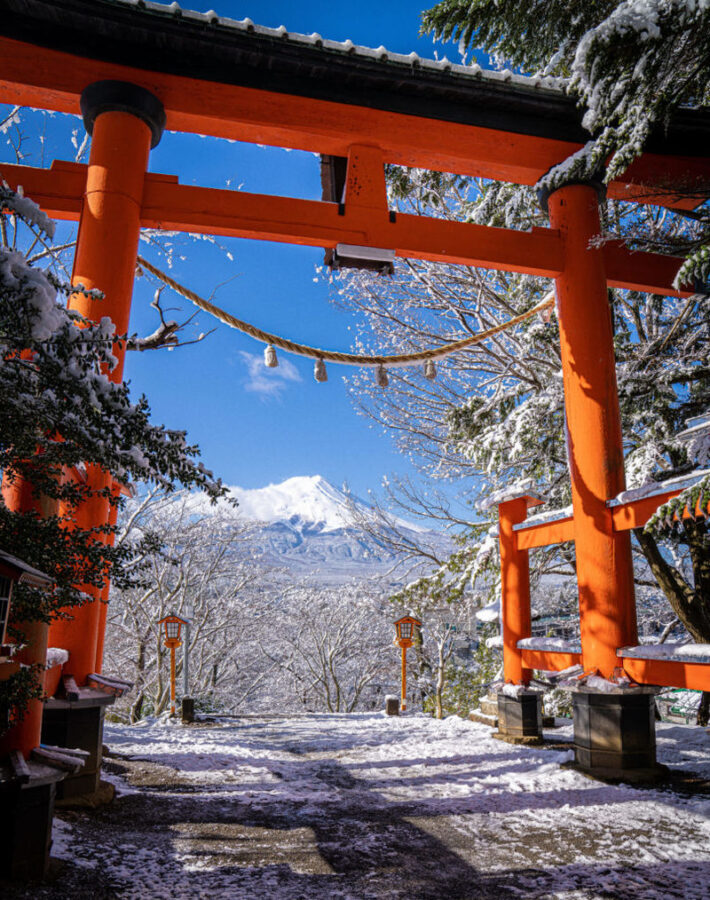
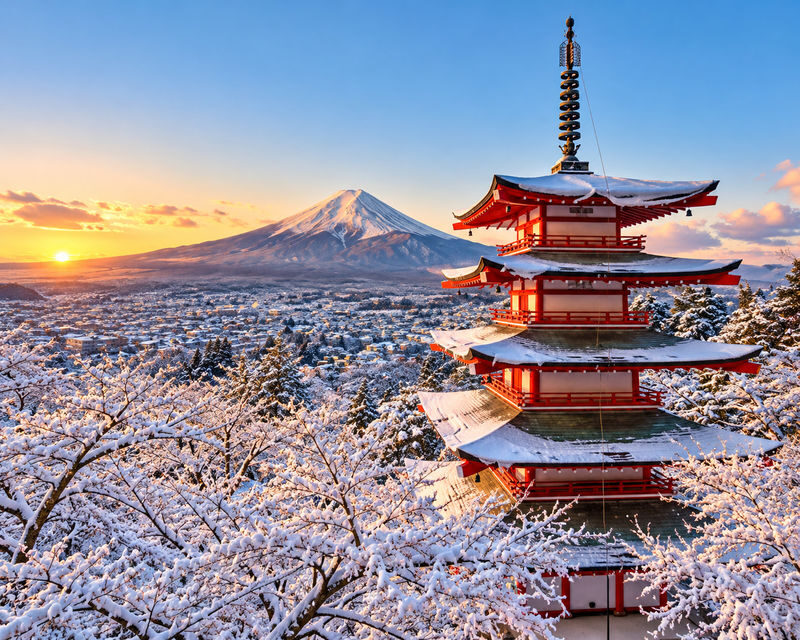
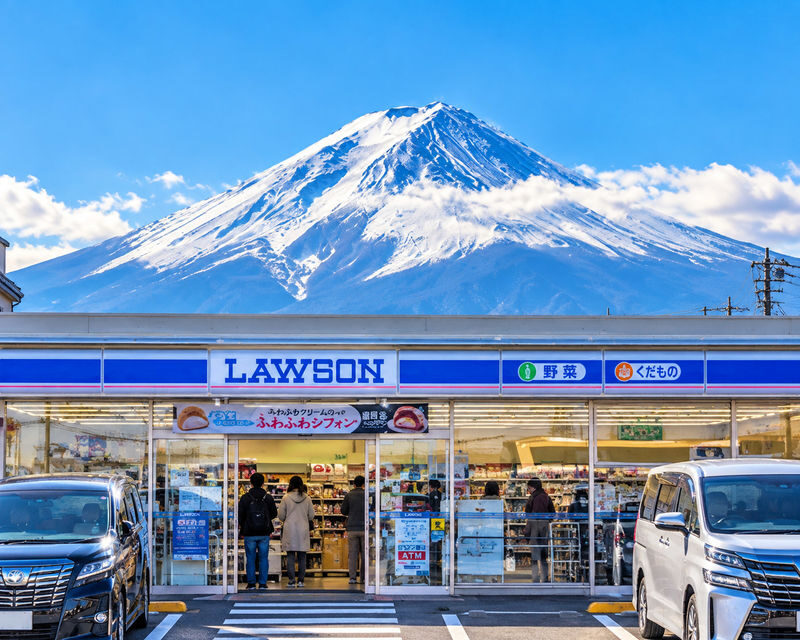
- Fuji gets three separate photo stops: Oishi Park, the Kawaguchiko Lawson and Arakurayama Sengen Park offer different views, subject to visibility.
- The illumination is date-specific: The advertised 2027 dates are January 11, 17, 24 and 31. The visit timing changes on those evenings.
- The day starts early: Meet at Tokyo Mode Gakuen by 6:40 am for a 6:50 to 7:00 am departure. The bus does not wait for latecomers.

👉 See our pick of the 3 Best Historical Tours In Shirakawa
Tokyo to the Japanese Alps: a full first day
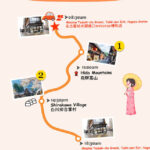
This is a join-in bus tour, not a private outing. You leave from Tokyo Mode Gakuen early, travel through Nagano and Gifu, and return to Tokyo around 5:30 pm on day two. The long distances make a coach practical: you avoid arranging several train and bus connections, but you give up the freedom to linger when a place catches your eye.
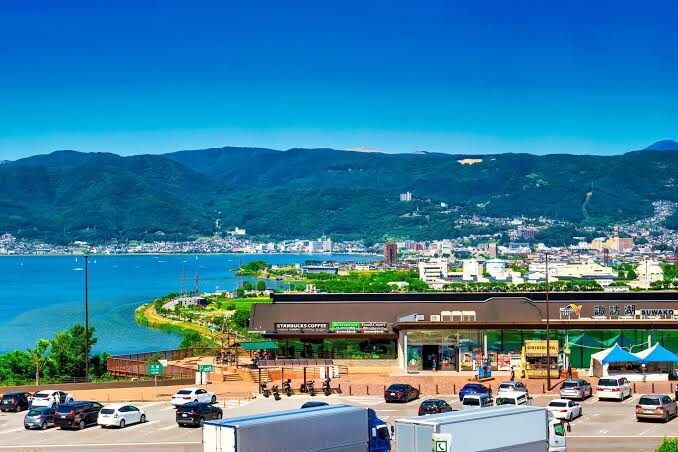
The first stop is Lake Suwa, where you have about 15 minutes to stretch, take in the lake and mountain view, or pick up a snack. It is a short break rather than a sightseeing visit, but it helps break up the morning drive. There are no toilets on the bus, so make use of rest stops when they come.
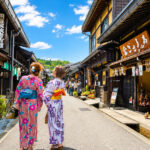
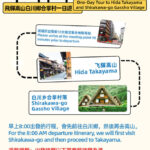
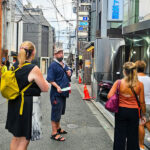
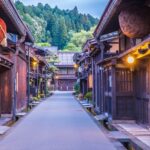
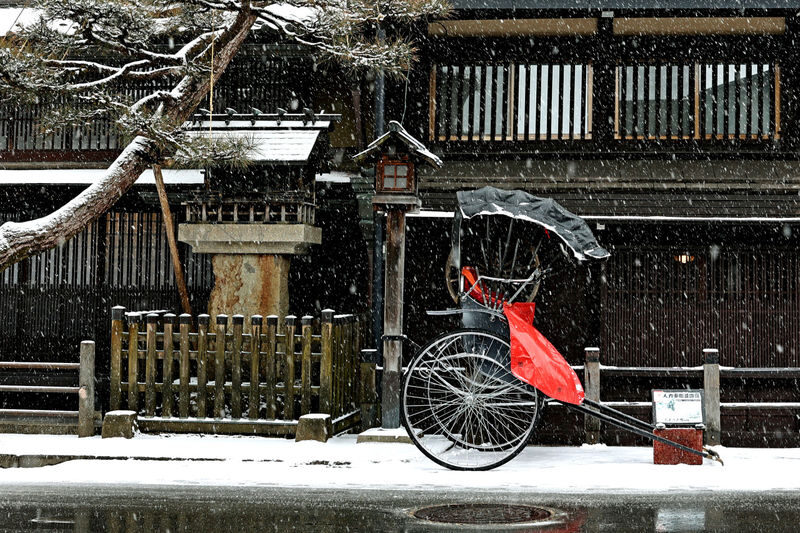
At about 12:30 pm, the bus reaches Hida Takayama Old Town. You have 90 minutes to walk the preserved streets, lined with traditional wooden machiya buildings, and find lunch. Hida beef and local snacks are the obvious draws, but this is a brief introduction, not enough time to sample everything or visit every shop. I’d decide in advance whether food or a longer walk matters more, then avoid letting the first tempting stop consume the whole visit.
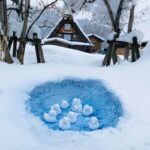
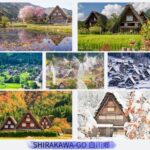
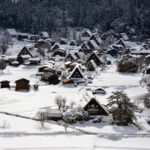
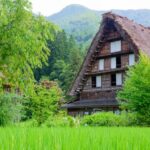
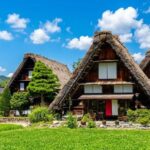
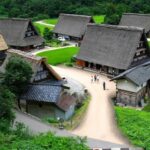
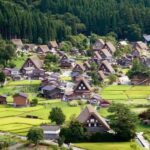
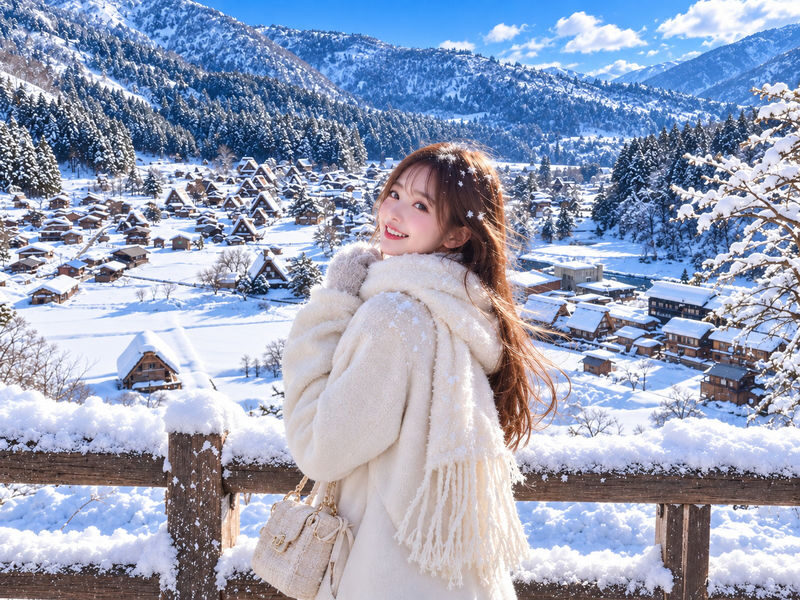
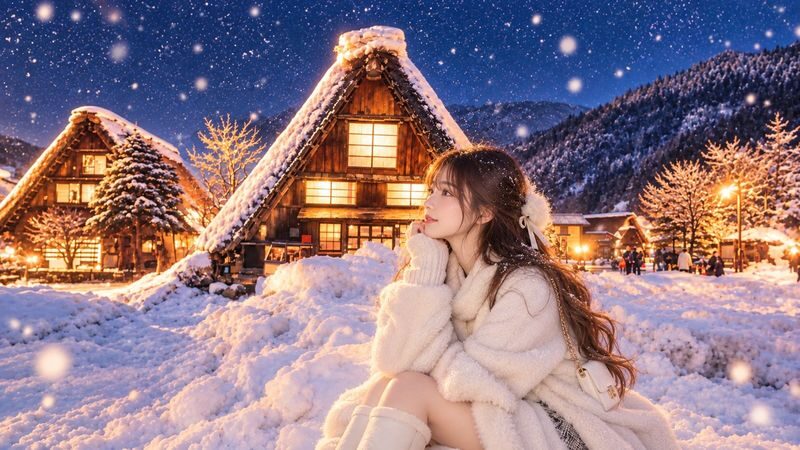
The group reaches Shirakawa-go at about 3 pm for a two-hour self-guided visit. The village is known for gassho-zukuri houses, whose steep thatched roofs are designed for heavy snow. In winter, snow on the rooftops can make the setting especially memorable, though the amount of snow depends on the weather. You can walk among the houses, take photographs and get a feel for the village’s rural character.
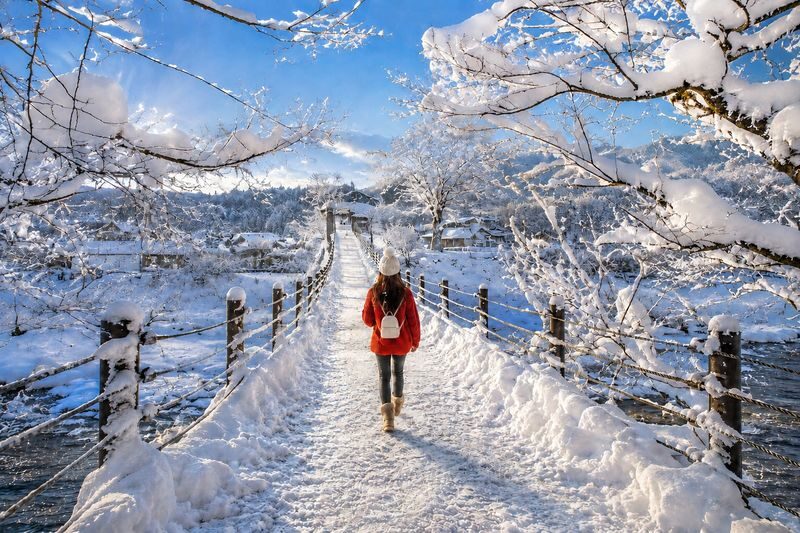
Keep in mind that Shirakawa-go is a living village, not a film set. Some areas are private property, so stay on public paths and respect residents’ space. Snow and ice can make the walk slippery. Wear warm layers and shoes with good grip, and take care rather than rushing to fit in one more photograph.
You can also read our reviews of more tours and experiences in Shirakawa

The Shirakawa-go illumination: a special-date extra
The winter illumination is offered on specific dates, not every night. The advertised 2027 dates are January 11, 17, 24 and 31, with event hours listed as 5:30 to 7:30 pm. On those dates, the Shirakawa-go visit is adjusted to roughly 4 pm to 6:30 pm, with exact timing subject to road and site conditions.
The sight of warmly lit houses against snow can be a compelling reason to choose one of these dates. But treat the illumination as a possibility tied to weather and local arrangements, not a guaranteed performance. Snowfall, road conditions and event changes can affect what you see, and the operator may adjust the route if the event cannot proceed as planned.
There is also a practical winter cost: cold, darkness and potentially icy paths. Bring gloves, a hat and a warm coat, and keep your phone or camera ready before you reach the best views. The village visit is self-guided, so stay aware of the bus’s return time.
A night in Takayama, with a hotel caveat
After Shirakawa-go, the tour returns to Hida Takayama for the overnight stay. The package includes one night at Hotel AMANEK Hida Takayama or a similar property, plus breakfast the next morning. Dinner is not included, so plan to buy it yourself. With a full day on the road, it is worth deciding where to eat before you are tired and hungry.
The tour describes the lodging as an onsen hotel, and some past visitors have enjoyed a hot spring bath. However, accommodation substitutions have caused disappointment, including reports of a changed hotel without the expected bath facilities. If access to a natural hot spring is a deciding factor, confirm the exact hotel and available facilities before booking. A similar hotel does not necessarily mean identical amenities.
Room arrangements are made according to the booking, and family rooms and shared rooms are not provided. The standard package starts at $228.35, while a single-room option starts at $260.45. Children aged zero to three do not get a bed or meals, so families should factor that in.
Day two: Lake Kawaguchiko and three Fuji viewpoints
Breakfast is included at the hotel, then the group departs at about 8 am for the Mount Fuji area. The itinerary allows 45 minutes at Oishi Park, on the shore of Lake Kawaguchiko. It is a strong place to take in the lake and Fuji together, with seasonal flowers, greenery, fall color or winter scenery depending on the time of year.
The view depends on the sky. Fuji can be partly or fully obscured, so enjoy the lake and the park itself rather than treating a clear mountain view as a sure thing. The 45-minute stop gives you time for a walk and photographs, but not a long lakeside outing.
Next is the Lawson near Kawaguchiko Station, a popular photo stop where the convenience store and Mount Fuji can appear in the same frame. You have about 15 minutes. It is a quick, highly recognizable travel shot, but there is little time to shop or wait for changing light. Follow the guide’s instructions and take care around traffic and other people taking photos.
The final stop is Arakurayama Sengen Park, with about 90 minutes to reach the viewpoint and see Chureito Pagoda, Fujiyoshida and Mount Fuji in one view. The park’s famous composition is a reason many people come, and the setting changes with the seasons, from cherry blossoms to autumn color and snow. The climb involves steps, so this stop may be demanding if you have limited mobility or find stairs difficult. The tour does not recommend the activity for people with impaired physical mobility or certain medical conditions, including high blood pressure and epilepsy.
The bus leaves around 5:30 pm for Tokyo. Traffic and weather can shift the schedule, so don’t plan a tight connection or evening commitment. This is a long two-day loop, and the return time is an estimate, not a promise.
Guides, transport and the pace of the trip
The bus and guide take care of the logistics between far-flung stops, which is the main value of a group tour like this. Past trips have been led by guides including Carter Sasaki, Melly Wu and Xiao Hu. Carter Sasaki was praised for looking after a family with a young child, while other visitors appreciated guides who shared maps, kept the group organized and helped manage delays. The named guide is not guaranteed for your departure.
The driver matters, too, especially on snowy roads. Past participants singled out professional, careful driving in winter conditions. Still, winter travel through mountain areas can be slow, and the operator may change stop lengths, order or return time due to snow, road closures or traffic.
You are on your own during the sightseeing stops. That gives you some freedom to choose a snack, browse or focus on photographs, but you need to watch the clock. The bus leaves on time and will not wait for late arrivals, including anyone who fails to return after a free-time stop. Keep the guide’s instructions close and know where the meeting point is before you wander.
You can also read our reviews of more tours and experiences in Shirakawa
Is the $228.35 fare good value?
At the listed starting price of $228.35, the package includes round-trip transfers from Tokyo, a guide, one hotel night and breakfast. It covers Takayama, Shirakawa-go, Lake Kawaguchiko and three Mount Fuji photo locations in two days. Arranging those transfers and an overnight stay independently would take planning, so the price can make sense if convenience and coverage matter most.
The price does not include lunch or dinner on the first day, other meals, attraction tickets not listed, tips or personal purchases. The single-room option starts at $260.45. Because hotel details can change, weigh the included night as basic convenience rather than assuming a particular room or hot spring experience.
The value is less compelling if you want long, unhurried visits or a guaranteed Fuji view. The tour has a fixed timetable and spends many hours on the road. Its best return is the chance to connect several widely separated highlights without needing to plan the transport yourself.
Who should book this tour?
I’d consider this trip if you have limited time in Japan, want to see Shirakawa-go and Mount Fuji on one outing, and are comfortable with early starts and a packed schedule. It can also suit solo visitors who want transport and a group structure, and families who are ready for a long bus journey. Children aged zero to twelve must travel with a paying adult; children under four are free but do not receive a bed or meals.
I’d look for a slower or more flexible trip if you want extended time in Takayama, a longer village visit, or a guaranteed hot spring. It is also a poor match if you struggle with stairs or need to avoid lengthy coach rides. For the best chance of a satisfying winter outing, dress for snow, wear grippy shoes, and book with realistic expectations about weather and timing.
Departing from Tokyo: Shirakawa-go and Mount Fuji Scenic 2-Day Tour (Winter Illumination Optional)
“The tour guide Carter Sasaki was very considerate. He took good care of us because we had a 2-year-old child with us. The driver was also very prof…”
FAQ
Where does the tour depart from?
Meet at the flagpole of Tokyo Mode Gakuen. The guide waits with an EASYGO flag. Arrive 10 minutes before departure, by 6:40 am for the 6:50 to 7:00 am departure window.
When does the tour return to Tokyo?
The scheduled return is around 5:30 pm on the second day. Traffic and weather can change the timing.
What is included in the standard package?
The package includes round-trip transport from the meeting point, a Chinese-speaking professional driver or guide, an English- or Chinese-speaking guide, one night of accommodation and breakfast on day two.
Are lunch and dinner included?
No. Lunch and dinner on the first day are not included, and other meals beyond the included hotel breakfast are at your own expense.
Is the hotel guaranteed to have an onsen?
The stay is described as an onsen hotel, but the hotel may be Hotel AMANEK Hida Takayama or a similar property. Confirm the specific hotel and bath facilities if an onsen is important to you.
Which dates include the Shirakawa-go illumination?
The advertised 2027 dates are January 11, 17, 24 and 31. The schedule for Shirakawa-go changes on illumination dates, and the event is subject to local arrangements, weather and road conditions.
Are there toilets on the bus?
No. The bus has no restroom. It stops at rest areas as appropriate during the journey.
How much free time is provided at the main stops?
The scheduled visits are 90 minutes in Takayama, two hours in Shirakawa-go, 45 minutes at Oishi Park, 15 minutes at the Lawson and 90 minutes at Arakurayama Sengen Park. Conditions may change the schedule.
Can children join the tour?
There is no age limit. Children aged zero to twelve must be accompanied by a paying adult. Children aged zero to three are free but do not receive a bed or meals.
What should I bring for a winter departure?
Wear warm clothing and walking shoes with good grip. The tour also recommends a change of clothes, sunglasses, trail food and cash. For snowy conditions, bring a warm coat, hat, scarf, gloves and hand warmers.