Shirakawa-go’s steep-roofed farmhouses make a striking first impression, but the quieter village of Ainokura gives this day trip a second, more peaceful side. From Kanazawa, a coach takes you to both World Heritage villages, with time to wander on your own and lunch included.
I like that the tour handles the awkward transport between these rural stops, and I like that you get nearly three hours in Shirakawa-go rather than a quick photo stop. The main consideration: the villages are self-guided, and the early start plus drive time make for a full day.
- Two villages, two different moods: Shirakawa-go is the better-known stop, while Gokayama’s Ainokura village offers a quieter change of pace.
- Lunch is included: The meal is part of the tour price, though the menu and dining location can change with the season and ingredient supply.
- English-speaking staff accompany the group: Expect information on the coach and independent time at the villages, not a guided walking tour at every stop.
- You choose between two packages: The detailed schedule here visits Shirakawa-go and Gokayama. A separate option visits Hida Takayama instead.
- Kanazawa pickup is practical but easy to misread: Meet at the Kanazawa Port Exit group bus stop, not the Kenrokuen Entrance or the station’s taxi-side rotary.
- Value depends on your plans: From $90.35, the fare includes transport and a meal, useful when connecting these villages by public transport would take extra planning.
- The Kanazawa departure and the package choice
- The coach ride: useful context, not a walking tour
- A short stop at Road Station Shirakawa-go
- Shirakawa-go: almost three hours to set your own pace
- Ainokura: a quieter hour in Gokayama
- Lunch, timing and what the schedule really means
- Is the fare good value?
- Who should book this Kanazawa day trip?
- FAQ
- Where does the tour leave from in Kanazawa?
- What time should I arrive?
- How long is the tour?
- Does this package visit Hida Takayama?
- Is lunch included?
- Is the sightseeing guided?
- Can I bring a suitcase on the bus?
- The Best Of Shirakawa!
- More Tours in Shirakawa
- More Tour Reviews in Shirakawa
- Not for you? Here's more nearby things to do in Shirakawa we have reviewed
The Kanazawa departure and the package choice
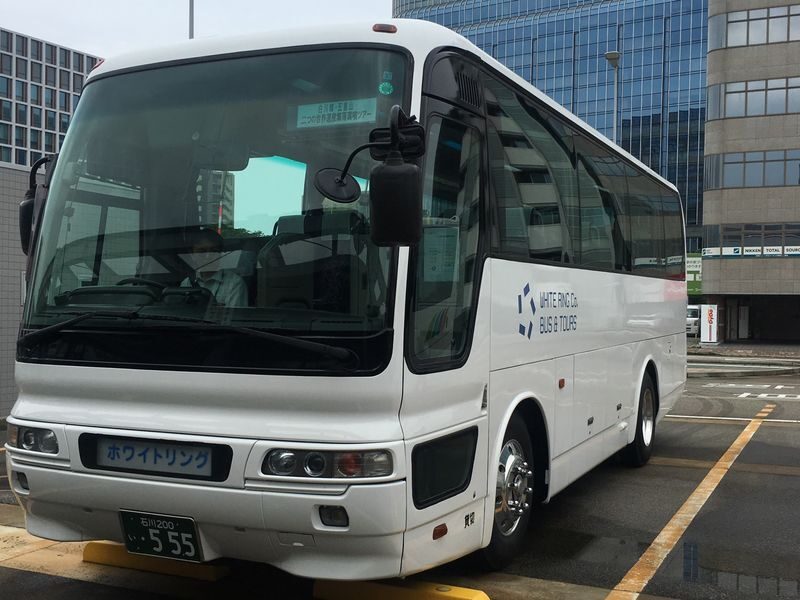
This is an eight-hour coach outing from Kanazawa, with departure at 8:00 and a stated return time of 15:45. You meet at 7:50 at JR Kanazawa Station’s Kanazawa Port Exit, also called the West Exit. The group bus stop is to the right of the taxi stand, about a one-minute walk from the exit. Follow the signs for Group Bus Stop.
The station has two exits, so take care: this tour does not leave from the Kenrokuen Entrance on the east side. Arrive ten minutes before departure, and have your mobile voucher ready to show staff. The voucher requires an internet-connected device, so open it before leaving an area with reliable Wi-Fi if you are unsure about your connection.
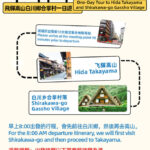
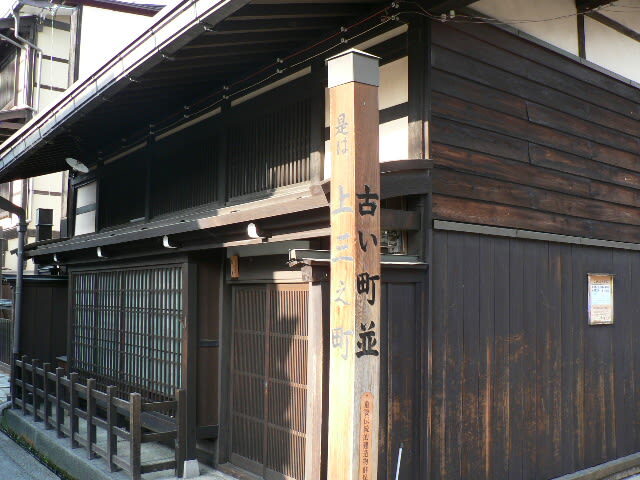
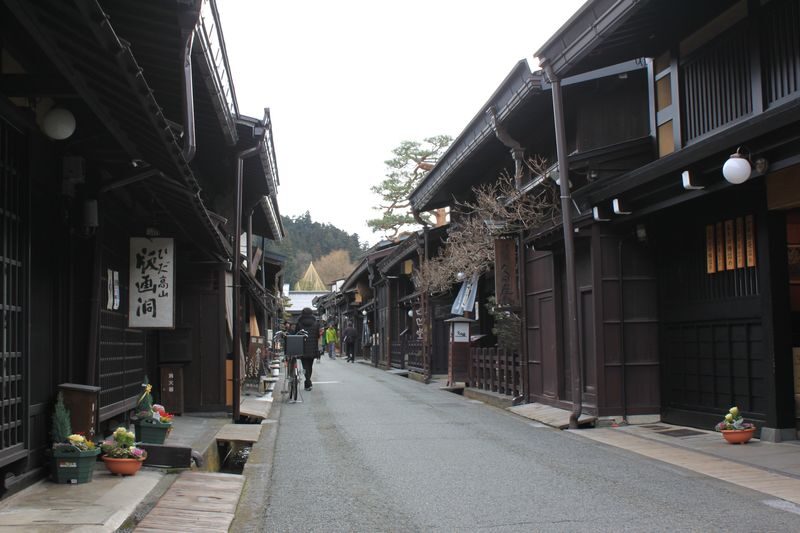
Before paying, check which package you have selected. The Shirakawa-go and Gokayama option follows the schedule described in this article. The other option is Shirakawa-go and Hida Takayama. Takayama is a separate destination, known here for its preserved Edo-period castle town character. The detailed schedule and stop durations supplied for this tour apply to the Gokayama package, not the Takayama version. A complaint about expecting Takayama on the Gokayama route is a good reminder to confirm the package name on your booking.

👉 See our pick of the 3 Best Historical Tours In Shirakawa
The coach ride: useful context, not a walking tour
A tour conductor accompanies the group, and English-speaking staff are available. Guides such as Kana and Mr. Kuroda have been praised for clear explanations in English and Japanese, but you should not count on a particular person being assigned. The guide’s explanations generally come during the coach ride. At each village, you explore independently.
That arrangement suits you if you like hearing a little context, then choosing your own route. Some guides have shared maps and practical directions, which can help you make the most of a limited stop. But if you want a guide to walk with you through every village, this is not that style of tour. The bus seats are reported as comfortable, and the driver handles the long stretches between stops.
The itinerary requires at least 25 participants. If that number is not reached, you can choose another date or request a full refund. The schedule can shift with traffic and weather, and the tour may be canceled for weather or equipment problems. It runs rain or shine when conditions allow.
You can also read our reviews of more tours and experiences in Shirakawa.


A short stop at Road Station Shirakawa-go
The first scheduled stop is Road Station Shirakawa-go, around 9:15, for about 20 minutes. This is a brief break rather than a major sightseeing visit. The roadside station is scheduled to close from December 29 through January 1. On those dates, the tour plans to stop instead at Yottekare Johana in Toyama Prefecture.
That first pause also breaks up the drive before the main village visit. Keep an eye on the departure time: the day has several stops, and the coach cannot wait for an extended browse.
Shirakawa-go: almost three hours to set your own pace
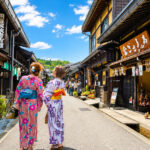
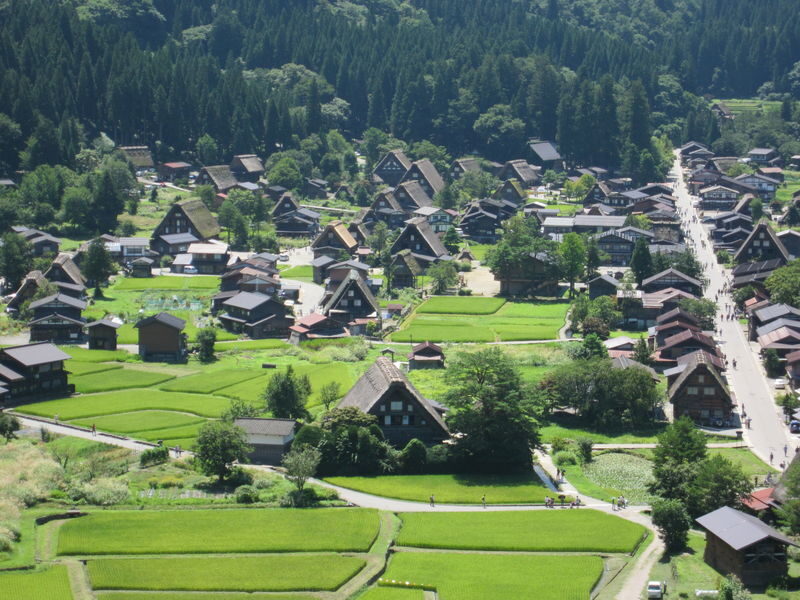
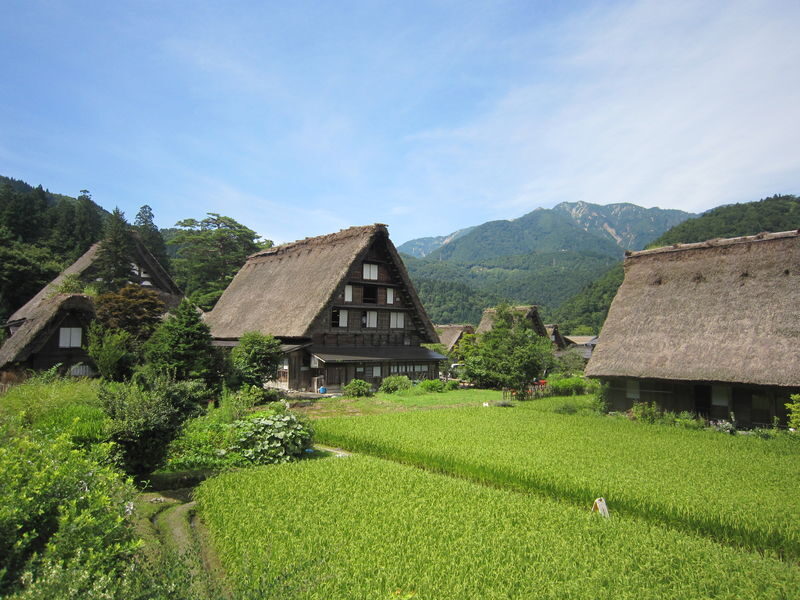
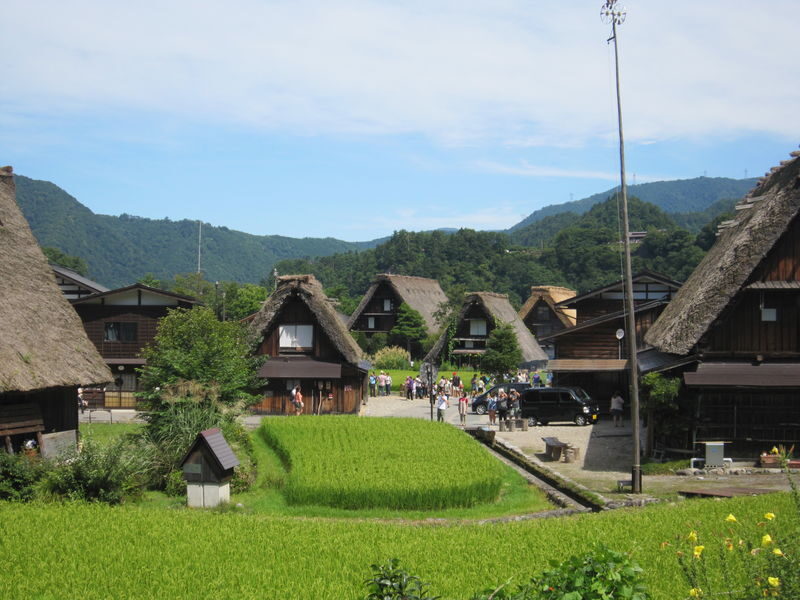
At about 9:40, the group reaches Shirakawa-go for roughly two hours and 50 minutes, including 45 minutes set aside for lunch. This is the main stop and the best chance to see the famous gassho-style village without rushing through in a single hour. You can use the free time to walk the village, look at its traditional houses and visit sites that are open to the public.
The length of the stop gives you room to choose. One visitor managed to fit in the observatory, Kanda House and a walk to the well-known cluster of three houses, but that sort of full circuit takes planning and a brisk pace. Access to the Shiroyama viewpoint is no longer permitted for tour buses. You can walk there, which takes about 10 to 15 minutes each way, or take the paid shuttle bus from in front of Wada House. The shuttle costs extra, and the walk adds time to your visit.
Lunch is included and is often a set meal featuring regional food. Some meals have included Hida beef, and one dining experience has been served in a centuries-old gassho-style house. Those details are not guaranteed: the dining location and menu can change, and a review of the meal described the portion as modest. Think of lunch as a convenient taste of local cooking, not a long restaurant feast. If you have dietary needs, ask the operator in advance; one group was able to arrange a vegetarian meal, but the information provided does not promise that every request can be met.
The village’s popularity is part of the appeal and part of the trade-off. You get the iconic setting and more time than at a quick stop, but it is the busier of the two villages on this route. If you want to enter particular houses or take the viewpoint shuttle, decide early how to spend your free time. The tour does not provide a guided walk through the village, so a map and a little advance planning can help.
Ainokura: a quieter hour in Gokayama
The coach continues to Ainokura in Gokayama, with about an hour for a self-guided visit. This is the smaller, quieter counterpoint to Shirakawa-go. You still see a gassho-style village, but the change in pace can make the second stop feel less like a repeat and more like a chance to notice the village setting at leisure.
An hour is enough for a walk around, photographs and a look at the traditional homes, but it is not a long visit. Some cultural activities or local businesses may be closed on a given day, so avoid building your plans around one specific experience unless you have confirmed it is open. The tour’s main value here is the chance to see Ainokura without arranging another bus connection yourself.
Lunch, timing and what the schedule really means
The schedule is compact but not a sprint. The biggest block of time is in Shirakawa-go, followed by an hour in Ainokura. That balance makes sense if you want a broad introduction to both villages. If you prefer lingering in museums, shops or individual houses, you may find the day short, especially if you also want the Shiroyama viewpoint.
The stated return to Kanazawa is 15:45, though traffic and weather can change the timetable. Some visitors have found that returning shortly after 3 p.m. leaves part of the afternoon free in Kanazawa, but treat that as a possibility, not a promise. Do not book a tight onward connection based on the scheduled return alone.
Wear comfortable clothes and walking shoes, and bring a jacket or coat suited to the season. Motion sickness medicine is recommended if coach journeys bother you. You can generally store luggage in the bus trunk, with a guideline of one suitcase per person up to about 72 liters, roughly 28 inches. You are responsible for loading and unloading it, and unusually large or multiple bags may not fit, so ask ahead if your luggage exceeds that guideline.




Is the fare good value?
The tour starts at $90.35 and includes transport, the experience fee, consumption tax and lunch. For a day trip from Kanazawa, the main saving is not necessarily the lowest possible fare; it is avoiding the work of connecting transport to two rural villages. Public transport can be less straightforward without a rental car, and the coach links the stops in one day.
The value improves if you want both villages and are happy with a set lunch and free time rather than a private guide. It is less compelling if you want to spend most of the day in just one place, choose your own restaurant, or explore every house at length. The tour’s 4.8 out of 5 rating across 500 reviews reflects a strong overall response, with repeated praise for punctual operation, comfortable buses, capable guides and a smooth itinerary. The more mixed points are real: lunch may feel basic, and a short coach explanation will not suit someone expecting a full guided visit.
Who should book this Kanazawa day trip?
I’d choose the Shirakawa-go and Gokayama package if you are based in Kanazawa, want to see two traditional villages in one day and value simple transport more than total independence. It also suits families and mixed-age groups who prefer a planned route, though children aged 0 to 15 must travel with a paying adult. Children aged 2 to 5 receive a bus seat only; meals and activity fees are not included. Infants under 2 travel free if they do not need a separate seat.
Choose the Takayama option only if Hida Takayama is the destination you want, and check that the package name matches before booking. If you want the deeper experience of a walking guide, a long lunch or a slow day in one village, consider arranging your own visit instead. For a convenient introduction to both Shirakawa-go and Ainokura, this is a practical, well-paced choice, as long as you are content to explore on your own once the coach doors open.
Shirakawa-go & Gokayama or Hida Takayama Bus Tour (From Kanazawa)
“quite expensive £82/person. lunch just enough to call it a starter Japanese cuisine. itenary was good”
FAQ
Where does the tour leave from in Kanazawa?
Meet at JR Kanazawa Station’s Kanazawa Port Exit, also called the West Exit, at the group bus stop. It is to the right of the taxi stand. The tour does not leave from the Kenrokuen Entrance.
What time should I arrive?
The meeting and registration time is 7:50, with departure at 8:00. Arrive at least ten minutes before departure.
How long is the tour?
The scheduled day runs from 7:50 to 15:45, for about eight hours. Traffic and weather may affect the schedule.
Does this package visit Hida Takayama?
The Shirakawa-go and Gokayama package visits Road Station Shirakawa-go, Shirakawa-go and Ainokura village in Gokayama. Hida Takayama is offered as a separate package option, so check your selection before booking.
Is lunch included?
Yes. Meal expenses are included, and lunch is scheduled during the Shirakawa-go stop. The menu and dining location may change depending on the season and available ingredients.
Is the sightseeing guided?
English-speaking staff accompany the tour and provide information along the way. Sightseeing at Shirakawa-go and Ainokura is self-guided, so you explore the villages on your own.
Can I bring a suitcase on the bus?
The operator generally allows one suitcase per person in the bus trunk, up to about 72 liters or 28 inches. You load and unload your own luggage, and larger or additional bags may not fit.