Shirakawa-go’s steep thatched roofs, Takayama’s old merchant streets and Kamikochi’s clear river all fit into one two-day trip from Nagoya. I like that you get a proper evening in Takayama, rather than just a rushed stop, and that the second day leaves about four hours for a walk in the Japanese Alps.
I also like the overnight resort stay with breakfast and hot springs, which breaks up a long route and makes an early start for Kamikochi more comfortable. The trade-off is a fixed shared-ride schedule: you have limited time at each stop, and traffic or weather can change the plan.
- What makes this two-day route worthwhile
- From Nagoya to Shirakawa-go’s thatched village
- Takayama’s old streets and an unhurried evening
- Four hours beside the Azusa River in Kamikochi
- What the shared ride means in practice
- Is US0.99 good value?
- Who should book this route
- FAQ
- Where does the tour depart from and return to?
- How much time do I get at each stop?
- Is breakfast included?
- Is the Kamikochi hike guided?
- What luggage can I bring?
- What happens if the schedule changes because of traffic or weather?
- The Best Of Shirakawa!
- More Tours in Shirakawa
- More Tour Reviews in Shirakawa
- Not for you? Here's more nearby things to do in Shirakawa we have reviewed
What makes this two-day route worthwhile
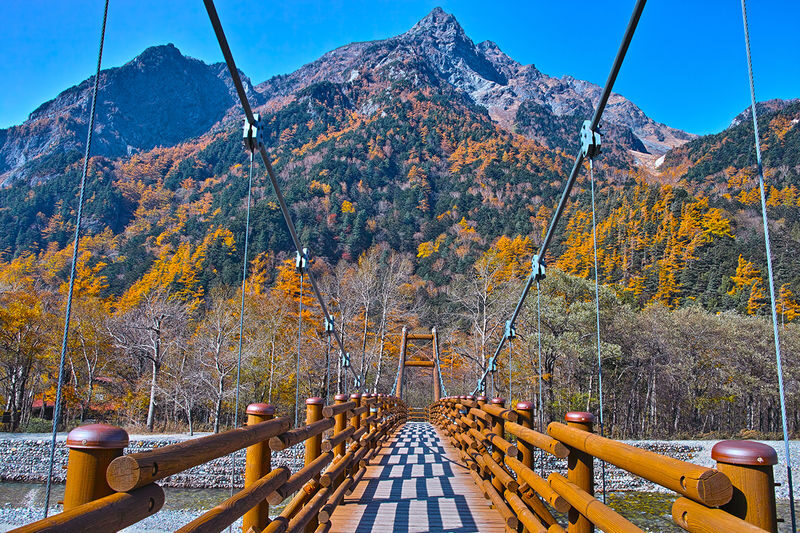
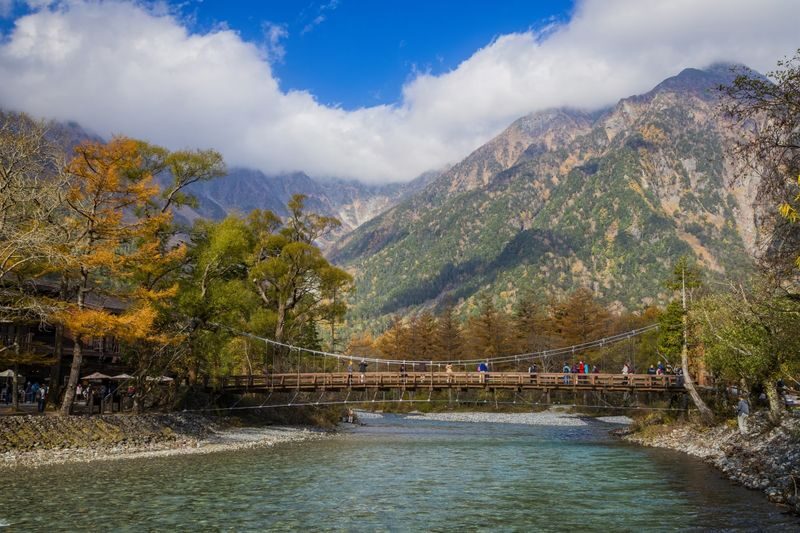
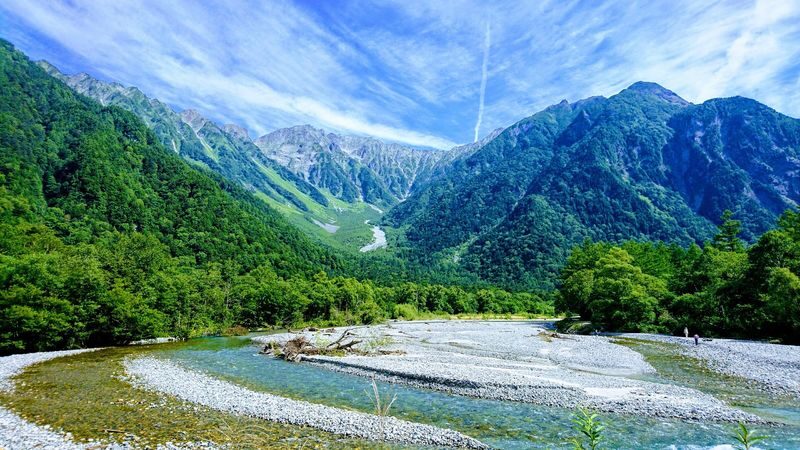
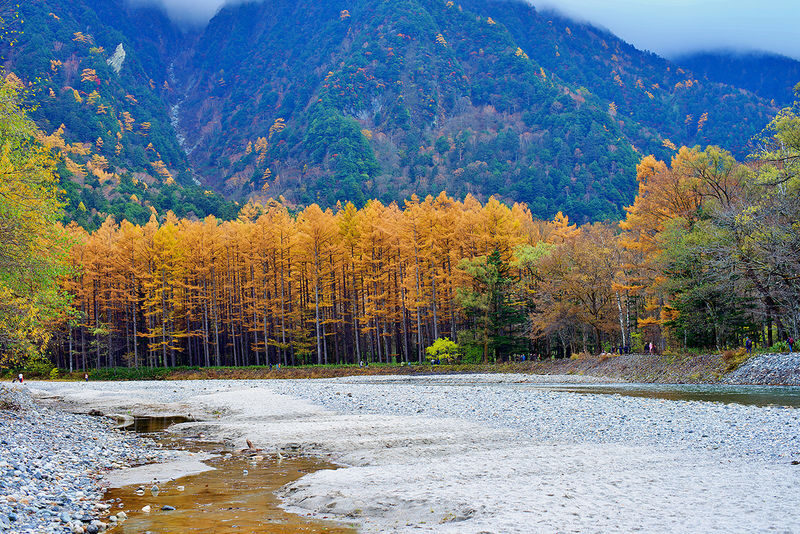
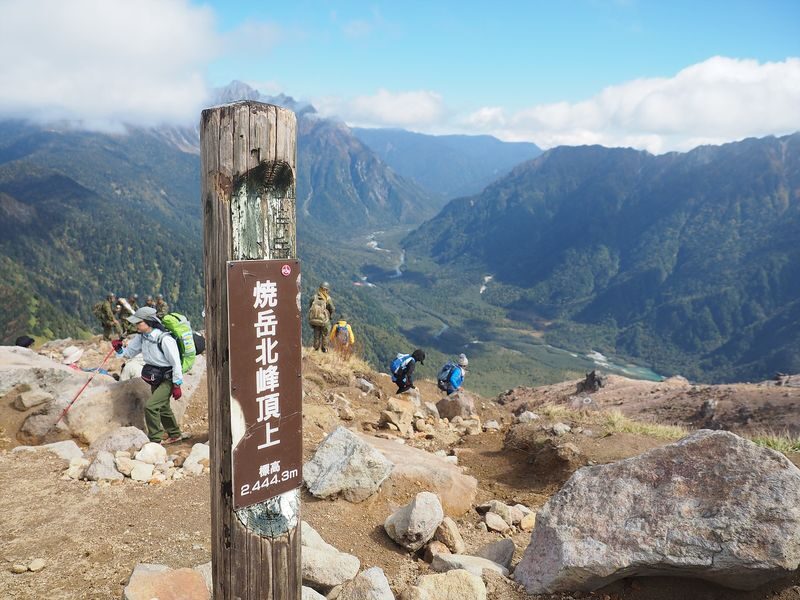
- Shirakawa-go’s gassho-style houses: Walk through a World Heritage village of steep-roofed farmhouses, with autumn foliage especially prominent in the fall.
- Time to see Takayama after the day trip buses leave: The schedule gives you an afternoon in the old town and an overnight stay nearby.
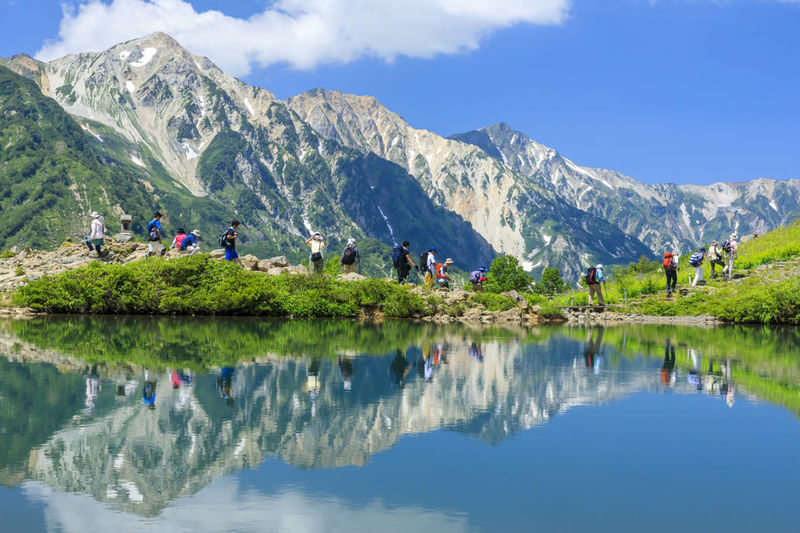
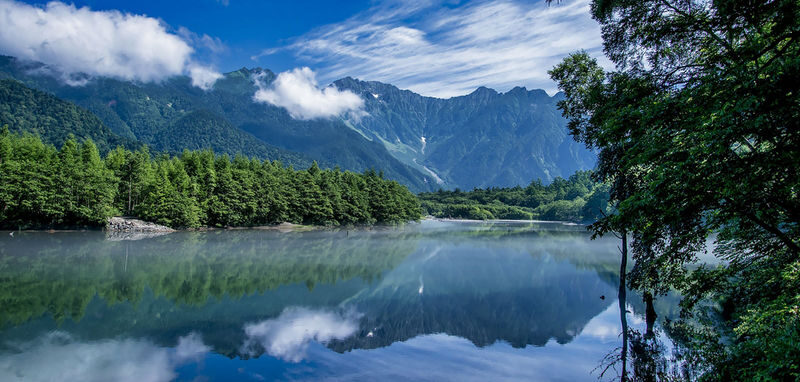
- Four hours in Kamikochi: Follow a self-guided route beside the Azusa River and take in views toward the Hotaka mountain range.
- A hotel break between long drives: Breakfast is included, and the resort stay offers hot springs for unwinding after day one.
- Nagoya pickup and return: The tour handles the intercity transfers, tolls, fuel and parking, so you do not need to piece together separate transport.
- A shared, guided transfer with independent stops: English- and Chinese-speaking staff are included, but time at the sights is self-guided and the vehicle may vary with group size.

👉 See our pick of the 3 Best Historical Tours In Shirakawa
From Nagoya to Shirakawa-go’s thatched village
The meeting point is in front of Nagoya Station, with departure at 8:30 a.m. Arrive ten minutes early. This is a shared ride, and the vehicle will not wait for late arrivals, so give yourself a buffer rather than trying to time your arrival to the minute.
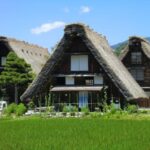
The drive brings you to Shirakawa-go, a Gifu mountain village known for its gassho-style houses, whose sharply pitched thatched roofs resemble hands pressed together in prayer. The design is distinctive, but the setting matters just as much: traditional farmhouses sit among fields, streams and wooded slopes. In autumn, the surrounding trees take on gold and red tones.
You have about an hour and a half to explore on your own. That is enough for a village stroll and photos, but not a leisurely visit to every corner. Choose your priorities before setting off, keep an eye on the time and wear shoes suitable for walking outdoors. The tour notes that weather, capacity or other conditions may lead to changes or skipped stops.
Shirakawa-go is a popular destination, and a shared group schedule means you will not have the freedom to linger until the village feels quiet. The benefit is that you do not have to arrange the drive yourself. For a first visit, the chance to see the distinctive houses and walk through the village makes this a useful introduction.
You can also read our reviews of more tours and experiences in Shirakawa.


Takayama’s old streets and an unhurried evening
Around 1:40 p.m., the group continues to Hida Takayama for roughly two and a half hours, including free time for lunch. The old town preserves the look of an Edo-period castle and merchant town. Its Sanmachi area is a good place to stroll, browse local crafts and try regional food such as Hida beef or Takayama ramen.
This stop gives the day a welcome change of pace. Shirakawa-go is a village visit; Takayama offers a more urban walk through historic streets, with shops and food to explore. Still, two and a half hours goes quickly, especially if you sit down for a full meal. If a particular dish or craft matters to you, make that your first priority.
The bus is scheduled to reach the hotel around 4:30 p.m. You may stay at Hotel Grand Associa Takayama Resort or a hotel of equivalent price. The accommodation is described as a resort surrounded by forest, with comfortable rooms, hot springs and breakfast. Dinner is not included, so plan to eat in Takayama or arrange something separately. One useful feature of the overnight stop is the chance to spend the evening in town rather than getting back on a bus for Nagoya after sightseeing.
The hot springs can make a long travel day feel less like a transfer exercise. One family who took the tour described arranging a Hida beef dinner with the help of tour leader Liu Mei, who also provided small souvenir gifts. That kind of assistance may depend on the staff member and departure, so do not count on a particular restaurant booking or gift. But the detail is a good reminder to ask staff for help early if you have a dinner plan.
Four hours beside the Azusa River in Kamikochi
After breakfast, the group heads to Kamikochi. The transfer takes about two and a half hours, and the schedule places the arrival around late morning. You then have about four hours for a self-guided walk before the return drive to Nagoya.
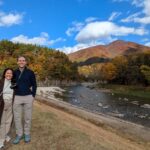
Kamikochi is the natural highlight for anyone drawn to mountain scenery. The Azusa River runs through the valley, with forested slopes and the Hotaka mountain range in view. In autumn, the trees turn gold and orange; the tour also runs in spring and summer, when the seasonal scenery will differ. The walks are described as flat and safe, making this a gentler way to experience the Japanese Alps than a strenuous mountain hike.
Four hours gives you more breathing room than a quick roadside stop. You can choose a recommended walking route, pause by the river and set a manageable pace. The trade-off is that the time is still limited, and you are responsible for returning to the meeting point on schedule. Keep track of the time, especially if you stop often for photographs.
The route is self-guided, so do not expect a guide to walk beside you and lead the hike. Staff support the group’s transport, while you explore Kamikochi independently. If you want a particular route or a long hike, check what is feasible within the allotted time before setting out.
The return drive is scheduled for about three hours, with arrival back at Nagoya Station around 6:30 p.m. Traffic and weather can shift that timing. Avoid booking a tight onward connection or flight the same day; the operator specifically advises leaving enough time for delays.
What the shared ride means in practice
This is a fixed group route, not a private car trip. The vehicle is shared, and stops are scheduled, so you cannot ask the driver to pull over wherever you like. The group size and vehicle may vary. On some departures, a smaller vehicle may combine driver and guide duties, which can mean more concise explanations and a different feel from a coach tour.
The price includes round-trip transfers from the Nagoya meeting point, tolls, parking and fuel, along with one hotel night and breakfast. English- and Chinese-speaking staff are included. The listed activities at Shirakawa-go, Takayama and Kamikochi are self-guided, so the main value of staff support is in managing the transport and coordinating the group.
Bring one piece of luggage per person at no extra charge. Additional luggage costs ¥2,000 per piece, payable on site, and must be declared when booking. The vehicle operator can refuse luggage or a booking if the group or bags exceed capacity, so pack with care and disclose extra bags in advance.
Children aged two and under travel free, while children aged three and older pay the adult rate. Child seats are not available. The tour is not recommended for people with impaired mobility, even though Kamikochi’s walking routes are described as flat and safe. Anyone over 70 or pregnant must request and sign a safety disclaimer no later than the day before departure.
Is US$250.99 good value?
The starting price is US$250.99 for the package described as a room for two people. Check the final booking details carefully to confirm how the room price is applied to your party. The package combines two long-distance transfers, a night at a resort hotel, breakfast and visits to three well-known destinations. For someone starting in Nagoya, that can be a practical alternative to arranging separate transport and accommodation.
The value depends on what you want from the stops. You are paying for convenient connections and an overnight break, not for a private guide at every attraction or long, open-ended visits. Lunch and dinner are not listed as included. You will also need to budget for personal expenses and any meals beyond breakfast.
Two people who had visited the area before singled out the hotel and flexible time at the stops as strengths. One family particularly valued having four hours in Kamikochi after a good night’s sleep, while another found that the stops allowed more time at places they preferred. Those are useful signs of the tour’s appeal, but two accounts cannot guarantee the same vehicle, guide or degree of flexibility on every departure.
The listed rating is 5.0 from two reviews, a small sample. Treat that as encouraging, not as a promise that every detail will match a past trip. The operator can adjust the schedule for traffic, weather and crowds, and does not offer compensation for delays or partial itinerary changes.




Who should book this route
I would choose this trip if you want to connect three very different places without working out the transfers yourself: a traditional mountain village, an Edo-style old town and a protected alpine valley. It suits couples or families comfortable with shared transport, short sightseeing windows and independent walks. The overnight hotel and hot springs are a real advantage if you would rather not make the whole journey as a day trip.
It is less suitable if you want a private schedule, a guided hike, long meals or full control over departure times. The days include several hours on the road, and the Kamikochi walk must fit into the time allowed. If you are happiest setting your own pace, consider staying overnight in the region and arranging your own transport instead.
Before booking, check the final hotel and room details, plan for lunch and dinner, and keep the meeting and return times clear. Pack lightly, arrive early at Nagoya Station and leave a generous buffer after the scheduled return. If those terms work for you, this is a convenient way to see the Hida region and Kamikochi in one well-packed trip.
Spring, Summer, and Autumn Hiking Trip | Kamikochi x Shirakawa-go x Hida Takayama 2-Day Tour | Departure from Nagoya | Includes Resort Hotel
“I previously joined a Shirakawa-go day tour, and this time, because I wanted to visit Kamikochi and my family was going for the first time, I decid…”
FAQ
Where does the tour depart from and return to?
It departs from the area in front of Nagoya Station at 8:30 a.m. on day one and is scheduled to return there at about 6:30 p.m. on day two.
How much time do I get at each stop?
The schedule allows about 1 hour and 30 minutes at Shirakawa-go, 2 hours and 30 minutes in Takayama, and 4 hours in Kamikochi. Traffic, weather or crowds may change these times.
Is breakfast included?
Yes. Breakfast at the hotel is included. Dinner is not included, and lunch is not listed as an included meal.
Is the Kamikochi hike guided?
No. The Kamikochi visit is self-guided, with about four hours available to walk along recommended routes.
What luggage can I bring?
One piece of luggage per person is included. Each extra piece costs ¥2,000, payable to the driver or guide, and should be declared when booking.
What happens if the schedule changes because of traffic or weather?
The timing may be adjusted, and some attractions may be skipped or changed. The operator says delays or partial itinerary changes do not qualify for refunds or compensation.