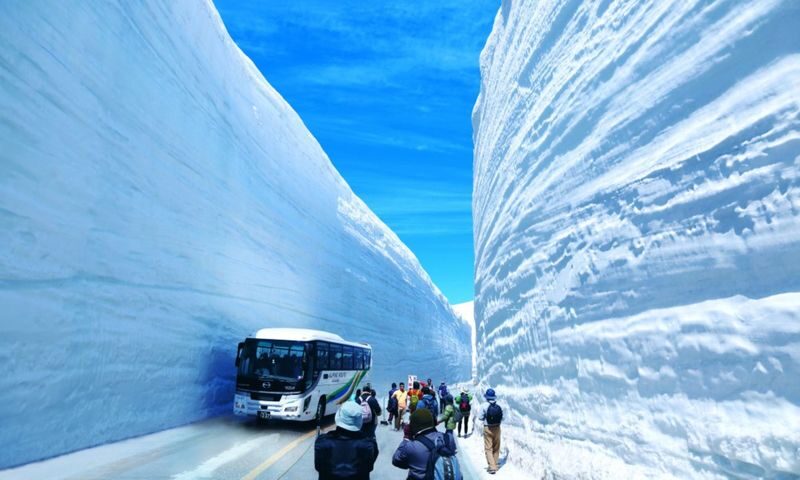
At Murodo, 2,450 meters above sea level, spring can mean walking between walls of snow as high as 20 meters. This two-day trip pairs that unusual alpine scene with the old streets of Takayama and the gassho-style farmhouses of Shirakawa-go.
I like the contrast between mountain scenery and traditional towns, and I like that the bus handles a complicated route with an overnight stop and breakfast included. The trade-off is time: each village visit is brief, and poor weather can change or cancel the snow-wall walk.
- The tour at a glance
- Day one: Takayama’s old streets, then Shirakawa-go
- Day two: Murodo and the spring snow corridor
- What the bus tour does well
- Hotel, meals and what to pack
- Is 9.25 good value?
- Who should book this trip?
- Final call: book for the snow, with a weather plan
- FAQ
- Where does the tour depart from?
- How much time is available at each stop?
- What is included in the price?
- Is the snow-wall walk guaranteed?
- How much luggage can I bring?
- Can infants and children join?
- The Best Of Shirakawa!
- More 2-Day Experiences in Shirakawa
- More Tours in Shirakawa
- More Tour Reviews in Shirakawa
- Not for you? Here's more nearby things to do in Shirakawa we have reviewed
The tour at a glance
 1 / 8
 2 / 8
 3 / 8
 4 / 8
 5 / 8
 6 / 8
 7 / 8
 8 / 8
- Three very different stops: Takayama, Shirakawa-go and Murodo give you old-town streets, a historic mountain village and high-altitude snow in one trip.
- Murodo sits at 2,450 meters: The spring snow corridor can reach 20 meters high, though weather and access determine what you can see.
- Free time is limited: Expect about 1 hour 40 minutes in Takayama, 60 to 90 minutes in Shirakawa-go and 100 to 120 minutes at Murodo.
- One night in Toyama Prefecture: A hotel stay breaks up the drive. Breakfast is included, but dinner and other personal costs are not.
- The bus does the hard work: The tour uses a toll road to reach Murodo, which private cars cannot enter. It saves you from arranging a multi-stage route yourself.
- Weather has the final say: A road closure may mean a cable-car transfer with an extra charge, a changed day in Kanazawa, or no snow-wall walk.

👉 See our pick of the 3 Best Historical Tours In Shirakawa
Day one: Takayama’s old streets, then Shirakawa-go
The tour starts early. The published Nagoya departure is 7:40 a.m. from the West Side Station Front Plaza at JR Nagoya Station. If you book from Osaka, check your confirmation for your precise departure point and time, since the Nagoya meeting instructions do not apply to every package.
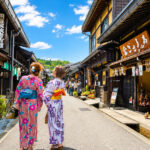
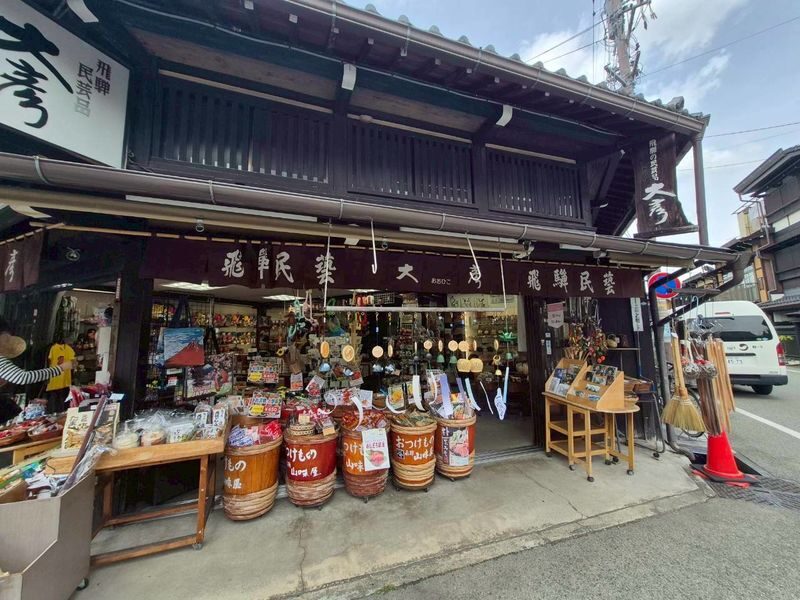
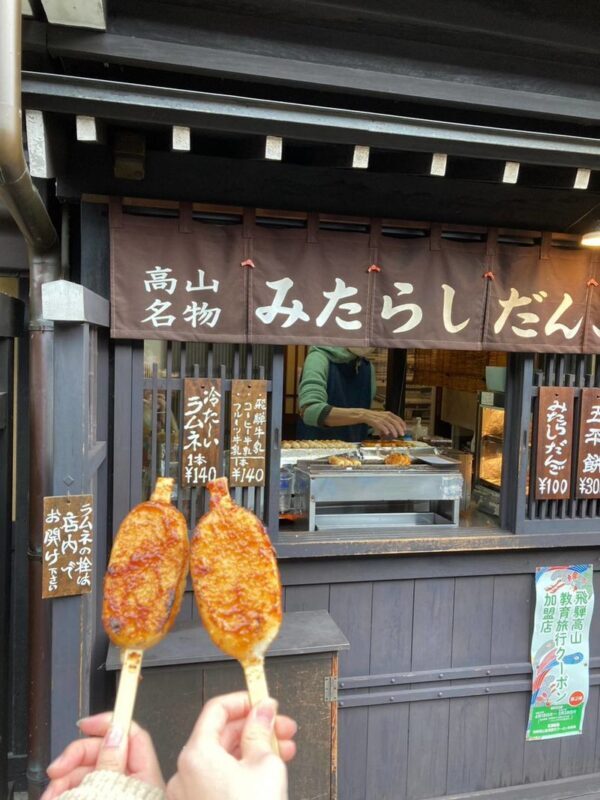
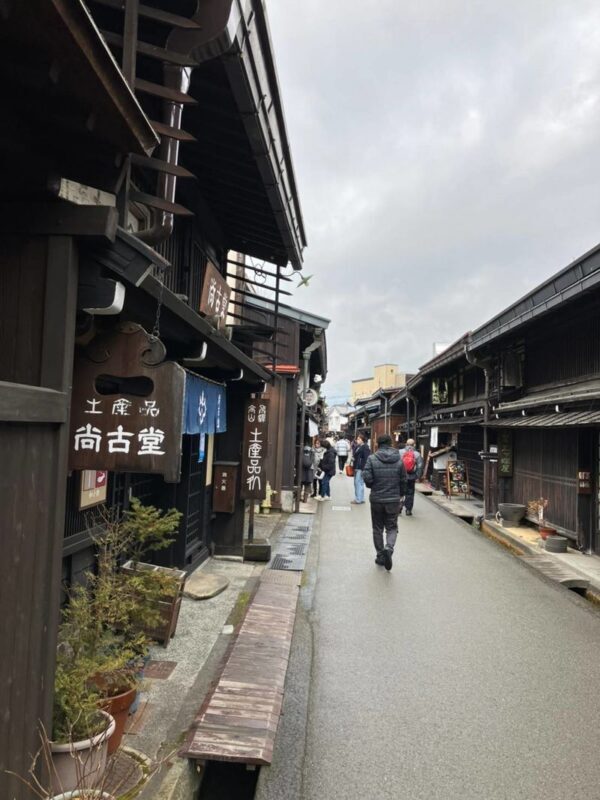
Takayama is the first stop, with about 1 hour 40 minutes for a self-guided visit. Its appeal is the old townscape: preserved streets and traditional buildings that offer a glimpse of historic Hida. You can wander at your own pace, look around and choose where to spend your short window.
That flexibility is useful, but the clock matters. If you want to shop, eat and take photos, you may need to make choices rather than attempt everything. Guides can point you toward sights and local food. Some have also shared maps and recommendations through WhatsApp, a practical help when you are exploring without a guided walk.
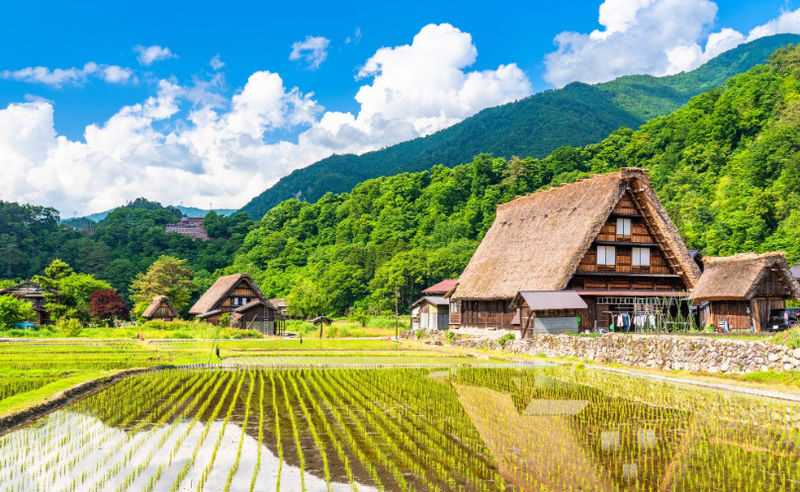
The next stop is Shirakawa-go, a UNESCO World Heritage Site known for gassho-zukuri houses, some more than 250 years old. Their steep thatched roofs are built to cope with heavy snow, making the village especially striking in a mountain setting.
You have around 60 to 90 minutes here, depending on the day’s schedule. That is enough for a walk through the settlement and time to take in its distinctive buildings, but not a leisurely visit to every corner. The tour is best for a first look rather than an in-depth exploration. If you hope to stop for a full meal, browse at length or make a particular viewpoint your main goal, keep the short visit in mind.
After Shirakawa-go, the bus continues to a hotel in Toyama Prefecture. The specific hotel depends on availability. Some departures have used accommodation in Takaoka, and some stays have included an onsen, but neither detail is guaranteed. The hotel is part of the package, which makes this a simpler option than arranging separate transport and lodging, though the room may be compact.
You can also read our reviews of more tours and experiences in Shirakawa
Day two: Murodo and the spring snow corridor
Breakfast is included before the bus leaves for Murodo. The approach uses the Tateyama Toll Road, which private cars cannot enter. That restricted access is a real advantage of this tour: you avoid planning your own transport through a busy alpine route.
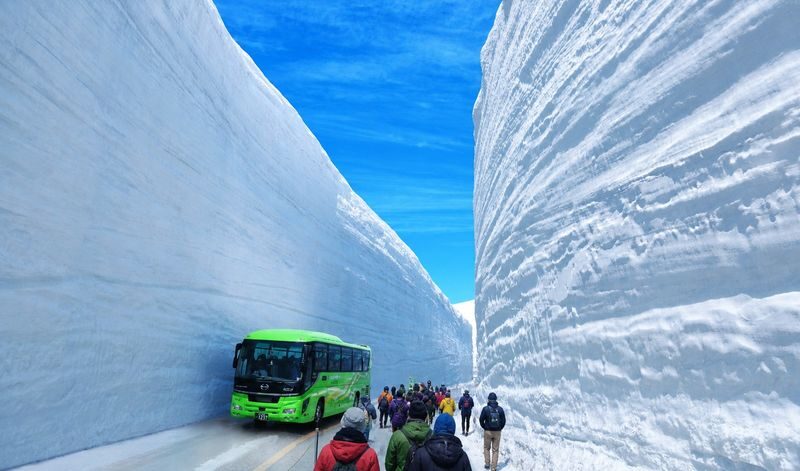
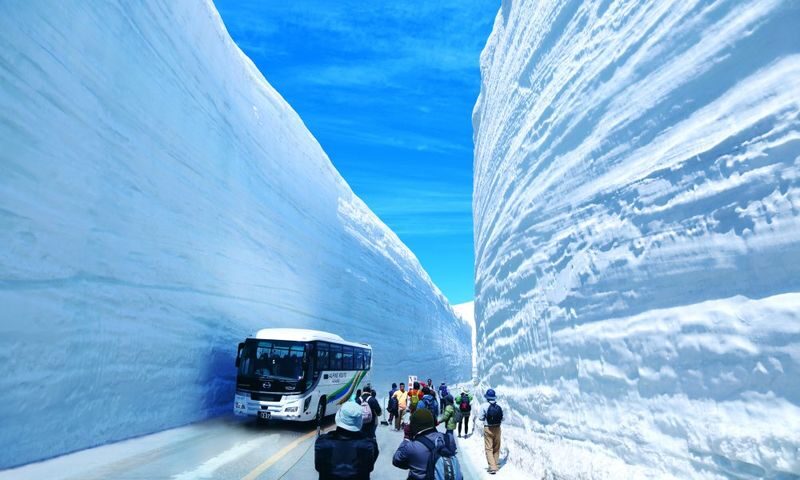
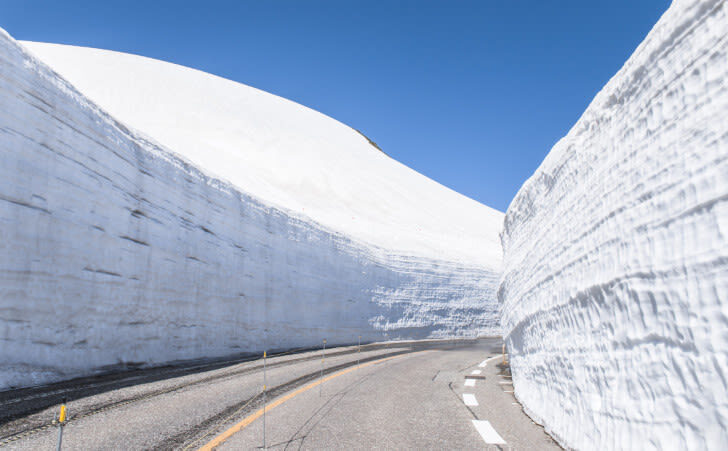
At 2,450 meters, Murodo is the trip’s main event. In spring, the Otani Snow Wall walk takes you along enormous banks of cleared snow, with sections reported to reach about 20 meters high. The scale is hard to understand from a photo alone. You are standing beside a wall of snow, high in the mountains, with cold air and open views around you.
The tour allows about 100 to 120 minutes at Murodo. That gives you time for a walk and photos, but it can feel short if the area is crowded or you want to stop for lunch. Restaurant queues may eat into that window. I would bring food from the previous evening or pick up something before boarding, especially since lunch is not included and the schedule does not promise a dedicated lunch stop.
The mountain weather can change the day sharply. If the toll road is closed, the operator may use a cable car to reach Murodo, with an additional charge of JPY 5,000 to 7,000 per person. In other adverse conditions, the plan may switch to city sightseeing in Kanazawa, including places such as Kanazawa Castle Town, Higashi Chaya District and Omicho Market. The stated refund in that case is JPY 1,000 per person.
Even if the bus reaches Murodo, bad weather can shorten or cancel the snow-wall walk, with no refund for a cancelled walk. This is a mountain outing, not a guaranteed snow-wall appointment. Check conditions close to departure and be ready for a different kind of day.
The return to Nagoya is scheduled for 6:30 p.m. Traffic and weather can shift the timing. The ride back is long, with one traveler describing a journey of more than four and a half hours from the alpine area, even with several stops. Plan your evening conservatively rather than booking a tight onward connection.
What the bus tour does well
The chief value is logistical. Takayama, Shirakawa-go and Murodo are not three stops you can casually stitch together by local transport in two days. A bus, guide and hotel take the planning burden off your hands and keep the group moving between regions.
The driving days are long, but rest stops have been made roughly every 1.5 to 2 hours on some trips. That helps break up the ride. The bus also gives you a straightforward way to reach the toll road and mountain area, where access rules and crowds can complicate an independent plan.
Guide quality can make a real difference when free time is short. Guides have included Yumi, Tom, Toshi and other staff, and some have been praised for clear schedules, local food tips and careful timekeeping. Communication is not always equally smooth: English and Chinese support is offered, but language ability can vary by guide. Some have used translation apps, WhatsApp messages or paper maps to make key directions clear. If you rely on a specific language, confirm what is available for your departure rather than assuming every guide speaks it fluently.
Hotel, meals and what to pack
The package includes one night at a hotel in Toyama Prefecture and breakfast on day two. Dinner is not included, so plan to buy a meal near the hotel or bring suitable food. The exact hotel and room arrangement depend on capacity. A shared-room package is offered for two or three people, but the operator notes that a single room may be assigned even to people traveling together.
Room size may be modest. Pack with care: the stated luggage allowance is one standard-sized bag of about 24 inches, and a 28-inch case may be difficult to manage in a small room. A compact overnight bag can make the hotel stop easier.
At Murodo, bring warm clothing suitable for a high-altitude visit, even if the towns below feel mild. The snow walk is exposed to mountain weather, and the experience depends on conditions. The tour also requires masks during the trip. Allergies, gluten intolerance and vegetarian diets can be accommodated, but it is sensible to communicate dietary needs ahead of time.
Is $289.25 good value?
The starting price is $289.25. For that, the package includes round-trip bus transfers, a guide, one hotel night and breakfast. That is a reasonable bundle if you want to see all three areas without researching transport connections or arranging a separate overnight stay.
It is not an all-inclusive trip. Dinner, lunch, personal spending and any possible cable-car charge are extra. You are also paying for convenience and coverage, not long, unhurried visits at each stop. The value is strongest for a first visit to central Japan, especially if Murodo’s spring snow wall is your priority.
The tour has received a 4.8 out of 5 average from 127 ratings. The most consistently praised elements are the organization, helpful guides, smooth driving and the scenery. That is encouraging, but it does not remove the two main uncertainties: weather at Tateyama and the amount of time available at each stop.




Who should book this trip?
I would choose this tour if you want a practical way to see three headline places in two days and are happy to follow a group schedule. It suits first-time visitors, people without a rental car and anyone who values a guided transfer more than the freedom to linger.
I would think twice if you want long meals, detailed visits to every village attraction or a slow mountain walk. The free-time windows are fixed, and the Murodo visit can be crowded. It is also a poor fit if you need wheelchair or stroller access: the activity is not wheelchair- or stroller-accessible and is not recommended for people with disabilities.
Final call: book for the snow, with a weather plan
Book if the combination of Takayama, Shirakawa-go and Murodo appeals more than spending several days in one place. The bus, overnight stay and breakfast make a demanding route manageable, and the snow corridor can be a remarkable spring sight.
Go in with flexible expectations. Bring food for day two, pack light, confirm your departure details and accept that mountain conditions may change the plan. If you can do that, this is a strong-value way to cover a lot of ground without arranging every connection yourself.
Shirakawago&HidaTakayama&Tateyama 2 Days Trip from Osaka/Nagoya
“The tour guide's explanations were very detailed, and the driver was very polite. Overall, the itinerary and accommodations were arranged perfectly…”
FAQ
Where does the tour depart from?
The Nagoya departure meets at Nagoya Station West Side Station Front Plaza. Go to the Taiko-dori Exit and look for the blue Wonder Tour flag near the former West Police Box. Osaka departures are also offered, but check your confirmation for the relevant meeting point.
How much time is available at each stop?
The schedule allows about 1 hour 40 minutes in Takayama, 60 to 90 minutes in Shirakawa-go and 100 to 120 minutes at Murodo. Times can change with traffic, weather and conditions on the day.
What is included in the price?
The package includes round-trip transfers from the meeting point, an English-, Chinese- or Japanese-speaking guide, one night of accommodation in Toyama Prefecture and breakfast on day two. Dinner, lunch and personal expenses are not included.
Is the snow-wall walk guaranteed?
No. The Tateyama Toll Road may close in adverse weather, and the walk itself may be shortened or cancelled. The plan may change to a cable-car transfer with an extra JPY 5,000 to 7,000 charge, or to sightseeing in Kanazawa with a stated JPY 1,000 refund per person.
How much luggage can I bring?
The allowance is one standard-sized piece of luggage, approximately 24 inches. Rooms can be small, so a compact bag is more practical than a large suitcase.
Can infants and children join?
Children aged 0 to 2 can join free if they do not need their own bus seat. Children aged 6 and older pay the adult rate. The information provided does not specify rates for children aged 3 to 5.