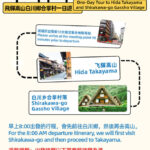
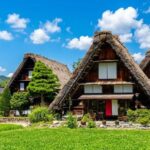
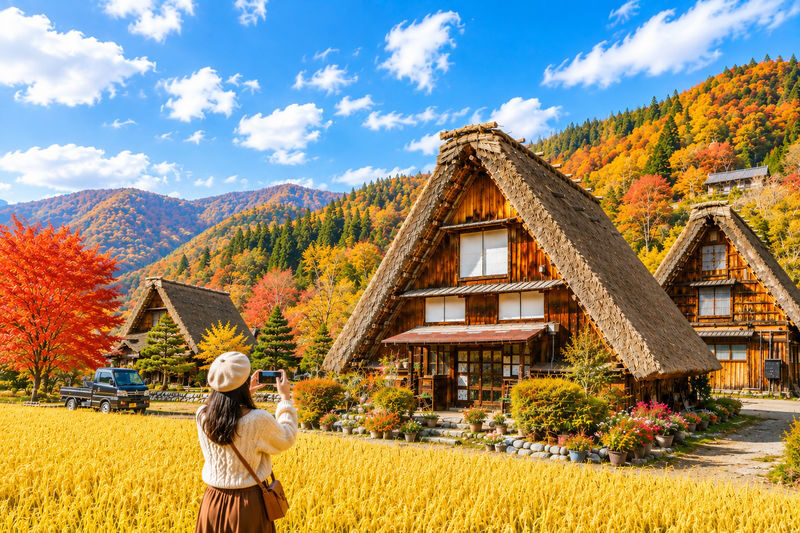
Shirakawa-go’s steep thatched roofs look almost storybook-like, but this is a lived-in mountain village, not a museum set. Pairing it with Takayama’s old streets makes a full day of traditional Gifu, without asking you to work out long-distance transport and transfers on your own.
I like two things here: the direct coach ride from Nagoya makes remote stops practical, and the free time at each place lets you choose your own pace and sights. The trade-off is a tight schedule, especially in Takayama, where 90 minutes can disappear quickly if you want to shop, eat, and see the historic government office.
- At a glance
- A long ride that saves a lot of planning
- Takayama: old streets, a market, and a short clock
- Shirakawa-go: village roofs and the uphill view
- Choosing lunch without losing your free time
- What the price buys, and what it doesn’t
- Who will get the most from this day
- Should you book it?
- FAQ
- Where does the tour leave from?
- What time does the tour return to Nagoya?
- How long is the tour?
- Is lunch included?
- What happens if weather closes the road to Shirakawa-go?
- What happens to a booked lunch if the route changes?
- Are the sightseeing stops guided?
- Which languages are available?
- Can a child under four join for free?
- Can I cancel for a refund?
- The Best Of Shirakawa!
- More Lunch Experiences in Shirakawa
- More Tours in Shirakawa
- More Tour Reviews in Shirakawa
- Not for you? Here's more nearby things to do in Shirakawa we have reviewed
At a glance
 1 / 8
 2 / 8
 3 / 8
 4 / 8
 5 / 8
 6 / 8
 7 / 8
 8 / 8
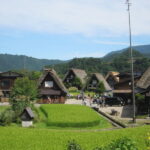
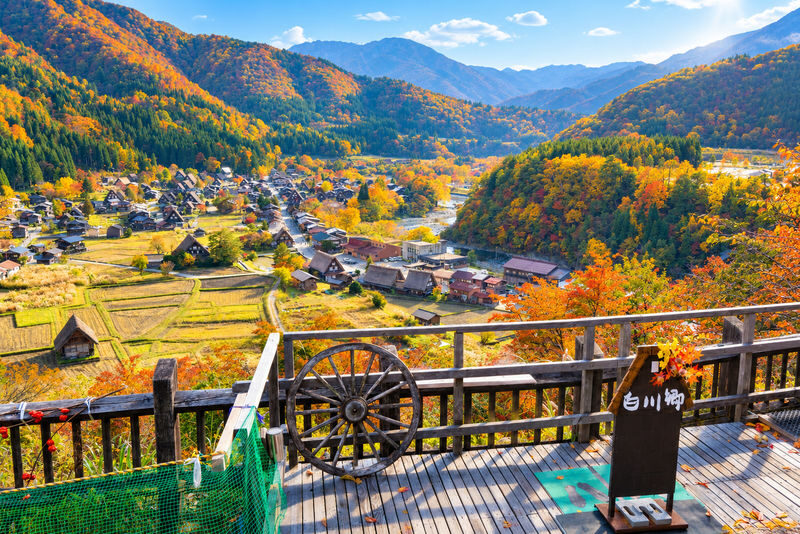
- Shirakawa-go’s Ogimachi Observatory gives you a broad view of the village and its distinctive steep-roofed farmhouses.
- Takayama’s Sanmachi district is the place to browse old streets, craft shops, cafés, and sake breweries.
- The coach leaves Nagoya at 8:00 AM, with the group meeting at 7:50 AM, and is scheduled back around 6:00 PM.
- Lunch is optional. Packages include Hida beef, Kobe wagyu, Hida pork, vegetarian oden, or no meal.
- The guide handles directions and timing, while sightseeing at the stops is self-guided.
- Weather can change the route. If roads close, the tour may substitute Gujo-Hachiman for Shirakawa-go.

👉 See our pick of the 3 Best Historical Tours In Shirakawa
A long ride that saves a lot of planning
Takayama and Shirakawa-go are far enough from Nagoya that reaching both by public transport takes planning and time. This tour turns the journey into one coach day, with tolls, fuel, parking, and round-trip transfers included. That convenience is the core of its value, particularly if you have limited time in the region or would rather not manage connections.
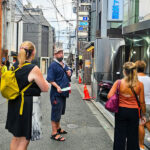
The day starts at Nagoya Station’s VIP LINER bus stop, at 20 Tsubakicho. Meet at 7:50 AM and look for the guide with a blue flag; departure is scheduled for 8:00 AM. The outing is about 10 hours, with an expected return to Nagoya Station at 6:00 PM. Traffic and weather can shift the schedule, so avoid planning a close connection or fixed evening booking.
The group can range from one to 49 people. The guide provides information and practical instructions, but the stops are self-guided, not walking tours with the group. Guides on departures have included Yu, also known as Yukino, Bara-san, and Xiao Liu. The guide assigned to your date may be someone else, and an English-language departure can sometimes include Chinese-speaking participants too. In that case, explanations may be given in more than one language.
You can also read our reviews of more tours and experiences in Shirakawa

Takayama: old streets, a market, and a short clock
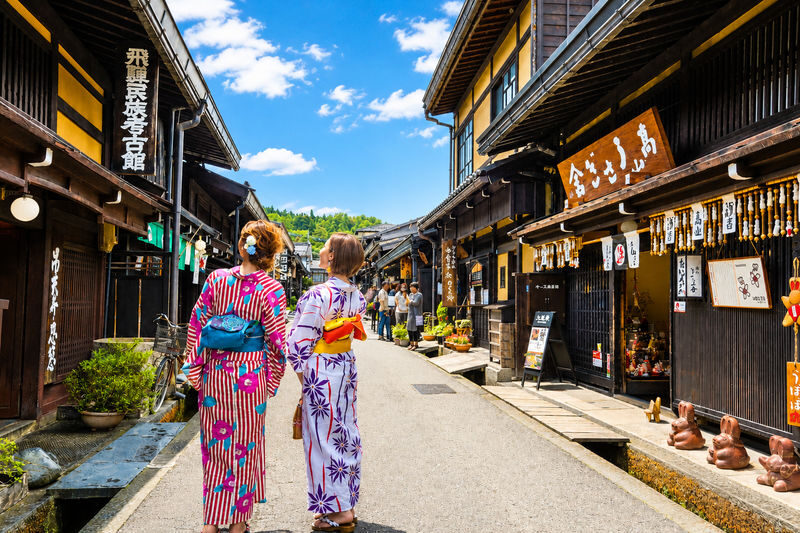
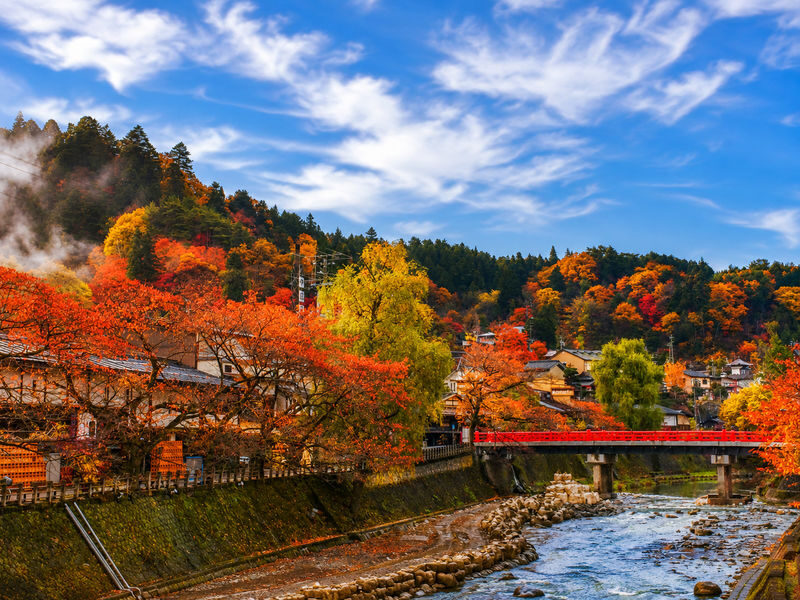
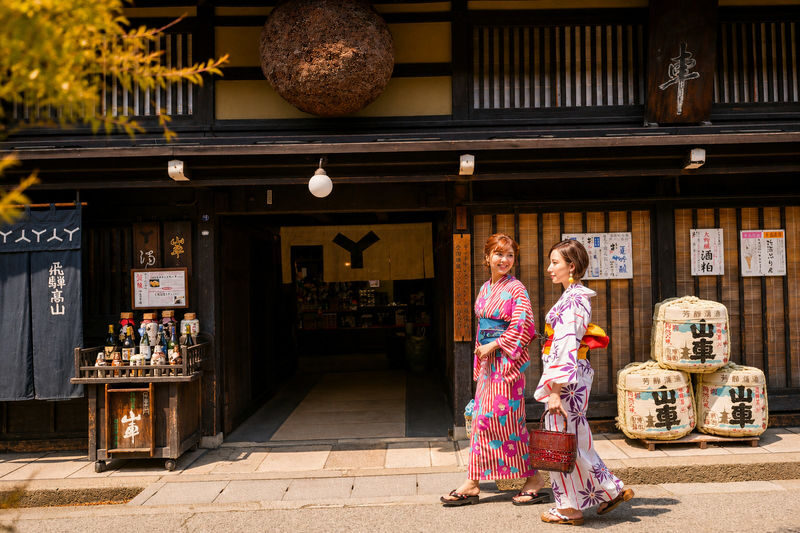
The first stop is Takayama, reached at about 10:30 AM in the planned schedule. You have roughly 90 minutes to explore. The Sanmachi district is the natural starting point: its Edo-period street layout gives the area a clear sense of its past, while shops, cafés, craft sellers, and sake breweries make it an enjoyable place simply to wander.
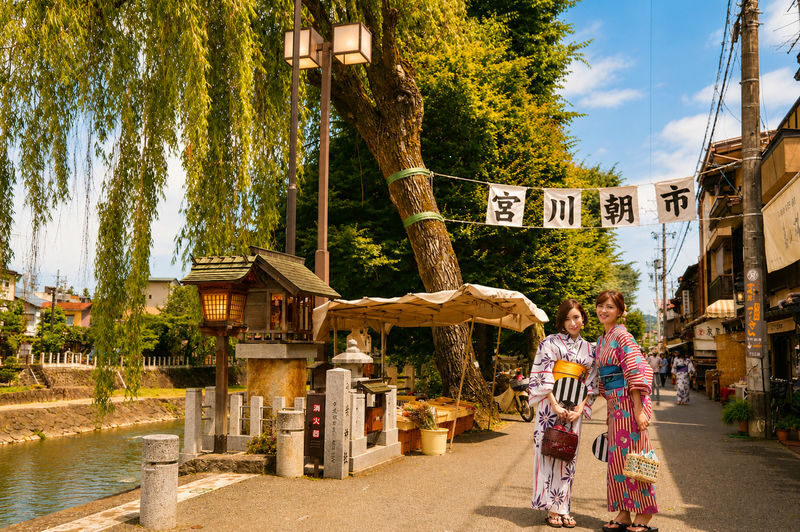
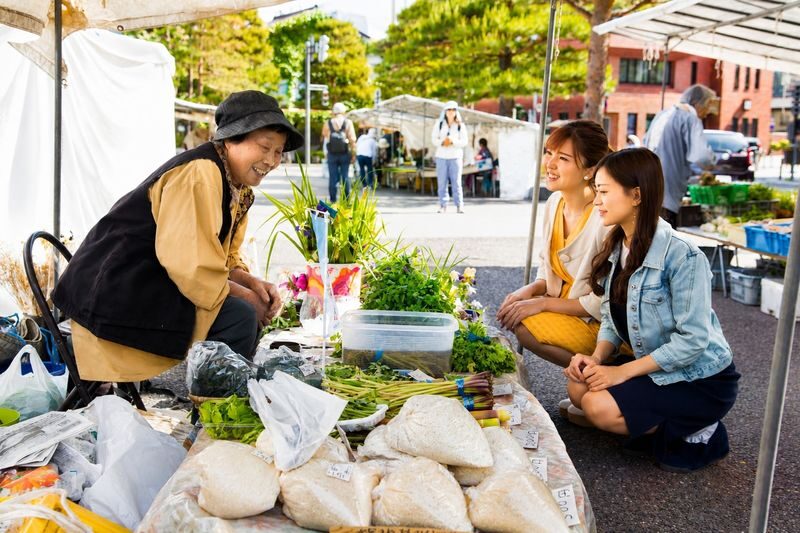
The Miyagawa Morning Market is another draw, with local produce and a chance to see a more everyday side of town. The name is useful, but don’t expect a long market visit: your time in Takayama is brief, and you’ll need to keep an eye on the meeting time. The tour guide usually hands out a map and points out places worth prioritizing before you set off.
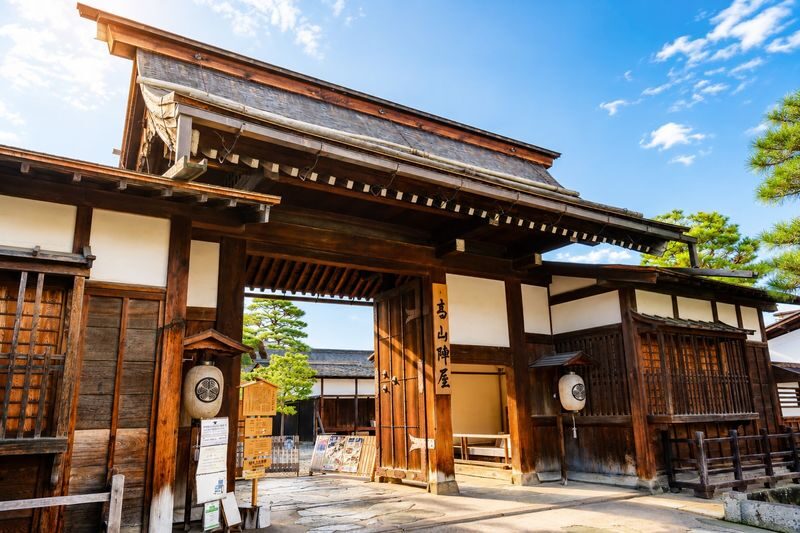
Takayama Jinya is the only surviving Edo-period government office of its kind, with wooden architecture and gardens. It’s a strong choice if you’re interested in how the region was governed, but visiting it will use a significant share of a 90-minute stop. If you want to see the Jinya, browse Sanmachi, visit the market, and stop for lunch, you’ll need to choose what matters most rather than attempt everything.
Food is part of the pleasure here. Hida beef skewers and sushi are popular quick bites, and you may also find pudding, sake tastings, or other local snacks. Those without a booked meal can buy food in town, but the short stop makes a sit-down lunch a poor fit for an ambitious sightseeing plan. Bring a snack for the road if you know you’ll want more than a quick bite.
One useful bit of perspective: although the route includes Takayama Jinya among its attractions, the scheduled stop does not guarantee time to explore every listed sight. Treat Takayama as a sampler, not a full visit. If you want a slower look at the old town, plan to return another day.
Shirakawa-go: village roofs and the uphill view
The coach continues to Shirakawa-go, with about two and a half hours planned in the village from around 12:45 PM. Its gassho-zukuri farmhouses are built with steep thatched roofs designed to cope with heavy snowfall. The shape is striking, but it also reflects the practical demands of life in a snowy mountain region.
Ogimachi, the main village area, is best appreciated from more than one angle. From street level, you can see the houses close up and get a feel for a place that remains a residential community. The Ogimachi Observatory offers the classic wide view over the rooftops. It’s worth considering, but allow time for the walk or any queue for the observation deck shuttle mentioned by visitors. Reaching the viewpoint and returning to the bus both take time.
Wada House is a well-preserved farmhouse said to date back about 400 years. You can also choose another traditional house, such as Kanda House, which visitors have found worthwhile for its objects and interiors. These stops add context to the striking exterior views, though each one takes time that could otherwise go to the village streets or observatory.
Winter snow makes Shirakawa-go especially famous, but the village has appeal in every season. The weather is also a practical concern: road closures can force a route change. If that happens, the tour visits Gujo-Hachiman instead. The scheduled time then becomes about two and a half hours in Takayama and two hours in Gujo-Hachiman. Entry to Gujo-Hachiman Castle or the Expo is at your own expense.
Choosing lunch without losing your free time
The optional meal choices include Hida beef, Kobe wagyu, Hida pork, vegetarian oden with Gokayama tofu, or no meal. Lunch is served in a traditional wooden house, according to the tour details. Booking a meal can make the day easier when stops are short and you don’t want to spend free time searching for somewhere to eat.
But a meal package is not automatically the best choice for everyone. Some visitors have found the set meals satisfying, while others considered the beef ordinary. Food is personal, and the meal description alone cannot promise a particular cut or dining experience. If trying regional beef is a priority, the Hida beef option is a reasonable way to include it. Kobe wagyu is another package choice, but don’t assume that every meal option is included in the starting price.
Going without lunch gives you more control over your stop time. You can snack in Takayama, pick up food in Shirakawa-go, or keep moving toward the observatory. On the other hand, food options and time are limited, so bring a small snack and water rather than counting on an unhurried meal. If the road closure reroute applies, any ordered lunch is canceled and refunded; you’ll then buy lunch in Takayama at your own expense.
What the price buys, and what it doesn’t
Prices start at $49.29, though the package, meal selection, and promotions affect what you pay. For that starting price, the main value is the coach transport to two places that are cumbersome to combine independently in one day. Toll, parking, fuel, tax, and round-trip transfers are included, as is an English- or Chinese-speaking guide.
The price does not include personal expenses, such as purchases or any optional admission charges. You should also compare packages carefully: the no-meal option and beef or vegetarian lunch options are separate choices, not one standard package. If you want the freedom to linger, travel independently, or spend several hours at Takayama Jinya, the group schedule may feel restrictive. If your priority is reaching both destinations without arranging the journey yourself, the price buys a useful amount of convenience.




Who will get the most from this day
This trip suits first-time visitors to the area, solo visitors who prefer not to manage connections, and anyone with only one day to spare. It also works well if your main goals are to see Shirakawa-go’s farmhouses and get a taste of Takayama’s old town. Guides provide maps, directions, and reminders about where and when to meet, which can make a busy day feel more manageable.
The schedule is less suited to anyone who likes to explore slowly. Walking from the parking area to the sights and back uses part of the allotted time, and 90 minutes in Takayama is a real constraint. Seniors and families with children may want to think about the distance and pace before booking. Children aged zero to three can join free if they do not need a separate seat.
For a special-event visit, Takayama’s spring and autumn festivals are known for ornate floats. The tour’s timing does not promise a festival viewing, so check the dates before booking if that is a central reason for going. In ordinary periods, the old streets, market, and traditional architecture remain the main draw.
Should you book it?
Book this tour if you want to see both Takayama and Shirakawa-go in one day and value a straightforward ride over a flexible schedule. The guide, maps, and direct transport make the route much easier to handle, and Shirakawa-go is a memorable payoff for the long drive.
Skip it if you want a leisurely visit to Takayama or time to explore every farmhouse, museum, and viewpoint. To get the best from the day, decide in advance whether the Jinya, market, lunch, or observatory matters most, then keep a close eye on the meeting time. That small bit of planning makes a rushed itinerary feel far more worthwhile.
Shirakawa-go & Takayama Old Town Day Tour (Optional Hida Beef Lunch)
“Tour guide Yu was extremely dedicated. Because there were travelers from different countries, every explanation was given in Chinese, English, and…”
FAQ
Where does the tour leave from?
Meet at the Nagoya Station VIP LINER bus stop, at 20 Tsubakicho, Nakamura Ward. The meeting time is 7:50 AM, and the bus is scheduled to leave at 8:00 AM. Look for the guide with a blue flag.
What time does the tour return to Nagoya?
The scheduled return is around 6:00 PM at Nagoya Station. Traffic and weather may affect the timing.
How long is the tour?
The planned day runs from 7:50 AM to 6:00 PM, or about 10 hours.
Is lunch included?
Lunch is optional. Available packages include Hida beef, Kobe wagyu, Hida pork, vegetarian oden, and no meal.
What happens if weather closes the road to Shirakawa-go?
The route may change to Gujo-Hachiman. In that case, the schedule allows about two and a half hours in Takayama and two hours in Gujo-Hachiman.
What happens to a booked lunch if the route changes?
The ordered lunch is canceled and refunded. You can buy lunch in Takayama at your own expense.
Are the sightseeing stops guided?
The guide gives information, maps, directions, and meeting-time reminders, but sightseeing at Takayama and Shirakawa-go is self-guided.
Which languages are available?
Packages are offered with an English-speaking or Chinese-speaking guide. A group may include participants from more than one language group.
Can a child under four join for free?
Yes. Children aged zero to three can join free if they do not occupy a separate seat.
Can I cancel for a refund?
You can receive a full refund if you cancel at least 24 hours before the activity date, using destination local time. In extreme weather or other unforeseen events, the operator may cancel and offer a reschedule or full refund.