Mt. Fuji is the headline, but the appeal of this six-day trip is the range: Tokyo’s neon-lit crossroads, Hakone’s volcanic terrain, Kyoto’s old lanes and Nara’s great Buddha, all linked by rail and private guiding. You get a busy first look at Japan without having to plan every station transfer yourself.
I like two things in particular: your own private tour, so the pace and interests can be adjusted, and the mix of guides and public transport, which gives you expert help without turning every ride into a car trip. Four-star hotels near key transport points also make a short itinerary easier to manage.
One important caveat: the advertised Fuji highlights do not match the day-by-day plan. The schedule lists Owakudani and a Lake Ashi cruise, not Fuji’s 5th Station, a Kawaguchiko cruise or Arakurayama Sengen Park. Confirm the exact route, as well as the advertised omakase sushi and geisha show, before you pay.
- At a glance
- A six-day route with a lot of ground to cover
- Day 1: Arriving in Tokyo without a full first-day agenda
- Day 2: Tokyo by metro, from Asakusa to Shibuya
- Day 3: Hakone’s volcanic valley and Lake Ashi
- Day 4: Bullet train to Kyoto, then temples and Gion
- Day 5: Fushimi Inari, Nishiki Market and Nara
- Day 6: Your own transfer to Kansai Airport
- What the price covers, and where value depends on the details
- Guides, hotels and the service question
- Who should choose this tour?
- Should you book it?
- FAQ
- Is this a private tour?
- Where does the tour start and finish?
- Are international flights included?
- Which hotels are listed for the four-star option?
- Are meals included?
- Does the tour visit Mount Fuji’s 5th Station?
- Is transport provided from Kyoto to Kansai Airport?
- How much walking should I expect?
- Are there seasonal or weekend hotel supplements?
- The Best Of Tokyo!
- More 6-Day Experiences in Tokyo
- More Tours in Tokyo
- More Tour Reviews in Tokyo
- Not for you? Here's more nearby things to do in Tokyo we have reviewed
At a glance
 1 / 10
 2 / 10
 3 / 10
 4 / 10
 5 / 10
 6 / 10
 7 / 10
 8 / 10
 9 / 10
 10 / 10
- Private, not a shared group tour: It is arranged for your family or friends, with English-speaking guides for sightseeing.
- Tokyo gets a full guided day: See the Imperial Palace area, Asakusa, Meiji Jingu and Shibuya, mostly using the metro.
- The Fuji day follows the Hakone route: Expect Owakudani Valley and a Lake Ashi cruise, with possible Fuji views dependent on conditions.
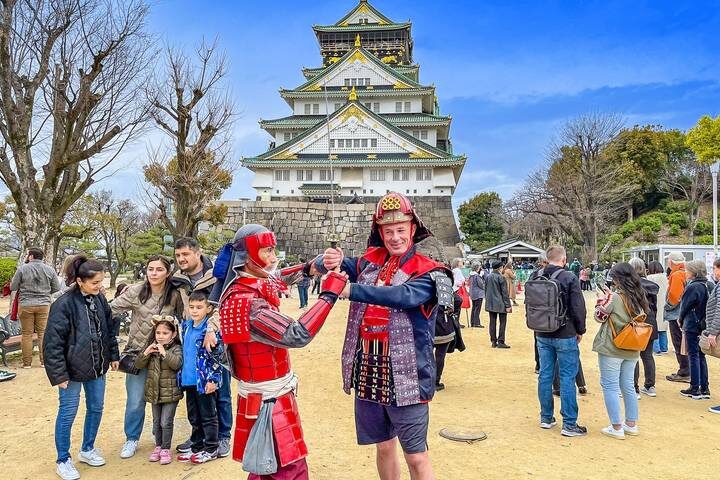
- Kyoto and Nara pack in the classics: Visit major temples, shrines, market streets and Nara Park over two full sightseeing days.
- Some travel is independent: You make your way to Tokyo Station for the Kyoto bullet train and travel from Kyoto to Kansai Airport on your own.
- Check extras and price details: The starting price is $3,509, but the final cost may change with room choice, dates and seasonal supplements.

👉 See our pick of the 25 Best Guided Tours In Tokyo
A six-day route with a lot of ground to cover
This is a fast introduction to Japan, not a slow stay in one place. You sleep three nights in Tokyo and two in Kyoto, with a day trip to Hakone and another to Nara. The order makes sense for a first visit: modern Tokyo first, then Kyoto’s temples and historic districts, with Nara as a day trip.
The tour is private, which is valuable for families and friends who want to move at their own pace. But private does not mean a chauffeured car for every journey. The schedule uses the metro, bullet trains and regular trains, and it leaves a couple of key transfers to you. Expect a guided sightseeing experience, not door-to-door private transport throughout.
Agate Travel offers itinerary changes on request and says it can propose a tailored plan within 16 hours. That flexibility could help if you want fewer stops or have specific interests. Get any agreed changes confirmed in writing, especially where they affect the Fuji route, meals or transport.
You can also read our reviews of more tours and experiences in Tokyo


Day 1: Arriving in Tokyo without a full first-day agenda
An English-speaking assistant meets you at the Tokyo airport and helps you take a shared car to the central Tokyo hotel. Once checked in, the rest of the day is open. After a long international flight, that breathing room is useful: rest, eat nearby or take a short walk rather than trying to squeeze in a major sight.
The listed four-star hotel is Hotel Century Southern Tower, with the Hilton named as a possible five-star option. Your actual hotel should be confirmed before booking. The first night also deserves a little practical attention: one past guest experienced a payment problem at the Tokyo hotel and waited about an hour and a half before getting access to the room. That is not a reason to expect trouble, but it is sensible to have your confirmation and the local contact details handy.
Day 2: Tokyo by metro, from Asakusa to Shibuya
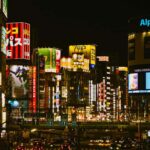
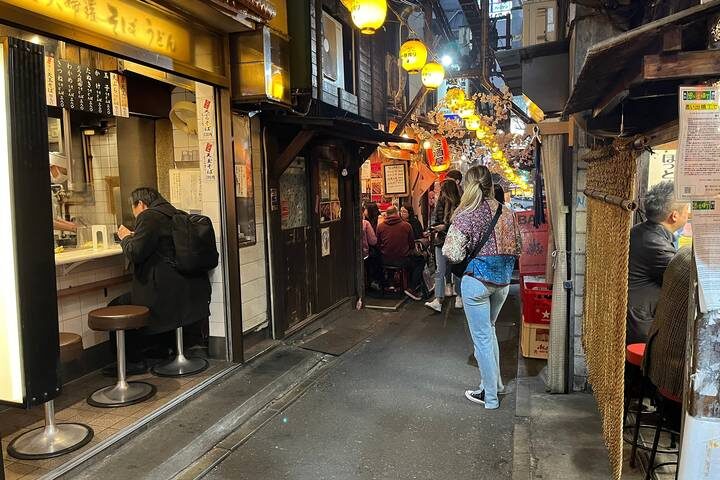
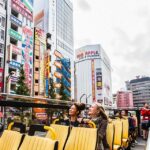
Your first full day covers a broad range of Tokyo, and the metro is the right tool for crossing this sprawling city. The guide meets you at the hotel, then takes you to the Imperial Palace area, Asakusa, Meiji Jingu and Shibuya. The route moves from civic and religious sites to the street life of the capital.
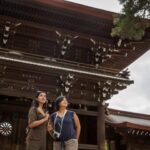
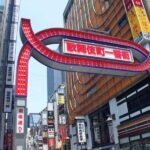
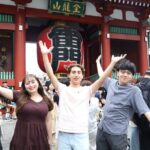
In Asakusa, Kaminarimon Gate leads onto Nakamise-dori, a shopping street lined with traditional snacks and crafts. It ends at Senso-ji, Tokyo’s oldest temple. This is a lively, visitor-heavy area, so take time to notice the temple precinct itself rather than treating the approach as only a shopping stop.
Meiji Jingu offers a change of mood. Dedicated to Emperor Meiji, the shrine sits within a wooded setting and provides a quieter pause before the day’s final stop. Then comes Shibuya Crossing, Hachiko’s statue and time for shopping at places such as Shibuya 109, Center-Gai or Parco. The guide escorts you back to the hotel, but the schedule does not specify how long you get at each stop. If you care more about temples than shopping, ask about adjusting the balance.
Day 3: Hakone’s volcanic valley and Lake Ashi
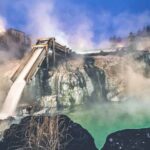
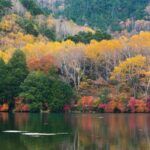
The day trip is described as a bullet-train journey from Tokyo to Hakone, followed by a visit to Owakudani Valley and a cruise on Lake Ashi. Owakudani is a volcanic area, while the lake offers a different view of the region from the water. On a clear day, you may see Mount Fuji, but mountain views depend on weather and visibility.
Here is the key detail to settle before booking: the promotional highlights mention Mount Fuji’s 5th Station, a Kawaguchiko cruise and Arakurayama Sengen Park, but the actual day plan names Owakudani and Lake Ashi. These are not interchangeable stops. If reaching a particular Fuji viewpoint is central to your trip, ask Agate Travel to confirm the exact places, transport and timing in writing.
The schedule returns you to Tokyo by express train that evening, so this is a long day with a round trip rather than a hotel change. Breakfast is included, but lunch and dinner are not listed. Keep some flexibility in your expectations: Fuji can hide behind cloud, and the plan does not promise a clear view.
Day 4: Bullet train to Kyoto, then temples and Gion
You check out and make your own way to Tokyo Station. Your reserved bullet-train ticket is included, and the journey to Kyoto takes about two and a half hours. At Kyoto Station, a local guide meets you, helps with hotel check-in and points out Kyoto Tower. This is a useful arrival-day arrangement, though the station transfer in Tokyo is not described as guided.
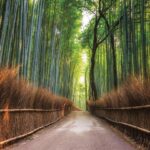
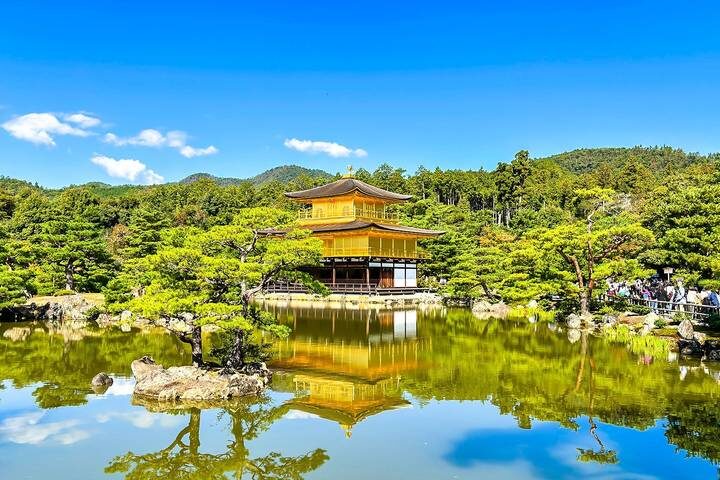
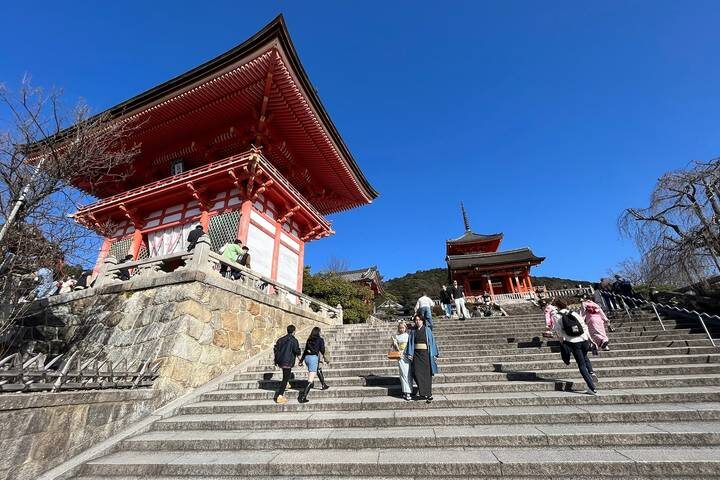
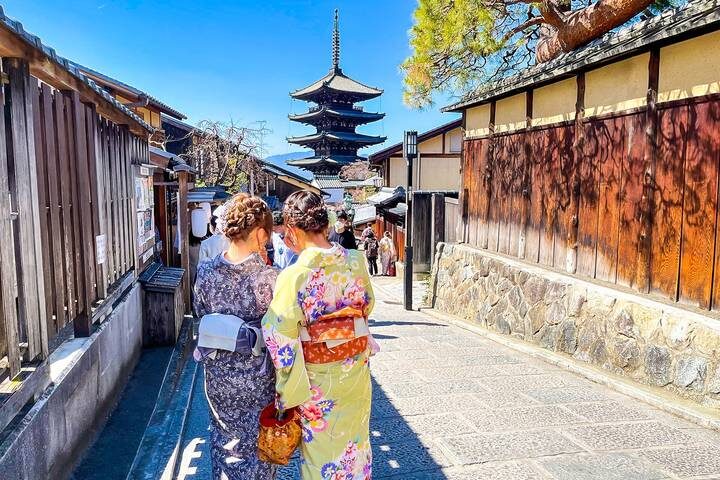
The afternoon and evening are ambitious. Stops include Kinkaku-ji, the Golden Pavilion; Kiyomizu-dera, referred to in the tour plan as the Pure Water Temple; the lanes of Sannenzaka and Ninenzaka; Yasaka Shrine; and Gion’s Hanamikoji Street. The old lanes, with wooden buildings and small shops, are a good place to slow down and look around. The Golden Pavilion, by contrast, is a famous sight that can feel crowded, so your guide’s context may help make the visit more than a quick photo stop.
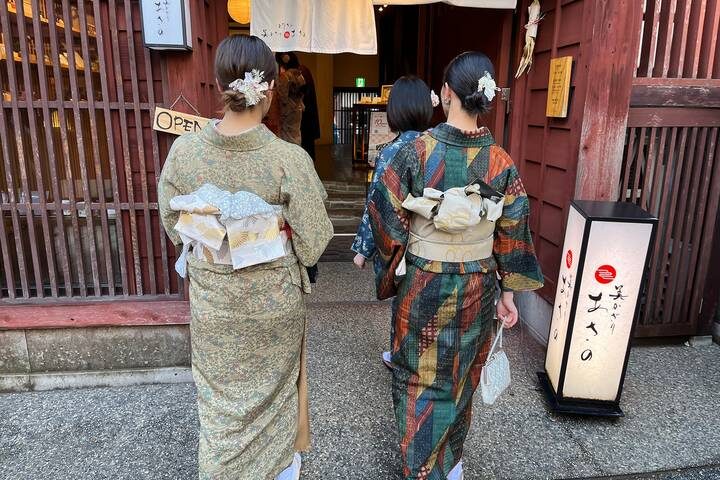
Gion offers a chance to see Kyoto’s traditional entertainment district, but spotting a geisha or maiko is never guaranteed. The guide can escort you back to the hotel, or you can stay out on your own. The listed Kyoto hotel is Mitsui Garden Hotel Kyoto Station, a practical base for rail connections.


Day 5: Fushimi Inari, Nishiki Market and Nara
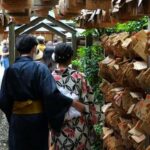
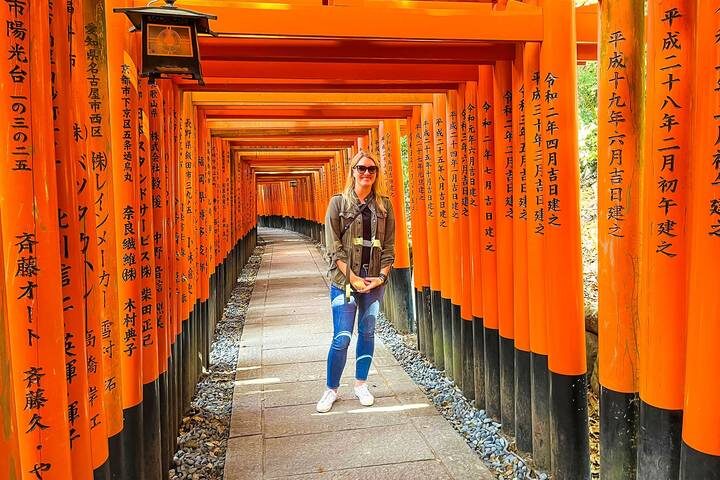
The day begins at Fushimi Inari Shrine, dedicated to Inari, associated with agriculture and commerce. The plan does not state how far you walk through the shrine grounds, so ask if anyone in your party needs a shorter visit. Afterward, you visit Nishiki Market, a long-established food market. Breakfast is included, but other meals are not, making the market a natural place to choose your own lunch.
In the afternoon, you take a train to Nara. Nara Park is known for its deer, but the main cultural stops are Kofuku-ji, its Five-story Pagoda, the Great Eastern Temple with its giant bronze Buddha, and Kasuga Taisha Shrine in an old forest setting. It is a full day, and the train rides add time, but the change from Kyoto’s streets to Nara’s temple grounds is worthwhile.
Your guide accompanies you back to Kyoto. The schedule lists daily hotel breakfast, not meals during the day. Vegetarian food can be requested, but the tour does not specify included lunches or dinners.
Day 6: Your own transfer to Kansai Airport
The tour ends in Kyoto, while the departure plan assumes you are flying from Osaka Kansai International Airport. The airport is about 75 kilometres from Kyoto, and regular trains run from Kyoto Station. You arrange this journey yourself based on your flight time.
There is a transport detail worth clarifying. The included-services section refers to private airport transfers, while the day-by-day plan says you travel to Kansai Airport on your own and airport see-off is excluded. Ask exactly which airport transfers are included for your booking. Do not assume a driver will be waiting at the end of the trip.
What the price covers, and where value depends on the details
The starting price is $3,509. Included are four-star hotel accommodation with breakfast, an English-speaking private guide, entrance fees for the listed sights and specified train tickets. The plan also describes an airport arrival transfer by shared car. International flights, travel insurance, meals beyond breakfast, personal spending, visa fees and airport see-off are excluded.
For a private six-day tour, the value is in having guides and accommodation arranged across two major cities, plus the rail tickets and entrance fees. You are not paying for a private vehicle at every turn: many journeys are by public transport, and the price basis is the cheapest room. Check what room type and occupancy the quoted amount assumes, and whether it is per person.
Dates can change the total. Weekend nights carry a stated supplement of $20 per person per night, and seasonal periods add 10, 20 or 30 percent depending on the dates. Ask for a complete price for your actual travel dates, including any hotel supplements, before making a decision.
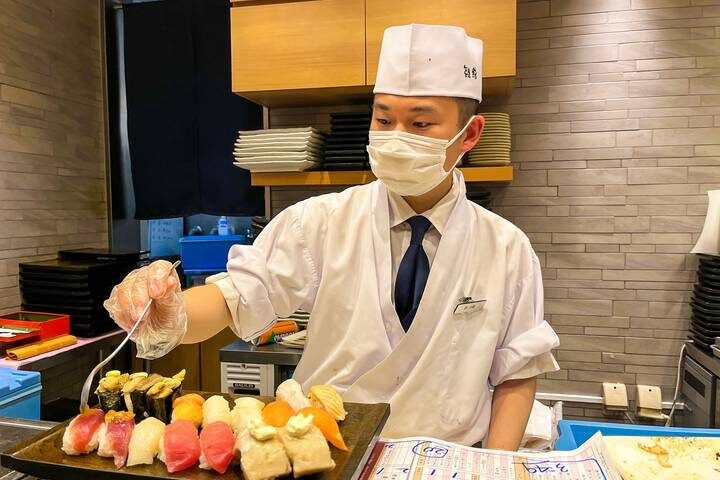
The tour’s food category has a lower rating than its transport and accommodation categories, which fits the basic meal plan: hotel breakfast is included, while most meals are yours to arrange. An omakase sushi meal is mentioned among the highlights, but it does not appear in the day-by-day schedule or included-meals list. Likewise, a geisha show is promoted, but the plan describes a walk through Gion, not a booked performance. Treat both as unconfirmed until the operator spells out what is included.
Guides, hotels and the service question
The tour has an overall operator rating of 4.8 out of 5 across 231 reviews, while this specific tour has a 4 out of 5 rating based on one review. Its category scores are strongest for transport and accommodation, both rated 5, with the guide at 4 and food at 3. A single tour review is too small a sample to settle the question, but it does offer a useful practical warning.
That guest was pleased with the hotels, transport and guides, especially the Tokyo guide and two Kyoto guides. The names are not provided, so there is no particular guide to request. The same account describes the Tokyo hotel payment mix-up and a lack of follow-up from the local contact. Agate Travel lists a response time under one hour and a 100 percent response rate on its operator profile, but that does not guarantee smooth communication during every trip. Save the contact number and confirm hotel payment arrangements before arrival.
Who should choose this tour?
This plan suits families or friends who want a guided first visit and prefer having hotels, sightseeing and key rail tickets organized. The stated physical level is low intensity, but the days include multiple sights, city walking and train journeys. Older children and adults who can handle a busy schedule should find plenty to engage with.
It is less suitable if you want a slow pace, a private car all day, or a guaranteed Fuji viewpoint. The itinerary is compact, and the gap between the advertised highlights and the actual daily route needs attention. If food experiences or a geisha performance are must-haves, get them added and priced clearly rather than relying on the promotional summary.
Should you book it?
Book this tour if you value private guiding, centrally placed four-star hotels and a broad Tokyo-Kyoto-Nara introduction more than free time. Before paying, get written confirmation of the Fuji stops, any sushi meal or geisha show, your exact hotels, the airport transfer arrangements and the full price for your dates. Those answers will tell you whether this is a well-matched family trip or simply a packed schedule with a few headline promises still to pin down.
Classic 6 Days Japan Family Tour with 4-star Hotels by Agate Travel
“I was very happy with all the accommodations/hotels. Unfortunately our first hotel in Tokyo was asking for us to pay for our accommodation because…”
FAQ
Is this a private tour?
Yes. It is designed for you and your family or friends, with no other tour participants joining your group.
Where does the tour start and finish?
The tour starts in Tokyo and ends in Kyoto. The planned departure airport is Osaka Kansai International Airport, which you reach from Kyoto on your own unless your booking confirms otherwise.
Are international flights included?
No. International arrival and departure flights are not included in the tour price.
Which hotels are listed for the four-star option?
The listed Tokyo hotel is Hotel Century Southern Tower. In Kyoto, the hotel is Mitsui Garden Hotel Kyoto Station.
Are meals included?
Hotel breakfasts are included. Other meals are not included, and vegetarian food can be requested.
Does the tour visit Mount Fuji’s 5th Station?
The day-by-day plan lists Owakudani Valley and a Lake Ashi cruise, not the 5th Station. Confirm the exact Fuji route with Agate Travel before booking.
Is transport provided from Kyoto to Kansai Airport?
The day plan says you travel from Kyoto to the airport on your own, and airport see-off is listed as not included. Ask the operator to clarify any transfer included in your specific booking.
How much walking should I expect?
The tour is rated low intensity, but it includes sightseeing on foot at temples, shrines, markets and city districts. No exact walking distance is provided.
Are there seasonal or weekend hotel supplements?
Yes. The listed weekend supplement is $20 per person per night, with additional seasonal supplements of 10, 20 or 30 percent for specified date ranges. Get a final quote for your travel dates.