Mount Fuji framed by a red pagoda, a soak in a hot spring, then Kyoto’s thousand gates and bamboo paths: this six-day trip packs Japan’s headline sights into a route from Tokyo to Kyoto. I like that it pairs the big-city introduction with an overnight ryokan stay, rather than treating Fuji as a quick photo stop.
I also like the mix of stops: temple grounds and city viewpoints, a restored village, a waterfall, and the Toyota Museum. It gives you more variety than a Tokyo-and-Kyoto sprint, with coach transport handling the long intercity legs.
The trade-off is pace. You change cities, hotels, and sometimes guides in a short span, and a full Tokyo day plus a packed Kyoto day leaves limited time to linger. This is a sampler, not a slow trip.
- What makes this route worth considering
- Six days from Tokyo’s neon to Kyoto’s temple paths
- Day 1: A soft landing in Tokyo
- Day 2: Tokyo in temples, crossings, and city views
- Day 3: Fuji views and a night by the lake
- Day 4: A village, a waterfall, and Toyota history
- Day 5: Kyoto’s temple gardens and vermilion gates
- Day 6: Departure from Kyoto
- Guides, group size, and day-to-day comfort
- Is the id="section-0",692 starting price good value?
- Who should book this tour?
- FAQ
- Where does the tour start and end?
- Are flights included in the price?
- Which meals are included?
- Is the Mount Fuji Fifth Station visit guaranteed?
- What hotels are planned?
- Is the guiding in English?
- How large can the tour group be?
- The Best Of Tokyo!
- More 6-Day Experiences in Tokyo
- More Tours in Tokyo
- More Tour Reviews in Tokyo
- Not for you? Here's more nearby things to do in Tokyo we have reviewed
What makes this route worth considering
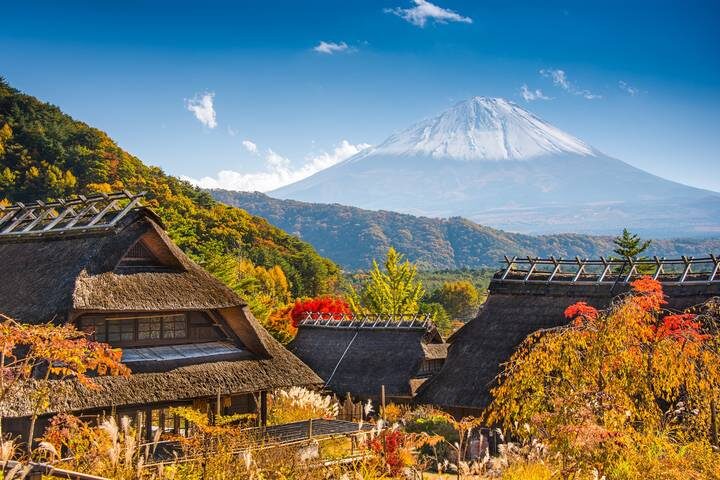
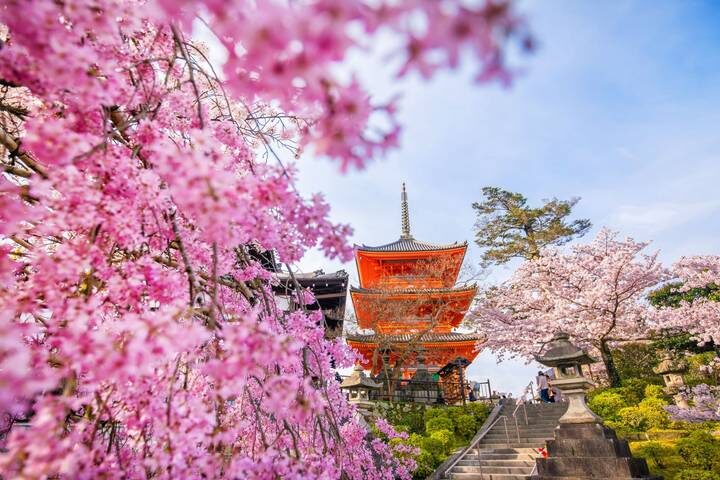
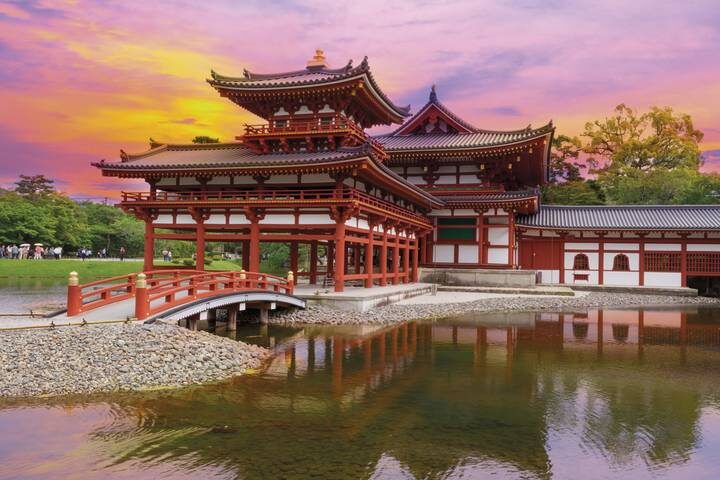
- Arakurayama Sengen Park pairs its pagoda with one of the best-known views of Mount Fuji.
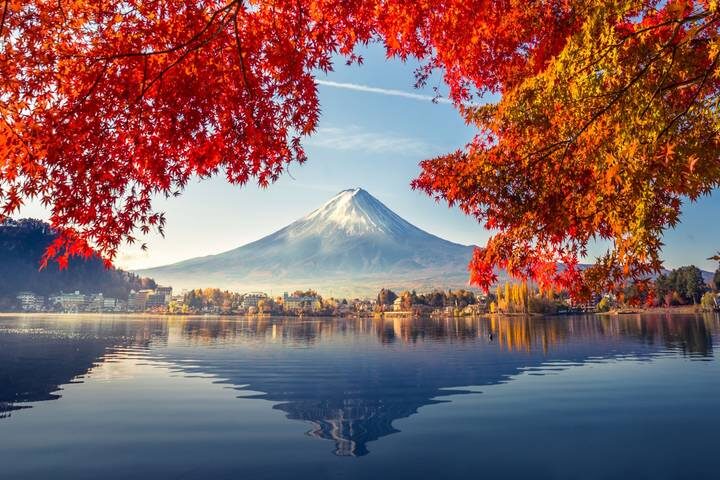
- Kawaguchiko’s ryokan night includes dinner and access to a public onsen, a welcome pause after a day on the road.
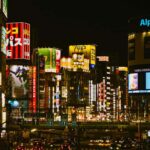
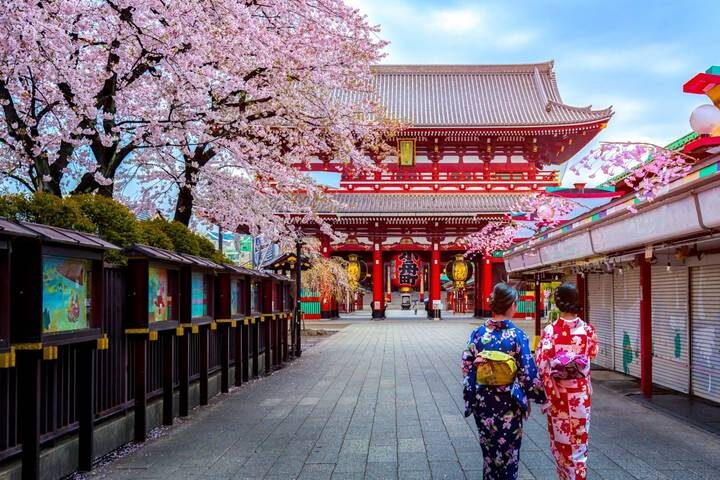
- Tokyo’s guided day covers Zojoji Temple, Meiji Shrine, Shibuya, Skytree, and Asakusa, with an evening Shinjuku outing and dinner.
- The route includes more than city sights: Iyashi no Sato Nenba, Shiraito Falls, and the Toyota Museum break up the journey to Kyoto.
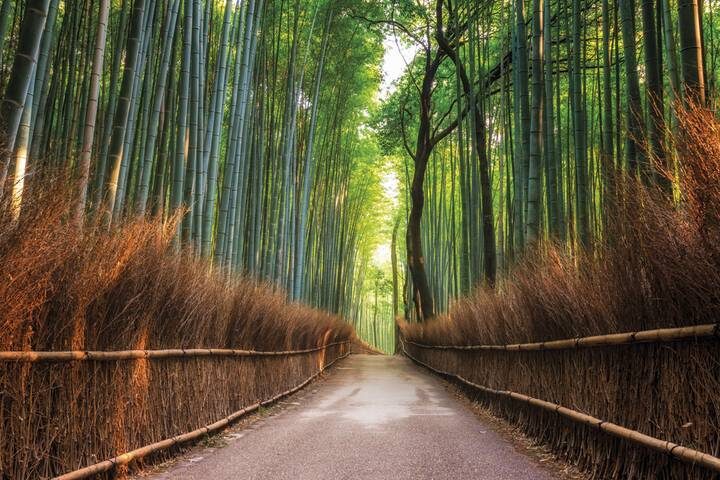
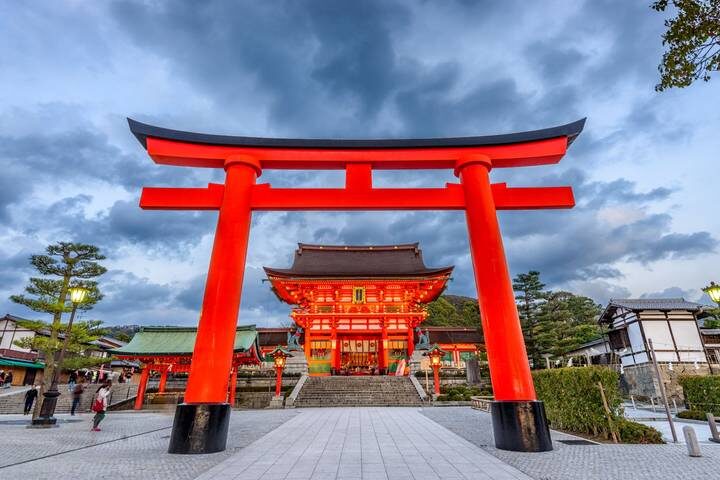
- Kyoto’s major sights fit into one guided day, from Arashiyama and Fushimi Inari to the Imperial Palace and Kinkakuji.
- The group can range from 2 to 72 people, so the feel of the trip may depend on departure size and whether guiding is shared between English and Spanish.

👉 See our pick of the 25 Best Guided Tours In Tokyo
Six days from Tokyo’s neon to Kyoto’s temple paths
At a starting price of $1,692, this tour is built for people who want the route, transport, and main sights arranged for them. The price includes hotel accommodation, breakfast, two dinners, an arrival shuttle, coach travel, listed admissions, and English-speaking guiding in Tokyo and Kyoto. Flights are not included.
The value is less about luxury than convenience. Tokyo, Fuji, Nagoya, and Kyoto are a lot to connect in six days; having a coach and planned stops takes the burden of arranging each transfer off your shoulders. You also get an introduction to several sides of Japan, from modern Tokyo to a traditional inn and Kyoto’s historic sites.
The pace is the cost of that convenience. There are only two nights in Tokyo, one near Fuji, and two in Kyoto. If you want time for side trips, long meals, or several hours at each temple, plan extra days before or after the tour.
You can also read our reviews of more tours and experiences in Tokyo


Day 1: A soft landing in Tokyo
After clearing customs, you take a shared shuttle to the hotel. The first afternoon and evening are free, with a tour briefing scheduled later in the day. That open time is useful after a long flight, though your arrival time and energy will shape how much you can do.
The planned Tokyo hotel is Shinagawa Prince Hotel, listed as a four-star property. Europamundo describes its hotels as selected for quality, price, and location, generally with public transport nearby, rather than as luxury stays. Rooms have private bathrooms and televisions, but size and standards vary.
A practical note: hotel assignments can change. One account describes a Tokyo hotel switch that meant an extra local transfer, and a difficult breakfast situation after the change. Confirm your hotel and transfer details before departure, especially if you have booked extra nights at the named property.
Day 2: Tokyo in temples, crossings, and city views
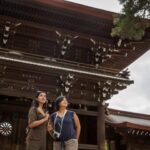
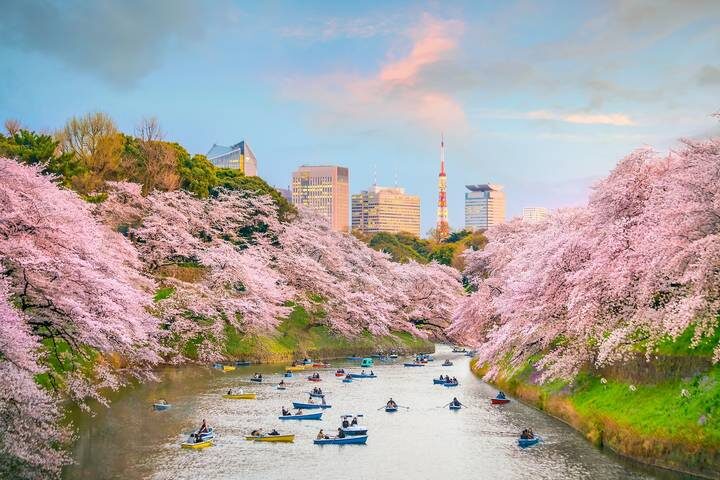
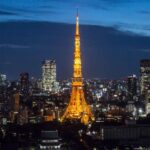
The guided Tokyo tour lasts about seven hours and starts at Zojoji Temple, where Tokyo Tower rises behind the temple grounds. Look for the small Jizo statues wearing knitted hats and bibs. This stop gives you a quieter introduction before the city’s more famous sights.
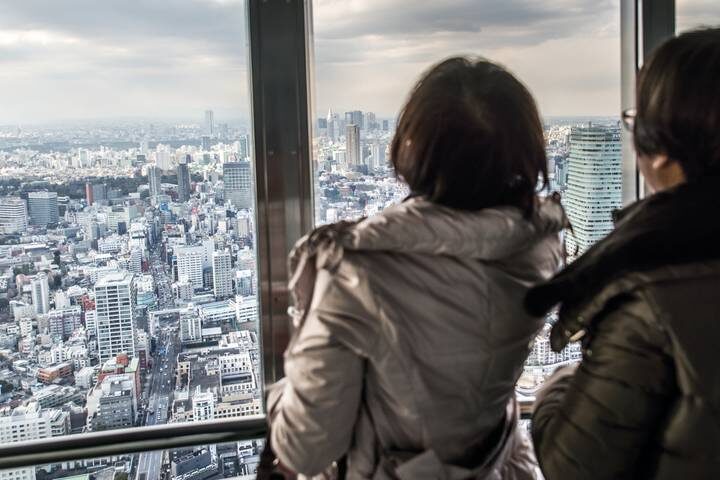
You see Shibuya Crossing from the bus, rather than stopping for an extended walk around the intersection. Meiji Shrine follows, set among trees within the city. At Tokyo Skytree, admission reaches the Tembo Deck at 350 meters, weather and operating conditions permitting. If visibility or access is limited, an alternative city viewpoint is offered.
The tour continues to Asakusa and Nakamise Street, then passes Akihabara and Ginza on the way back. That means you get a taste of several districts, but not much time for shopping or independent exploration in each. If Akihabara’s anime and electronics shops interest you, consider returning on your own during free time.
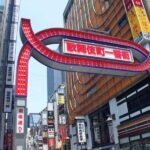
At 6:30 p.m., you meet your guide for a subway ride to Shinjuku. A district walk and dinner at a local restaurant are included, as is the subway ride back. It’s a convenient first evening out, though it can feel like a lot after a full tour day and a recent flight. One past account found the Shinjuku outing tiring on the first night, so take it at your own pace.
Day 3: Fuji views and a night by the lake
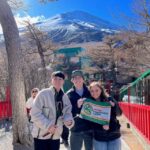
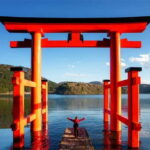
The Fuji day begins at Arakurayama Sengen Park, whose pagoda and mountain view make a memorable pairing. Reaching the viewpoint involves walking, so bring shoes you are comfortable using on paths and steps. The mountain is weather-dependent; even a well-chosen viewpoint cannot guarantee a clear view.
Next comes Kawaguchiko, a lakeside town, and a boat ride on the lake. The tour then drives to Mount Fuji’s Fifth Station at 2,305 meters. The higher elevation brings cooler air and can feel noticeably different from Tokyo. In winter, snow or weather can close the road, in which case the coach goes as far as conditions allow.
You return to Kawaguchiko for the night at a ryokan or, in some cases, a Western-style hotel. The planned property is Fuji Kawaguchiko Resort. Room styles can vary, including Japanese-style rooms with tatami mats and Western-style rooms. The onsen is a public hot spring bath, so it is a shared facility, not a private in-room bath.
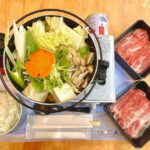
Dinner is included, and this night is one of the tour’s most distinctive experiences. A traditional inn, a Japanese meal, and a hot spring offer a change of pace from standard city hotels. Food preferences vary, however, and the traditional dinner may not suit every palate. If you have dietary needs, ask the operator what can be accommodated before you book.
Day 4: A village, a waterfall, and Toyota history
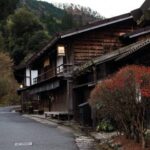
The drive from Kawaguchiko takes you along lakeside roads to Iyashi no Sato Nenba. The village was destroyed by a typhoon in 1966 and later restored as an open-air museum. Its traditional houses now hold shops, restaurants, and cultural exhibits, giving you a look at older rural architecture without needing to arrange a separate excursion.
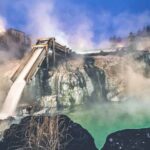
Shiraito Falls adds a nature stop, with water flowing across a broad, 20-meter cascade. The visit breaks up a long travel day, though the schedule means this is a snapshot rather than an extended walk in the area.
In Nagoya, admission to the Toyota Museum is included. It offers a change of subject from shrines and scenery, tracing the company’s history and automotive development. Car enthusiasts will have a natural interest; others may find it a welcome indoor stop and a look at a different part of modern Japan.
From Nagoya, you continue by coach to Kyoto for the night at Miyako Kyoto Hachijo. This is a long day with several stops and a substantial final drive. The coach makes the route practical, but you should expect some time seated and arrive ready for a simple evening.

Day 5: Kyoto’s temple gardens and vermilion gates
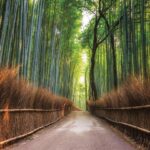
Kyoto gets one full guided day, starting in Arashiyama. Togetsukyo Bridge spans the river with a view toward the surrounding hills. At Tenryu-ji, you visit a Zen garden arranged around a pond, then walk through the nearby bamboo grove. This is one of the day’s most scenic combinations, but the schedule may not allow a long, quiet visit.
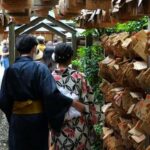
Fushimi Inari Shrine is another major stop, known for its rows of red torii gates. The site is extensive, so the time available matters: you may see the main approach without walking far up the mountain. The Imperial Palace and Kinkakuji, the Golden Pavilion, round out the planned visits. The order can vary, and Kinkakuji’s gardens are worth taking time to look around if the schedule allows.
You can spend the evening in Gion, Kyoto’s traditional district, with an evening transfer included. The day plan says you have time to stroll there after the guided visits. Treat this as a chance to see the neighborhood, not a guarantee of a long, unstructured evening after a busy day.
The tour covers a strong list of Kyoto landmarks, but it is a concentrated introduction. If Kyoto is your main reason for coming to Japan, add another day or two to explore at a gentler pace.
Day 6: Departure from Kyoto
After breakfast, the tour ends in Kyoto. There is no included onward transfer listed, so make your own arrangements for your next hotel, station, or airport. The final morning is simple, but it gives you a convenient chance to extend your stay in the city.
Guides, group size, and day-to-day comfort
The tour is described as fully guided, with English-speaking tours in Tokyo and Kyoto. Guides may change during the trip, and on some departures the service can be bilingual, usually English and Spanish. A single guide may explain in both languages when numbers are small, or separate leaders may be used. If you need English-only commentary, ask about your departure before booking.
Group size can range from 2 to 72. A large group can mean less personal attention and more time gathering at stops, while a smaller one may feel more nimble. Punctuality helps everyone: the route has several scheduled transfers, and a late start can cut into sightseeing time.
The physical rating is low intensity, but that does not mean no walking. Temple grounds, gardens, shrine approaches, and city stops add up. One past traveler found the walking more than expected, and another felt some shrine visits had more time than needed. Wear comfortable shoes and be ready for a mix of coach time and walking.
Transport is a strong point for a route with several long drives. Tokyo subway tickets are included for the Shinjuku evening, and the arrival shuttle is shared. Delays or weather can lead the operator to adjust visits or their order, particularly around the Fuji Fifth Station.
Is the $1,692 starting price good value?
For a six-day, multi-city trip, the package makes sense if you value an organized route and included admissions over choosing every stop yourself. The listed price includes four-star-class hotels, breakfast, two dinners, transport between destinations, guiding at key locations, and many site tickets. The Fuji-area overnight and the included Toyota Museum visit add variety beyond the usual Tokyo-Kyoto pairing.
It is not an all-inclusive holiday. Flights are extra, and only two dinners are specified. Hotel standards and room dimensions vary, and the accommodation is not positioned as luxury. The food rating is lower than the itinerary and transport scores, so approach the included meals as convenient parts of the schedule rather than a reason to book.
If you are comfortable with coach travel and a brisk itinerary, the package can be a useful first tour of Japan. If you prefer slow mornings, independent neighborhood time, or deep visits to museums and temples, the same price may be better spent on a longer, self-planned trip.
Who should book this tour?
I’d consider this tour if you have six days, want to see both Tokyo and Kyoto, and would rather leave intercity logistics to an operator. Its best features are the route’s range, the Fuji and ryokan night, and the guided structure at the major city sights. The itinerary also gives you a few stops, such as Iyashi no Sato Nenba and Shiraito Falls, that can be easy to miss on a first trip planned around the largest cities.
Skip it if you want a relaxed holiday or need firm guarantees about a particular hotel, guide, or language arrangement. Check the current hotel names, ask about bilingual guiding, and allow extra days in Kyoto or Tokyo if time permits. Book for coverage and convenience; add days for depth.
Central Japan End Kyoto 6-Day Tour by Europamundo
“Very good tour. Excellent hotels and guide.”
FAQ
Where does the tour start and end?
It starts in Tokyo and ends in Kyoto. A shared shuttle transfers you from the Tokyo airport to your hotel on Day 1.
Are flights included in the price?
No. Flights are not included unless specifically stated in the itinerary.
Which meals are included?
Hotel breakfast is included, along with two dinners: one in a local restaurant in Shinjuku and one at the ryokan in Kawaguchiko.
Is the Mount Fuji Fifth Station visit guaranteed?
No. The coach goes to 2,305 meters when conditions allow. In winter, snow or weather may close the road, and the tour will go as far as permitted.
What hotels are planned?
The planned hotels are Shinagawa Prince Hotel in Tokyo, Fuji Kawaguchiko Resort near Kawaguchiko, and Miyako Kyoto Hachijo in Kyoto. Hotel substitutions may occur, and the ryokan stay can sometimes be replaced with a Western-style hotel.
Is the guiding in English?
English-speaking tours are listed for Tokyo and Kyoto. Some departures may be bilingual, usually English and Spanish, and guides may change during the trip.
How large can the tour group be?
The stated group size ranges from 2 to 72 people.