Japan’s quieter corners are the heart of this 11-day trip. You’ll leave Tokyo by bullet train for Nagano, then cross the country to Hagi, a former castle town where two nights with a local family bring you closer to everyday life than a hotel stay can.
I especially like the Hagi homestay, with shared cooking and a guided bicycle ride through samurai-era streets, and the contrast between Nagano’s mountain sights and Tottori’s coastal dunes. One thing to weigh: the schedule includes long train journeys and about 15,000 steps a day, so this is a more active trip than its low-intensity label may suggest.
- The trip’s best reasons to go
- A route that trades big-city time for smaller places
- Tokyo: a short look at three modern neighborhoods
- Nagano: snow monkeys, a castle, and a temple
- Otsu: a lakeside pause before the long crossing
- Hagi: the most personal two nights
- Miho-misumi and Tottori: paper, coast, and sand
- Kyoto: one shared shrine visit, one open afternoon
- What the price covers, and what it does not
- The practical details that shape the trip
- Should you book this Japan tour?
- FAQ
- Where does the tour start and finish?
- How many people are in the group?
- How much walking should I expect?
- Is the Hagi cycling excursion compulsory?
- What luggage should I bring?
- What meals are included?
- Are flights and airport transfers included?
- What kind of accommodation is included?
- Is the snow monkey visit included?
- The Best Of Tokyo!
- More Tours in Tokyo
- More Tour Reviews in Tokyo
- Not for you? Here's more nearby things to do in Tokyo we have reviewed
The trip’s best reasons to go
 1 / 10
 2 / 10
 3 / 10
 4 / 10
 5 / 10
 6 / 10
 7 / 10
 8 / 10
 9 / 10
 10 / 10
- Two nights in Hagi: Meet a host family, cook together, and cycle past the town’s samurai architecture.
- Nagano’s snow monkeys: Visit Jigokudani Monkey Park to watch Japanese macaques bathe in natural hot springs.
- A day trip to Matsumoto: See one of Japan’s treasured castles, then return to Nagano for Zenkoji Temple.
- A hands-on craft stop: Learn traditional washi paper-making in Miho-misumi.
- Room to explore Kyoto: Visit Fushimi Inari Taisha with the group, then spend the afternoon as you please.
- Train travel across Honshu: Rail connections link the cities, with luggage transfers on some stretches and a 7-day JR Pass included.

👉 See our pick of the 25 Best Guided Tours In Tokyo
A route that trades big-city time for smaller places
The tour starts in Tokyo and ends in Kyoto, with stops in Nagano, Otsu, Hagi, and Tottori. That route gives you a useful mix: modern city neighborhoods, mountain temples, a lakeside town, rural family life, a stretch of coast, and two nights in Kyoto.
The pace is brisk. Several days include train journeys, and the tour uses public transport, walking, and a bicycle rather than private vehicles throughout. That keeps you close to the everyday rhythm of Japan, but it also means you’ll carry your own bag through stations and spend much of the day on your feet.
A Chief Experience Officer, or CEO, accompanies the group throughout. Group size is 10 to 15, small enough to make the homestay and train travel feel manageable without turning the trip into a private tour. English is the guiding language.
You can also read our reviews of more tours and experiences in Tokyo.



Tokyo: a short look at three modern neighborhoods
Your first day is for arrival and a welcome meeting around 6:00 pm. There are no scheduled sightseeing activities, so arriving before 4:00 pm gives you time to check in and settle down. Bring your passport to the meeting, as the CEO needs your details for train tickets.
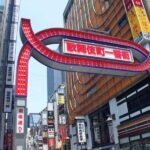
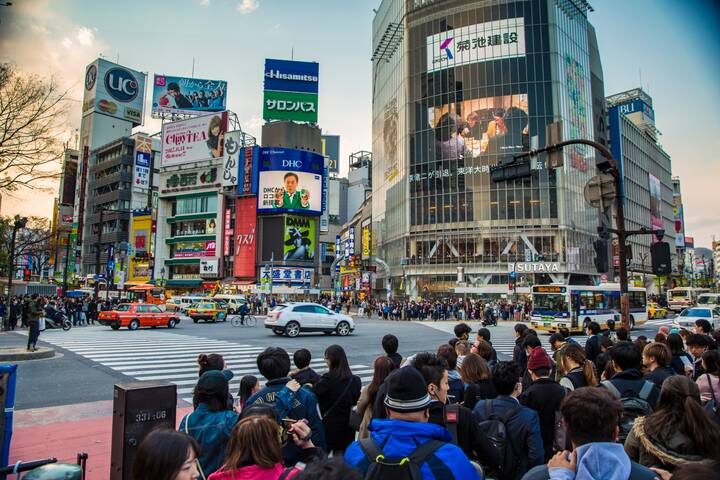
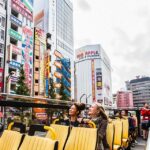
The next day’s walk links Shinjuku, Shibuya, and Harajuku. Rather than trying to cover all of Tokyo, the route introduces three areas with distinct personalities. You’ll get an orientation to the city and a chance to see how its neighborhoods shift in tone as you move between them.
Two nights is a brief introduction, not enough time to see Tokyo in depth. If the capital is a priority, consider adding nights before the tour. The first scheduled day is deliberately light, but you may appreciate that quiet start after a long flight.
Nagano: snow monkeys, a castle, and a temple
An early bullet train takes you from Tokyo to Nagano, a city in the Japanese Alps and host of the 1998 Winter Olympics. From there, the group visits Jigokudani Monkey Park, where Japanese snow monkeys bathe in natural hot springs.
The monkeys are the headline, but the setting matters too: this is a chance to see them in their natural environment rather than in a city zoo. The visit is a good fit if you enjoy wildlife, though you should be comfortable with the walking involved. G Adventures says it follows an animal welfare policy, and asks participants to report any mistreatment they see on tour.
One practical wrinkle: your main luggage is sent ahead using Japan’s takkyubin delivery service, so you won’t have it for about 24 hours. Pack an overnight bag with what you need for Nagano. This is a recurring feature of the trip, not a problem if you plan for it.
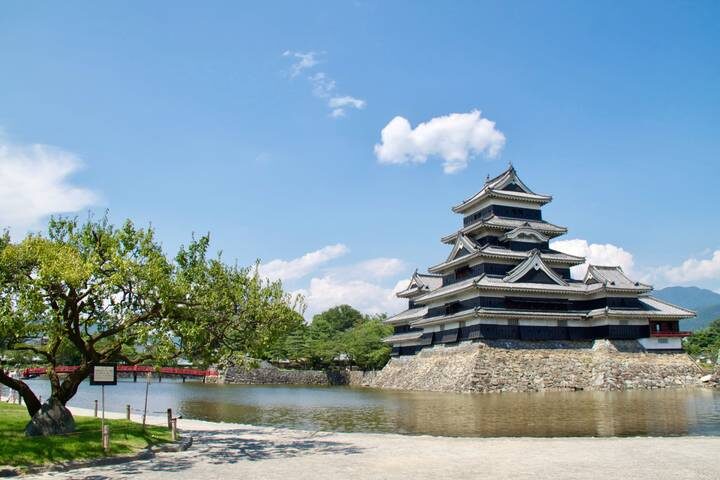
The following day is a rail trip to Matsumoto. Its castle is one of Japan’s most treasured, and a visit gives the tour a tangible connection to the country’s feudal past. You then return to Nagano for Zenkoji Temple, a major historic temple with a very different atmosphere from the castle.
These two days make a strong pairing: one focused on architecture and samurai-era history, the other on a working place of worship. The trade-off is that you’ll be moving between sights rather than spending a leisurely day in either town.
Otsu: a lakeside pause before the long crossing
The train from Nagano to Otsu takes about four and a half hours. Otsu sits beside Lake Biwa, Japan’s largest freshwater lake, and the evening is kept simple: take a walk by the water, then have a ramen dinner.
This stop offers a breather between the mountain region and the long journey west. It is not designed as a major sightseeing day, and that is probably a good thing. A short walk and a hot bowl of noodles make a gentle landing after hours on the train.
Hagi: the most personal two nights
The next rail journey to Hagi takes about six and a half hours, so expect a long travel day. You arrive in the late afternoon, meet local residents at a welcome ceremony, and join your host family for dinner. The homestay is part of G Adventures’ G for Good program, which supports community-based tourism.
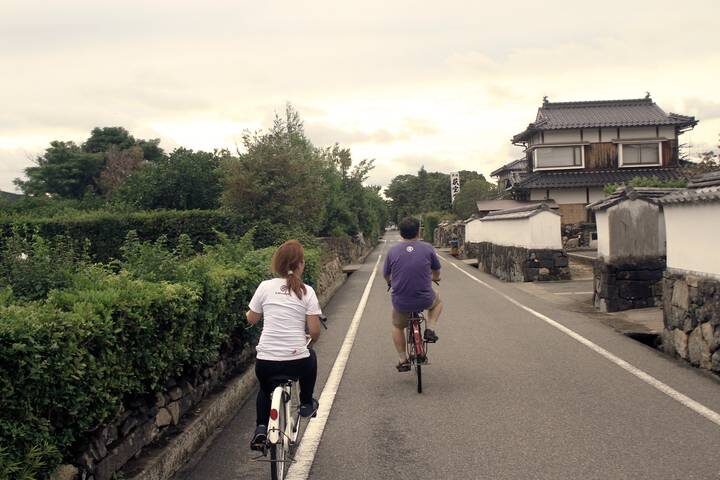
Hagi was once a castle town, and its samurai-era architecture gives the next morning’s guided bicycle ride a sense of place. Riding through the rural streets offers a slower view of Japan than the station-to-station rhythm of the first half of the trip.
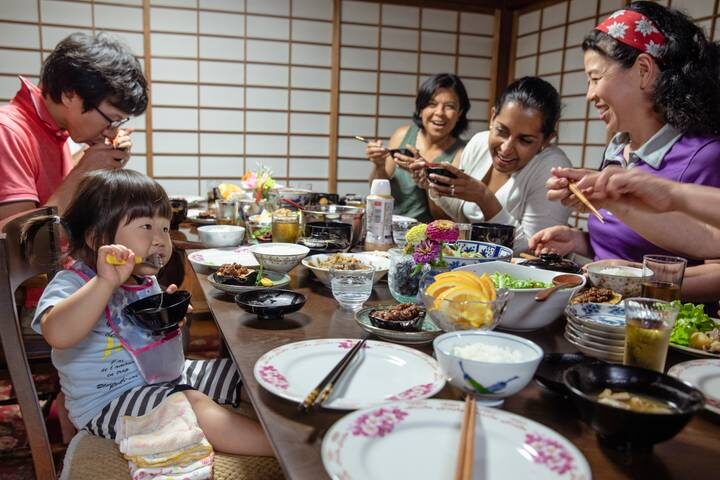
The heart of this stay is simple: shared meals and time with a local family. The supplied feedback singles out the welcome and warmth of the hosts as especially memorable. That kind of connection is not something you can schedule at every stop, and it is the clearest reason to choose this route over a faster tour of famous sights.
You’ll spend two nights in a homestay, with multi-share accommodation and typically traditional tatami bedding. If you need a different bedding arrangement, ask the local office about options before booking. Cycling is optional, so you can skip the ride if you prefer, though it is one of the best ways to see the town.
Your main luggage is sent on to Tottori before you leave Otsu. Pack a day bag for two nights in Hagi, including clothes suitable for cycling and, in colder months, warm layers. Only one bag per person is allowed on the luggage transfer without an extra charge.



Miho-misumi and Tottori: paper, coast, and sand
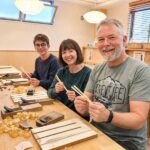
After breakfast with your host family, you travel by train to Miho-misumi. There, you’ll try making washi, traditional Japanese paper recognized by UNESCO. It is a welcome change of pace from sightseeing: you get to work with a local craft rather than simply look at finished objects.
A Japanese lunch overlooking the coastline follows before the journey continues to Tottori. The next morning, you visit the Tottori Sand Dunes, with some dunes reaching 50 meters high, then stop at the local fish market. Fresh seafood lunch is optional, so budget for it if that appeals to you.
Tottori gives the tour an unexpected shift in scenery. After temples, historic streets, and train stations, the open dunes and coast feel distinctly different. The stay is short, though, so this is a taste of the area rather than time to explore it at length.
Kyoto: one shared shrine visit, one open afternoon
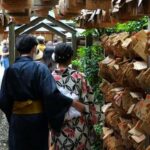
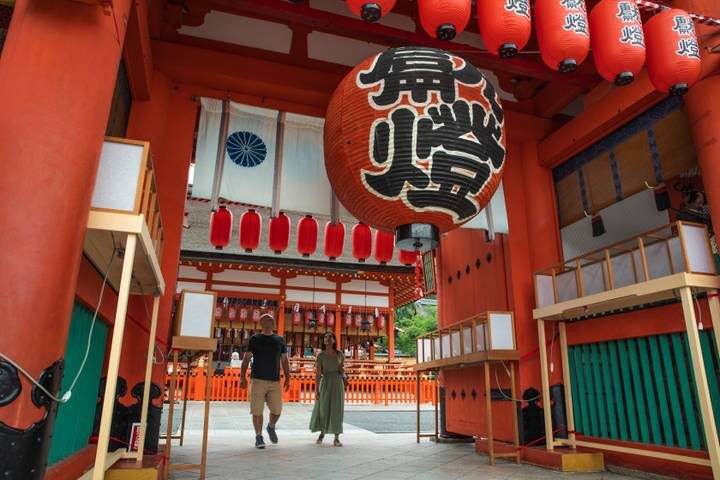
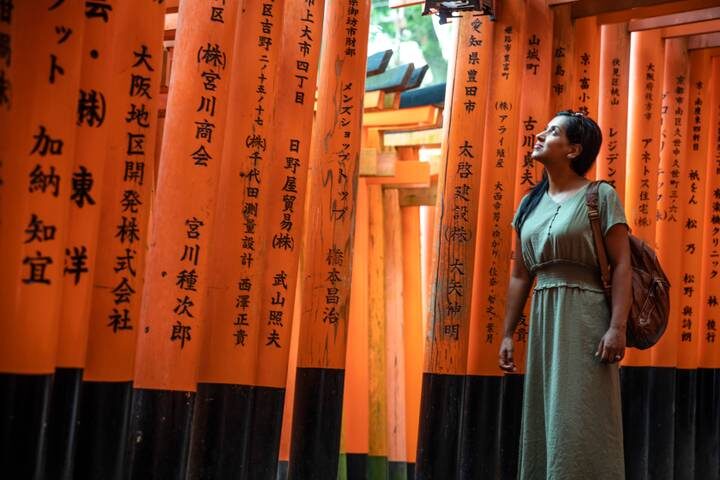
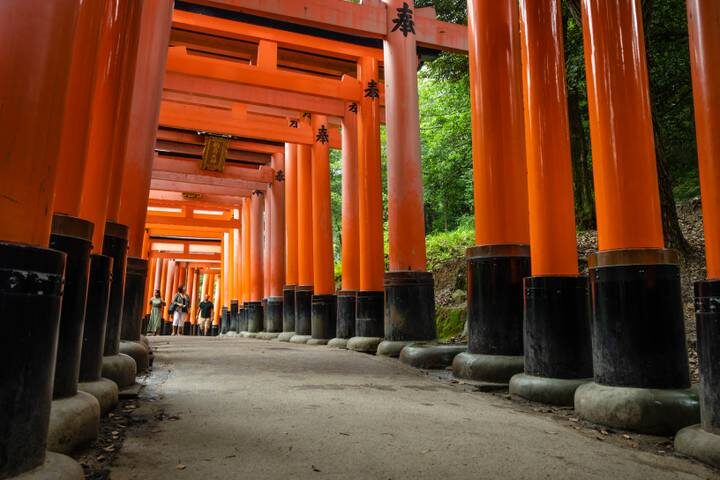
The train to Kyoto takes about three hours, and you’ll stay for two nights. The group visits Fushimi Inari Taisha, famous for its thousands of red torii gates winding up the hillside. It’s a memorable place, but it is also popular. If you want a quieter visit, use the free afternoon or arrange extra time before or after the tour.
The rest of that day belongs to you. You could visit a temple or garden, browse shops, walk through Gion, or take a train to nearby Nara or Osaka. Optional sights include Kiyomizu Temple, Nijo Castle and Gardens, and Kinkaku-ji, each with a separate admission fee listed as 400, 600, and 500 yen respectively.
Two nights gives you a start, not a full Kyoto visit. The tour recommends adding a post-tour night, and I agree with that advice if you want time for more than the group’s shrine visit and a quick look around. Kyoto has more than 2,000 temples, along with museums, castles, and traditional gardens. You’ll need to pick a few priorities rather than try to see everything.
What the price covers, and what it does not
Prices start at $3,114. That buys an 11-day guided group trip with eight hotel nights and two homestay nights, a CEO throughout, transport between destinations and included activities, and a 7-day Japan Rail Pass. Included visits range from the snow monkey park and Matsumoto Castle to the Hagi cycling excursion, washi lesson, Tottori dunes, and Fushimi Inari.
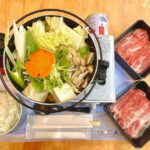
Meals are limited: three breakfasts, one lunch, and three dinners. Those include the ramen dinner in Otsu, meals with the host family, and lunch on the coast near Miho-misumi. You’ll need to cover most other meals yourself, as well as flights, travel insurance, optional activities, and any airport transfers. Budget extra for food and Kyoto admissions rather than assuming the tour price includes every meal and sight.
The value is strongest if you want the logistics handled. Japan’s rail network makes independent travel practical, but this route involves several connections, long journeys, and luggage transfers. Having the transport arranged and a CEO with the group can save planning time, while the small-group format keeps the trip more personal than a large coach tour.
The practical details that shape the trip
Plan to walk a lot. The tour estimates about 15,000 steps a day, and one participant described the trip as physically demanding, with mountains to climb and plenty of city walking. The official rating is low intensity, but that does not mean you can spend the days sitting down. Comfortable walking shoes and a manageable bag will make a real difference.
Japan’s bullet trains have a luggage size limit: your bag must measure less than 160 centimeters in total. Keep a smaller day pack for daily essentials, and be ready to carry your own luggage through busy stations and streets. Some two-story accommodations may not have elevators, so pack with stairs in mind.
The tour runs year-round and is open to ages 12 and up. Tattoos are not a cause for concern, but you may need to cover them, and they can prevent entry to some public spas or hot springs. The monkey park visit is included, but the tour does not include a separate onsen experience.
For the trip home, Kyoto is the finish point, not Tokyo. Transport back to Tokyo is not included, though it can be requested. Airport transfers are also not automatic. If you fly from Kansai International Airport, the listed options from Kyoto Station are the Haruka limited express, with the last train at 8:30 pm, and a bus, with the last departure at 10:10 pm. Check current schedules before travel.
Should you book this Japan tour?
Book it if you want more than the familiar Tokyo-and-Kyoto circuit. The strongest parts are the Hagi homestay, the scenic rail route, and the mix of places that are easy to overlook when planning a first trip on your own. You’ll also get a meaningful introduction to Japan’s castles, temples, food, and everyday transport.
Think twice if you want a slow holiday, dislike long train days, or need every meal and admission included. The 15,000-step average is a real consideration, and the brief stays leave limited time for independent exploring. Add nights in Tokyo or Kyoto if either city is high on your list. If you’re happy to trade extra time in the major cities for a two-night family stay in Hagi, this is a well-balanced way to see another side of Japan.
Back Roads of Japan 11-Day Tour by G Adventures
“This was an amazing tour. Be forewarned it's quite a physical tour with mountains to climb and lots of walking in cities. It is well worth it. The…”
FAQ
Where does the tour start and finish?
It starts in Tokyo and ends in Kyoto. Return transport to Tokyo is not included, but can be requested.
How many people are in the group?
The group size is 10 to 15 people. The tour is guided in English by a Chief Experience Officer throughout.
How much walking should I expect?
The tour advises you to expect about 15,000 steps a day and to spend much of the day on your feet. You’ll also carry your own luggage through stations and streets.
Is the Hagi cycling excursion compulsory?
No. You can choose not to take part in the cycling excursion.
What luggage should I bring?
Bring a day pack and a bag under 160 centimeters in total size. Your main luggage is sent ahead on some train journeys, so you’ll need an overnight bag for periods of about 24 to 48 hours without it.
What meals are included?
The tour includes three breakfasts, one lunch, and three dinners. Other meals are at your own expense.
Are flights and airport transfers included?
No. Flights and airport transfers are not included. Airport transfers can be requested, and the tour information lists train and bus options from Kyoto to Kansai International Airport.
What kind of accommodation is included?
You’ll stay in hotels for eight nights and a multi-share homestay in Hagi for two nights. Homestay bedding is typically traditional tatami mats.
Is the snow monkey visit included?
Yes. A visit to Jigokudani Monkey Park is included, where you can watch Japanese snow monkeys bathing in natural hot springs.