A private car turns a far-reaching day trip into a simpler affair: you can leave Tokyo for Mount Fuji, Hakone, Kamakura, or another Kanto destination without changing trains or hauling bags between stations. With a route you choose and a driver behind the wheel, the day can bend around your interests instead of a fixed group schedule.
I like the freedom to set the stops and the practical help of a driver who can adjust the route for traffic. The trade-off is that this is transport with driver advice, not a guided tour: you’ll need to plan what to see and where to eat, and long-distance routes can feel rushed.
- Key points before you book
- A private car makes distant sights easier to reach
- Pick one route, not the whole Kanto map
- The driver helps with the road, not every doorway
- Choose a vehicle for passengers and luggage
- Know where the price can grow
- Plan the day around traffic and your own pace
- What the mixed service record means for you
- Who should book this private charter?
- FAQ
- How long is the car service?
- Where does the tour pick you up?
- Can I choose the itinerary?
- Does the driver act as a tour guide?
- What languages may the driver speak?
- How many passengers can each vehicle take?
- How much luggage can I bring?
- Are child seats available?
- What costs are not included?
- What happens if I need more time?
- The Best Of Fujiyoshida!
- More Private Tours in Fujiyoshida
- More Tours in Fujiyoshida
- More Tour Reviews in Fujiyoshida
- Not for you? Here's more nearby things to do in Fujiyoshida we have reviewed
Key points before you book
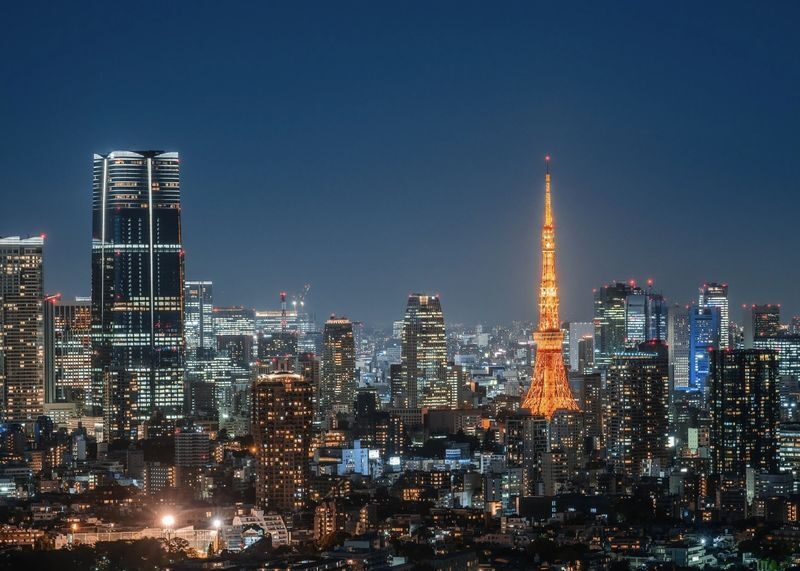 1 / 9
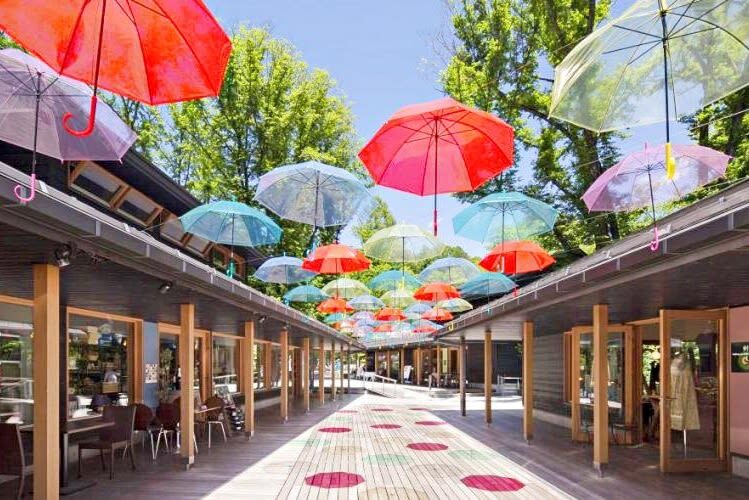 2 / 9
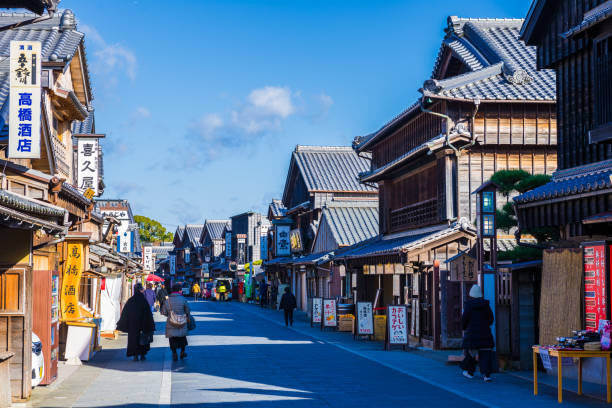 3 / 9
 4 / 9
 5 / 9
 6 / 9
 7 / 9
 8 / 9
 9 / 9
- Choose one sensible route: Fuji, Hakone, Kamakura, Kawagoe, Nikko, and Karuizawa are options, not stops to cram into one day.
- You explore on your own: The driver takes you between sights and can explain how to approach them from the car, but does not accompany you inside.
- The car can suit families and groups: The 7-seater fits up to six passengers; the 10-seater fits up to nine.
- Traffic can reshape the day: A late start for Nikko, for example, can mean dropping a planned stop.
- Check the clock and distance: Extra time costs JPY 5,000 per hour, and driving beyond 300 kilometers adds JPY 400 per kilometer.
- The price is per private vehicle experience: The listed starting price is $328.69. Its value improves when the group shares the cost.

👉 See our pick of the 3 Best Tours In Fujiyoshida
A private car makes distant sights easier to reach
This tour is best understood as a hired car for the day, with a driver who can offer route advice. You pick the destination and decide how long to spend at each stop. That control matters when you have children, older family members, or a place on your wish list that sits awkwardly beyond a train station.
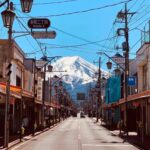
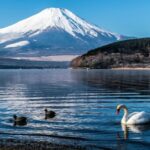
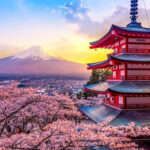
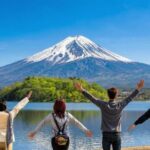
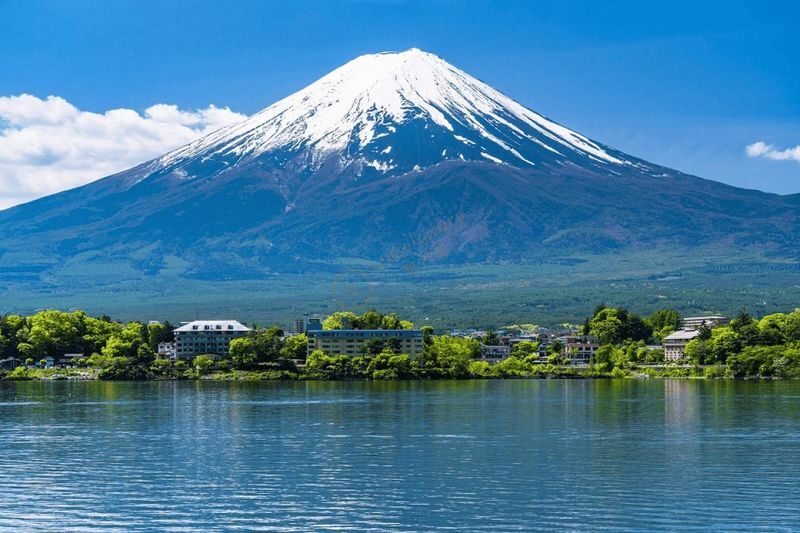
The main gain is time spent on your own plans rather than transfers. On a Mount Fuji day, for instance, you might choose Arakurayama Sengen Park, the Mount Fuji Panoramic Ropeway near Lake Kawaguchi, and Oshino Hakkai. A car makes that multi-stop loop much easier than working out each leg by public transport. It doesn’t make the distances disappear, though. Pick a compact route and leave room for traffic, parking, and the time you’ll want at each place.
The listed experience runs from 09:00 to 18:00, while its service terms describe a 10-hour charter. The terms also say that pick-up and drop-off outside Tokyo’s 23 wards can reduce service time to eight hours. Confirm the exact hours for your selected package and addresses before booking, rather than assuming that every route gets a full 10 hours.
You can also read our reviews of more private tours in Fujiyoshida


Pick one route, not the whole Kanto map
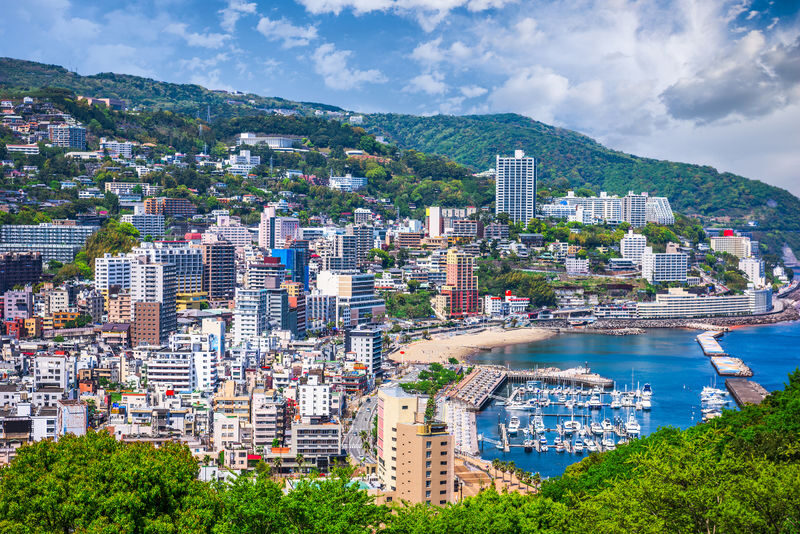
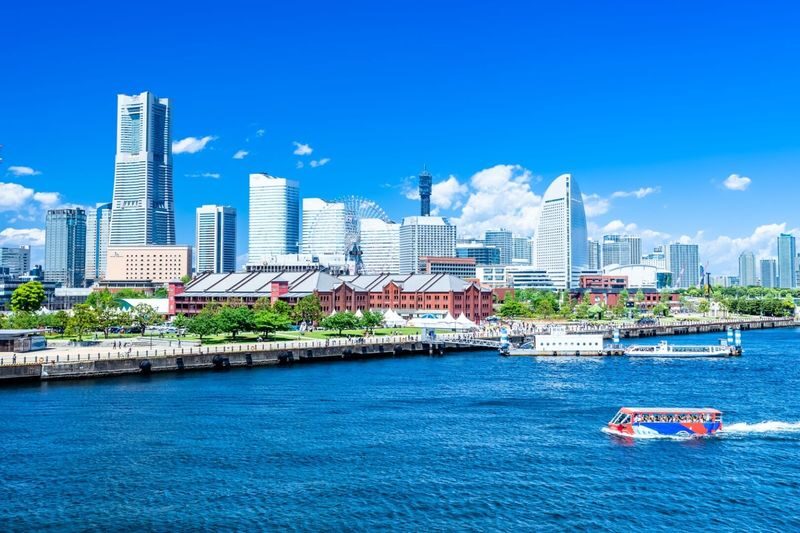
The package menu covers Tokyo, Yokohama, Kamakura, Hakone, Mount Fuji, Karuizawa, Nikko, Kawagoe, Izu, and Atami, among other choices. Some combinations are offered, such as Tokyo and Yokokohama, Tokyo and Kamakura, or Tokyo and Hakone. Treat these as separate route ideas, not an invitation to string together every famous name in one day.
For a Tokyo city day, one suggested sequence runs from Kaminarimon and Senso-ji to Tokyo Skytree, then on to Nakameguro and Shibuya or Takeshita Street. It gives you a mix of temple grounds, city views, and busy shopping streets. The drawback is that each stop has its own pace. If you want time to visit a site, browse, and eat, keep the list short.
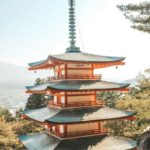
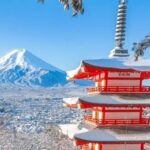
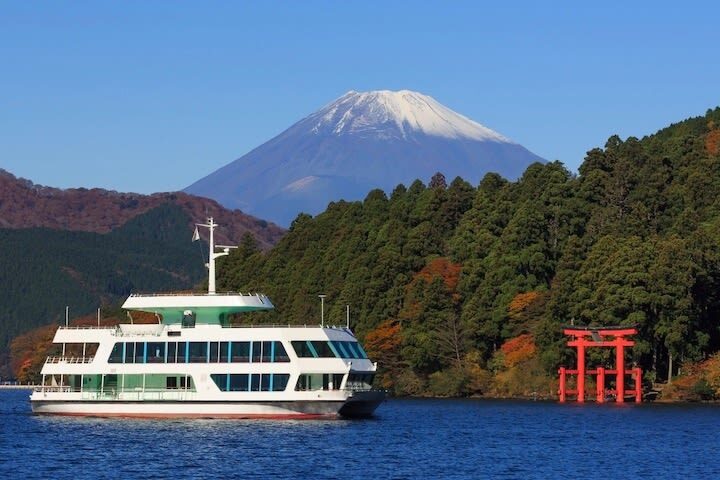
A Fuji-area route suggests Arakurayama Sengen Park, the ropeway near Lake Kawaguchi, Mt. Tenjo Park, and Oshino Hakkai. Each stop offers a different way to experience the area, but weather can affect what you see. The operator can cancel for extreme weather or unforeseen events, and the day’s schedule may change because of weather or traffic. If your main aim is a clear view of Fuji, keep expectations flexible and ask the driver about route options on the day.
Kawagoe offers a more contained outing: Kawagoe Hikawa Shrine, Koedo Kawagoe’s shopping street, Candy Alley, and Kawagoe Kumano Shrine are among the proposed stops. One family chose it for a less crowded day out, and the driver took them between their chosen locations as they were ready. That stop-and-go rhythm suits a town where you may want to linger, sample food, or browse without watching a bus departure time.
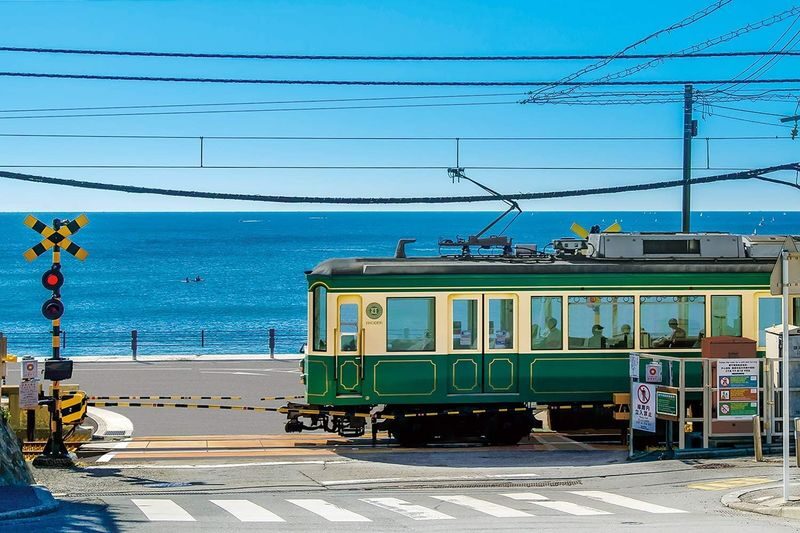
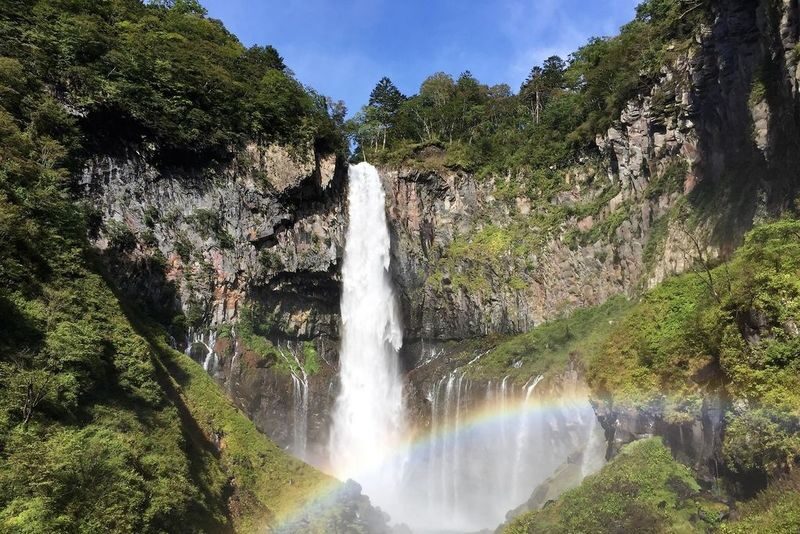
Other options suit different priorities. Kamakura and Yokohama offer distinct city and cultural stops; Hakone and Nikko combine more spread-out sights; Karuizawa is a longer regional trip. A reviewer who planned Nikko found heavy Tokyo traffic delayed arrival until around noon, leaving time for Toshogu Shrine and Kegon Falls but not Kinugawa. That is a useful warning: on a long drive, a short list is often the wiser list.
The driver helps with the road, not every doorway
Drivers are assigned with Chinese, Japanese, or English language support. You can request a language in advance, and the operator will try to arrange it, but it is not guaranteed. Translation software may be used if a requested language is unavailable. If language matters to your group, make the request early and confirm what support you have before the trip.
The driver’s role is practical. You’ll be taken to the sights, then explore independently; the driver does not accompany you inside. One family found the car especially useful for connecting Yokohama’s Anpanman Children’s Museum with the Fujiko F. Fujio Museum on the return to Tokyo. That kind of direct routing is a real advantage when travelling with a small child, but admission, meals, and your own plans at each stop remain your responsibility.
Several drivers are named in family accounts: Zhang was praised for patience with a lively two-year-old; Xu drove a Kawagoe route; and Mr. Kakinuma adjusted a Fuji outing for a family with seniors and a toddler. Mr. Matsumoto was credited with responding to a vehicle problem and giving introductions along the way. These examples show what a helpful driver can add, but service is not uniform. One customer was disappointed that the driver offered little help beyond driving, while another wished for short introductions at the destinations.
Choose a vehicle for passengers and luggage
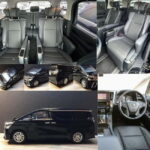
The 7-seater option is a Toyota Alphard, Vellfire, or similar, with room for up to six passengers and four pieces of 24-inch luggage. The 10-seater is a Toyota Hiace or similar, with room for up to nine passengers and nine pieces of that size. Children and infants count toward the passenger limit.
If you have fewer passengers than the vehicle’s maximum, the terms allow one extra piece of luggage for each unused passenger place. That can help when you’re travelling with bulky bags, but make sure your chosen vehicle still works for the actual group and luggage count. The first child seat is free; each additional seat costs JPY 2,000, payable to the driver. Add your request in the booking remarks.
The vehicle is private, so you won’t share it with another booking. That’s useful for family groups and anyone who values a quiet ride or wants to change the order of stops. But the model is not guaranteed beyond the stated options or a similar vehicle. If comfort matters on a long drive, ask about the vehicle before confirming. A past complaint described an older, unclean 7-seater with an uncomfortable third row, while other customers found their cars clean and comfortable.
Know where the price can grow
The starting price is $328.69. Since the car is private, the best way to judge the value is by group size and the trip you’re replacing. Split among a family or a small group, it may compare well with arranging several transfers, especially when your stops are spread out. For one or two people on a short, easy train route, the extra space and convenience may not justify the cost.
Tolls, fuel, round-trip transfers, and operator-provided insurance are included. Admission tickets, food, drinks, tips, and personal expenses are not. The terms list a JPY 5,000 hourly charge for service beyond 10 hours, with any part of an hour counted as a full hour. They also list JPY 400 per kilometer once the total distance exceeds 300 kilometers.
Airport pick-ups have separate surcharges: JPY 20,000 for a 7-seater or JPY 25,000 for a 10-seater at Narita, and JPY 12,000 or JPY 16,000 respectively at Haneda. The terms also state that service outside Tokyo’s 23 wards may be limited to eight hours, with extra charges possible for locations outside the listed service area. These details can change the value of a far-reaching route, so check the exact pick-up and drop-off addresses and route distance before you pay.


Plan the day around traffic and your own pace
The operator asks you to arrive five minutes before pick-up and says it will reconfirm the time in advance. You enter your hotel name and address during booking. Confirmation is due within 24 hours; if it doesn’t arrive, contact customer support.
Your best preparation is a short, ordered wish list. Mark the two or three sights that matter most, then keep one optional stop for a day when traffic and timing cooperate. A January Hakone outing reportedly fit more stops than originally planned after the driver suggested changes based on local traffic. That is the sort of useful flexibility to welcome, but it works best when you already know what you’re willing to skip.
Do your own homework on opening times, admission, and lunch. A driver may know the route and suggest points of interest, but the service does not include a tour guide. One Nikko customer found there was no guide and advised planning lunch independently; another group lost time because a garden they had planned to visit was closed. A quick check before departure can prevent a long drive to a locked gate.
The day is subject to road and weather conditions, and the schedule can change. If you cancel at least 24 hours before the activity date, the stated policy offers a full refund. Late arrival or a no-show is not eligible for a refund, and an operator cancellation for extreme weather or other unforeseen events may allow a reschedule or refund, subject to availability.
What the mixed service record means for you
The strongest points are punctuality, helpful routing, and patience with families. Customers praised drivers who arrived early, waited while a group explored, and adjusted plans for seniors or children. One family also said a driver suggested an itinerary that fit more stops into the day. For a private car service, these small acts matter: they reduce the friction between one sight and the next.
Still, the experience depends on the assigned driver and vehicle. Alongside praise, there are complaints about a dirty car, limited assistance, outdated seating, a short-notice cancellation, and one serious allegation of a driver dozing while driving. That report is troubling, though it does not establish how common the problem is. If you ever feel unsafe, speak up and contact the operator. Confirm the vehicle and driver details before departure, and don’t treat a high overall rating as a guarantee of identical service every time.
Language is another point to settle early. The listed support includes Chinese and Japanese professional drivers, while the additional terms also mention English as a possible assignment. One group found communication difficult when their driver was not fluent in English, so request your preferred language and be ready for a translation app if the request cannot be met.
Who should book this private charter?
I’d consider this car for a family, a group of friends, or anyone with limited time who wants to connect several stops that are awkward by train. It is particularly useful when you have children, seniors, luggage, or a route that needs flexibility. The examples from Fuji, Hakone, Kawagoe, Kamakura, and Yokohama show how a driver can make a regional day trip less complicated.
I would skip it if you want a guide to walk you through each attraction, prefer a fixed group itinerary, or plan to spend the day at just one easily reached place. For the best value, choose one destination area, keep the stop list realistic, confirm the service hours and language, and check extra-distance costs. If those conditions suit you, the private charter can buy you a calmer, more adaptable day out from Tokyo.
Kanto Private Chartered Car Custom Day Tour | Kamakura & Yokohama & Hakone & Mt. Fuji & Karuizawa | Departing from Tokyo
“Since my two-year-old nephew wanted to visit the Anpanman Children's Museum in Yokohama during our trip to Japan, we hired a private car for the da…”
FAQ
How long is the car service?
The timetable gives a 09:00 departure and an 18:00 return, while the service terms describe a 10-hour charter. Pick-up and drop-off outside Tokyo’s 23 wards may reduce service time to eight hours, so confirm the hours for your selected route and addresses.
Where does the tour pick you up?
Pick-up is from your hotel or personal address in Tokyo. You provide the hotel name and address when booking, and the operator reconfirms the pick-up time.
Can I choose the itinerary?
Yes. You can arrange the departure time and route, and choose from options including Tokyo, Yokohama, Kamakura, Hakone, Mount Fuji, Kawagoe, Nikko, and Karuizawa.
Does the driver act as a tour guide?
No. The driver takes you between stops and can explain sightseeing strategies from the car, but does not accompany you into attractions.
What languages may the driver speak?
Chinese, Japanese, or English may be available. You can request a language in advance, but the operator does not guarantee it; translation software may be used if the request cannot be arranged.
How many passengers can each vehicle take?
The 7-seater, such as a Toyota Alphard or Vellfire, takes up to six passengers. The 10-seater, such as a Toyota Hiace, takes up to nine. Infants and children count toward the passenger total.
How much luggage can I bring?
The 7-seater has room for four pieces of 24-inch luggage, and the 10-seater for nine. If you have fewer passengers than the vehicle’s maximum, the terms allow one additional piece of luggage for each unused passenger place.
Are child seats available?
The first child seat is free. Each additional seat costs JPY 2,000, payable to the driver. Add the number you need in the booking remarks.
What costs are not included?
Admission to attractions, meals, drinks, tips, and personal expenses are not included. Tolls, fuel, round-trip transfers, and operator-provided insurance are included.
What happens if I need more time?
Service beyond 10 hours costs JPY 5,000 per hour, payable on-site. Any part of an extra hour is counted as a full hour.