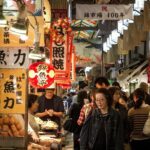
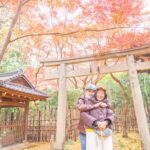
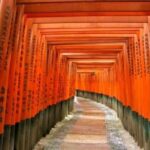
Katsuo-ji’s hillsides are dotted with Daruma dolls, each one tied to someone’s hope for victory or perseverance. I like that this trip pairs that lively temple visit with Miyama’s quiet thatched-roof village, then finishes among Arashiyama’s river, bamboo, and traditional sights. It’s a striking change of pace in one day.
I also like the practical value: Katsuo-ji and Miyama are awkward to connect by public transport, and this tour takes care of the long transfers. The trade-off is time. Arashiyama gets about two hours, Miyama around 45 minutes, and traffic can squeeze those stops further.
- What to know before you go
- A full day linking three very different places
- Katsuo-ji and its hillside of wishing Daruma
- Miyama’s thatched roofs and red mailbox
- Arashiyama’s river, bamboo, and shrine
- Transport, guides, and the day’s pace
- Is .85 good value?
- Who should book this trip?
- Practical details to keep in mind
- Should you book it?
- FAQ
- How long is the tour?
- Where does the tour depart from?
- What time should I arrive at the meeting point?
- Is a guide included?
- Are the attractions guided tours?
- How much time is scheduled at each stop?
- Is admission to Katsuo-ji included?
- Is Tenryu-ji admission included?
- Can I bring luggage?
- When will I get the guide and vehicle details?
- The Best Of Kyoto!
- More 1-Day Tours in Kyoto
- More Tours in Kyoto
- More Tour Reviews in Kyoto
- Not for you? Here's more nearby things to do in Kyoto we have reviewed
What to know before you go
 1 / 10
 2 / 10
 3 / 10
 4 / 10
 5 / 10
 6 / 10
 7 / 10
 8 / 10
 9 / 10
 10 / 10
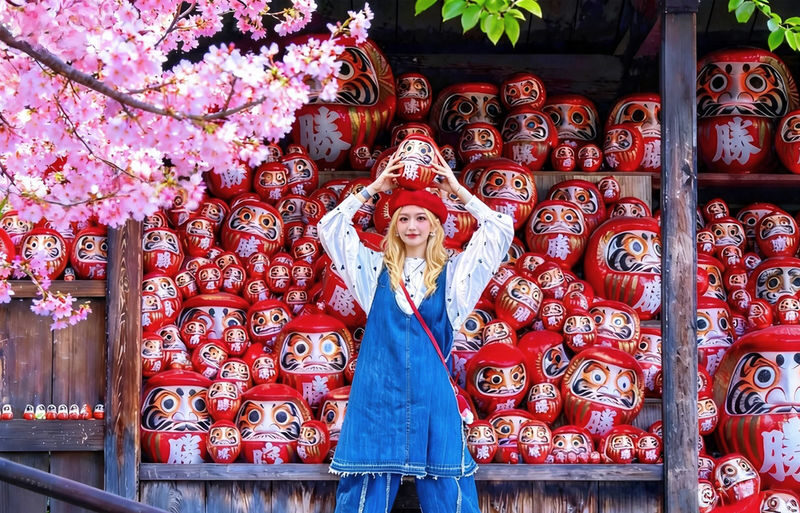
- Katsuo-ji’s Daruma dolls turn a temple visit into a personal ritual: choose a doll, write your wish, and paint its right eye.
- Six temple stamps can be collected for a limited-edition postcard, with versions that may differ from visit to visit.
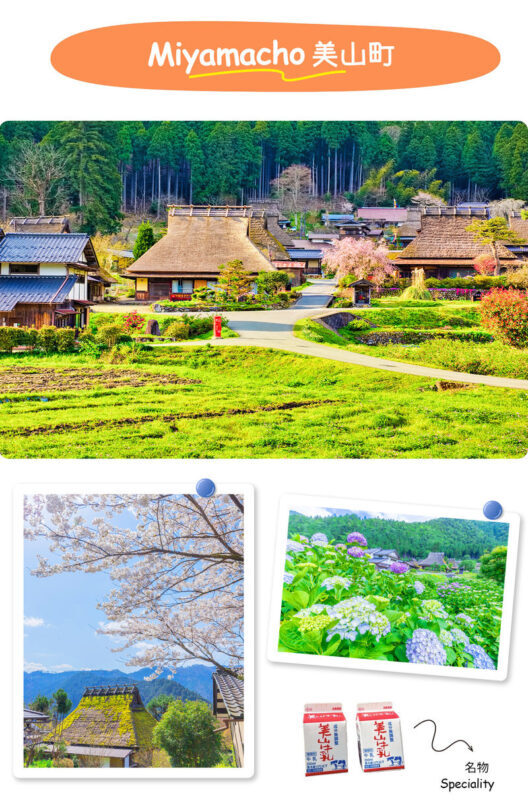
- Miyama’s Kayabuki no Sato is a small, traditional village with thatched houses, a red mailbox, and local milk and ice cream.
- Arashiyama packs in several sights, including Togetsukyo Bridge, the bamboo path, Kimono Forest, Nonomiya Shrine, and Tenryu-ji.
- The day is mostly self-guided at stops, so you can wander at your own pace, but you need to keep an eye on the clock.
- The vehicle and guide experience can vary: the group may be as small as six or as large as 48, and smaller groups may use a compact vehicle.
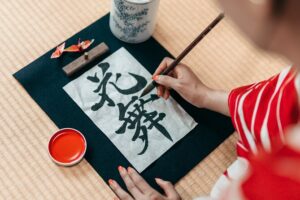
👉 See our pick of the 25 Best Workshops And Classes In Kyoto
A full day linking three very different places
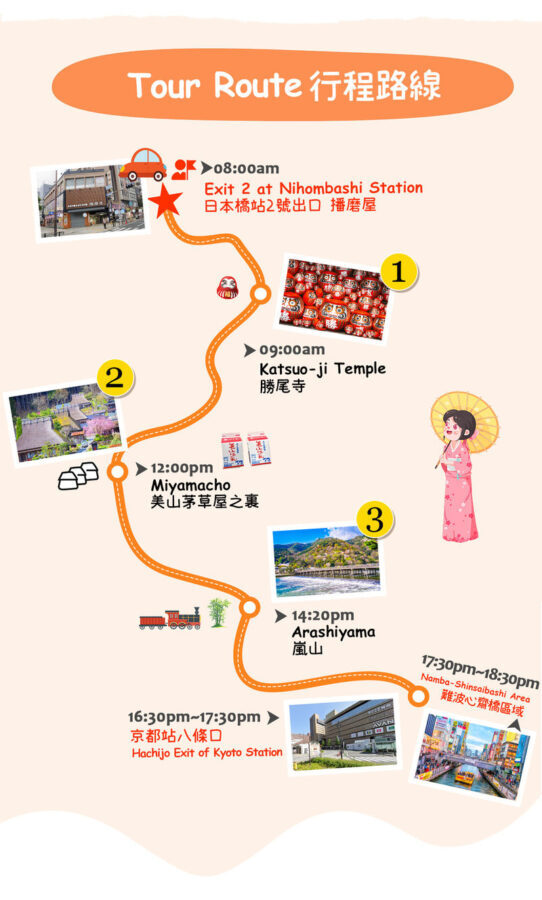
This is a long-distance day trip, not a slow temple-and-teahouse outing. You leave Osaka at 8:00, visit Katsuo-ji in the morning, continue to Miyama, and spend the afternoon in Arashiyama before returning. The appeal is variety: a devotional site, a rural settlement, and one of Kyoto’s best-known scenic areas.
The journey also solves a real planning problem. Katsuo-ji and Miyama are not convenient stops to combine on your own in one day, and the driving between them takes time. The bus or minibus does the connecting work, while you can rest between visits instead of sorting out several transfers.
At each attraction, the guide’s role may be more about transport, timing, and a briefing than walking beside you throughout the visit. Some guides give explanations and suggestions before you get off. If you want continuous commentary, confirm the language package and expectations before booking. The tour offers Mandarin- and English-speaking options, but the guide assigned on the day can vary.
You can also read our reviews of more tours and experiences in Kyoto

Katsuo-ji and its hillside of wishing Daruma
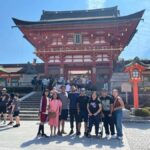
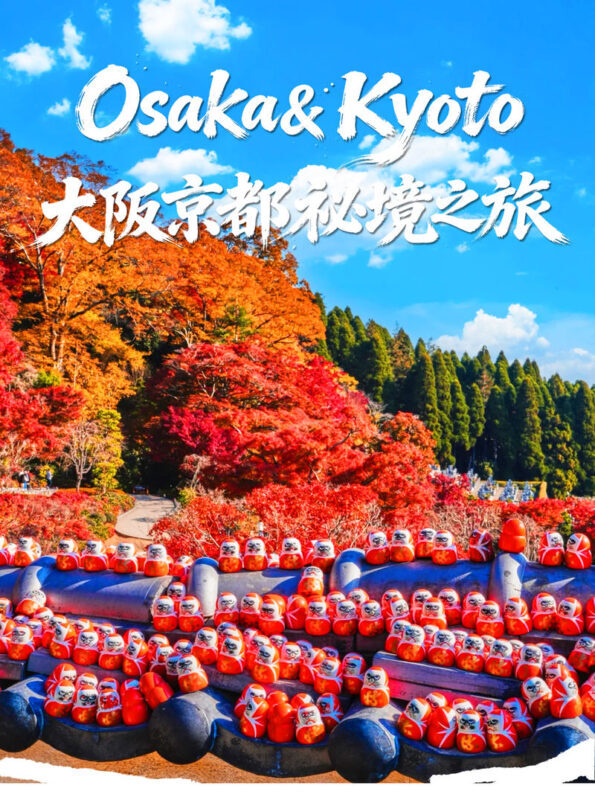
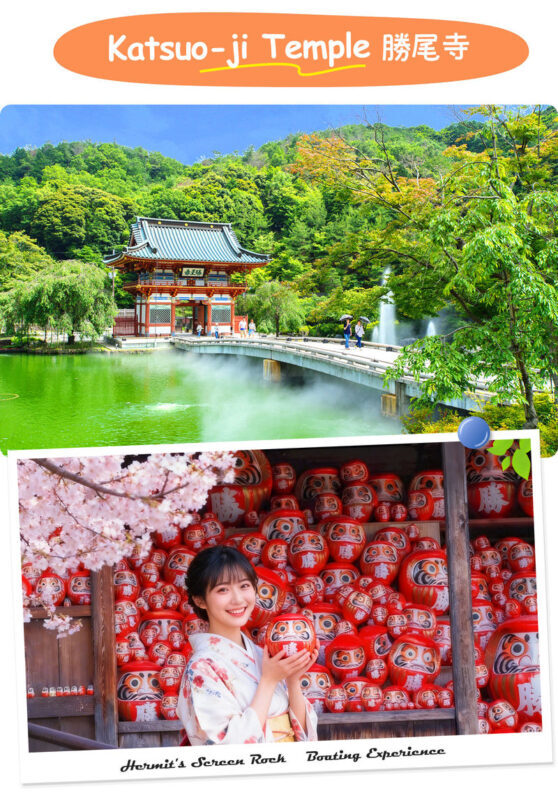
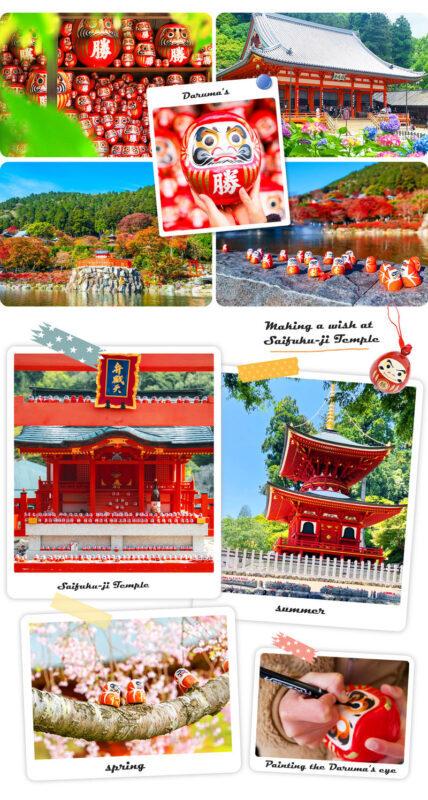
The first stop is Katsuo-ji, in northern Osaka, with about one hour and 20 minutes to explore. The approach through the vermilion gate and over the Purification Bridge sets a ceremonial tone. The grounds rise over a hillside, and small Daruma dolls appear across the temple, making the site feel both sacred and unexpectedly playful.
The Daruma ritual gives the visit a personal focus. You can choose a doll, write your wish, and paint its right eye before taking it home. If the wish comes true, the custom is to bring the Daruma back, paint in the left eye, and offer it in thanks. You do not need to take part to enjoy the grounds, but the ritual adds meaning to what might otherwise be a quick photo stop.
There are also six stamp locations around the temple. Collect all six to receive a limited-edition postcard. Treat this as a small scavenger hunt rather than a task to race through: you have enough time for a look around, but you will still need to leave room for the stamps and the temple’s other details.
The early arrival can work in your favor. It places Katsuo-ji first, before the day’s other major stops, and some departures have reached the temple ahead of the thicker tour groups. Still, crowd levels change with the season and day, so don’t count on an empty courtyard.
Admission is not included. The listed fee is 500 yen for high school students and adults, 400 yen for junior high and elementary school students, 100 yen for preschool children, and free for children under two. Bring some room in your schedule for a quick purchase or photo, but remember that the departure time is fixed.
Miyama’s thatched roofs and red mailbox
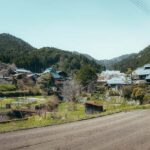
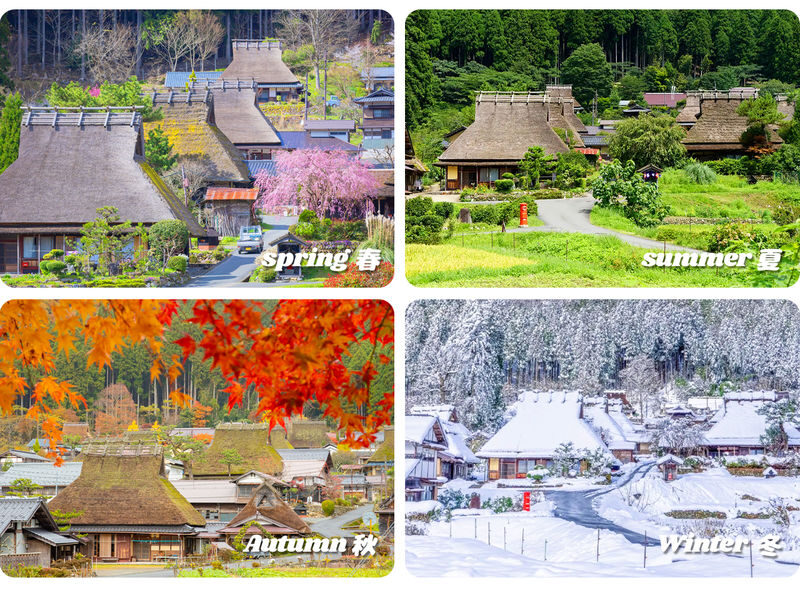
Around midday, the tour reaches Kayabuki no Sato, also called Miyama Thatched Village. The planned stop is about 45 minutes, which is enough for a short walk and a taste of the village, not a long rural visit. Its thatched roofs and mountain setting offer a sharp contrast to Osaka’s city streets and Kyoto’s busier central sights.
The red mailbox is a popular photo point and a useful landmark as you explore. The village’s appeal lies in its ordinary details: traditional houses, green hills and streams, and a quieter pace than you’ll find in the city. If you have time, try Miyama milk or ice cream, both local specialties highlighted for the stop.
The short visit is the main limitation here. If you want to linger over a drink, take photographs, and walk every lane at an unhurried pace, 45 minutes may feel tight. Keep the return time in mind before you stop for food, and decide whether you’d rather browse or sit down.
Miyama is one of the places where transport adds the most value. It is remote compared with central Kyoto, and reaching it independently takes more planning. This tour makes a brief introduction easy, though it won’t suit you if you want a full afternoon in the village.
Arashiyama’s river, bamboo, and shrine
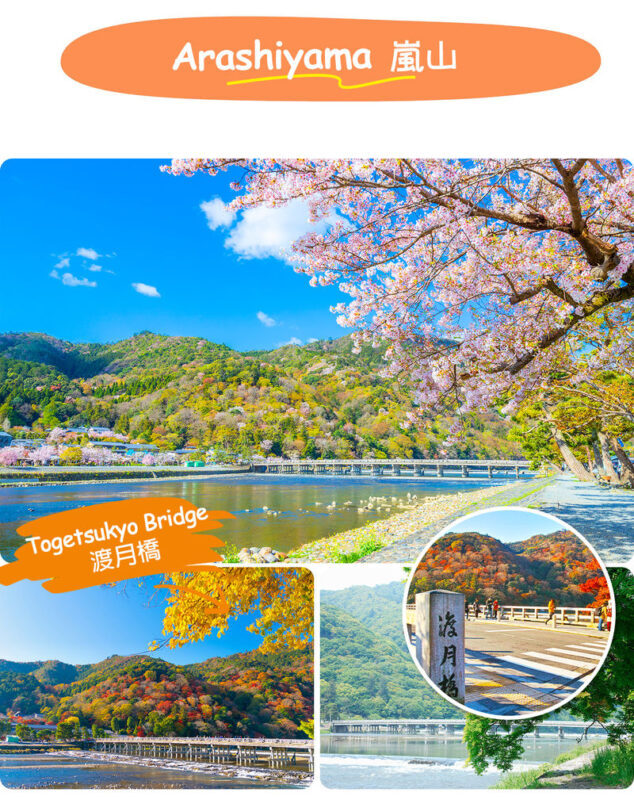
The final major stop is Arashiyama, with roughly two hours scheduled from about 14:20. That sounds generous until you consider how many places are on the list. Togetsukyo Bridge, the bamboo path, Kimono Forest, Nonomiya Shrine, and Tenryu-ji all compete for your attention, and the actual order or time available can change with traffic, weather, or crowding.
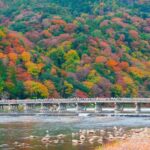
Togetsukyo Bridge spans the Katsura River and is a classic Kyoto view. The scenery shifts with the seasons, so the bridge is a good place to pause and take in the river and surrounding hills. It is also a practical point for getting your bearings before you head toward the other sights.
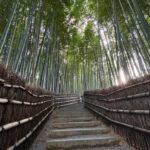
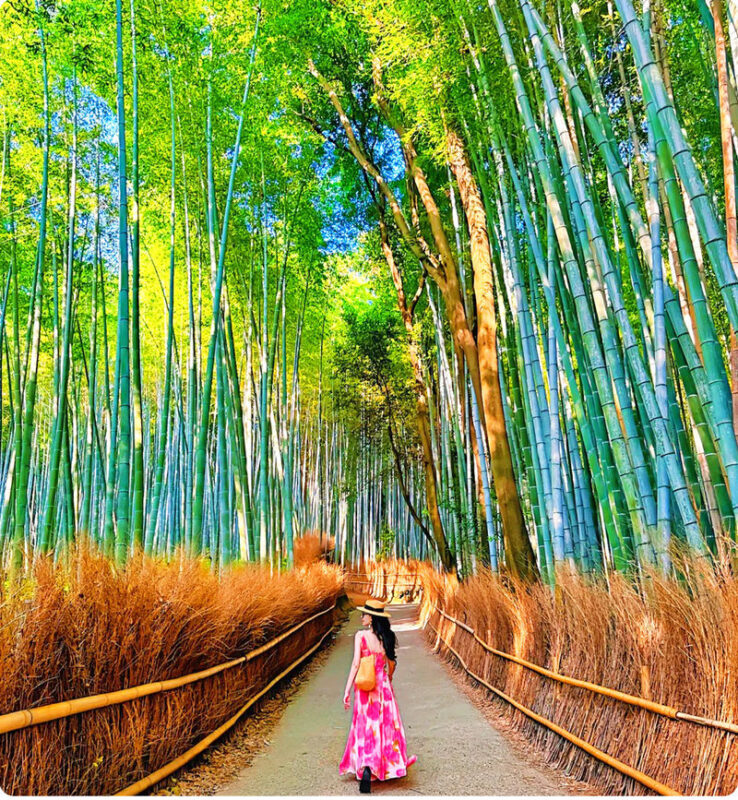
The Sagano Bamboo Forest Path is short but memorable. Tall bamboo frames the route, and wind moving through the stalks gives the walk its quiet, natural feel. The path is popular, however, and can be crowded. If you’re hoping for solitude, set expectations accordingly and enjoy the changing light and patterns rather than waiting for an empty lane.
Kimono Forest, near the station, offers a different kind of visual stop. Its light-and-pattern installation uses traditional Yuzen designs, creating a more modern, decorative contrast with the bamboo and temple scenery. It is worth seeing if you have time, but it is one of several optional stops in a tightly packed area.
Nonomiya Shrine sits near the bamboo path and is associated with prayers for love and marriage. You can make a quiet visit as you pass through, though the tour’s short Arashiyama window means you may have to choose between spending longer at the shrine and seeing another attraction.
Tenryu-ji’s garden is another possible stop, with a pond and seasonal views. Entry to the gardens, halls, and Dharma Hall is not included, and the schedule may not leave enough time for every paid area. Ask the guide what is realistic when you arrive, then choose the visit that matters most to you.
The operator notes that some attractions may be skipped because of capacity or weather. This is especially relevant in Arashiyama, where the compact sightseeing window meets several popular spots. Think of the list as a set of options, not a guarantee that you’ll have leisurely time at each one.
Transport, guides, and the day’s pace
The tour includes round-trip transport from the Osaka meeting point and a guide speaking the language selected when booking. The group size can range from six to 48. If the group is small, the operator may use a smaller vehicle and the driver may also guide; the vehicle type is not guaranteed.
That flexibility helps the tour run with different group sizes, but it affects comfort. Some visitors have found smaller vehicles cramped, particularly with a backpack or long legs. Large suitcases are not a good fit for small-group vehicles, and any luggage must be declared when booking. One piece per person is permitted only if you notify the operator in advance.
Guide service also varies. Guides named in past tour experiences include Zhang Yanjin, Owen, Kangfu, and Bunny, but you cannot assume you’ll have a particular person. Many guides offer helpful explanations, timing reminders, or photo suggestions. The trip is still largely self-guided at each stop, so it works best if you’re comfortable finding your own way around after a briefing.
Choose the language option carefully. English- and Mandarin-speaking packages are offered, and mixed-language groups may share a vehicle. If commentary in English is important to you, make sure you book the English option and confirm the day-before message. Do not assume every explanation will be delivered in both languages.

Is $44.85 good value?
At a starting price of $44.85, the strongest value is the transport. You get access to three widely separated areas in one day without planning the routes yourself, and you avoid the challenge of connecting remote Miyama with Katsuo-ji and Arashiyama. For a first visit to Kansai, that convenience can be worth more than a longer stay at any one stop.
The price does not cover Katsuo-ji admission, Tenryu-ji’s paid areas, meals, drinks, or personal purchases. Add those costs to your budget, especially if you plan to collect the temple postcard or enter Tenryu-ji. There is time for a snack or quick meal, but the schedule is not built around a long lunch.
You are paying for coverage and convenience, not depth. If you prefer to study one temple, spend an afternoon in Miyama, or take long breaks, an independent itinerary may suit you better. If your priority is seeing three distinct places without handling the transportation yourself, this is a practical way to do it.
Who should book this trip?
I’d consider this tour if you’re staying in Osaka, have limited time, and want to see places that are inconvenient to link by public transport. It is particularly useful for a first visit, when you may want a broad sense of the region before deciding where to return for longer.
It can also suit families who enjoy visual, easy-to-understand sights. The Daruma dolls give children something to look for, and the village and bamboo path offer variety. Children under two ride free if they do not need a separate seat, but infants still count in the passenger headcount. Children aged three and older pay the adult rate, and child seats are not available.
I would skip it if cramped transport would spoil your day, you need a slow pace, or you expect a guide to lead you continuously at every stop. The key question is simple: do you want to see more places with less transport planning, or fewer places with more time to explore?
Practical details to keep in mind
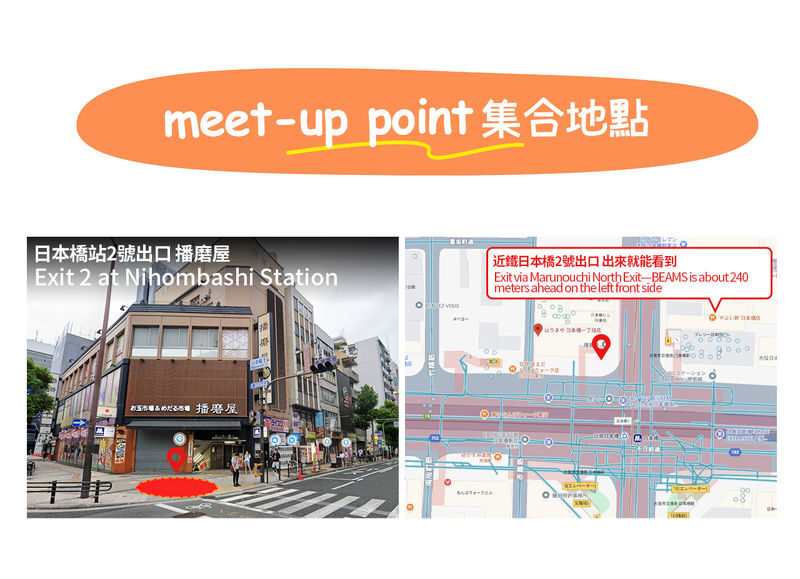
Meet in Osaka at 8:00 at Harimaya, 1-3-11 Nipponbashi, near Nihombashi Station Exit 2. Arrive at least 10 minutes early and look for the guide holding a GOGODAY flag or company sign. The guide and vehicle details are sent by email between 20:00 and 21:00 the day before, so check your junk folder too.
The return estimates are 16:30 to 17:30 at Kyoto Station’s Hachijo Exit bus area, or 17:30 to 18:30 at Osaka Kintetsu Nippombashi. Traffic and weather can delay the return, so don’t schedule another activity that evening. The route and stop times may change, and late arrivals or no-shows are not refunded.
The tour requires at least six participants; if that minimum is not met, the operator may offer a new time or a refund. Cancellation at least 24 hours before the activity date qualifies for a full refund under the stated policy. Travelers aged 70 or older and pregnant participants must arrange a signed waiver in advance.
Should you book it?
Book this trip if you want an efficient day connecting Katsuo-ji, Miyama, and Arashiyama, and you’re happy to explore on your own between brief guide introductions. The Daruma ritual, rural village, and bamboo path make a satisfying mix, while shared transport takes the strain out of a complicated route.
Pass if your ideal day means lingering over lunch, visiting every Arashiyama sight, or riding in a guaranteed spacious coach. The tour’s best feature is how much ground it covers. Its price is the pace.
Katsuo-ji Temple, Miyama, and Arashiyama Day Trip
“Thank you for your hard work, tour guide Zhang Yanjin.”
FAQ
How long is the tour?
The advertised duration is about 8.5 hours. The schedule begins at 8:00, and return times vary by destination and traffic.
Where does the tour depart from?
It departs from Harimaya at 1-3-11 Nipponbashi in Osaka, near Nihombashi Station Exit 2.
What time should I arrive at the meeting point?
Arrive at least 10 minutes before the 8:00 departure.
Is a guide included?
Yes. Round-trip transfers and a guide are included. You can choose a Mandarin-speaking or English-speaking package.
Are the attractions guided tours?
The stops are self-guided. The guide may give information and instructions before you explore, but you should be ready to look around independently.
How much time is scheduled at each stop?
Katsuo-ji gets about one hour and 20 minutes, Miyama about 45 minutes, and Arashiyama about two hours. Times can change because of traffic, weather, or other conditions.
Is admission to Katsuo-ji included?
No. The listed fee is 500 yen for high school students and adults, 400 yen for junior high and elementary school students, 100 yen for preschool children, and free for children under two.
Is Tenryu-ji admission included?
No. Entry to its gardens, halls, and Dharma Hall is an additional expense.
Can I bring luggage?
Each person may bring one piece of luggage if it is noted when booking. Large suitcases are not suitable for small vehicles, and the operator may refuse luggage that exceeds the vehicle’s capacity.
When will I get the guide and vehicle details?
The operator sends those details by email between 20:00 and 21:00 the evening before the trip. Check your spam or junk folder if you do not see the message.