Kawagoe’s old streets and Ashikaga’s famous wisteria make an appealing pair, but they are not the same outing by default. This is a private Tokyo car charter with two package choices: a Kawagoe day trip, or a longer-feeling combination that adds Ashikaga Flower Park.
I like two things about this setup. First, you can set the pace at each stop instead of keeping up with a tour group. Second, the car makes a day with several scattered sights simpler, especially if you are travelling with children or older relatives. Drivers have been praised for punctuality, smooth driving and helpful communication.
The main catch is that this is a driver service, not a guided walking tour. The driver does not speak English, local parking and traffic rules can limit drop-offs, and the Ashikaga package needs careful schedule checking before you book.
- At a glance: what your charter includes
- Choose the route that matches your day
- Kawagoe Hikawa Shrine: begin with a quiet pause
- The Bell of Time: Kawagoe’s familiar landmark
- Candy Alley: leave room for a sweet stop
- Kawagoe Castle Honmaru Palace: a surviving piece of the old stronghold
- Ashikaga Flower Park: the spring add-on
- What the car charter does well, and where it has limits
- Is this the right day trip for you?
- FAQ
- How long is the private car service?
- Where can the driver pick me up in Tokyo?
- Does the driver speak English?
- What is included in the price?
- Are Ashikaga Flower Park and Kawagoe part of the same package?
- Is the wisteria in bloom all year?
- Are the stops guided?
- Can I request a child seat?
- What happens if the tour runs overtime?
- Are attraction tickets and meals included?
- More Private Tours in Ashikaga
- More Tours in Ashikaga
- More Tour Reviews in Ashikaga
- Not for you? Here's more nearby things to do in Ashikaga we have reviewed
At a glance: what your charter includes
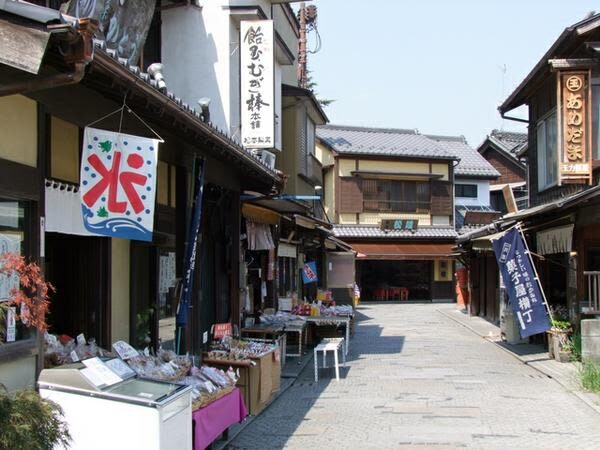
- Two package choices: Kawagoe Little Edo and Hikawa Shrine, from US$377.10; or Ashikaga Flower Park and Kawagoe, from US$394.15.
- A 10-hour private car charter: Hotel pickup and return are offered within Tokyo’s 23 wards, with flexible departure times.
- A self-guided day: You explore the sights on your own. The driver handles transport, not historical commentary.
- A seasonal flower option: Ashikaga Flower Park is known for its spring wisteria, and other flowers appear in other seasons.
- Costs to plan for: Meals, drinks and attraction tickets are extra. Overtime can also add a sizable fee.
- A language detail worth knowing: The standard driver speaks Japanese or Chinese. English communication is possible through messaging or translation software.
Choose the route that matches your day
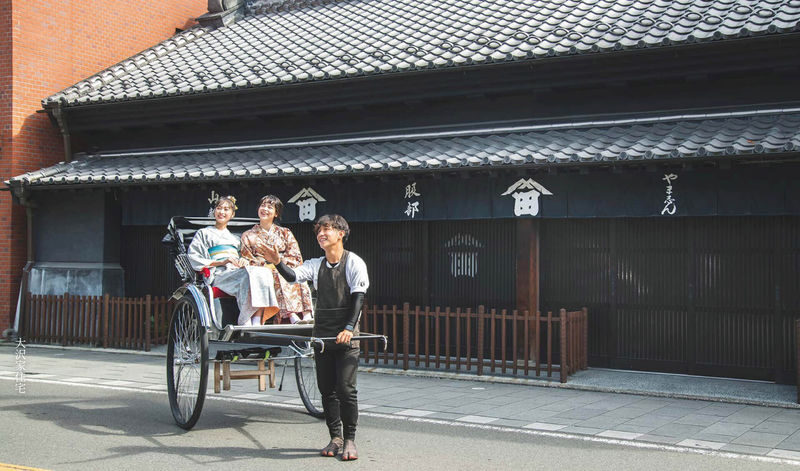
The Kawagoe-only option is the simpler choice if your priority is the old town. Its suggested stops are Hikawa Shrine, the Bell of Time, Candy Alley and Kawagoe Castle Honmaru Palace. You have a private vehicle for the day, but visits are self-guided.
The Ashikaga option adds the flower park, creating a day of gardens and historic streets. The description presents Ashikaga in the morning and Kawagoe in the afternoon, with the wisteria tunnel as the spring draw. Yet the detailed timed schedule is for the Kawagoe-only package and does not show how long you spend at Ashikaga or how the stops change.
That is an important distinction, not a small bit of fine print. Ashikaga is in Tochigi Prefecture, while Kawagoe is in Saitama Prefecture. Before booking the combined option, confirm the day’s actual stop order and time allowance with the operator. If you want a relaxed visit to both places, the amount of time at each matters more than the appealing idea of fitting both into one day.
The listed prices begin at US$377.10 for Kawagoe and US$394.15 for the Ashikaga and Kawagoe combination. These are private-charter packages, not a per-person guided tour, but the available details do not specify how the displayed price changes with vehicle choice or party size. Check the checkout total before you decide.
You can also read our reviews of more tours and experiences in Ashikaga.


Kawagoe Hikawa Shrine: begin with a quiet pause
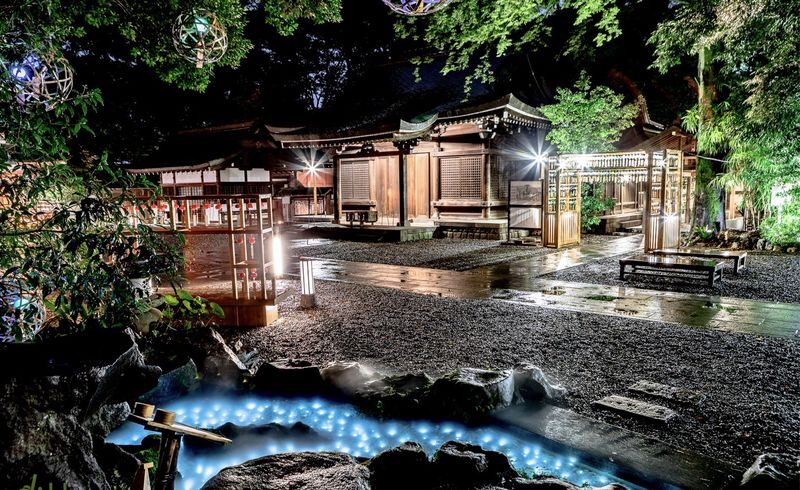
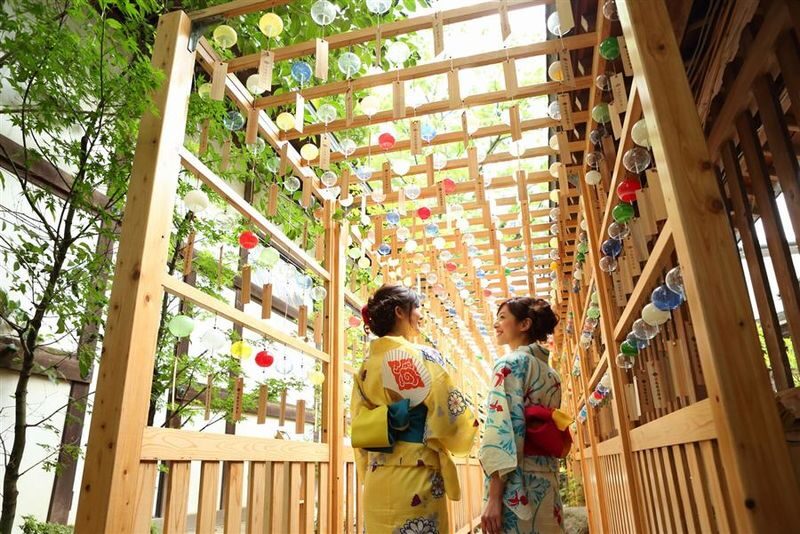
The sample day starts at 8:00, with pickup from a hotel or guesthouse in Tokyo’s 23 wards. The first listed Kawagoe stop is Hikawa Shrine, with one hour set aside for a self-guided visit. It is a place to pray for good luck and happy relationships, and a gentle first stop before the busier shopping streets.
One hour gives you time to look around without turning the shrine into a rushed photo stop. But the schedule is a sample, and the tour is customizable. If the shrine matters to you, tell the operator what you want to prioritize and confirm how the driver will handle the next pickup.
The shrine, Bell of Time, Candy Alley and castle palace are separate points around Kawagoe. A private car helps with the journey from Tokyo, but it does not guarantee a door-to-door ride between every local sight. One family reported that a driver could not provide local transfers because parking on Kawagoe’s streets was difficult. If you are travelling with a young child or someone who finds walking hard, ask in advance where the car can stop and how much walking to expect.
The Bell of Time: Kawagoe’s familiar landmark
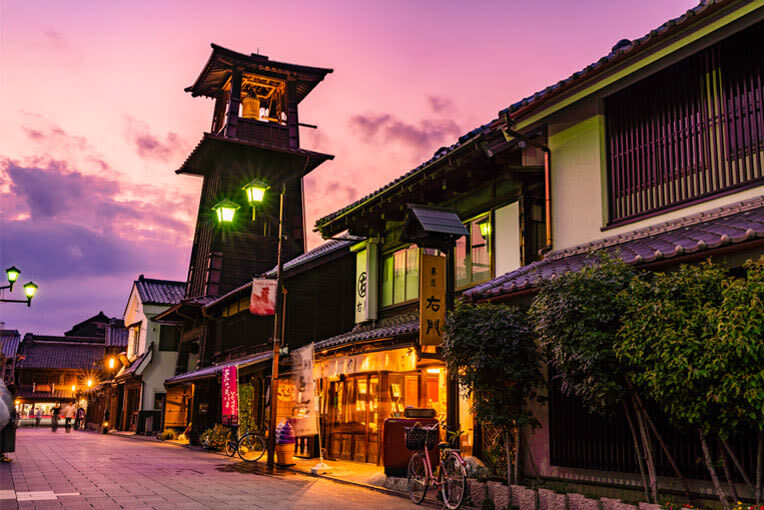
Toki no Kane, or the Bell of Time, is the town’s best-known landmark. The wooden tower was rebuilt after the great fire of 1893 and still rings to mark the time. Its appeal is not just its shape: it gives the surrounding streets a strong link to Kawagoe’s past.
The planned visit is two hours, although the schedule also lists two hours for Candy Alley and one for the castle palace. Treat those timings as a guide rather than a promise that every stop gets exactly that much time. The tour lasts 10 hours in total, including the journey from and back to Tokyo, so traffic and your choices can affect the day.
If you want to linger, take a slower look at the streets around the tower. If you prefer to see all the listed stops, keep an eye on the clock and agree on a clear pickup point with the driver. The driver can send travel-time updates, and one passenger found these useful for estimating time at each destination.
Candy Alley: leave room for a sweet stop
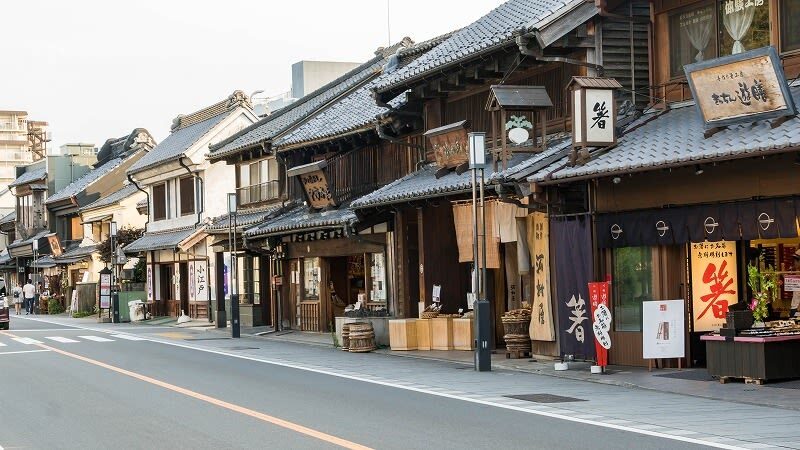
Kashiya Yokocho, known as Candy Alley, is a lane of shops selling dagashi, simple Japanese sweets, and handmade candies. It offers an easy way to sample local treats and browse small shops without needing a formal meal plan. Sweet potato snacks and traditional Japanese sweets are also part of Kawagoe’s local food appeal.
Two hours is generous for a short shopping lane, but the schedule may allow for a relaxed wander and food stops. Food and drinks are not included in the charter price, so bring a separate budget for snacks or lunch. The menu and ingredients can vary by season and availability.
The driver is not your food guide, but drivers have helped with practical recommendations. One, named Meng, was praised for offering food suggestions; that is a useful example, not a guaranteed service or a promise that you will have the same driver. If you have dietary needs, the available information does not confirm that shops can accommodate them, so ask directly at the point of purchase.
Kawagoe Castle Honmaru Palace: a surviving piece of the old stronghold
The final listed Kawagoe stop is the Honmaru Palace, with one hour for a self-guided visit. Kawagoe Castle once served as an important defense for Edo, and the palace is notable as the only surviving Honmaru Goten remains in eastern Japan. For a day otherwise centred on streets, shops and shrine grounds, it adds a more direct look at the town’s political past.
Check the palace’s opening arrangements and admission details before your visit. Attraction tickets are not included, and the information provided does not specify ticket prices or opening hours. The schedule can also change with traffic and weather.
The sample itinerary lists the palace after Candy Alley, but it also gives a recommended sequence that places the castle before the bell and candy lane. Since the tour is customizable, ask which order makes sense for your date and desired stops. A clear plan helps avoid spending more time in the car or on foot than you intended.


Ashikaga Flower Park: the spring add-on
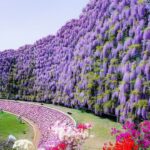
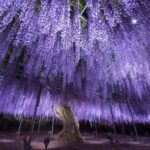
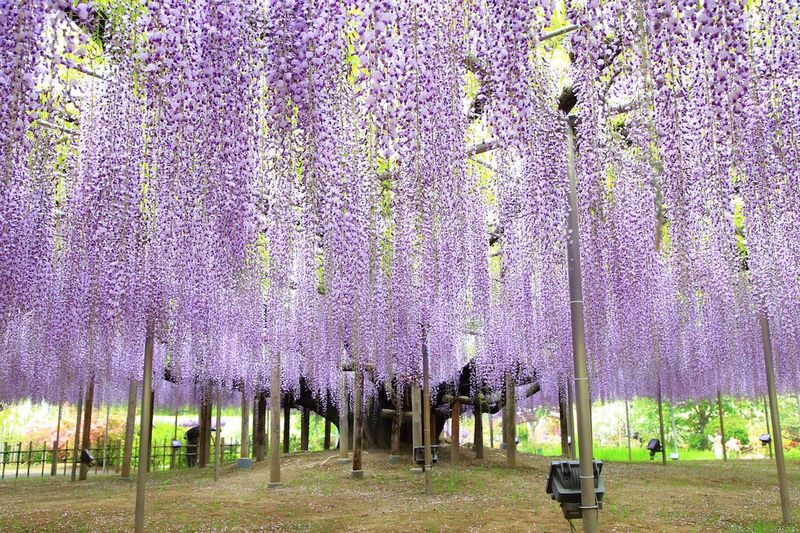
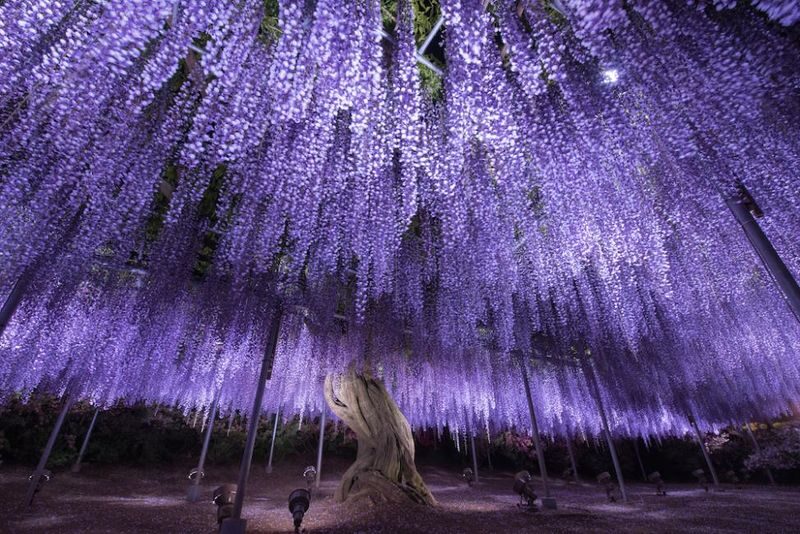
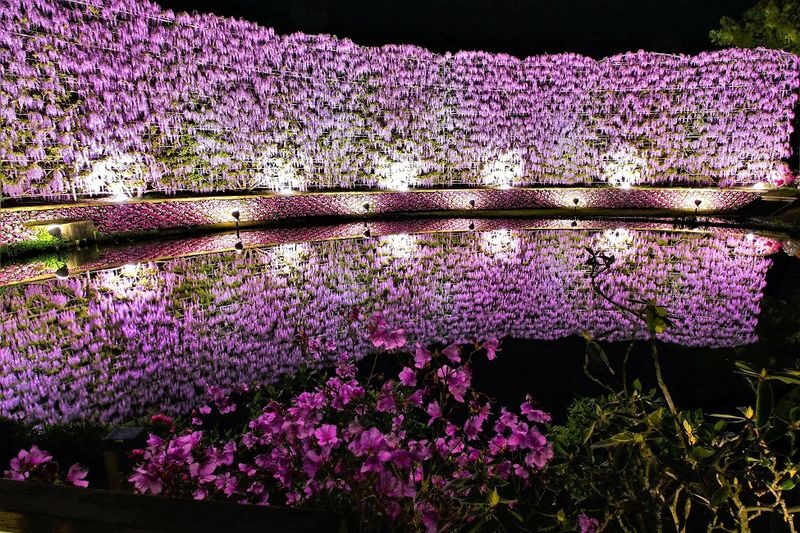
The Ashikaga package brings a very different mood to the day. The park’s main spring attraction is its large wisteria display, including a wisteria tunnel and a waterfall-like canopy of flowers. It is described as a seasonal spectacle, while the park also has flowers in other seasons.
Spring is the obvious choice if wisteria is your reason for going. Flowering depends on the season, so do not assume the wisteria will be in bloom on every date. If you are travelling outside spring, the park may still offer seasonal flowers, but the specific blooms are not guaranteed in the information available.
The combined package costs from US$394.15, only US$17.05 above the Kawagoe option’s starting price. That difference looks attractive, but the price alone does not tell you how much time you will get at each place. Confirm the route, hours at the park and Kawagoe, and any admission costs before booking. The day is capped at 10 hours, and overtime charges apply if you run late.
What the car charter does well, and where it has limits
The clearest value is convenience. You avoid arranging separate train connections and can be collected from a hotel or guesthouse within Tokyo’s 23 wards. Many families and mixed-age groups will appreciate having a private place to rest between stops. Drivers have been praised for arriving on time, driving smoothly and patiently helping with pickup arrangements.
This is transport with flexibility, not a fully escorted tour. The driver speaks Japanese or Chinese and can communicate in English through translation software or messaging. If you need an English-speaking driver, you can request one in advance for a JPY 5,000 designation fee. WhatsApp, WeChat or email may be easier than LINE, since LINE IDs from some regions cannot always be added.
The standard service is 10 hours, with operating hours from 07:00 to 22:00. Overtime costs JPY 5,000 per hour for vehicles of 10 seats or fewer, and JPY 10,000 per hour for vehicles of 14 seats or more. Exceeding the time by more than 15 minutes counts as a full hour, and traffic delays can count toward overtime. Leave room in your plan rather than treating the return time as infinitely flexible.
Vehicle size depends on your group and luggage. A five-seat car takes up to three people and two standard bags; a seven-seat vehicle takes up to six people and four bags. Larger choices include 10-, 14- and 18-seat vehicles, though capacity limits vary. Specific models are not guaranteed, and a larger vehicle is recommended for six adults who need more room in a seven-seater.
Infants and children count toward the passenger total. One child seat is available free if requested in advance, but it takes up about the space of one and a half people. Standard luggage is 24 to 28 inches; oversized bags and strollers count as two pieces. Check your group’s exact passenger and luggage count carefully, since you are responsible if the vehicle cannot accommodate everyone.
Is this the right day trip for you?
I would consider this charter if you value a private vehicle, want to set your own pace, or are travelling as a family or group. It is especially useful when coordinating several people would make public transport feel like work. The strongest practical benefits are the hotel pickup, courteous driving and ability to adjust the Kawagoe stops.
I would think twice if you want a fluent English-speaking guide included, guaranteed transfers between every Kawagoe attraction, or a fixed, fully explained schedule for the Ashikaga combination. Those details are not part of the standard service. For the combined day, confirm how the operator balances the flower park with Kawagoe before paying.
Book the Kawagoe-only package if old streets, sweets, the shrine and castle palace are your main interests. Choose Ashikaga and Kawagoe if the flowers are central to your plans and you are comfortable confirming the timing and seasonal bloom conditions. Either way, share your priorities in advance, count every passenger and bag, and agree on local pickup points. Those simple checks can make the private-car convenience worthwhile.
Kawagoe Little Edo Customized Private Day Tour | Departing from Tokyo
“The driver was very nice and drove smoothly. They also introduced and recommended delicious food in Kawagoe 👍🏻”
FAQ
How long is the private car service?
The standard charter is 10 hours. The sample schedule runs from 08:00 to 18:00, though pickup times are flexible.
Where can the driver pick me up in Tokyo?
Hotel pickup is available from hotels or guesthouses within Tokyo’s 23 wards. Pickups outside that area may incur an empty-car fee.
Does the driver speak English?
The standard driver speaks Japanese or Chinese, not English. The driver can use translation software or communicate through messaging. An English-speaking driver can be requested in advance for JPY 5,000.
What is included in the price?
The package includes the 10-hour private car charter, highway tolls and fuel surcharge. Food, drinks, attraction tickets, personal expenses and overtime are not included.
Are Ashikaga Flower Park and Kawagoe part of the same package?
There is a separate package combining Ashikaga Flower Park and Kawagoe. The other option covers Kawagoe and Hikawa Shrine without Ashikaga.
Is the wisteria in bloom all year?
No bloom period is guaranteed. The wisteria is a spring attraction, and the park has different flowers in other seasons.
Are the stops guided?
No. The visits listed in the Kawagoe schedule are self-guided. The service provides a driver and private transportation.
Can I request a child seat?
Yes. One child seat is available free if requested in advance. It uses about the space of one and a half passenger places, and infants and children count toward the passenger total.
What happens if the tour runs overtime?
Overtime costs JPY 5,000 per hour for vehicles of 10 seats or fewer, or JPY 10,000 per hour for vehicles of 14 seats or more. More than 15 minutes over the scheduled time counts as one hour.
Are attraction tickets and meals included?
No. Attraction tickets, food and beverages are paid separately.