Kanazawa’s crafts are more fun when you get to make something yourself. This full-day walk pairs a gold leaf plate you can take home with Japanese sweets making, then finishes with a chance to throw ninja stars. Along the way, you see historic teahouse districts and quieter cultural spots that are easy to miss on a quick city visit.
I like the combination of hands-on activities and a walking route through Higashi and Nishi Chaya, two of Kanazawa’s geisha districts. I also like that the guide can add context as you go: guides Daniel, Zach and Mike have been praised for clear explanations and flexible planning.
The main consideration is the distance. Expect to be on your feet most of the day, with a long route from the station to Katamachi and several hours of walking between stops. Wear comfortable shoes, and plan for summer heat if you visit in warm weather.
- Make a gold leaf plate: Spend about an hour carefully applying gold leaf, with staff on hand to help if your design goes awry.
- Walk two teahouse districts: See Higashi Chaya and Nishi Chaya, with the quieter Kazuemachi area along the way.
- Make Japanese sweets: Prepare mochi-style sweets and enjoy tasting different flavors and textures.
- Add a ninja stop: Visit the Ninja Weapons Museum and try throwing two types of throwing stars.
- See more than the main streets: The route includes Omicho Market, Ishiura Shrine, the D.T. Suzuki Museum, outdoor art and other cultural stops.
- Allow a full day: The tour starts at 8:30 a.m. and ends in Katamachi around 5 p.m. The route involves substantial walking.
- A full day of craft, food and old Kanazawa
- Omicho Market before the workshops
- Making a gold leaf plate to take home
- A back-route into Higashi Chaya
- Mochi making and a taste of Japanese sweets
- Shrines, art and quieter cultural stops
- Shuriken at the Ninja Weapons Museum
- Katamachi, street art and the end of the walk
- What the price includes, and what it does not
- Walking, weather and planning ahead
- Who should book this Kanazawa walk
- FAQ
- How long does the tour last?
- Where is the meeting point?
- Is lunch included?
- Are the gold leaf and sweets activities included?
- Can I take my gold leaf plate home?
- Do I get to try throwing ninja stars?
- Is the tour suitable for children?
- Is the tour conducted in English?
- Can the schedule or activities change?
- What is the cancellation policy?
- The Best Of Kanazawa!
- More Walking Tours in Kanazawa
- More Tours in Kanazawa
- More Tour Reviews in Kanazawa
- Not for you? Here's more nearby things to do in Kanazawa we have reviewed
A full day of craft, food and old Kanazawa


This tour makes sense if you want more than a string of photo stops. It combines the city’s well-known historic districts with activities that give you a feel for local crafts. You’ll leave with a plate you decorated, sweets you made, and a better understanding of why Kanazawa’s traditional arts remain part of everyday life.
The day begins at Kanazawa Station and moves through the city on foot. That means you experience the transitions between districts rather than hopping between sights by vehicle. The tradeoff is time and energy: the tour runs for roughly eight and a half hours, with breaks for lunch and activities but plenty of walking.
The route can also change if weather, traffic or a venue’s availability gets in the way. The sweets-making stop, for example, may need an alternative location if the planned shop is closed. A guide has arranged a substitute activity in that situation, so flexibility is useful, but the exact sequence is not guaranteed.

👉 See our pick of the 3 Best Workshops And Classes In Kanazawa
Omicho Market before the workshops
Meet at 8:30 a.m. outside the Shinkansen ticket gates at Kanazawa Station, in front of the information center. Look for the sumo wrestler cutouts, and arrive 10 minutes early. From there, the group walks for about 20 minutes to Omicho Market.
The market stop lasts around 55 minutes. You can look around, enjoy the morning atmosphere, or pick up breakfast or seafood. Food is not included, so bring money if you want to eat. This is a good early stop for getting a first sense of Kanazawa’s food culture, but it is not a long meal break.
If you prefer a slow breakfast, keep in mind that the schedule moves on. The day includes a longer lunch stop later, but the market visit is short and comes before the first workshop.
You can also read our reviews of more walking tours in Kanazawa


Making a gold leaf plate to take home
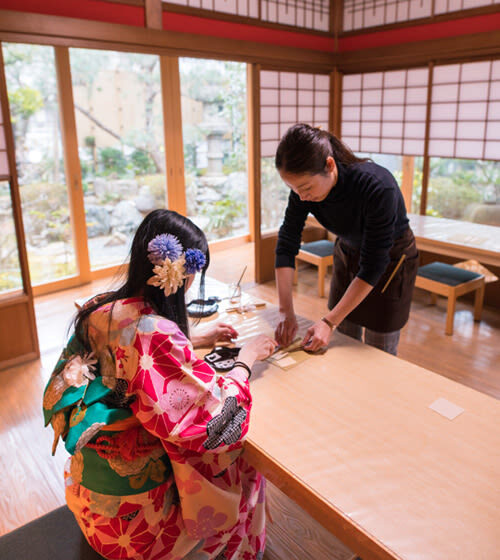
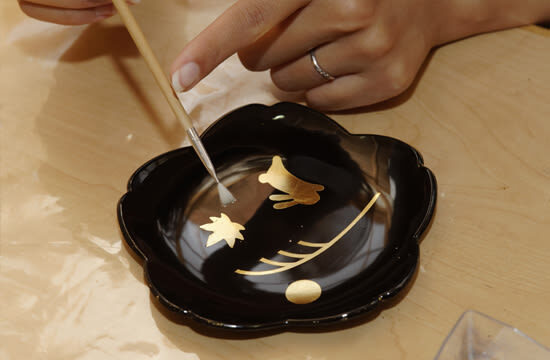
The gold leaf workshop is a central part of the day. You spend about an hour decorating a plate, placing thin gold leaf carefully to create a pattern or design. The finished piece is yours to take home and display or use.
Gold leaf is one of Kanazawa’s signature crafts, so this is more than a generic souvenir activity. You get time to try the technique yourself, and professional assistants can help repair mistakes. That support matters: gold leaf is delicate, and a steady hand is useful, but you do not need to arrive with craft skills.
The workshop is also a nice change of pace from walking and listening. If you are traveling with children, the hands-on format may be especially appealing. Children and infants must be included in the passenger headcount when booking.
A back-route into Higashi Chaya
After the workshop, the route takes a less direct way toward Higashi Chaya, including an old-style bridge and a former temple district in the hills. The guided walk lasts about 35 minutes before a longer lunch break.
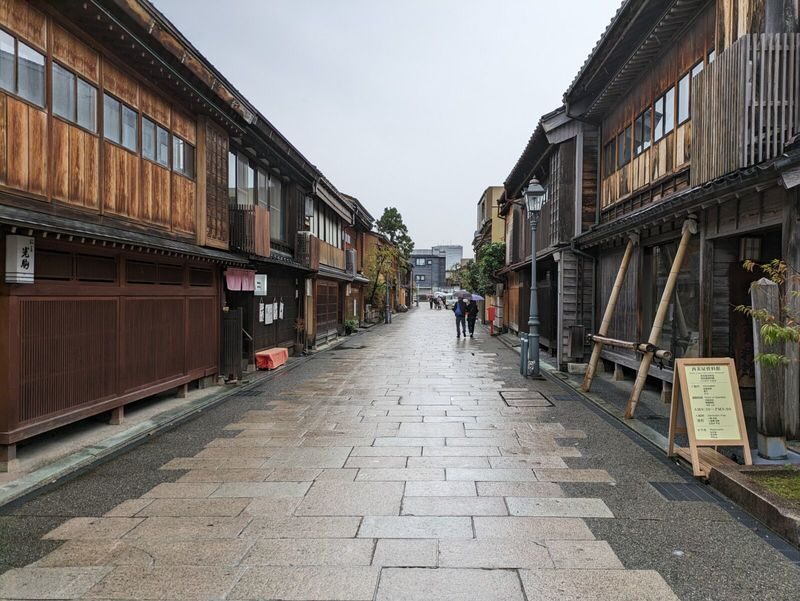
Higashi Chaya is one of Kanazawa’s best-known teahouse districts, with traditional streets and architecture that give the area its distinctive character. The quieter approach helps put the district in context instead of dropping you straight into its busiest stretch. Your guide can point out details and explain how the area fits into the city’s past.
Lunch is scheduled for about 90 minutes in Higashi Chaya. It is not included in the tour price, and the guide can suggest places, though you are free to choose for yourself. This is the day’s best chance to sit down properly, so use it to recharge before the afternoon walk.
Mochi making and a taste of Japanese sweets
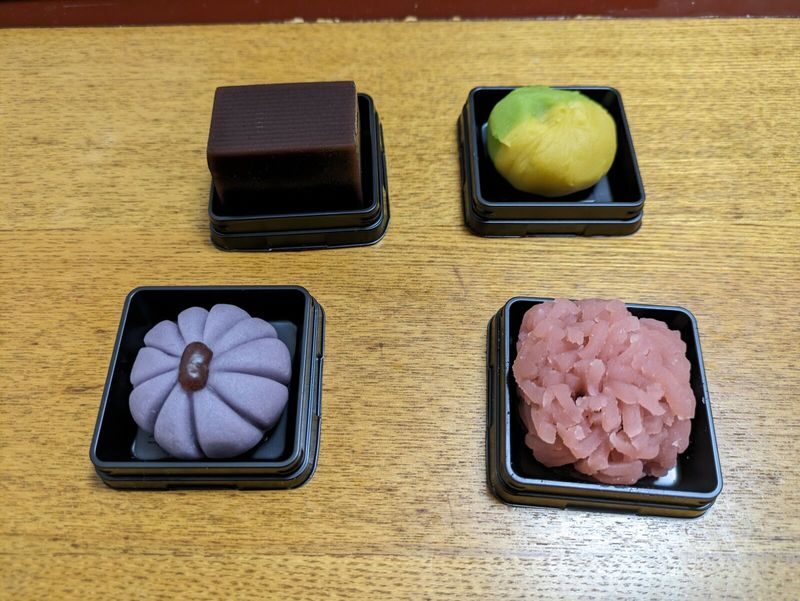
At about 1 p.m., you head to a Japanese sweets-making experience that lasts around 50 minutes. You’ll make a variety of sweets, including mochi-style treats, and taste the flavors and textures that pair well with matcha.
The value here is partly in the contrast with the morning’s gold leaf work. One activity is careful decoration; the other is about food, texture and technique. If you have already tried sweets during your time in Japan, making them yourself still gives you a new angle on a familiar treat.
The specific venue can depend on availability. If the planned shop is closed, the guide may arrange another local sweets experience. That flexibility is helpful, but it means the exact workshop cannot be promised for every date.
Shrines, art and quieter cultural stops
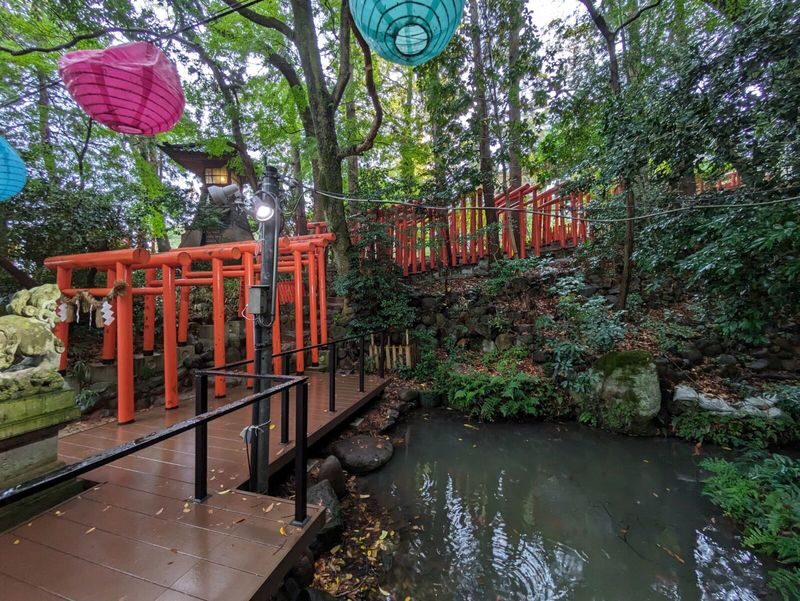
The afternoon route heads toward Nishi Chaya, with a series of stops along the way. These include Ishiura Shrine, outdoor art, the D.T. Suzuki Museum and Shofukaku, followed by the temple district on the west side of the city. This section takes about an hour and a half.
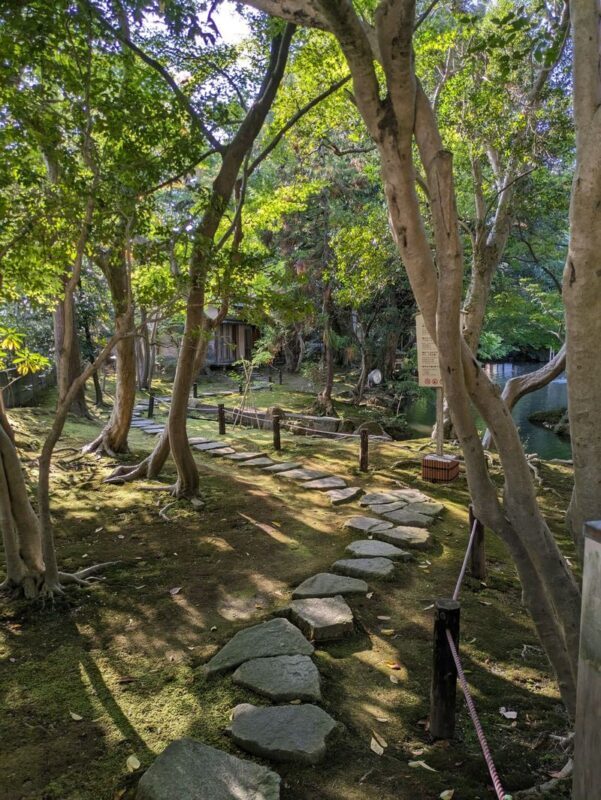
The route is appealing if you like seeing how a city’s parts connect. Instead of spending the whole day inside the best-known historic quarter, you get a broader look at shrines, cultural attractions and quieter corners. Guides have also been praised for including lesser-known parks and sites, and for explaining historical dates in familiar year terms rather than relying only on Japanese era names.
Do not expect this stretch to feel like a series of long museum visits. It is a walking segment with multiple places to see, so the depth of each stop may vary with timing and conditions. The D.T. Suzuki Museum and other attractions are part of the route, but admission details beyond the included attraction fees are not specified for each individual stop.
You can also read our reviews of more tours and experiences in Kanazawa

Shuriken at the Ninja Weapons Museum
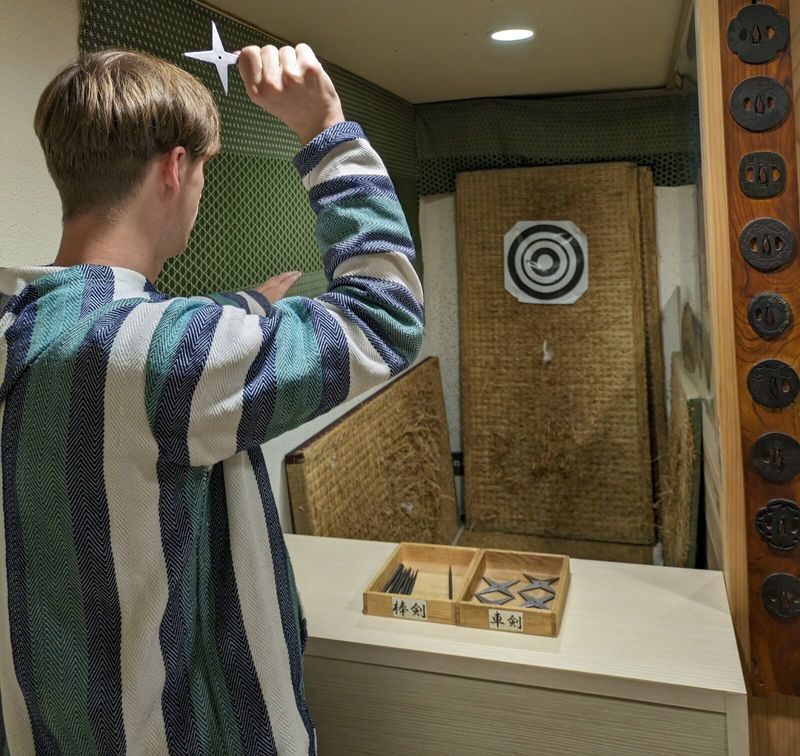
Nishi Chaya is the other major geisha district on the route. After exploring its atmosphere, you visit the Ninja Weapons Museum for about 40 minutes. There you can learn about ninja history and see weapons and armor up close, with a chance to try throwing two types of throwing stars.
This is one of the day’s most playful stops. The shuriken activity gives you something to do, not just look at, and it is a memorable change from the historic streets and craft workshops. It also works well for families, though the tour is a long day and children should be ready for the walking as well as the activities.
The museum visit is relatively brief, so think of it as a focused introduction rather than an exhaustive study of ninja history. The main draw is the mix of exhibits and the chance to try the throwing activity yourself.
Katamachi, street art and the end of the walk
The final stretch takes you through Katamachi and Shintenchi for about an hour. This area has a different feel from the teahouse districts, with city art and a more modern atmosphere shaped in part by its 1970s and 1980s character.
Ending here gives the day a useful contrast. You have seen historic architecture, shrines and craft traditions, then finish in a more urban part of Kanazawa. The tour officially concludes in Katamachi around 5 p.m., where you can stay for dinner or make your way back to Kanazawa Station by bus.
The meeting details also give a station return window of about 5 to 5:30 p.m., so confirm the precise end point for your date. In practical terms, plan for Katamachi as the endpoint unless your guide tells you otherwise.
What the price includes, and what it does not
The tour starts at US$154.49 per person. Admission to attractions and an English-speaking guide are included, along with the scheduled gold leaf, sweets-making and ninja activities. The price buys more than a walking guide: it covers several hands-on experiences that would take planning to arrange independently.
You will still need to budget for lunch, market snacks and personal expenses. Lunch is a 90-minute stop, so there is time to choose a meal that suits your budget. Breakfast at Omicho Market is optional and also at your own cost.
For value, the tour is strongest if you want a guided day with varied activities and cultural context. If your main goal is simply to see Higashi Chaya or make a gold leaf craft, a shorter or more focused option may suit you better. The full-day format pays off for people who want to connect several parts of Kanazawa in one outing.
Walking, weather and planning ahead
This is a walking tour, and you should expect a high step count. Wear comfortable shoes and bring what you need for a full day outside. One visitor described the summer heat as intense, so warm-weather visits call for extra attention to sun and hydration.
The tour begins at 8:30 a.m. at Kanazawa Station. Late arrivals and no-shows are not refundable, so the 10-minute early arrival advice is worth taking seriously. Your mobile voucher is the ticket, and confirmation should arrive within minutes after booking.
The schedule may change because of weather, traffic or venue availability. The tour provider may contact you about a suitable alternative if part of the planned itinerary cannot take place. Cancellations made at least 24 hours before the activity date, in local time, qualify for a full refund.
Who should book this Kanazawa walk
I’d choose this tour if you want to spend a whole day learning about Kanazawa through crafts, food and neighborhood walks, rather than only visiting the city’s headline sights. It suits curious first-time visitors, families who enjoy making things, and anyone who appreciates a guide who can answer questions and adjust the route when needed.
The guide can make a big difference. Daniel, Zach and Mike have each been praised for clear historical explanations, personal attention and flexibility. That does not guarantee a particular guide on your date, but the tour’s value clearly depends in part on having someone who can give meaning to the places between the activities.
Skip it if you dislike long walks, need a tightly fixed schedule, or would rather spend a full day at one or two major attractions. For everyone else, it is a practical way to pair Kanazawa’s famous crafts with lesser-seen streets and a few memorable hands-on moments. Book it if you have the energy for a full day and want to go home with more than photographs.
Kanazawa Walking Tour: Gold Leaf, Japanese Sweets and Ninja Stars
“Daniel is handsome and excellent. The itinerary was very flexible; we went where we wanted, and he also provided alternatives if we didn't want to…”
FAQ
How long does the tour last?
It starts at 8:30 a.m. and ends around 5 p.m. in Katamachi. The return information gives a 5 to 5:30 p.m. window for Kanazawa Station, so confirm the exact end point for your date.
Where is the meeting point?
Meet outside the Shinkansen ticket gates at Kanazawa Station, in front of the information center. Look for the sumo wrestler cutouts, and arrive 10 minutes before departure.
Is lunch included?
No. Lunch is not included, and the tour allows about 90 minutes for lunch in Higashi Chaya. The guide can recommend places, or you can choose your own.
Are the gold leaf and sweets activities included?
Admission to attractions and the English-speaking guide are included. The tour schedule includes the gold leaf and Japanese sweets-making experiences, but personal expenses are not included.
Can I take my gold leaf plate home?
Yes. You make a gold leaf plate that you can take home to display or use.
Do I get to try throwing ninja stars?
Yes. At the Ninja Weapons Museum, you can try throwing two different types of throwing stars.
Is the tour suitable for children?
Children can take part, and the hands-on workshops may be engaging for them. Infants and children must be included in the passenger headcount. The day also involves a lot of walking.
Is the tour conducted in English?
An English-speaking guide is included.
Can the schedule or activities change?
Yes. The schedule may change because of weather, traffic or activity availability. If a specific experience is unavailable, an alternative or adjustment may be arranged.
What is the cancellation policy?
You can receive a full refund if you cancel at least 24 hours before the activity date, using destination local time. Late arrivals and no-shows are not refundable.