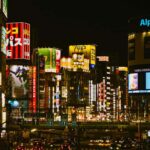
From Tokyo’s city shrines and neon-lit streets to Shirakawa-go’s steep-roofed farmhouses, this 11-day trip gives you a broad first look at Japan without asking you to plan every train and hotel yourself. It finishes in Osaka, with Kyoto, Nara and the mountain town of Takayama in between.
I like the small group size, capped at eight, and the balance between guided sightseeing and time to explore on your own. I also like that the route includes a hands-on sushi class and an overnight stay in Takayama, not just a string of big-city stops.
The main consideration is pace. Several days pack in multiple sights, and train changes and early starts can make travel days feel busy. Hotel names are confirmed only about four to five weeks before departure, so ask what is available for your dates before you book.
- At a glance
- A guided start in Tokyo, then room to roam
- Takayama and Shirakawa-go: Japan beyond the big cities
- Kyoto and Nara: temples, lanes and deer
- Osaka’s castle, skyline and neon
- What the price covers, and where to check the details
- Who should book this Japan trip?
- FAQ
- How long is the tour, and where does it start and end?
- Are airport transfers included?
- Is international airfare included?
- What is the group size?
- Are the guides English-speaking?
- Which hotels will I stay in?
- Are entrance fees included?
- Are meals included?
- The Best Of Tokyo!
- More Tours in Tokyo
- More Tour Reviews in Tokyo
- Not for you? Here's more nearby things to do in Tokyo we have reviewed
At a glance
 1 / 5
 2 / 5
 3 / 5
 4 / 5
 5 / 5
- Tokyo’s highlights in one day: Visit Meiji Jingu, the Imperial Palace, Harajuku, Akihabara and Asakusa, then take in the city from Tokyo Skytree and Tokyo Bay.
- A small sushi class: Learn to make nigiri, inari and sushi rolls with English-speaking instructors, in a class capped at eight.
- A night in Takayama: Explore its preserved old town, then take a guided day trip to Shirakawa-go and its gassho-zukuri farmhouses.
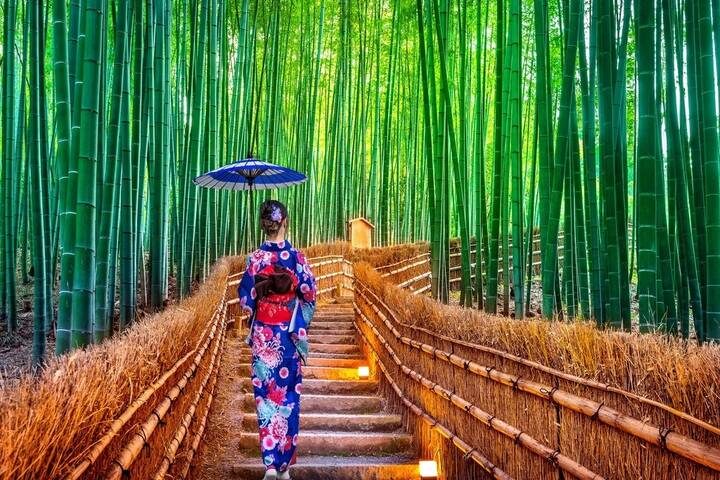
- Two full days in Kyoto: See temples, historic lanes, a tea ceremony, the Arashiyama Bamboo Grove and Fushimi Inari’s red gates.
- Nara and Osaka included: Meet Nara Park’s free-roaming deer, see the Great Buddha, then end with Osaka Castle, Umeda Sky Building and Dotonbori.
- Most key logistics are arranged: Hotels, internal trains, airport transfers, breakfasts and listed sightseeing are included. International airfare and insurance are not.

👉 See our pick of the 25 Best Guided Tours In Tokyo
A guided start in Tokyo, then room to roam
Your first day is deliberately light. A transfer takes you from Tokyo airport to your hotel, and the rest of the day is free. That matters after a long flight: you can eat nearby, get some sleep and start sightseeing with a clearer head.
On day two, a coach tour strings together Tokyo sights that would take more work to connect on your own. You visit Meiji Jingu Shrine, set among trees in the city, and the Imperial Palace area before moving into Harajuku and Akihabara. The contrast is part of the appeal: solemn shrine grounds one moment, busy shopping streets and electronics culture the next.
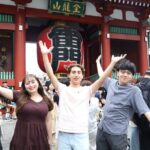
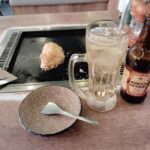
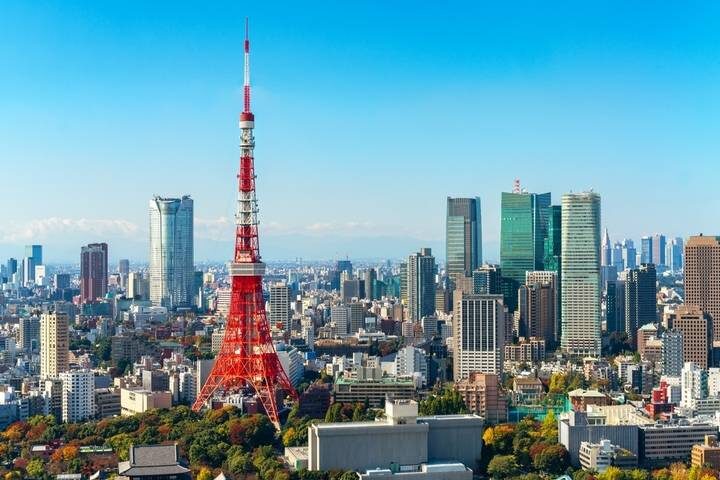
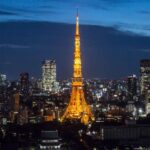
The day also includes Shibuya Crossing, Asakusa, Uji Matcha tea, a traditional pub lunch, Tokyo Skytree and a Tokyo Bay cruise. It is a lot for one day, so think of it as an orientation tour rather than a slow, in-depth look at each neighborhood. You can return to the places that catch your interest during your free day.
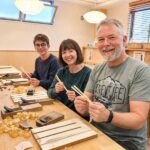
Day three brings a sushi-making class with English-speaking instructors. The group is limited to eight, and you learn to make nigiri, inari and sushi rolls. This is a useful change of pace from sightseeing: you get to handle the ingredients and make lunch or a snack yourself, rather than only reading about Japanese food on a menu.
Day four is yours. Keep it open for a neighborhood that deserves more time, a museum or another attraction, or simply a less scheduled day. The tour does not specify a set activity here, so you have real freedom to choose how much more Tokyo you want.
You can also read our reviews of more tours and experiences in Tokyo.


Takayama and Shirakawa-go: Japan beyond the big cities
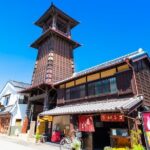
On day five, you travel from Tokyo to Takayama by train, changing at Odawara and Nagoya according to the trip details. The journey takes much of the day, but the reward is a very different setting: a mountain town known for wooden houses and a preserved old center.
Takayama is a good counterweight to Tokyo and Kyoto. Its old streets are better suited to a gentle wander than a checklist of major sights. You have time after arrival to explore independently, but there is no detailed guided activity listed for that evening.
Day six is the region’s standout excursion. A guide meets you at Takayama Station and takes you to Takayama Jinya, a former Edo-period governor’s office, then through Sanmachi, the historic downtown district. The schedule includes about 90 minutes at Miyagawa Morning Market, enough time to browse and sample local food if you wish.
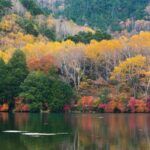
From there, a coach carries you to Shirakawa-go. You walk through the village and rice paddies, go to a lookout for a view over the valley and see the gassho-zukuri houses, with their distinctive steep roofs. There is also free time to look around, eat lunch or try a snack. The visit is guided, but the free period lets you set your own pace.
This day is a major reason to choose this itinerary over a city-only trip. Shirakawa-go is not just another temple stop: it gives you a rural setting and architecture very different from the urban centers. The trade-off is time on the road and a fairly structured day. Bring shoes you are comfortable walking in, since the village and market are explored on foot.
Kyoto and Nara: temples, lanes and deer
Day seven is another rail transfer, this time from Takayama through Nagoya to Kyoto. The evening is not scheduled, which gives you a chance to settle in before two full sightseeing days. The accommodation examples include Ibis Styles Kyoto Station or a similar hotel, but the exact property is confirmed about four to five weeks before departure.
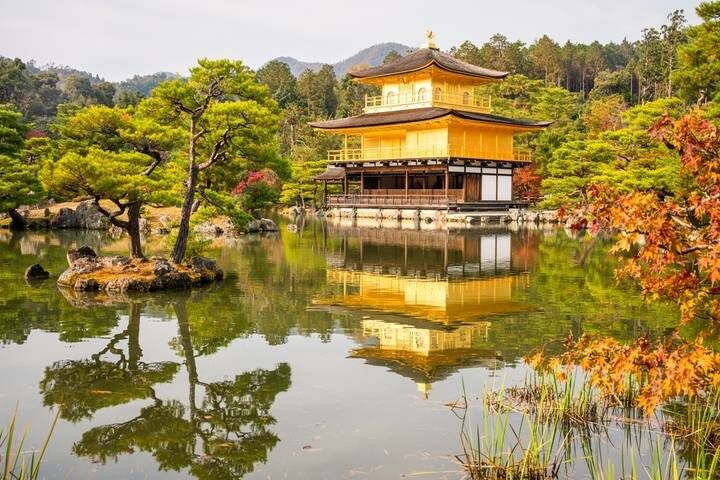
Day eight starts with Nijo Castle, the former residence of the Tokugawa shoguns, whose famous nightingale floors were designed to chirp underfoot. Kinkaku-ji, the Golden Pavilion, is a different sort of spectacle: a gold-covered temple reflected in a pond. The route also visits Kyoto Imperial Palace before continuing by coach to Nara.
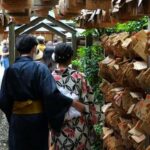
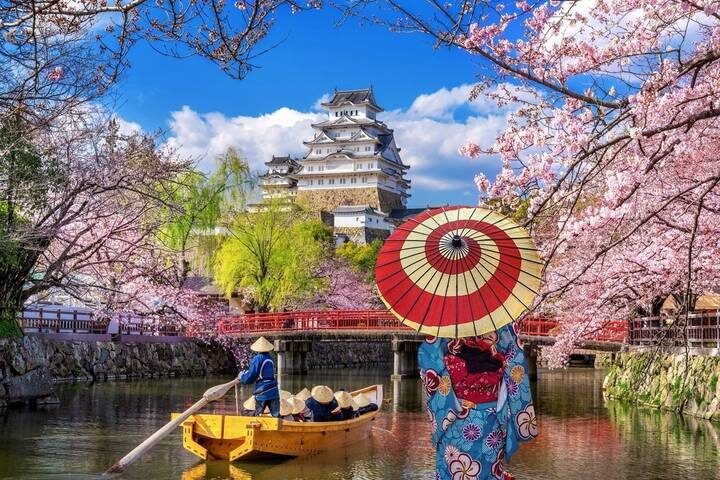
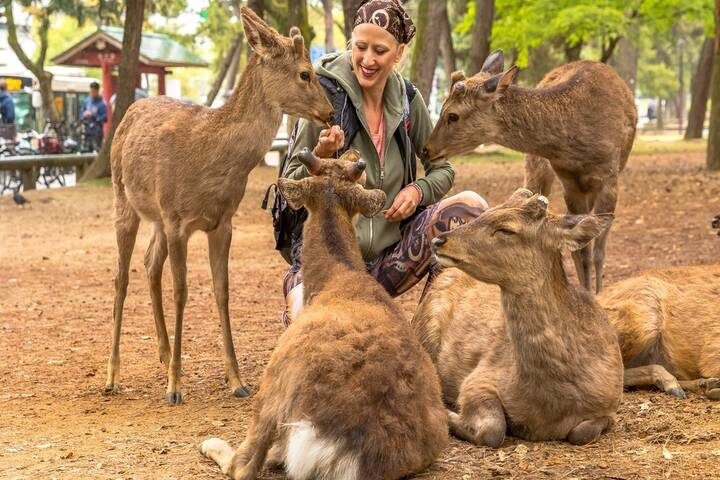
In Nara, you walk through the park among free-roaming deer, visit Todai-ji and its Great Buddha, then finish at Kasuga Taisha, known for its lantern-lined paths. Nara is a worthwhile change of scene from Kyoto’s temple grounds, though this is a full day with several major stops. If you want time to linger at each one, the guided schedule may feel brisk.
Day nine covers Kyoto’s Gion district, Kiyomizu-dera and the preserved lanes of Ninenzaka and Sannenzaka. A traditional tea ceremony gives the day a cultural pause between temple visits and walking. In Arashiyama, you visit the Bamboo Grove, the Katsura River and Togetsukyo Bridge, along with the Kimono Forest, where a kimono dressing experience is included.
The day ends at Fushimi Inari Taisha, where thousands of vermilion torii gates create one of Kyoto’s most recognizable walks. You can get a feel for the place even on a short visit, but the full route through the gates is extensive. Keep in mind that this day combines several distinct parts of the city, so there is limited time for an unplanned detour.
The schedule is rich in famous sights, but Kyoto is at its best when you can slow down. Fortunately, the trip also includes independent time, and some travelers have used it to explore on foot near their hotel. Ask where your hotel is located once confirmed: proximity to transit and sights can be more valuable than a larger room. Rooms in Tokyo and Kyoto can be compact, a normal feature of city accommodation in Japan.
Osaka’s castle, skyline and neon
On day ten, you travel from Kyoto to Osaka and turn the transfer into a sightseeing day. Stops include Osaka Castle and its gardens, Shitenno-ji, the Umeda Sky Building’s Floating Garden Observatory and Dotonbori. A river cruise adds a view of the district’s signs and lights from the water. Tennoji Zoo is listed as optional.
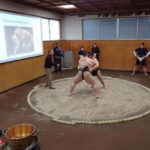
Osaka is a strong finish because it feels different from both Tokyo and Kyoto. Dotonbori is the place to try the city’s street food and watch the evening crowds, though the exact format of any guided food experience is not fully detailed in the daily schedule. If that is a priority, confirm what is included before booking. A sumo experience with a bento box and drink is offered as an optional extra from $119.
You stay one night in Osaka before the included transfer to the airport on day eleven. That is efficient, but it leaves little time for Osaka beyond the sightseeing day. If the city’s food scene is a main reason for your trip, consider asking whether you can add a night.
What the price covers, and where to check the details
The price starts at $4,359, based on the cheapest room. It includes ten nights of accommodation, internal trains, airport transfers, ten breakfasts, listed sightseeing and the activities described in the schedule. Two lunches and one dinner are also listed among the included meals, although the daily plan clearly identifies only the traditional pub lunch in Asakusa. Ask the operator to confirm when and where the other included meals are served.
The package can be good value if you want major transport and sightseeing arranged for you. Japan’s rail system is efficient, but changing trains with luggage and finding meeting points can take attention, especially on a first visit. Having tickets, instructions and local support organized reduces that burden. One Tokyo guide, Jane, is noted for explaining how to use the rail system and suggesting places to eat, practical help that can make the independent parts of the trip easier.
The tour is partially guided, not a private guide service for all 11 days. Guided activities cover the main sights, while free time and some transfers are independent. The stated group size is one to eight, and the tour is described as low intensity, but the packed sightseeing days still involve plenty of walking and time on your feet.
Wonderful Holidays UK provides local representation and WhatsApp support. Trip accounts describe prompt help with directions and occasional transfer snags, including a replacement vehicle arranged after a driver failed to appear. That kind of support is useful, but it is still wise to keep the contact details handy and check meeting instructions the day before each activity. Some departures have early starts before hotel breakfast begins, so ask about a breakfast alternative if your schedule requires it.
Accommodation is described as hotels with more than 80 percent positive TripAdvisor reviews. Examples used in the past include Hotel Intergate Tokyo Kyobashi, Mercure Hida Takayama, Ibis Styles Kyoto Station and Citadines Namba Osaka, or similar properties. The actual names are only confirmed around four to five weeks before departure. Hotel quality can vary, so request the specific properties and room details for your dates if accommodation is a deciding factor.
International airfare and travel insurance are not included. The operator says it can help arrange international flights, but you can also book them independently. A Mount Fuji excursion may be added for $129 to $179 per person, with the higher price applying on some dates around cherry blossom season. Confirm availability and the exact schedule before building your plans around an add-on.
There is a mismatch worth clarifying around train details. The route information names transfers at Odawara and Nagoya between Tokyo and Takayama, while a separate answer says the long-distance trains are Nozomi Shinkansen. Since the listed route includes Takayama, ask for the exact train segments and timings in writing rather than assuming every leg is a Nozomi train.


Who should book this Japan trip?
I would choose this tour if you want a first trip that combines Japan’s major cities with a traditional mountain town, and you value having hotels, airport transfers, rail travel and key visits arranged. The small group cap and independent days make it more flexible than a fully escorted coach tour, while the guided visits help you get oriented.
It is less suited to anyone who wants long, unstructured stays in each city or precise hotel details far in advance. The schedule is full, hotel names arrive late, and the listed meal information needs clarification. If you are comfortable with those trade-offs, this is a practical way to see Tokyo, Takayama, Shirakawa-go, Kyoto, Nara and Osaka in 11 days. Before paying, confirm your hotel options, train segments, included meals and the details of any Osaka food tour.
A Classic 11 Day Japan Holiday by Wonderful Holidays UK
“Our family recently completed a tour of Japan with Wonderful Holidays UK, and the entire experience exceeded our expectations. From the very beginn…”
FAQ
How long is the tour, and where does it start and end?
It lasts 11 days. The tour starts in Tokyo and ends in Osaka.
Are airport transfers included?
Yes. Transfers from Tokyo airport to the hotel and from the Osaka hotel to Osaka airport are included.
Is international airfare included?
No. International flights are not included in the tour price. Wonderful Holidays UK can assist with flight arrangements if you provide your travel dates and departure airport.
What is the group size?
The stated group size is 1 to 8 people. The trip is a group tour with selected guided excursions and independent time.
Are the guides English-speaking?
Yes. The tour is listed as guided in English, and the sushi class has English-speaking instructors.
Which hotels will I stay in?
Exact hotel names are confirmed about four to five weeks before departure. Examples used previously include Hotel Intergate Tokyo Kyobashi, Mercure Hida Takayama, Ibis Styles Kyoto Station and Citadines Namba Osaka, or similar properties.
Are entrance fees included?
Yes. The operator says entrance fees for the sites listed in the itinerary are included.
Are meals included?
The package lists ten breakfasts, two lunches and one dinner. The daily schedule specifically identifies a traditional Japanese pub lunch in Asakusa; ask the operator to confirm the other included meals.