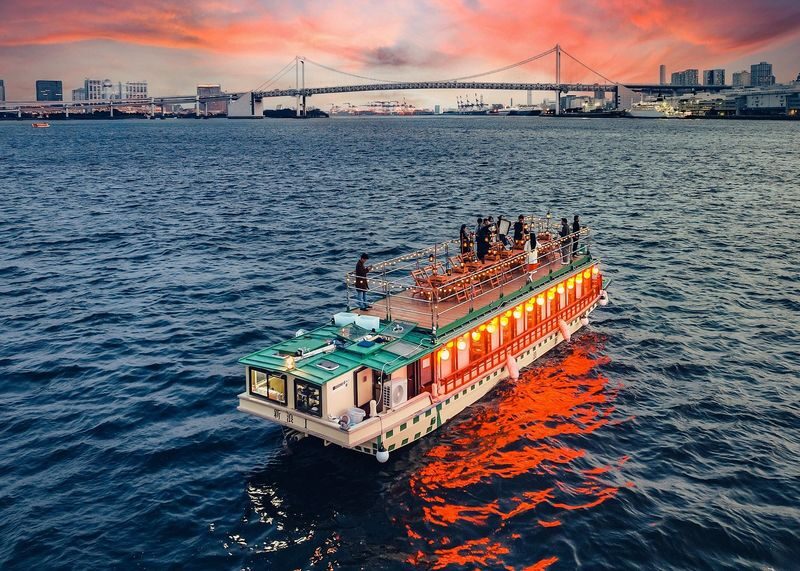
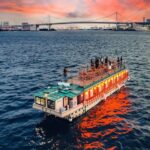
A traditional yakatabune is a snug wooden-style boat with lantern-lit Japanese interiors, and this cruise pairs that old-fashioned setting with Tokyo’s modern waterfront. You sail past Rainbow Bridge and Odaiba, eat sukiyaki, and may catch the Water Symphony fountain show. The boat itself is part of the appeal: this style of pleasure craft has roots in the Heian period and became popular with merchants and ordinary townspeople during the Edo period.
I like two things here: dinner, live music, and city views come together in one outing, and the multilingual hosts make the cultural parts easier to follow. The trade-off is that this is an organized dinner-and-entertainment cruise, not a quiet sightseeing boat. Between the meal, performances, and other people at your table, you may have limited time to watch the shoreline.
- What makes this cruise worth considering
- Boarding at Etchujima Pier
- A cabin made for dinner and conversation
- Sukiyaki, soft drinks, and meal choices
- Shamisen music and the Water Symphony
- Tokyo Bay views from the open-air deck
- What the Tokyo Tower add-on actually includes
- Is the price good value?
- Who should book it, and who should skip it?
- My take on booking the yakatabune
- FAQ
- How long is the yakatabune cruise?
- Where does the cruise depart from?
- What departure times can I choose?
- What food and drinks are included?
- Can I request a different meal?
- Is the Tokyo Water Symphony show guaranteed?
- Do I need to remove my shoes?
- Can children and wheelchair users participate?
- What does the Tokyo Tower add-on include?
- The Best Of Tokyo!
- More Boat Tours & Cruises in Tokyo
- More Tours in Tokyo
- More Tour Reviews in Tokyo
- Not for you? Here's more nearby things to do in Tokyo we have reviewed
What makes this cruise worth considering
 1 / 10
 2 / 10
 3 / 10
 4 / 10
 5 / 10
 6 / 10
 7 / 10
 8 / 10
 9 / 10
 10 / 10
- A traditional boat with seasonal decoration: Cherry blossom-themed details add a Japanese touch, though actual blossoms outside are never guaranteed.
- Beef sukiyaki and unlimited soft drinks: Dinner is included, and you can request pork or a vegetarian meal in advance.
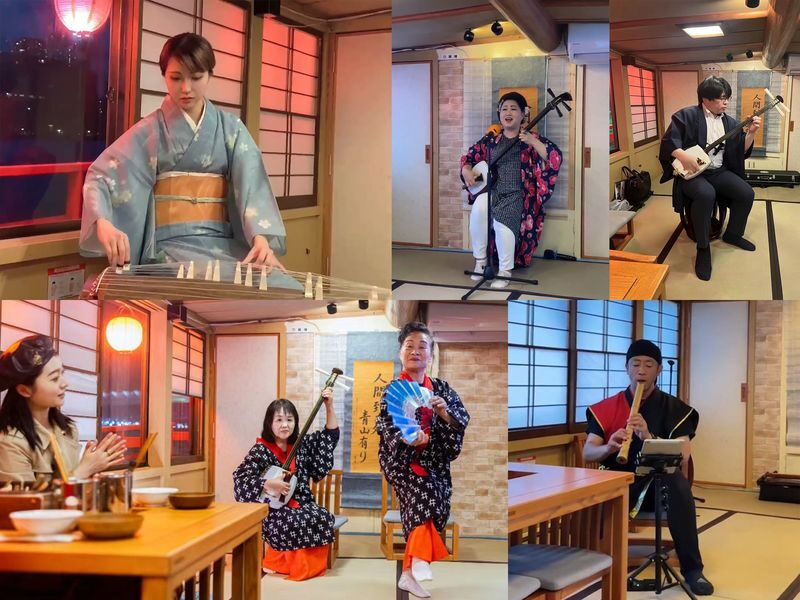
- Live traditional music: A shamisen performer or other traditional instrumental teacher performs, with the specific performer varying.
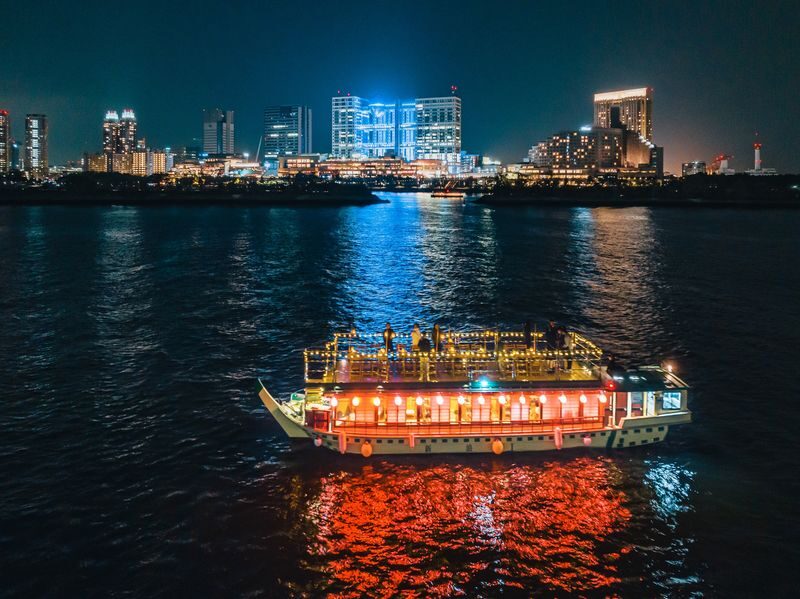
- A night view of Tokyo Bay: The route passes sights such as Rainbow Bridge, Fuji Television Headquarters, Odaiba, and the Statue of Liberty replica.
- A possible fountain-show viewing: The Water Symphony show near Odaiba lasts about 10 minutes, but weather or operational changes can affect the schedule.
- A Tokyo Tower add-on: One package includes a ticket for the 150-meter level. Collect the ticket from staff on board; it remains valid for six months.

👉 See our pick of the 25 Best Guided Tours In Tokyo
Boarding at Etchujima Pier
The cruise leaves from Etchujima Pier in Koto City, at 1-3 Etchujima. It is a meet-up activity, and you need to arrive 15 minutes before departure. The available start times are 4:50 p.m. and 7:20 p.m., with listed return times of 6:30 p.m. and 9 p.m. The exact pairing depends on the option you book, so check your confirmation rather than assuming every departure has the same schedule.
There is an important timing wrinkle. The experience is described with different durations: one overview says one hour, while the ticket details refer to a 1.5-hour cruise and the listed departure and return times span about 1 hour and 40 minutes. Plan around the specific times shown on your booking confirmation, and allow enough time for the full outing.
You board either SINA No. 1 or SINA No. 2, depending on the day’s arrangements. Seating in the cabin is limited, so you may share a table. You also need to remove your shoes, in keeping with the boat’s seating setup and Japanese customs. If you prefer a private table or a quiet meal, this may not be the right fit.
You can also read our reviews of more boat tours in Tokyo


A cabin made for dinner and conversation
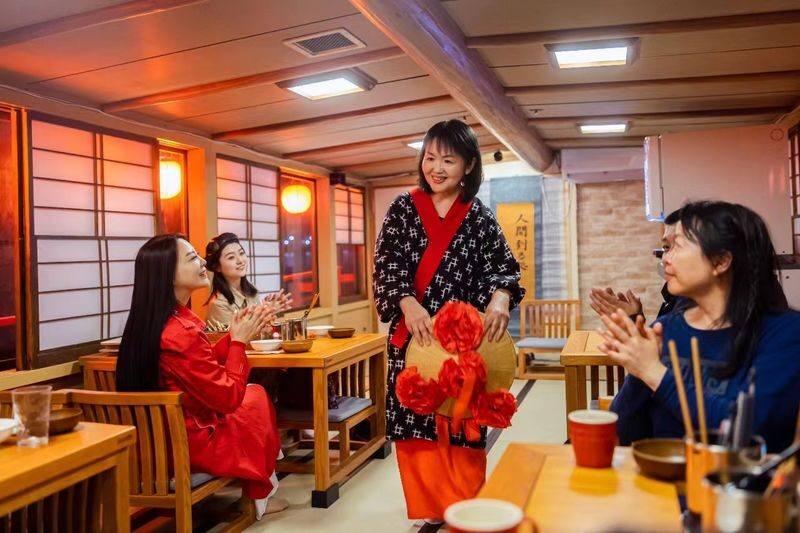
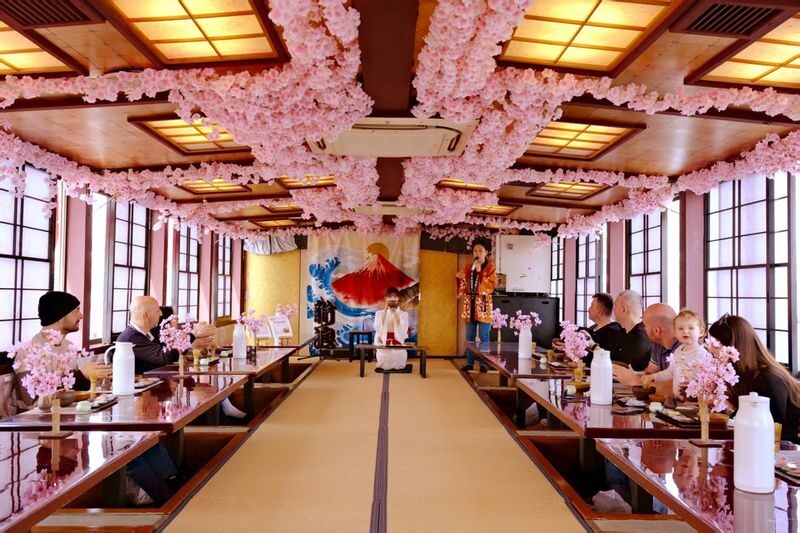
Inside, expect Japanese-style interiors, lantern decorations, and seasonal cherry blossom arrangements. The look is designed to feel festive and photogenic rather than spare or formal. It offers a taste of the traditional pleasure-boat setting, but the cherry blossom theme is a seasonal decoration, not a promise of seeing sakura in bloom along the route.
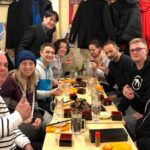
The atmosphere tends to be social. Hosts help explain the experience in Japanese, English, and Chinese, and some have been named by people on board, including Yoyo, Karen, and Sheila. Staff assignments can vary, so treat those names as examples rather than a guarantee. The hosts may also help with the flow of dinner and introductions to the music.
The boat’s cultural roots give the setting some context. Yakatabune were used by nobles in the Heian period and later became a popular way to enjoy food and leisure on the water in the Edo period. Today’s version is more of a planned evening outing, but the boat brings a piece of that tradition into a modern Tokyo trip.
Sukiyaki, soft drinks, and meal choices
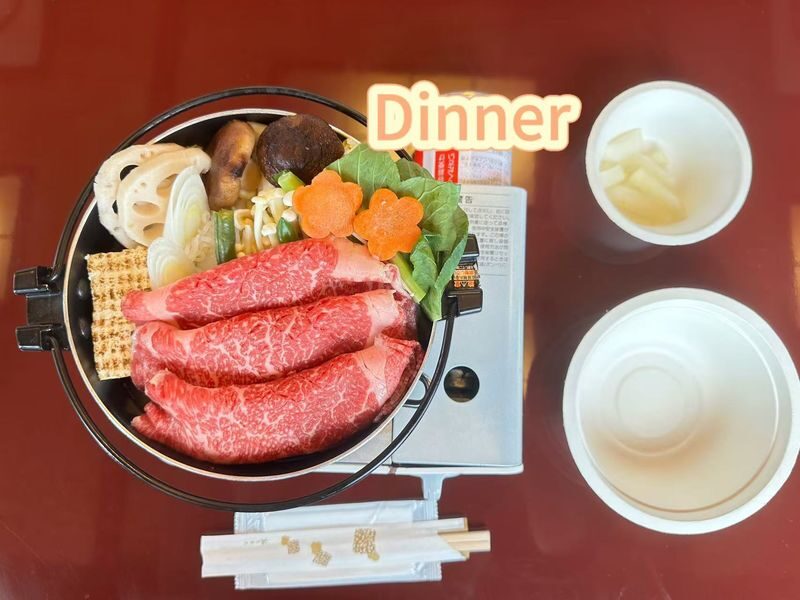
The standard dinner is Japanese beef sukiyaki, served with unlimited soft drinks. The meal is a central part of the experience, not just a snack between views. Some people find the portion generous, and one useful detail is that you may cook the meal yourself at the table. That gives dinner a hands-on feel, though it also means you will be focused on the food while the boat is moving.
The beef version is the default if you do not specify a preference. Pork and a vegetarian option, made with vegetables and sweet soy sauce soup, are available if requested at least three days in advance. Add any dietary restrictions when placing your order. The menu can change with the season and ingredient availability, so don’t count on every detail being identical year-round.
Soft drinks are included, but alcohol is not listed as part of the package. If you are weighing the cost against a restaurant meal, keep in mind that you are paying for the cruise, performance, and views as well as dinner. The food is a welcome part of the outing, but this is not best judged as a high-end dining reservation. If your priority is premium cuisine or a long, unhurried meal, you may be happier spending the same budget on a restaurant.
There is also an afternoon tea option, but it is a different package: it includes pastries and drinks, not sukiyaki. That daytime choice can include a tea ceremony and Japanese sweets, as well as shamisen music. Check the package name carefully before booking so you don’t expect a dinner menu from the tea outing.
Shamisen music and the Water Symphony
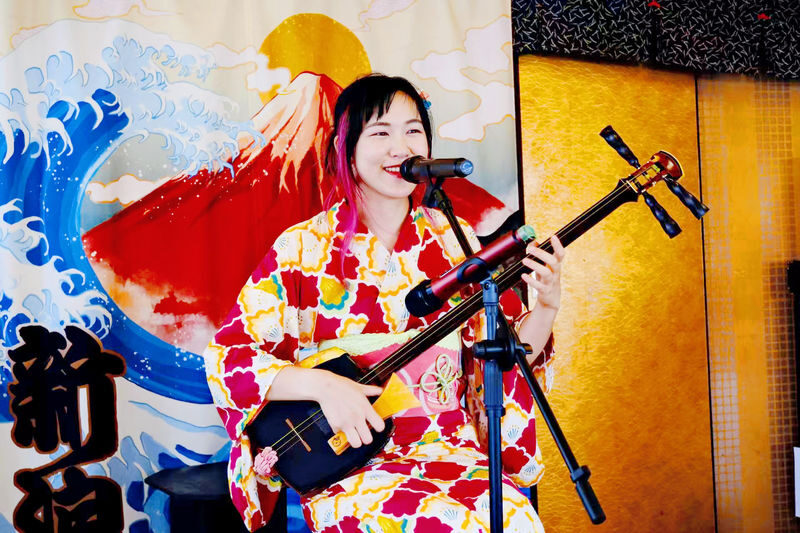
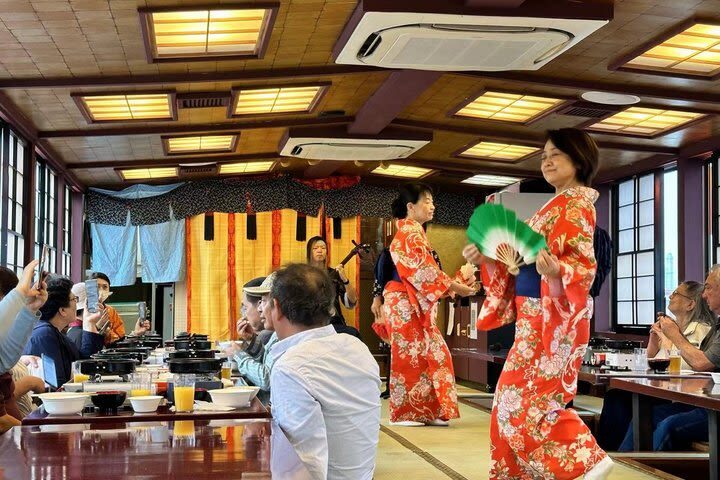
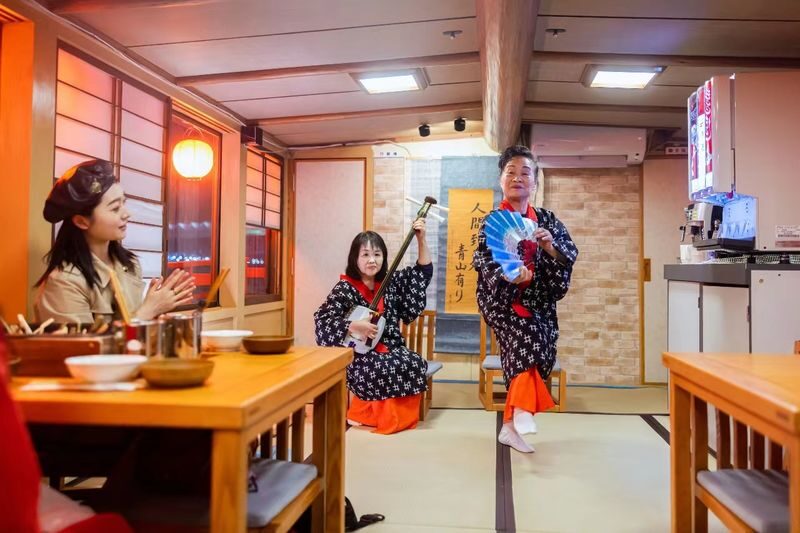
Live traditional music gives the cruise more character than a simple boat ride. The shamisen, a three-stringed instrument, has a distinctive sound that carries well in the cabin. A performer is included, but the teacher is assigned at random. Performers and hosts may invite interaction, and some outings feature singing or other entertainment as well. The exact program is not guaranteed to be the same every time.
This is where expectations matter. The entertainment is a major part of the evening, and the cabin can be lively. If you want to listen to the music, eat, and take part in the atmosphere, that is a plus. If your ideal cruise means standing outside for long stretches and quietly watching the skyline, you may find the show pulls your attention indoors.
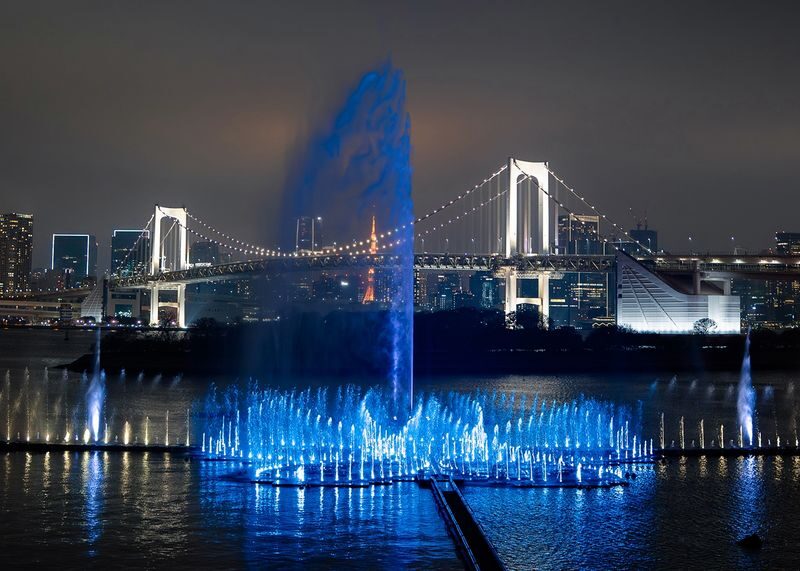
The Water Symphony fountain show is a striking possible highlight near Odaiba. Water jets, music, and lights combine in a display that lasts about 10 minutes and may run more than once during the cruise. But it is not guaranteed: weather and operating conditions can change or suspend the show, and the day’s schedule determines what you see.
Tokyo Bay views from the open-air deck
The route passes Tokyo Bay sights including Rainbow Bridge, Odaiba’s waterfront, Fuji Television Headquarters, and a Statue of Liberty replica. The open-air deck is where you can get a clearer view and take photos, while the cabin gives you a warmer place to eat and watch the performance. On a clear evening, the shift from daylight to city lights can make the later departure especially appealing.
The boat passes these landmarks rather than stopping at them. This is a moving overview, not a visit to Odaiba attractions or a guided walk around the waterfront. You also cannot count on seeing every point from every seat; capacity, weather, and the day’s route can affect what is possible.
Bring a warm layer if you are going in cool weather. One practical comment from an early spring outing was that the outside deck felt cold. The same advice applies whenever you plan to spend time outdoors on the water: you may be comfortable at the dinner table and chilly once you step outside for photos.
You can also read our reviews of more tours and experiences in Tokyo


What the Tokyo Tower add-on actually includes
The upgraded package adds a Tokyo Tower ticket for the 150-meter level. It is separate from the boat’s sightseeing route, so think of it as an extra attraction for your Tokyo plans rather than a stop during the cruise. The ticket must be collected from staff aboard the boat and is valid for six months, which gives you time to use it later.
The basic cruise still offers plenty to fill an evening, especially if you already have plans for Tokyo Tower. Choose the add-on if you want the ticket and are likely to use it. If your schedule is tight or you have already visited, the standard dinner package avoids paying for an extra you may not need.
Is the price good value?
Prices start at $99.79, though the final amount depends on the package and booking details. That is a meaningful spend for a short outing, so the value rests on the combination: a traditional boat setting, a full dinner, soft drinks, a live performance, and a view of the bay. If you were planning to book separate dinner and evening entertainment, combining them can make sense.
It is less compelling if you only want a scenic cruise. The itinerary is relatively short, the landmarks pass by rather than providing stops, and the Water Symphony is subject to change. The meal also draws mixed expectations: the sukiyaki can be generous and satisfying, but some people may find the food quality modest for the price. Alcohol is not included, which is worth remembering if you expected a drinks package.
For a first Tokyo visit, I see the main value in convenience and variety. You get a taste of a traditional boat, a Japanese meal, and live music without needing to plan each part separately. If you have already booked other cultural performances and several bay cruises, the experience may feel repetitive rather than essential.
Who should book it, and who should skip it?
This cruise suits couples, families with children aged three and older, and anyone who wants a set evening plan with food and entertainment built in. Children pay the adult rate, and the soft drinks can be a welcome perk for younger diners. The boat also works for a celebration: the crew may be able to help with a special moment, but arrange requests in advance rather than assuming a particular song or performance.
It is a poor match for anyone who needs wheelchair access, as wheelchair guests cannot currently be accommodated. Infants under three are not accepted. Seniors aged 80 or older need to present a medical certificate before participating. People who are sensitive to shared seating, removing shoes, or a busy dining environment should also consider those details before booking.
You can cancel for a full refund if you do so at least 24 hours before the activity date, subject to the stated booking terms. Late arrivals and no-shows are not refundable, so treat the 15-minute early-arrival instruction as firm. The operator may cancel for extreme weather or other unforeseen conditions, in which case you can request a reschedule or a full refund.
My take on booking the yakatabune
Book this if you want one evening to combine Japanese food, live music, and Tokyo Bay scenery, and you are happy with a sociable, organized outing. The traditional boat and the shamisen performance give it a sense of place, while the views and possible fountain show add a distinctly modern Tokyo backdrop.
Skip it if your main goal is a quiet cruise, a long look at the skyline, or a restaurant meal where food quality is the sole priority. For the best chance of enjoying the whole package, arrive early, dress for the deck, request any food changes three days ahead, and choose the Tokyo Tower add-on only if you expect to use it.
Tokyo Yakatabune Dinner Cruise: 400 Years of Edo Tradition & Odaiba Views
“Everything was perfect, the meal, the read, the environment. hands down the best staff anyone could ask for. easily the best part of the Japan trip…”
FAQ
How long is the yakatabune cruise?
The listed information gives more than one duration: one overview says one hour, the ticket details say 1.5 hours, and departure and return times suggest about 1 hour and 40 minutes. Check the times on your booking confirmation for the option you select.
Where does the cruise depart from?
It departs from Etchujima Pier at 1-3 Etchujima, Koto City, Tokyo 135-0044.
What departure times can I choose?
The listed departure times are 4:50 p.m. and 7:20 p.m. The return time depends on the selected departure and itinerary.
What food and drinks are included?
The dinner package includes beef sukiyaki and unlimited soft drinks. Alcohol is not listed as included.
Can I request a different meal?
Yes. Pork or a vegetarian meal with vegetables and sweet soy sauce soup can be requested at least three days in advance. Add dietary restrictions when placing your order.
Is the Tokyo Water Symphony show guaranteed?
No. The show may be suspended or rescheduled because of weather or operating conditions. Its actual timing depends on the arrangements for that day.
Do I need to remove my shoes?
Yes. You need to remove your shoes because of the boat’s seating arrangement and Japanese customs.
Can children and wheelchair users participate?
Children must be at least three years old and pay the same rate as adults. Infants under three are not accepted, and wheelchair guests cannot currently be accommodated.
What does the Tokyo Tower add-on include?
The add-on includes a ticket for the 150-meter level. Collect it from staff aboard the boat. The ticket is valid for six months.

























