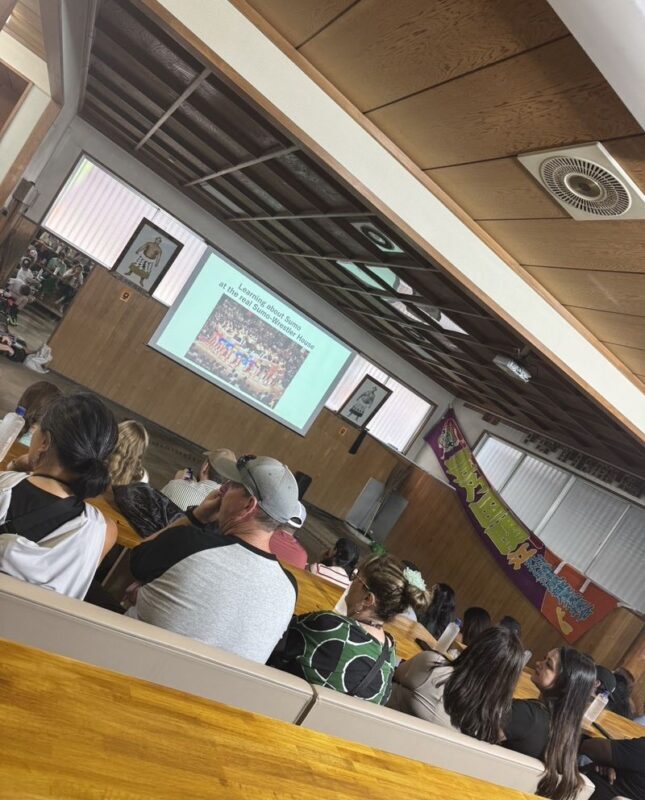
Tokyo Sumo Stable gives you a look inside a working sumo setting with a past: this was a training stable associated with Yokozuna Kitanoumi. An English-speaking host explains the sport, then retired professional wrestlers demonstrate their strength and take on willing audience members. You can even step onto the dohyo, the sumo ring, for a photo.
I like two things in particular: the old stable setting gives the show a stronger sense of place than a purpose-built stage, and the chance to try the ring makes sumo’s power easier to appreciate than watching from your seat. The main caveat is that this is an audience-friendly show, not a live tournament or a full practice session, and the 3:00 PM option does not include food.
- A real stable, not a theater set: The venue has served as a training ground, lending the demonstration a more grounded atmosphere.
- English explanations: A host covers sumo’s history, rules, and basic techniques before the wrestlers perform.
- Retired professionals in the ring: Expect demonstrations and a chance to see how difficult it is to push a wrestler off balance.
- Audience participation is limited: Up to seven people per time slot can try the sumo experience.
- Photos are part of the finish: Even if you do not wrestle, you can go onto the dohyo for a commemorative photo.
- Hot pot depends on the time: Chanko nabe comes with the 11:00 AM and 7:00 PM packages, not the 3:00 PM session.
- Inside a stable with sumo history
- What happens during the 90-minute visit
- A demonstration, not a tournament bout
- Chanko hot pot, and which time to choose
- Price, time, and practical choices
- Who will get the most from this sumo experience
- Should you book?
- FAQ
- How long does the Tokyo Sumo Stable experience last?
- Is chanko hot pot included in every time slot?
- Can I try sumo in the ring?
- Are children allowed?
- Is the experience conducted in English?
- What is the meeting address?
- The Best Of Tokyo!
- More Tours in Tokyo
- More Tour Reviews in Tokyo
- Not for you? Here's more nearby things to do in Tokyo we have reviewed
Inside a stable with sumo history
 1 / 5
 2 / 5
 3 / 5
 4 / 5
 5 / 5
Sumo is easy to recognize and harder to understand from the outside. A bout may last only moments, but the ring rituals, rules, and tactics give the sport much more depth than a quick clash suggests. This experience offers a compact introduction before the action begins, so you know what you are watching and why a wrestler’s position matters.
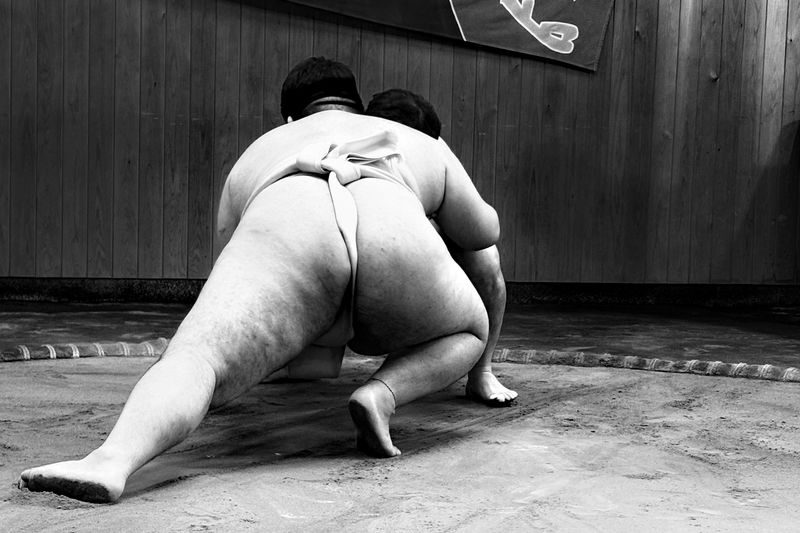
The stable has a link to Yokozuna Kitanoumi, one of sumo’s great champions, who trained there as an oyakata, or stable master. The venue is described as an actual former training ground, not a stage built to resemble one. That distinction matters: you are seeing the sport presented in a space connected to its practice, rather than in a generic performance room.
Still, set your expectations fairly. This is a hosted demonstration designed to make sumo accessible to visitors, not a chance to observe wrestlers’ private daily training. The format blends explanation, showmanship, and audience participation. If you want a formal tournament bout or a quiet, unfiltered look at practice, this is a different kind of experience.

👉 See our pick of the 25 Best Guided Tours In Tokyo
What happens during the 90-minute visit
The 3:00 PM session is scheduled from 3:00 to 4:30 PM, though the event can finish early if few people want to take part in the sumo experience. The general activity description gives a one-hour duration, so allow for the scheduled 90-minute window rather than planning a tight connection immediately afterward.
You meet at Tokyo Sumo Stable in Kiyosumi, in Tokyo’s Koto City. Arrive ten minutes before the start. The venue’s listed address is 2-10-11 Kiyosumi, Koto-ku, Tokyo, but one participant found that entering the address into Google Maps led to a different location. Use the business name, Tokyo Sumo Stable, and check the supplied map rather than relying on the street address alone.
Once inside, the English-speaking host introduces sumo’s background and basic rules. That opening is useful even if you have watched sumo on television: it gives you a framework for understanding the wrestlers’ demonstrations and the audience challenge. The host’s style can be lively and playful, which helps keep the explanations moving for people who are new to the sport.
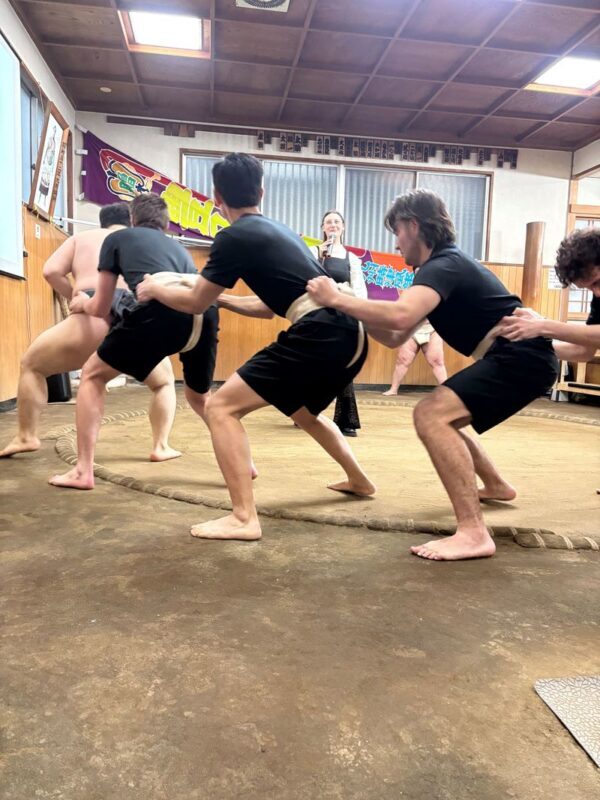
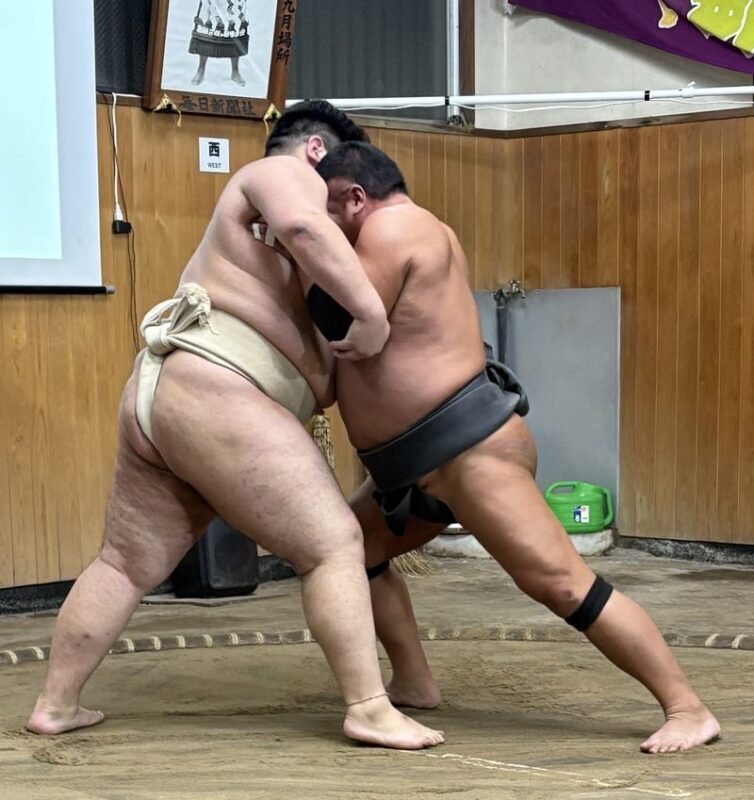
Next, retired professional sumo wrestlers show techniques and demonstrate how a bout works. The demonstrations are entertaining, but they also make the wrestlers’ balance and strength plain. If you volunteer, you get a memorable lesson in just how little a wrestler needs to move to hold their ground. Up to seven people per time slot can try the experience, so participation is not guaranteed for everyone.
At the end, participants and non-participants alike can step onto the dohyo and take a commemorative photo with the wrestlers. That final moment makes the activity more personal than a demonstration watched from a seat. If you are shy about wrestling, you can still enjoy the show and get the photo without taking on a wrestler.
You can also read our reviews of more tours and experiences in Tokyo.


A demonstration, not a tournament bout
The most useful distinction to make before booking is that you are buying a sumo show and introductory experience, not a ticket to professional competition. The format includes a host, clear explanations, demonstrations, and comedy. The wrestlers are retired professionals, and the show is shaped for an international audience.
That approach has real advantages. You can ask questions, learn the basic rules in English, and see techniques close up. The audience challenge also turns an abstract fact about sumo strength into a very immediate one. It is easy to understand why a few seconds in the ring can be more revealing than a long explanation.
The trade-off is that the performance is rehearsed and lighthearted. One visitor who expected more wrestling felt the actual bout was brief and the show leaned heavily on slapstick. If you want an unvarnished sporting contest, this may feel too theatrical. If you are after an entertaining introduction that mixes culture with a bit of laughter, that same showmanship is part of the appeal.
Chanko hot pot, and which time to choose
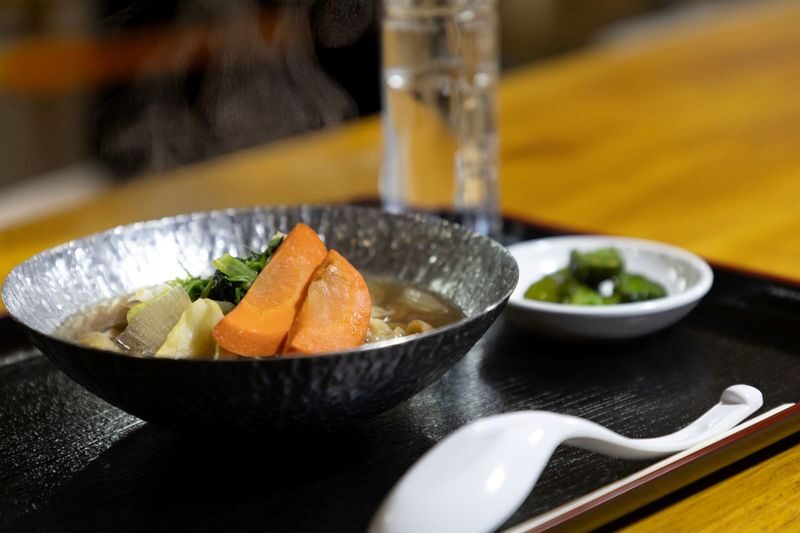
The 11:00 AM and 7:00 PM packages include chanko nabe, the hot pot associated with sumo wrestlers’ meals. It is a substantial part of the experience, not a detail to assume comes with every ticket. The 3:00 PM package costs less because it covers the sumo tour and experience without the hot pot.
The meal has been a highlight for many people, with some praising the food and the chance to have more. But tastes differ, and one diner found it disappointing by Japanese dining standards. I would treat the meal as a convenient cultural extra rather than the sole reason to book. If you are keen to try chanko, choose the 11:00 AM or 7:00 PM time and check the current package price.
Vegetarians should tell the staff on the day. A vegetarian option has been available, but it is sensible to flag your needs rather than assume the meal will be adapted automatically. Children who can sit on a lap and watch are free if they do not need a seat.
Price, time, and practical choices
The listed starting price is $63.20 for the 3:00 PM sumo tour and experience. The 11:00 AM and 7:00 PM options with chanko hot pot start at $75.85. For the extra cost, you get the meal as well as the show; whether that is good value depends on whether you want to eat at the stable and try the wrestler’s hot pot.
For a short Tokyo activity, the 3:00 PM session offers a focused cultural introduction without turning into a full evening commitment. The meal options make more sense if you want to pair the demonstration with lunch or dinner. Since the scheduled 3:00 PM window is 90 minutes but the event may end sooner when participation is low, leave a little breathing room in your plans.
Admission, an English-speaking guide, and English-speaking staff are included. Hotel pickup and drop-off are not, so you need to make your own way to Kiyosumi. Bring your mobile voucher, arrive ten minutes early, and do not cut it close: late arrivals and no-shows are not refunded. A full refund is available if you cancel at least 24 hours before the activity date, in local time.
Who will get the most from this sumo experience
This is a strong choice if sumo is new to you, or if you want an easy way to introduce children to the sport. The explanations do not assume prior knowledge, and the chance to see wrestlers up close gives the basics a memorable punch. Families should know that the session asks participants to sit and watch, and very young children may find it hard to stay settled throughout.
It also suits adults who like cultural activities with a playful side. The host-led format is social and interactive, and you can enjoy it without volunteering. If you do want to try the ring, be ready for a good-natured challenge rather than a test of athletic skill. Even a determined push may not move a retired wrestler an inch.
I would pass if your main goal is to see a long, formal bout or a full morning of authentic stable practice. The event is deliberately packaged for visitors, and the comedy is part of its design. But for a one-off introduction in a venue with real sumo ties, the mix of history, demonstration, and audience participation offers more than a photo stop.





Should you book?
Book this if you want to understand the basics of sumo, see retired professionals demonstrate it at close range, and enjoy the option of stepping into the ring yourself. Pick a meal time if chanko hot pot is part of the appeal, and the 3:00 PM session if you would rather keep the visit shorter and spend less. Go in expecting a polished, lighthearted show rather than a tournament, and you are more likely to leave with a clear sense of what makes sumo so compelling.
Tokyo Sumo Stable: Sumo Viewing & Experience
“Fun evening! Very enjoyable way to learn more about sumo history and training. The emcee was great, funny, related well to audience and engaging, s…”
FAQ
How long does the Tokyo Sumo Stable experience last?
The 3:00 PM session is scheduled from 3:00 to 4:30 PM. The event may finish earlier if few participants want to try sumo.
Is chanko hot pot included in every time slot?
No. Chanko nabe is included with the 11:00 AM and 7:00 PM packages. It is not served with the 3:00 PM package.
Can I try sumo in the ring?
Yes. Up to seven people per time slot can take part in the sumo experience. You can still go onto the dohyo for a commemorative photo if you do not participate in the wrestling.
Are children allowed?
Yes. Children who can sit on a lap and watch are free if they do not require a seat.
Is the experience conducted in English?
An English-speaking guide and English-speaking staff are included. The guide explains sumo’s history and rules.
What is the meeting address?
Tokyo Sumo Stable is at 2-10-11 Kiyosumi, Koto-ku, Tokyo. Use the venue name and the supplied map to help find it, as searching the address alone may point to a different location.