Japanese calligraphy gives you a reason to slow down in the middle of Tokyo. At this one-hour class in Shibuya, you prepare ink, practise brush strokes with an instructor, and make a finished piece to take home. It is a small, hands-on introduction to shodo, not a sightseeing tour or a long course.
I especially like two things: the private, relaxed format gives you room to ask for help, and the finished work is a souvenir you made yourself. The English-speaking instructors have included Moe, Taku, Soto, and Honoki, with several praised for patient, step-by-step teaching.
The main consideration is time. An hour is enough to try the basics, but not to master calligraphy, and the instructor’s approach may shape what you create. If you want an entirely free-form art session, check your expectations: one participant wished for more choice and more specific feedback.
- What to know before you book
- A calm hour in the middle of Shibuya
- From ink preparation to your own calligraphy
- How the private format changes the lesson
- Is one hour enough?
- Finding the Okazaki Building and arriving on time
- What the .60 starting price buys you
- Who will enjoy this class most?
- Should you book the Shibuya calligraphy class?
- FAQ
- How long does the calligraphy class last?
- Where is the meeting point?
- What departure times can I choose?
- Is the class suitable for beginners?
- What is included in the price?
- Can children join the class?
- Can I cancel or change my booking?
- The Best Of Tokyo!
- More Private Tours in Tokyo
- More Tours in Tokyo
- More Tour Reviews in Tokyo
- Not for you? Here's more nearby things to do in Tokyo we have reviewed
What to know before you book
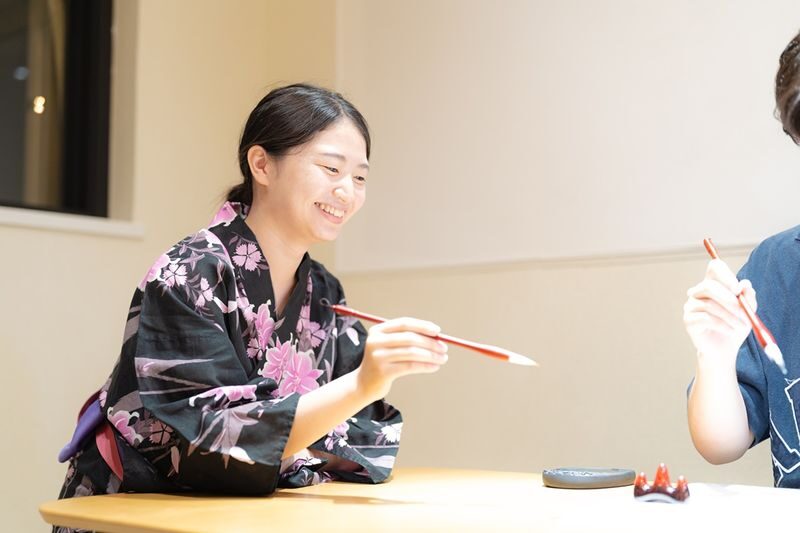
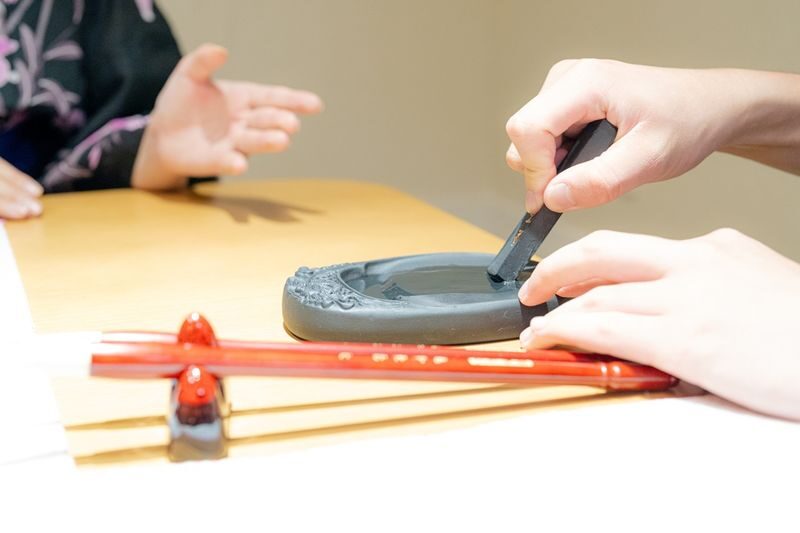
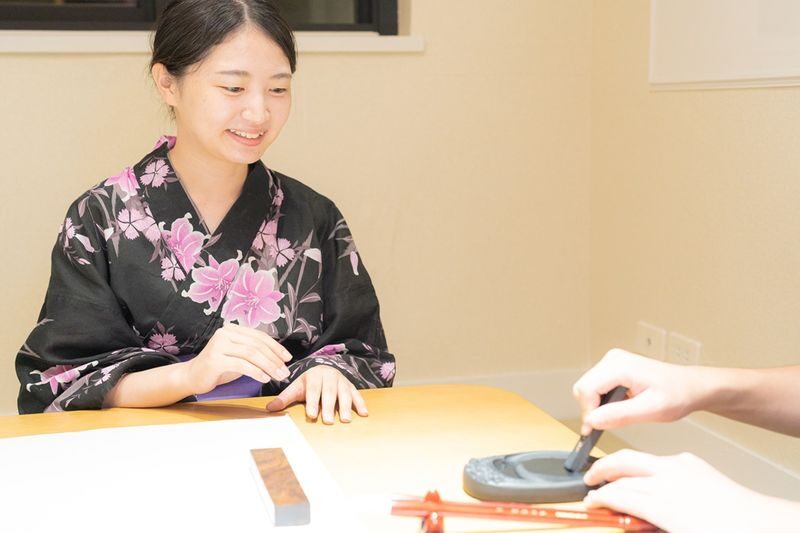
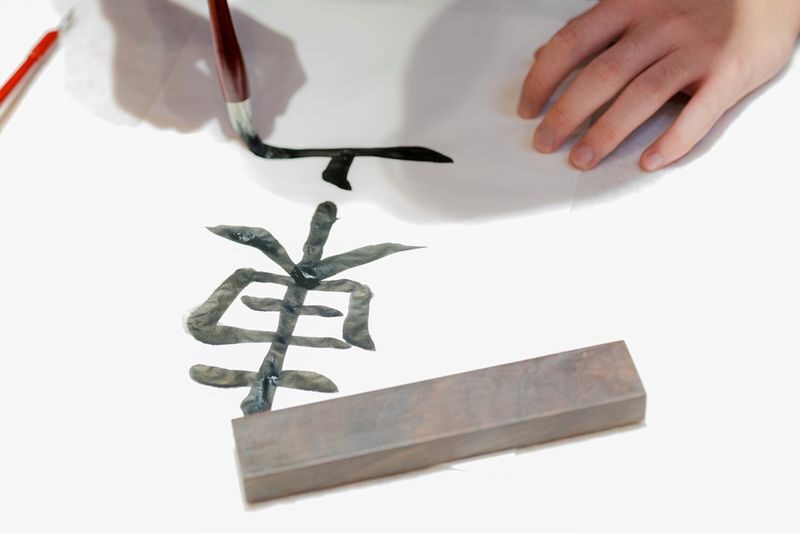
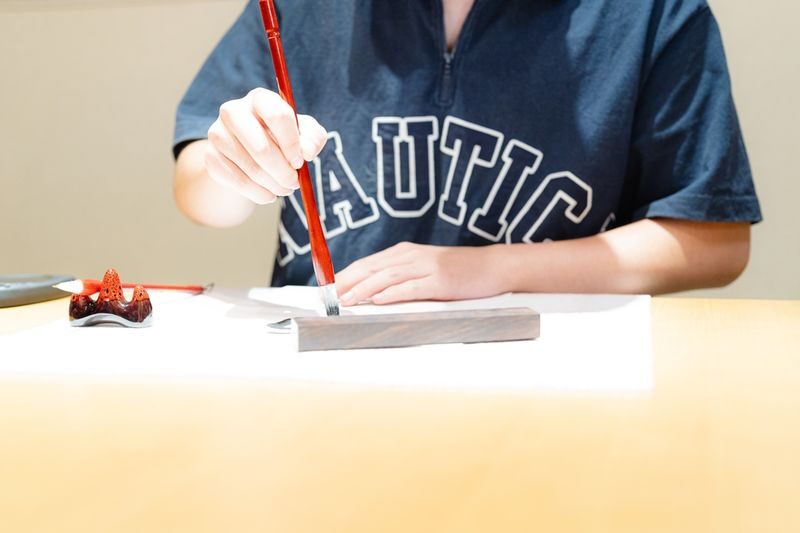
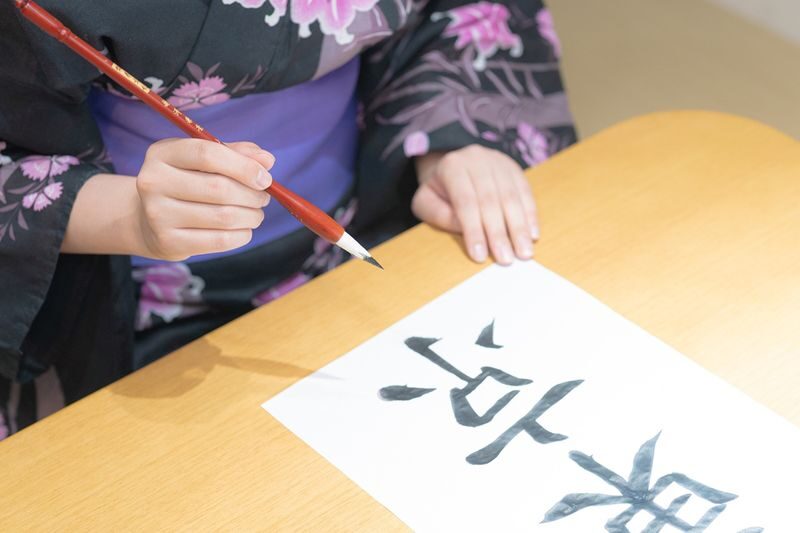
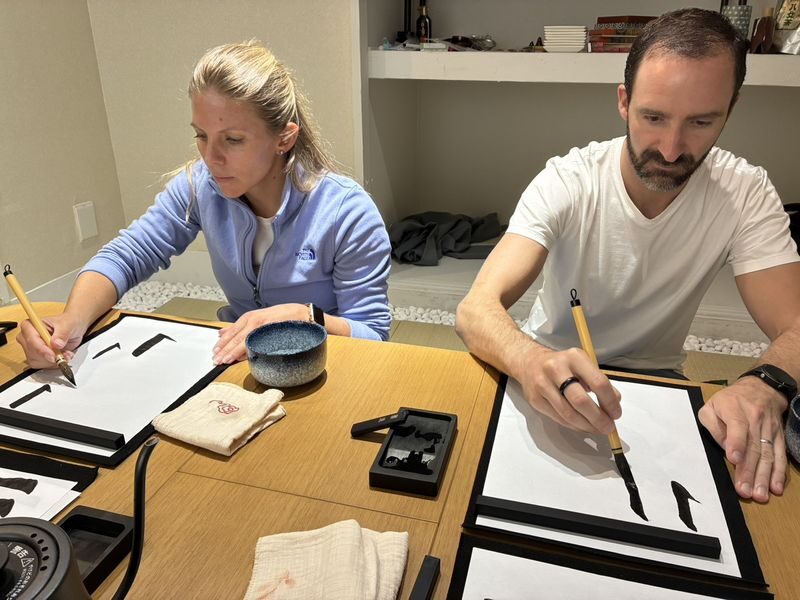
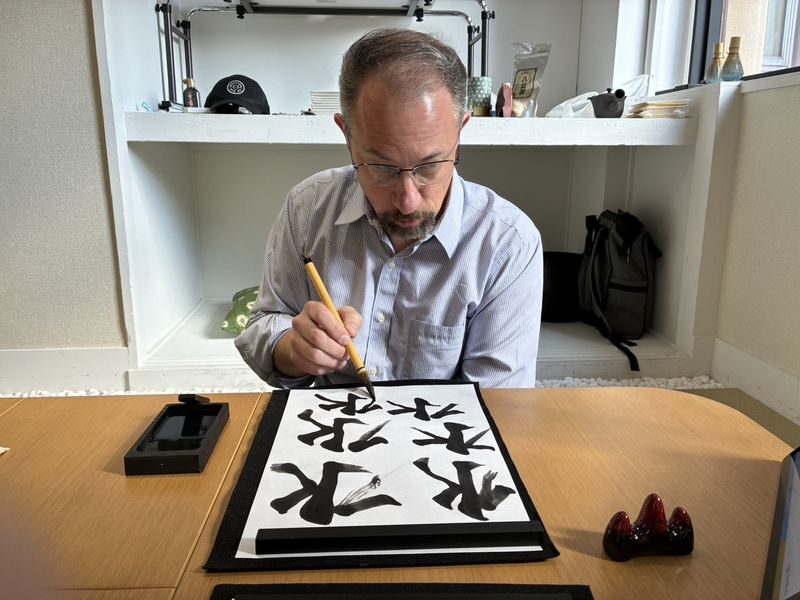
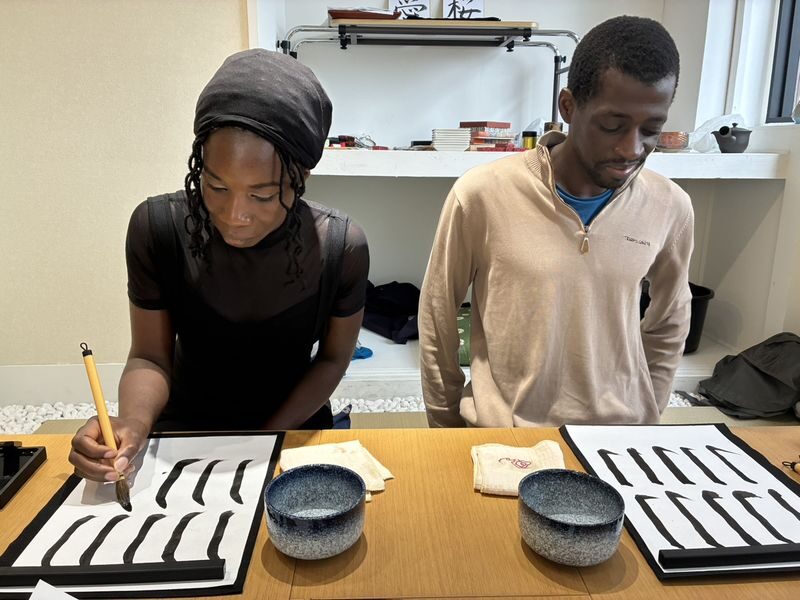
- The lesson takes place in a Japanese-style room in Shibuya, inside the Okazaki Building.
- You prepare ink and practise with calligraphy tools, then work toward a piece you can take home.
- The one-hour class is aimed at beginners, with step-by-step instruction and an English-speaking guide.
- A private format makes this a good fit for families or small groups, and children are welcome.
- The instructor may vary. Past classes have been led by Moe, Taku, Soto, Honoki, Kana, Sona, and others.
- The meeting point is the Okazaki Building entrance, with a few practical details to sort out before you arrive.

👉 See our pick of the 25 Best Guided Tours In Tokyo
A calm hour in the middle of Shibuya
Shibuya is known for its fast pace, so a quiet calligraphy lesson offers a useful change of gear. You meet at the Okazaki Building, go upstairs, and spend the session working with brush and ink. There is no city transfer or long walk built into the activity. The class begins and ends at the same building.
That simplicity matters when you are fitting a cultural activity between other plans. The lesson lasts one hour, with departure slots listed at 08:00, 10:00, 12:00, 14:00, and 16:00, plus 18:00. The available return time depends on your selected start and the session length. Choose carefully, since the voucher is valid only for the booked date and time.
The setting is described as a Japanese room, and the class is designed to feel calm and welcoming. This is not a formal lecture. You learn by doing: basic brush practice first, then a finished piece. The setting and pace make it easier to focus on the marks you are making, rather than rush from one sight to another.
You can also read our reviews of more private tours in Tokyo

From ink preparation to your own calligraphy
The class starts with an introduction to the tools and basic brushwork. You prepare ink and practise simple strokes before moving toward a complete character or piece. That first practice is important: a calligraphy brush behaves differently from an ordinary pen, and you need to get a feel for how its pressure and movement affect the line.
The instructor guides you through the steps and can help with difficult parts. Several instructors, including Soto and Honoki, have been praised for breaking the work into manageable tasks and explaining techniques in English. Other classes have been led by Moe and Taku, both singled out for patient, friendly teaching. Your assigned instructor may be someone else, so treat those names as examples rather than a promise.
The class can cover kanji, hiragana, and katakana basics, according to one participant. In an hour, expect an introduction rather than a full course in all three writing systems. If you are completely new to Japanese calligraphy, the short format is a plus: you can try the tools and see whether the practice suits you without committing a large part of your day.
Once you have practised, you create a finished work on special paper to take home. That is the strongest part of the class for many people. You leave with more than a photo or a shop-bought trinket: the piece reflects your own attempt, including the strokes that came easily and those that took a few tries. Photos are also included and sent to you at the end.
How the private format changes the lesson
The private format is a real advantage if you want a quieter class or are travelling with family. You can move at your own pace, ask questions, and spend more time on a tricky stroke. One family with children described the instructor as patient and encouraging, while another group spanning three generations found the lesson worked well for everyone.
This is not a promise that every session will feel identical. Teaching style varies, and calligraphy involves judgment as well as technique. One participant wanted clearer correction and more freedom to choose what to create. If you have a particular character or idea in mind, it is sensible to mention it early and ask what the lesson can accommodate.
For most beginners, a guided structure is helpful. You do not need to arrive knowing which brush to use or how to hold it. Still, if your priority is open-ended creative expression rather than learning a traditional practice, this may feel more instructional than you want.
Is one hour enough?
One hour is a tidy introduction, not a deep study. You get time to practise, receive guidance, and make a small finished work. That length suits a first encounter with calligraphy and leaves room in your day for other plans. People have also described it as a welcome pause after several days of sightseeing and walking.
The trade-off is that there is little room to linger. You will not have time to work through every writing style or repeatedly refine a piece until it feels perfect. If you want to explore calligraphy seriously, consider this a starting point. One participant was inspired to continue practising at home, which is a good measure of what a short lesson can do: it can give you enough of a feel for the art to decide if you want more.
Finding the Okazaki Building and arriving on time
The meeting point is in front of the first-floor entrance of the Okazaki Building. The building name is said to be posted at the entrance, though one person found the outside signage hard to spot. Give yourself a little time to locate it rather than arriving at the last minute. One participant found the class room on the seventh floor at the end of a hallway, but follow the instructor’s meeting directions when you arrive.
The activity has set departure times, and you must attend the time selected at booking. Latecomers or people who miss the session cannot receive a refund; the cancellation details also say that participants who arrive 30 minutes or more late are not eligible for a refund. If you are running behind, contact the provider as soon as you can, but do not count on the class being able to wait.
Children aged zero to three can join free, but infants and children must still be included in the passenger headcount. Children aged four and up pay the adult rate. Bring only what you need for the class; tools are provided, while meals, drinks, and personal expenses are not included.
You can also read our reviews of more tours and experiences in Tokyo





What the $31.60 starting price buys you
At a starting price of $31.60, the value comes from the personal instruction and the chance to make a piece yourself. The fee includes admission to the calligraphy experience, an English-speaking guide, calligraphy tools, and photos sent after the session. You do not need to buy equipment before you arrive.
For a one-hour activity, the price is reasonable if you value a small-group cultural lesson and a take-home result. It is less compelling if you expect a long workshop, an extensive history lesson, or a range of materials and refreshments. Meals and drinks are not included, and the listed price is a starting rate, so confirm the total for your party before booking.
The experience can be especially good value for a family or a couple who want to share one activity rather than each book separate admission to a larger attraction. Children aged four and up are charged the same rate as adults, so include that in your calculation. The free rate for children under four helps, but they still need to be counted when you book.
Who will enjoy this class most?
I would put this class high on the list for first-time visitors who want to try something cultural without giving up half a day. It is also a good fit if you enjoy making things, want an activity that can include several generations, or prefer a quiet break from city sightseeing.
It may suit you less if you want an advanced course, extensive practice time, or full control over the subject of your artwork. The one-hour structure and guided approach are built for a first taste. If you need a particular level of instruction or have a specific piece in mind, ask about it before you reserve.
The class also offers a practical souvenir. Calligraphy paper is easy to pack compared with many larger keepsakes, and the piece has a story attached: you prepared the ink, learnt the strokes, and made it yourself. That does not make the result flawless, but perfection is not the point. The pleasure is in watching a few deliberate marks become something recognisably yours.
Should you book the Shibuya calligraphy class?
Book it if you want a short, hands-on introduction to Japanese calligraphy with English guidance, a calm setting, and a finished piece to carry home. The strongest reasons to go are the private format, approachable instruction, and the simple satisfaction of making something yourself.
Think twice if you want a long lesson or an unstructured art session. One hour goes quickly, and the teaching style can differ from one instructor to another. For a first try, though, the price and central Shibuya location make this a useful cultural stop, especially if you want a quieter counterpoint to the rest of your Tokyo itinerary.
Tokyo: Private Calligraphy Class at Japanese Room in Shibuya
“Our sensei was amazing! We were running late, but she was so understanding and waited for us. She was incredibly patient and encouraging with our k…”
FAQ
How long does the calligraphy class last?
The activity lasts one hour, including the guided calligraphy session at the Okazaki Building.
Where is the meeting point?
Meet in front of the first-floor entrance of the Okazaki Building. The building name is posted at the entrance, though it may be easy to miss.
What departure times can I choose?
The listed departure times are 08:00, 10:00, 12:00, 14:00, 16:00, and 18:00. Available return times depend on the departure time you select.
Is the class suitable for beginners?
Yes. The class is described as beginner-friendly and includes basic brush practice, guidance, and the chance to create a finished piece.
What is included in the price?
The price includes admission to the calligraphy experience, an English-speaking guide, calligraphy tools, and photos sent to you at the end. Meals, beverages, and other personal expenses are not included.
Can children join the class?
Yes. Children aged zero to three can join free, while children aged four and older pay the adult rate. Infants and children must be included in the passenger headcount.
Can I cancel or change my booking?
A full refund is available if you cancel at least 24 hours before the activity date, using destination local time. Changes are generally allowed until 24 hours before the start, with some booking types excluded. Late arrivals of 30 minutes or more are not eligible for a refund.