Harajuku makes a lively introduction to Tokyo’s youth culture, but this tour gives you more than a stroll past fashion shops. Over four hours, a guide links the sweet stalls and shopping streets with a visit to Meiji Jingu, a quiet Shinto shrine just a short walk from the district’s busiest corners.
I like that food is part of the walk, not an afterthought: expect three to four stops, with a crepe, biscuit custard, snacks, and bottled water included. I also like the contrast between Takeshita Street’s colorful shops and Meiji Jingu’s calm forest paths. One thing to weigh: the route and menu can change with weather, crowds, and ingredient availability, so no single stop is guaranteed.
- Key points to know before you book
- Harajuku in four hours: sweet stalls and shrine paths
- Takeshita Street: Harajuku’s high-energy shopping lane
- Crepes and small bites: making food part of the walk
- Tokyu Plaza, Cat Street, and the shops between
- Meiji Jingu: a quieter side of the neighborhood
- What the four-hour schedule means for your day
- What the price buys, and what it does not
- Should you book the Harajuku food walk?
- FAQ
- How long is the Harajuku tour?
- What food is included?
- Is the tour suitable for children?
- How many people can join?
- What languages does the guide speak?
- Is transport included?
- Is the tour wheelchair-accessible?
- The Best Of Tokyo!
- More Food & Drink Experiences in Tokyo
- More Tours in Tokyo
- More Tour Reviews in Tokyo
- Not for you? Here's more nearby things to do in Tokyo we have reviewed
Key points to know before you book

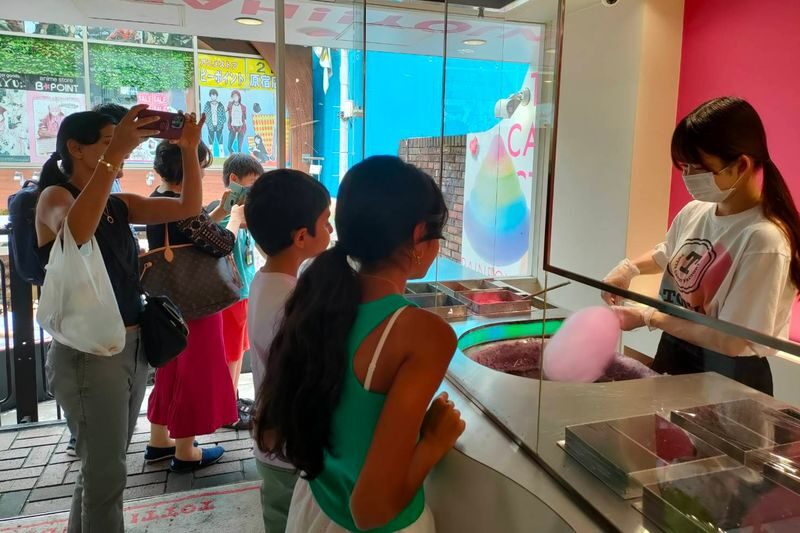
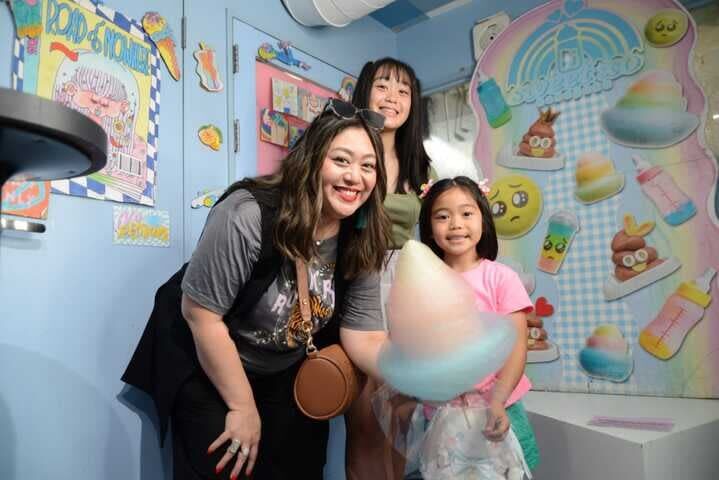
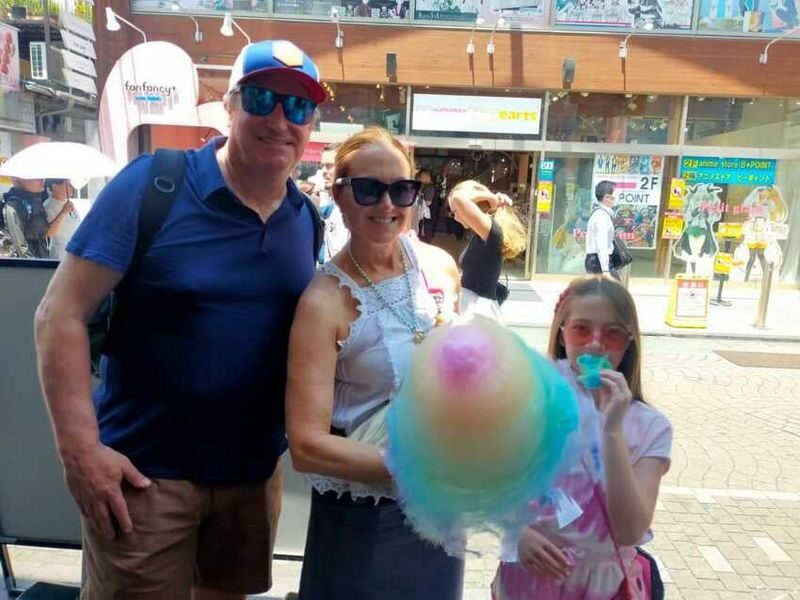
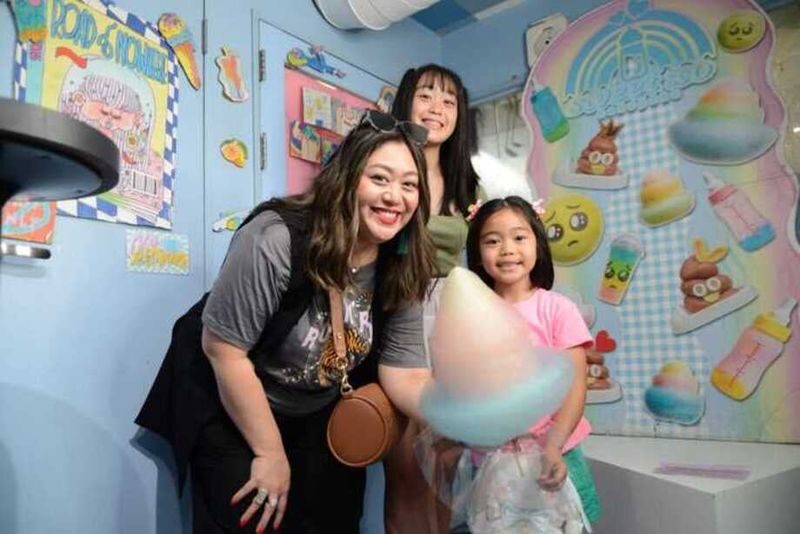
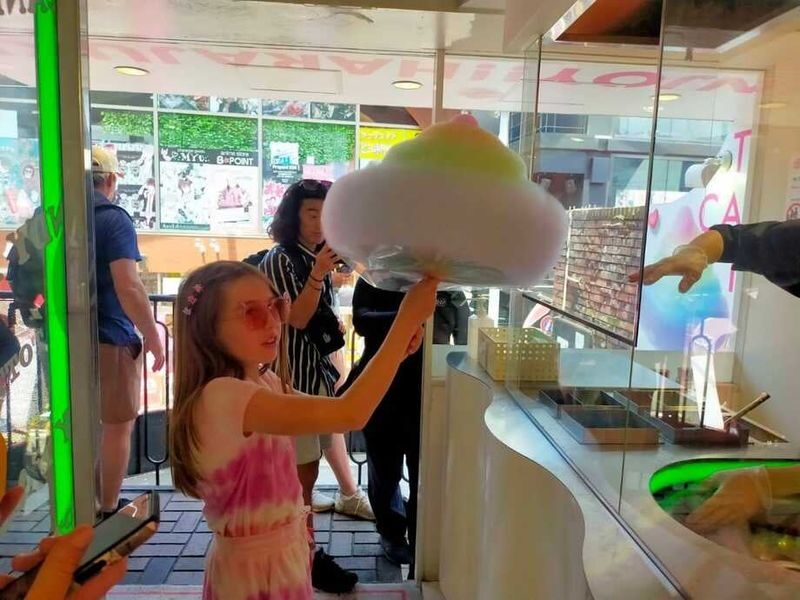
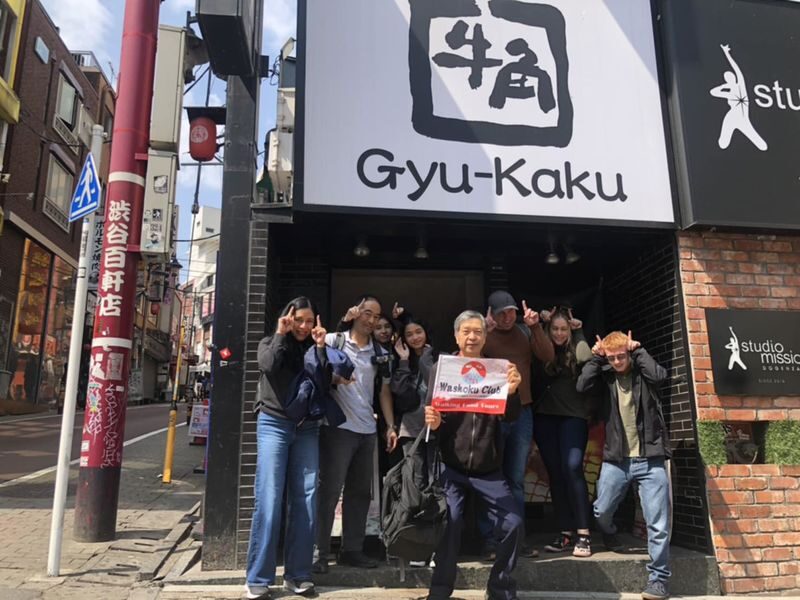
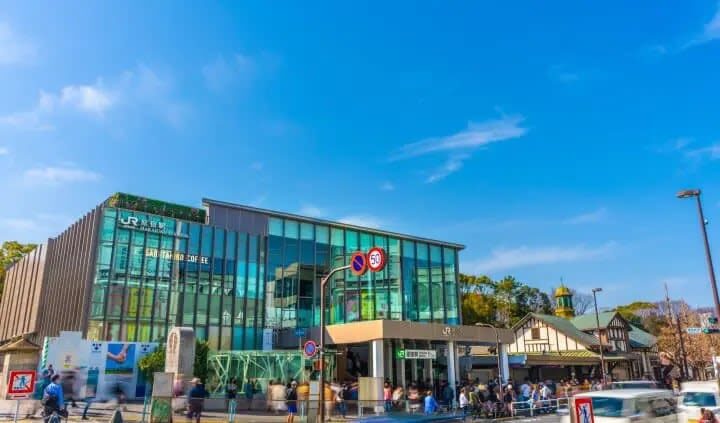
- Three to four food stops: Crepe, biscuit custard, snacks, and bottled water are included. Other dishes and the menu may vary.
- Harajuku with a local guide: Walk through a district known for Japanese pop culture, fashion, and sweet shops, with an English- or Japanese-speaking guide.
- A change of pace at Meiji Jingu: The shrine adds a quieter, more reflective stop to a tour focused on shopping streets and food.
- Small group size: The tour accepts one to eight participants, a useful size for asking questions and keeping the walk personal.
- A four-hour outing: The scheduled start is 11:00 and return is 15:00. Arrive 15 minutes early.
- Free for children under six: Ages 0 to 5 are free; children aged 12 and up pay the adult rate.

👉 See our pick of the 25 Best Guided Tours In Tokyo
Harajuku in four hours: sweet stalls and shrine paths
This half-day walk connects two sides of Tokyo that can feel worlds apart. Harajuku is a center for fashion, shopping, and Japanese pop culture; Meiji Jingu offers a quiet pause amid the city. The contrast is the point. You get a taste of the district’s youthful style, then a chance to slow down and see one of Tokyo’s best-known Shinto shrines.
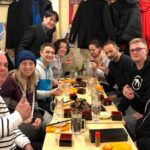
The tour is guided and listed for groups of one to eight. That small scale can make a difference in Harajuku, where narrow shopping streets get crowded and it is easy to spend your time deciding where to go next. A guide can keep the outing moving while explaining local culture and helping you make sense of the places you pass.
The tour lasts four hours, from 11:00 to 15:00. It is a walking experience, and transport is not included. Plan on being on your feet for much of the morning and early afternoon, with food stops along the way.
You can also read our reviews of more food & drink experiences in Tokyo


Takeshita Street: Harajuku’s high-energy shopping lane
Takeshita Street is one of the district’s signature stops, and for good reason. It is a compact stretch of shops and food businesses associated with Harajuku fashion and youth culture. You can browse, snack, and watch the neighborhood’s distinctive styles move past. If you want to understand why Harajuku is linked with the word kawaii, this is a natural place to start.
The street’s appeal is its sense of play. Fashion and food are not kept in separate boxes here; colorful treats and eye-catching shop fronts are part of the experience. The tour includes sweet vendors and locally popular dishes, with crepes among the named highlights. A biscuit custard is also included, along with snacks and bottled water.
Keep your expectations flexible. The tour guarantees three to four food stops, but it does not promise a fixed list of vendors or a set menu beyond the included items. The food selection can change by season and ingredient supply. If you have a particular dish in mind, treat it as a possible bonus rather than a sure thing.
Takeshita Street can also be crowded, especially at popular times. A guided visit helps you cover the area without needing to plan every turn, but it will not make a busy street feel empty. If you prefer quiet browsing, the liveliness is part of the trade-off.
Crepes and small bites: making food part of the walk
The food element gives the tour a useful rhythm. Instead of spending four hours only looking at shops, you stop to try some of the snacks that help define Harajuku’s street-food scene. The crepe is a fitting choice in a neighborhood known for sweets, and the included biscuit custard adds another taste along the route.
You should think of this as a tasting walk rather than a full food tour built around a large meal. The included food is described as three to four stops, with snacks and bottled water. A guide has also taken a group to a BBQ restaurant for lunch, but that is not listed as a guaranteed stop. Ask before booking if a sit-down meal or a specific cuisine is important to you.
The changing menu is practical as well as seasonal. Ingredient supply can affect what is available, and the operator may adjust the schedule due to weather or other conditions. If you have dietary restrictions, confirm directly before booking; the available details do not specify whether substitutions can be made.
Tokyu Plaza, Cat Street, and the shops between
Shopping is one of Harajuku’s main draws, and the tour highlights Tokyu Plaza Omotesando Harajuku, which has popular Japanese and international brands. The shopping area gives you a broader look at the district than Takeshita Street alone. It is a place to browse contemporary retail, compare styles, or simply take in how fashion shapes this part of Tokyo.
Cat Street is another Harajuku area named in the tour description. It offers a different setting from the tightly packed Takeshita strip, though the exact route and time spent at each location may change. The tour is not a dedicated shopping excursion, so do not count on having a long stretch of free time to try on clothes or make several purchases.
That balance suits you if you want a guide to introduce the neighborhood and point out interesting shops, rather than spending the whole morning shopping independently. Guides Amber and Hiromi have both led outings here. Amber’s route included a visit to Meiji Jingu and lunch at a BBQ restaurant, while Hiromi showed a group places to eat and shops they might not have found on their own. Guide assignments and exact stops can vary.
Meiji Jingu: a quieter side of the neighborhood
Meiji Jingu is a major contrast to the shopping streets. This Shinto shrine sits within a wooded setting in central Tokyo, and its calm atmosphere can feel far removed from the colorful storefronts nearby. The tour’s shrine visit gives you a chance to see a significant religious site as part of the same walk, rather than treating it as a separate trip.
A guide can add context that is easy to miss if you are moving quickly or unsure how to approach a shrine. The outing is described as including local cultural insights, and Amber has led groups around Meiji Jingu. The exact amount of time spent there is not specified, so think of the shrine as one stop in a varied half-day, not a long guided history session.
The broader Harajuku area also includes Yoyogi Park and other cultural attractions, but their presence in the neighborhood does not mean they are guaranteed tour stops. The route may change because of weather, capacity, or scheduling. If Meiji Jingu is your main reason for booking, confirm that it remains on the planned route for your date.
You can also read our reviews of more tours and experiences in Tokyo


What the four-hour schedule means for your day
The tour starts at 11:00 and is scheduled to return at 15:00. That timing gives you a late-morning start and leaves room for dinner plans, another museum, or more independent shopping afterward. You will need to arrange your own transport to and from the meeting area, since transport is not included.
The meeting location is listed near Harajuku Station’s Omotesando Exit, at the Matsumoto Kiyoshi store. The return address is given as Cross Avenue Harajuku, so check the mobile voucher for the precise meeting instructions and map pin before setting out. Arrive 15 minutes early. Late arrivals and no-shows are not refundable.
Because this is a walking tour, wear comfortable shoes and bring what you need for the day’s weather. The activity is stroller-friendly and infant seats are available, but it is not wheelchair-accessible. Pets are not allowed, and the tour is not recommended for people with heart disease or other serious medical conditions.
What the price buys, and what it does not
The listed starting price is $137.35, while the Harajuku Half-day Tour package is also shown from $171.69. Those figures differ, so check the date, package, and final checkout price before booking. The cost is best judged against what is included: a professional guide for four hours, three to four food stops, a crepe, biscuit custard, snacks, and bottled water.
The strongest value is the guided combination of food, local culture, shopping areas, and Meiji Jingu. If you already know Harajuku well and are happy to pick your own stalls, you may prefer to explore independently and spend less. If you are new to the area, traveling with children, or want someone else to shape the route, having a guide can make a short visit more useful.
Transport, personal purchases, tips, and alcoholic drinks are not included. Alcoholic drinks may be available to buy, but they are not part of the package. Children aged 0 to 5 can join free, while those aged 12 and up are charged the adult rate. The stated group limit is eight people.
Should you book the Harajuku food walk?
I would book this tour if you want a guided first look at Harajuku that mixes sweet treats with shopping streets and a shrine visit. It is especially well suited to families with young children, first-time visitors, and anyone who likes having a local guide connect the stops. The small group limit and included snacks help make the four-hour format feel more personal than a large bus outing.
I would skip it if your priority is a long, unhurried shrine visit, a guaranteed BBQ lunch, or extensive time to shop. The route and menu can change, and the available details do not promise a particular restaurant or a fixed list of vendors. For the best fit, go in expecting a sampler of Harajuku, not a rigid checklist.
Harajuku Fun Food Tour Free For Kids With A Friendly Guide
“our host Amber was great. she showed us around the Meiji shrine and took us for lunch at a BBQ restaurant, as well as looking around some interesti…”
FAQ
How long is the Harajuku tour?
The tour lasts four hours. It is scheduled to start at 11:00 and return at 15:00.
What food is included?
The package includes a crepe, biscuit custard, snacks, and bottled water, with three to four food stops. The menu may change with the season and ingredient availability.
Is the tour suitable for children?
Children aged 0 to 5 can join free, and children aged 12 and older are charged the adult rate. Infant seats are available, and the activity is stroller-friendly.
How many people can join?
The group size is one to eight participants.
What languages does the guide speak?
The guide speaks English or Japanese.
Is transport included?
No. Transport and personal expenses are not included.
Is the tour wheelchair-accessible?
No. The activity is not wheelchair-accessible, though it is stroller-friendly.























