The most memorable contrast on TruTravels’ Legend of Japan tour may be the shift from Tokyo’s late-night glow to the quiet rituals of a temple stay in Koyasan. In 12 days, you travel by bullet train, visit landmark shrines and temples, and get hands-on with sushi making and samurai training.
I like the mix of big-name sights and cultural activities, and the way a guide helps you manage Japan’s trains and busy city days. I also like that Koyasan offers a change of pace from the urban stops. The main trade-off is shared accommodation: expect hostel dorms, not a private hotel room, and a packed schedule with limited time to explore some places on your own.
- The trip at a glance
- Tokyo opens with neon and temple courtyards
- Osaka adds castles, canals and sushi practice
- Koyasan offers a quieter night at a temple
- Kyoto’s temples reward an early start
- Hakone brings mountain views and a lake cruise
- What the group format means in practice
- Who should book the Legend of Japan tour?
- FAQ
- How long is the Legend of Japan tour?
- Which places does the tour visit?
- What is the group size?
- What is the age range?
- What kind of accommodation is included?
- Can I book a private room?
- Which meals are included?
- Is transport included?
- The Best Of Tokyo!
- More Tours in Tokyo
- More Tour Reviews in Tokyo
- Not for you? Here's more nearby things to do in Tokyo we have reviewed
The trip at a glance
 1 / 8
 2 / 8
 3 / 8
 4 / 8
 5 / 8
 6 / 8
 7 / 8
 8 / 8
- Sleep in Koyasan: Spend a night in a traditional temple, with a vegetarian dinner and an evening walk through an old cemetery.
- See Japan by rail: Travel between Tokyo and Osaka by bullet train, with other transport included along the route.
- Try more than sightseeing: Make sushi, take part in a tea ceremony and learn basic sword techniques in a samurai class.
- Visit the big Kyoto sights: Walk through Fushimi-Inari’s red gates, see Kinkaku-Ji and explore the Arashiyama Bamboo Forest.
- Join a young adult group: The tour is guided in English, with 4 to 20 people and a stated age range of 18 to 39.

👉 See our pick of the 25 Best Guided Tours In Tokyo
Tokyo opens with neon and temple courtyards
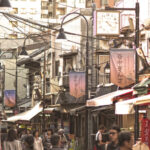
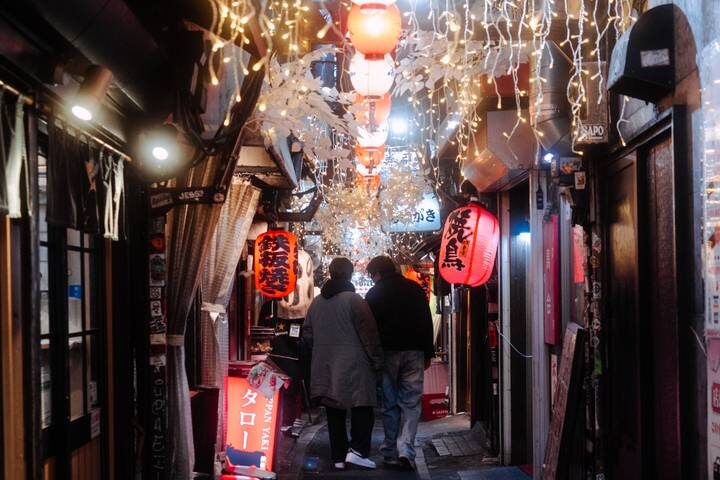
The tour starts in Tokyo, where you check into a hostel and meet the group before heading to Shinjuku. This first evening is about getting acquainted with the city and your group. Shinjuku is known for its bright signs, bars and nightlife, so the outing suits you if you want a social start. If you prefer an early night after a long flight, there is no need to treat the first evening as a test of stamina.
Day two begins at Senso-Ji, Tokyo’s oldest temple. The vivid red buildings and surrounding grounds offer a strong first look at the city’s religious traditions. The group then visits Akihabara, the electric-town district associated with anime and gaming. You can browse the shops or use the stop to try street food such as takoyaki or yakisoba. A sake tasting rounds out the day.
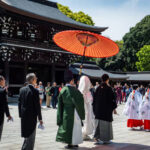
On day three, Meiji Shrine and Yoyogi Park provide a greener, more reflective side of Tokyo. The shrine is dedicated to Emperor Meiji and Empress Shoken, while nearby Harajuku brings you back to shopping streets and urban style. Lunch is included, but dinner and the evening are free. That flexibility is useful: Tokyo has plenty to keep you busy, but you can also pace yourself before the next travel day.
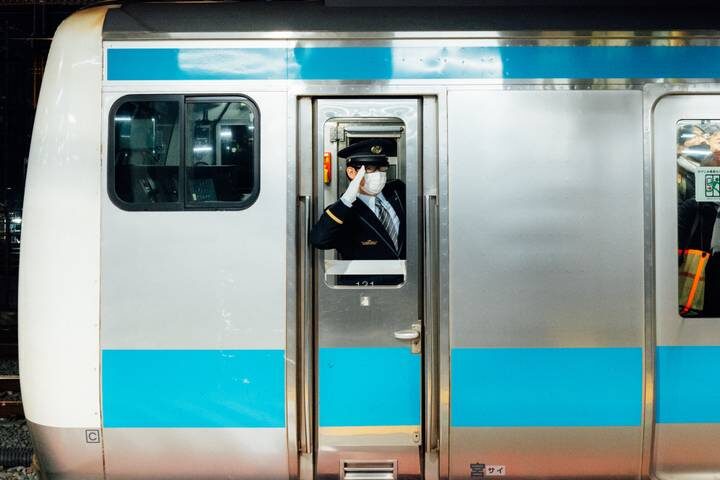
Tokyo’s transit system is part of the experience. You’ll use trains for much of the sightseeing, and a guide can help make the routes less daunting. Guides named in recent tour feedback include Morgan, Hikari and Zane, though you should not assume any particular person will lead your departure. The recurring strength is practical support: leaders have helped with food suggestions, directions, translation and plans for free time.
You can also read our reviews of more tours and experiences in Tokyo.


Osaka adds castles, canals and sushi practice
On day four, the bullet train carries the group from Tokyo to Osaka. The ride is a highlight in its own right, and it saves a long overland journey. After arrival, the tour visits Osaka Castle, a major landmark linked to the samurai ruler Toyotomi Hideyoshi. The site covers a large area, so allow energy for walking and taking in the grounds.
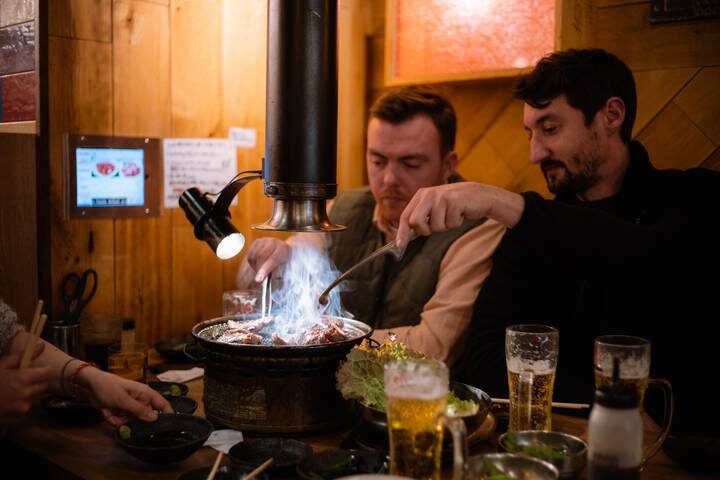
Later, a guided walk through Dotonbori brings a different mood: glowing signs, crowded streets and oversized shop displays. The evening is left open for street food and drinks. Osaka is known for its food culture, and this is a good place to sample a few local dishes rather than settle for a familiar meal. Dinner and cocktails are optional, so budget extra for them.
Day five is lighter. You’ll take a sushi-making class, then eat a selection of what the group has prepared for lunch. It’s a practical, hands-on activity, though the point is less to master sushi than to understand the care and technique behind it. The rest of the day is free for more Osaka sightseeing or a slower afternoon.
The tour does not include every meal. The package lists two breakfasts, one lunch and one dinner, while the Koyasan stay is described as including temple meals. Because those details do not fully match, confirm the exact meal arrangements for your departure before booking. In general, plan to pay for most breakfasts, dinners and snacks yourself.
Koyasan offers a quieter night at a temple
Getting to Koyasan is a journey in stages: local train, cable train and bus. That change of pace is part of the appeal. Instead of another city hostel night, you stay in a traditional temple, follow its rules and share a vegetarian meal. Rooms at the temple can accommodate up to four people.
In the evening, the group takes a guided walk through Japan’s oldest cemetery. The setting is described as peaceful rather than frightening, and the walk adds context to Koyasan’s religious life. It is one of the trip’s most distinctive moments, but keep in mind that this is a shared cultural stay, not a resort-style night with a wide choice of facilities.
The next morning starts early with a Goma taki fire ceremony. You write wishes on wooden plates and place them in the fire as part of a purification ritual. A traditional breakfast and morning prayer at a local temple follow before the group heads to Kyoto. These activities give the Koyasan stop a sense of participation that a quick photo stop would not provide.
Kyoto’s temples reward an early start
Kyoto begins with Gion, the historic entertainment district associated with geiko and maiko. A guided walk takes you through its streets, shops and teahouses, followed by a traditional tea ceremony. The combination makes the customs easier to understand than simply passing through on your own. Later, you can walk beside the Kamogawa River and watch the light change over the city.
Day eight brings Kinkaku-Ji, the Golden Pavilion, whose upper floors are covered in gold leaf. It is a popular sight, so expect other people around the garden and viewing points. The tour then visits the Arashiyama Bamboo Forest. The tall bamboo creates an unusual setting, but the path can feel busy; take your time and enjoy the walk rather than expecting solitude.
The afternoon is free. Nara or a bicycle ride through Kyoto’s backstreets are suggested options, but you can also keep the day simple and explore nearby. This open time is valuable after several guided visits, though any optional transport, meals or activities should be treated as extra spending.
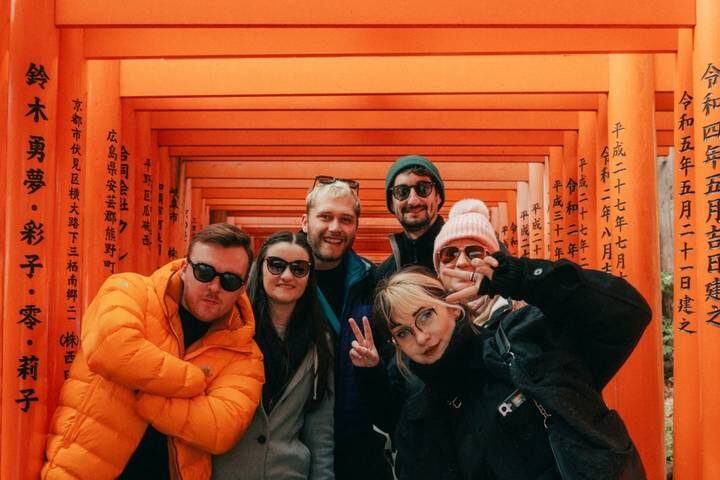
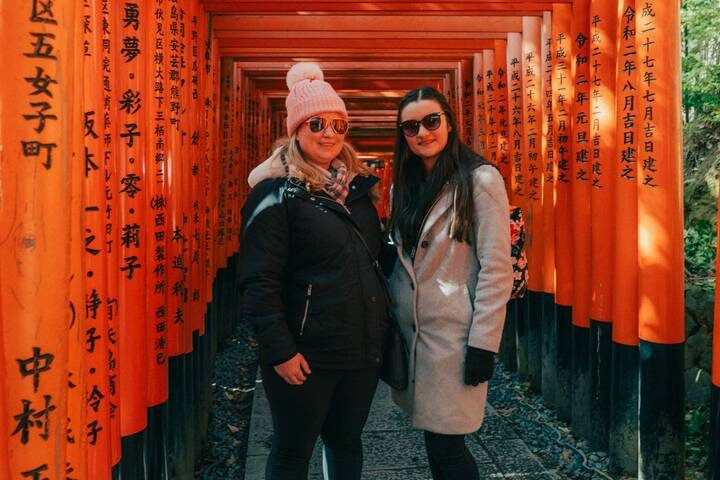
Day nine takes you to Fushimi-Inari, famous for its thousands of red torii gates. The walk gives you a chance to see the shrine beyond its first photo spot, though how far you go depends on your pace and the group’s schedule. The day’s second activity is a samurai class: you wear robes, watch a demonstration and practise basic sword techniques. It is a lively contrast to the temples, and a fun way to engage with Japanese history without pretending that a short class turns you into a warrior.
Hakone brings mountain views and a lake cruise
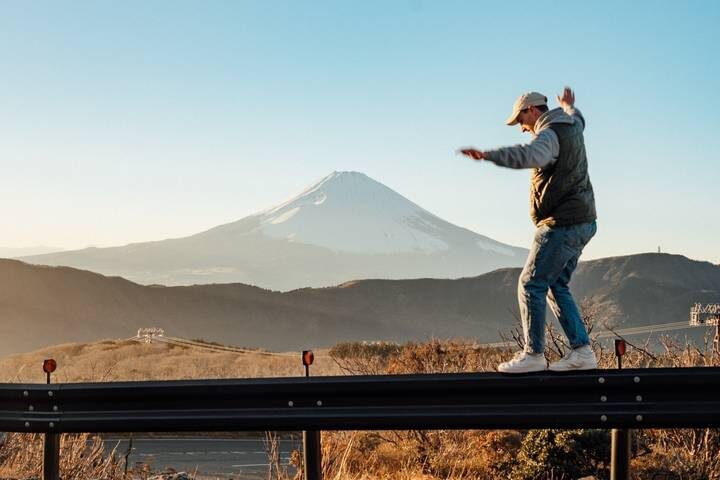
After a relaxed morning, the group travels from Kyoto to Hakone and then back to Tokyo. The route combines a ropeway ride with a cruise on Lake Ashi aboard a boat styled like a pirate ship. The views can include Mount Fuji, but mountain visibility depends on the weather, so treat a clear Fuji view as a possibility rather than a promise.
The ropeway and lake cruise add variety after several city and temple days. They also make for a long transfer day, so pack what you need for the journey where you can reach it. The detailed schedule places the return to Tokyo on day ten, followed by a more relaxed Tokyo day and a final group evening. Confirm the precise departure arrangements for your date, as the day-by-day descriptions vary slightly.
Day eleven is intentionally less structured. Breakfast is included, then you have time to see more of Tokyo or rest before the group’s last evening. On day twelve, you check out and can ask the tour leader for help with onward travel or sightseeing suggestions.






What the group format means in practice
This is a social, guided trip for adults, with a group size of 4 to 20. That range can shape the feel of the experience: a smaller departure may be easy to coordinate, while a larger one can mean more waiting at stations and attractions. The guide manages transport and timing, and recent leaders have been praised for staying organised, adapting plans and helping people with different interests feel included.
The accommodation needs careful thought. The tour uses hostels with shared dorms reserved for the group, and the two hostel stays have shared bathrooms. At Koyasan, you sleep in a traditional temple, with rooms for up to four. The supplied information does not offer a private-room upgrade. One tour description mentions a mix of dorms and twin-share rooms, while another specifies shared dorms throughout except for the temple; check the room setup for your particular departure before paying.
Physical activity is rated low, but low intensity does not mean no walking. Temple grounds, city districts and transport connections involve time on your feet, and you’ll need to manage your own luggage between stops. Comfortable walking shoes and a compact bag will make the travel days easier.
The tour’s strongest practical value is that transport, guiding and many headline activities are included. You won’t have to plan every train connection or book each major experience yourself. Still, the overall cost is more than the tour price: most meals are not covered, and optional evenings, shopping and activities add up. A $280 deposit is listed, with the balance due 65 days before departure. Prices and available departure dates are not provided here, so compare the final total with the cost of arranging a similar trip independently.
Who should book the Legend of Japan tour?
I’d consider this tour if you are an adult in the stated age group, enjoy meeting people and want a structured introduction to Japan without planning each transfer yourself. The mix of Tokyo, Osaka, Kyoto, Koyasan and Hakone gives you city energy, temple customs, food activities and a chance of mountain views in one trip.
Think twice if you need a private room, prefer slow travel or want long stretches of independent time. The schedule covers many major sights in 12 days, but it cannot give every destination a deep stay. If shared hostels suit you and you like having a guide to handle the logistics, this is a lively, activity-rich way to make a first trip through Japan easier.
Legend of Japan 12-Day Tour by TruTravels
“Hikari was amazing she made the trip so amazing and comfortable. She was so organised and calm and felt like my friend more than a guide I loved it”
FAQ
How long is the Legend of Japan tour?
The tour lasts 12 days, starting and ending in Tokyo.
Which places does the tour visit?
The route includes Tokyo, Osaka, Koyasan, Kyoto and Hakone, with a Mount Fuji viewpoint.
What is the group size?
The stated group size is 4 to 20 people.
What is the age range?
The tour details give an age range of 18 to 39. TruTravels’ general information also says its tours are designed for ages 18 to 45, so confirm the limit for your departure before booking.
What kind of accommodation is included?
The tour uses shared hostel dorms for the group, with shared bathroom facilities at the hostels, plus one night in a traditional temple in Koyasan. Temple rooms can accommodate up to four people.
Can I book a private room?
The provided accommodation details say there is no private-room upgrade for this tour. Check with TruTravels if your departure has different room arrangements.
Which meals are included?
The package lists two breakfasts, one lunch and one dinner. The Koyasan description also says meals are covered during the temple stay, so confirm the exact meal count for your departure.
Is transport included?
Yes. The tour states that transport is included, including the bullet train journey from Tokyo to Osaka and the local connections to Koyasan.