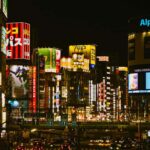
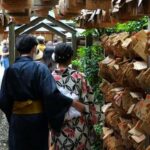
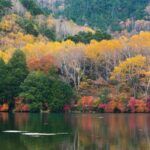
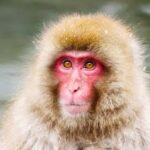
Japan’s great strength is its variety, and this 15-day route makes that clear: one day you’re amid Tokyo’s neon and subway crowds, another you’re walking a cedar-shaded temple path or watching macaques gather at hot springs. It links the famous sights with smaller towns and islands that are harder to fit into a first trip on your own.
I like two things in particular: the range of places, from Hiroshima and Miyajima to Mount Koya and the Japanese Alps, and the unusual overnight stays, including a Buddhist monastery and a traditional ryokan. The trade-off is a fast pace. You change hotels often, and a tour member’s only published comment called the daily schedule hectic, with too little time at major sights. This is a trip for seeing a lot, not lingering.
- At a glance
- Tokyo starts with temples, towers, and a lot of ground
- Kyoto, Nara, Osaka, and Himeji bring Japan’s big names
- Hiroshima, Miyajima, and Shikoku add history and sea crossings
- Mount Koya offers a quiet night, with a practical catch
- Tsumago, Matsumoto, and the Japanese Alps slow the scenery down
- Nikko, Kamakura, and Fuji finish the circuit
- What the price includes, and what the pace costs
- Should you book this Japan tour?
- FAQ
- Does the tour start and end in Tokyo?
- Are flights included in the price?
- Is the tour guided in English?
- How large can the group be?
- What meals are included?
- What is the Mount Koya accommodation like?
- Is the Mount Koya meditation guaranteed?
- Is Mount Fuji’s Fifth Station always accessible?
- Can Owakudani be closed?
- Is the tour physically demanding?
- The Best Of Tokyo!
- More Tours in Tokyo
- More Tour Reviews in Tokyo
- Not for you? Here's more nearby things to do in Tokyo we have reviewed
At a glance
 1 / 9
 2 / 9
 3 / 9
 4 / 9
 5 / 9
 6 / 9
 7 / 9
 8 / 9
 9 / 9
- Tokyo to Mount Fuji: Begin and end in Tokyo, with the final day devoted to Hakone, Lake Kawaguchiko, and the Fuji Fifth Station.
- A bullet train, ferries, and a coach: The route combines a high-speed rail ride, island crossings, local subway rides, and long road transfers.
- A monastery night on Mount Koya: Stay in a temple setting, eat a vegetarian dinner, and take part in a monk-led Zen meditation when available.
- Two distinct traditional stays: A Buddhist monastery and an Ikaho ryokan bring a different feel from the tour’s city hotels.
- Plenty is included, but not everything: Breakfast, several lunches and dinners, admissions, and the arrival transfer are part of the package. Flights and the final airport transfer are not.
- Expect a group format: Groups can range from 2 to 72, and some departures may use a bilingual guide.

👉 See our pick of the 25 Best Guided Tours In Tokyo
Tokyo starts with temples, towers, and a lot of ground
Day 1 is deliberately light. A shared shuttle takes you from Tokyo airport to the hotel, then you have the rest of the day to recover from the flight and get settled. Tour details arrive in the afternoon. Since there is no airport transfer at the end, plan your onward trip from Tokyo separately.
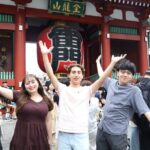
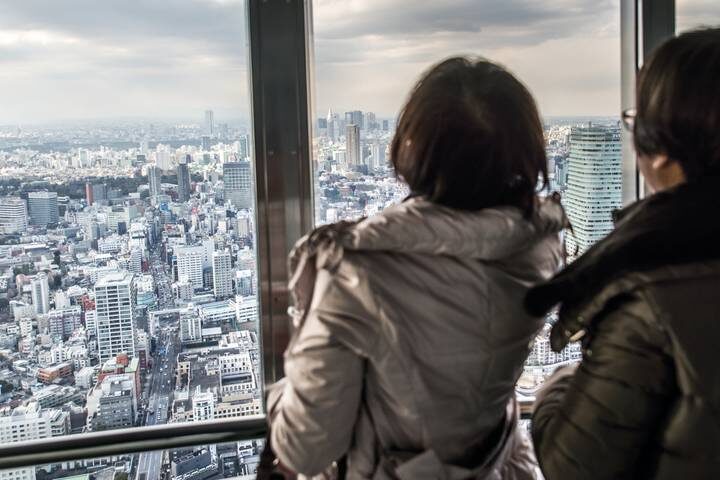
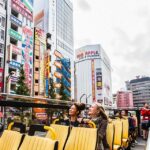
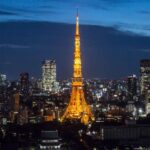
The next day is a full guided survey of the city, about seven hours long. You stop at Zojoji Temple for a view of Tokyo Tower, see Shibuya Crossing from the bus, visit Meiji Shrine, and go up Tokyo Skytree to its Tembo Deck at 350 meters. Asakusa’s Nakamise Street brings a change of scale, with shops and food stalls leading toward Sensoji Temple. On the return, the bus passes Akihabara and Ginza.
In the evening, you take the subway with your guide to Shinjuku for a walk and an included dinner at a local restaurant. This is useful orientation for a first visit, but a bus view of Shibuya is not the same as walking across the crossing. Treat the day as an introduction, then use free time later to revisit any neighborhood that catches your attention.
You can also read our reviews of more tours and experiences in Tokyo.


Kyoto, Nara, Osaka, and Himeji bring Japan’s big names
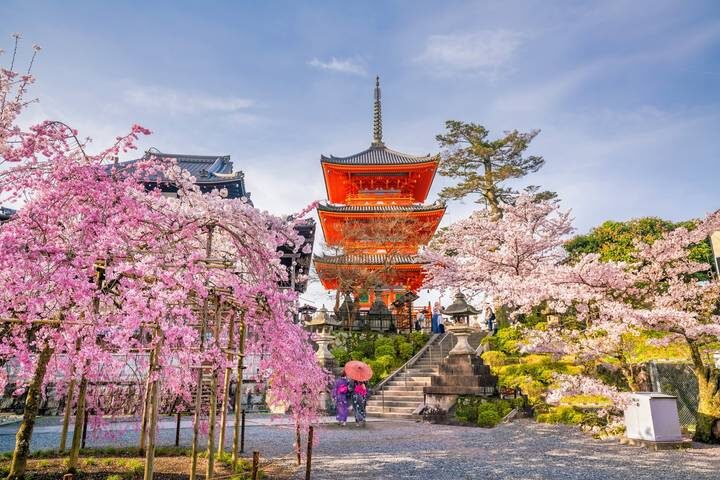
Day 3 begins with a bullet train to Kyoto, covering nearly 500 kilometers in just over two hours. The visits include Fushimi Inari Shrine, the Imperial Palace, and Kinkakuji, the Golden Pavilion, followed by a walk through Gion. These are major sights, not quiet discoveries, and the schedule gives you a broad first look rather than hours at each place. You get some free time, but lunch is on your own.
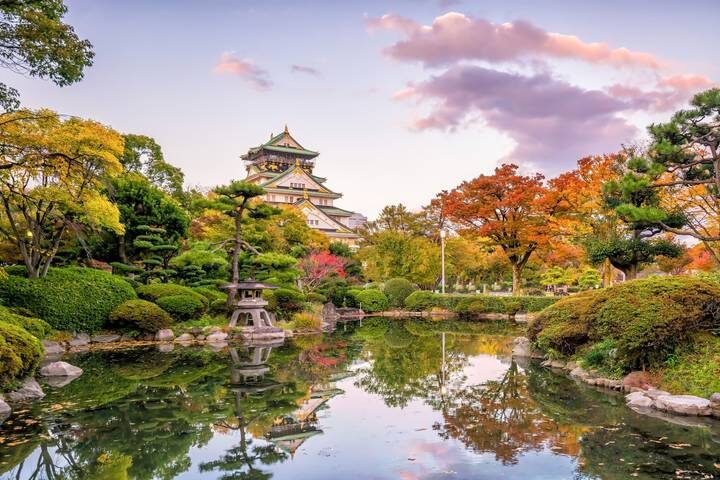
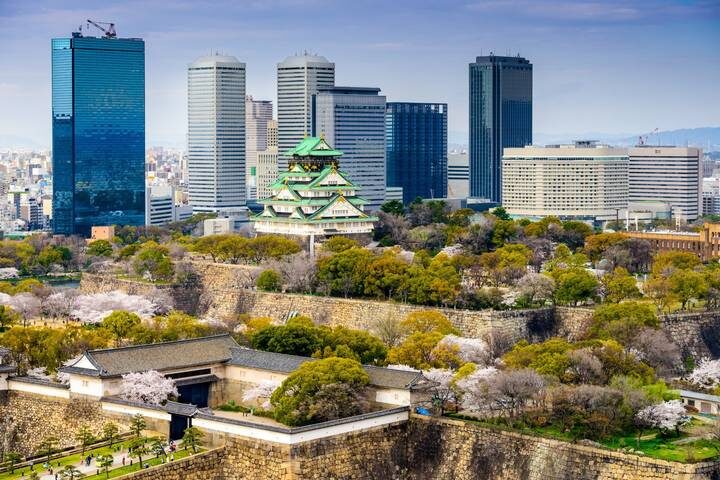
The following day takes you to Nara’s Todaiji Temple and its Great Buddha, then through Nara Park, where deer roam among visitors. In Osaka, you see Dotonbori, have free time for lunch, visit Osaka Castle, and pass through the Umeda area. The mix is appealing: sacred architecture, a lively food district, and a major castle in one day. It is also a full day, so don’t count on a leisurely sit-down lunch unless you manage your time carefully.
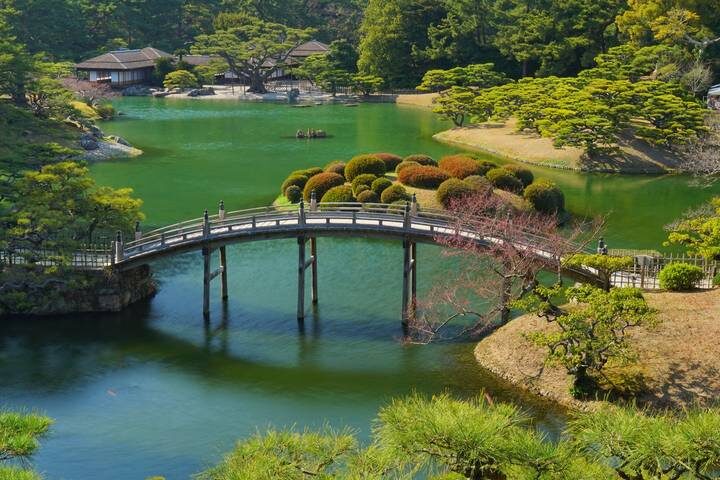
On Day 5, Himeji Castle is the main event. Admission to the castle complex is included, and you continue to Okayama for Korakuen, one of Japan’s best-known gardens. You can cross a footbridge to Okayama Castle, but entry inside that castle is not included. Depending on the date, your overnight stop may be in Okayama, Fukuyama, or Kurashiki, so the exact sequence can vary.
Hiroshima, Miyajima, and Shikoku add history and sea crossings
Day 6 opens with a stroll through Kurashiki’s preserved old streets before the coach continues to Hiroshima. The Peace Memorial Park and Atomic Bomb Dome are followed by the Peace Memorial Museum, with admission included. Give this visit the attention it deserves. It is a solemn, important part of the trip, and the museum can be emotionally demanding.
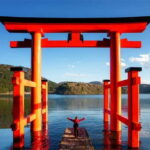
Later, a ferry takes you to Itsukushima Island, where you can see the Great Torii Gate and visit Itsukushima Shrine in your free time. Lunch on the island is not included. The timing of the Hiroshima visits can change, but the core stops remain on the program.
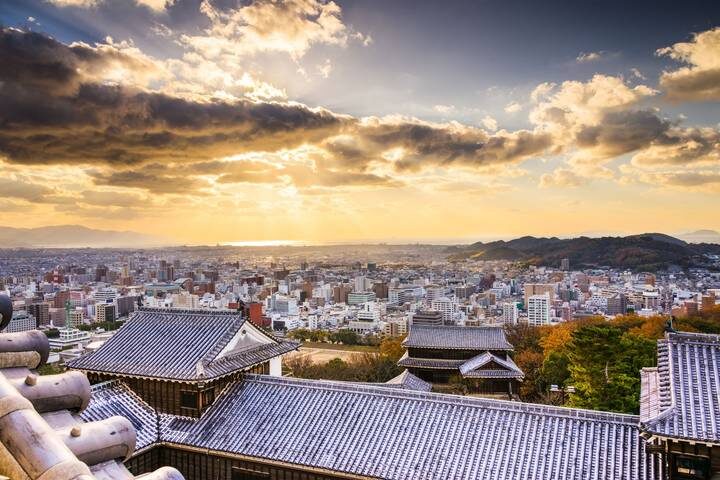
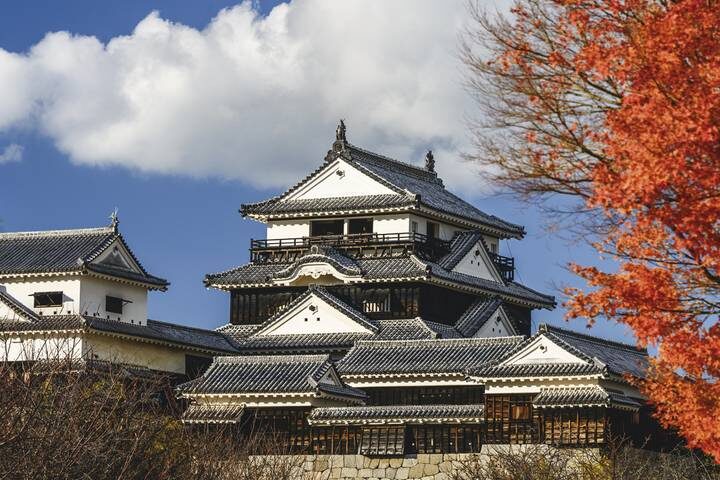
A longer ferry ride the next day carries you to Shikoku, making the island geography of Japan tangible rather than just a fact on a map. In Matsuyama, you take a cable car to the castle, visit Ishiteji Temple, and have an included lunch. The day ends at Dogo Onsen, a historic bathhouse dating to the 19th century. Admission is included, but the tour details do not specify the bathing arrangements, so check what is covered if using the baths is a priority for you.
Day 8 is one of the longer travel days. At Kotohira, the shrine sits up Mount Zosu, reached by 785 steps. You then visit Ritsurin Garden in Takamatsu, have lunch, and stop at Naruto Bridge, where a glass floor lets you look down toward the sea whirlpools from 45 meters above. The route across bridges linking islands is scenic, but there is a lot of road time between stops before you reach Kobe.
Mount Koya offers a quiet night, with a practical catch
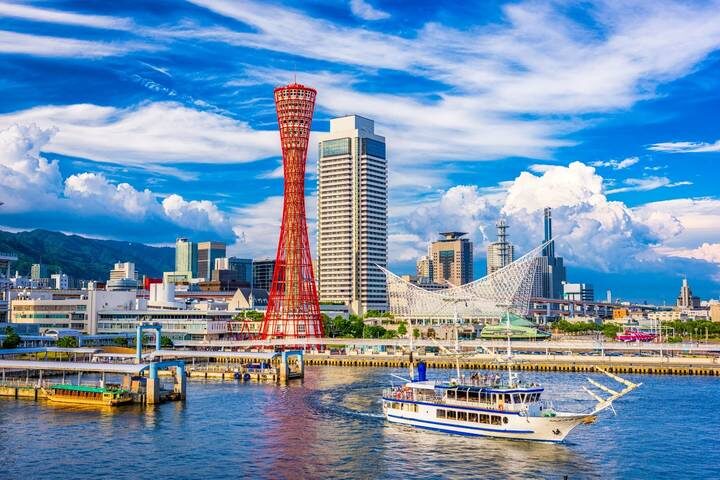
In Kobe, you visit the Earthquake Memorial Museum, which recalls the 1995 earthquake and the city’s recovery. On some dates, that stop may be replaced by a sake museum or Kobe Tower, so the exact experience is not guaranteed.
Then comes Mount Koya, a major center of Shingon Buddhism. You visit Okuno Mausoleum, a wooded cemetery with more than 200,000 graves, and Kongobuji Temple, originally built in 1593. The overnight stay is in a Buddhist monastery, with a vegetarian dinner and a monk-led Ajikan Zen meditation. You may also attend the morning ceremony before breakfast.
This is among the tour’s most distinctive experiences, but it is not a hotel night with a spiritual label attached. Rooms are simple and traditional, with tatami mats and shared bathrooms rather than private facilities. Meditation may not be available on peak dates, and limited temple capacity can mean a nearby hotel instead. If the monastery stay is central to your decision, confirm its availability for your departure.
After breakfast at the temple, you travel to Kyoto and have the day free. That unstructured time is welcome after several tightly scheduled days. Your guide can suggest places to visit, but admissions and meals for your independent day are not specified as included.
Tsumago, Matsumoto, and the Japanese Alps slow the scenery down
Day 11 takes you from Kyoto to Tsumago, a small village known for its wooden houses. You have time to walk around and an included lunch before heading to Matsumoto. The city’s 16th-century castle, nicknamed the Crow, is the central stop, followed by some free time before the coach continues to Nagano. The distance means this is still a travel day, even with two worthwhile stops.
In Nagano, you visit Zenkoji Temple and take part in a Gomakuyo ceremony associated with good fortune. Then you walk forest trails to Jigokudani Monkey Park, where Japanese macaques gather around hot springs. The visit depends on conditions: in autumn, the monkeys may not come down, and the park can close. You continue through mountain terrain reaching 2,172 meters, then stop in Kusatsu for a walk and time for lunch.
The day ends in Ikaho, where stone steps run through the old hot-spring district. You stay at a ryokan, with a traditional Japanese dinner included and hot-spring baths available as an optional activity. It is a welcome contrast to hotel rooms, but expect another busy day before you reach the inn.

Nikko, Kamakura, and Fuji finish the circuit
On Day 13, Nikko brings ornate religious architecture and quieter riverside scenery. You visit Nikko-Toshogu Temple, including its famous room associated with the sound of a dragon, and Taiyuinbyo Mausoleum. At Kanmangafuchi Abyss, rows of Jizo statues line the riverbanks. There is some free time in town before the coach returns to Tokyo, arriving around 6:30 p.m.
The next morning you leave Tokyo for Kamakura. At Hokokuji Zen Temple, a bamboo grove walk comes with green tea, followed by the Great Buddha. You then have free time around coastal Enoshima before continuing to Odawara Castle. This day offers a gentler counterpoint to Tokyo, though the time at Enoshima is independent and lunch is not included.
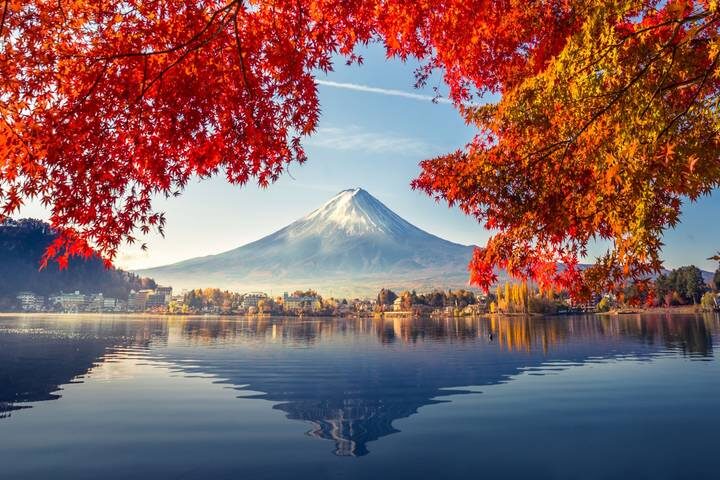
The final day packs in the Hakone and Fuji region. Owakudani’s volcanic steam vents are the first stop, subject to closures for volcanic activity or gases. If access is restricted, the plan is to visit Kitaguchi Hongu Fuji Sengen Shrine instead. At Oshino Hakkai, eight ponds frame views of Mount Fuji, then a boat ride takes you onto Lake Kawaguchiko. The route continues up to the Fifth Station at 2,305 meters, if weather and road conditions allow. In winter, snow can prevent the coach from reaching it.
That is a fine finish, but keep expectations realistic: this is a scenic day across several stops, not a summit climb. You return to Tokyo at day’s end, and the tour does not include a departure transfer to the airport.
What the price includes, and what the pace costs
The starting price is $5,257 for 15 days, with flights excluded. The value rests on how much ground the tour covers: hotels with breakfast, an arrival transfer, an English-speaking guide, basic travel insurance, the Tokyo to Kyoto bullet train, multiple ferries, local transfers, admissions at many headline sights, and several lunches and dinners are included. The package also handles a route that would take substantial planning to organize independently.
The accommodation is described as four-star, but the operator says the hotels are selected for quality, price, and location rather than luxury. Most are outside the very center, with public transport nearby. Room dimensions and bed sizes vary, as they do across Japan. Most nights have a private bathroom, while the monastery stay has shared facilities.
The main cost is not just money. It is time and energy. The group size can reach 72, English may be paired with Spanish on some departures, and guides can change during the trip. You should also expect early starts, frequent hotel changes, and long coach transfers. The tour is rated low intensity, but that does not mean it is free of exertion: Kotohira’s 785 steps and the forest walk to the monkey park are notable exceptions.
For value, this is strongest if you want a broad introduction and prefer transport, admissions, and major logistics arranged for you. It is less compelling if your ideal Japan trip means lingering in Kyoto, choosing every meal, or spending several days in one place. Only one published tour-specific rating is available, so treat the 4.2 out of 5 overall score as a small sample, not a firm forecast.
Should you book this Japan tour?
Book it if you want to see Japan’s major cities, temples, islands, hot-spring towns, and Mount Fuji in one organized trip, and you are comfortable with a brisk schedule. The monastery and ryokan nights, the Hiroshima visit, and the chain of ferry crossings give the route more character than a city-to-city checklist.
Think twice if you need long, unhurried visits or private bathroom facilities every night. Before booking, check the exact hotel assignments, guide language arrangement, monastery availability, and seasonal access to Owakudani, Kusatsu, and Fuji’s Fifth Station. For a first visit with limited time, the breadth is the draw. For a slower trip, choose fewer regions and stay longer.
Japan’s Landscapes and Mount Fuji by Europamundo – 15-Day Tour
“Daily itinerary was a bit hectic. BUT will appreciate if we get more time at major,popular,significant spots.”
FAQ
Does the tour start and end in Tokyo?
Yes. The tour begins in Tokyo and returns there on Day 15 after visiting the Mount Fuji area. The departure transfer to the airport is not included.
Are flights included in the price?
No. Flights before and after the tour are not included and must be arranged separately.
Is the tour guided in English?
Yes, the tour is guided in English. On some departures, service may be bilingual, usually in English and Spanish. Guides may also change during the trip.
How large can the group be?
The group size is listed as 2 to 72 people.
What meals are included?
Hotel breakfast buffets are included. The tour also includes several lunches and four dinners, including dinner in Tokyo, Hiroshima, Mount Koya, and Ikaho. Other meals are at your own expense.
What is the Mount Koya accommodation like?
The planned stay is in a Buddhist monastery with traditional tatami rooms and shared bathrooms. A vegetarian dinner and a monk-led meditation are included when available. On some dates, groups may stay in nearby hotels because temple capacity is limited.
Is the Mount Koya meditation guaranteed?
No. The meditation may not be available on peak tourist dates. Attendance at the temple’s morning ceremony is optional.
Is Mount Fuji’s Fifth Station always accessible?
No. The road may be closed in winter because of snow or weather. The coach goes as far as conditions allow.
Can Owakudani be closed?
Yes. Access may be restricted because of volcanic activity or toxic gases. If that happens, the planned alternative is Kitaguchi Hongu Fuji Sengen Shrine.
Is the tour physically demanding?
The tour is rated low intensity, but it includes walking on forest trails at Jigokudani Monkey Park and a climb of 785 steps at Kotohira Shrine. The daily schedule also includes frequent travel and hotel changes.