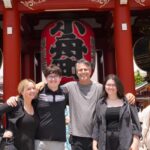
Tokyo begins with two very different views: the city from Tokyo Tower’s Observation Deck, then its older streets from a traditional rickshaw. Over ten days, this guided trip links the capital with Mount Fuji, Kyoto, Nara, Osaka, Hiroshima and Kobe, mixing headline sights with memorable local traditions.
I like two things in particular: the solo-traveler setup, which includes a room of your own without a single supplement, and the mix of experiences, from a Yakatabune dinner cruise to a sake tasting and tea ceremony. One consideration: the days cover a lot of ground, and your first hotel transfer in Tokyo and your flights are not included.
At a glance
- Tokyo by rickshaw and riverboat: See the city from Tokyo Tower, then dine aboard a traditional Yakatabune on the Sumida River.
- Mount Fuji with a weather caveat: Cruise Lake Ashi and ride a cable car to Owakudani, but Fuji views depend on visibility.
- Three Kyoto nights: Visit major temples, Gion, Fushimi Inari, a sake brewery and a tea ceremony in Uji.
- A solo-friendly hotel plan: Nine nights in four-star hotels, with a twin or double room of your own.
- Hiroshima and Kurashiki: Pair the Peace Memorial Park and A-Bomb Museum with a quieter stop in Kurashiki’s canal area.
- A full-service group trip: An English-speaking Holiday Director and local guides accompany a group of 10 to 40.

👉 See our pick of the 25 Best Guided Tours In Tokyo
- At a glance
- A broad Japan route, built for solo travelers
- Tokyo: tower views, temples and a boat dinner
- Mount Fuji, Lake Ashi and Atami’s hot springs
- Kyoto: temples, sake and a tea ceremony
- Nara and Osaka: a long day from Kyoto
- Hiroshima and Miyajima: two very different encounters
- Kobe, Himeji and the final dinner
- What the price covers, and what it does not
- Who should book Japan Revealed?
- FAQ
- Where does the tour start and finish?
- How long is Japan Revealed?
- Do I get a private room as a solo traveler?
- What is the group size?
- What language is the tour guided in?
- Which meals are included?
- Are flights and airport transfers included?
- Is the okonomiyaki-making experience included?
- The Best Of Tokyo!
- More Tours in Tokyo
- More Tour Reviews in Tokyo
- Not for you? Here's more nearby things to do in Tokyo we have reviewed
A broad Japan route, built for solo travelers
 1 / 7
 2 / 7
 3 / 7
 4 / 7
 5 / 7
 6 / 7
 7 / 7
Japan Revealed is a ten-day, nine-night group tour that starts in Tokyo and ends in Kobe. It connects several of Honshu’s best-known destinations without asking you to plan rail tickets, hotel changes or daily transport yourself. That convenience matters in a country where moving between cities can be easy, but a tight schedule and unfamiliar stations can take time to sort out.
The tour is made specifically for solo travelers. Your own twin or double room is guaranteed, and there is no single supplement. That is a real part of the price, not a small footnote: solo visitors often face a steep extra charge for private accommodation on group trips.
The group size ranges from 10 to 40, so the social feel may vary by departure. The design gives you company for meals and sightseeing without requiring you to be sociable every minute. One solo traveler described finding both easy conversation and space for solitude, a useful balance to expect from a trip built around people traveling alone.
You can also read our reviews of more tours and experiences in Tokyo.


Tokyo: tower views, temples and a boat dinner
Your first day is deliberately simple. Make your own way to Hotel Monterey Akasaka, then meet the Holiday Director that evening. Since the overseas flight and airport transfer are not included, plan your route into the city before you leave home. The trip begins in Tokyo and does not include that first transfer.
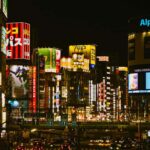
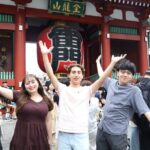
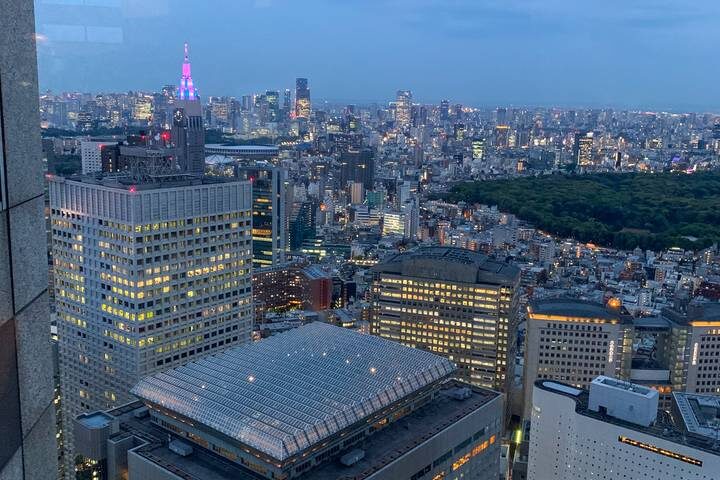
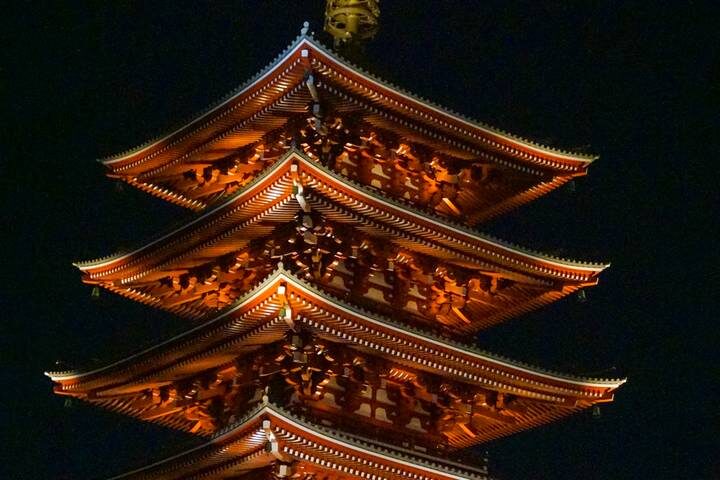
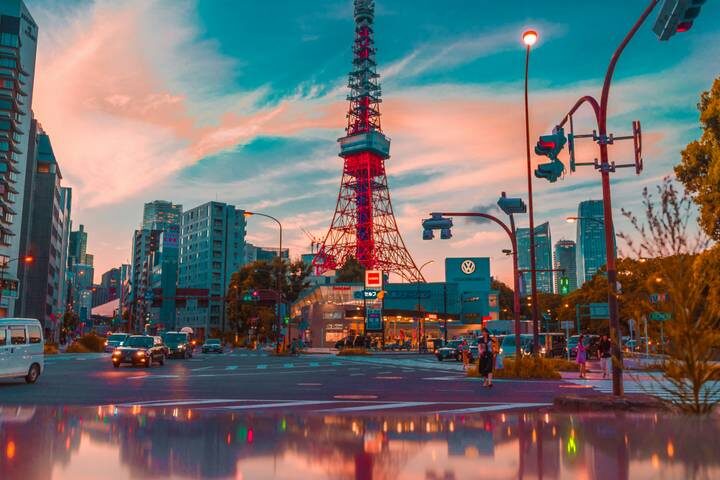
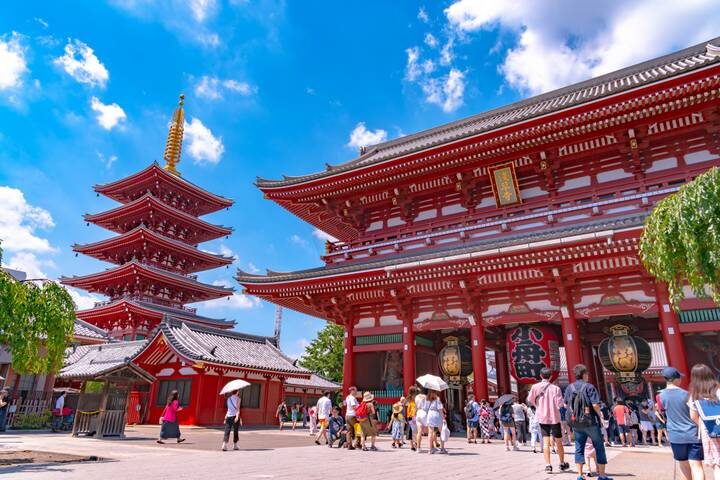
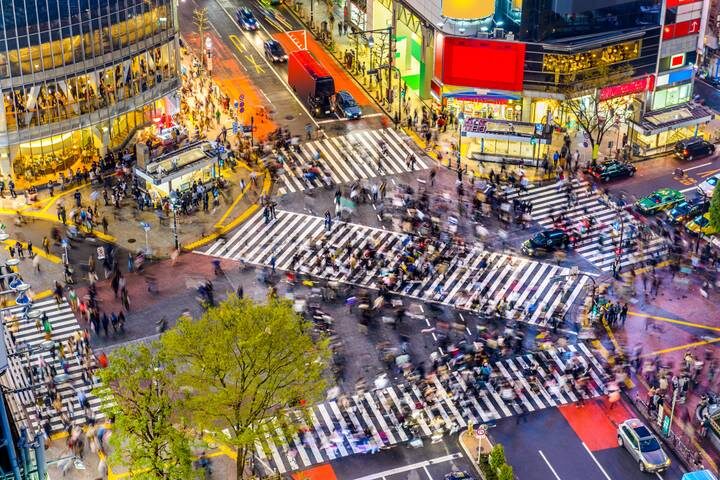
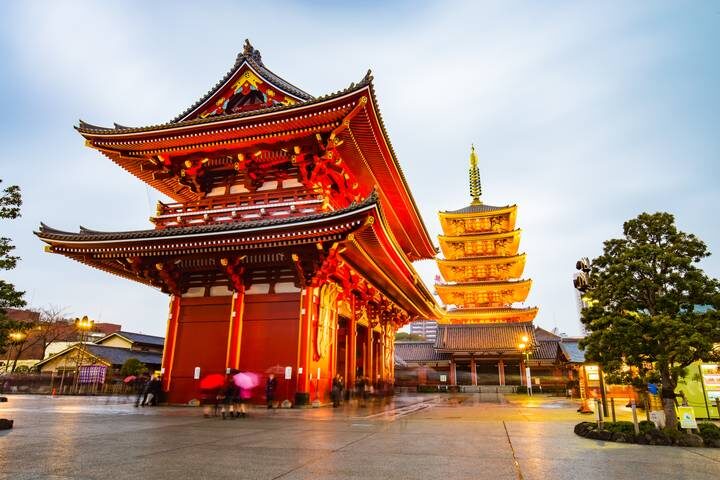
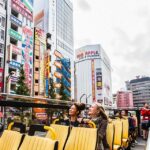
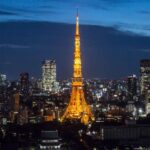
On day two, a guided city tour gives you a quick introduction to Tokyo’s contrasts. Tokyo Tower’s Observation Deck offers a high view over the capital, with Mount Fuji potentially visible on a clear day. The Imperial Palace stop is nearby, while Asakusa Sensoji Temple brings you into one of the city’s best-known historic districts. The rickshaw ride adds a human-scale view of the streets, a welcome change from looking down at the city from a tower.
The day ends aboard a Yakatabune, a traditional boat, for dinner on the Sumida River. The illuminated skyline is part of the appeal, but the boat meal is also a chance to settle in with the group after a full day. Dinner is included, as is a welcome drink during the trip.
The pace is guided and efficient. You should not expect a long, unstructured Tokyo stay: the program moves on the next day, so anyone keen to explore more neighborhoods independently may want to arrive early or add time after the tour.
Mount Fuji, Lake Ashi and Atami’s hot springs
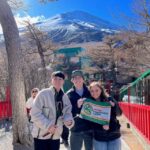
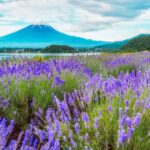
Day three turns from city streets to the Fuji-Hakone area. A cruise on Lake Ashi provides the main chance to see Mount Fuji, followed by a cable car ride to Owakudani, a volcanic valley known for sulphur vents and hot springs. The terrain and views make this a different kind of day from the temple visits ahead.
Keep expectations flexible. Fuji is famously weather-dependent, and the tour cannot promise a clear view. The route still has interest if cloud hides the mountain: the lake cruise and Owakudani visit are planned highlights in their own right.
You then continue to Atami, a coastal spa resort, and visit its natural thermal springs before staying at Resorpia Atami. The information describes a visit to the onsen, but does not specify that bathing is included, so treat this as a look at the hot-spring setting rather than a guaranteed soak.
Kyoto: temples, sake and a tea ceremony
A Bullet Train ride carries you from Atami to Kyoto on day four. It is a practical way to cover the distance and a highlight for anyone curious about Japan’s fast rail network. Kyoto becomes your base for three nights, reducing the need to pack and change hotels while you explore the surrounding area.
The first Kyoto visits set up a classic contrast. Kinkakuji, commonly called the Golden Pavilion, is famous for its gold-leaf exterior and reflection in the surrounding water. Heian Shrine brings a grand entrance gate and carefully kept gardens. Then comes Gion, the city’s best-known geisha district, where traditional teahouses line narrow streets. It is a historic neighborhood, not a performance staged for the group, so approach it as a place where people live and work.
On day five, Kiyomizu Temple sits above the city on a mountainside, supported by large wooden pillars. Its name means clear water, referring to a waterfall within the complex. The setting and construction make it one of the trip’s most distinctive temple stops, though the visit involves walking around a substantial site.
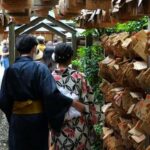
The day continues in Fushimi, a sake-brewing district, with a brewery visit and tasting. Later, the paths of Fushimi Inari pass shrines and stone fox figures, which are associated with the gods of rice and sake. A traditional tea ceremony in Uji rounds out the day. These experiences offer more than a photo stop: they give you an introduction to how everyday customs, food and religious practice fit together.
Nara and Osaka: a long day from Kyoto
Day six combines two cities, with the return to your Kyoto hotel at night. In Nara, Todaiji Temple houses a huge bronze Buddha, and nearby Deer Park is known for its free-roaming deer. The pairing works well: a major religious site followed by time outdoors, with the animals providing a memorable, sometimes cheeky distraction.
In Osaka, you stop for photographs at Osaka Castle, then visit the Umeda Floating Garden Observatory on the 39th floor. Dotonbori, with its shops and restaurants, gives you a taste of the city’s commercial center. The stops are varied, but there is a trade-off: you get an overview rather than a deep exploration of either Nara or Osaka.
This is one of the trip’s fuller days. If you want a slow visit to every temple or time to linger over Osaka’s food scene, you may wish for more hours. If you value seeing several important places without arranging separate transport, the combined excursion is efficient.

Hiroshima and Miyajima: two very different encounters
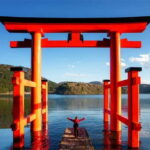
The Bullet Train takes you to Hiroshima on day seven. From there, the tour visits Miyajima Island and Itsukushima Shrine, known for its appearance over the water. The island adds a scenic pause before the tour turns to Hiroshima’s difficult wartime history.
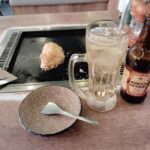
An okonomiyaki-making experience is offered as an optional activity. Okonomiyaki is a savory, pancake-like regional dish, but the cooking experience is not part of the standard included program as described in the day-by-day plan. Check the details for your departure if this is a priority, and allow for an extra cost if it is offered as an add-on.
On day eight, a guided Hiroshima tour visits Peace Memorial Park and the A-Bomb Museum. The A-Bomb Dome, the remains of the former Industrial Promotion Hall, is preserved as a reminder of the 1945 bombing and its human cost. The visit is likely to be emotionally demanding, and rightly so. Give yourself time to take in the museum rather than treating it as just another stop on a sightseeing list.
Shukkeien Garden provides a quieter counterpoint. The small garden was badly damaged in the bombing, then restored and reopened in 1951. Later, the route continues to Kurashiki, where former canal-side warehouses now hold boutiques and cafés. Its preserved waterways and older buildings offer a gentler end to a serious day.
Kobe, Himeji and the final dinner
The last travel day takes you toward Kobe, passing Himeji Castle on the way. Himeji is a major castle complex with origins dating to 1333, but the tour passes by rather than listing an interior visit. If entering the castle is important to you, check whether the schedule allows extra time before assuming it is included.
In Kobe, you have some free time before the farewell dinner. Harbourland offers shopping and entertainment, while the Shin-Kobe Ropeway is an optional way to get city views. The evening meal is included and gives the group a final chance to share the trip before departure the next day.
The tour ends in Kobe, not Tokyo. Arrange your onward travel accordingly, and note that international flights are not included. For some, this open-jaw route is a plus because it avoids retracing the whole route; for others, it means planning a separate departure connection.
What the price covers, and what it does not
The advertised starting price is $7,849. For that, the package includes nine nights in four-star hotels, transport during the tour, a Holiday Director, specialist local guides and 17 meals: nine breakfasts, one lunch and seven dinners. Key sightseeing and experiences include the Tokyo Tower visit, rickshaw ride, Yakatabune dinner cruise, Lake Ashi cruise, cable car to Owakudani, Bullet Train journeys, Kyoto and Nara visits, brewery tasting, tea ceremony, Hiroshima tour and Kurashiki stop.
That is a substantial amount of organized travel for ten days. The value lies in linking distant places and handling the logistics, while giving you a private room without a single supplement. The hotel list includes Hotel Monterey Akasaka, Resorpia Atami, Moxy Kyoto, ANA Crowne Plaza Hiroshima, Hotel Granvia Okayama and Kobe Portopia Hotel.
Still, the starting price does not include international flights, insurance, airport transfers or optional activities. Nor should you assume that every meal is covered: only the stated 17 are included. Compare the price with the cost of arranging hotels, rail travel and guided visits yourself, then add your own flight and personal spending budget. The trip is best value if you want the structure and solo-room guarantee, rather than the lowest possible cost or maximum free time.
Who should book Japan Revealed?
I would consider this trip if you are traveling alone, want a room of your own, and prefer a guide to take care of the route between major cities. It suits someone who wants a broad first look at Japan, with cultural activities and serious historical stops, but does not need several free days in each place.
It may be less suitable if you want to set your own pace, spend extended time in Tokyo or Kyoto, or choose every meal and activity independently. The itinerary changes cities often, and the Nara-Osaka day in particular covers a lot. The tour is rated low intensity, but sightseeing still means walking around temples, gardens and city areas.
Departures are listed for March, April, October and November. With only one published tour rating, the score gives limited evidence about how every departure will run. The more useful decision points are the solo-room arrangement, included rail and sightseeing, group size, and whether the set route matches your travel style.
Book it if you want an organized, solo-friendly introduction to Japan and value the company and logistics as much as the sights. Look elsewhere or add extra nights if independent exploration is your priority, or if you want to spend more time in a few cities rather than covering many in ten days.
Japan Revealed 10-Day Tour by Just You
“I met really nice people who were comfortable with being single so we mingled quite nicely and there was always someone around for either socializa…”
FAQ
Where does the tour start and finish?
It starts in Tokyo and ends in Kobe. The tour does not include your international flights or overseas airport transfers.
How long is Japan Revealed?
The tour lasts 10 days and includes nine hotel nights.
Do I get a private room as a solo traveler?
Yes. A twin or double room of your own is guaranteed, with no single supplement.
What is the group size?
Groups range from 10 to 40 people. The tour is designed for adults aged 18 and over.
What language is the tour guided in?
The tour is guided in English by a Just You Holiday Director and specialist local guides.
Which meals are included?
Seventeen meals are included: nine breakfasts, one lunch and seven dinners. The package includes a welcome drink and a farewell dinner.
Are flights and airport transfers included?
No. Flights and overseas transfers to and from the airport are not included. Travel transport during the tour is included.
Is the okonomiyaki-making experience included?
It is listed as an optional activity in the day-by-day plan, so do not assume it is included in the tour price.