Japan’s big-city glow and quieter mountain traditions sit side by side on this 13-day trip. You’ll ride the bullet train, watch snow monkeys near Nagano, sleep in a Buddhist temple in Koyasan and finish among Kyoto’s shrines and old lanes. The temple stay is the trip’s most unusual night, while the route gives you a taste of Japan beyond its best-known cities.
I like the mix of hands-on activities and headline sights: you make sushi and soba, then visit Senso-ji, Osaka Castle and Fushimi Inari. I also like that an English-speaking group leader handles the transport and day-to-day details, leaving you free to focus on the experience.
The trade-off is a brisk pace, with several hotel changes and shared rooms as the standard. Mount Fuji views depend on the weather, and the snow monkeys behave differently by season. This suits an active young adult who enjoys group travel more than someone seeking privacy or a slow, independent itinerary.
- At a glance: the details that shape the trip
- Tokyo brings the first rush
- Nagano pairs craft, hot springs and snow monkeys
- Hakone offers a chance of Fuji views
- Osaka delivers castles, food and karaoke
- Koyasan makes the trip feel different
- Kyoto closes with shrines and a sword lesson
- What the price covers, and what it does not
- The group leader and the group dynamic matter
- Should you book the Japan Adventure 13 Day?
- FAQ
- Are airport transfers included?
- Where does the tour start and finish?
- What accommodation is included?
- Can I book a private room?
- How many meals are included?
- Who can join, and what language is the tour in?
- The Best Of Tokyo!
- More Tours in Tokyo
- More Tour Reviews in Tokyo
- Not for you? Here's more nearby things to do in Tokyo we have reviewed
At a glance: the details that shape the trip
 1 / 10
 2 / 10
 3 / 10
 4 / 10
 5 / 10
 6 / 10
 7 / 10
 8 / 10
 9 / 10
 10 / 10
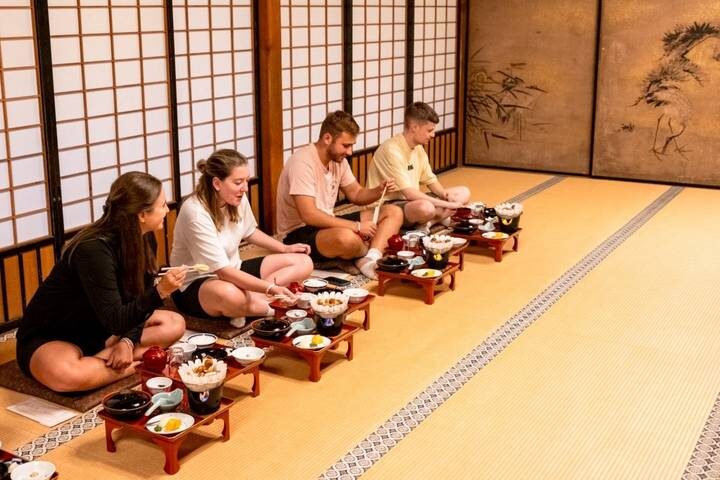
- A temple night in Koyasan: Eat traditional Buddhist cuisine, join a meditation session and take an evening walk through Japan’s largest cemetery.
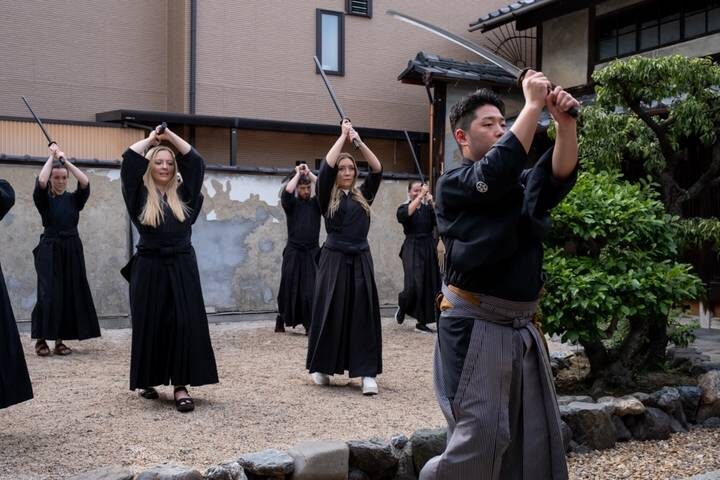
- A hands-on taste of Japan: Roll sushi in Tokyo and soba noodles in Nagano, with origami and a samurai sword lesson also on the schedule.
- Six stops in 13 days: Travel from Tokyo through Nagano, Hakone, Osaka and Koyasan, finishing in Kyoto.
- Public transport, with the planning handled: Trains, buses, subways, cable cars and bullet trains are arranged as part of the tour.
- Shared accommodation by default: Rooms are hostel-style, generally shared, with a traditional ryokan and temple stay included.
- A young adult group: Tours are in English for ages 18 to 49, with group sizes from 4 to 16.

👉 See our pick of the 25 Best Guided Tours In Tokyo
Tokyo brings the first rush
Day one is for arrival, checking in and recovering from the flight. No sightseeing is planned during the day, so don’t expect to land and immediately start a full city tour. A welcome dinner is listed for the evening, giving you a relaxed first chance to meet the group. Airport transfers are not included, but directions to the starting accommodation are provided.
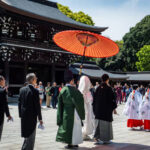
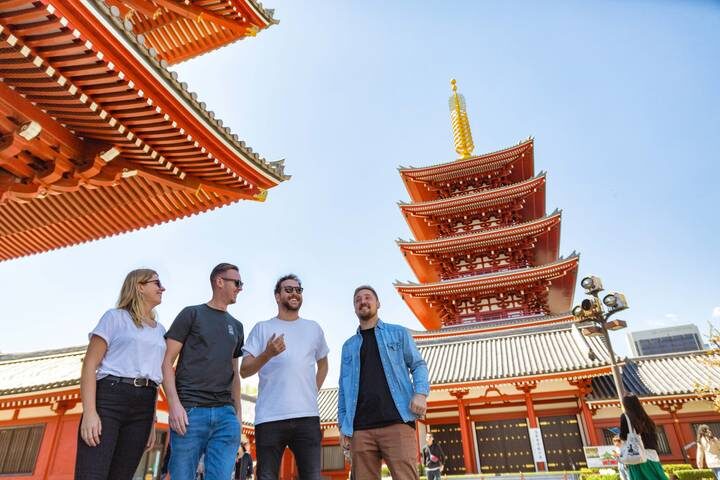
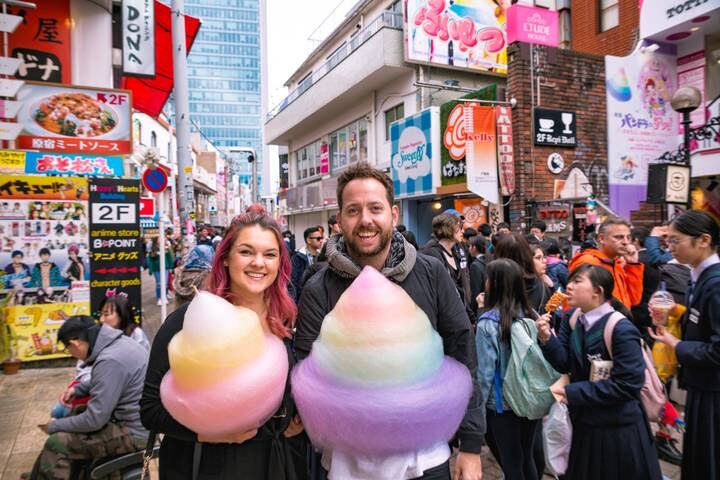
The next day covers a lot of Tokyo in a short time. You visit Senso-ji, the city’s oldest Buddhist temple, then Meiji Shrine, before walking through Harajuku and seeing Shibuya Crossing. The evening takes you to Shinjuku, where tiny bars and quirky restaurants give you a taste of Tokyo nightlife. This is a useful introduction to the city, though it is a sampler rather than time to explore each neighbourhood at length.
Day three swaps sightseeing for a sushi lesson with a sushi master. Later, you have free time before heading to Akihabara, the district known for arcades, game centres, maid cafes and photo booths. The variety is part of the appeal: you get a memorable group activity, then room to follow your own interests. If you want more time for Tokyo’s museums, shopping or neighbourhoods, consider arriving early or staying after the tour.
You can also read our reviews of more tours and experiences in Tokyo.


Nagano pairs craft, hot springs and snow monkeys
A bullet train carries the group from Tokyo to Nagano, turning a long-distance transfer into part of the trip. The advertised speed is around 200 mph. After arriving, you try origami with a local instructor, then visit an onsen, a hot spring bath fed by volcanic water. The night is spent in a traditional ryokan, with tatami mats and futon bedding.
This is one of the tour’s most satisfying contrasts: modern rail travel gives way to a traditional inn and a bathing custom with deep roots in Japanese life. Onsen etiquette matters, so listen to the instructions from your leader and the facility. The shared-room setup and simple bedding may feel different from a standard hotel, but here that change is part of the point.
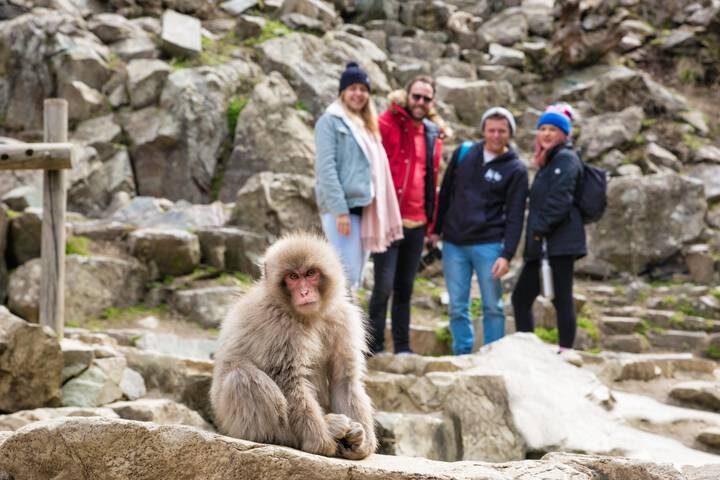
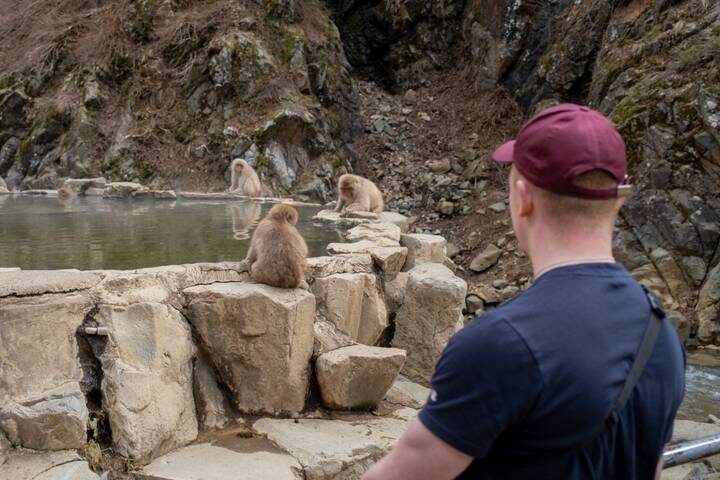
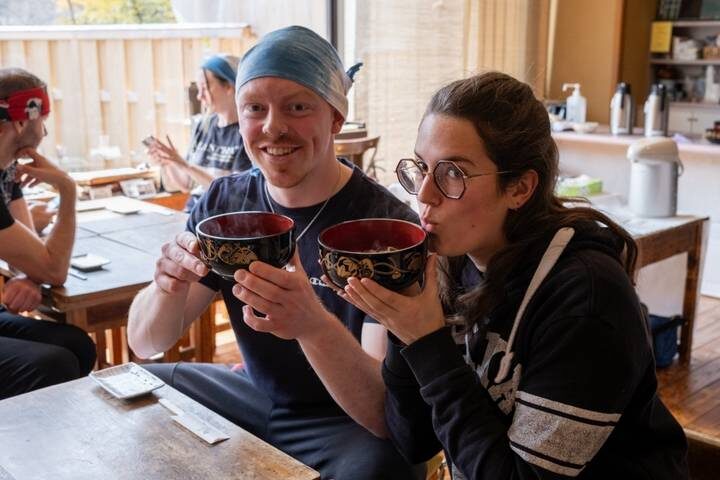
The following morning, you learn to roll soba noodles, then head into the mountains to see Japanese macaques, often called snow monkeys. In winter, they may soak in natural hot springs; in summer, you may see them playing among the trees instead. The tour also includes Shiga Kogen National Park in summer, with lakes and forests. Keep expectations flexible: wildlife is never a guaranteed performance, and the park visit depends on the season.
Hakone offers a chance of Fuji views
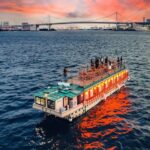
From Nagano, the route continues by bullet train toward Hakone, a region known for views of Mount Fuji. The following morning brings a Lake Ashi cruise on a pirate ship and a cable car ride. On a clear day, Fuji can make the outing special; cloud cover can hide the mountain, so treat the view as a possibility rather than a promise.
Hakone is a change of pace from Tokyo and Nagano, but it is also a short stop. You have one night here before continuing to Osaka, and accommodation is shared hostel-style with onsen facilities. A private room is not available at this stop, according to the tour details. If privacy is essential, ask about room arrangements before booking.
Osaka delivers castles, food and karaoke
After the Hakone cruise and cable car, the group travels to Osaka. The evening includes a barbecue dinner, followed by the option to try karaoke. It is an easy way to break the ice, and a welcome counterpoint to the temple visits and early starts.
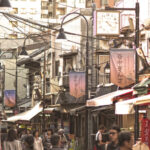
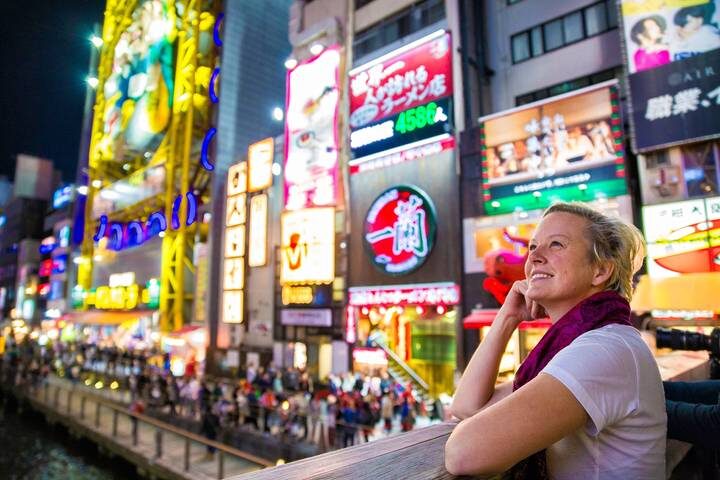
The next morning is free for relaxing or shopping. Later, the group visits Osaka Castle, first built more than 400 years ago, to explore the country’s warrior past. The day ends in Dotonbori, a canal district known for its food. There is no fixed meal plan for most lunches and dinners, so this is a good place to try local dishes with the group or make your own choice.
Osaka’s appeal is its lively street life and food culture, but the tour gives it only two nights. If you want to spend longer eating your way around the city or exploring its shops, you’ll need to make use of free time or extend your stay.
Koyasan makes the trip feel different
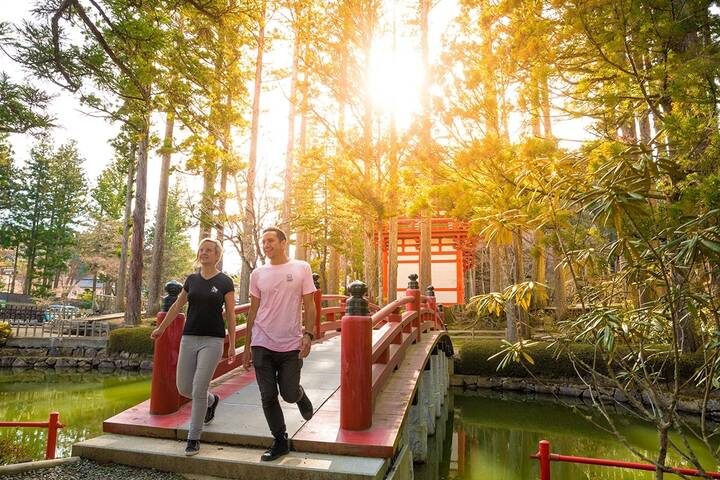
The route leaves Osaka for Koyasan and a night in a Buddhist temple. Monks lead a meditation session and serve traditional temple cuisine. Later, the group walks through Japan’s largest cemetery. The combination of a quiet mountain setting, a shared meal and the evening walk gives this stop a more reflective feel than the cities.
An early start follows. You can watch the monks’ morning prayer service and fire ceremony, then have a traditional breakfast before travelling to Kyoto. The stay is not a hotel-style retreat: expect a simple, communal experience shaped by the temple’s daily routine. That is precisely why it stands out in a trip full of city landmarks and activity classes.






Kyoto closes with shrines and a sword lesson
Kyoto gets three nights, giving you more time than the other stops to explore one of Japan’s historic centres. On arrival day, a guided evening walk through Gion introduces the district’s geisha culture. It is a useful way to see the area with context rather than simply wander through its streets.
The next day takes you to Arashiyama’s Bamboo Forest and Kinkakuji, the Golden Pavilion. Both are famous for good reason, but they can be busy, and the bamboo path is a short visit rather than a long wilderness walk. The evening is free for sushi, a bar, bowling or arcade games.
Day twelve brings Fushimi Inari, where trails climb past rows of red torii gates on the mountain. You then learn sword techniques from a samurai master. This hands-on class adds a different kind of history lesson to the tour, and it is one of the activities that can be harder to arrange independently. A final dinner and drinks give the group a chance to mark the end of the journey.
Day thirteen is departure day. The tour finishes in Kyoto, with no set departure time. You can head home, stay longer or continue exploring Japan on your own. A return transfer to Tokyo can be requested, but it is not included.
What the price covers, and what it does not
The advertised starting price is $3,349, based on the cheapest room option. Check the currency, departure date and current room arrangements when you compare prices. The tour includes accommodation, transport during the trip, the listed activities and an English-speaking group leader. Meals include 12 breakfasts, 2 lunches and 2 dinners; other meals, snacks and drinks are at your own expense.
That bundle can offer good value if you would otherwise spend time booking intercity trains, coordinating transfers and reserving several activities. The group leader is there from your arrival at the accommodation and provides support during the trip, including help with onward travel. The operator says its tours are 100% carbon neutral.
The cost does not include international flights, travel insurance, airport transfers, pre- or post-tour accommodation, or optional activities. Insurance is required. Shared rooms are the standard, and no single supplement is listed. Private rooms may sometimes be arranged at other stops, subject to availability, but not in Hakone. The operator specifically recommends sharing at the Nagano ryokan and Koyasan temple, where communal accommodation is part of the experience.
The group leader and the group dynamic matter
The group size is 4 to 16, and tours are conducted in English. Recent tour leaders named by participants include Charlie, Becca, Lachie, Izzy and Dan. Your leader depends on your departure, so don’t book expecting a particular person. The consistent role is more important: keeping transport and timing clear, offering suggestions for free time and helping with practical problems along the way.
This is a social trip built for ages 18 to 49. The operator sets that limit to preserve the group’s style and dynamic, not as a measure of fitness. If you fall outside the age range, or prefer a quieter pace and private rooms, this tour is not a good fit. The physical rating is low intensity, but you should still expect walking, stairs, travel days and an early start in Koyasan.
Should you book the Japan Adventure 13 Day?
Book this trip if you are 18 to 49, happy to share accommodation and keen to see several sides of Japan without arranging every train and activity yourself. Its best features are the mix of city visits, hands-on cultural experiences, mountain scenery and the Koyasan temple night. A group leader and a small group can make solo travel feel easier, too.
Look elsewhere if you want a private room throughout, long stays in each city, or full control over every day. The itinerary moves quickly, and some headline moments depend on conditions, especially Mount Fuji views and the snow monkeys’ hot-spring habits. If those trade-offs suit you, this is a practical way to fit a lot of Japan into less than two weeks.
Japan Adventure 13 Day by INTRO Travel
“The Japan 13-Day tour was amazing! We were able to immerse ourselves in so my culture and experience the beauty of the country.”
FAQ
Are airport transfers included?
No. Airport pickup and departure transfers are not included. You receive directions to the starting accommodation, and your group leader can help arrange a transfer back to the airport.
Where does the tour start and finish?
The tour starts in Tokyo and finishes in Kyoto. You can leave on the final day at any time, stay longer in Kyoto or continue travelling in Japan.
What accommodation is included?
The tour includes shared hostel-style rooms in Tokyo, Hakone and Osaka, a shared hotel with onsen facilities in Nagano, a shared Buddhist temple stay in Koyasan, and twin or double-share hostel accommodation in Kyoto. Accommodation may change before departure.
Can I book a private room?
A private room may sometimes be arranged at some stops, subject to availability. It is not available in Hakone, and the operator recommends sharing at the Nagano ryokan and Koyasan temple. No single supplement is listed, so check room options before booking.
How many meals are included?
The package includes 12 breakfasts, 2 lunches and 2 dinners. Other meals, snacks and drinks are not included. A vegetarian food option is available on request.
Who can join, and what language is the tour in?
The tour is for ages 18 to 49, with groups of 4 to 16 people. It is guided in English.