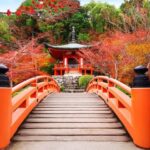
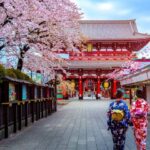
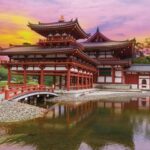
Mount Fuji, Kyoto’s torii gates, and Matsumoto’s black castle all fit into one week on this coach tour from Tokyo. You get a broad first look at Japan, with city sightseeing balanced by a night near Kawaguchiko and a stop in the old post town of Tsumago.
I like that the route pairs big-name sights with places that feel different from the major cities, especially the ryokan and onsen night and the walk through Tsumago. The main trade-off is the pace: long coach days and a packed Kyoto schedule leave little time to linger.
- The highlights at a glance
- A fast route through central Japan
- Tokyo’s temples, towers, and evening streets
- Mount Fuji, Kawaguchiko, and the Fifth Station
- A village museum, a waterfall, and Toyota history
- Kyoto’s bamboo, gates, and Golden Pavilion
- Tsumago and Matsumoto before the return to Tokyo
- What the price includes, and what it does not
- Hotels, guides, and the practical trade-offs
- Who should book this Japan tour?
- FAQ
- Are flights included in the tour price?
- Where does the tour start and end?
- Is the Mount Fuji segment a summit hike?
- Is the road to Mount Fuji’s Fifth Station open year-round?
- What meals are included?
- What kind of accommodation is included?
- Is the tour guided in English?
- How large can the tour group be?
- The Best Of Tokyo!
- More 7-Day Experiences in Tokyo
- More Tours in Tokyo
- More Tour Reviews in Tokyo
- Not for you? Here's more nearby things to do in Tokyo we have reviewed
The highlights at a glance
 1 / 10
 2 / 10
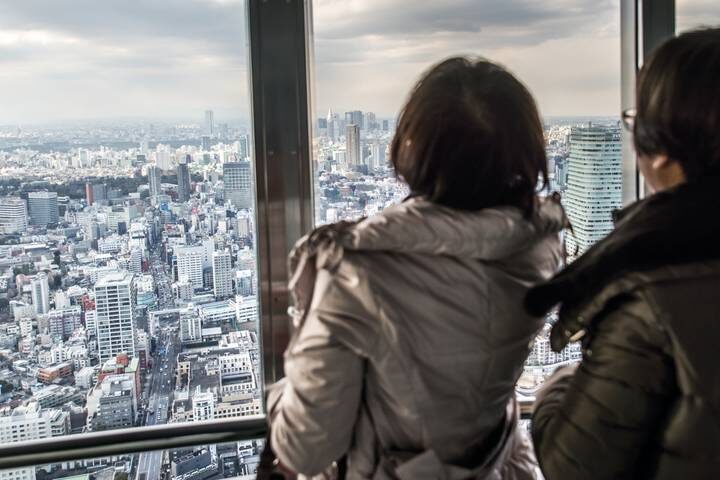 3 / 10
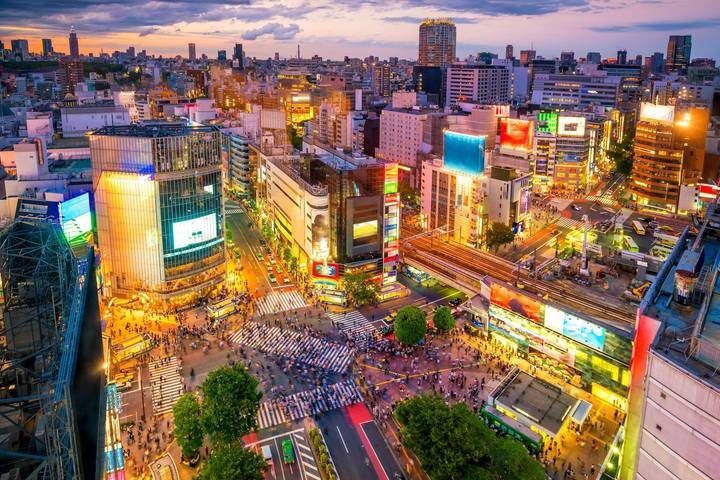 4 / 10
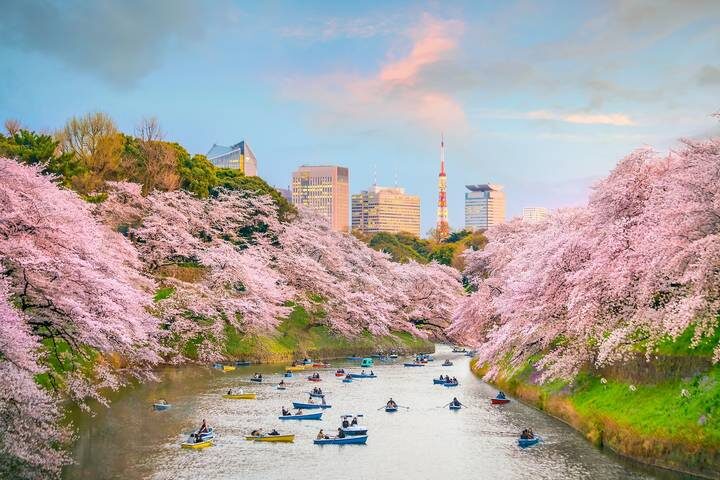 5 / 10
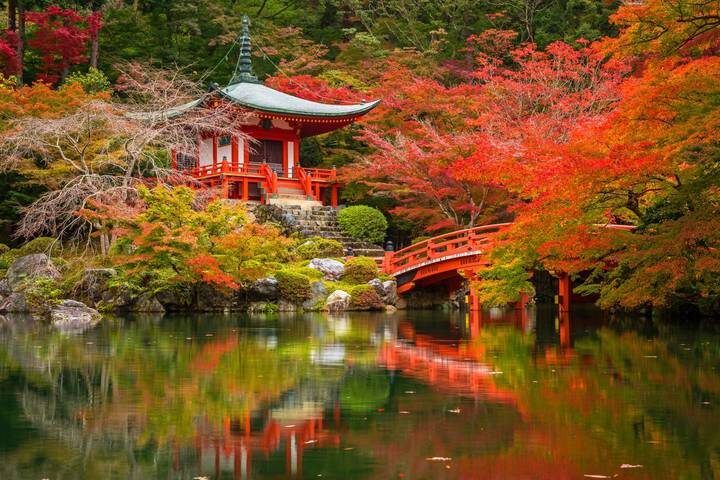 6 / 10
 7 / 10
 8 / 10
 9 / 10
 10 / 10
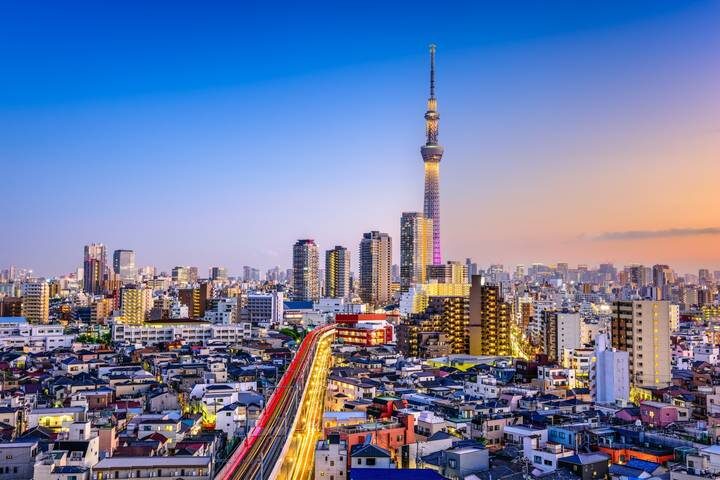
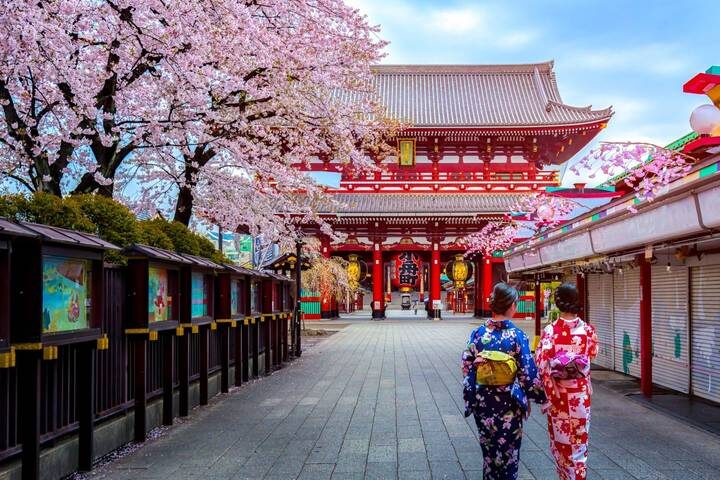
- Tokyo by subway and coach: Visit Zojoji Temple, Meiji Shrine, Tokyo Skytree, and Asakusa, then take the subway to Shinjuku for an included dinner.
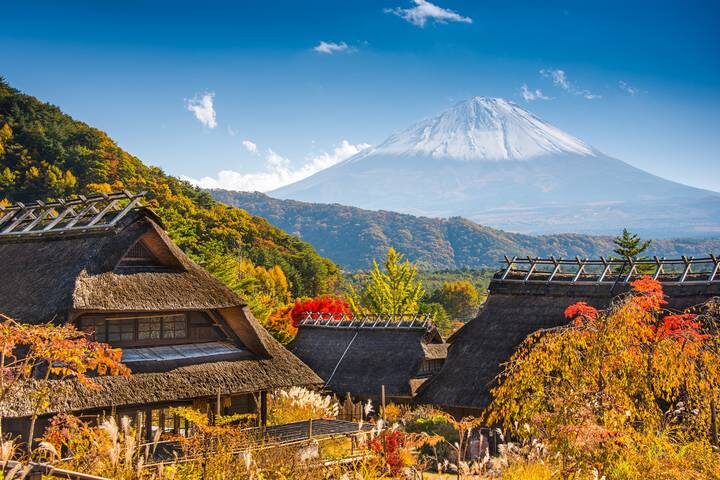
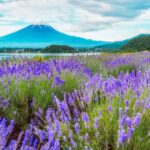
- Mount Fuji from Arakurayama: Stop at the pagoda viewpoint before a lake boat ride and a drive to Fuji’s Fifth Station at 2,305 meters.
- A night near Kawaguchiko: Stay at a planned ryokan with onsen access and dinner. Room style and, occasionally, the type of accommodation can vary.
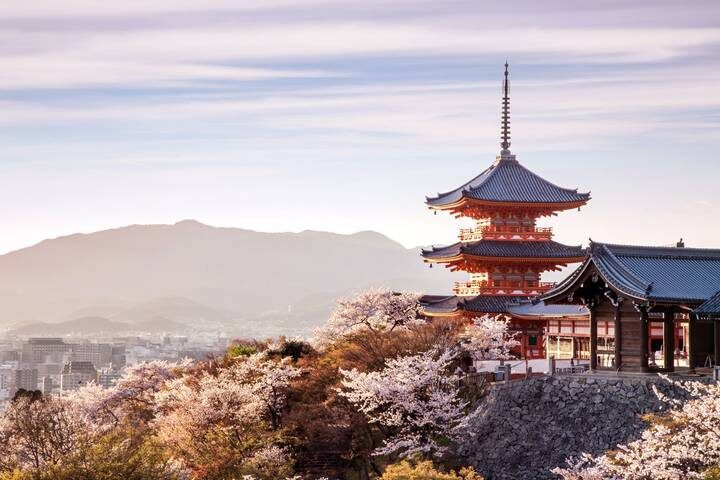
- Kyoto’s greatest hits: See Arashiyama, Fushimi Inari, the Imperial Palace, and Kinkakuji, with time to explore Gion afterward.
- Old Japan and a castle: Walk Tsumago’s traditional streets, then visit Matsumoto Castle before the return drive to Tokyo.

👉 See our pick of the 25 Best Guided Tours In Tokyo
A fast route through central Japan
This is a seven-day group tour with a maximum listed group size of 72. It starts and ends in Tokyo, and includes an arrival transfer, hotels, breakfast, transport by bus, English-speaking guiding in Tokyo and Kyoto, and a basic travel insurance policy.
The itinerary covers a lot of ground: Tokyo, Mount Fuji country, Nagoya, Kyoto, Tsumago, and Matsumoto. That makes it useful if you want to see major sights without planning every train, hotel, and connection yourself. It also means you should expect early starts, several hours on the road, and limited free time in some places.
The tour is described as low intensity, but that refers to the overall activity level, not a slow pace. You’ll walk through temples and shrine grounds, explore city streets, and spend long stretches sitting on the coach. The Mount Fuji segment reaches the Fifth Station by road; it is not a climb to the summit.
You can also read our reviews of more tours and experiences in Tokyo


Tokyo’s temples, towers, and evening streets
Your first day is mostly for arrival. After customs, a shared shuttle takes you to the hotel, with the rest of the day free. You’ll get information about the tour’s start later that afternoon, so don’t plan a tight schedule before then.
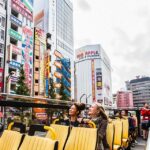
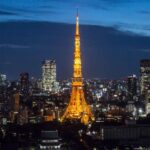
On Day 2, a guided tour of about seven hours gives you a quick orientation to Tokyo. Zojoji Temple offers a classic view of Tokyo Tower, while rows of small Jizo statues add a quieter, more local detail to the stop. Shibuya Crossing is viewed from the bus, so treat it as a look rather than a chance to cross with the crowds.
Meiji Shrine brings a change of pace. Its forested setting feels far removed from the traffic and tall buildings, even though it sits within the city. At Tokyo Skytree, admission to the Tembo Deck at 350 meters is included, weather and operating conditions permitting. If access is limited, the tour says it will offer another city viewpoint.
The afternoon finishes in Asakusa, where Nakamise Street’s food and souvenir stalls lead toward Sensoji Temple. The bus passes Akihabara and Ginza on the way back, but there is no scheduled stop for shopping in either district. If one is high on your list, you may need to return on your own during free time.
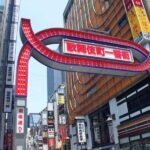
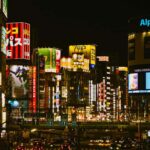
In the evening, you take the subway with the guide to Shinjuku, walk through the district, and have dinner at a local restaurant. The subway tickets and meal are included, which makes this a helpful introduction to getting around Tokyo. The day is full, so keep extra plans light.
Mount Fuji, Kawaguchiko, and the Fifth Station
Day 3 trades city streets for mountain views. Arakurayama Sengen Park is the first stop, known for its pagoda and views toward Mount Fuji. Clear weather matters here: the famous mountain may be partly or fully hidden by cloud, so enjoy the park itself rather than counting on a perfect postcard view.
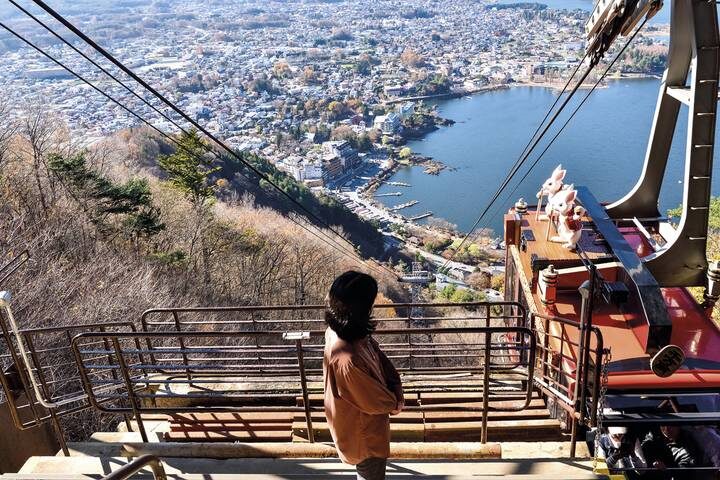
In Kawaguchiko, you’ll take a boat ride on the lake and have a look around the town. The route then climbs by road to Mount Fuji’s Fifth Station, at 2,305 meters. This is a high-altitude viewpoint, not a summit hike. In winter, snow or poor conditions may close the road, in which case the coach goes as far as permitted.
That distinction matters if you are booking for a Mount Fuji climb. This tour gives you access to the mountain’s upper road and scenery, but it does not describe a walking ascent. You’ll return to Kawaguchiko for the night, with dinner and access to an onsen at the planned ryokan.
The bath is a traditional public hot spring, so follow the property’s bathing rules and be prepared for a shared bathing space. The accommodation may have Japanese-style tatami rooms or Western-style rooms, and occasionally the stay may be in a Western-style hotel instead. The named property is Fuji Kawaguchiko Resort, so confirm the exact lodging details for your departure if a traditional inn room is essential to you.
A village museum, a waterfall, and Toyota history
The drive on Day 4 follows roads around the lakes before reaching Iyashi no Sato Nenba. The village was destroyed by a typhoon in 1966 and later restored as an open-air museum. Its old houses now hold shops, restaurants, and cultural displays, offering a compact look at traditional building styles rather than a living village unchanged by time.
Shiraito Falls is another short stop, with water falling about 20 meters. The day then continues to Nagoya for a visit to the Toyota Museum, with admission included, before the coach carries on to Kyoto. This is a long transfer day with three distinct stops, so the museum visit is a useful break from the road as well as a chance to learn about Japanese automotive history.
You arrive in Kyoto in the evening and stay near the station at the listed Miyako Kyoto Hachijo. The hotels on this tour are four-star properties, but the operator notes that they are selected for quality, price, and access to public transport, not luxury. Room size and bed dimensions can vary.
Kyoto’s bamboo, gates, and Golden Pavilion
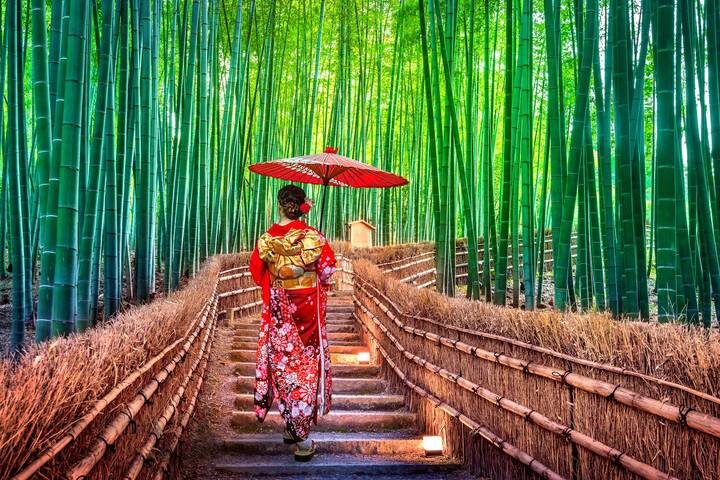
Day 5 is the tour’s main Kyoto day, and the schedule covers a lot. It begins in Arashiyama at Togetsukyo Bridge, then continues through Tenryu-ji Temple, its Zen garden, and the bamboo grove. The temple garden is a good reason to pause: its pond, rocks, trees, and mountain backdrop offer a quieter counterpoint to the famous bamboo path.
Fushimi Inari Shrine is included, with its rows of red torii gates. The tour also visits the Imperial Palace and Kinkakuji, the Golden Pavilion, set among gardens. The order may change, so don’t build your own strict timetable around the sequence. These are major sights, and the group format helps with transfers, but you’ll have less freedom to spend extra time at any one stop.
After the guided sightseeing, you have time to explore Gion. The tour includes an evening transfer to the traditional district, according to its listed services. Use the free time for a walk and dinner at your own pace, while keeping in mind that the day already includes several temple and shrine visits.


Tsumago and Matsumoto before the return to Tokyo
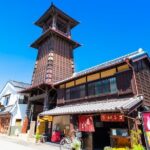
Day 6 is another long coach day, but the stops offer a welcome change from city sightseeing. Tsumago is a wooden post town with traditional streets and time to explore on your own. Lunch at a local restaurant is included, so you can take a break without needing to find a place during the short visit.
At Matsumoto, you’ll visit the 16th-century castle, known as the Crow for its black exterior. There is also free time to explore the town before the return drive to Tokyo. The schedule makes for a full day, and arrival is expected later in the evening, so avoid booking an important activity for that night.
The final morning is breakfast, then the tour ends in Tokyo. The itinerary does not include a post-tour airport transfer, so plan your onward journey separately.
What the price includes, and what it does not
The advertised starting price is from $2,108, based on the cheapest room option. Flights before and after the tour are not included. In return, the package includes seven nights of accommodation, breakfast, the arrival transfer, coach transport, the listed sightseeing admissions, and a selection of meals: dinner in Tokyo, dinner in Kawaguchiko, and lunch in Tsumago.
That bundle can be good value if you want a guided route and prefer not to arrange intercity transport and hotel changes yourself. Admissions to major stops such as Tokyo Skytree, Tenryu-ji, Fushimi Inari, Kinkakuji, and Matsumoto Castle are listed as included. The Tokyo evening subway ride and Shinjuku dinner are included too.
Meals are not covered at every stop, and the trip does not include flights. You should also allow for personal spending during free time and any meals not specified as included. The price can change by date and room option, so check the exact departure total before comparing it with a self-planned trip.
Hotels, guides, and the practical trade-offs
The listed hotels are Shinagawa Prince Hotel in Tokyo, Fuji Kawaguchiko Resort near the lake, and Miyako Kyoto Hachijo in Kyoto. The Tokyo hotel is used at the beginning and end of the tour, which avoids changing hotels every night in the capital. All rooms have a private bathroom and TV; room dimensions and bed sizes can differ by property.
Breakfast is included, but large hotels can get busy at peak times. On an April departure, long breakfast queues were a noted issue at Shinagawa Prince and Miyako Kyoto Hachijo. If your morning is tight, be ready to eat early or allow extra time.
English-speaking guides are provided for the Tokyo and Kyoto city tours. Guide assignments can change, and some departures may run bilingually in English and Spanish, depending on group size. Guides named for an April 2026 departure included Jorge, Gema, Reino, and Midori. Those names are useful context, not a promise that the same people will lead your trip.
The group size can range from 2 to 72, a wide spread that can affect how personal the experience feels. Europamundo also reserves the right to change the order of visits or adjust stops in exceptional conditions such as weather, traffic, or other disruptions. That flexibility is common on coach itineraries, but it’s wise to keep your expectations adaptable.
Who should book this Japan tour?
I’d consider this tour if you have one week, want to see both Tokyo and Kyoto, and value included transport and admissions over long stays in each place. It is especially practical for a first visit, a family group, or anyone who wants an organized overview with a guide handling the main logistics.
It is a weaker fit if you want several free days, a summit climb of Mount Fuji, or a slow, independent visit to Kyoto. The pace is brisk, the group can be large, and the longer drives leave little room to improvise. Book it for breadth and convenience, not for deep time in any single town.
Central Japan Express (including Fushimi) by Europamundo – 7-Day Tour
“The following guides were excellent, Jorge, Gema and Reino, Midori. They were knowledgeable and energetic. The only thing about the Prince Hotel an…”
FAQ
Are flights included in the tour price?
No. Flights before and after the tour are not included and must be arranged separately.
Where does the tour start and end?
The tour starts in Tokyo and ends in Tokyo after breakfast on Day 7.
Is the Mount Fuji segment a summit hike?
No. The coach travels to the Fifth Station, at 2,305 meters, by road. The tour does not include a hike to the summit.
Is the road to Mount Fuji’s Fifth Station open year-round?
No. In winter, snow or weather may close the route. The coach goes as far as conditions permit.
What meals are included?
Breakfast is included at the hotels. The tour also includes dinner in Tokyo, dinner at the Kawaguchiko ryokan, and lunch at a local restaurant in Tsumago.
What kind of accommodation is included?
The listed hotels are Shinagawa Prince Hotel in Tokyo, Fuji Kawaguchiko Resort near Kawaguchiko, and Miyako Kyoto Hachijo in Kyoto. The planned Kawaguchiko stay has onsen access, but room style and, occasionally, the type of property may vary.
Is the tour guided in English?
English-speaking guiding is listed for the Tokyo and Kyoto city tours. Depending on group size, some services may be bilingual in English and Spanish.
How large can the tour group be?
The listed group size is 2 to 72 people.