Tokyo’s temples, Mount Fuji’s lakeside views, and Kyoto’s old lanes all fit into one week on Europamundo’s Central Japan Express. The payoff is variety without arranging every transfer yourself: you get a guided Tokyo tour, a night at a traditional inn, and visits to places that can be awkward to connect on your own.
I like two things in particular: the overnight ryokan stay with access to an onsen, and the contrast between Kyoto’s major temples and the smaller post-town of Tsumago. The listed guides include Jorge, Gema, Reino, and Midori, described as energetic and engaging.
The trade-off is the pace. Several days involve long coach journeys, and Tokyo’s seven-hour sightseeing day packs in a lot of stops. You’ll have less time to linger than you would on an independent trip, and busy-season breakfast lines can eat into the morning.
- The trip’s best reasons to go
- A fast route through central Honshu
- Tokyo: big sights, long day
- Mount Fuji and a night at Kawaguchiko
- A full road day to Kyoto
- Kyoto’s temples, bridge, and bamboo
- Tsumago and Matsumoto on the way back
- Hotels, meals, and what the price covers
- Is this the right Japan tour for you?
- FAQ
- Where does the tour start and end?
- How long is the Central Japan Express tour?
- What is the starting price?
- Are international flights included?
- What language is the tour guided in?
- How large can the group be?
- Which meals are included?
- Will I definitely stay in a Japanese-style ryokan room?
- Does the tour always go to Mount Fuji’s Fifth Station?
- The Best Of Tokyo!
- More 7-Day Experiences in Tokyo
- More Tours in Tokyo
- More Tour Reviews in Tokyo
- Not for you? Here's more nearby things to do in Tokyo we have reviewed
The trip’s best reasons to go
 1 / 9
 2 / 9
 3 / 9
 4 / 9
 5 / 9
 6 / 9
 7 / 9
 8 / 9
 9 / 9
- Arakurayama Sengen Park: Get the classic view of Mount Fuji framed by the pagoda, weather permitting.
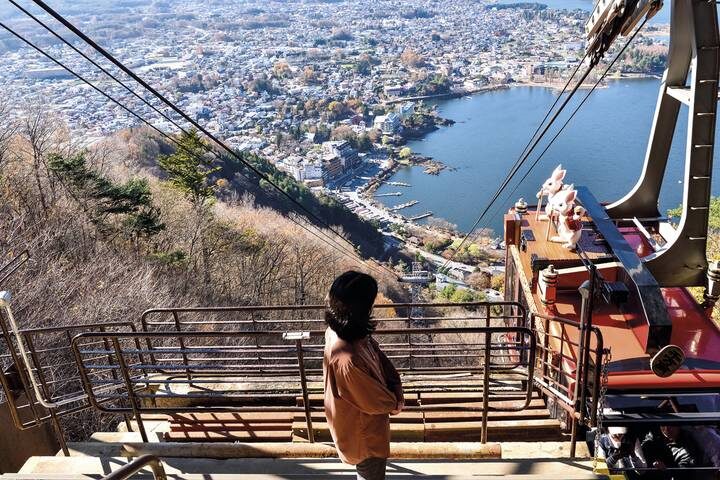
- Kawaguchiko ryokan night: Pair a lake boat ride with a stay at a traditional inn and access to a public hot spring bath.
- Kyoto in one full day: See Arashiyama, Fushimi Inari, the Imperial Palace, and Kinkakuji with transport and a guide.
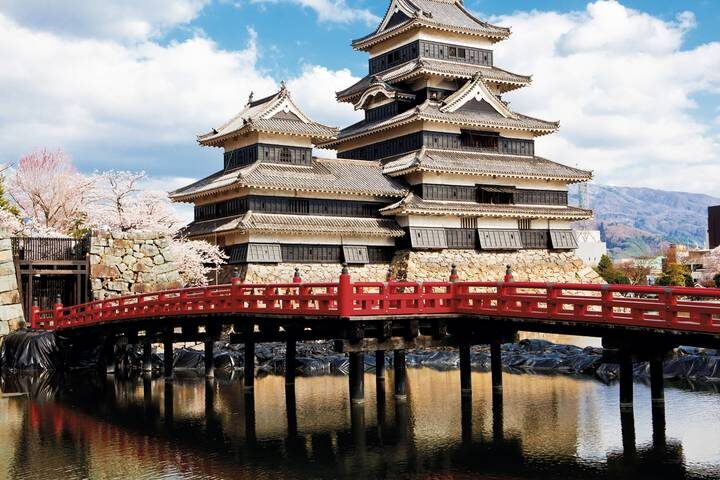
- Tsumago and Matsumoto: Walk an old wooden post-town, then visit Matsumoto’s black 16th-century castle.
- Tokyo without transit planning: A guide handles key transfers and sights, including Skytree admission and an evening outing in Shinjuku.
- A brisk, coach-based format: The tour covers a wide stretch of Honshu, but some days are built around driving rather than long stays.

👉 See our pick of the 25 Best Guided Tours In Tokyo
A fast route through central Honshu
This seven-day trip links Tokyo, Kawaguchiko and Mount Fuji, Kyoto, Tsumago, and Matsumoto. You travel by coach between regions, with guided city touring in Tokyo and Kyoto and some free time at selected stops. It is a practical way to sample several sides of Japan if you have one week and prefer not to plan each train, hotel, and excursion yourself.
The tour is only partly guided. The main city visits and some key sights are led, while free-time windows let you explore on your own. That mix suits you if you want a framework and help with logistics, but it is not the same as having a guide beside you all day.
The group size can range from 2 to 72. That is a broad range: a small departure may feel personal, while a full coach means more people boarding, gathering, and waiting at stops. English is the main tour language, though the operator notes that some departures may use a bilingual guide, often English and Spanish.
You can also read our reviews of more tours and experiences in Tokyo


Tokyo: big sights, long day
Your first day starts with a shared shuttle from the airport to the hotel. The rest of the day is free, which is useful after an international flight. In the afternoon, you receive details about the tour start, so keep that window open rather than planning a distant outing.
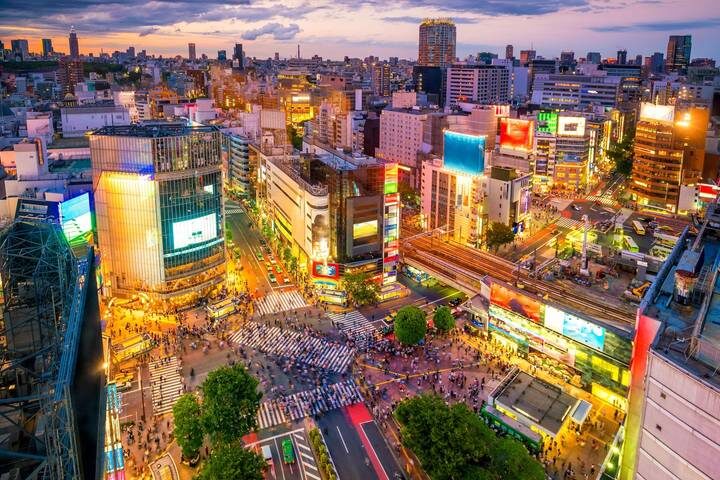
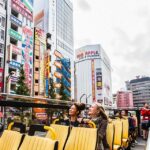
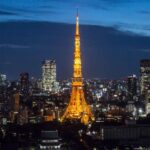
The next day is a roughly seven-hour guided circuit. At Zojoji Temple, you get a view of Tokyo Tower and can spot rows of small Jizo figures dressed in knitted hats and bibs. Shibuya Crossing is viewed from the bus, so treat this as a quick look rather than time to explore the neighborhood.
Meiji Shrine offers a change of pace, with a forested setting and a quieter feel than the commercial districts. Tokyo Skytree is the high point in a literal sense: admission to the Tembo Deck at 350 meters is included. If weather or other conditions prevent access, the tour may substitute another city viewpoint.
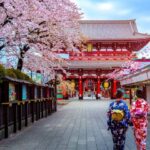
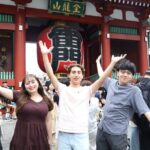
The route also visits Sensoji Temple and Nakamise shopping street in Asakusa, then passes Akihabara and Ginza on the return. These are short visits or drive-by views, not a deep exploration of each district. That is the price of covering such a broad city in one day.
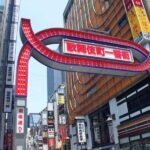
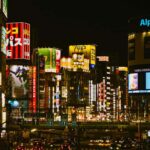
In the evening, you ride the subway with your guide to Shinjuku, walk through the area, and have dinner at a local restaurant before returning by subway. That guided evening is a useful introduction to Tokyo’s rail system and nighttime streets, especially if this is your first visit. You can always return to a neighborhood later if you have extra time in Tokyo.
Mount Fuji and a night at Kawaguchiko
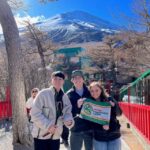
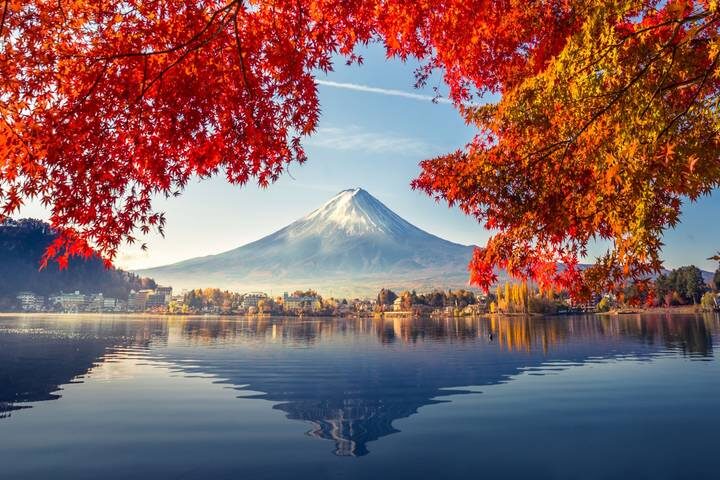
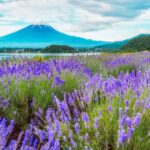
On day three, the coach heads toward Mount Fuji and stops at Arakurayama Sengen Park. The famous view combines the mountain with a pagoda, but Fuji’s visibility depends on weather. Go expecting a scenic stop, not a guaranteed clear-sky photograph.
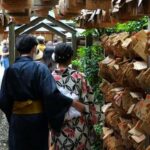
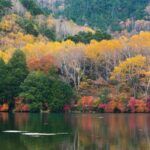
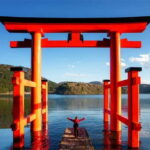
At Kawaguchiko, the schedule includes Fuji Sengen Shrine and a boat ride on the lake. The shrine’s tall trees and its role as a traditional starting point for Mount Fuji pilgrimages give the visit a spiritual note; the boat ride offers a quieter way to take in the surrounding area.
The coach then climbs toward the mountain’s Fifth Station, reaching about 2,305 meters if road and weather conditions allow. In winter, the road is often closed by snow or poor conditions, and the tour goes only as far as permitted. This is worth keeping in mind if reaching the Fifth Station is a major reason for booking.
That evening, you stay at a ryokan, with dinner included and access to an onsen, a public hot spring bath. Room styles can vary: some are Japanese-style with tatami mats, while others are Western-style. The operator also notes that a Western-style hotel may sometimes replace the planned ryokan. Either way, this overnight stop is a welcome change from standard city hotels, though you should not assume every room will have tatami.
A full road day to Kyoto
Day four combines Iyashi no Sato Nenba, Shiraito Falls, and the Toyota Museum before the coach continues to Kyoto. Iyashi no Sato is a restored village and open-air museum. Its traditional houses now hold craft shops, restaurants, and cultural displays, giving you a short look at older rural architecture without requiring a long hike or a full-day visit.
Shiraito Falls adds a natural stop, with water flowing across a wide, curved face. The visit is brief by nature, but it breaks up the drive and offers a different setting from temples and towns.
In Nagoya, the itinerary includes admission to the Toyota Museum. This stop makes most sense if you are curious about Japan’s manufacturing and car industry; it is a change of subject from shrines and historic streets. Then it is onward to Kyoto for the night. Expect a substantial day in transit, with the stops serving as pauses along the way rather than extended visits.
Kyoto’s temples, bridge, and bamboo
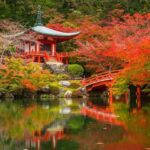
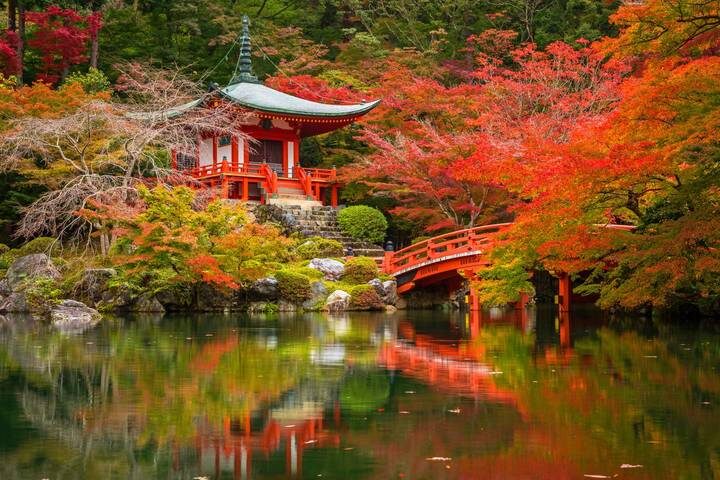
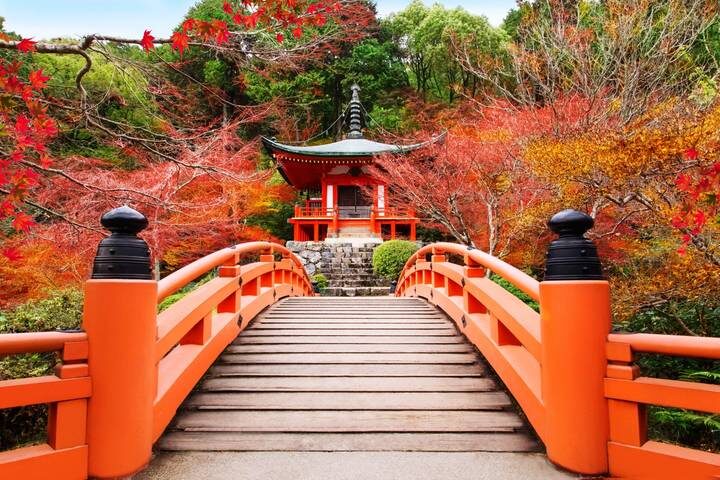
Kyoto gets a full guided day. The route begins in Arashiyama at Togetsukyo Bridge, then visits Tenryuji Temple and the nearby bamboo forest. The combination is a strong introduction to the area: a historic temple, a garden setting, and a walk among tall bamboo stalks. The path can be busy, so the guided visit is likely to be a focused stop rather than a long, quiet stroll.
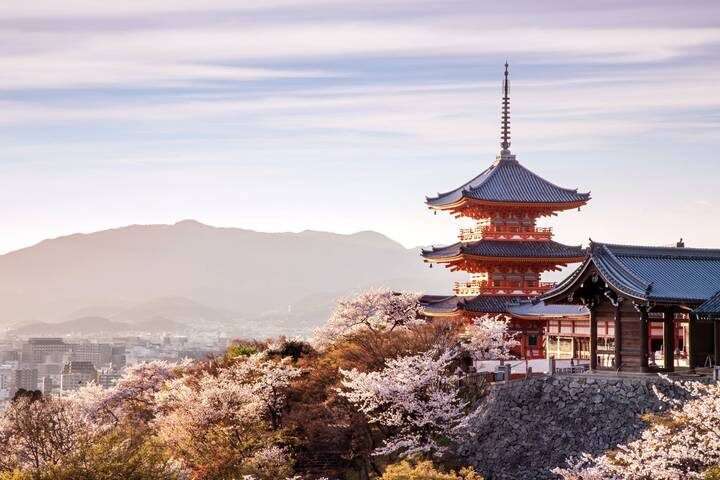
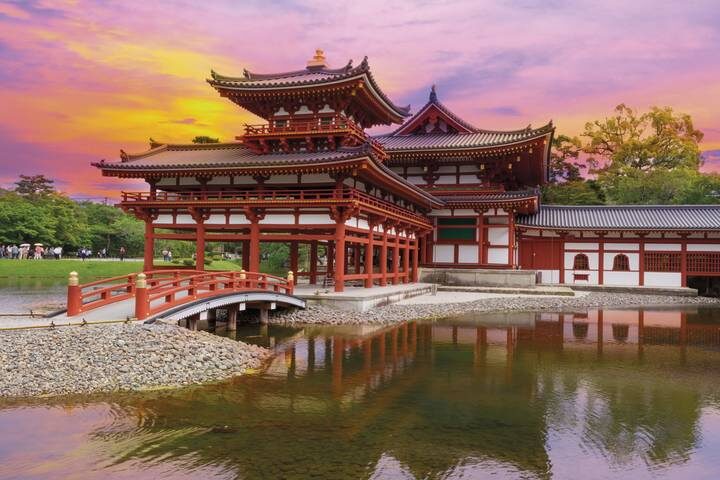
The day continues to Fushimi Inari Shrine, the Imperial Palace, and Kinkakuji, the Golden Pavilion. The order can change, which matters because the city’s major sights are spread out. Having coach transport between them saves you from piecing together several bus or rail connections, but the schedule will limit how long you can stay at each place.
After the guided tour, you have time to explore Gion independently. This traditional district is known for its old-style streets and geisha culture. Use the free time for a walk and a meal if you like, but do not assume the guide will accompany you through the evening. The hotel is Miyako Kyoto Hachijo, according to the planned accommodation details.

Tsumago and Matsumoto on the way back
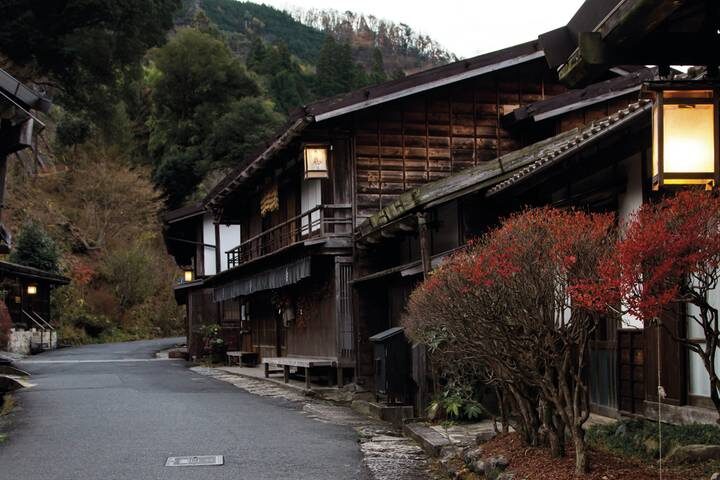
Day six takes you from Kyoto to Tsumago, then Matsumoto, and back to Tokyo. Tsumago is a wooden post-town with a preserved traditional feel. You have free time to walk its streets, and lunch at a local restaurant is included. It is one of the itinerary’s more intimate stops, though your time there is limited by the long route ahead.
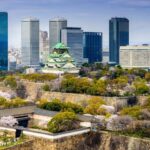
Matsumoto Castle is the day’s major landmark. Its dark exterior gives it the nickname Crow Castle, and the structure dates to the 16th century. You also get time to explore Matsumoto town before the coach continues to Tokyo, arriving toward the end of the day.
This is a demanding travel day. If you prefer slow visits, the short windows in Tsumago and Matsumoto may feel tight. If you value seeing both without arranging separate transport and hotels, the route is efficient. You return to Tokyo for the final night, then depart after breakfast on day seven.
Hotels, meals, and what the price covers
The advertised starting price is $2,108, based on the cheapest room option. International flights and activities not listed as included are extra, so compare the total cost with a self-planned trip rather than treating the starting price as all-inclusive.
The package includes hotel accommodation, breakfast, basic travel insurance, an arrival shuttle, coach transport, and the stated guided tours and admissions. It also includes two lunches and two dinners. The Tokyo dinner in Shinjuku and the ryokan dinner are specified; lunch in Tsumago is included as well. Check the final departure details for the full meal schedule before budgeting for food.
Hotels are described as four-star, but the operator prioritizes location, quality, and price rather than luxury. Properties may be outside the city center, though public transport is nearby. The Tokyo options include Shinagawa Prince Hotel, Tokyo Dome Hotel, or Moxy Tokyo Kinshicho; the Kawaguchiko-area options include Fuji View Hotel Kawaguchiko, Fuji Kawaguchiko Resort, or Kofu Kinenbi. Kyoto accommodation is listed as Miyako Kyoto Hachijo.
Room sizes and bed styles can differ between properties. A recent April 2026 departure specifically noted long breakfast lines at the Prince and Miyako hotels during high season. Build in a little extra time on mornings when you need to meet the coach, especially if the hotel dining room is busy.
Is this the right Japan tour for you?
Book this tour if you want to see Tokyo, Mount Fuji, Kyoto, and two smaller historic stops in a week without arranging the transport yourself. The mix of guided city touring, coach travel, and free time gives you a useful first look at central Japan. Guide names associated with a recent departure include Jorge, Gema, Reino, and Midori; they were praised for their energy, and the included lunches and dinners were described as good.
Think twice if you want long, unhurried visits, dislike coach travel, or want to choose every hotel and meal. Some days are packed, and the group can be large. For a first visit with limited time, though, this is a convenient route with strong variety: modern Tokyo, Fuji-area scenery, a ryokan night, Kyoto’s major temples, and a taste of old post-town life.
Central Japan Express 7-Day Tour by Europamundo
“The following guides were excellent, Jorge, Gema and Reino, Midori. They were knowledgeable and energetic. The only thing about the Prince Hotel an…”
FAQ
Where does the tour start and end?
The tour starts in Tokyo, where a shared shuttle takes you from the airport to the hotel. It ends in Tokyo after breakfast on day seven.
How long is the Central Japan Express tour?
The itinerary lasts seven days and includes six nights of accommodation.
What is the starting price?
The listed starting price is $2,108, based on the cheapest room option. International flights and activities not specified as included are extra.
Are international flights included?
No. International flights are not included in the tour price.
What language is the tour guided in?
The tour is listed in English. The operator notes that some departures may use a bilingual guide, commonly English and Spanish.
How large can the group be?
The group size is listed as 2 to 72 people.
Which meals are included?
Breakfast is included with the hotels. The package lists two lunches and two dinners, including dinner in Shinjuku, dinner at the Kawaguchiko-area inn, and lunch in Tsumago.
Will I definitely stay in a Japanese-style ryokan room?
No. The Kawaguchiko-area stay is planned as a ryokan with onsen access, but room styles can be Japanese-style or Western-style. A Western-style hotel may sometimes be used instead.
Does the tour always go to Mount Fuji’s Fifth Station?
The tour plans to drive to the Fifth Station at about 2,305 meters. In winter, snow or weather can close the road, and the coach goes only as far as conditions permit.