Japanese curry is comfort food, not a fiery test of endurance. In Emi’s small-group class near Nerima Station, you’ll prepare a mild curry with your choice of tonkatsu or vegetables, then sit down to eat what you’ve made. I like the personal home-kitchen setting and the chance to learn practical Japanese cooking tips from a Tokyo local.
I also like that the class is built around a real meal, with a sesame-dressed side dish, mugi-cha, and an English recipe to take home. The main caveat is important: the curry uses packaged roux, so this is not a lesson in making every part of the sauce from scratch.
Key points
- Choose tonkatsu or vegetable curry: You get a choice between a classic cutlet option and a vegetable version.
- Cook with Emi in a small group: Classes accept parties of two to six, and all cooking skill levels are welcome.
- Learn more than the curry steps: Emi guides you through preparation and plating, with kitchen tips along the way.
- Expect packaged roux: The curry base is pre-made, and it may contain beef fat, including in the vegetable option.
- Check the exact meeting location: The class takes place near Nerima, Hikawadai, or Hikarigaoka Station, with directions sent before the session.
- Consider the sake add-on carefully: The paid pairing includes a small pour at the end, not a full tasting session.

👉 See our pick of the 25 Best Guided Tours In Tokyo
- Key points
- A home kitchen, not a restaurant demonstration
- How the curry lesson works
- A sesame-dressed side and a meal at the end
- What the price buys you
- Finding the kitchen near Nerima Station
- Who should book this class
- Should you book Emi’s curry class?
- FAQ
- Where does the cooking class take place?
- What dishes will I prepare?
- Is the curry made entirely from scratch?
- Does the vegetable curry contain no meat products?
- What is included in the class?
- What is the minimum age?
- Can men book the class on their own?
- How much do the sake options cost?
- The Best Of Tokyo!
- More Private Tours in Tokyo
- More Tours in Tokyo
- More Tour Reviews in Tokyo
- Not for you? Here's more nearby things to do in Tokyo we have reviewed
A home kitchen, not a restaurant demonstration
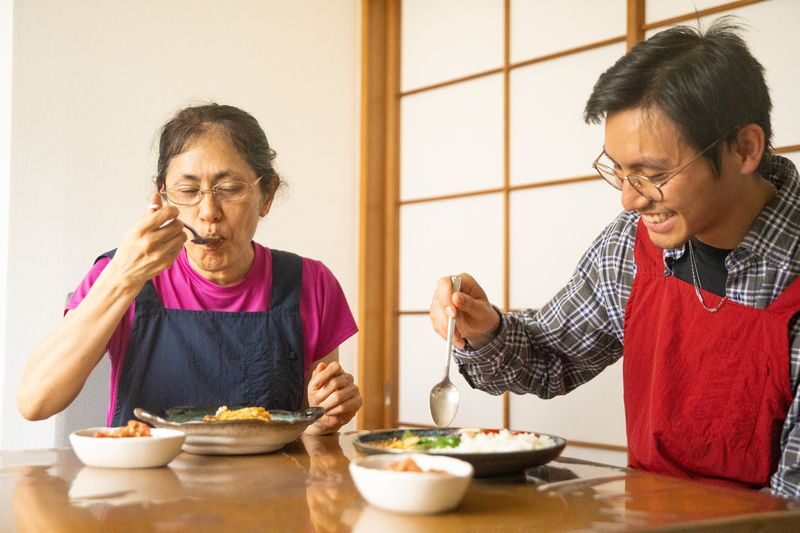
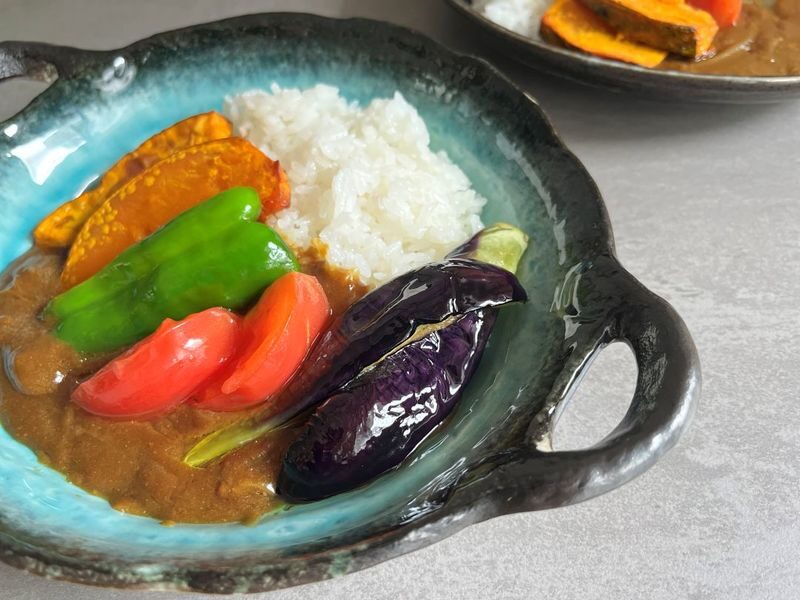
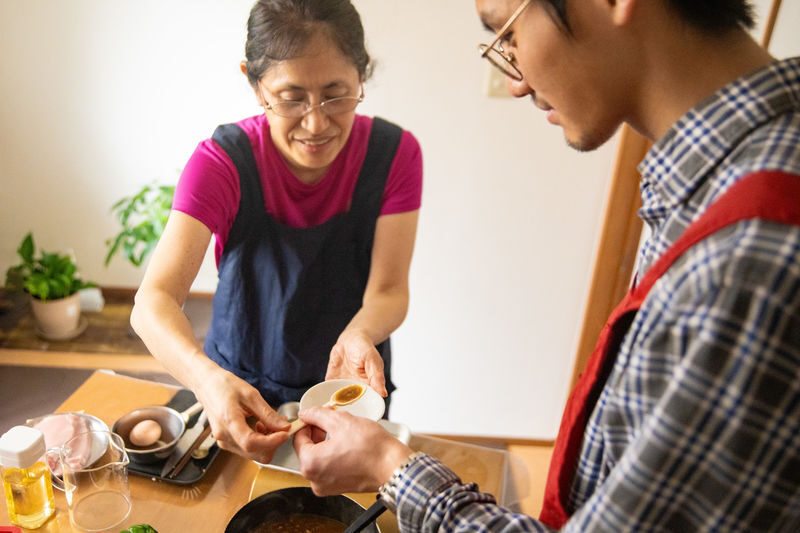
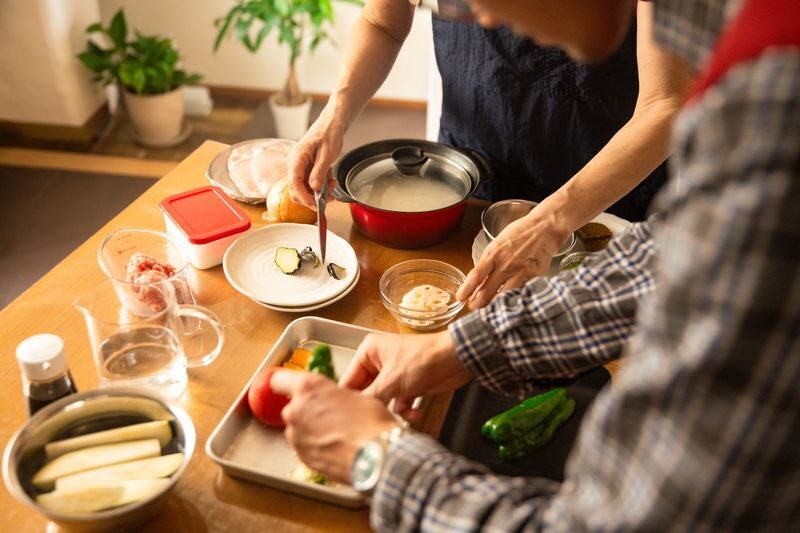
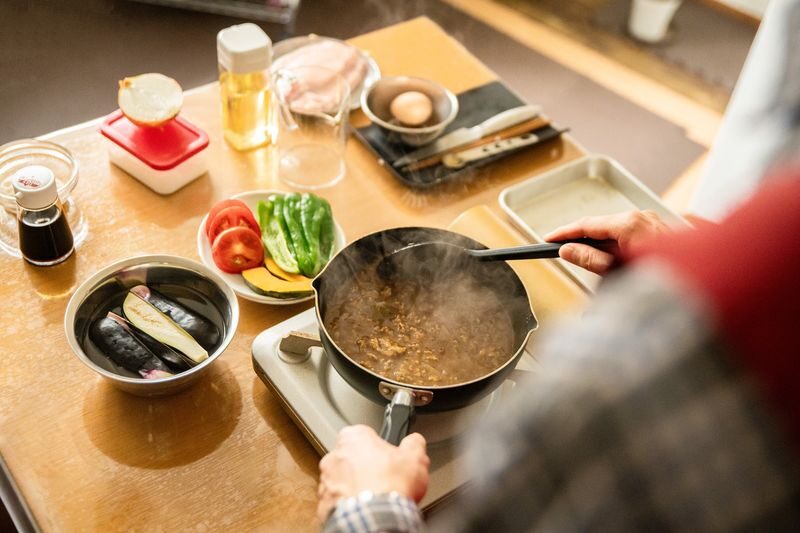
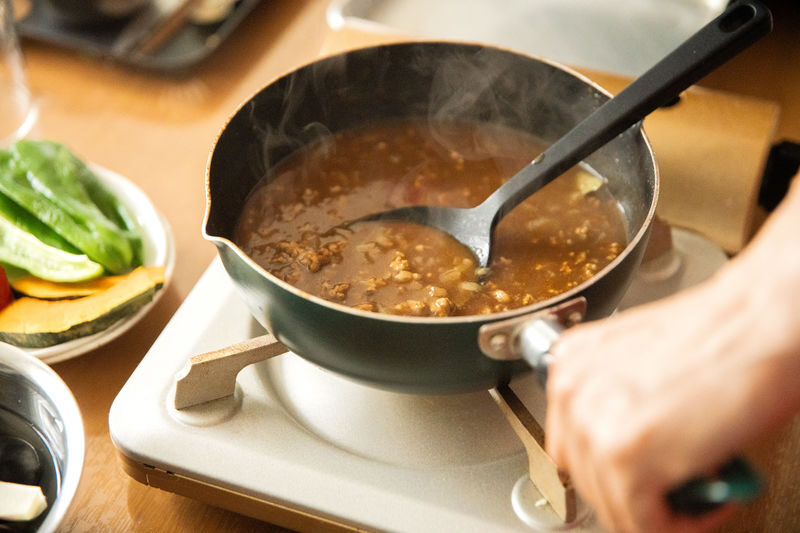
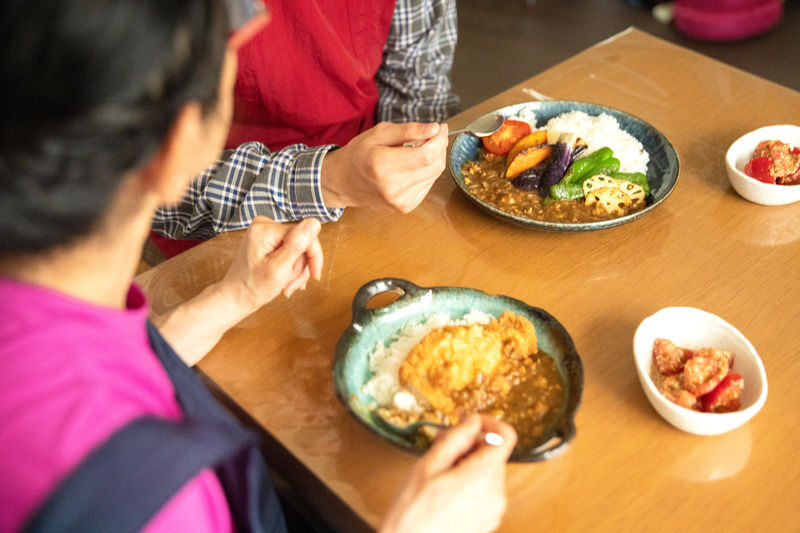
The class begins with Emi, a Tokyo native and cooking enthusiast, welcoming you into a cozy kitchen. It’s an appealing format if you want conversation and participation rather than watching a chef work from across a counter. You’ll cook alongside a small group, with places for two to six people.
That personal setting is one of the experience’s strongest points. A home kitchen can make a simple meal feel more connected to daily life in Japan, and the class gives you time to ask questions while you work. A previous participant particularly valued the welcome and conversation, which is useful context if you’re choosing this for its social side as well as the food.
The trade-off is that a home-based class may feel less like a formal cooking school. If you want a structured, from-scratch lesson with precise culinary technique at every stage, this may not be the right fit. Go in expecting guided participation, useful tips, and a shared lunch, not an intensive professional course.
You can also read our reviews of more private tours in Tokyo

How the curry lesson works
Emi guides you step by step, from preparing ingredients to plating the meal. The focus is Japanese curry rice, a familiar, sweet and mild style with roots dating to the Meiji era. If your idea of curry is a hot, spice-forward dish, this is a gentler and more comforting version.
You can choose tonkatsu or vegetable curry. Tonkatsu gives you the pork cutlet route, while the vegetable option avoids choosing a meat topping. But it does not necessarily make the whole dish vegetarian: the pre-made curry roux may contain beef fat. If that matters for your diet, ask Emi before booking rather than relying on the menu choice alone.
It’s also worth setting the right expectation about the cooking itself. The roux comes pre-made and packaged, so you won’t build the curry sauce entirely from separate spices and ingredients. That limits what you’ll learn about making the base, but there is still hands-on work with ingredient preparation, cooking, and plating, plus the chance to pick up practical kitchen advice.
For a beginner, that balance may be just right. Japanese curry can be easy to enjoy and hard to reproduce consistently without knowing the small decisions involved. You’ll get an English recipe to refer to at home, though the class is best understood as a guided introduction rather than a deep lesson in curry from first principles.
A sesame-dressed side and a meal at the end
The curry is served with a side dish and a drink, so the class ends with lunch you’ve helped make. The details describe goma-ae, a traditional sesame-dressed vegetable dish, and also list a fresh tomato salad with sesame dressing. Since those descriptions name two different sides, it’s sensible to check with the host if one particular dish is important to you.
The sesame element is a useful counterpart to mild curry: it brings a different flavor and texture to the plate. Making a side dish also gives the session more range than a one-pot lesson, even if the curry remains the main event. You’ll have time to eat together and talk, rather than packing up as soon as the cooking ends.
Mugi-cha, or barley tea, is included. Alcohol is not part of the standard class, though you can select one of the sake-pairing packages when booking. The class includes ingredients, cooking utensils, an apron loan, meals and beverages, and the English recipe. You don’t need to bring cooking equipment.
What the price buys you
The standard class starts at US$86.15. That’s a meaningful outlay for a curry lesson, especially if you compare it with the cost of simply ordering curry in Tokyo. The value rests on the small-group instruction, Emi’s hospitality, the meal, the recipe, and the chance to cook in a personal setting.
I’d consider it good value if you want a social cooking activity and are curious about Japanese home food. You’re paying for a hosted experience, not just a plate of curry. If you mainly want a detailed technique class or a low-cost meal, the packaged roux and relatively high starting price may feel like a mismatch.
Two sake options cost more: the Dassai pairing starts at US$90.65, and the Junmai Ginjo pairing at US$91.39. One participant who chose the Dassai option found the pour at the end small for the added cost. I’d book an add-on only if a taste of sake alongside the meal is worth the premium to you, not if you’re expecting a guided tasting or generous pours.
Finding the kitchen near Nerima Station
Nerima Station is the meeting point, but the actual class location may be at one of three cooking studios in Nerima City, near Nerima, Hikawadai, or Hikarigaoka Station. The host sends the specific address and a Google Maps link by WhatsApp or email before the class. Don’t assume that the final kitchen is beside the station named in the booking details.
Transport is not included. Make sure you provide a valid email address and messaging app contact so Emi can send directions and coordinate your arrival. Confirmation is expected within 48 hours; if it does not arrive, contact customer support.
The voucher is valid only on its chosen date and time, and you can present it on your phone. You can cancel for a full refund at least 72 hours before the activity, using local time in Tokyo. Those are straightforward terms, but the variable studio location makes checking your messages before setting out especially worthwhile.
You can also read our reviews of more tours and experiences in Tokyo






Who should book this class
This class suits curious home cooks, families with older children, and anyone who wants a relaxed food activity with a local host. Participants must be at least nine years old, and children aged nine to 17 need a paying adult with them. Infants and children must be included in the passenger headcount, so make sure your booking reflects everyone in your party.
It’s also a good choice if you like the idea of sharing a meal in a home setting and want an easy introduction to Japanese curry. No previous cooking experience is needed. The small group size gives you a more personal format than a large demonstration, while still making it possible to meet other people.
There is a notable booking restriction: men cannot participate on their own, but are welcome as part of a group. On national holidays, the class is available only to groups of four or more. For groups of three or more, classes are held in the cooking studio, and booking two to three months ahead is strongly recommended, particularly around New Year and during the busy spring and autumn seasons.
Should you book Emi’s curry class?
Book it if you want a friendly, hands-on meal with a Tokyo host and are happy to learn a practical version of curry rice rather than a full from-scratch sauce. The personal welcome, cooking tips, and meal are the main reasons to go. Choose the standard package if the sake add-on’s small pour does not justify the extra cost for you.
Skip it if your main goal is mastering curry roux from raw ingredients, or if beef fat is not acceptable in your food. Before paying, check the dietary details, confirm which side dish is planned, and watch for the host’s message with the exact studio address. With those expectations set, you’ll know what the class offers: an approachable cooking session, a home-style lunch, and a few useful ideas to carry back to your own kitchen.
Tokyo Private Japanese Curry Class: Katsu or Veggie Curry
FAQ
Where does the cooking class take place?
It is held at one of three cooking studios in Nerima City, near Nerima Station, Hikawadai Station, or Hikarigaoka Station. The host sends the exact address and a map link by WhatsApp or email.
What dishes will I prepare?
You’ll make Japanese curry rice, choosing tonkatsu or vegetable curry, and prepare a sesame-dressed side dish. The class details identify goma-ae, while the highlights also describe a fresh tomato salad with sesame dressing.
Is the curry made entirely from scratch?
No. The class uses pre-made, packaged curry roux. You’ll still take part in ingredient preparation, cooking, and plating, and receive an English recipe.
Does the vegetable curry contain no meat products?
That is not guaranteed. The packaged roux may contain beef fat, so ask the host about ingredients before booking if this is a dietary concern.
What is included in the class?
The class includes an English- and Japanese-speaking guide, ingredients, cooking utensils, an English recipe, meals and beverages, an apron loan, and mugi-cha.
What is the minimum age?
Participants must be at least nine. Children aged nine to 17 must be accompanied by a paying adult, and infants and children must be included in the passenger headcount.
Can men book the class on their own?
No. Men cannot participate on their own, but they are welcome as part of a group.
How much do the sake options cost?
The standard class starts at US$86.15. The Dassai pairing starts at US$90.65, and the Junmai Ginjo pairing starts at US$91.39.