A bonsai may be small, but the time behind it can span generations. At Tokyo’s Shunkaen Bonsai Museum, you’ll learn to prune and shape a miniature tree with a professional artist, then see bonsai that have been cared for over centuries, including one said to be about 1,200 years old.
I like two things here: you get to make design choices with real tools, and you learn in a working bonsai museum rather than a generic craft studio. The museum setting gives the lesson context, so the trees around you are more than pretty scenery.
One point to weigh before booking: your bonsai stays at the museum for ongoing care, due to international rules on soil and live plants. If taking home a finished object is important to you, this may not be the right workshop.
- What to know before you book
- A bonsai class inside a working museum
- Arriving at Shunkaen Bonsai Museum
- Learning to prune and shape your tree
- Taking time to explore the collection
- Why the bonsai stays behind
- Is the price worth it?
- Who will enjoy this class most
- Booking details worth checking
- Should you book the bonsai workshop?
- FAQ
- Where does the bonsai workshop take place?
- What languages are available for instruction?
- Do I need bonsai experience?
- What will I learn in the class?
- Are tools and materials provided?
- Can I take the bonsai I make home?
- What is the minimum age to participate?
- Is transport to the museum included?
- What is the cancellation policy?
- The Best Of Tokyo!
- More Tours in Tokyo
- More Tour Reviews in Tokyo
- Not for you? Here's more nearby things to do in Tokyo we have reviewed
What to know before you book
 1 / 10
 2 / 10
 3 / 10
 4 / 10
 5 / 10
 6 / 10
 7 / 10
 8 / 10
 9 / 10
 10 / 10
- The class takes place at Shunkaen Bonsai Museum: The setting includes bonsai with exceptionally long histories, not just examples made for a workshop.
- You’ll shape a tree yourself: The lesson covers basics such as pruning, shaping, design principles, and care.
- You can request English or Chinese instruction: Select your preferred language when you book.
- Tools and materials are provided: You do not need to bring supplies for the workshop.
- Your creation remains at the museum: It is kept there for proper ongoing care, rather than being packed for an international flight.
- Plan your own trip to the museum: Transport and hotel transfers are not included, and participants must be at least 10.

👉 See our pick of the 25 Best Guided Tours In Tokyo
A bonsai class inside a working museum
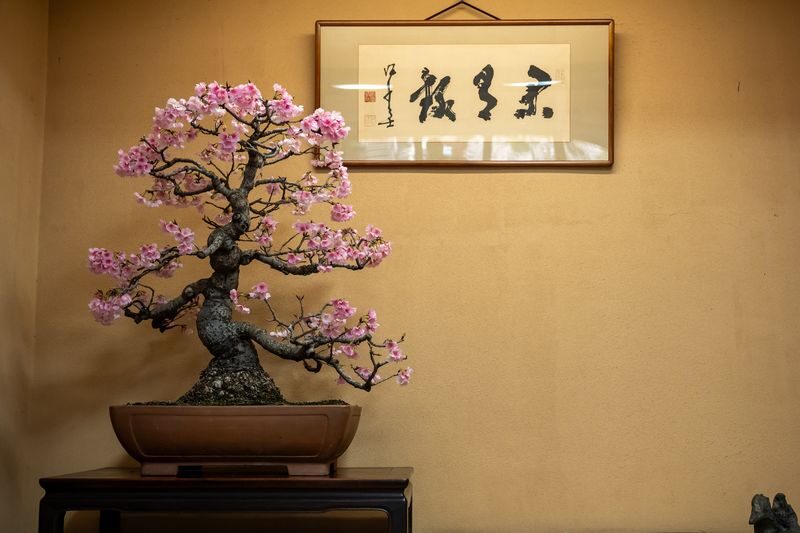
Bonsai is often described as living art, and that phrase makes more sense when you see the trees in person. A bonsai is not simply a small plant in a pot. Its shape reflects a series of choices about pruning, growth, balance, and care, repeated over time.
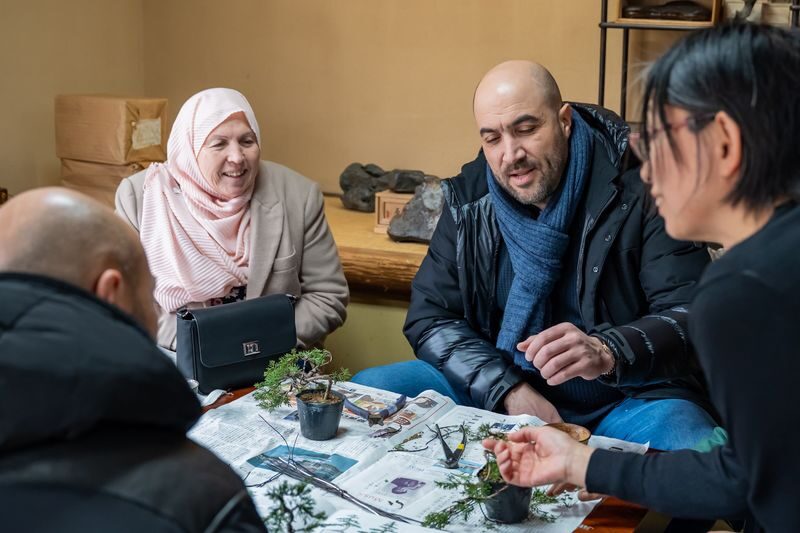
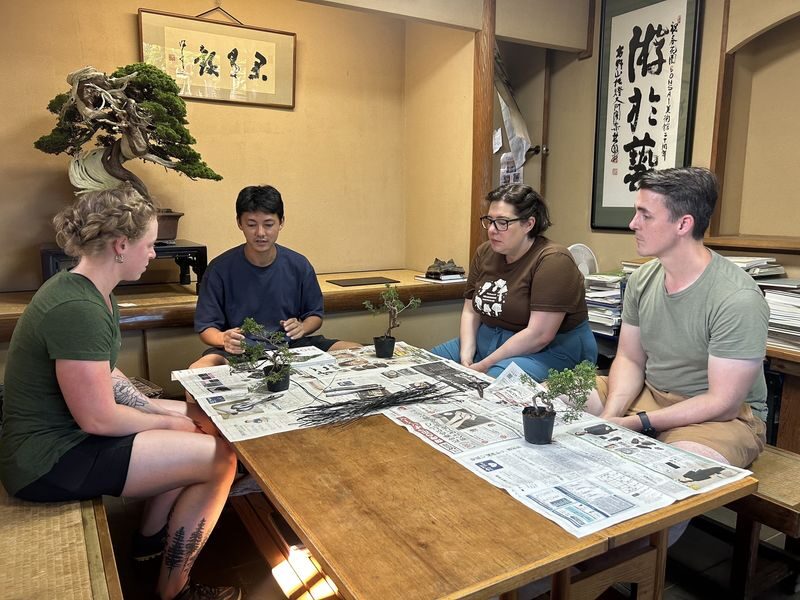
This workshop gives you a practical introduction to those choices. You’ll work on a miniature bonsai with guidance from a professional artist, using authentic tools and techniques. Beginners are welcome, so you don’t need prior experience or a green thumb. You do need a little patience: bonsai is built through considered changes, not one quick flourish with the scissors.
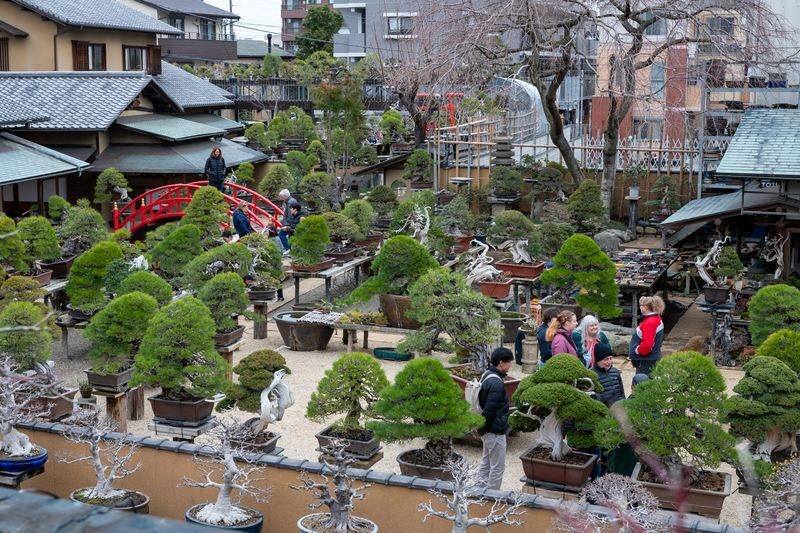
The class takes place at Shunkaen Bonsai Museum in Edogawa, away from the best-known central Tokyo sights. That setting is a large part of the appeal. Rather than learning in a room set aside only for tourists, you’re surrounded by a collection that shows what long-term attention can produce.
You can also read our reviews of more tours and experiences in Tokyo.



Arriving at Shunkaen Bonsai Museum
The meeting point is Shunkaen Bonsai Museum, at Niibori 1-29-16, Edogawa-ku, Edogawa City, Tokyo. Your instructor greets you at reception. Since transport is not included, you’ll need to plan your own route there and back, and allow time for the trip across the city.
The supplied address is useful to have saved before setting out. The experience does not include hotel pickup or drop-off, so this is a self-arranged outing rather than a door-to-door tour. The exact class duration is not specified, so check the booking details before you build the rest of your day around it.
At reception, you’ll be entering both a museum and a workshop. That combination matters: the lesson is the main activity, but the collection gives you a broader view of bonsai as a practice that asks for care over many years.
Learning to prune and shape your tree
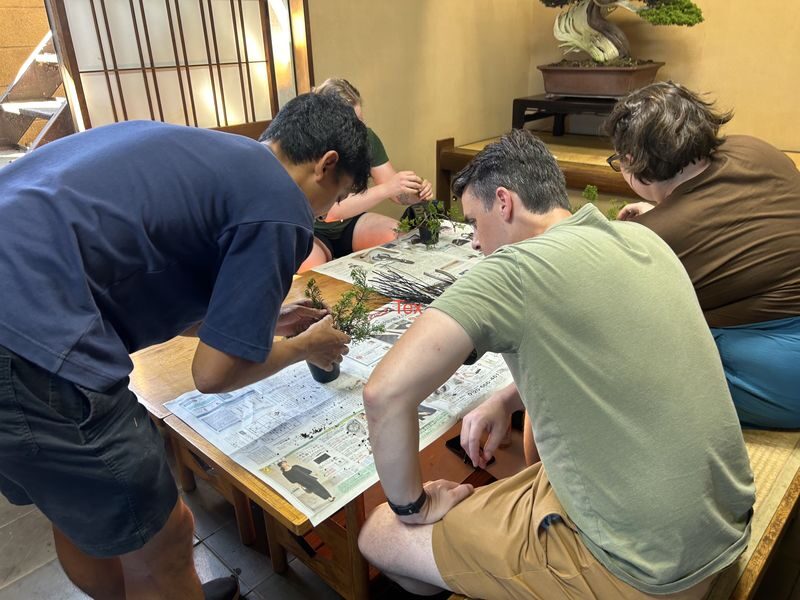
The workshop introduces the basics of bonsai, including pruning, shaping, design principles, and long-term care. The artist guides you through the work, giving you a chance to apply those ideas rather than just hear about them. All the necessary tools and materials are provided.
I’d go in ready to make decisions, not expecting to follow a paint-by-numbers pattern. The point is to learn how shaping affects the character of a tree. You may find that even a small change calls for a pause and a second look. That slower pace is part of the craft.
Instruction is available in English or Chinese. Choose your preferred language when booking, rather than assuming you can switch on the day. Ben has led the workshop, and one class also had a staff member from Taiwan who helped make communication easy. The provider is Beauty of Japan, and the activity includes an English or Chinese-speaking guide and English-speaking staff.
The lesson is suitable for newcomers, but it isn’t limited to people who already collect plants. If you’re curious about Japanese arts and want to try one with your hands, this offers a focused introduction. Participants must be 10 or older.
Taking time to explore the collection
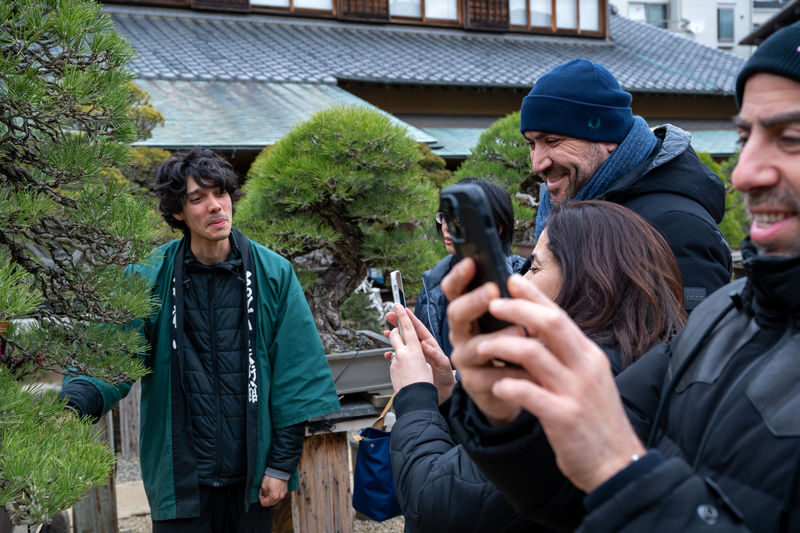
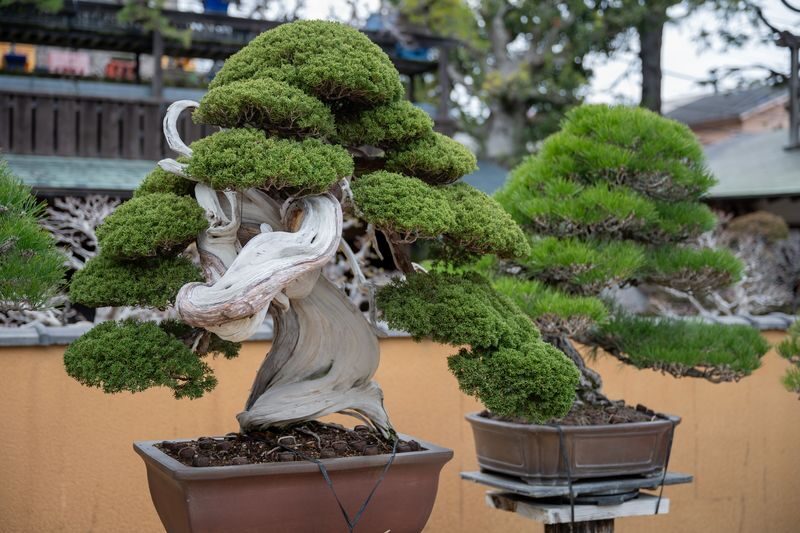
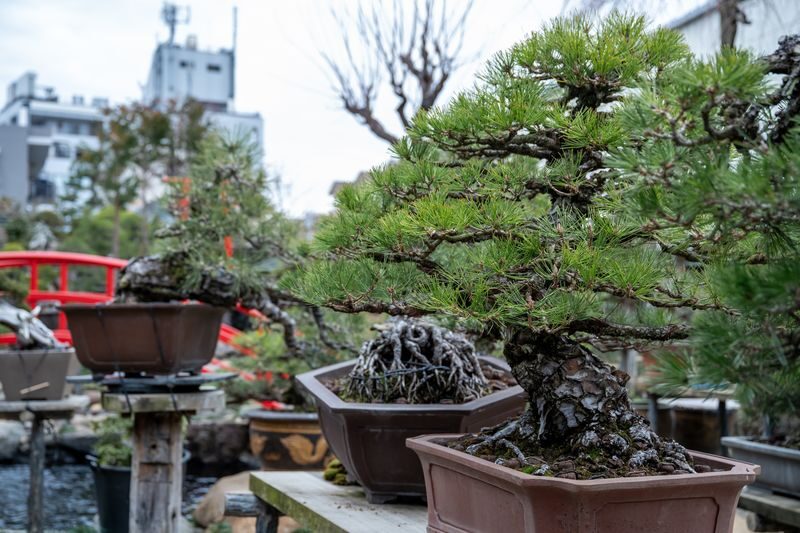
The museum’s bonsai give the workshop its strongest sense of scale. Some trees have been cared for for hundreds of years, and a particularly striking specimen is described as about 1,200 years old. Seeing that kind of age next to the small tree you’ve just shaped can change how you think about the task. Your class is only one session, while the art itself is a continuing practice.
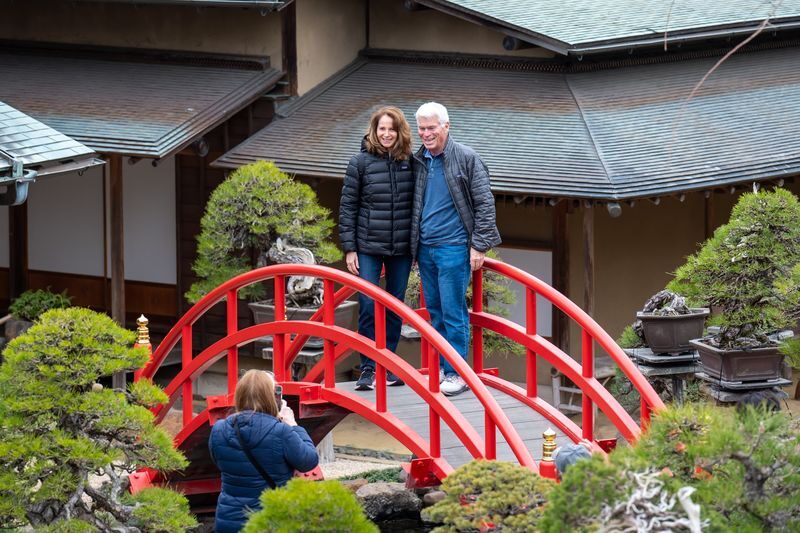
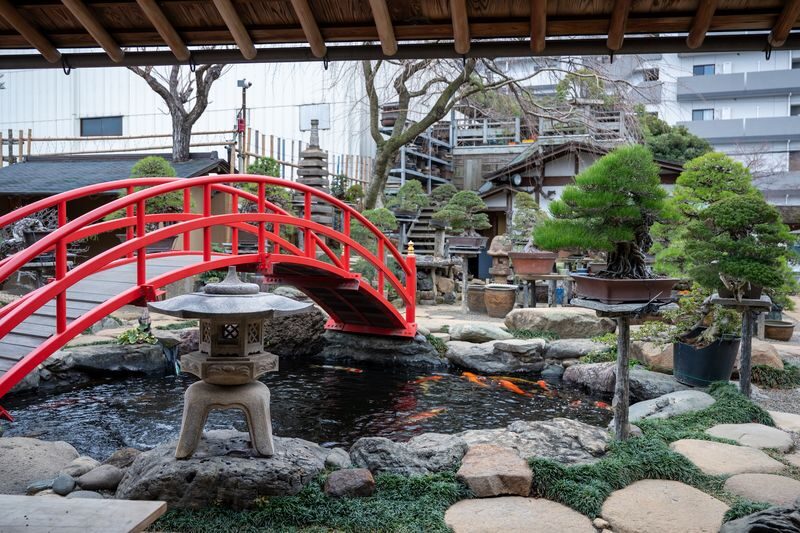
You can explore the garden and collection as part of the visit. The museum is described as a peaceful place with plenty to look at, and it may hold your attention beyond the formal class. If bonsai interests you, leave room to walk around rather than treating the museum as a quick backdrop for a workshop.
There are also books on site. Master Kobayashi has personally signed books for visitors, though you should treat that as a possible extra rather than a promised part of the class. If you’d like a guide to keep learning after your visit, ask what titles are available. The Bonsai Guide has been recommended as a useful choice.
Why the bonsai stays behind
A practical detail deserves special attention: the bonsai you make stays at the museum for ongoing care. International rules on soil and live plants can make it difficult to take a living tree across borders, and this workshop avoids that problem by keeping your creation at the museum.
That policy changes the kind of souvenir you’ll bring home. You leave with the knowledge of how the tree was shaped and the memory of working on it, but not necessarily the tree itself. If a living plant is the main reason you’d book, check the current arrangement with the provider before paying.
One participant paid an extra 3,000 yen to take a bonsai home, but the stated workshop terms say the class creation remains at the museum. Don’t assume that option is available to you. Ask before booking if you want to know whether any separate purchase or take-home arrangement is possible.






Is the price worth it?
The class starts at US$130.09. That is a substantial spend for a single activity, so its value depends on whether you want more than a short craft session. The price includes museum admission, guided instruction, and the materials and tools needed for the workshop. You’re also getting a class in a professional bonsai museum, where the collection adds real context to what you’re learning.
I’d see the cost as easier to justify if you’re interested in Japanese arts, plants, or hands-on cultural activities. The value is less clear if you only want a finished object to take home, since the bonsai stays at the museum under the stated policy. You’re paying for instruction and access to the setting, not simply for a portable souvenir.
Transport, hotel transfers, personal expenses, and tips are not included. Factor the journey to Edogawa into both your budget and your schedule. There is no duration listed here, so avoid booking a tight connection or another fixed activity immediately afterward unless you’ve confirmed how long the workshop takes.
Who will enjoy this class most
This is a strong choice if you like learning by doing and want a closer look at an art that rewards patience. The class gives you an activity with a clear focus, while the museum makes it appealing to anyone who wants to see mature bonsai and learn how care shapes them over time.
It can also suit families with older children, since the minimum age is 10. Younger children cannot take part, and even eligible children should be interested in a calm, careful activity rather than a fast-paced attraction.
I’d be more cautious if your Tokyo schedule is already packed, if the trip to Edogawa feels like too much effort for one class, or if you expect to take home what you make. This is best approached as a dedicated visit: class, museum, and time to look closely.
Booking details worth checking
Choose English or Chinese instruction at booking. Confirmation is provided within 48 hours; if no confirmation email arrives, contact customer support. The voucher is valid only on the date and time specified, so check those details before travelling to the museum.
You can cancel for a full refund if you do so at least 24 hours before the activity date, using Tokyo local time as the deadline. The class is offered as the Bonsai Class package, from US$130.09.
Should you book the bonsai workshop?
Book it if you want a hands-on introduction to bonsai in a serious museum setting, and you’re happy to leave your finished tree in the museum’s care. The pairing of guided shaping and a collection that includes very old specimens makes this more meaningful than a stand-alone craft lesson.
Skip it if you mainly want a souvenir you can carry home, or if getting to Edogawa doesn’t fit your plans. Before booking, confirm your language choice and the arrangements for the bonsai you create. If both suit you, this is a thoughtful way to spend part of a Tokyo day.
Make Your Own Bonsai with a Professional Bonsai Artist in Tokyo
“It was a great experience! I learnt a lot about the art of bonsai from my teacher Ben. The garden and all bonsai are very beautiful and unique. I c…”
FAQ
Where does the bonsai workshop take place?
It takes place at Shunkaen Bonsai Museum, Niibori 1-29-16, Edogawa-ku, Edogawa City, Tokyo. The instructor greets you at reception.
What languages are available for instruction?
Instruction is available in English or Chinese. Select your preferred language when booking.
Do I need bonsai experience?
No. Beginners are welcome, and the class introduces basic bonsai techniques and design principles.
What will I learn in the class?
The workshop covers bonsai basics, including pruning, shaping, design principles, cultural philosophy, and long-term care.
Are tools and materials provided?
Yes. The tools and materials needed for the workshop are provided.
Can I take the bonsai I make home?
The stated arrangement is that your bonsai stays at the museum for ongoing care, due to international rules on soil and live plants. Ask the provider before booking if you want to check whether another arrangement is possible.
What is the minimum age to participate?
Participants must be at least 10 years old.
Is transport to the museum included?
No. Transport and hotel pickup and drop-off are not included, so you’ll need to arrange your own trip to the museum.
What is the cancellation policy?
You can receive a full refund if you cancel at least 24 hours before the activity date, using local time at the destination.