A bowl of miso ramen is only part of the appeal here. In a two-hour class in a home kitchen, you learn to make ramen and gyoza with a professional chef, then finish by whisking matcha and tasting Japanese sweets. It’s a hands-on way to spend time with local hosts rather than just ordering the dishes at a restaurant.
I like that the recipes are designed for beginners, and that you get to make both the meal and its classic dumpling partner. I also like the chance to ask about Japanese food and daily life through an English-speaking guide, then take home recipes to try again.
One thing to plan for: this is a short class, not a full-day food course, and the meeting point is at Zoshigaya Station, despite the Ikebukuro name. It’s for participants aged 12 and up, so younger children can’t join.
- What to Know Before You Book
- A Home Kitchen, Not a Restaurant Counter
- Miso Ramen: Build the Bowl Step by Step
- Gyoza: The Fun Is in the Folding
- Matcha Makes a Calm Finish
- What the Two Hours Are Likely to Feel Like
- Who Will Get the Most From This Class
- Is the Price Worth It?
- Booking and Meeting Point Details
- Should You Book It?
- FAQ
- How long is the cooking class?
- Where do I meet the host?
- What will I make?
- Do I need cooking experience?
- What is the minimum age?
- Can the class accommodate vegetarian diets?
- The Best Of Tokyo!
- More Cooking Classes in Tokyo
- More Tours in Tokyo
- More Tour Reviews in Tokyo
- Not for you? Here's more nearby things to do in Tokyo we have reviewed
What to Know Before You Book
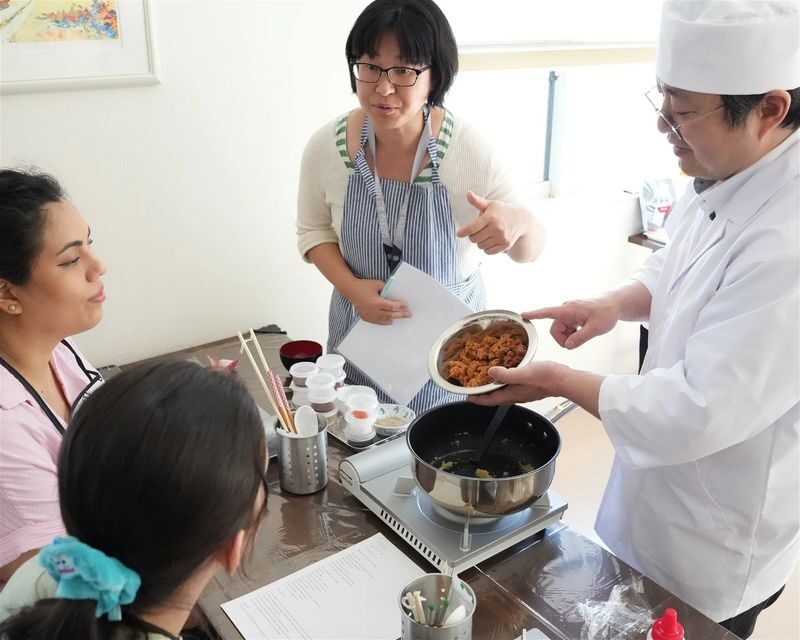
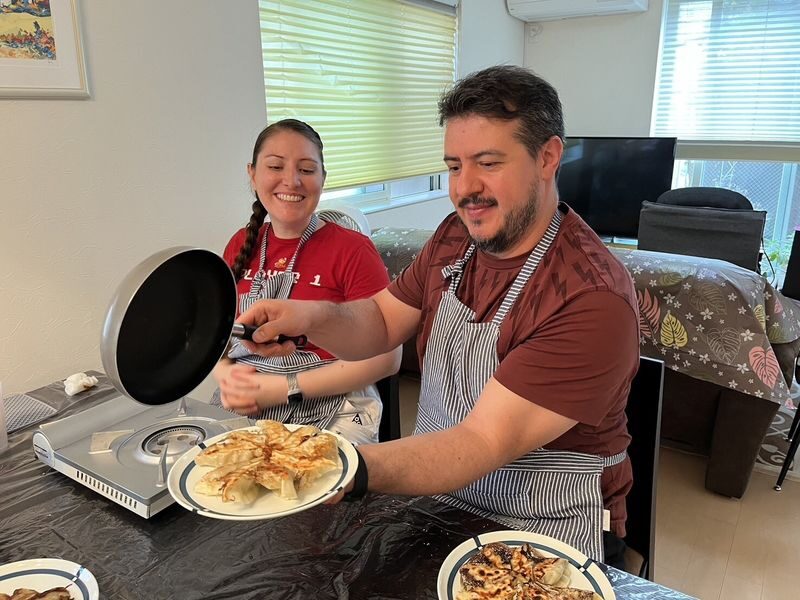
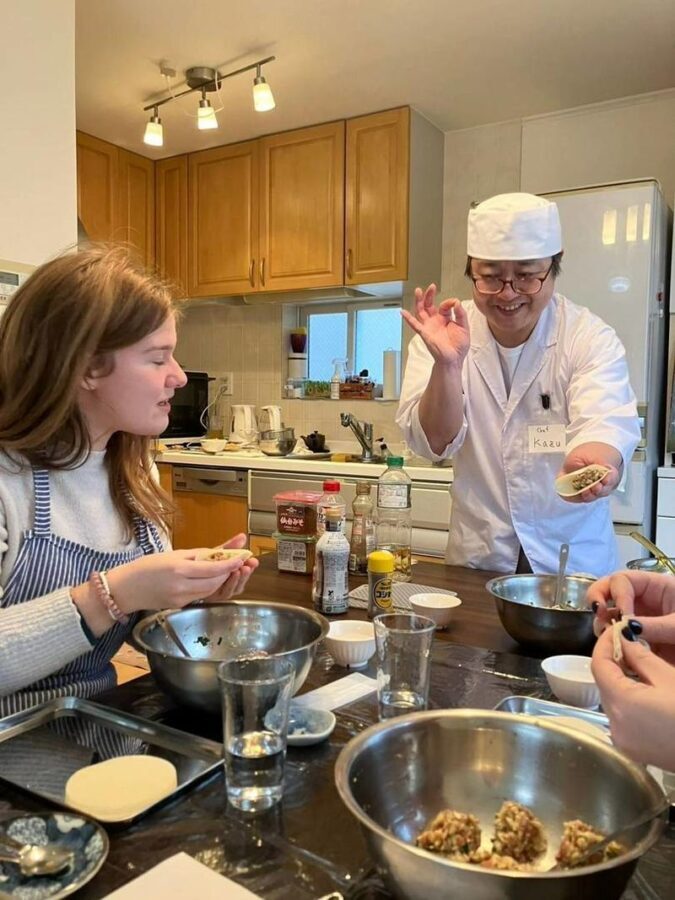
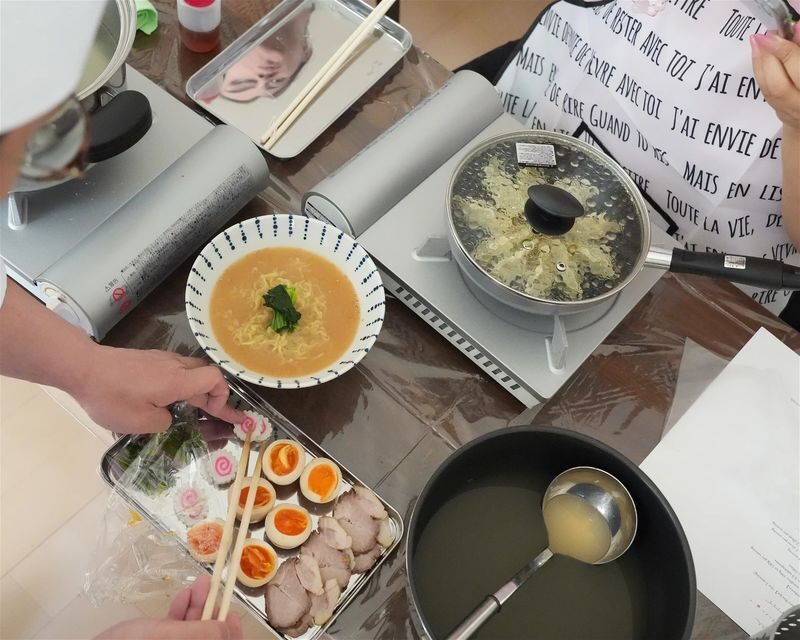
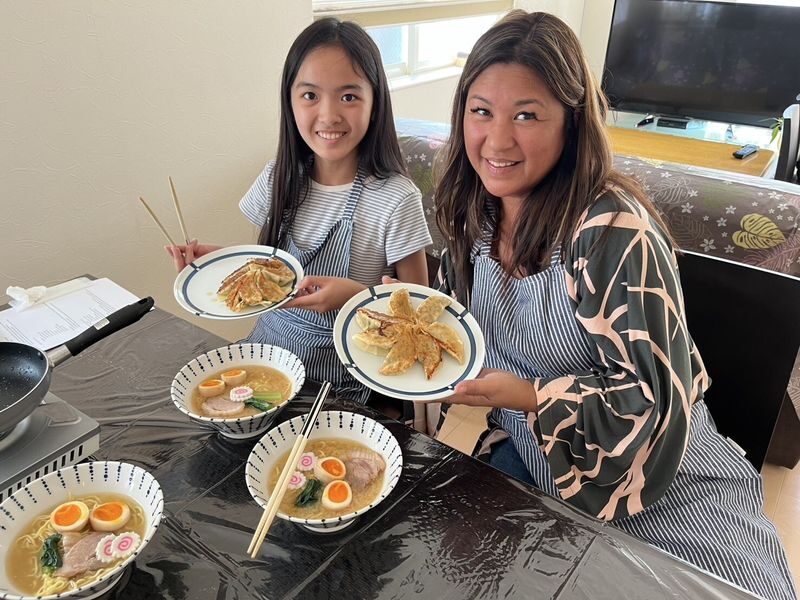
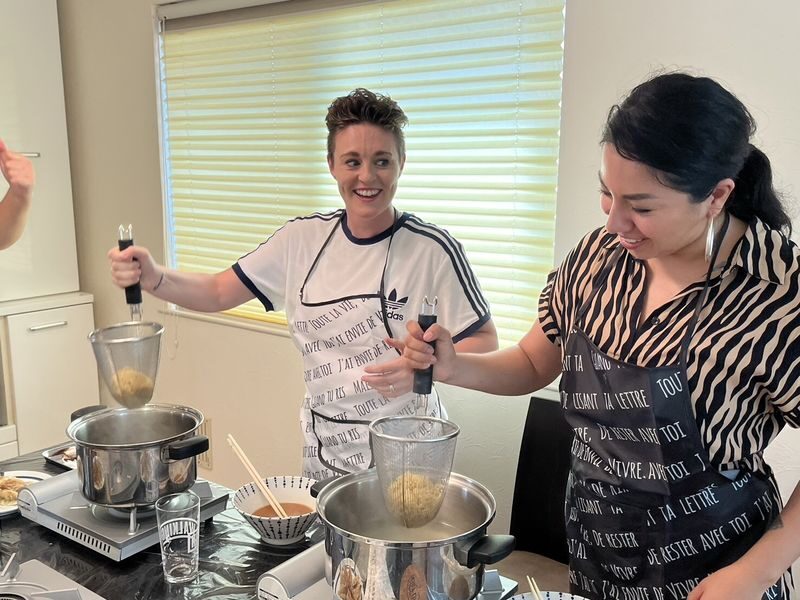
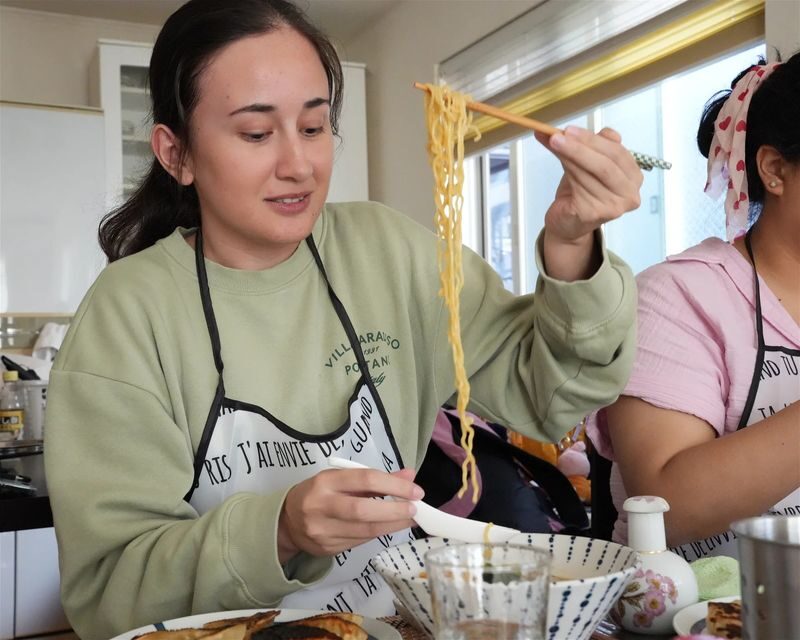
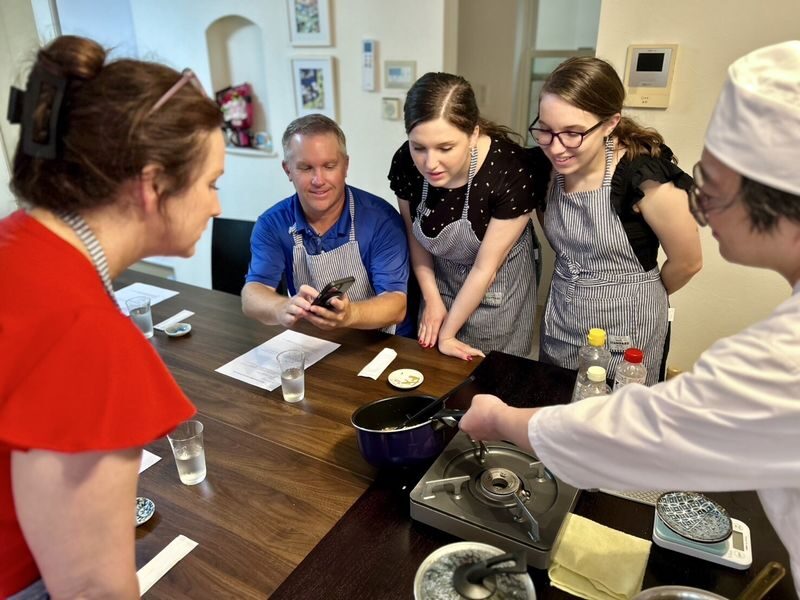
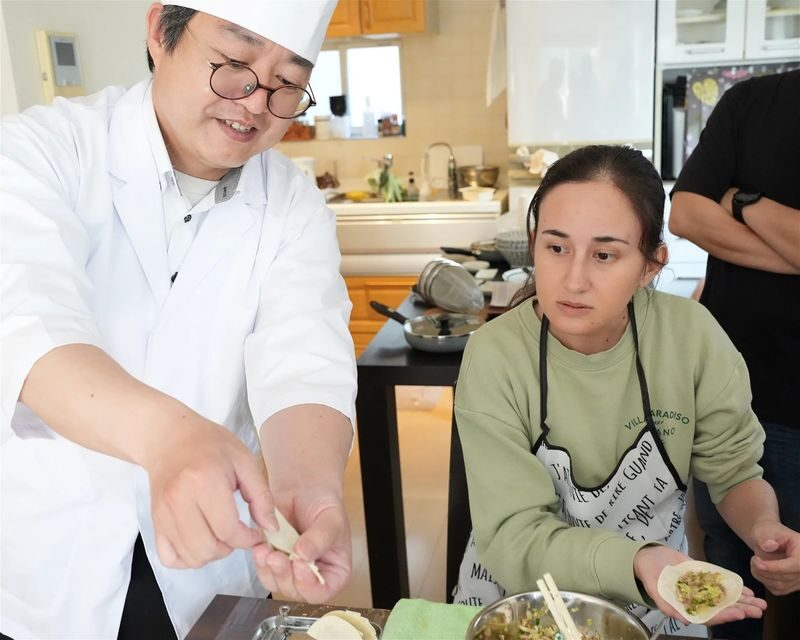
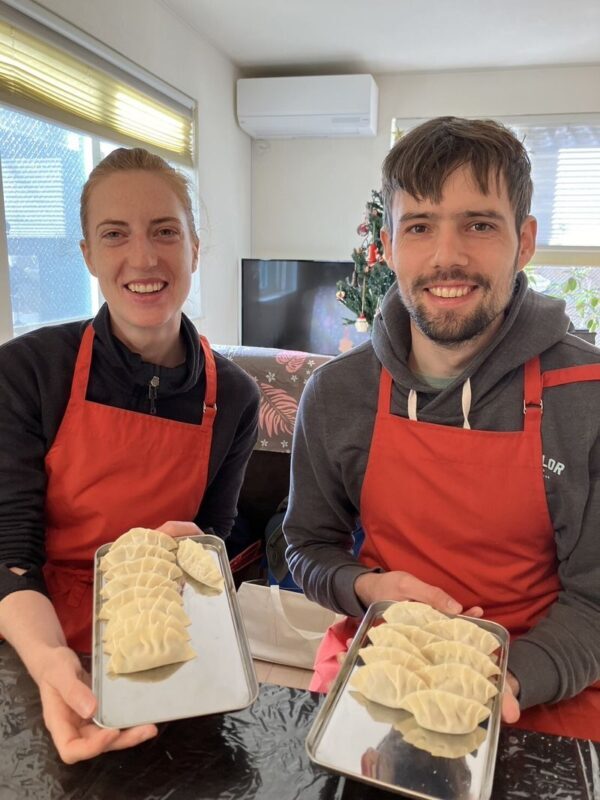
- Make a meal from scratch: Prepare miso ramen and gyoza with a professional chef, even if you have no cooking experience.
- Learn the folds, not just the filling: Gyoza folding is part of the class, and your first dumplings may be more amusing than uniform.
- Finish with matcha and sweets: Whisk matcha yourself and enjoy it with traditional Japanese sweets.
- Ask questions in English: An English-speaking guide helps with instruction and conversation about Japanese food and local life.
- Meet at Zoshigaya Station: The stated meeting point is the station’s B1 plaza. Check the map link sent after booking.
- Plan for two hours and age 12+: Children aged 12 to 17 need a paying adult, and they pay the adult rate.

👉 See our pick of the 25 Best Guided Tours In Tokyo
A Home Kitchen, Not a Restaurant Counter
This class takes place in a host’s home kitchen in Zoshigaya, a short walk from the nearest station. The experience is presented as an Ikebukuro cooking class, but your stated meeting point is Zoshigaya Station’s B1 plaza, so use the directions sent with your confirmation rather than relying on the neighborhood name alone.
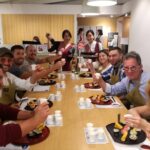
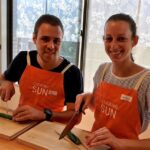
That home setting shapes the experience. You’re not simply watching a chef work behind a counter. You have tools and ingredients ready to use, and the small-group format gives you room to follow each step, ask questions and chat as you cook.
The advertised chef is Odaira, described as having more than ten years of professional ramen-making experience. Class accounts also name Chef Kazu, and English-speaking hosts or interpreters Hitomi and Mariko. Staffing may vary, so treat those names as useful context rather than a promise about who will lead your session.
The class is a good fit if you’d rather learn by doing than spend another meal watching someone else cook. It also gives you a low-pressure setting to talk with local hosts and other participants. If you’re hoping for a formal culinary course or a deep technical study of ramen, two hours is a modest introduction, not a chef’s certificate.
You can also read our reviews of more cooking classes in Tokyo
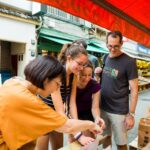

Miso Ramen: Build the Bowl Step by Step
The main event is a handmade bowl of miso ramen. You’ll follow simple steps with guidance from the chef, and the class is intended for cooks of all skill levels. You don’t need to arrive with knife skills or a practiced ramen routine.
Miso is more than a single fixed flavor. One participant described learning how different miso can be mixed to improve the broth, a useful detail if you’ve mostly thought of ramen as a bowl you order rather than a dish you can adjust. You get to see how the broth comes together, then arrange your own bowl.
This is a practical lesson to take home. The class includes recipes, so you can refer back to the method rather than hope you remember each step after a busy Tokyo day. Still, keep expectations sensible: the class teaches a particular version of miso ramen, not every regional style or the full range of professional ramen techniques.
You’ll eat the bowl you prepare. That makes the cooking lesson feel like a proper meal, not a demonstration followed by a quick taste. If ramen is already a favorite, you’ll have a chance to notice the work behind it. If it’s new to you, the guided format helps make a familiar dish feel approachable.
Gyoza: The Fun Is in the Folding
Gyoza are ramen’s natural partner here, and learning to fold them adds a second hands-on skill to the class. You’ll prepare and arrange your dumplings with the chef’s guidance. Don’t expect your first attempts to look like a restaurant’s neat row; folding is a small craft, and learning it is part of the fun.
The class’s relaxed style suits this task. It’s easier to laugh at a lopsided dumpling when you’re making it yourself than to wonder how a restaurant cook does it so quickly. The meal includes handmade gyoza, and the recipes let you try the technique again at home.
This pairing also makes the class more useful than a single-dish lesson. You learn how to prepare a full combination, then sit down to eat ramen and dumplings together. For a couple or a small group of friends, that shared work gives you plenty to talk about without needing to be a confident cook.
Matcha Makes a Calm Finish
After the savory cooking, you whisk matcha and enjoy it with traditional Japanese sweets. It’s a welcome change of pace: the cooking portion is practical and social, while preparing tea gives you a quieter final activity.
The sweet served with the matcha is manju in one account of the class. Its sweetness balances the tea’s flavor, which may appeal even if matcha hasn’t been your favorite before. You make the tea yourself with a whisk, so this is more than a cup placed in front of you.
Don’t mistake this short tea-making activity for a full tea ceremony. It’s a hands-on taste of matcha preparation within a cooking class. That modest scale is part of the appeal: you get a new experience without giving up half a day.
What the Two Hours Are Likely to Feel Like
The sequence is straightforward: meet your hosts, cook miso ramen and gyoza, then make matcha and enjoy Japanese sweets. The exact timing of each step isn’t specified, but the activity is listed as a two-hour class, so expect a focused session rather than a leisurely afternoon.
The class brings several parts of a Japanese meal together in one sitting. You learn the basics of broth and dumpling folding, eat what you’ve prepared, and finish with tea and sweets. That mix keeps the experience varied, while the short duration makes it easier to fit between other plans in Tokyo.
It’s also a useful way to make a meal social. You can talk with the chef and English-speaking guide while working, and ask about the food or life in Japan. If you’re traveling with family or friends, you’ll have a shared activity to remember beyond the dishes themselves.





Who Will Get the Most From This Class
I’d look at this class if you’re curious about Japanese food and want to participate rather than just watch. It suits couples, families with teenagers, and friends who enjoy making a meal together. Beginners are welcome, so you don’t need to know your way around a kitchen.
It can also be a good choice if you want a local conversation as part of your Tokyo visit. The English-speaking guide helps bridge questions and explanations, and the home-kitchen setting offers a more personal encounter than a restaurant meal. The hosts have been described as friendly and willing to answer questions, which is useful when you want to understand the method, not just follow a recipe.
The age limit matters for families. Participants must be at least 12, and those aged 12 to 17 need to attend with a paying adult. Children aged 12 and up are charged the adult rate, and infants must be included in the passenger headcount even though they are below the activity’s minimum age. If you’re arranging a family outing, confirm that the group meets the stated age rules before booking.
Vegetarian diets are listed as an accommodation. If you have other dietary needs, the available information doesn’t confirm that they can be handled, so ask before you pay rather than assuming the menu can be changed.
Is the Price Worth It?
The listed starting prices are $116.09 for the group-of-two package and $112.35 for the group-of-three-to-four package. These are package options, so check the final booking screen to confirm how the price applies to your party. The advertised overall starting price is $112.35.
That is more than the cost of simply sitting down for ramen, but the comparison is not quite like for like. You’re paying for a two-hour activity with an English-speaking guide, a certified professional instructor, ingredients, equipment, a bowl of ramen, gyoza, matcha, sweets and recipes. The value is strongest if you want the cooking lesson and conversation as much as the meal.
If you only want lunch, a restaurant will be simpler and likely cheaper. If you want to learn enough to recreate the dishes, share a kitchen with local hosts, and add a small matcha experience, the class bundles several worthwhile activities into one short session.
The class has received consistently high ratings, though the number of ratings attached to this specific experience is still small. I’d read that as an encouraging sign, not a guarantee that every session will feel identical. The provider, Tablecross Inc., has a broader record of 1,145 reviews and a 95 percent good review rate.
Booking and Meeting Point Details
The meeting point is the B1 plaza of Zoshigaya Station, at 3-chome-1-7 Zoshigaya. More detailed directions and a Google Maps link are provided after booking confirmation. The studio is described as a three-minute walk from the nearest station, but follow the booking directions to locate the exact meeting point and host.
Confirmation is expected within 48 hours. If it doesn’t arrive, contact customer support. Your mobile voucher is valid only on the date and time specified, and cancellations made at least 72 hours before the activity date receive a full refund.
Should You Book It?
Book this class if you want a friendly, practical introduction to making ramen and gyoza, and like the idea of ending with matcha and sweets. The recipes, professional instruction and English-language help make it more than a meal, while the two-hour format keeps it manageable.
Skip it if you want a long technical course, need to bring a child under 12, or simply want the cheapest possible bowl of ramen. For a small group seeking a hands-on food experience in Tokyo, this is a sensible way to spend part of an afternoon, with enough variety to make the price feel justified.
Ikebukuro Cooking: Gyoza and Ramen
“wow!, that's was an amazing experience, we had a lot of fun and made great food, amazing person, for sure top highlights of the trip. thx”
FAQ
How long is the cooking class?
The Ramen and Gyoza Cooking Class lasts two hours.
Where do I meet the host?
Meet at the B1 plaza of Zoshigaya Station, at 3-chome-1-7 Zoshigaya. More detailed directions and a Google Maps link are provided after booking confirmation.
What will I make?
You’ll prepare miso ramen and gyoza, then whisk matcha to enjoy with traditional Japanese sweets.
Do I need cooking experience?
No. The class is designed for all skill levels, and beginners are welcome.
What is the minimum age?
Participants must be at least 12. Children aged 12 to 17 must be accompanied by a paying adult, and participants aged 12 and up pay the adult rate.
Can the class accommodate vegetarian diets?
Yes. Vegetarian diets are listed as an accommodation. The available information doesn’t specify other dietary accommodations.