The best part of this Tokyo cooking class is that you get your hands into the work: you make fresh noodles with a professional machine, prepare toppings, and fold gyoza, then sit down to eat what you made. Chef Yoshi Shishido and host Amo also explain how ramen developed and share practical tips for cooking it at home.
I like two things in particular: the hands-on noodle and dumpling work makes this more than a demonstration, and Yoshi and Amo teach in English, with time for questions. One thing to know before you book: the broth is made ahead, so you learn to assemble and finish the ramen, not to cook its soup from scratch.
- What makes this ramen class worth your time
- Getting to the kitchen near Ekoda Station
- Starting with ramen’s story and Yoshi’s methods
- Making noodles with a machine, then boiling them
- Assembling chicken tonkotsu ramen
- Folding and cooking five gyoza
- What the price includes, and what it does not
- Vegetarian choices and other dietary limits
- Who will get the most from the class
- Should you book this Tokyo ramen class?
- FAQ
- How long is the class?
- Where does the class meet?
- Do participants make the ramen broth?
- Is there a vegetarian option?
- What is included in the class?
- Can children take part?
- What is the cancellation policy?
- The Best Of Tokyo!
- More Tours in Tokyo
- More Tour Reviews in Tokyo
- Not for you? Here's more nearby things to do in Tokyo we have reviewed
What makes this ramen class worth your time
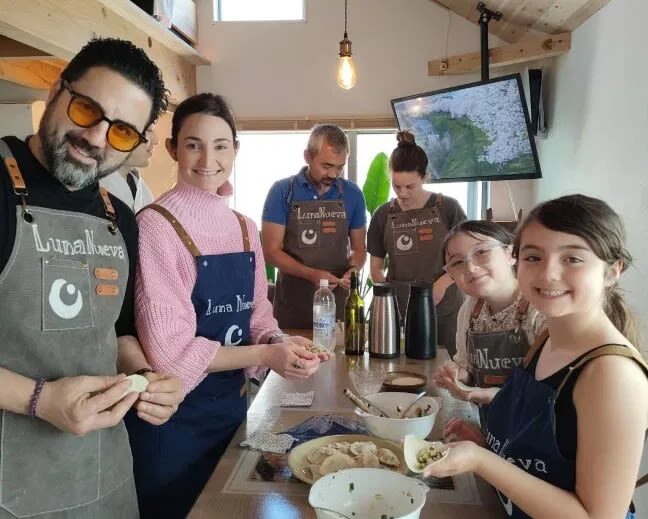
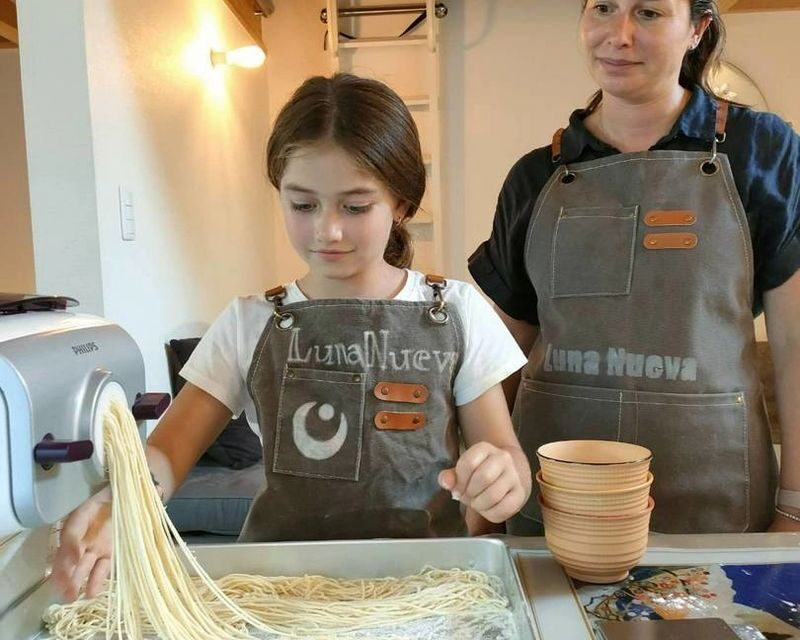
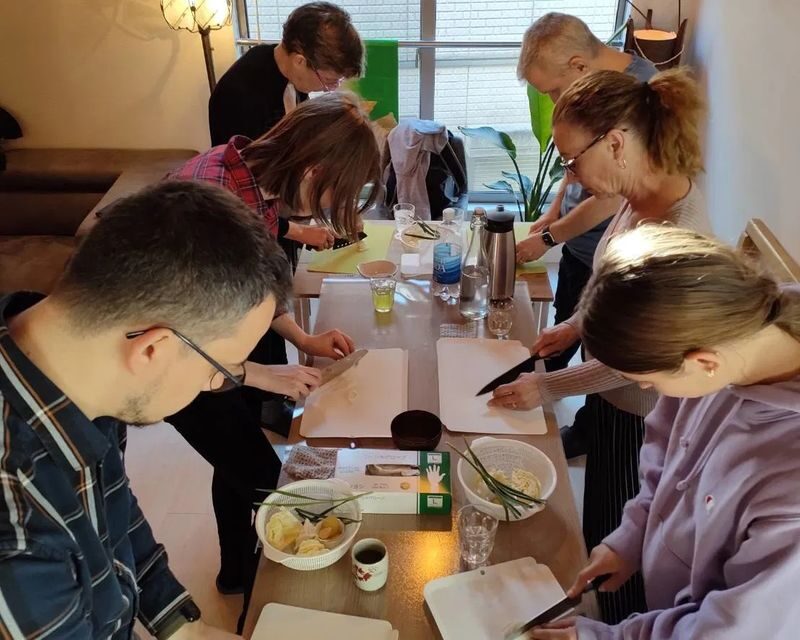
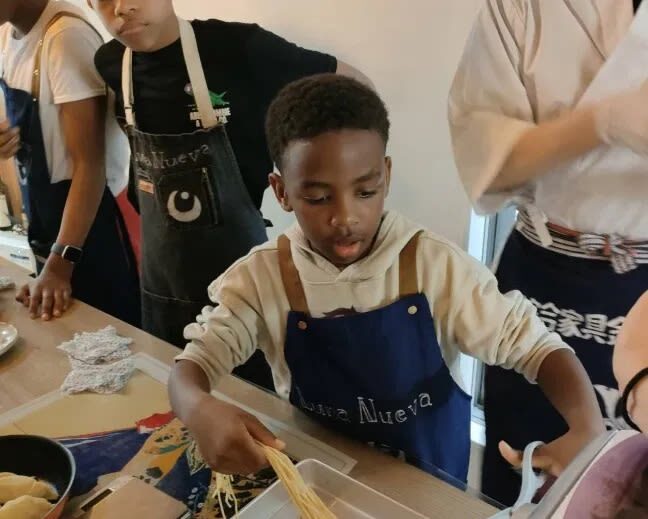
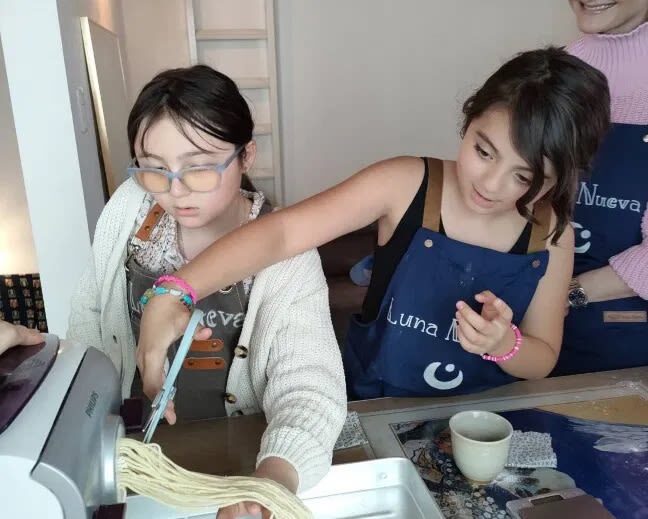
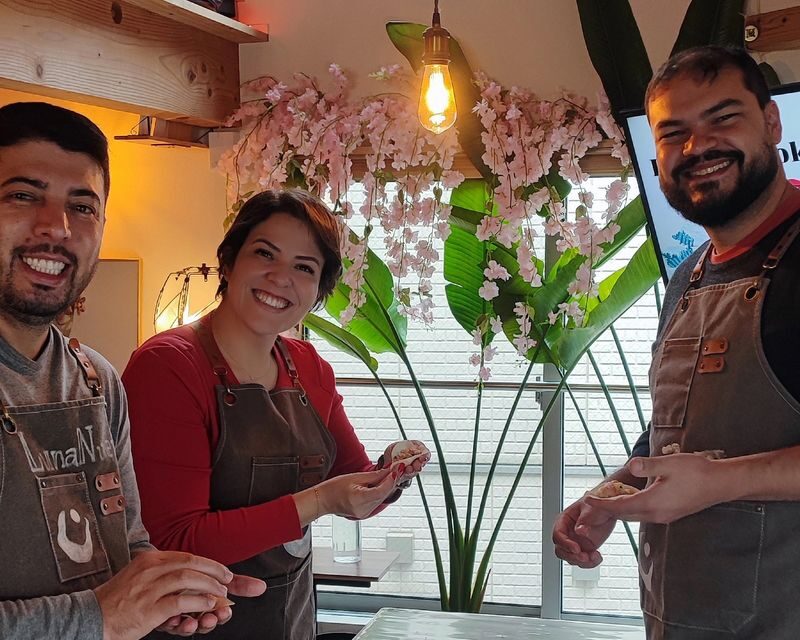
- Fresh noodles with professional equipment: Use a noodle-making machine and boil noodles in a pot made for professional use.
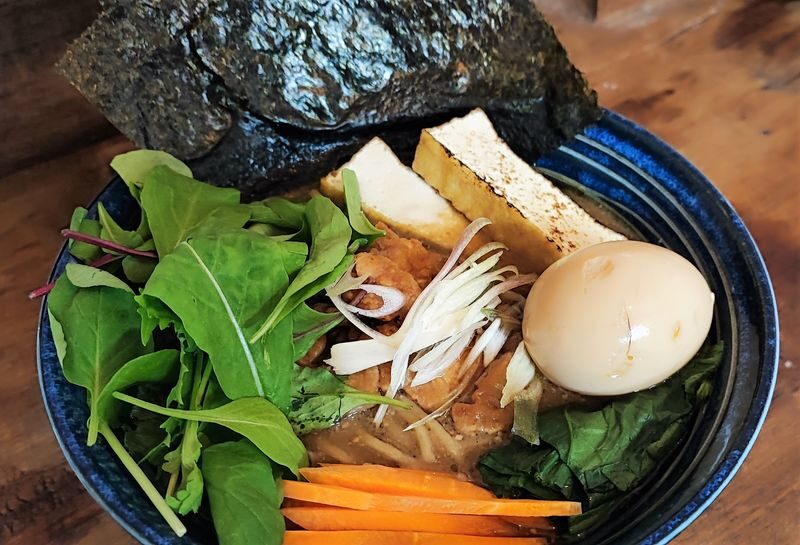
- Chicken tonkotsu ramen: Assemble a bowl with broth prepared in advance, noodles, and a range of toppings.
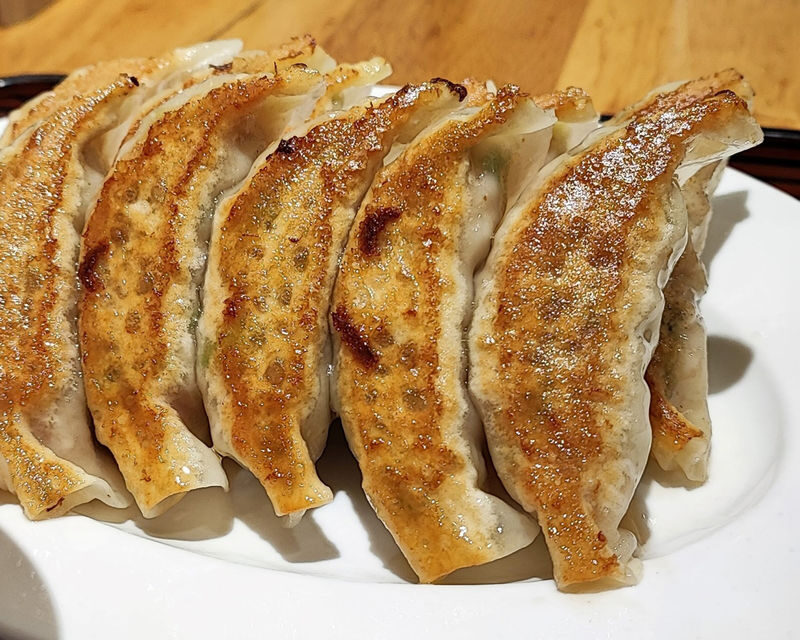
- Gyoza made from scratch: Prepare five dumplings, learning the steps alongside the ramen work.
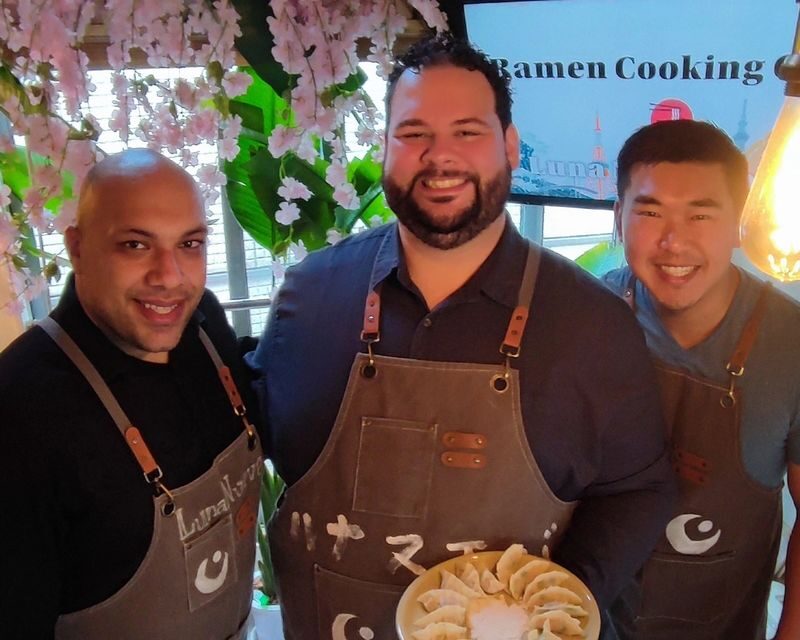
- A chef’s practical guidance: Yoshi draws on experience at ramen restaurants around the world and shares tips you can use at home.
- A meal at the end: Your class includes one bowl of ramen, five gyoza, and a soft drink.
- A vegetarian booking option: Choose the separate vegan or vegetarian class option for vegetable broth and toppings.

👉 See our pick of the 25 Best Guided Tours In Tokyo
Getting to the kitchen near Ekoda Station
The class meets at Luna Nueva JCE Tokyo, about a five-minute walk from Ekoda Station on the Seibu line. You are asked to arrive ten minutes before the start, and that is worth taking seriously: classes begin promptly, and arriving late can cut into your session.
You will receive directions to the meeting point after booking. The experience does not include transport, so plan your own route to Ekoda and leave a little room for finding the venue. One useful detail from the class’s usual routine: an instructor has sometimes met participants at the station, but do not count on that unless it has been arranged for your booking.
The neighborhood setting offers a change of pace from Tokyo’s major sightseeing areas. It is a practical choice if you want an activity built around food and conversation rather than another stop in a crowded attraction. Just remember to factor the trip to Ekoda into your day.
You can also read our reviews of more tours and experiences in Tokyo.


Starting with ramen’s story and Yoshi’s methods
Yoshi begins with an introduction to ramen’s history and the techniques behind the meal. This context helps explain why the bowl is more than noodles in soup: the broth, noodle texture, toppings, and seasoning all have a part to play. You can ask questions as you go, rather than saving them for the end.
The class is led in English, with Yoshi and Amo guiding the group through each task. Their teaching style is patient and clear, which matters if you have never cooked Japanese food before. The experience is designed for participation, not for watching a chef work while you stand at the edge of the kitchen.
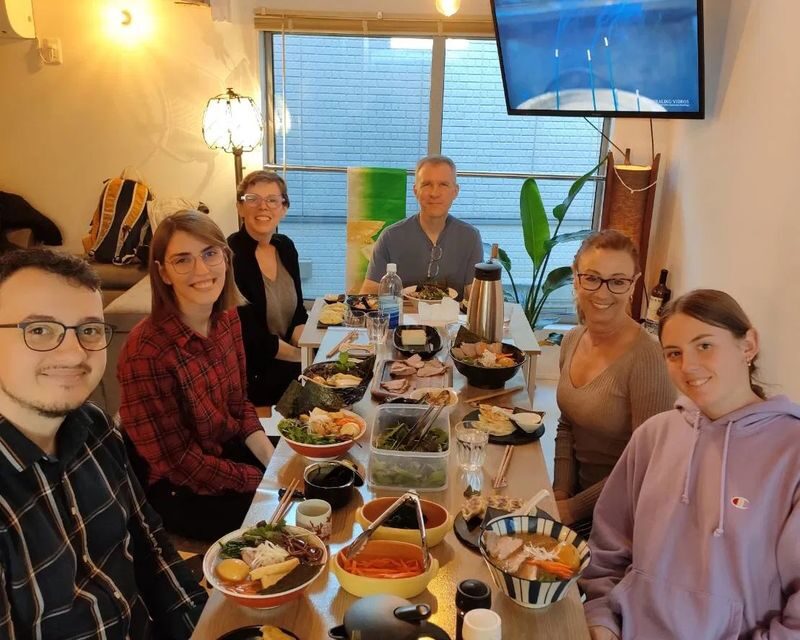
Some classes have been described as intimate, with about six people, but that number should not be treated as a guaranteed group size. If a small class is important to you, check the current arrangement before booking.
Making noodles with a machine, then boiling them
The noodle work is a central part of the class. You use a professional noodle-making machine to prepare fresh noodles, then boil them in a pot designed for professional use. That equipment gives you a look at how noodle texture and cooking technique fit into the finished bowl.
The overview also describes hand-cut noodles, so expect to take part in shaping or cutting the noodles as instructed. The exact balance of machine work and handwork may depend on the class’s method. Either way, you are not simply handed a bowl and told how it was made.
Fresh noodles make a useful contrast with the broth, which has already been prepared. That division lets the class focus on hands-on work that fits into a session of roughly 2 hours and 15 minutes. It also makes the limits clear: this is not a lesson in starting a long-cooked soup from raw ingredients.
Assembling chicken tonkotsu ramen
After the noodle work, you prepare ingredients and assemble the ramen with toppings. The signature broth is described as chicken tonkotsu and is pre-prepared by the host. Since soup-making is not included, you will not spend the class simmering bones or making broth from scratch.
That is the main trade-off for a short cooking session. A full broth lesson would take far longer, while a prepared base lets you learn how the noodles, toppings, and broth come together in a single visit. If your main goal is to master soup-making, this class is not the right fit. If you want a practical introduction to assembling a bowl and learning the related techniques, the format makes sense.
Once everything is ready, you make your bowl and eat it together. The meal is part of the experience, not an optional extra, and the class includes the ingredients and tools for one bowl of ramen. A soft drink is included too.
Folding and cooking five gyoza
The dumpling portion gives you another useful skill to take home. You make five gyoza from scratch, with the instructors guiding you through the preparation and folding. The finished dumplings are cooked as part of the meal, alongside your ramen.
Ramen and gyoza are a natural pairing, but the two tasks also give the class a good rhythm. You move between noodle work, assembling the bowl, and shaping dumplings rather than spending the whole session on one technique. The result is a fuller introduction to a familiar Japanese meal.
This is a good activity for families with children old enough to take part. Participants must be at least six, and children aged six to twelve need a paying adult with them. Children aged six and older pay the same rate as adults, so include that in your family budget.





What the price includes, and what it does not
The listed starting price is $97.89 per person. For that, you get an English-speaking guide, a professional instructor, ingredients and tools for one bowl of ramen and five gyoza, a soft drink, and the meal you prepare. Recipes are provided after the lesson, giving you a reference when you want to try the dishes at home.
I see the value in the combination of instruction, equipment, food, and a small take-home skill set. This is not simply a meal with a cooking demonstration attached. You make several parts of the meal yourself and get guidance from a chef with experience at ramen restaurants.
Transport and personal expenses are not included. The price may feel high if you are looking only for lunch, but that misses the point: you are paying for a guided class and a meal. It makes more sense for someone who wants a food activity with practical instruction than for someone who simply wants to find a cheap bowl of ramen.
Vegetarian choices and other dietary limits
A separate vegan or vegetarian class option is available, using vegetable broth and toppings. If you do not eat meat, choose that option when booking rather than assuming the standard class will be adapted automatically. The class does not use kosher- or halal-certified ingredients.
If you have allergies or other dietary needs, contact the provider before booking and ask what can be accommodated. The class information does not promise that every restriction can be met, so get a clear answer rather than relying on an assumption.
Who will get the most from the class
This class suits ramen fans who want to understand more than what is in the bowl. It also works well for couples, families with children aged six or older, and anyone looking for an indoor activity that offers a break from sightseeing. You do not need prior cooking experience, and the English-language instruction makes the steps accessible to international visitors.
You will get more from it if you enjoy learning by doing and are curious about the details of noodles and dumplings. The recipes make the experience useful beyond the day itself, though you should expect to adapt them to the ingredients and equipment available at home.
It is less suitable if you want a complete broth-making course, need certified kosher or halal ingredients, or have a tight schedule that cannot absorb travel to Ekoda. The class is about 2 hours and 15 minutes, even though the package is described as a two-hour class, so leave enough time around it.
Should you book this Tokyo ramen class?
Book it if you want a warm, practical introduction to making ramen and gyoza, and you like the idea of cooking your own lunch with a professional chef. The fresh-noodle work, prepared chicken broth, dumpling lesson, and recipes give you a satisfying mix of learning and eating.
Skip it if your main aim is to cook broth from scratch or if the dietary requirements do not fit the options offered. For everyone else, it is a well-rounded way to spend part of a Tokyo day: arrive on time, come ready to take part, and leave room for a proper meal.
Ramen Masterclass in Tokyo
“it was very nice. we were family of 5 from Israel and all of us enjoyed the expirience.”
FAQ
How long is the class?
The experience lasts about 2 hours and 15 minutes. The package is also described as a two-hour class, so allow for the longer stated duration when planning your day.
Where does the class meet?
The meeting point is Luna Nueva JCE Tokyo, about five minutes from Ekoda Station on the Seibu line. Directions are provided after booking, and you should arrive ten minutes before the start.
Do participants make the ramen broth?
No. The soup is prepared in advance, and soup-making is not included in the class.
Is there a vegetarian option?
Yes. A separate vegan or vegetarian class option uses vegetable broth and toppings. Kosher- or halal-certified ingredients are not used.
What is included in the class?
The class includes an English-speaking guide, a certified professional instructor, ingredients and tools for one bowl of ramen and five gyoza, and a soft drink. Recipes are provided after the lesson.
Can children take part?
Participants must be at least six years old. Children aged six to twelve must be accompanied by a paying adult, and children aged six or older are charged the adult rate.
What is the cancellation policy?
You can receive a full refund if you cancel at least 72 hours before the activity date, using the destination’s local time. Booking confirmation is expected within 48 hours.