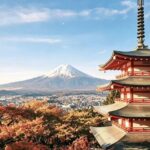
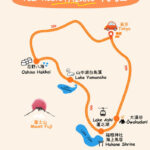
Fuji’s animal park, clear spring pools, and lakeside flower beds make a lively day away from Tokyo. I like that this route pairs close-up wildlife viewing with the quiet village paths of Oshino Hakkai, then gives you a final chance to frame Mount Fuji beside Lake Kawaguchi. You can also choose an English-speaking guide, though vehicles may include people on other language packages.
I also like the simple Shinjuku pickup and the chance to visit three very different places without arranging your own transport. The main trade-off is time: the drives are long, stops are tightly timed, and Fuji’s visibility depends on weather. Add the park entrance fee and optional Jungle Bus fare to the advertised price before deciding what the day will cost.
- What matters most on this Fuji day tour
- From Shinjuku to the foothills of Mount Fuji
- Fuji Safari Park: wildlife from the vehicle
- Oshino Hakkai: clear water and village lanes
- Oishi Park: a short lakeside finish
- What the price includes, and what it does not
- Who will enjoy this route most
- Should you book this Mount Fuji day trip?
- FAQ
- Where does the tour depart from?
- What time does the tour return to Shinjuku?
- Is Fuji Safari Park admission included?
- How much does the Jungle Bus cost?
- Are meals and drinks included?
- Which guide languages are available?
- Can I bring luggage?
- Can children under 3 join the tour?
- Is Mount Fuji guaranteed to be visible?
- The Best Of Fujiyoshida!
- More Tours in Fujiyoshida
- More Tour Reviews in Fujiyoshida
- Not for you? Here's more nearby things to do in Fujiyoshida we have reviewed
What matters most on this Fuji day tour
 1 / 8
 2 / 8
 3 / 8
 4 / 8
 5 / 8
 6 / 8
 7 / 8
 8 / 8
- The safari is a drive-through experience: Fuji Safari Park’s open-style habitat lets you watch animals from a vehicle, with a separate optional Jungle Bus feeding ride.
- The Jungle Bus costs extra: Budget ¥1,500 per person, in addition to park admission. Children aged 3 and up pay the same fare as adults and need an accompanying adult.
- Oshino Hakkai is the most unhurried stop: You have 90 minutes to walk between eight spring pools, browse the village, and buy lunch or a snack.
- Oishi Park offers a short Fuji-view stop: The lakeside flower path is scenic, but the scheduled visit is only 40 minutes.
- The advertised price is not the full day’s cost: The tour starts at $49.19, but park entry, any Jungle Bus ride, food, and drinks are extra.
- Plan for changeable views and traffic: Clouds can hide Mount Fuji, and road conditions can shift the schedule and return time.

👉 See our pick of the 3 Best Tours In Fujiyoshida
From Shinjuku to the foothills of Mount Fuji
The day begins at 8:00 a.m. at the Shinjuku LOVE Sculpture. Arrive at least 10 minutes early and look for the guide holding a GOGODAY flag. The supplier sends the guide and vehicle details by email between 8:00 and 9:00 p.m. the previous evening. Check your spam folder, and use the latest message if more than one arrives.
The tour includes round-trip transport and a Chinese- or English-speaking guide. It is a shared trip, so the vehicle and group size depend on the number of bookings. If participation is low, transport may be in a smaller car, with less room than a coach. The operator may also place people speaking different languages in the same vehicle.
That arrangement is useful if you want someone else to handle the long drive and route planning, but it is not a private tour. Seating is generally assigned on a first-come basis. You can note a seating request when booking, though the final call rests with the guide.
The listed arrival back at Shinjuku is between 6:00 and 7:00 p.m. Treat that as an estimate, not a firm appointment. Traffic and weather can push the return later, so I would keep the evening free rather than book a show, dinner reservation, or train connection that depends on a precise arrival.
You can also read our reviews of more tours and experiences in Fujiyoshida.


Fuji Safari Park: wildlife from the vehicle
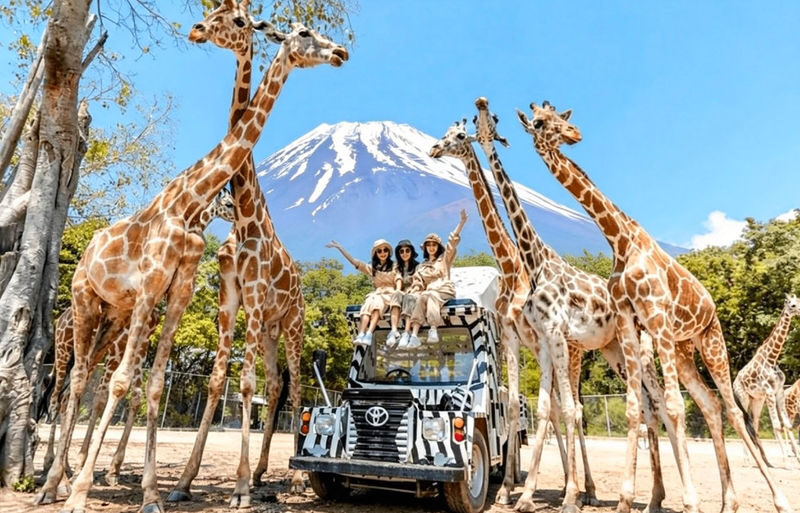
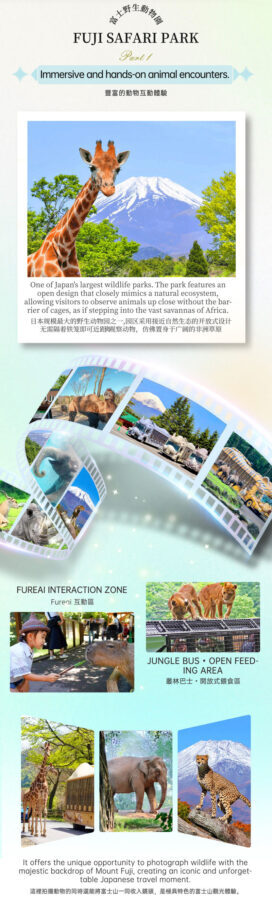
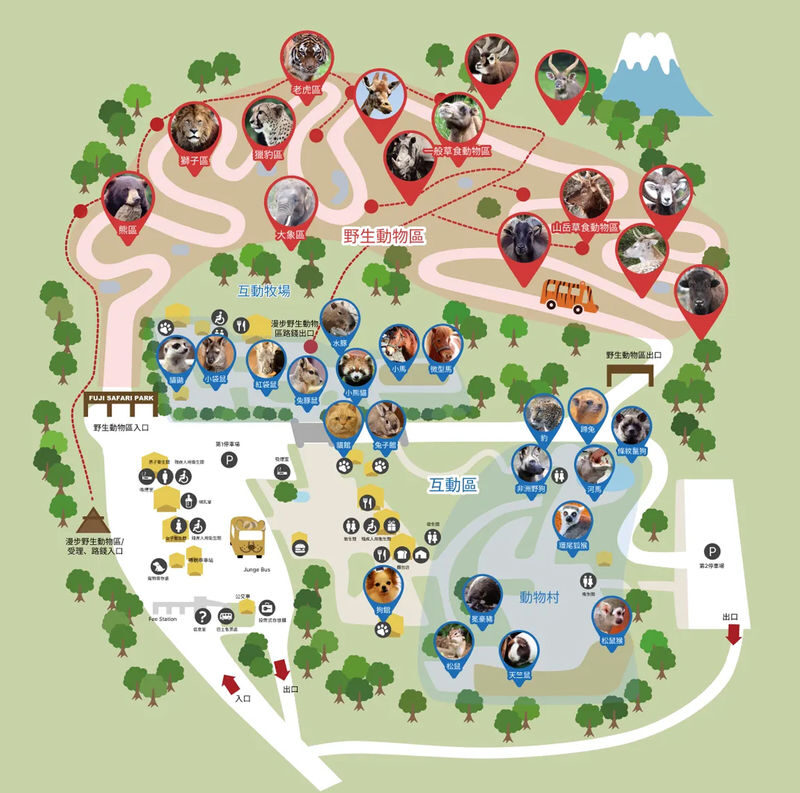
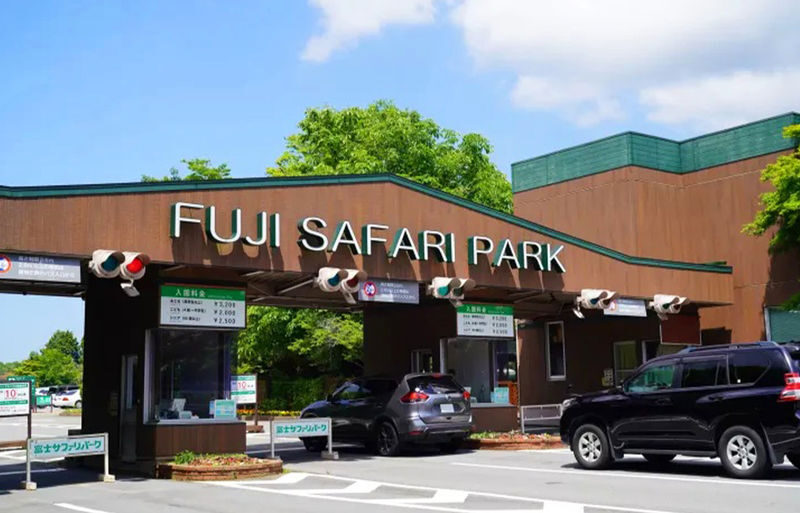
The first stop is Fuji Safari Park, scheduled for 10:00 a.m. You have about two and a half hours there, exploring at your own pace. The park sits on Mount Fuji’s southern foothills and uses a broad, open habitat design rather than the familiar row of small animal enclosures. Lions, tigers, black bears, and giraffes are among the animals you may see.
The key choice is how to tour the safari area. You can take the included tour vehicle arrangement into account, but park admission itself is not included. Entry costs ¥3,200 for adults and ¥2,000 for children aged 4 through junior high school age. Children aged 3 and under enter free.
For a closer encounter, consider the optional Jungle Bus, priced at ¥1,500 per person. It takes you through the animal area and offers a feeding experience, with animals approaching the bus windows. Children aged 3 and up pay the adult price and must be with an adult. This is the stop’s most distinctive extra, but it adds both cost and a bit of unpredictability to your visit.
The safari’s appeal is the unusual perspective: you see animals in a large habitat from inside a vehicle, rather than walking past cages. At the same time, the bus ride is not a guaranteed photo session. One English-speaking tour participant found the safari bus moved too quickly for good photos and felt unsteady when it stopped. That is a useful caution if you are prone to motion sickness or expect long, still viewing breaks.
Another participant singled out the feeding ride as a great experience, while also wishing for more time at the park. That is the balancing act here. Two and a half hours sounds generous, but it includes getting around the park and choosing what to do. If the safari is your main reason for booking, decide in advance whether the extra Jungle Bus fare is worth it to you, and avoid letting the optional ride consume all your park time.
The tour guide may help orient you at the park, but do not assume the Jungle Bus driver will speak English. A participant described a Japanese-speaking driver on one trip. Keep expectations flexible, and focus on the animal encounter rather than counting on spoken commentary or a perfect camera angle.
Oshino Hakkai: clear water and village lanes
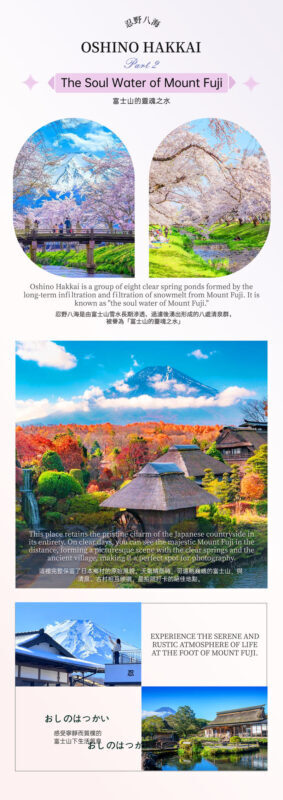
Around 1:20 p.m., the group reaches Oshino Hakkai for a 90-minute self-guided visit. The village is known for eight clear spring pools, fed by snowmelt that has filtered through Mount Fuji’s ground over time. The water’s clarity is part of the attraction: from the paths and bridges, you can look down at plants and fish in the pools.
This stop changes the pace after the safari. Rather than watching animals from a vehicle, you wander through a small settlement of traditional houses, wooden bridges, and footpaths. The springs are recognized as a national natural monument and form part of the Mount Fuji World Cultural Heritage site. That status reflects the long-standing relationship between Fuji’s water and the communities around it.
You also have time to buy lunch here. Meals and drinks are not included, so this is the most practical chance to pick up something to eat during the day. Local snacks and sweets made with spring water are part of the village’s food appeal, but the tour does not include a meal or reserve a restaurant. Keep an eye on the clock: 90 minutes can go quickly if you want to see several pools, browse the village, and eat.
Oshino Hakkai is likely to be the most peaceful stop, but it is still a popular scenic site. Treat it as a walk through a lived-in village, not a private nature retreat. The best use of your time is to move slowly enough to notice the water and village details, while leaving a little room for lunch and a return to the meeting point.
Oishi Park: a short lakeside finish
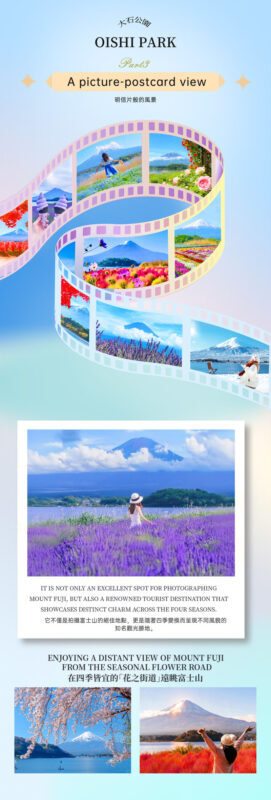
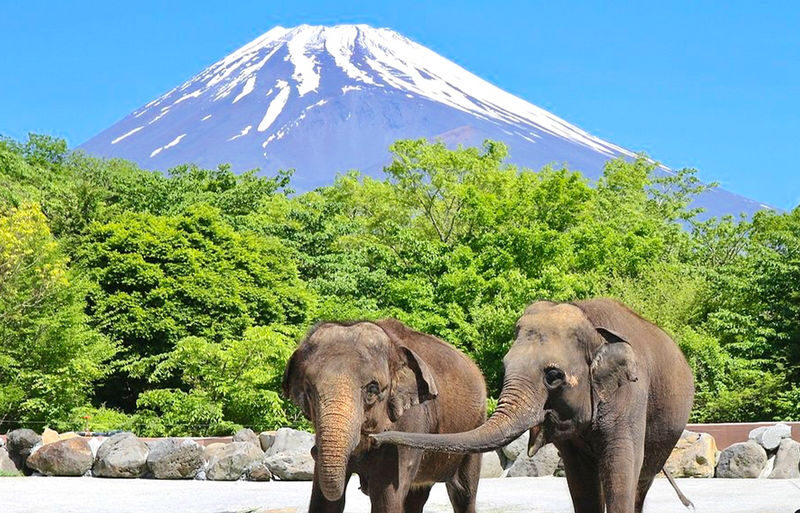
The final scheduled stop is Oishi Park, at Lake Kawaguchi, with about 40 minutes on site from roughly 3:20 p.m. Its flower path follows the lakeshore, offering views across the water toward Mount Fuji when conditions allow. The flowers change with the season: lavender is associated with summer, while broom grass adds autumn color.
This is an efficient photo stop rather than a long park visit. You can walk part of the lakeside flower path, take pictures, and visit the Natural Living Center, where the park description notes you can have coffee with mountain views. With only 40 minutes, choose your priorities early. If Mount Fuji is clear, you may want to spend most of the stop outside; if clouds cover the peak, the flowers and lake still give you a reason to stroll.
The view is never guaranteed. Fuji visibility varies with weather and tends to be lower in summer, so a blue-sky photograph should be treated as a bonus, not a promise. One participant praised the scenic Fuji viewpoints, while another noted the value of seeing several viewpoints in one day. That is the strength of the route: you get more than one chance to see the mountain, though no schedule can control the clouds.
What the price includes, and what it does not
The tour starts at $49.19, with Chinese- and English-speaking guide options listed at the same starting price. Round-trip transport from the Shinjuku meeting point and a guide are included. For a day covering three sites spread around the Fuji area, the transport is a meaningful part of the value: you do not need to piece together separate buses or manage the route yourself.
The base price does not include Fuji Safari Park admission, the Jungle Bus, meals, drinks, personal expenses, or tips. An adult who enters the park pays ¥3,200, and the Jungle Bus adds ¥1,500 if chosen. Those extras can make the actual cost noticeably higher than the advertised starting figure, especially for families. Children aged 3 and older are charged the adult tour rate, while children aged 0 to 2 can ride free only if they do not need their own seat.
I would compare the total price with what you would spend arranging transport and admissions independently, not just compare the headline fare. The tour is most valuable if you want a guided, shared ride from Tokyo and appreciate having the day’s route organized. It is less compelling if you want long, flexible visits at each site or plan to skip the safari, since the route is built around all three stops.


Who will enjoy this route most
This day suits first-time visitors who want a broad introduction to the Mount Fuji area without planning several connections. It also fits families and animal fans who are keen on the safari, though the extra Jungle Bus cost and limited time deserve consideration. Photo-minded visitors get several chances at Fuji, spring pools, flowers, and lake views, but should be comfortable with weather-dependent results.
The tour is less suited to anyone who needs a precise return time or dislikes long road journeys. The operator says the itinerary may be rearranged or shortened because of traffic, weather, or limits on commercial vehicle operating times. Pregnant participants are advised not to take the activity, and people over 70 or pregnant participants must request and return a liability waiver if they book. Child seats are not available.
Luggage needs planning, too. One carry-on-size piece per person may be brought free, but you must declare it when booking. Large suitcases are not recommended, especially if the group is using a small vehicle. Infants who will not occupy a seat still count toward vehicle capacity and must be noted in advance.
Should you book this Mount Fuji day trip?
Book it if you want an easy, varied day from Shinjuku and are happy to trade depth for range. The combination of a safari, village springs, and a lakeside Fuji viewpoint gives the day real variety, and the included transport removes much of the route-planning work.
Think twice if the safari is your sole priority, if you need a spacious coach, or if a particular Fuji view is essential to your trip. The park has an additional entrance fee, the feeding bus costs extra, and the Oishi Park stop is brief. For the best chance of a satisfying day, check the forecast, budget for the safari costs, bring a small bag, and leave your evening open.
One-Day Tour of Fuji Safari Park, Oshino Hakkai, and Oishi Park
“The tour guide is friendly and helpful. Rapid reply for all our questions before and during the trip. Actively introduce new visiting locations.”
FAQ
Where does the tour depart from?
It departs from the Shinjuku LOVE Sculpture at about 8:00 a.m. Arrive at least 10 minutes early and look for a guide holding a GOGODAY flag.
What time does the tour return to Shinjuku?
The estimated return is between 6:00 and 7:00 p.m. Traffic and weather can cause delays, so avoid booking other activities that evening.
Is Fuji Safari Park admission included?
No. Admission costs ¥3,200 for adults and ¥2,000 for children aged 4 through junior high school age. Children aged 3 and under enter free.
How much does the Jungle Bus cost?
The reference fare is ¥1,500 per person. Children aged 3 and older pay the same fare as adults and must be accompanied by an adult.
Are meals and drinks included?
No. Meals and beverages are not included. Oshino Hakkai is scheduled for 90 minutes and is the stop where you can buy lunch or snacks.
Which guide languages are available?
The listed package options are Chinese-speaking and English-speaking guides. People on different language packages may share a vehicle.
Can I bring luggage?
Each person may bring one piece of luggage free, with carry-on size recommended. Declare it in the booking’s special requests at least one day ahead. Large suitcases are discouraged, particularly on small-vehicle departures.
Can children under 3 join the tour?
Children aged 0 to 2 can travel free if they do not occupy a separate seat, but they must be included in the passenger count and noted when booking. Child seats are not available.
Is Mount Fuji guaranteed to be visible?
No. Visibility depends on weather and is lower in summer. The tour still runs unless the operator cancels it, and seasonal flowers or scenery are not guaranteed.