
Stand in the centre of the Klimt show at Fabrique des Lumières and there’s a moment, about twelve minutes in, when gold leaf cascades down all four walls and the ceiling at the same time and the soundtrack swells, and the room seems to tilt. You stop reading. You stop thinking. You just exist inside the painting for a few seconds, then you blink and you’re back. That’s the trick. That’s why this place is worth a ticket.
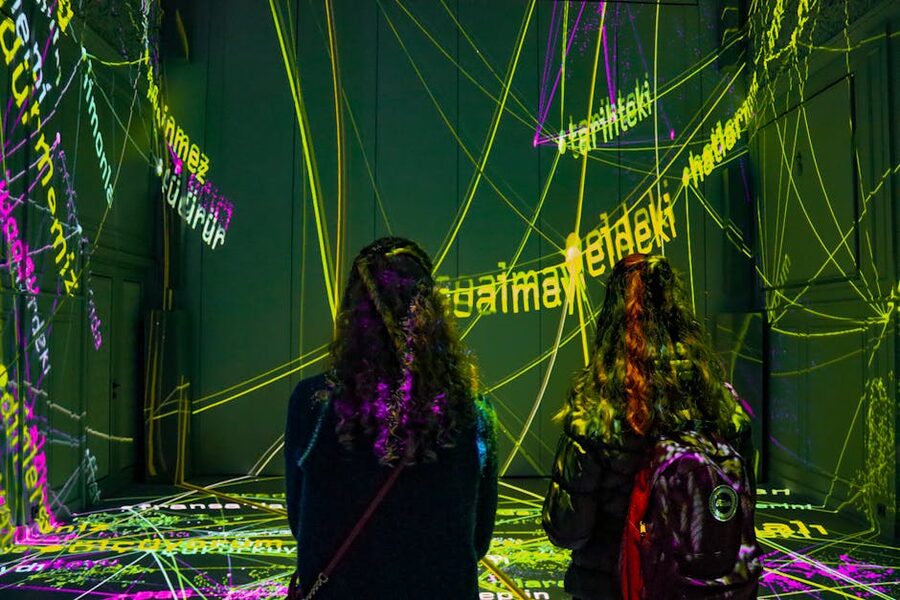
Fabrique des Lumières opened in 2022 in the old Westergasfabriek complex, a 1920s industrial site that used to make gas for the city. The Amsterdam version is the Dutch outpost of the Atelier des Lumières franchise that runs in Paris, and the formula is the same: an enormous projection space, a rotating programme, a single ticket per show. The exhibits change every six to nine months. Right now Monet, the Dutch Masters, The Sea, and the general entry are the four tickets you can actually book.
- In a Hurry? Three Picks
- What you actually get inside
- The four tickets, and which to pick
- 1. Fabrique des Lumières Entry Ticket:
- 2. Fabrique des Lumières Monet Entry Ticket:
- 3. Fabrique des Lumières Dutch Masters Ticket:
- 4. Fabrique des Lumières The Sea Entry Ticket:
- The Klimt moment
- Getting there from the city centre
- The building itself
- Tickets, timing, and the booking system
- What it’s like in the room
- Pairing with the rest of your Amsterdam day
- Practical bits I wish I’d known the first time
- Who shouldn’t bother
- Combining with Atelier des Lumières in Paris
- Photographs and what you can post
- Best slot to book
- Worth the trip out from the centre?
- More Amsterdam experiences worth your time
In a Hurry? Three Picks
Best for first-time visitors: Fabrique des Lumières Entry Ticket from $20. The standard entry, all current shows, the cleanest way in.
Best for art lovers: Fabrique des Lumières Monet Entry Ticket from $21. Water lilies, the Giverny gardens, Impressionist colour at thirty feet tall.
Best for Dutch heritage: Fabrique des Lumières Dutch Masters Ticket from $21. Vermeer, Rembrandt, Mondriaan, all blown up to the size of a building.
What you actually get inside
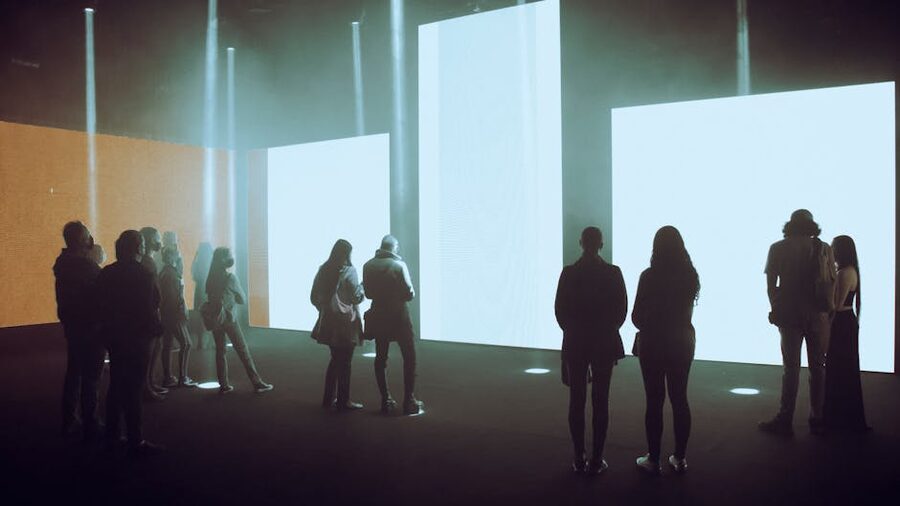
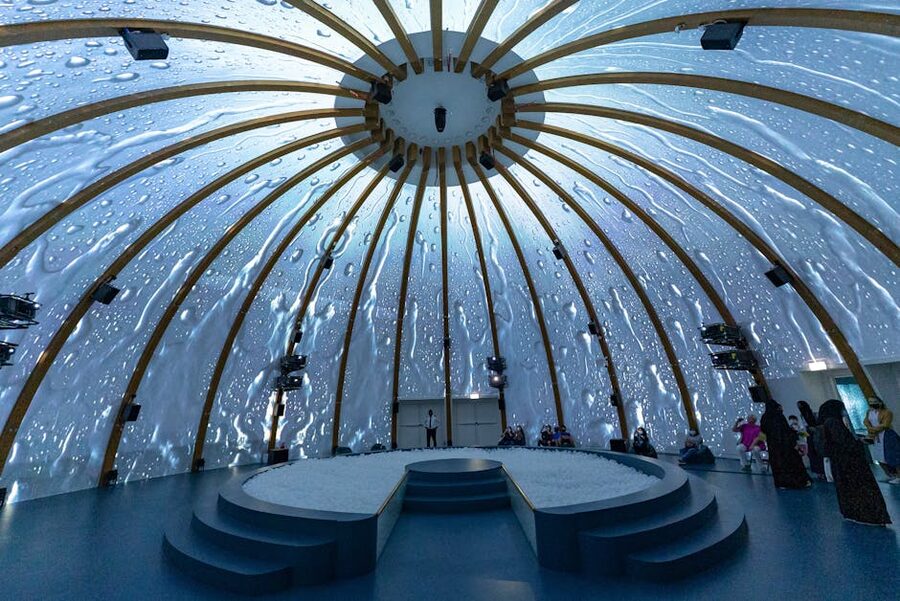
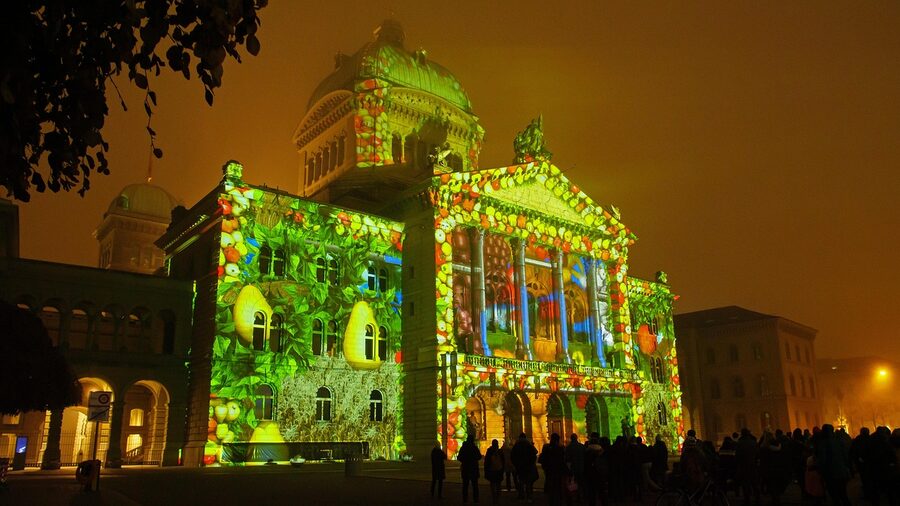
The main hall is the old gas-storage building, and it’s huge. The walls go up about seventeen metres. Every surface is a screen, including the floor in some sections. You don’t walk through rooms in a fixed order. You walk in, the show is already running on a loop, and you stay for as long as you like.
A standard visit runs about seventy-five minutes and is built around two films. The main exhibit (Monet, Klimt, Dutch Masters, whichever is currently programmed) runs about thirty-five minutes. The secondary exhibit, usually a shorter contemporary piece, runs about twenty-five minutes. The remaining fifteen minutes is the gap between, the lobby, the gift shop, the bathrooms, and the time you spend just standing at the back of the hall watching the loop start over because you weren’t quite ready to leave.
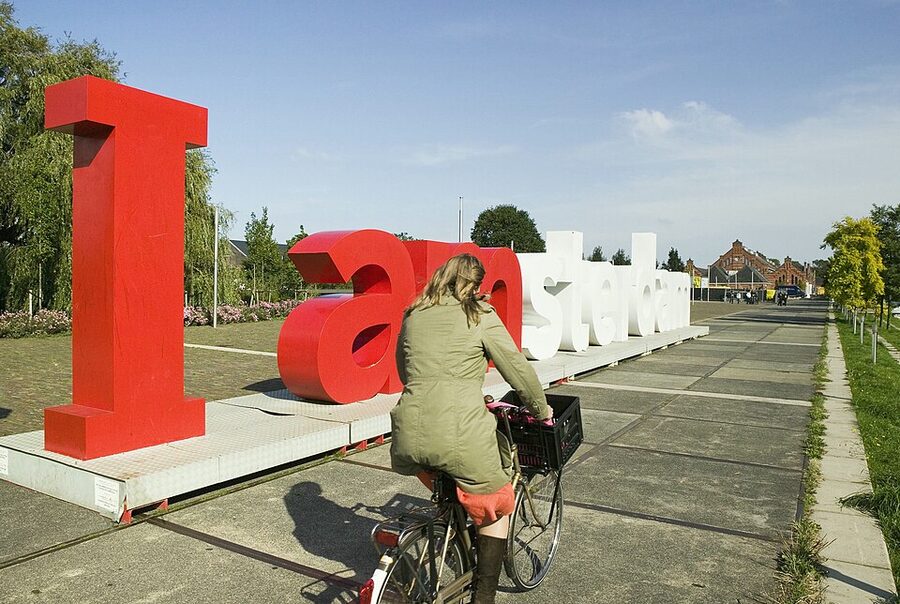
If you’ve been to the Atelier des Lumières in Paris, you know the format. If you haven’t, the closest comparison in Amsterdam is the Moco Museum, which has a similar interest in modern, digital, projection-heavy work, and our Moco Museum guide covers the differences in detail. Moco is a Museumplein institution with a Banksy hang and a small footprint. Fabrique is a single immersive room out at Westerpark with a budget show and a soundtrack. Both are good, in different ways.
The four tickets, and which to pick
The four current tickets cover the same physical space, just with different shows playing. Pick by which exhibit you actually want to see, not by price, because the prices barely move.
1. Fabrique des Lumières Entry Ticket: $20
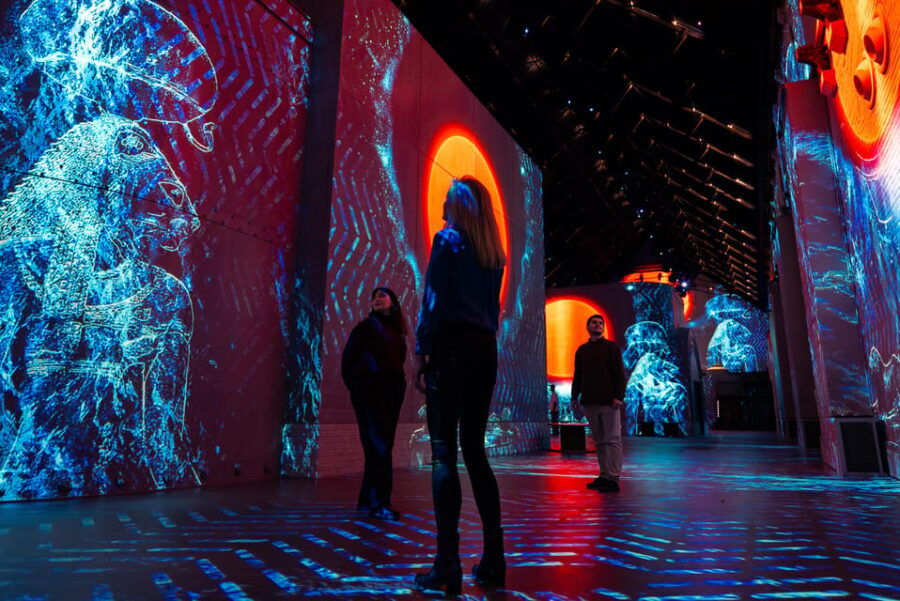
This is the workhorse ticket, and it’s the one to pick if you don’t already know which exhibit you want. The ticket gets you into whatever the current programme is. Our review of the general-entry ticket walks through the time-slot system and what to expect at the door. Pick a slot at least 24 hours ahead in summer, walk-up sometimes works in shoulder months.
2. Fabrique des Lumières Monet Entry Ticket: $21
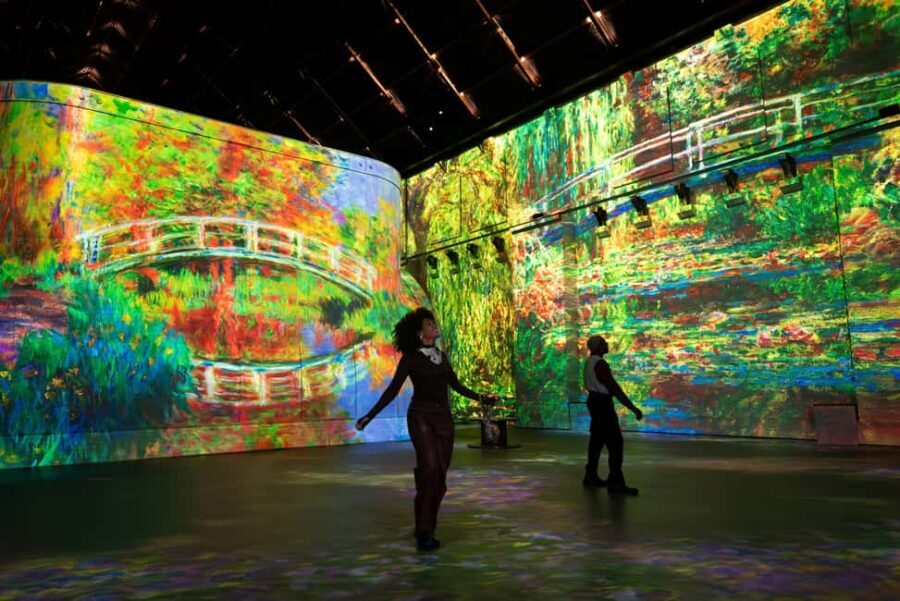
The Monet runs as the evening slot on weekdays in most current programmes. It’s the show I’d send people to if they’ve never been to a projection-art space before, because the source material is friendly and the colour palette is gentle on the eyes. Our review of the Monet ticket goes into which sections are the standouts (the bridge sequence, the flower-fields close-ups). If you’ve been to Giverny in person, you’ll recognise more of the imagery than you’d expect.
3. Fabrique des Lumières Dutch Masters Ticket: $21
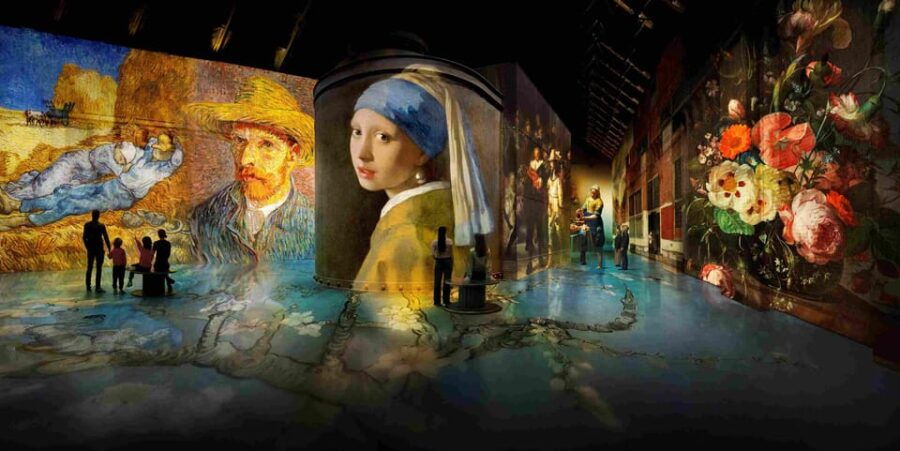
If you’ve spent the morning at the Rijksmuseum staring at the original Vermeers and Rembrandts, this is the afternoon counter-programme. The same paintings, animated, scaled up to the size of a building, with a contemporary score. Some people find the contrast jarring, others find it the highlight of their week. Our review of the Dutch Masters ticket covers what’s actually included and how the show treats Mondriaan’s geometric work, which is the part that surprised me most.
4. Fabrique des Lumières The Sea Entry Ticket: $21
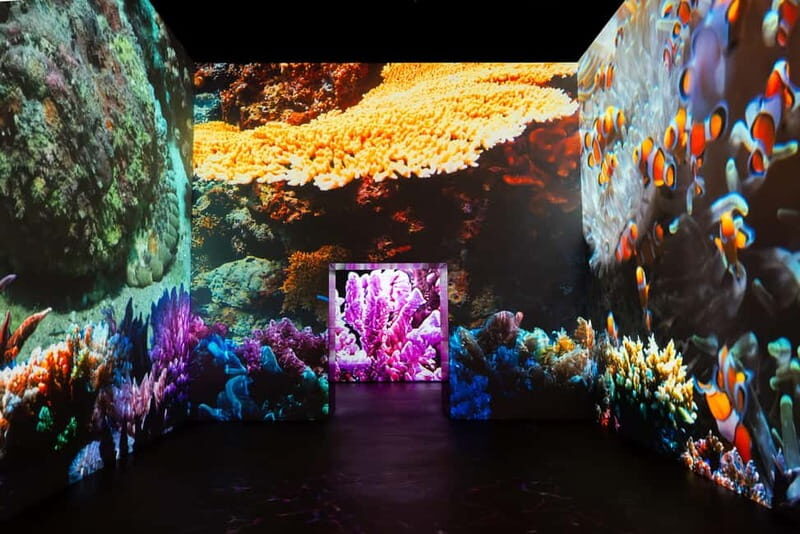
This is the show I’d send underwater fans to. Glowing jellyfish across the ceiling, schools of fish that seem to swim past your shoulder, deep-sea creatures lit from below. The conservation angle is woven in, not bolted on. Our review of The Sea ticket notes that the show landed harder for some visitors than others, and that the queueing is a bit more regimented than the other three because the slots are tighter. Worth the small premium if you’re a snorkeller or diver.
The Klimt moment
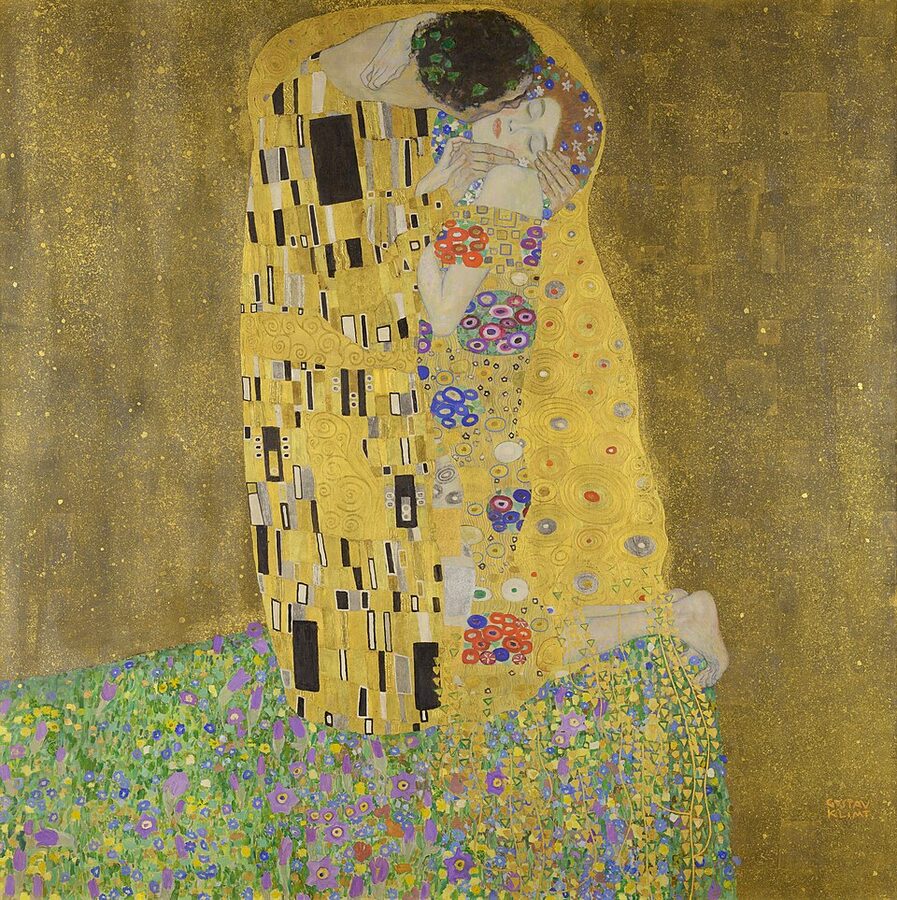
I want to talk about Klimt for a moment, because the Klimt show is what made me a convert to this place. The original paintings are small. The Kiss is six feet square. The Tree of Life mural is bigger but still flat against a wall. What Fabrique does is take the gold-leaf pattern, the swirl, the geometric tile-work, and let it cover everything. The ceiling is gold. The floor is gold. The walls are gold. Then the soundtrack swells, the gold cracks, faces emerge, and you realise you’ve been holding your breath.

The Klimt show isn’t always on the schedule, so check the site before you book if it’s the one you want. When it does run, it’s typically the evening slot. The matinee slots usually go to the broader Monet or Dutch Masters shows, and the experimental work like The Sea sits between them.
Getting there from the city centre
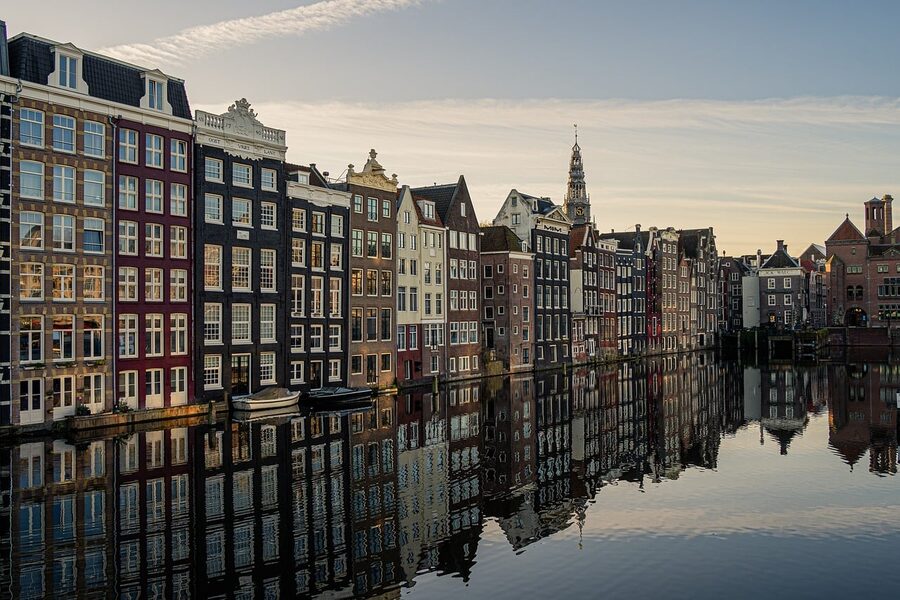
Fabrique is at Pazzanistraat 37 in Westerpark, just west of the city centre. There are three reasonable ways to get there from Centraal Station, and only one of them is the one you should pick.
The bus is fastest. Lines 18, 21, or 22 from Centraal drop you at Haarlemmerplein, which is a twelve-minute walk west to the Westergas complex. Tram 5 from Concertgebouw works if you’re coming from Museumplein, same Haarlemmerplein stop, same walk. And walking from Centraal takes around twenty-five minutes through Haarlemmerbuurt, which is a perfectly good neighbourhood walk if you’re not in a rush.
I’d walk it. The route through the Jordaan is one of the quieter Amsterdam strolls, the canals in this stretch are residential rather than tourist-clogged, and you arrive in a much better mood than you would after a tram. If it’s raining, take the bus. The trams here are a faff for what they’re worth.
The building itself
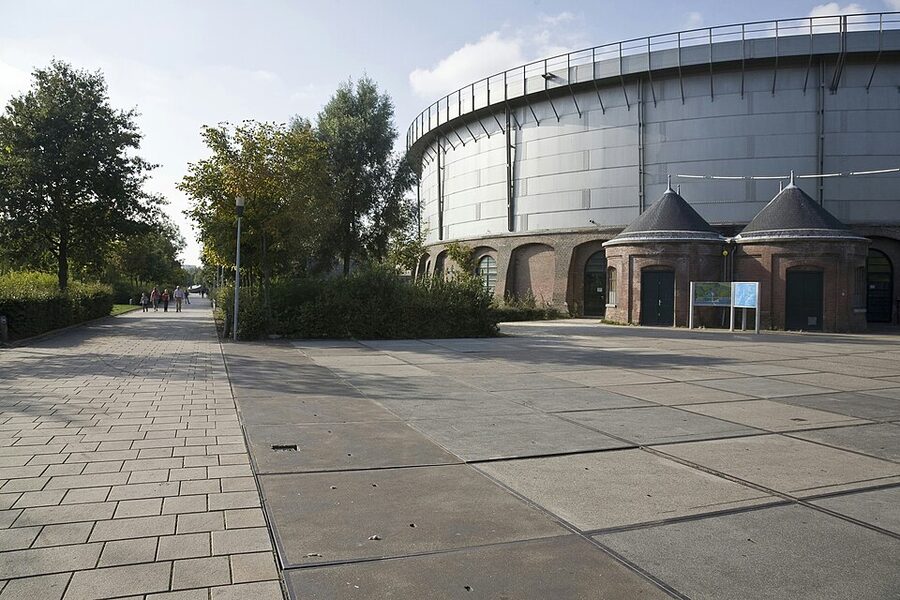
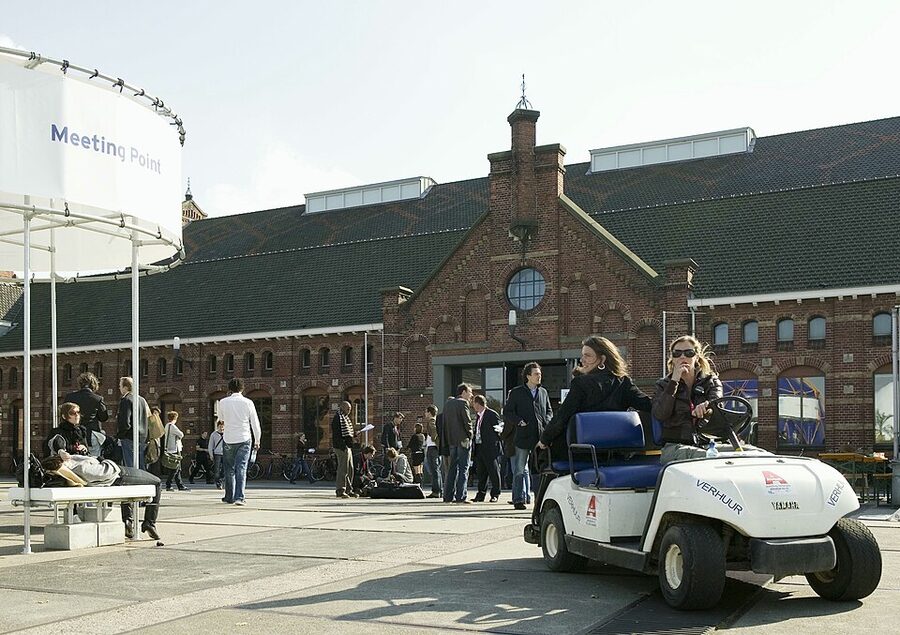
The Westergasfabriek opened in 1885 to manufacture coal gas for Amsterdam’s street lights, and ran until natural gas killed coal-gas plants in the 1960s. The site sat semi-abandoned for decades, was cleaned up in the 90s, and was reopened in the early 2000s as a cultural park. Bars, cafés, theatres, music venues, and now Fabrique des Lumières.
The Fabrique building is one of the smaller original gas-works structures, redundant since the 1960s and converted in 2022 for the projection format. The conversion preserved the ironwork, the brickwork, the high ceilings, and the industrial feel. It’s part of why the place works so well: you’re standing in a former gas-storage building that has been turned into a moving canvas, and the texture of the original brick still shows in places where the projections leave gaps.
Tickets, timing, and the booking system
Tickets run €18 for adults at the door and €14 for children aged 5 to 17, with a few-euro premium on third-party booking platforms (which you pay back in skip-the-line and time-slot reliability). Holders of the I amsterdam City Card pay €14 at the door. The Stadspas (the Amsterdam social-services card) gets you in free. The Museumkaart, oddly, is not accepted, which catches a lot of locals out.
The slot system is enforced but loose in practice. You’re booked for a specific entry time, but the show runs in a continuous loop, so people trickle in throughout the slot. If you show up five minutes late, you’ll get in, but you’ll catch the show out of order. Locals tend to book a slot, watch one full loop from start to finish, then leave. Tourists more often catch half a loop, stay for a full second loop, and call it a day.
Two practical bookings notes. First, the slot only works for one show. If you book the morning Dutch Masters slot and want to stay for the afternoon Monet, you need a second ticket. Second, weekend evenings sell out a few days ahead in summer. Weekday matinees almost never do.
What it’s like in the room
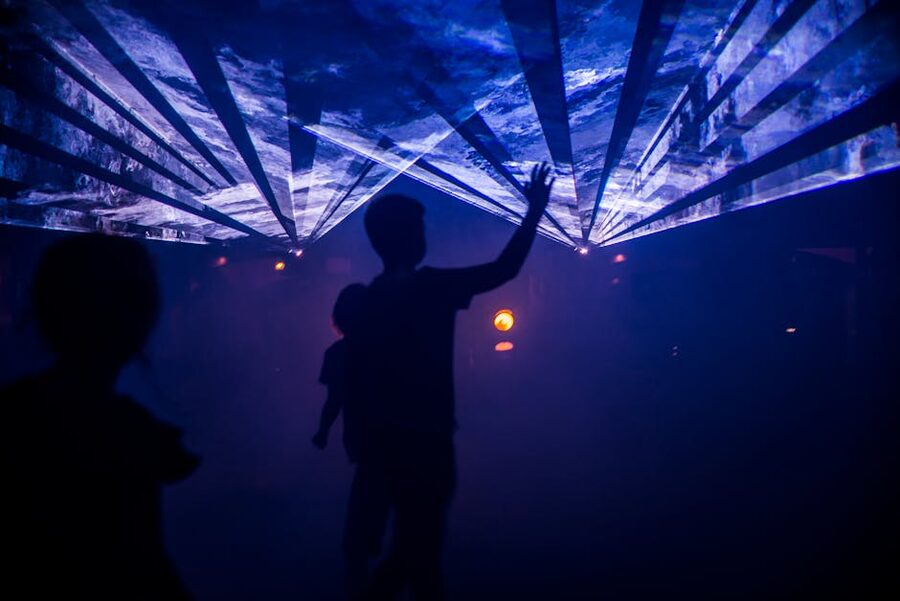
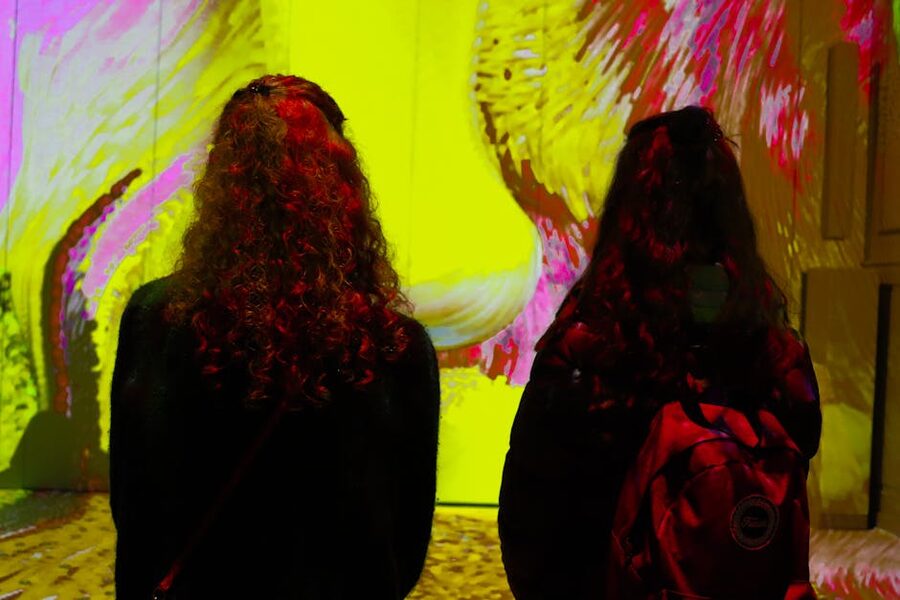
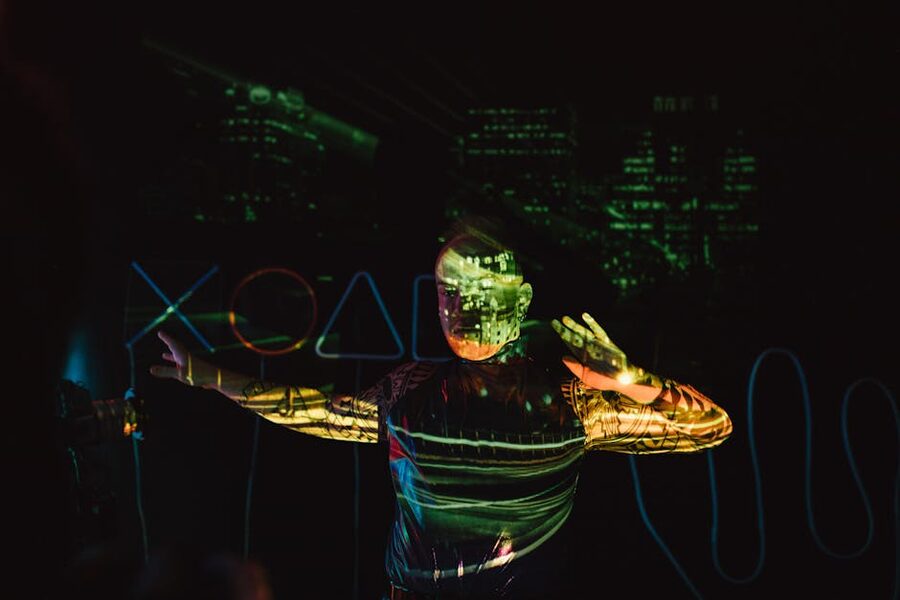
The room is dark and the projections are bright. There’s no narration, no audio guide, no plaques. Just the visuals and the soundtrack, on a loop. People sit on the floor, lean against walls, drift between the main hall and a smaller side room with the same loop projected at a different angle.
It’s surprisingly quiet for an Amsterdam tourist attraction. Even with kids around, the room stays hushed. Something about the scale of the projections and the seriousness of the soundtrack pulls people into a museum-style hush. I’ve been three times and only twice heard anyone above a whisper, and both times someone shushed them within thirty seconds. That self-policing is part of the magic.
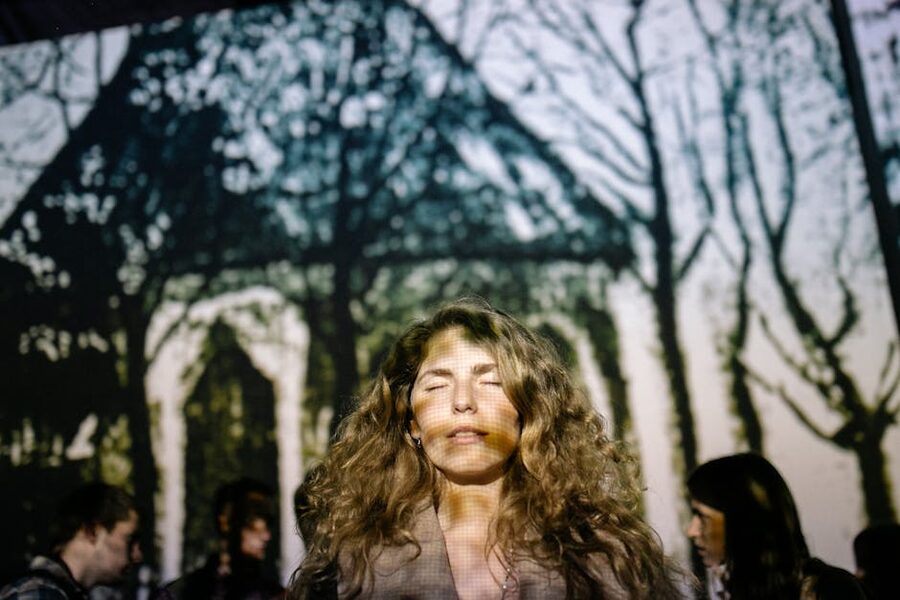
One thing nobody warns you about: the soundtrack is loud. Not painfully so, but enough that if you’re sound-sensitive, you’ll feel the bass in your chest by the climax. There are no earplugs at the door. If you have a sound-sensitive child, this is not the show for them. If you have a tween who likes loud music, they’ll love it.
Pairing with the rest of your Amsterdam day
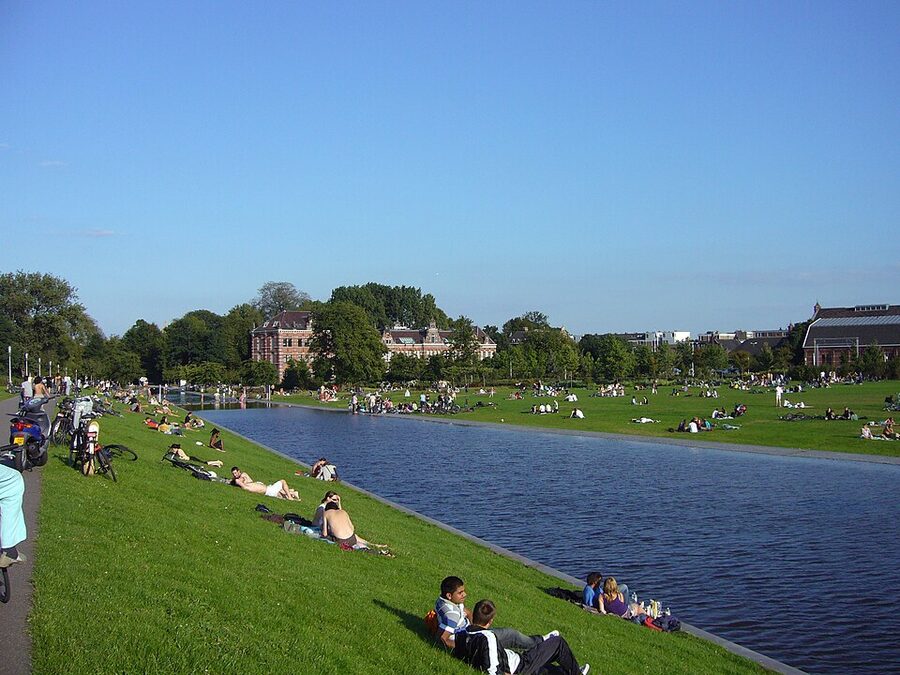
Fabrique is in Westerpark, which is one of the bigger green spaces in central Amsterdam. The park itself is worth thirty to sixty minutes before or after your slot, and the Westergas complex is full of cafés, terraces, and small bars that work as a warm-up or cool-down. There’s a Sunday market on the first Sunday of every month, and a number of regular events through the summer.
For a full art-heavy day, I’d open at the Van Gogh Museum in the morning, walk through the Vondelpark and over to the Rijksmuseum for the afternoon, then take the tram or walk over to Fabrique for an evening slot. Three completely different ways of experiencing painting in one day, and the Fabrique closer makes the difference between a tiring museum-march and a memorable circuit.

If you want a slower-paced day, pair Fabrique with the Moco Museum rather than the Rijks. Both are about modern, digital, accessible takes on art history. Both run under ninety minutes. You can do them in one afternoon and still have energy for dinner.
Practical bits I wish I’d known the first time
Photos and video are fine inside, flash off. Staff will catch you if your phone fires off a flash by accident, mine did once and a steward came over within a minute. The rule is sensible because flashes wreck the projection contrast for the people sitting next to you.
The space is wheelchair-friendly. The main hall is one big open floor with no steps, and there’s a wheelchair available to borrow at reception if you didn’t bring your own. Plenty of seating around the edges if you want to rest mid-show.
There are free lockers near the entrance for coats and bags, clean unisex bathrooms on the second floor, an AI-powered photo booth in the foyer that’s mostly there for kids, and a small gift shop with books, postcards, and the kind of art-magazine merchandise you’d expect. The shop is fine. The photo booth is genuinely fun if you have a tween in tow.
Air conditioning is strong. In summer this is a relief. In autumn or winter, bring a layer, the temperature inside is set for August comfort and it’s noticeable in October if you walked over in a t-shirt.
Who shouldn’t bother
Skip Fabrique if you’re a strict-purist about painting. Some art-history people find the format gimmicky, the soundtrack manipulative, the scale of the projections distorting the original work. Those criticisms are fair. If they bother you, the Rijks and the Mauritshuis are right there.
Skip if you have a small child who is sound-sensitive. The bass is real and there’s no opt-out.
Skip if you’re allergic to a tightly programmed experience. The slot system, the loop, the soundtrack, all of it is built to push a specific emotional arc. If you want to wander and stop in front of whatever catches your eye, this isn’t that.
Everyone else: it’s a good ninety minutes. The scale alone is worth the ticket price. Even if the show in residence isn’t your favourite source material, the format does interesting things to whatever it’s working with.
Combining with Atelier des Lumières in Paris

For franchise completists: the Atelier des Lumières in Paris is the original, opened 2018, and it runs the same format with French-programmed shows. The Amsterdam version is the same parent company, and the shows often rotate between the two cities. So if you saw the Klimt show in Paris in 2019, you might see a different Klimt show here, or you might see the same one translated for Dutch audiences. Worth checking the current programme on each site if you’re planning trips to both.
The Brussels and Bordeaux outposts of the franchise are also part of the same family, and the Amsterdam Fabrique sometimes plays content first developed in those cities. The schedules don’t sync, so don’t assume “Klimt in Paris this year” means “Klimt in Amsterdam this year.” Check before you book.
Photographs and what you can post

Phone photography is allowed and easy. The trick: shoot during the brighter colour-block segments of the loop, not the dark moody ones. Phones handle the contrast better when there’s more light to work with. Video tends to look better than stills, the soundtrack adds context, and the movement of the projections fills the frame.
One small thing. The official Fabrique social channels post a lot of staged shots from the press preview nights. Your phone is not going to match those. The press shots use professional gear and an empty room. You’ll have other visitors in your shots, lower contrast, and noisier files. That’s fine. Post them anyway, they’re better for showing what it actually looks like.
Best slot to book
For a first visit, the late-afternoon slot is the sweet spot. You get the room dark enough that the projections pop, the crowd is moderate (lunch rush is over, evening rush hasn’t started), and you have enough daylight left after the show to wander Westerpark and find dinner.
For a second visit, take the first slot of the morning. The room is empty, you can grab a centre-floor spot, and the loop runs without the back-of-the-room shuffle that builds during peak hours. Mornings are also when staff are most willing to let you stay for a second loop without buying a second ticket.
Avoid the Saturday evening slot unless you’ve booked weeks ahead. It sells out fast in summer and the room is at peak capacity, which means standing-room-only against the back walls. Friday evening is busy too but slightly less so.
Worth the trip out from the centre?
The honest answer is yes, but with caveats. The Westerpark location adds twenty minutes either way to whatever else you’re doing. If your day is already tight, that’s a real cost. If you’re staying for a few days and have a flexible afternoon, it’s no cost at all and the walk through the Jordaan back to the centre is one of the better Amsterdam evenings.
What you’re paying for is the scale and the immersion. There’s no other space in Amsterdam where you can stand inside a Klimt or a Monet at full wall height. The Moco does interesting things at smaller scale. The Rijks does the originals beautifully at the size they were painted. Fabrique does something neither can: makes the painting bigger than you, and surrounds you with it.
More Amsterdam experiences worth your time
If you liked the immersive format, the Moco Museum on Museumplein has a similar interest in projection-heavy modern work in a smaller, denser space. For traditional galleries, the Rijksmuseum is the obvious pairing for the Dutch Masters show, and the Van Gogh Museum is a natural same-day partner for the Monet show because the Impressionist source material rhymes. A four-stop day of Van Gogh, Rijks, Moco, and Fabrique is ambitious but possible if you book everything in advance and walk briskly between them.