
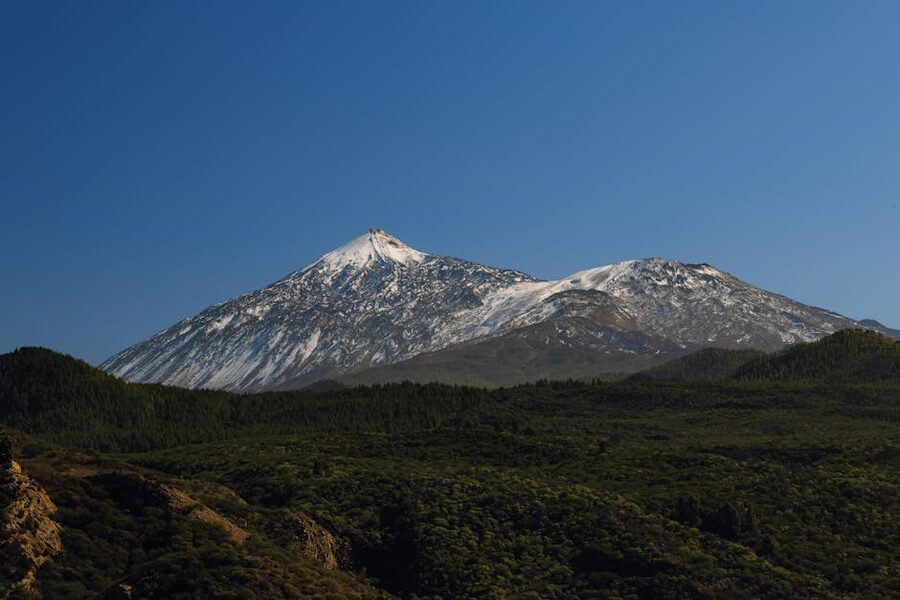
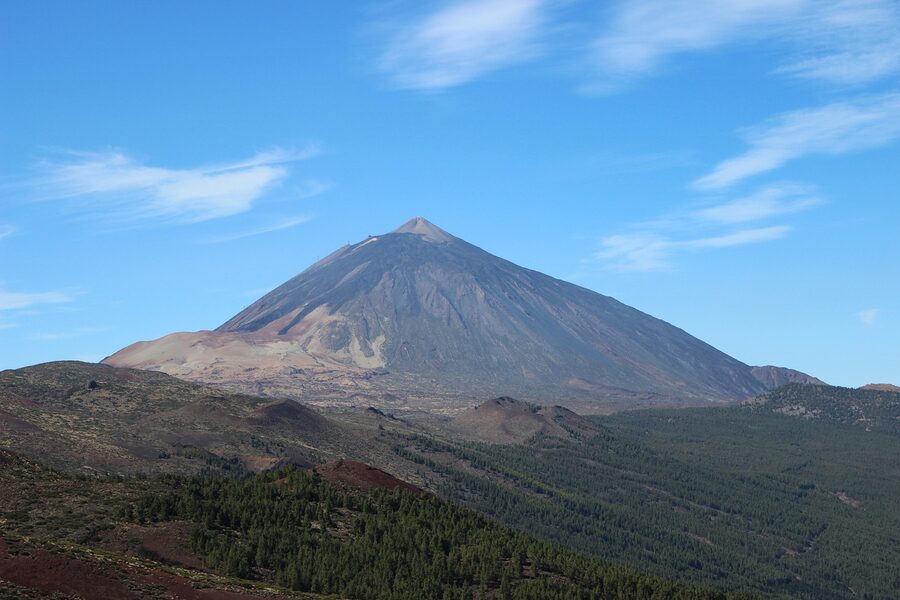
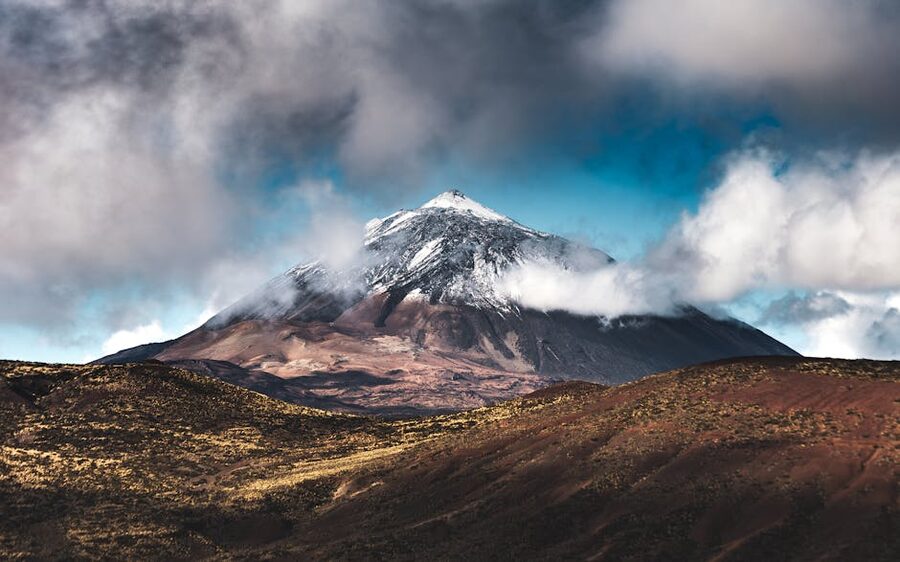
You’re standing at 3,555 metres looking down at clouds that sit a kilometre below your feet, and somehow this isn’t even the highest point in Spain. Mount Teide rises another 163 metres above you, and if you measure the volcano from its base on the Atlantic seafloor instead of from sea level it stretches 7,500 metres in total. Only Mauna Kea and Mauna Loa beat it.
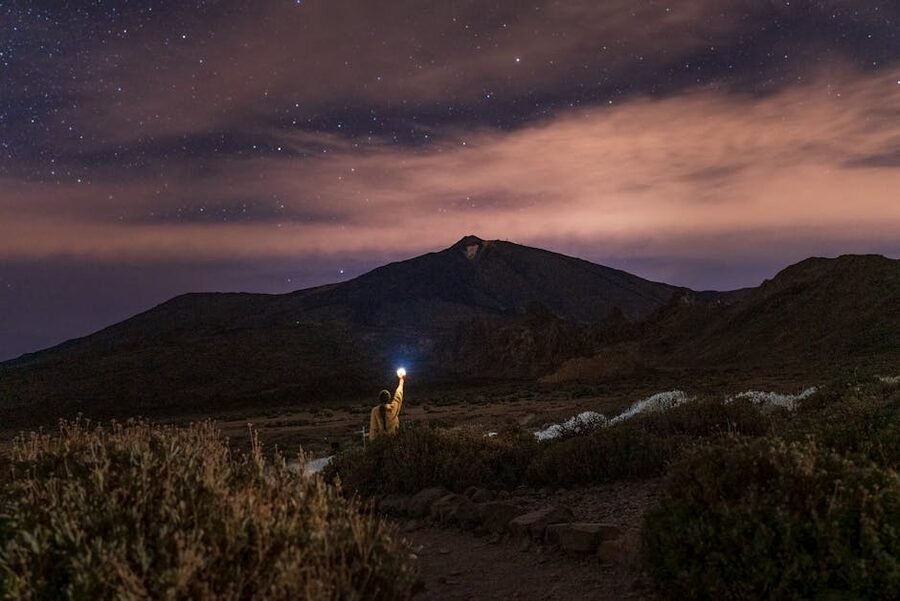
The other thing nobody mentions before they go up: the air at the top is so dry and clear that the Teide observatory holds one of only three Starlight Foundation Dark-Sky reserves in the world. By day it’s volcanic moonscape. By night it’s a planetarium without a roof.
Short on time? Three picks that cover the three ways most people do Teide.
- Cable car day with transfer, around $102: the classic. Pickup, cable car, time at 3,555m, back by dinner. Check availability.
- Sunset and stargazing tour, around $47: the one I’d actually pick if I had to do just one. Watch Teide’s shadow stretch across the island, then telescopes come out. Check availability.
- Teide plus Masca and Icod day trip, around $65: nine hours, three of Tenerife’s signature sights stitched together. Cable car not included but you’ll see why most people don’t mind. Check availability.
- The cable car is the easy part. The summit permit is the catch.
- What the cable car day actually looks like
- Three Teide tours worth booking
- 1. Mount Teide Tour With Cable Car Ticket and Transfer (about 2)
- 2. Teide National Park Sunset and Stargazing Tour (about )
- 3. Mount Teide, Masca, Icod and Garachico Day Trip (about )
- Why the night-sky tours are the surprise winner
- How cold is it actually going to be at the top?
- The full-day combos: when Teide isn’t the only stop
- Quad bikes and 4×4 routes for the noisy version
- For hikers: the actual summit hike
- How the geology actually works (and why it matters for the trip)
- Getting there yourself, if you skip the tour
- When to go (and when to skip)
- Pairing Teide with the rest of Tenerife
- Practical bookings checklist
- What people get wrong about Teide
- What I wish I’d known beforehand
- More across the Spanish circuit
The cable car is the easy part. The summit permit is the catch.
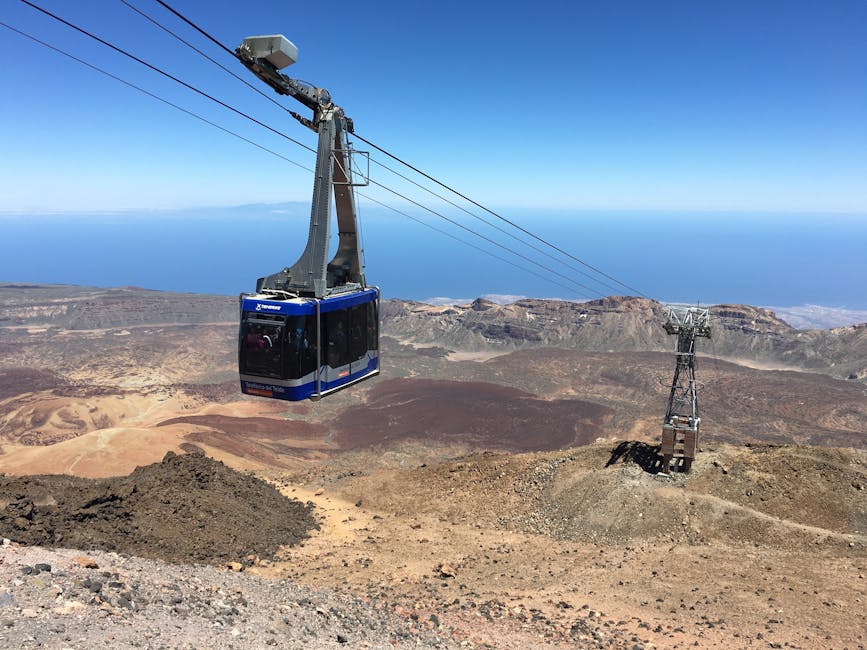
Almost everyone gets this wrong on the first try. The cable car only takes you to La Rambleta at 3,555m. To stand on the actual summit at 3,718m you have to walk the last 163m of vertical, and that final trail (Telesforo Bravo) requires a free permit issued by the national park.
The permit is genuinely free. You book it directly on reservasdeparquesnacionales.es. The catch is they release slots up to 60 days in advance and the popular morning slots sell out within hours, especially in summer. If you’re flying in for a week with a fixed date, book the permit before the flight.
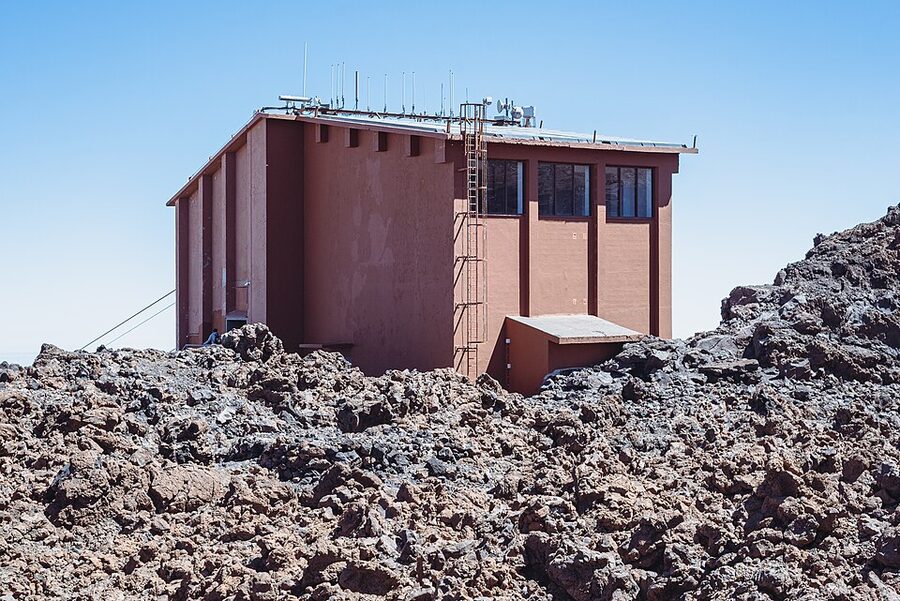
Two practical things about the permit. First, you book a 2-hour slot, not an exact time, so there’s some flexibility. Second, the permit is for the trail only. You still need a separate cable car ticket (about €40 return) or you have to hike up from Montaña Blanca, which takes around five hours one way. Most people pair the permit with the cable car. A small minority hike the whole thing, sleep at Refugio Altavista, and summit for sunrise. That’s the purist’s option.
If you can’t get a permit, don’t write off the trip. La Rambleta has its own short trails (Pico Viejo viewpoint, Fortaleza viewpoint) and the views are honestly the same. The summit cone is a 40-minute scramble for bragging rights. The pictures look identical from 3,555m.
What the cable car day actually looks like
If you book a guided tour with cable car included, the day runs roughly like this. Pickup from your hotel between 8 and 9am, earlier if you’re staying north (Puerto de la Cruz) and a bit later if you’re staying south (Costa Adeje, Playa de las Americas). The drive up is the part nobody warns you about. You leave palm trees and 22°C beaches and within 90 minutes you’re in pine forest, then volcanic desert, then above the cloud line. Bring a sweater on the bus.
Most cable car tours give you about two hours at La Rambleta. That’s enough to do both viewpoint walks at a slow pace and still grab a coffee at the cafe. The whole place is paved, so you don’t need hiking boots if you’re not doing the summit. The trails at the top are flat-ish but you’ll feel the altitude. I walked maybe 400m and had to sit down. Drink water before you go up. The dry air dehydrates you faster than you think.
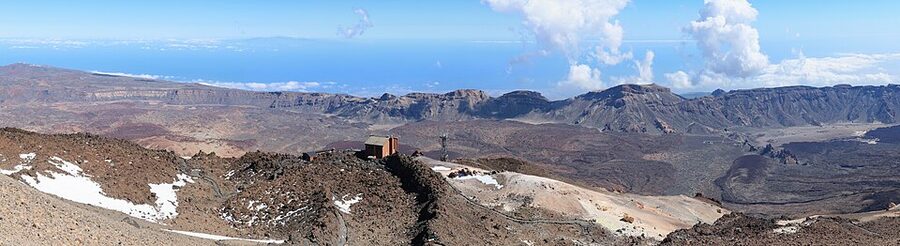
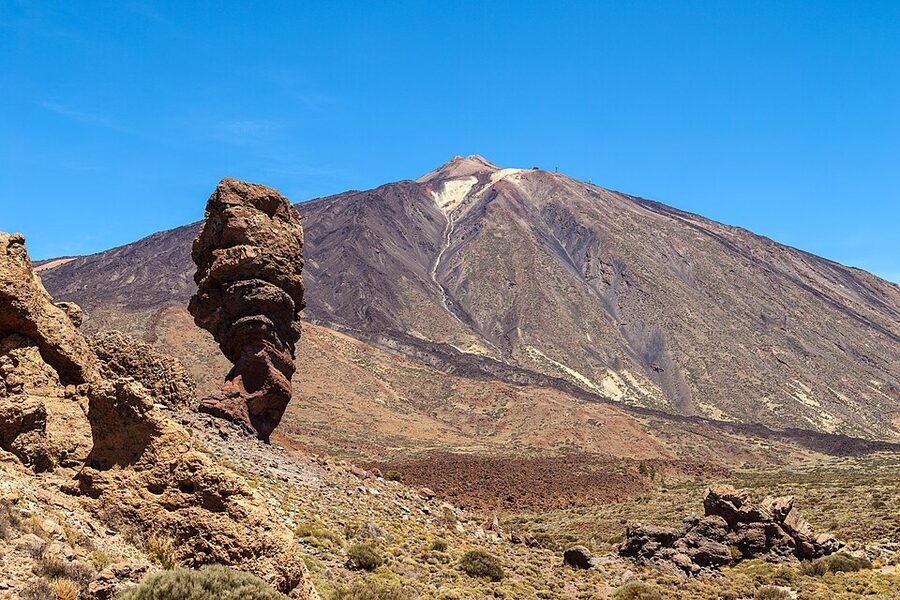
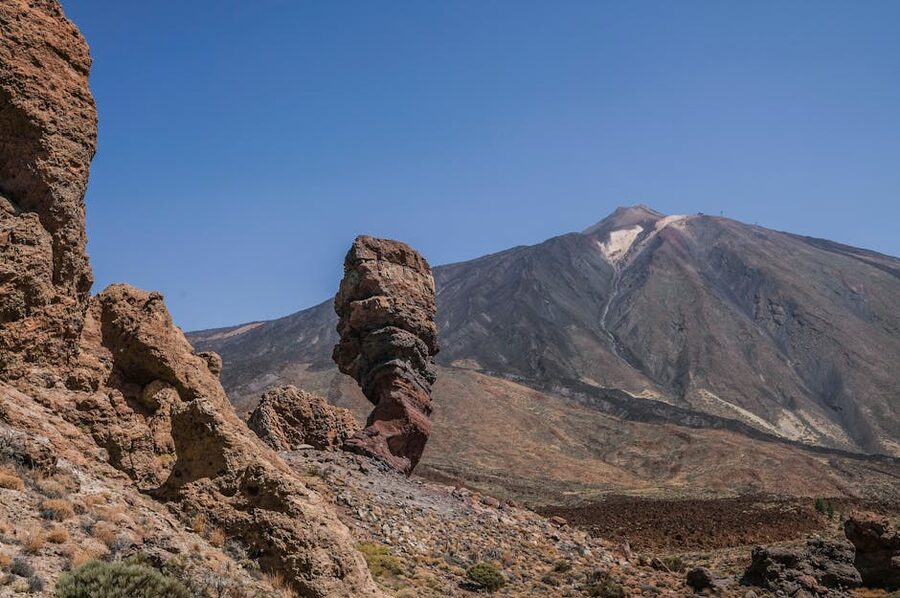
After the cable car, most tours stop in Las Canadas, the giant caldera at Teide’s foot. There are a couple of viewpoints with different angles. Roque Cinchado, the rock formation that used to be on the old 1,000 peseta note, is the most photographed. You’ll be back at your hotel by late afternoon. If you’re staying south you’ll save a couple of hours of driving compared to the north.
Three Teide tours worth booking
Hundreds of operators run Teide trips. These are the three I’d actually book based on what each one does well. They cover most of the questions I get asked, do I want the easy day, the dark-sky night, or the multi-stop combo with the dragon tree thrown in.
1. Mount Teide Tour With Cable Car Ticket and Transfer (about $102)

This is the default if you only have one Teide-shaped slot in the trip. The cable car ticket alone is around €40 and the transfer saves you from renting a car for a single day. Our full review covers what the guide actually adds beyond the geography lesson, but the short version is that the multilingual narration on the way up is the part you didn’t know you wanted.
2. Teide National Park Sunset and Stargazing Tour (about $47)
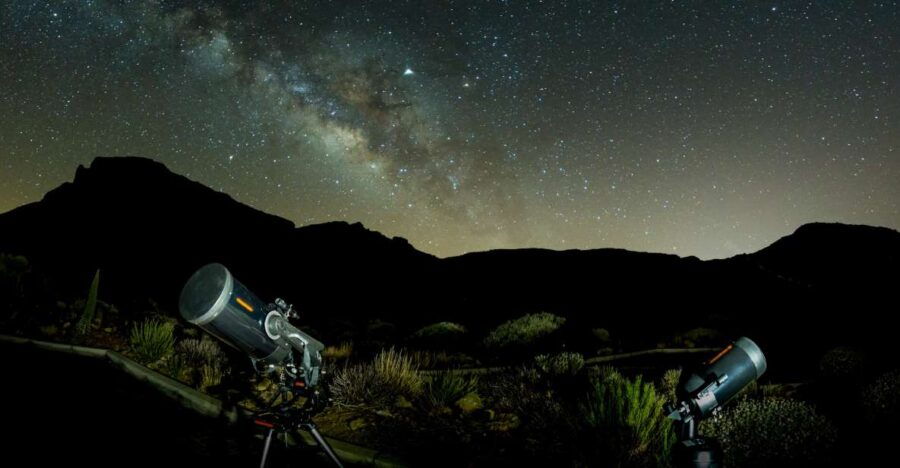
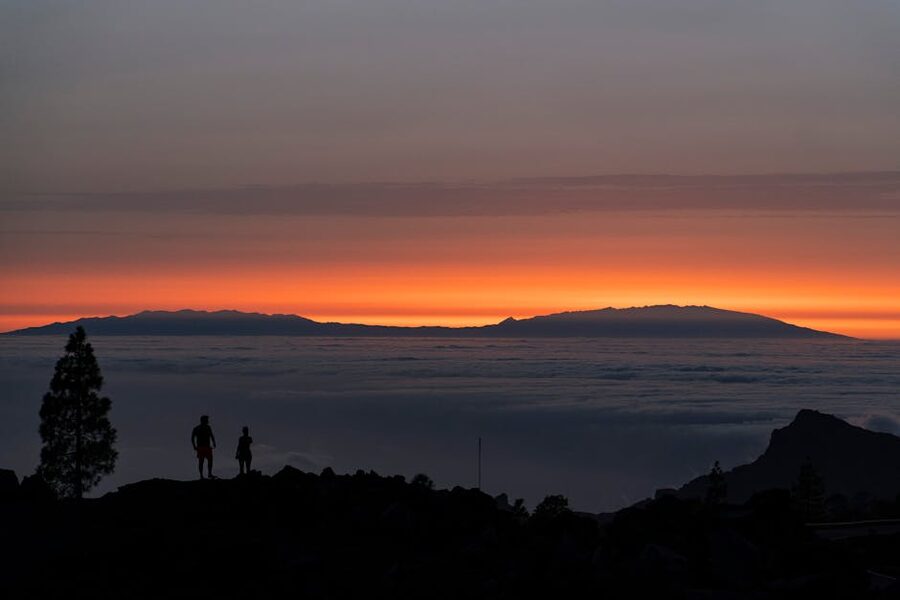
If you do one Teide tour, do this one. The sunset stop is on the side where Teide casts its shadow across the island, you literally watch the volcano’s outline draw itself across the lower clouds. Our full review goes into which guides have the best telescope kit, because that varies. The cold is real, dress like you’re going skiing.
3. Mount Teide, Masca, Icod and Garachico Day Trip (about $65)
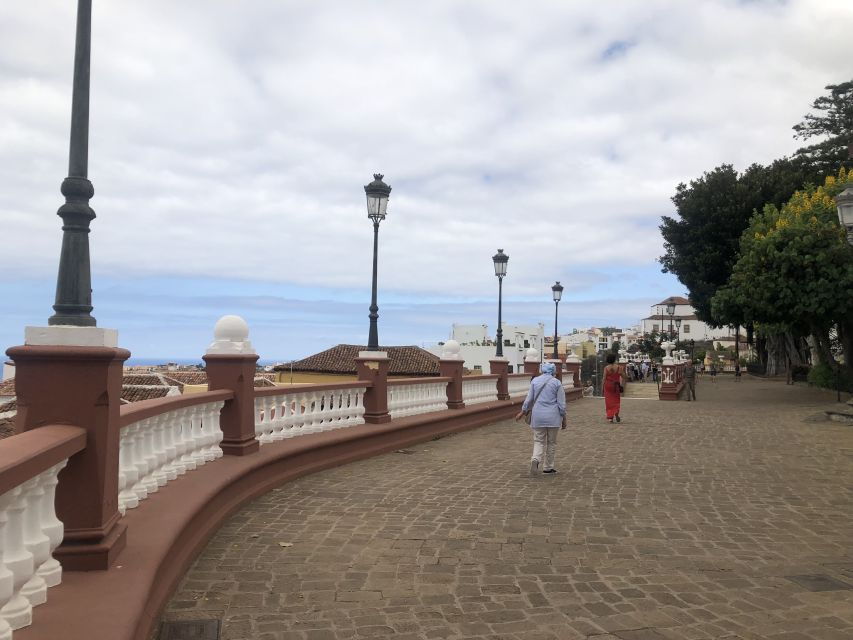
The combo trip if you’ve only got one driving day on Tenerife and want to see four signature things at once. Our full review notes the trade-off, you get a panoramic view of Teide rather than the cable car ascent, but you also get to stand under a 23-metre dragon tree that’s been there longer than the Spanish were on the island.
Why the night-sky tours are the surprise winner
I went into Tenerife thinking the cable car was the main event. It isn’t. The sunset and stargazing tour was, by some distance, the most memorable evening of the trip. Three things make it work.
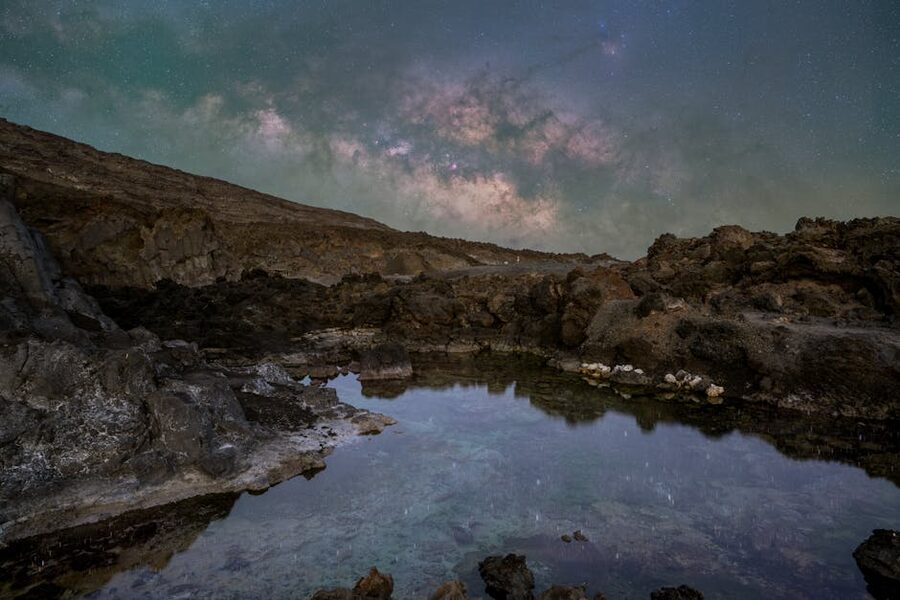
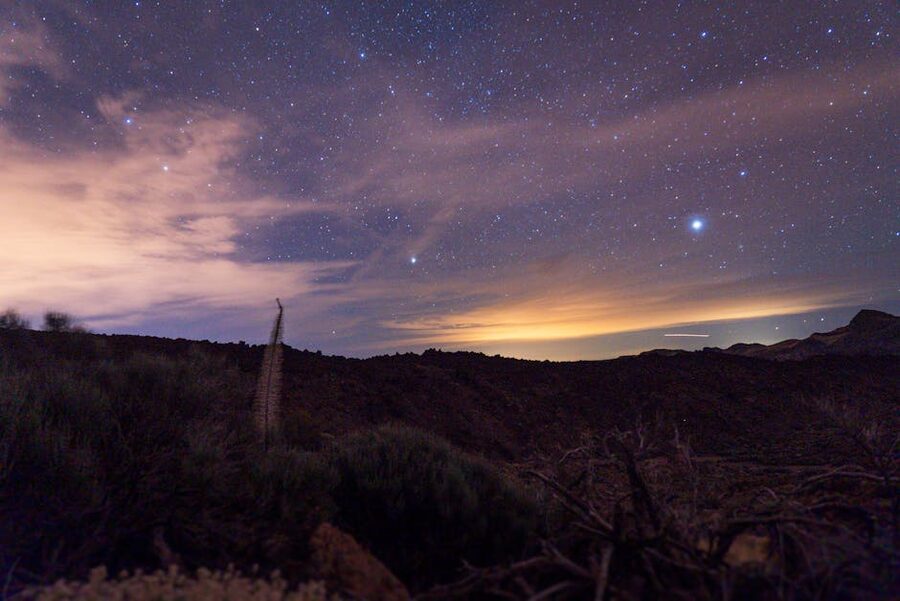
The first is the Dark-Sky reserve designation. The Teide observatory, perched at 2,390m on the eastern caldera rim, sits in a protected zone where the local councils restrict outdoor lighting at night. The Atlantic also helps, on this side of Tenerife you have nothing but ocean for thousands of kilometres, so even the air pollution drifts the other way. The result is the kind of sky most Europeans never see.
The second is the laser pointer. Every guide carries one of those green astronomy lasers, the kind that draws a visible beam halfway to the moon. Constellations finally make sense when someone points them out at scale. I’d been told my whole life where Cassiopeia was. I never actually saw it until somebody traced its W in the sky.
The third thing is the telescope time. The bigger operators run 8-inch and 10-inch reflectors, and the guides tend to know how to point them at Saturn, the Orion Nebula, double stars, and (in autumn) Andromeda. I’ve done other stargazing trips where the telescope was a glorified prop. On Teide they actually work them. If you want to compare specifics, the dinner-included version bumps the price but adds a proper sit-down meal between sunset and stars.
One thing to know about the sunset tours specifically. The official sunset slot moves through the year, so a December tour might leave at 4pm and an August one at 8pm. Check the pickup time before you book the day’s other plans. The alternate sunset version has slightly different stops and is cheaper if you don’t need transfers from the south.
How cold is it actually going to be at the top?
Plan for 10 to 15°C cooler than the coast, every single day of the year. That’s the rule of thumb every guidebook repeats and the one most people ignore.
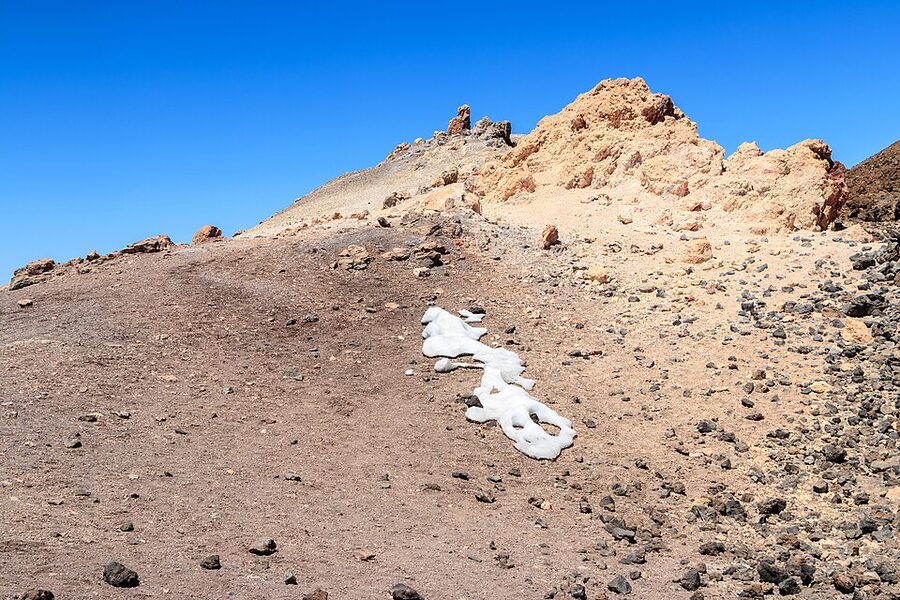
Practical numbers. If it’s 24°C in Costa Adeje, expect 10 to 14°C at La Rambleta and 6 to 10°C on the summit cone. Add wind chill, which is real because the top is exposed to whatever’s coming off the Atlantic. In January and February the cable car has been known to close for high winds three or four days a week. Always check the cable car website (volcanoteide.com) the night before.
What I packed for a January morning visit. A long-sleeve base layer, a fleece, and a windproof shell. Long trousers (jeans were fine). Closed walking shoes, not sandals. A hat, because the sun is brutal at altitude even when it’s cold. Sunglasses, because the sun reflects off any snow. A small bottle of water and one of those small almond-and-honey energy bars from the local supermarkets. Cost me less than ten euros to buy what I’d forgotten at the bottom station, but the markup is real.
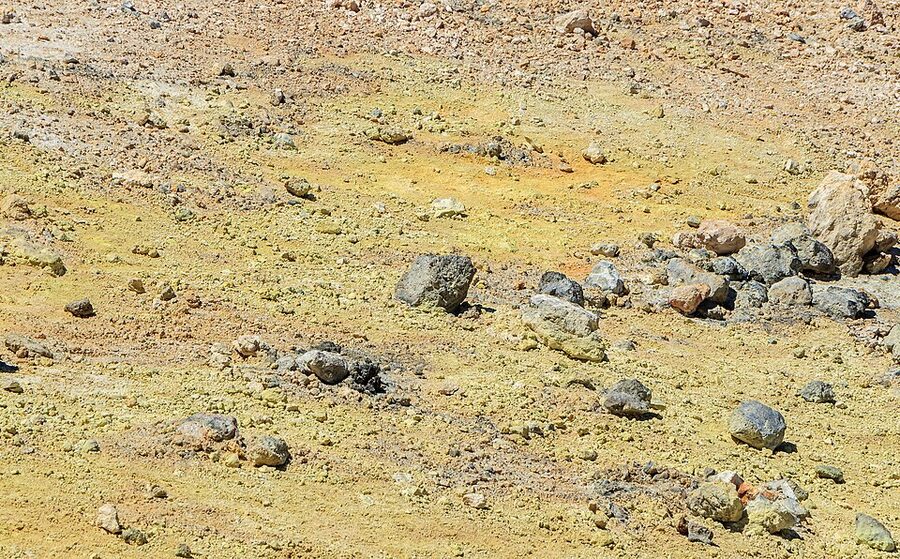
Altitude is the other underestimated factor. La Rambleta sits at 3,555m. That’s higher than the highest point in the Pyrenees and higher than Snowdon five times over. About one in five visitors I’ve seen at the top got lightheaded, not severely, but enough to feel slow. Pregnant travellers, anyone with heart conditions, and small children under three can’t go up at all (cable car operator’s rule). If you’ve ever had altitude sickness in the Andes or the Alps, take it easy on the trail at the top and don’t run.
The full-day combos: when Teide isn’t the only stop
If you only have one driving day on the island, the multi-stop tours are how you avoid choosing between Teide and everything else. The Masca, Icod and Garachico circuit (about nine hours) is the classic combo. It does Teide as a panoramic view from the TF-21 viewpoints rather than a cable car ascent, then drops down through three of the most photographed villages on the north coast.
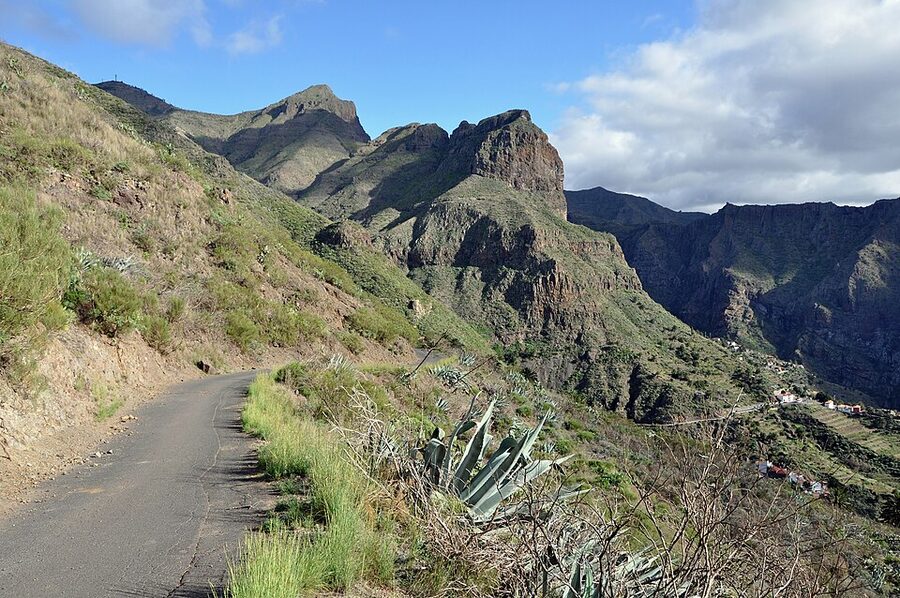
Masca usually gets 30 minutes for photos and a coffee. The famous Barranco de Masca hike, which goes down the gorge to the sea, requires a separate paid permit (€10) and takes around 5 hours one way. Don’t try to combine it with a Teide tour, you’ll need a separate day. The reopening of the gorge in 2021 after the rockfall closure has fixed the safety issues and the views down the canyon are the closest thing to a Hawaiian valley anyone in Europe is getting.
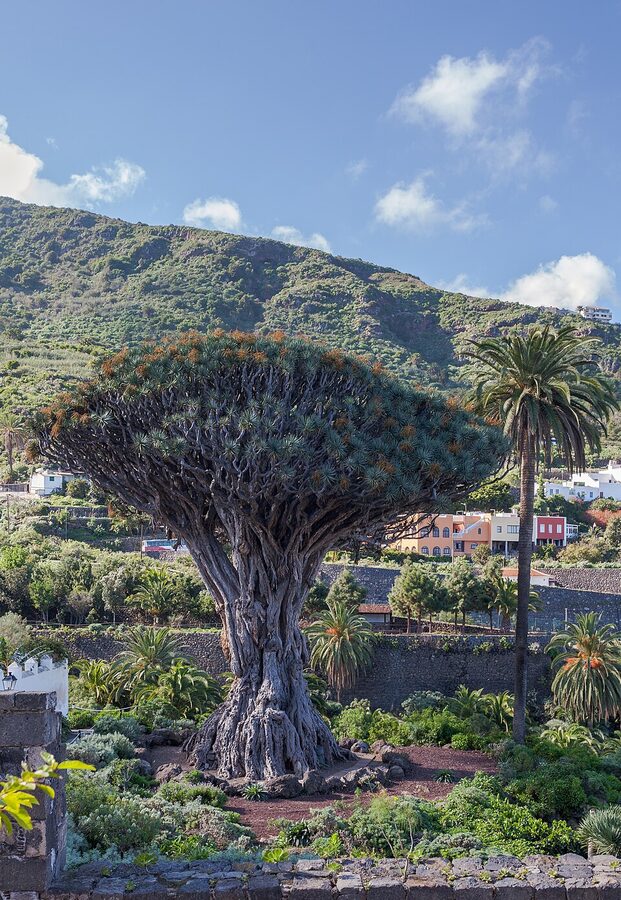
Icod de los Vinos is a 20-minute stop centred on the Drago Milenario, the giant dragon tree. Local legend says it’s a thousand years old. Botanists say more like 300 to 600 years, which is still old enough to feel medieval. The tree is fenced off in a small paid park, but you can see most of it from the viewing platform on the road for free. The shorter Teide plus Masca version skips Icod and Garachico if you’ve seen them already.
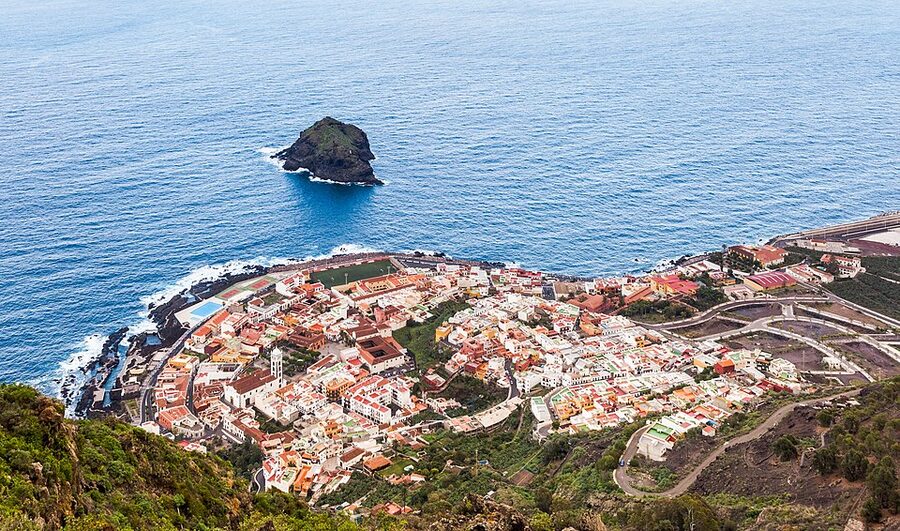
Garachico is the small port that got buried by lava in 1706. The flow filled in the natural harbour and ended Garachico’s run as the main port of Tenerife. What’s left is a beautiful old colonial town with natural rock-pool swimming spots in the cooled lava. Most tours give you 45 minutes here, which is enough for a coffee on the plaza and a quick walk past the seawater pools.
If you’re staying in the south, the jeep safari from Playa de las Americas is the rougher cousin of the comfortable bus tour. You’ll spend the day in a 4×4 doing off-road tracks the buses can’t reach, and the lunch stop is usually in a small Canarian guachinche restaurant. It’s louder, dustier, and noticeably more fun.
Quad bikes and 4×4 routes for the noisy version
If you don’t want a 50-seater bus narration day, the active alternatives go up Teide via dirt tracks and forest roads instead of the main highway. Quad tours typically run 3 to 4 hours and stay in the lower belt of the park, around 1,500 to 2,200m. You won’t get to the cable car on these, but the views from the lava fields below the cone are arguably the more dramatic angle.
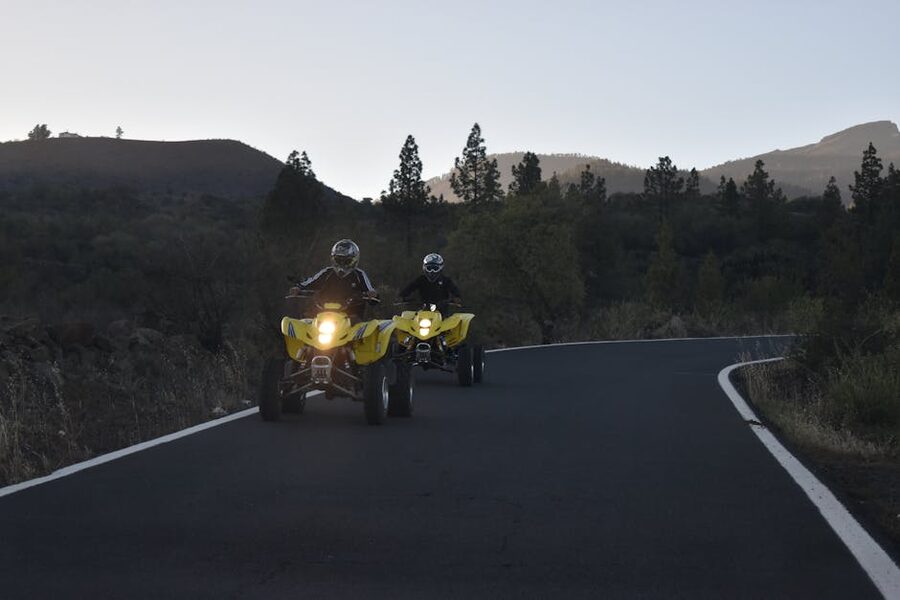
One thing to know about the quads. You need a regular driving licence (Class B equivalent) and most operators have a 21-year-old minimum for drivers. Pillion passengers are fine from 8 years up on most fleets. Helmets and goggles are provided. Bring a buff or scarf for your face, the dust gets everywhere.
Jeep safaris are slower and more comfortable. You’re a passenger in a Land Rover or Mercedes G-Wagen rather than driving yourself. The route varies by operator but the better ones run the Mirador del Llano de Ucanca, the lunar plain at the volcano’s foot, plus the Mirador de Pino Gordo on the way back down through the pine forest belt. Lunch is normally at a roadside guachinche, the small family restaurants that serve papas arrugadas and mojo.
For hikers: the actual summit hike
If you want to hike instead of ride the cable car, the standard route is from Montaña Blanca up to Refugio de Altavista at 3,260m, sleep there, then summit at sunrise and use the cable car (or hike) back down. The guided summit hike bundles all of this together with a guide, refuge booking, and the summit permit organised in advance. The do-it-yourself version is cheaper but the refuge books out months ahead and the summit permit logistics aren’t trivial.
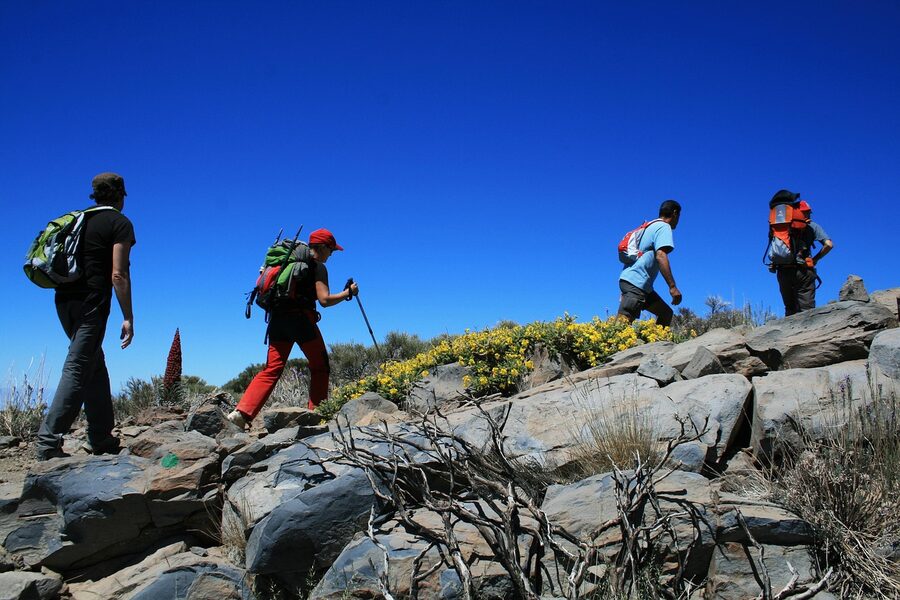
The full Montaña Blanca route is about 18km return with 1,400m of vertical. It’s a tough day even for fit hikers because you’re fighting altitude in the back half. The advantage over the cable car day is you actually earn the summit and the predawn light from Altavista is genuinely something. The disadvantage is you give up two days of holiday and probably one of beach.
For a half-day taste, the Roques de Garcia loop from the Parador hotel is 3km, mostly flat, and gives you the iconic Roque Cinchado view in about 90 minutes. Skip this one only if you’ve already seen the rock from the road. The detail at ground level is worth the walk.
How the geology actually works (and why it matters for the trip)
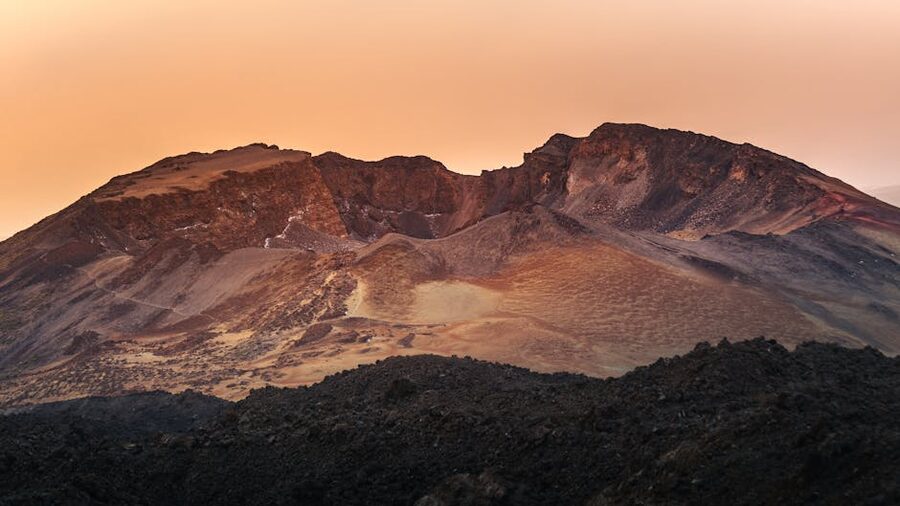
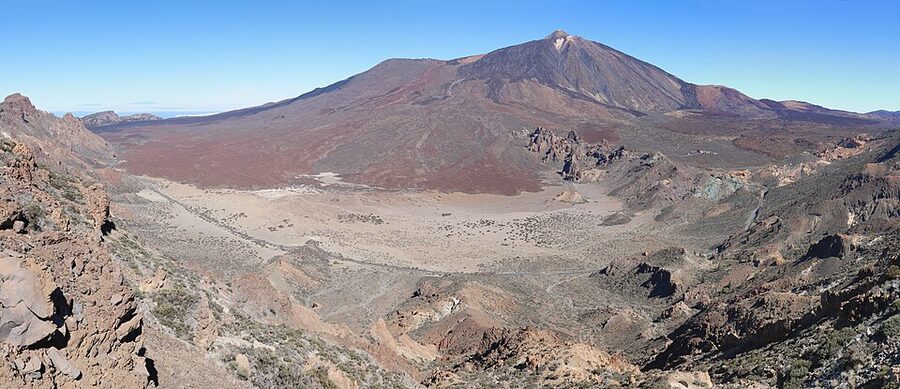
Teide is a stratovolcano sitting inside the rim of a much older caldera called Las Canadas. The current cone is about 200,000 years old. The bigger Las Canadas volcano collapsed about that long ago, leaving the bowl that the modern Teide grew up inside. The whole thing rises from the seafloor at -3,800m, which is what gives you the 7,500m total height when you measure from the base.
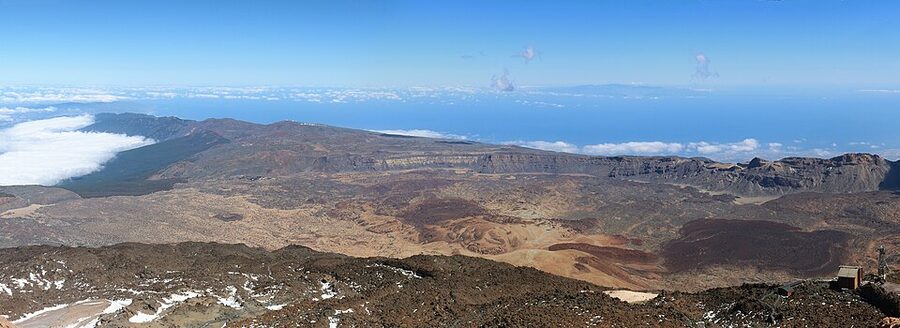
The reason this matters for your trip is the cone’s east-west asymmetry. The eastern flanks (where most of the tours operate) are gentler, older, and walkable. The western flanks, where the 1798 Chahorra eruption built the Narices del Teide (the volcano’s “nostrils”), are steeper, blacker, and dramatic on photos. Most tours stop at the Mirador de las Narices del Teide for photos. Bring a wide-angle lens, the lava flow stretches further than the panorama mode wants to capture.
Teide is dormant but actively monitored. The last summit eruption was around 1100 years ago. The most recent eruption on the Teide complex was Chinyero in 1909, on the lower north-west flank, and it didn’t reach any settlements. The volcano is rated medium hazard, and seismic activity is on instruments 24 hours a day. Tour operators get evacuation alerts if anything changes. In practice nothing ever does.
Getting there yourself, if you skip the tour
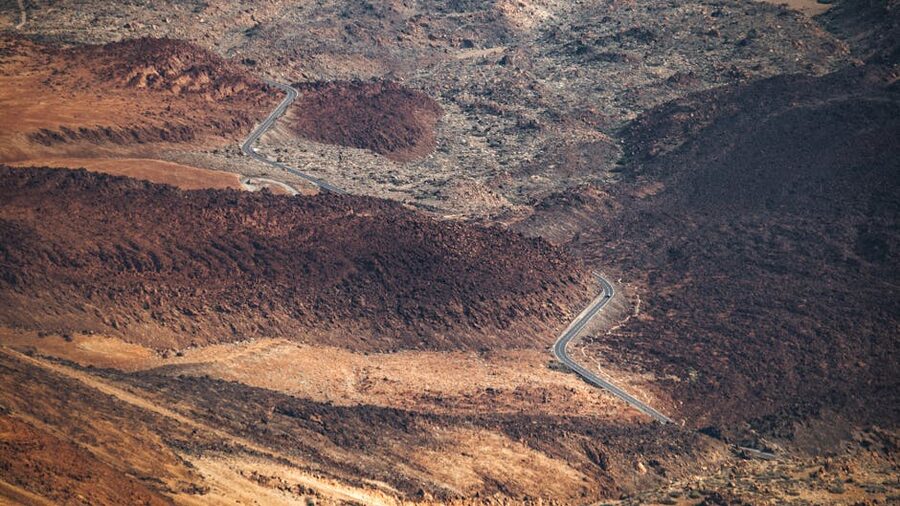
Three roads enter Teide National Park. The TF-21 from the south (La Orotava) and from the north-west (Las Lagunetas) is the standard route most tours use. The TF-24 from La Laguna is the spectacular forest road that climbs through the Esperanza pine forest. The TF-38 from the south-west is the quietest and the road most quad tours use.
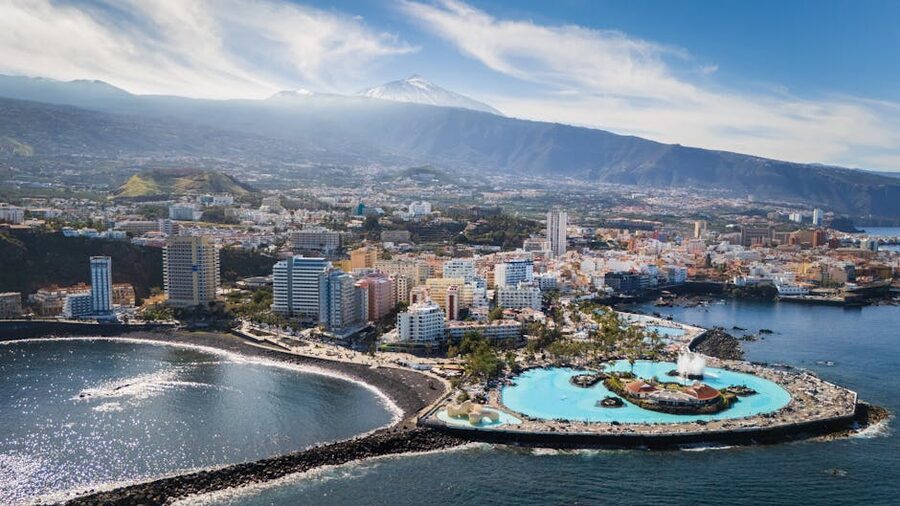
If you drive yourself, the parking at the cable car base station fills up by 9am in summer. Get there at 8:30 or take the early cable car at 9am. The cafeteria opens at 8am. Petrol stations are at La Esperanza on the TF-24 and at Vilaflor on the TF-21, plan ahead because there’s nothing inside the park.
Public bus is possible but punishing. Line 348 from Puerto de la Cruz and line 342 from Costa Adeje run once a day each, with about 90 minutes at the top before the return. If anything goes wrong with the cable car queue or you want longer to walk around, you’ll miss the bus. Take a tour or rent a car.
When to go (and when to skip)
October through May is the strong window. Summer (June to September) is technically fine but the south of the island is hot and the calima haze rolls through more often, which messes with photos and stargazing. Spring (April-May) gives you wildflowers in the caldera, the brief window when the volcanic floor is covered in red echium and yellow scrub.
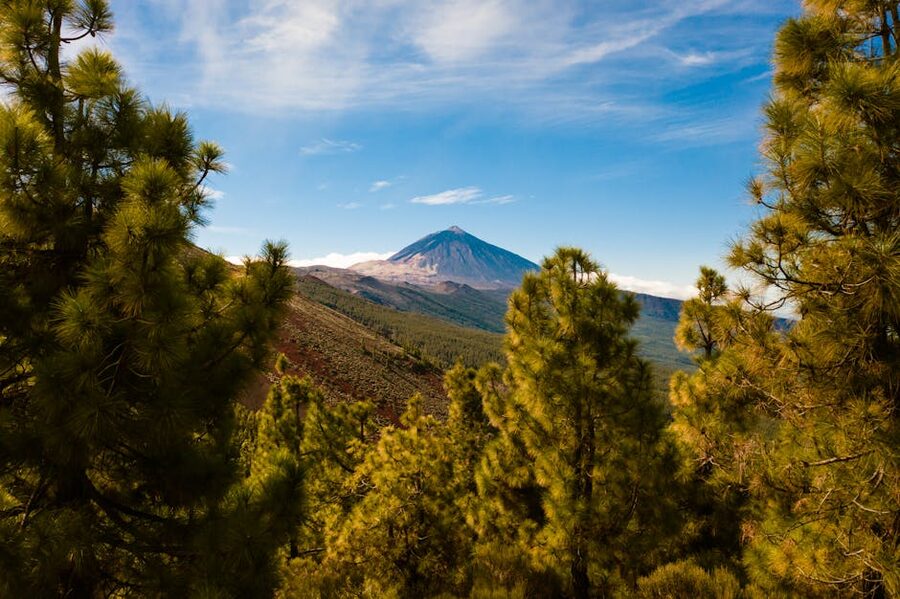
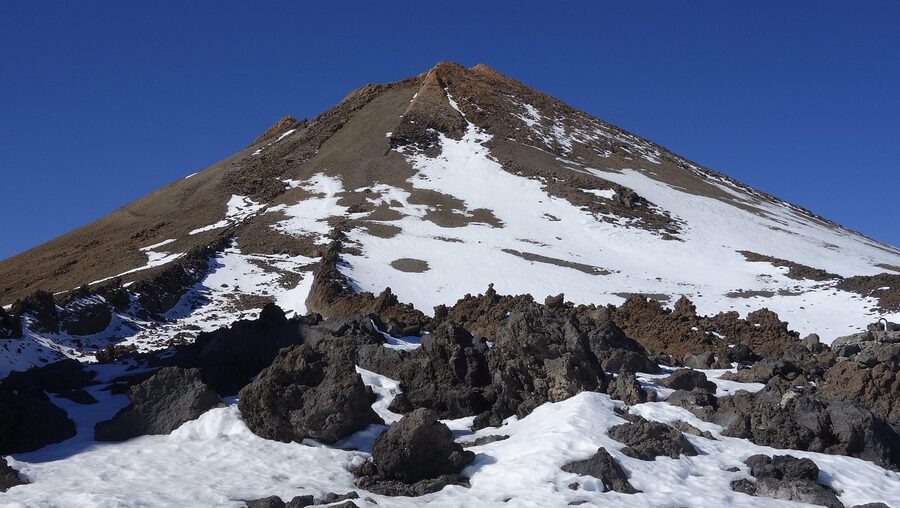
December and January are the most beautiful, snow on the cone, dry blue skies, low haze. They’re also the most likely to bring closures. The cable car website posts daily updates around 8am. If your day is closed, don’t waste the trip, the lower viewpoints (Mirador de Chipeque, Mirador de las Narices) are still accessible by road and the views are still spectacular without the cable car.
Worst time to go: full moon weeks for stargazing tours, midday in August for cable car (queues), and any day after a major calima alert (visibility crashes). Check the AEMET weather forecast and the calima index the night before.
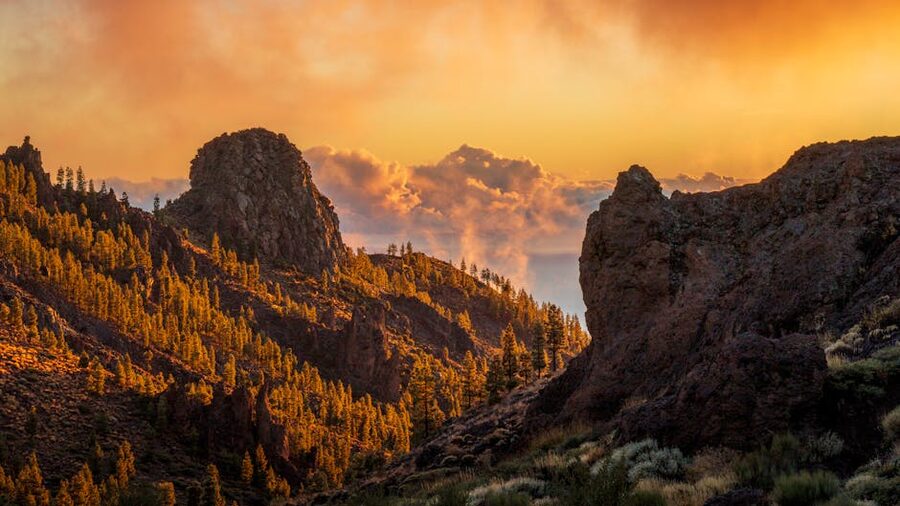
Pairing Teide with the rest of Tenerife
Most people give Teide one day. The other days fill up fast. Loro Parque in Puerto de la Cruz is the obvious second-day pick, especially if you have kids, and the combo tickets with Siam Park down south (the world’s most-rated water park) are good value if you’re staying for a week. Different vibe entirely from a volcano day, but that’s exactly the point.
If you’ve got time for a day-cruise, the western coast off Ibiza’s Cala d’Hort rivals the Tenerife sunsets in a different way (different island, similar volcanic-coast drama). For Spanish mainland mountain pairs, the Caminito del Rey gorge near Malaga and Granada’s Alhambra both go on the same trip-of-Spain shortlists for a reason. The Tramuntana road tour on Mallorca is another mountain-meets-coast day that pairs well in spirit, even if the geology is older.
Practical bookings checklist
If I were planning the trip from scratch, this is the order I’d book. Cable car ticket directly with volcanoteide.com for the date you want, ideally the morning slot for best visibility. Permit on reservasdeparquesnacionales.es if you want the summit, exactly 60 days ahead, in the same time slot you booked the cable car for. Hotel transfer and guide booked through the tour operator for the same date.
If you’re combining with other Tenerife days, lock in stargazing on a new-moon weeknight (cheaper, less booked) and slot Teide cable car for the second clear-weather morning of your trip rather than day one. Day one tends to be cloudy because the warm air from the south meets the cooler trade winds, and the cable car can be in cloud at 9am even if it’s sunny on the coast.
Cancellation rules vary by operator. Most GetYourGuide tours give you full refund up to 24 hours before. The cable car itself is harder to refund directly but if it closes for weather, the operator credits you. Tour operators usually move you to the next day or refund. The dinner safari version has a slightly different cancellation window worth checking before you book. The full-day pickup version is also worth a look if you’re starting from the north and want everything bundled.
What people get wrong about Teide
Three common misconceptions worth clearing up. First, the cable car doesn’t take you to the summit. It stops 163m short. People show up expecting to walk out of the top station onto the actual peak and end up disappointed because they didn’t book the permit.
Second, the volcano isn’t extinct. It’s classified as dormant, which is geology-speak for it could erupt again but probably won’t in your lifetime. The seismic monitoring is constant and the population on the island is large enough that the warning systems are good. None of this should put you off, but the “extinct volcano” myth comes up often and it’s wrong.
Third, the dragon tree at Icod is not a thousand years old. The “milenario” (millennial) name is local marketing. Botanists have estimated 300 to 600 years based on growth rates, which is still extraordinary for a tree. The fact that it’s not actually a millennium old doesn’t make it less worth seeing. It just makes it less worth fighting your friend who’s read the same Wikipedia article.
What I wish I’d known beforehand
That the layered haze is the Sahara, not pollution, and it makes everything photogenic but kills star clarity. That the cable car ticket is much cheaper if you book online directly with VolcanoTeide rather than at the kiosk. That the Parador hotel inside the park has the only proper breakfast in the caldera, and you can stop in even if you’re not staying there. That the toilets at the top station have hot air dryers that are surprisingly welcome when your hands are cold.
That the Spanish word for the volcanic dust is picon and the locals use it to grow potatoes (the dust holds water). That the dragon’s blood resin from the Drago at Icod was used to dye Stradivarius violins. That Teide appears on the back of every 1,000 peseta note Spanish travellers used before the euro and the older guides will still call the Roque Cinchado El Mil Pesetas.
That the Garachico harbour was buried in 1706 and that’s why Santa Cruz is the island capital today, the lava ended Garachico’s run as the main port and the trade moved east. The Tenerife of beach hotels and waterparks has the same volcano underneath it that built and broke the island’s old centres of power. Most travel articles don’t mention this because it doesn’t fit the slogan. It does fit the geology.
More across the Spanish circuit
If Teide is the volcanic-peak day on your trip, the natural-wonder spirit shows up elsewhere on the Spanish circuit. The Caminito del Rey gorge walkway near Malaga is the closest thing to a Teide-style adrenaline-and-views payoff at lower altitude. Granada’s Alhambra below the Sierra Nevada gives the same mountain-fortress contrast on a more cultural day. Closer to the Catalan coast, Montserrat outside Barcelona is another sacred-mountain pilgrimage, and on Mallorca the Tramuntana road tour through the western mountains shows what other Spanish islands do with similarly dramatic geology.