
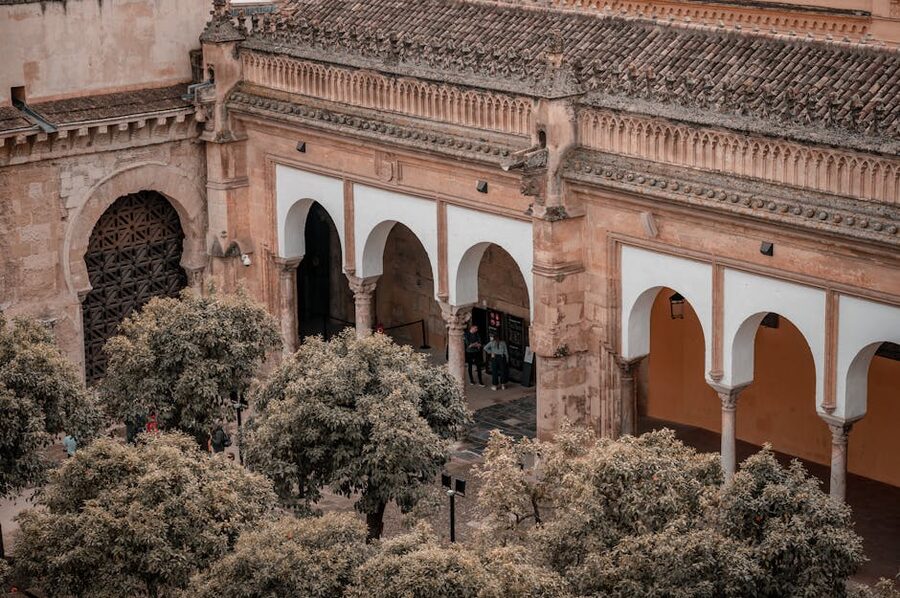
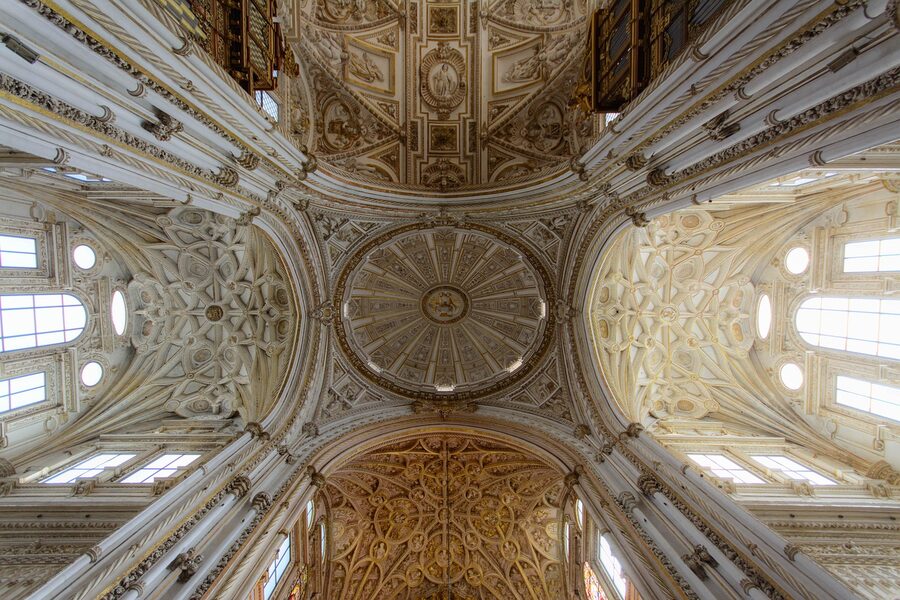
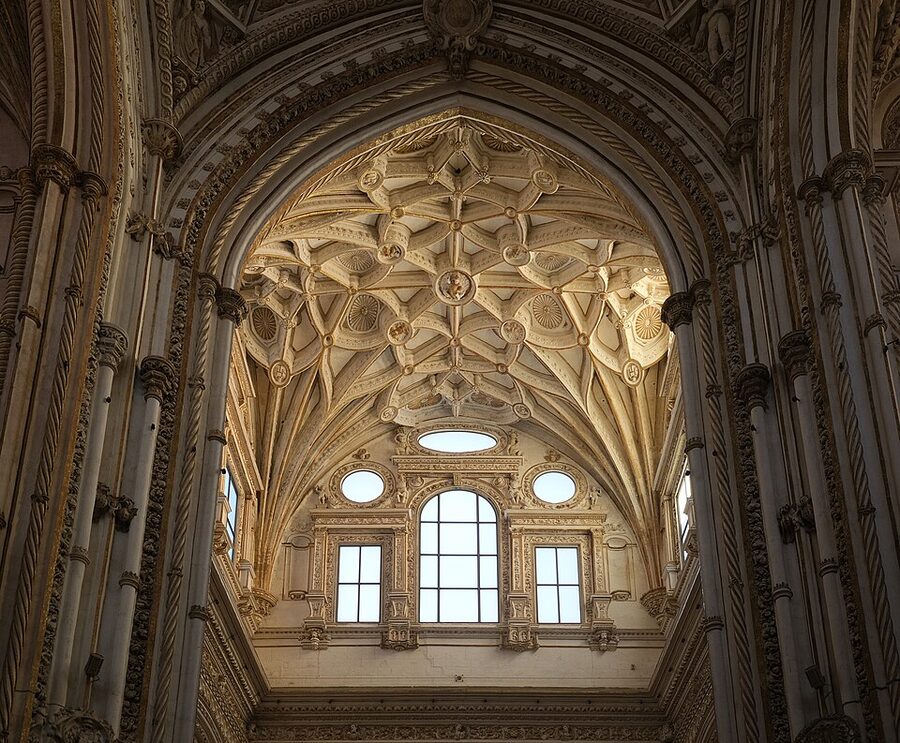
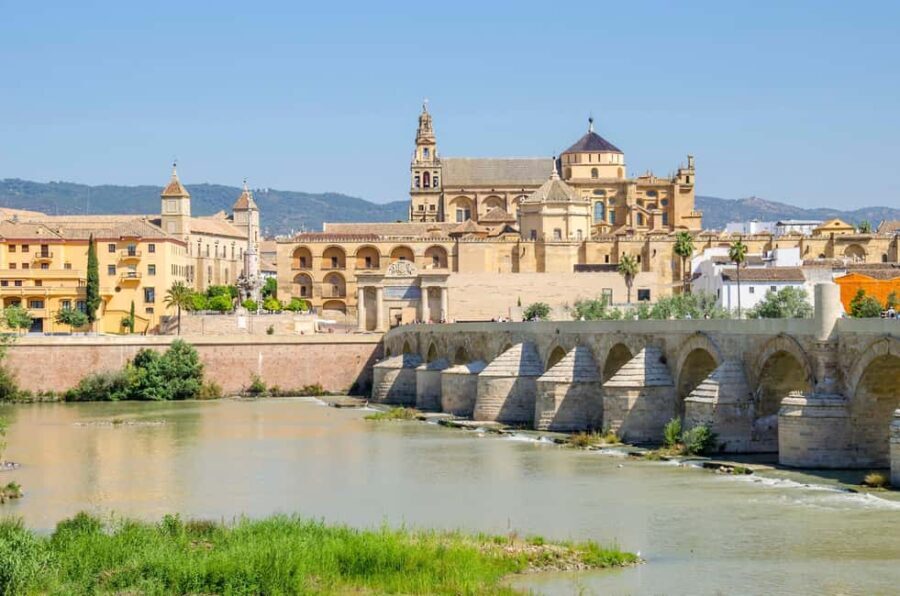
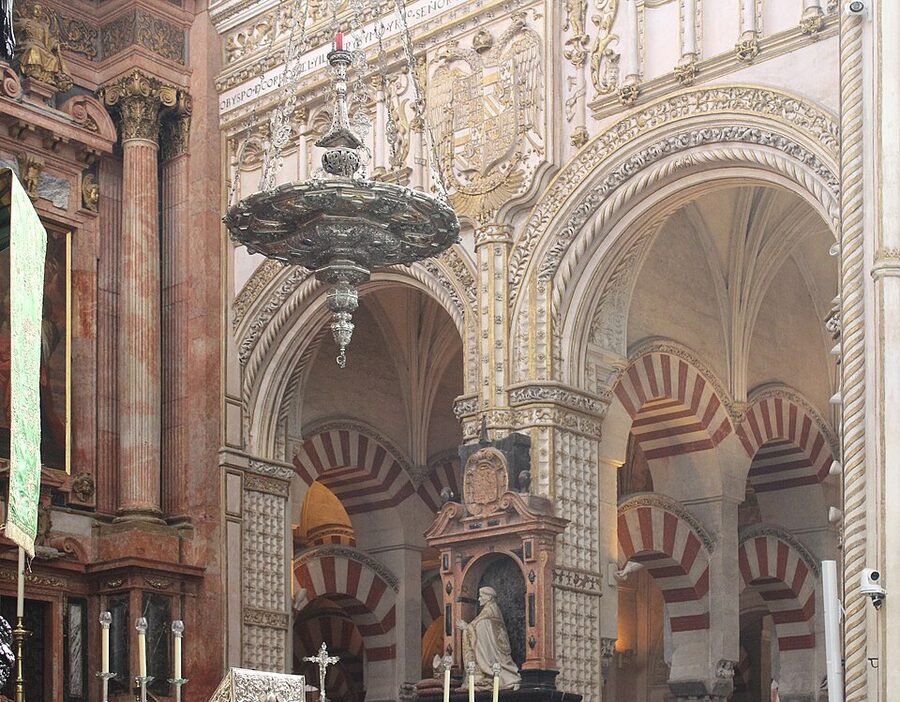
The official name is Mezquita-Catedral. Mosque and cathedral, joined by a hyphen, both still standing, both still working. You walk under an 8th-century horseshoe arch, follow the forest of red and white columns for a hundred metres, and then the ceiling bursts open into a Renaissance cathedral nave dropped right in the middle of the Moorish prayer hall. There is no other monument in Europe where two thousand years of religion sit on top of each other this openly.
In a Hurry? Top Picks
- Best skip-the-line guided tour (around $31): the 90-minute Mosque-Cathedral guided tour with skip-the-line entry is the most-booked option in Cordoba and the easiest fix if you’re short on time.
- Best half-day combo (around $48): the Jewish Quarter, Mosque-Cathedral and Alcazar four-hour tour covers the three sites that anchor the old town in one go.
- Best self-guided option (around $24): the e-ticket with audio guide if you’d rather wander the prayer hall on your own pace.
- In a Hurry? Top Picks
- The free morning window, and why it’s the best ticket of all
- If you’d rather buy a ticket: paid hours, prices, and what they cover
- Guided tours, and when they’re worth the upgrade
- The combo with Jewish Quarter, Alcazar and Synagogue
- Climbing the bell tower (Torre Campanario)
- Day trip from Seville (the AVE option)
- When to go to avoid the worst of the coach traffic
- Practical notes that nobody tells you in advance
- The three picks I’d actually book
- 1. Cordoba: Skip-the-Ticket-Line Mosque-Cathedral Guided Tour: around
- 2. Cordoba: Jewish Quarter, Mosque and Alcazar Combo Tour: around
- 3. Cordoba: Mosque-Cathedral E-Ticket With Audio Guide: around
- Where the Mezquita fits in a wider Andalusia trip
- Cordoba alongside the rest of Spain
The free morning window, and why it’s the best ticket of all
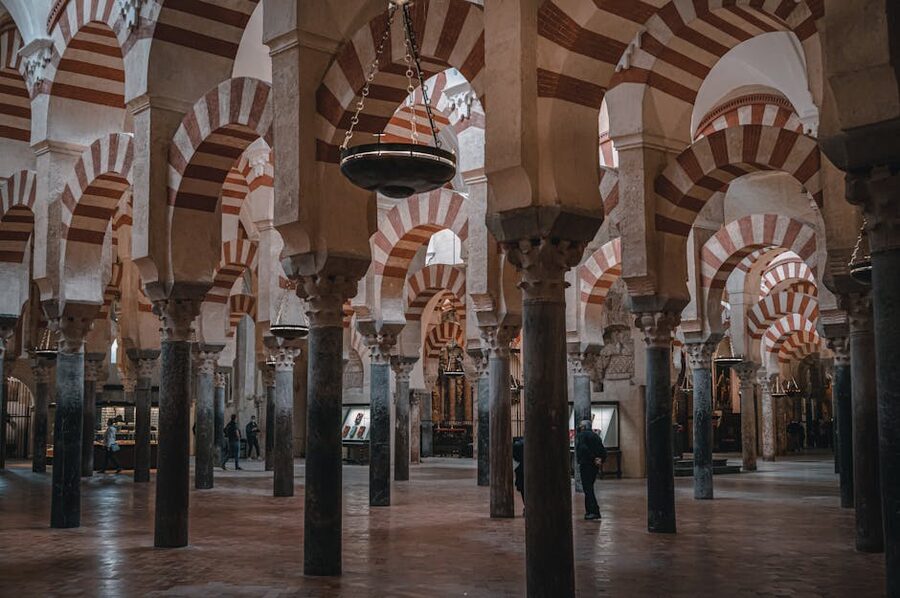
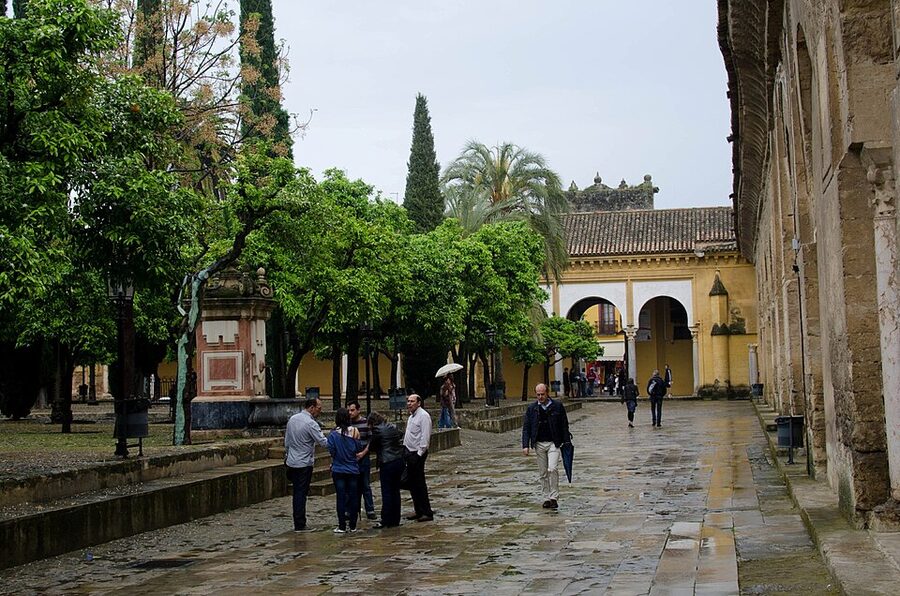
Here is the thing nobody puts in big letters on the official site, but the Cathedral chapter quietly allows: entry to the Mosque-Cathedral is free between 8:30am and 9:30am, Monday to Saturday. No tickets to buy, no booking, no group queues. Walk in, walk around, walk out. They start ushering people back toward the door at 9:20 because the daily mass begins at 9:30 and the chapter clears the building.
That gives you about 50 minutes inside, and if you’ve ever tried to take a photograph of those striped arches at 11am with a coach group standing in front of them, you’ll understand why 50 minutes alone is worth the alarm clock. The morning slot is also the only time tour groups are not allowed in. If you stay quiet through the mass at 9:30 you can even keep exploring afterwards, since the chapter lets attendees stay on once the service ends.
One catch. The free hour applies to the prayer hall and the cathedral nave, but it does not include the bell tower climb. That is sold separately and the chapter only opens the tower from mid-morning onward. So the 8:30am move is for the interior. Plan a return for the tower if you want both. I’ll come back to the climb in a minute.
If your travel dates land on a Sunday or a major feast day, the free window doesn’t run. Don’t get to the door at 8:35 on a Sunday and feel cheated. Sundays the building opens later for tourists and the morning is reserved for services only.
If you’d rather buy a ticket: paid hours, prices, and what they cover
The standard adult ticket runs around 15 euros bought online or at the door. Reduced rates of 12 euros apply to over-65s, students aged 15 to 26, and holders of the European Youth Card. Children aged 10 to 14 pay 8 euros. Under 10 is free, but every child still needs a printed ticket on entry, even the free ones, and the queue at the kiosk for free children’s tickets is sometimes longer than the paid one.
Paid hours are roughly 10am to 7pm Monday to Saturday and 8:30 to 11:30am plus 3pm to 7pm on Sundays in summer. Winter trims the late afternoon. Always cross-check the exact day’s hours on your booking voucher because the chapter closes the building for events more often than they advertise.
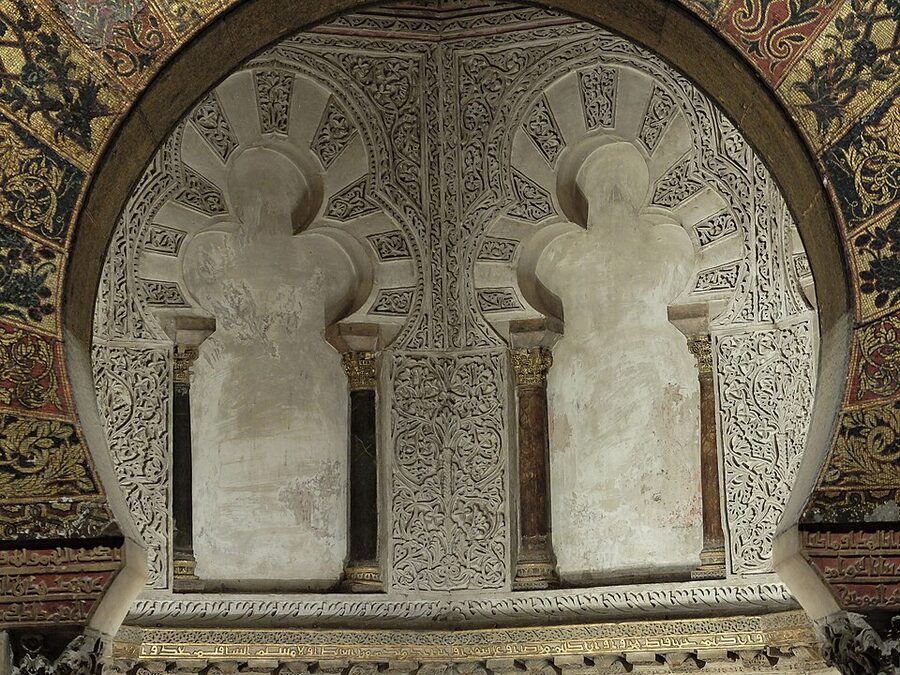
Standard ticket gets you the prayer hall, the cathedral nave, the chapels along the perimeter, the museum rooms with the Roman and Visigothic finds, and the Patio de los Naranjos. The bell tower is separate, currently 3 euros extra, sold both at the kiosk and online as an add-on when you buy your main ticket. Buy them together. The kiosk queue for tower-only adds-on can run 20 minutes on busy days.
Booking online versus at the door makes almost no price difference. What it does change is the queue. The official site issues e-tickets and the chapter has a separate scanner lane for them, which on a Saturday in April saves about half an hour. If you want the easiest route through the system without the official site’s clunky checkout, the Cordoba e-ticket with audio guide is the cleanest option I’ve used. Same price ballpark, faster scan-in, and the audio is genuinely good.
Guided tours, and when they’re worth the upgrade
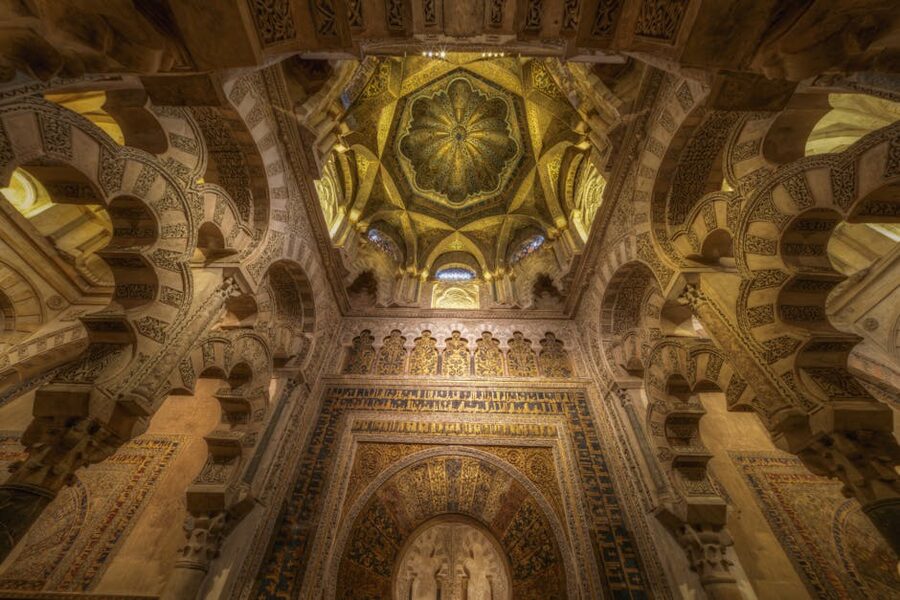
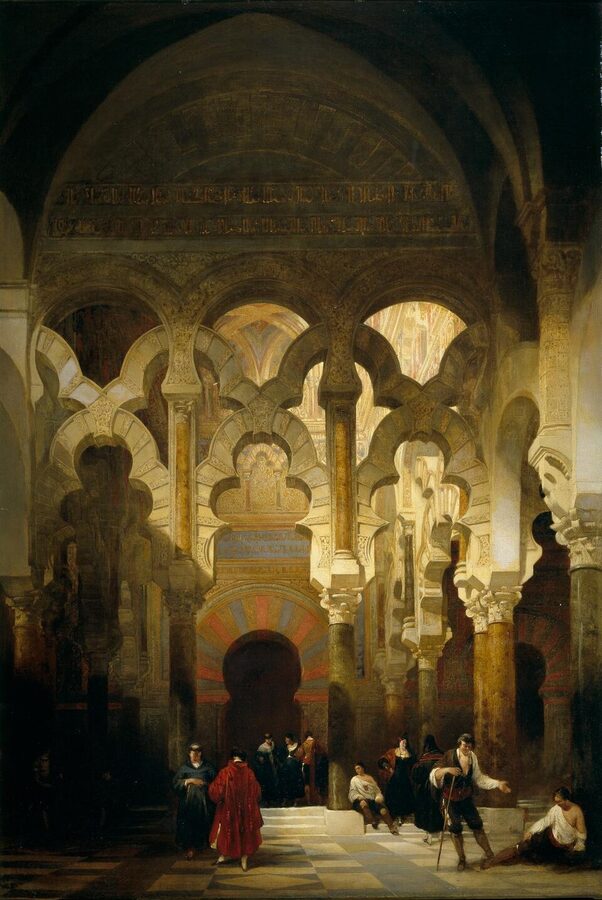
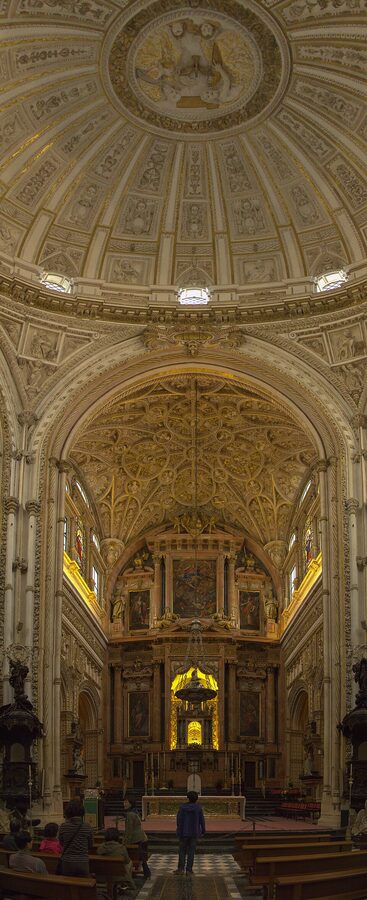
The Mezquita is not the kind of building you can solve with a Wikipedia page on your phone. There are too many overlapping eras stacked into the same room, and the building actively hides them from a first-time visitor. The columns are different sizes because they were salvaged. The mihrab points slightly off from Mecca because Cordoba’s geographers used a different calculation. The cathedral was bolted into the centre of the mosque in 1523 and Charles V famously hated the result when he saw it. None of this is signposted inside.
So a guide earns their fee here in a way they don’t always in other Spanish monuments. The flagship is the 90-minute skip-the-line Mosque-Cathedral guided tour. It’s the most-reviewed booking in Cordoba by a wide margin, runs in five languages, and the guides are licensed Cordobeses who actually know the chapter politics. The 75 to 90-minute window is the right length: long enough for the Maqsurah and the cathedral choir, short enough that you don’t lose the will to live in front of yet another chapel.
If you only have one slot in Cordoba and want it to count, this is the booking I’d default to. The reviews stay consistently glowing year after year, and the skip-the-line element matters more here than at the Alhambra because Cordoba’s queue snakes around the corner of the Patio de los Naranjos with no shade.
The combo with Jewish Quarter, Alcazar and Synagogue
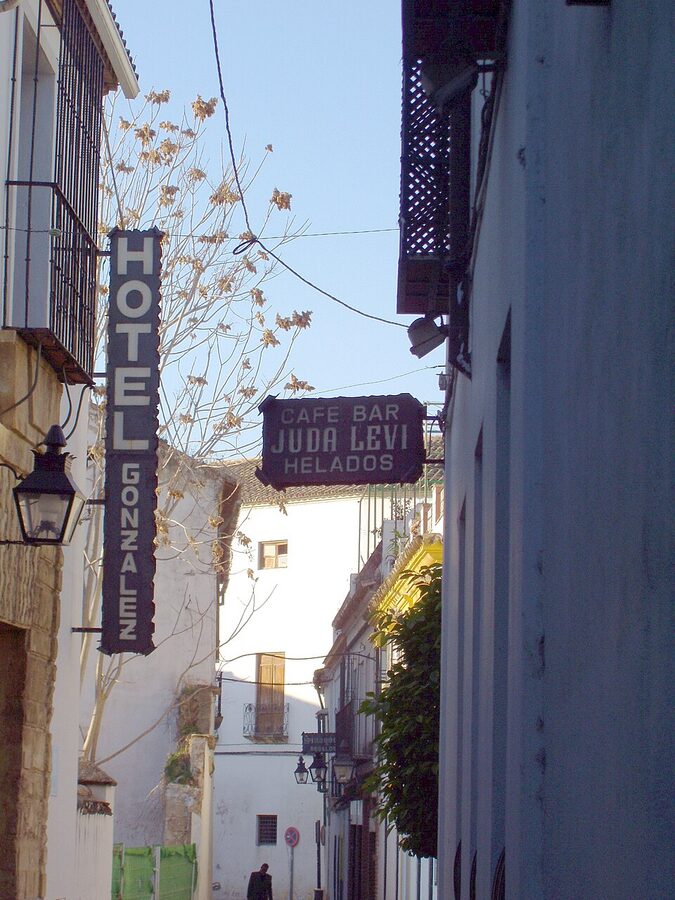
Cordoba’s old town is small. From the Mezquita you can walk to the Synagogue in seven minutes, the Alcazar de los Reyes Cristianos in another five, and the Roman Bridge in three. That tight geography is why the combo tours work so well here in a way they don’t in Madrid or Seville.
The four-hour version that pairs the Mezquita with the Jewish Quarter and the Alcazar gardens is the one I send most first-time visitors to. Our breakdown of the four-hour combo tour covers the pacing, but the short version is that you start at 9 or 10am, do the mosque first while it’s coolest, walk through the Juderia, finish in the Alcazar gardens for an hour. Half a day, three monuments, one guide, no logistics.
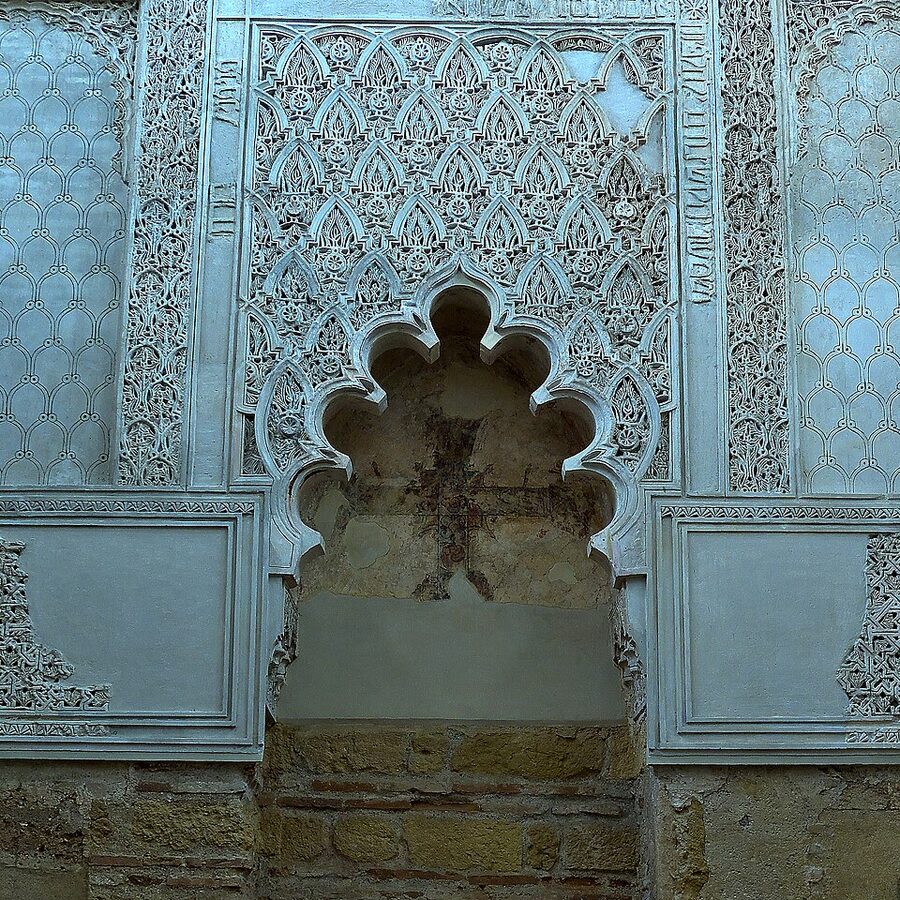
If you want the synagogue in there as well, look at the longer five-site combo. The synagogue, Jewish Quarter, mosque and Alcazar combo is the same shape with the synagogue added, and it’s worth the extra hour if you’re interested in the multi-faith angle that Cordoba sells itself on. The synagogue is tiny, the visit lasts maybe ten minutes, but it’s one of the few intact pre-1492 ones in Spain and it sits in the same building genealogy as the Mezquita’s mihrab. Different faith, same craftsmen.
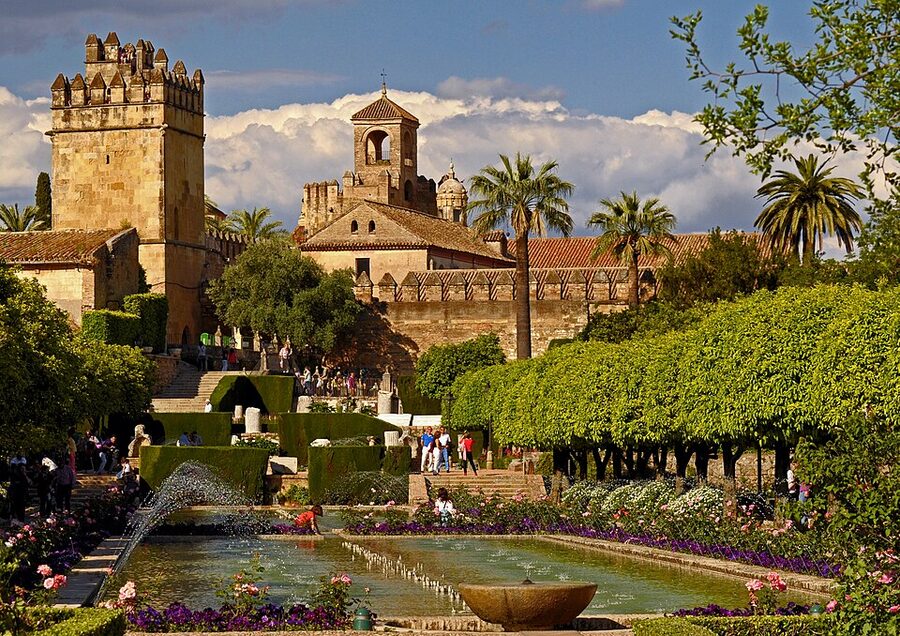
One thing to flag. The Alcazar de los Reyes Cristianos in Cordoba is not the same building as the Alcazar in Seville, even though tour copy sometimes talks about them in the same breath. The Cordoba version is smaller and the gardens are the main draw rather than the rooms. If you’ve come from Seville and visited the Royal Alcazar of Seville, manage expectations. Cordoba’s version is lower-key. Nice, but lower-key.
Climbing the bell tower (Torre Campanario)
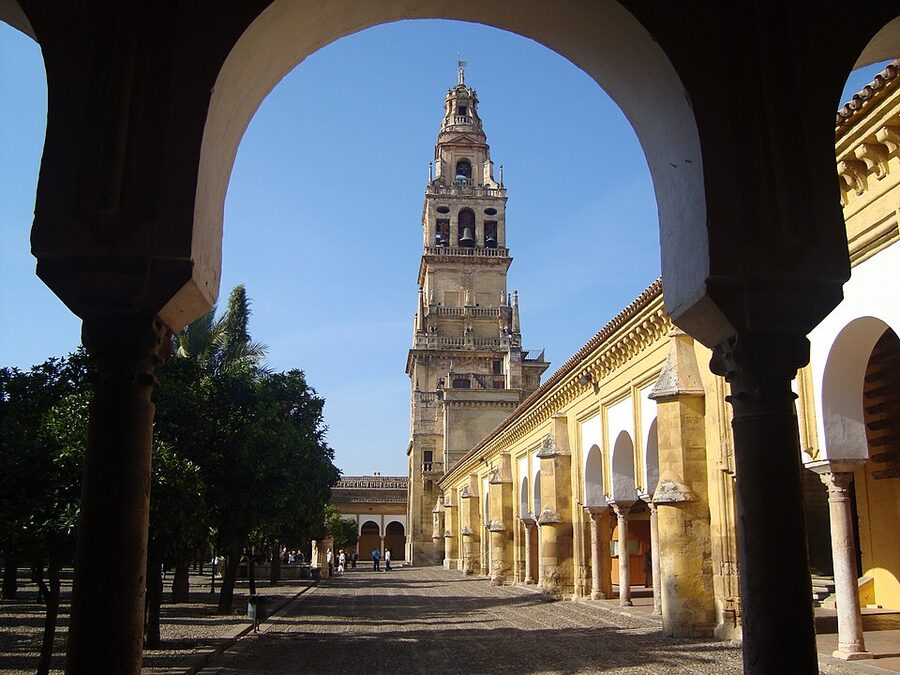
The tower is 54 metres tall, which makes it the tallest thing in Cordoba’s old town. The climb adds a separate 3 euro ticket on top of your main entry, and slots are timed. You’ll be assigned a 30-minute window when you book, and they’re strict about it. Each group of about 20 people goes up together.
It’s not a hard climb. About 200 steps, mostly wide, with a few rest landings. The top is open-air, has a railing, and the view runs from the Roman Bridge to the Sierra Morena foothills on a clear day. Aim for late afternoon if your slot allows it. The bell tower faces south-west, so the cathedral roof and the river light up around an hour before sunset, and that is when the photographs work.
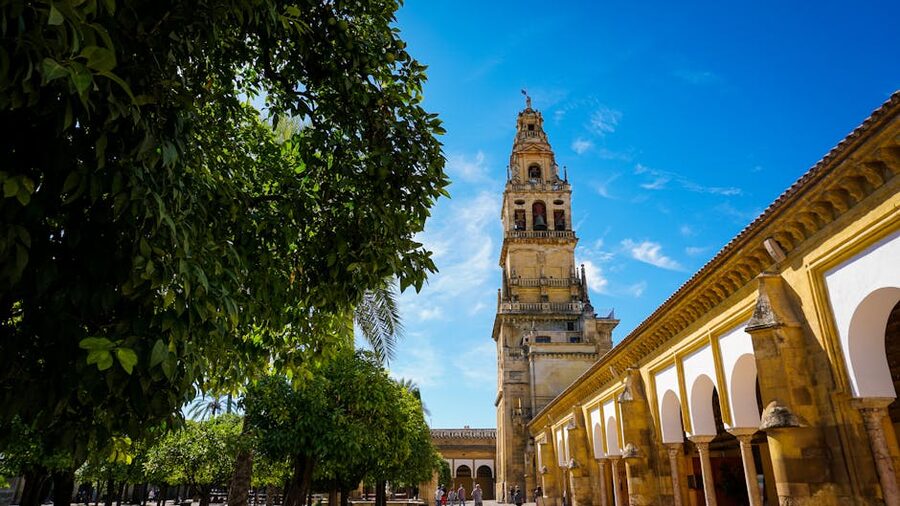
If you’re booking the guided tour and adding the tower, double-check the slot timing. The standard 90-minute guided tour finishes around the same time most morning tower slots open, so it’s possible to do guide first then tower in the same visit without leaving the complex. It’s also possible to mess that up and end up with a one-hour gap. Buy them together at the official kiosk and ask the staff to align the slots.
Day trip from Seville (the AVE option)
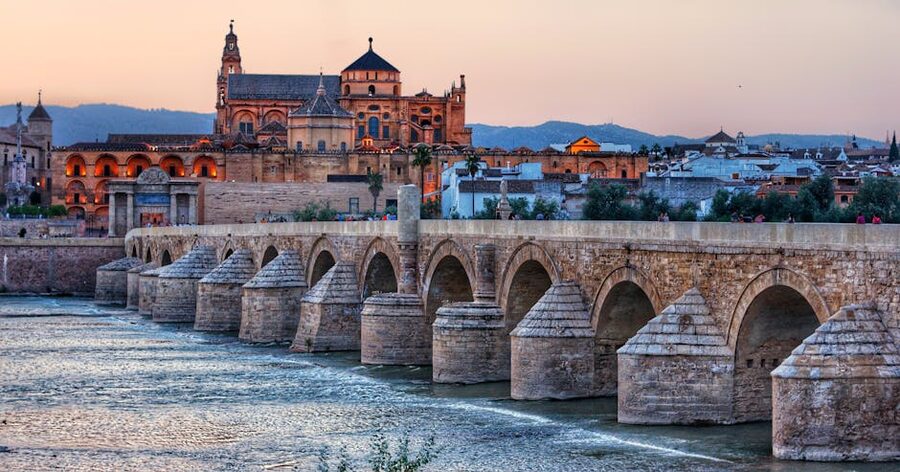
Cordoba is closer to Seville than most people realise. The AVE high-speed train runs the route in 45 to 50 minutes, dozens of times a day, and the station in Cordoba is a flat 15-minute walk into the old town. That makes the Mezquita the easiest serious day trip out of Seville. Easier than Granada, easier than Ronda, easier than the Sierra de Cazorla.
The DIY version of the day trip is genuinely simple. Catch a 9am AVE from Seville Santa Justa, you’re in the Mezquita by 10:15, you have the morning for the mosque and the bell tower, lunch in the Juderia, an afternoon at the Alcazar gardens, then a 5 or 6pm train back to Seville. Renfe sells return tickets for around 50 to 60 euros if booked a week ahead, more if you walk up.
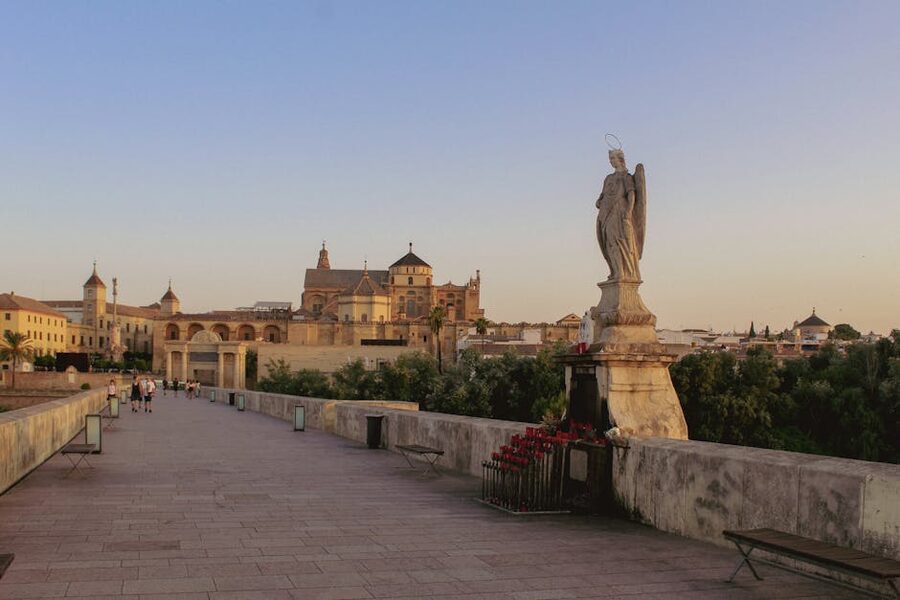
If you’d rather not handle the train logistics, the Cordoba and Carmona day trip from Seville bundles the AVE-equivalent in a coach with a guide and a stop at Carmona on the way back, which is a nice extra if you’re not in a hurry. Coach versions run slower than the AVE but the guided commentary while you cross the Andalusian plain isn’t bad. They tend to leave Seville around 8:30am and return by early evening.
If you’re piecing the bigger trip together, the day-trip math also works the other way. The Seville Cathedral and Royal Alcazar are the obvious anchors in Seville itself, but the AVE makes Cordoba a totally legitimate add-on without having to move hotel.
When to go to avoid the worst of the coach traffic
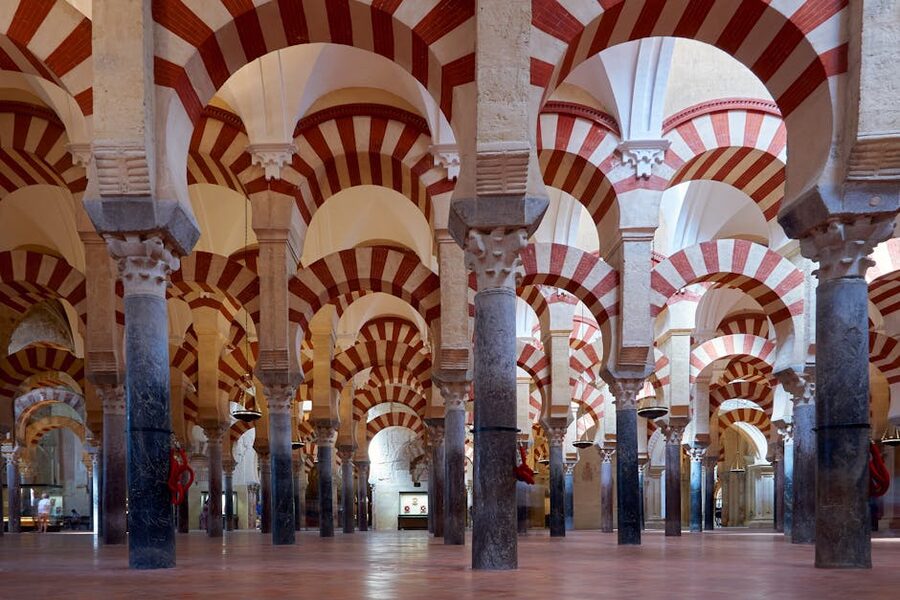
Cordoba’s tourist day has a clear shape. Coaches arrive from Seville and Granada from about 10am, peak inside the Mezquita between 11am and 1pm, lunch in the Juderia, then leave by 4pm to get back. If you can be inside the building either before 10am or after 4pm you’ll have a different experience entirely.
The 8:30am free window I covered earlier is by far the easiest hack. Even if you’re not in town for the whole day, even if you’ve travelled in from Seville on the first AVE of the morning, sitting inside an empty Mezquita at 8:45am is the experience you’re really paying for. After the morning rush, late afternoon between 5 and 6:30pm in summer is also calm.
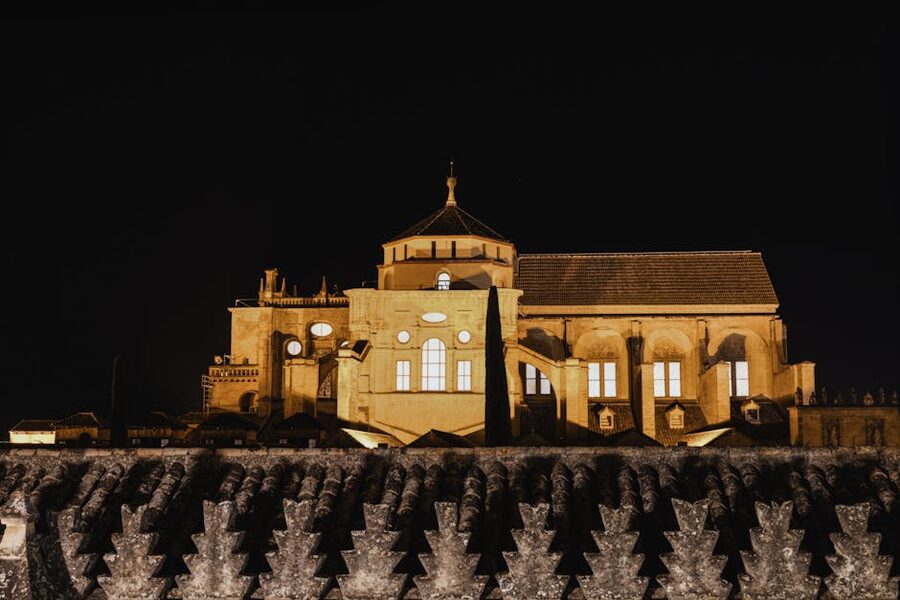
By month, the worst weeks are early May (Patios festival doubles the visitor count), early June (school groups), and the entire week around Easter. November and February are the calmest months I’ve visited. The chapter doesn’t really do shoulder pricing, so you don’t get a financial reason to come off-peak, but the building reads completely differently with thirty people inside it instead of three hundred.
Heat is the other reason to mind the timing. Cordoba is one of the hottest cities in Europe in July and August, regularly hitting the high 30s and breaking 40 degrees. The Mezquita’s interior stays cool, but the queue, the Patio de los Naranjos and the bell tower climb are all exposed. Morning everything in summer. The afternoon is for staying inside or hiding in the patios.
Practical notes that nobody tells you in advance
A few things I wish someone had told me before my first visit:
- Photography is allowed in the prayer hall and cathedral, no flash, no tripod. They’re firm on the tripod rule and the staff will ask you to put it away. A small handheld is fine.
- Bring a thin layer in summer. The interior is genuinely cold. The temperature gap between the Patio de los Naranjos at 38 degrees and the prayer hall at 19 degrees is jarring if you walk in sweating from the queue.
- The audio guide on the official site is rented at the door for about 5 euros. The version bundled with the GetYourGuide e-ticket is delivered on your phone and is, in my experience, both better and cheaper.
- Mass on Sunday at 11am is a service, not a tourist event, and you can attend if you want but you cannot wander around with a camera. The whole prayer hall is closed off during it.
- The ‘Soul of Cordoba’ evening light show is sold as a separate 20 euro ticket that runs only on certain dates. It’s a guided night-time walk through the prayer hall with sequenced lighting and Spanish narration. Atmospheric, but Spanish-only when I went.
- Cordobeses go free with proof of residence. If you’re staying with a local friend, don’t book a ticket for them. They’ll be waved through at the door.
The three picks I’d actually book
1. Cordoba: Skip-the-Ticket-Line Mosque-Cathedral Guided Tour: around $31
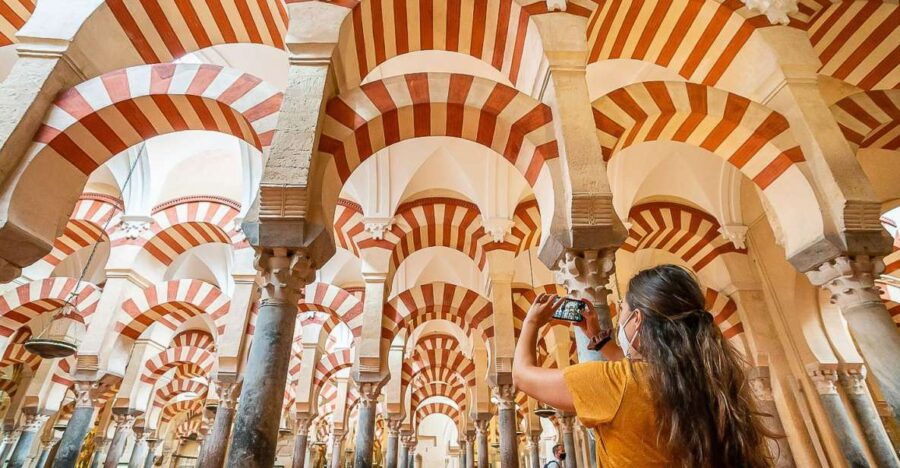
This is the default I recommend. Our full review of the skip-the-line Mosque-Cathedral guided tour goes deeper into what’s covered, but the headline is that the guides are local, licensed, and good at handling the difficult bit which is making the cathedral-inside-mosque make sense. Pace is right at 90 minutes. You won’t run out of attention before they run out of building.
2. Cordoba: Jewish Quarter, Mosque and Alcazar Combo Tour: around $48
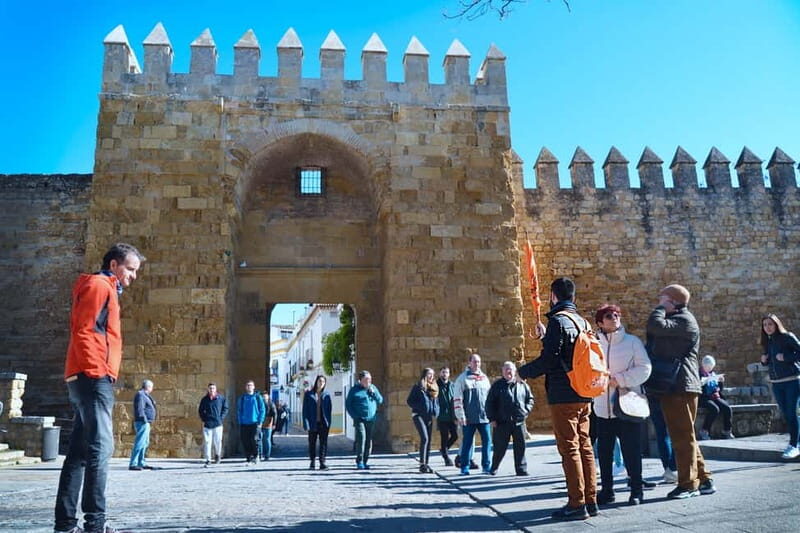
The combo I send first-time visitors to. Our four-hour Jewish Quarter, Mosque-Cathedral and Alcazar walkthrough covers the pacing and what’s actually included, but the practical case is that walking between the three sites yourself eats more time than the tour saves and the entries get bundled. Worth the extra over the standalone Mezquita tour.
3. Cordoba: Mosque-Cathedral E-Ticket With Audio Guide: around $24
If you don’t want a guide standing next to you, this is the cleanest e-ticket route. Our review of the e-ticket with audio guide notes the audio is delivered straight to your phone, the entry is timed, and the skip-the-line lane works at the door. Good for second-time visitors who already have a frame for the building.
Where the Mezquita fits in a wider Andalusia trip
If you’re routing Andalusia in one trip, the natural shape is Seville first, Cordoba as a day trip or one-night detour, then Granada last because the Alhambra is a longer and more demanding visit. The Mezquita and the Alhambra are the two heavyweights, and seeing them on consecutive days is too much. Put Cordoba in the middle as a breather. The Alhambra is a half-day commitment with much harder ticket logistics, and the Sacromonte flamenco caves are the obvious evening counterweight to a daytime Alhambra slot.
For a smaller side note in Seville itself, Casa de Pilatos is the closest thing in that city to the Mezquita’s mosaic-and-arch register, a 16th-century palace built on Mudejar bones with a courtyard that genuinely earns the comparison. If you’ve enjoyed the Mezquita’s craftsmanship, you’ll like Casa de Pilatos. Madrid and Barcelona are different beasts entirely. The Madrid Prado and the Barcelona Sagrada Familia live at the other end of any wider Spain itinerary, and there’s no efficient way to bolt them on to a Cordoba day. They’re separate trips.
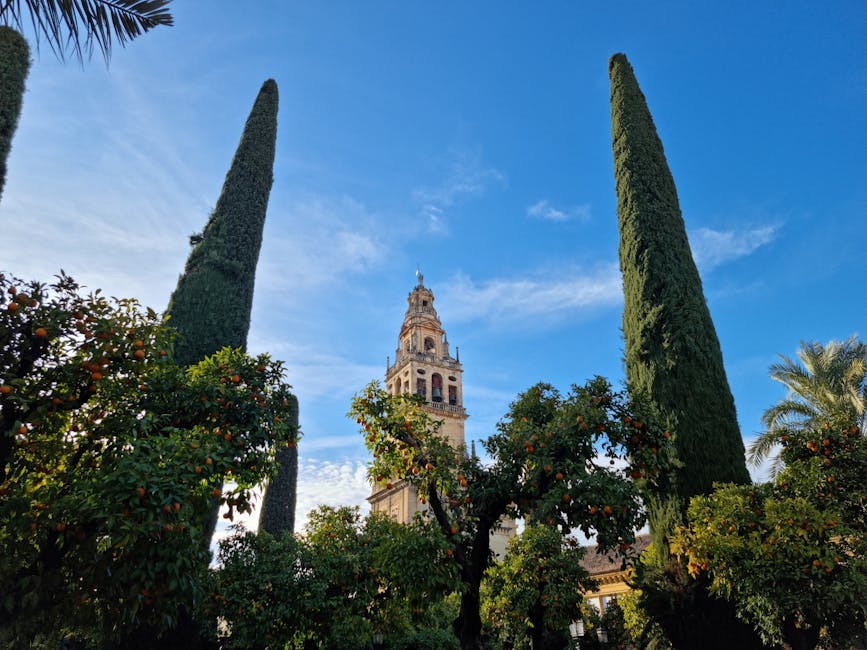
One last thing. The Mezquita is the headline, but Cordoba’s old town as a whole is more rewarding to wander than to sprint through. If you’ve come on the AVE for the day, give yourself at least a half-day after the mosque to walk the Juderia, sit in the Patio de los Naranjos, and get a coffee in Plaza del Potro. Don’t book the train back too tight. The 5pm departure is the one most day-trippers regret.
Cordoba alongside the rest of Spain
If the Mezquita is part of a longer Andalusia run, the natural pairings are Seville and Granada. The Seville Cathedral is the obvious anchor at the western end. The Alhambra in Granada is the eastern bookend, with Granada flamenco for the evening. Casa de Pilatos in Seville rounds out the Mudejar side of the story if you’ve enjoyed the Mezquita’s craftsmanship. Madrid and Barcelona are different trips entirely.
Last checked: April 2026. Prices and free-entry windows can change at the chapter’s discretion. Always cross-reference your visit against the official site on the morning of your trip.