
Phare Ponleu Selpak is not really a circus. It is a free arts school in Battambang, founded in 1994 by nine young Cambodians who had grown up in a refugee camp on the Thai border and wanted to do something useful with what an NGO art therapist had taught them there.
Thirty-plus years later, that school teaches circus, visual arts, music, theatre, animation, dance, and graphic design to hundreds of at-risk kids — for free. The circus show you book in Siem Reap is the commercial arm that funds it.
I knew none of this when I bought the cheapest seat in the house, expecting a tourist gimmick. I left wishing I had paid for the front row.
This guide is everything I learned about booking tickets, picking the right seat tier, what the show actually is, and why your Section C $18 ticket is funding a classroom in Battambang you will probably never see.
Short on time? Here are my top 2 picks:
Best overall (Viator): Phare: The Cambodian Circus Show in Siem Reap — $18. Clean ticket-only booking, instant confirmation, mobile voucher works at the door.
Best flexibility (GetYourGuide): Siem Reap: Phare, the Cambodian Circus Show Tickets — $18. Free cancellation up to 24 hours before, same-day booking works.
- What Phare Actually Is (And Why It Matters)
- How Phare Ticket Booking Actually Works
- Which Seat Tier to Pick (And Why Section C Is Fine)
- Official Tickets vs Packaged Tours
- The Best Phare Circus Tickets to Book
- 1. Phare: The Cambodian Circus Show in Siem Reap (Viator) —
- 2. Siem Reap: Phare, the Cambodian Circus Show Tickets (GetYourGuide) —
- When the Show Runs (And Which Night to Pick)
- How to Get to the Phare Tent
- Tips That Will Save You Time and Money
- What You’ll Actually See Inside the Tent
- Is Phare Worth It?
- While You’re in Siem Reap
What Phare Actually Is (And Why It Matters)
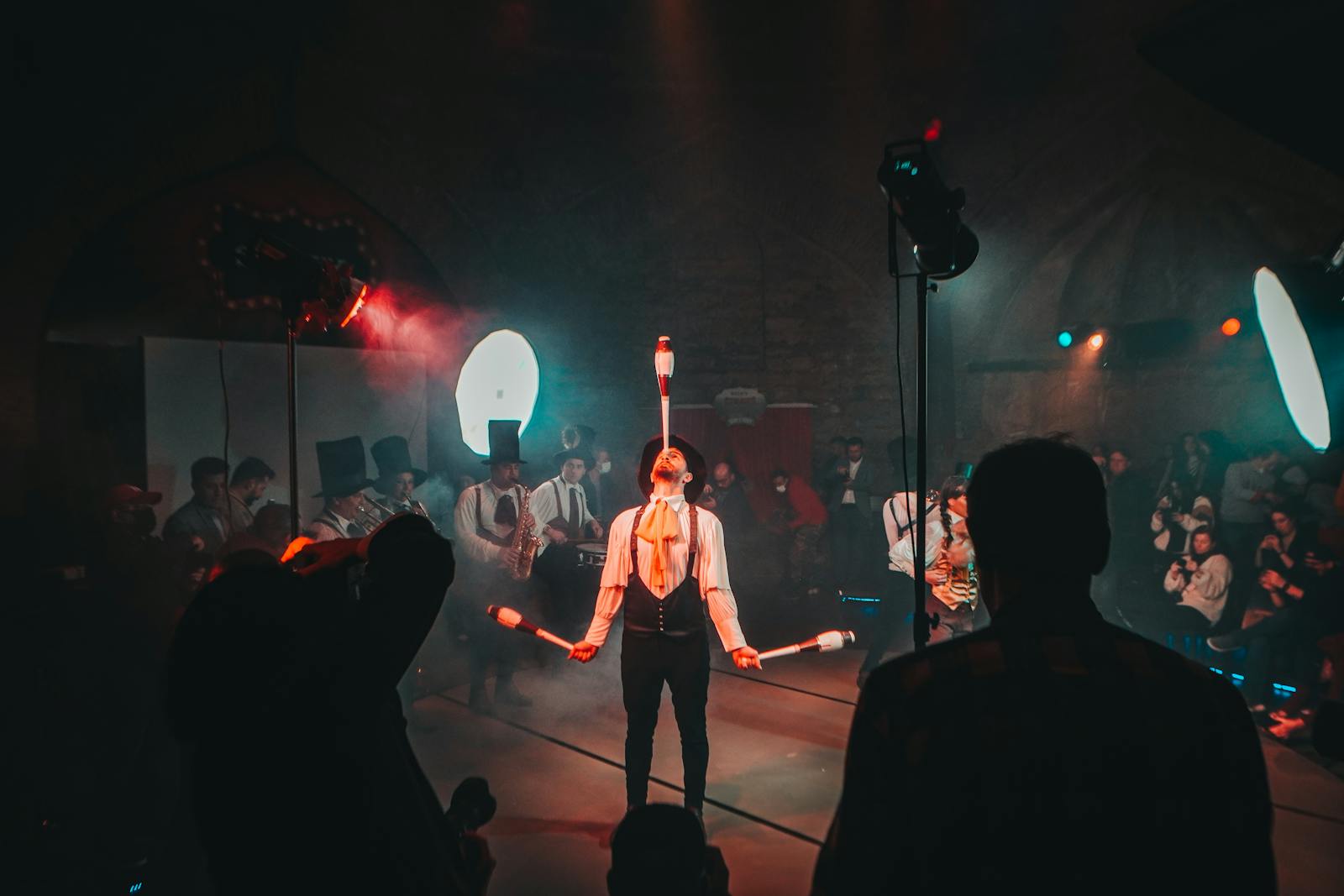
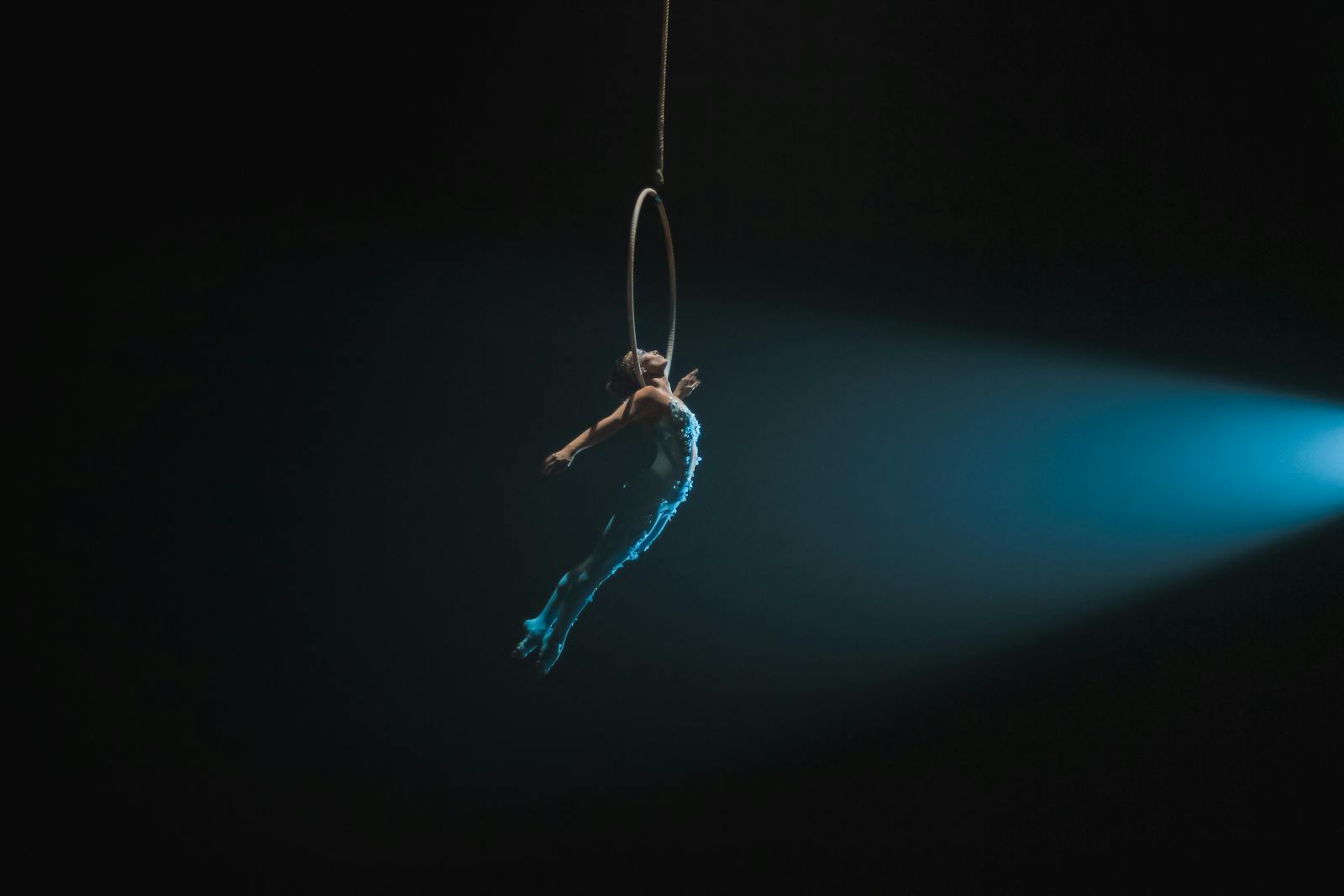
Most travellers in Siem Reap hear “Cambodian Circus” and picture something cheesy — animals in sad costumes, a bored emcee, maybe a fire-eater. Phare is none of that. There are no animals. There is no emcee. What you get is a one-hour theatrical circus piece, with live music played on traditional Khmer instruments, that tells a story using acrobatics, contortion, juggling, slackwire, and hand-balancing.
The performers are students or recent graduates of Phare Ponleu Selpak, which translates roughly as “The Brightness of the Arts.” The school runs out of a campus in Anh Chanh village in Battambang, about a four-hour drive west of Siem Reap. Kids come in from local villages, most of them from families hit hard by poverty, trauma, or domestic issues. The school is free. Meals are included.
Graduates go on to join Cirque du Soleil, run their own shows, or teach the next generation. A handful of them perform in the Siem Reap tent every night.
The Siem Reap tent opened in 2013 as the fundraising engine. Roughly two-thirds of the ticket money flows back to Battambang to pay teachers, buy equipment, cover accident insurance for the artists, and fund the free school. That is the part the marketing does not shout about enough. You are not just buying entertainment here — you are literally paying for a kid in Battambang to learn to read and to do a handstand on a ball.
The show rotates between a handful of productions. I saw Eclipse, which is about two young men in a Khmer village arguing over a woman and ends in a dream sequence involving a moon-god character pulled straight from Khmer mythology.
The next night, the tent was running Sokha, which is darker — it follows a young woman through trauma and healing, and is autobiographical to one of the founders. Khmer Metal is the loud one, set in a Phnom Penh rock bar. Check the calendar before you book if a specific show matters to you.
How Phare Ticket Booking Actually Works
You have four ways to book Phare tickets. They are not equally good.
Option 1: The official Phare Circus website. This is the source of truth. You get the full range of seats — Section A (reserved, front and middle) for $38 adult, Section B (open rear-middle) for $28, and Section C (open side sections) for $18. Kids aged 5 to 11 pay roughly half. If you absolutely want a guaranteed front-middle seat, this is where you book it.
The downside: no English-language customer service if something goes wrong, and refund terms are less generous than the marketplaces.
Option 2: GetYourGuide. Sells the same $18 Section C ticket as the official site, with one big advantage — free cancellation up to 24 hours before the show, and you can book on your phone the same afternoon if you decide last-minute. Mobile voucher works at the door. This is the one I tell most travellers to use unless they specifically want reserved seating.
Option 3: Viator. Same $18 Section C ticket, same instant confirmation. Some Viator listings bundle in tuk-tuk pickup from your hotel for a few dollars more, which is worth it if you are staying more than a kilometer from the tent and the walk home in the dark is not your idea of fun.
Option 4: Your hotel concierge. Most hotels in central Siem Reap will happily book a Phare ticket for you, sometimes at a small markup, sometimes at cost as a favor. This is fine if you trust the hotel, but you give up the digital voucher and end up with a handwritten paper ticket. Not ideal if something goes wrong at the door.
My honest take: book through GetYourGuide or Viator unless you specifically want a reserved front-center seat, in which case go directly to the Phare website and pay the $38 for Section A. The marketplace ticket is identical to the cheapest tier the official site sells, and the refund terms are better.
Which Seat Tier to Pick (And Why Section C Is Fine)
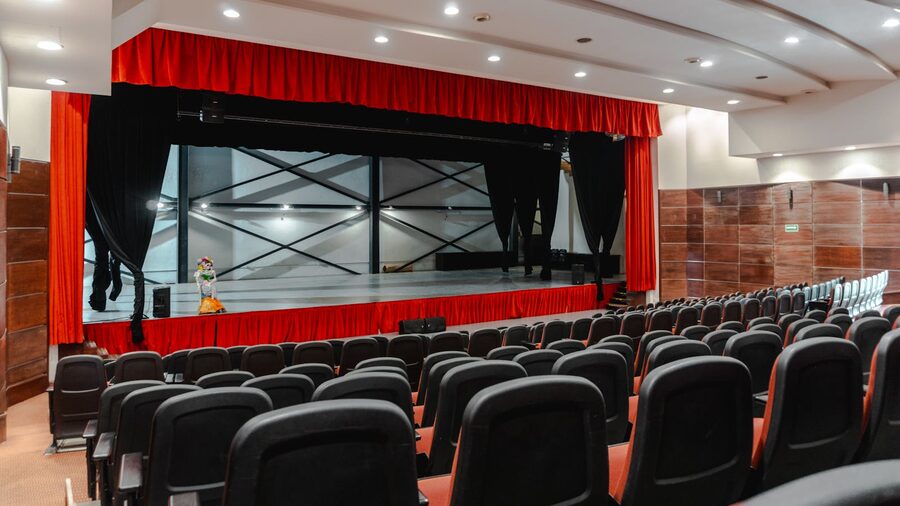
This is the question I get most often, so here is the straight answer. The Phare tent holds about 320 people. It is small. Section C — the $18 cheap seats — is not like the nosebleeds of a real theater. You are maybe ten meters from the stage at worst, and the acrobats are large and fast enough that you can see every muscle from anywhere in the house.
Section C ($18 adult, $10 child): Open seating on the side benches. You arrive, you pick a bench spot. If you turn up at 7:30 for the 8pm show, you will get something decent. The sight angle is not as straight-on as the middle sections, but you can see everything. I sat here and loved it.
Section B ($28 adult, $15 child): Open seating in the rear-middle. You get a straight-on view of the stage, but still have to scramble for a good bench spot when the doors open. If you arrive late, B is worse than A, because you might end up at the back.
Section A ($38 adult, $18 child): Reserved seats, front and middle. Your name or voucher number is on a specific seat. This is the tier to pick if you are bringing kids who will lose it if they cannot see, if you hate the idea of scrambling for a bench, or if you want to film the show without heads in the way. The seats are still just benches with backs, so do not expect plush theater chairs.
My rule: two adults, no kids, traveling light — Section C. One adult with a couple of kids who want to see clearly — Section A. Group of friends who want to sit together no matter what — Section A, because otherwise you will end up split across a half-full bench.
Official Tickets vs Packaged Tours
Most of what you see on the booking platforms for Phare is just the ticket plus a tuk-tuk transfer. There are very few value-adds, because the show is so tightly run by the operator that there is not much to upsell. Here is what you will see:
Ticket-only: You buy the $18 ticket, you show up, you watch the show. Fine if you are staying nearby. Fine if you already know your way around Siem Reap.
Ticket + round-trip tuk-tuk: Usually runs $22 to $25 all-in. The tuk-tuk picks you up at your hotel about 45 minutes before showtime and waits for you after the show to drop you back. Worth it if you are staying more than ten minutes’ walk from the tent, or if you do not want to deal with finding a tuk-tuk at 9:15pm when the show lets out and everyone else is trying to do the same.
Phare Insider (direct through Phare website only): Adds a backstage tour, a chance to meet the performers, and a Q&A with the school director. Runs about $65 per person. This is the one I would take if I had seen the show once already and wanted to understand the school side. As a first-timer, the regular ticket is enough.
Dinner + show combos: A few hotels and the Sokkhak Spa sell bundles that include a massage, dinner, and the show. These almost always cost more than buying each piece separately and give you less flexibility. Skip them unless the convenience is worth the premium to you.
The Best Phare Circus Tickets to Book
Both of these are the same $18 Section C ticket, sold by different marketplaces. The difference is in the cancellation terms and the booking interface, not the show itself. I am listing both because depending on which platform you already use, one will be more convenient than the other.
1. Phare: The Cambodian Circus Show in Siem Reap (Viator) — $18

This is the cleanest Viator listing for the Section C ticket. $18 per person, mobile voucher delivered instantly, scan at the door. The reviews here are relentlessly five-star, and the one- and two-star ones (there are almost none) are nearly all about travellers booking the wrong night or missing the show due to their own scheduling errors, not the circus itself. This is about as safe a bet as Cambodia tourism gets.
The Viator voucher is accepted at the door the same way as the official one. There is no separate check-in line for marketplace bookings. You arrive, you hand over the voucher (or show your phone), and you get directed to Section C seating.
Pick this one if you are already using Viator for other bookings on your trip and want everything in one app. It is also the one I would pick if I were traveling in a group and wanted to book multiple tickets on a single reservation for a single payment.
2. Siem Reap: Phare, the Cambodian Circus Show Tickets (GetYourGuide) — $18

Same $18 ticket, same Section C seating, sold through GetYourGuide instead. The key difference is the cancellation policy: free up to 24 hours before the show. If you are the kind of traveler who books speculatively and then decides each morning what you actually feel like doing, this is the one. Last-minute same-day bookings also work fine — I have done this myself when I realized at 3pm I had nothing planned that evening.
The reviews on this listing are specifically heavy on recent ones, which is useful because the show rotation changes a few times a year and you want reports from the current lineup, not from two years ago. Read the most recent ten reviews before booking to get a sense of which production is running this month.
Pick this one if you are flexible on your schedule, if GetYourGuide is already your default platform, or if you value the 24-hour refund window over everything else. The show is identical.
When the Show Runs (And Which Night to Pick)
The Phare tent runs every single night of the year, starting at 8:00 PM. There is no dark day, no weekly pause, no seasonal closure. If you are in Siem Reap, the show is on.
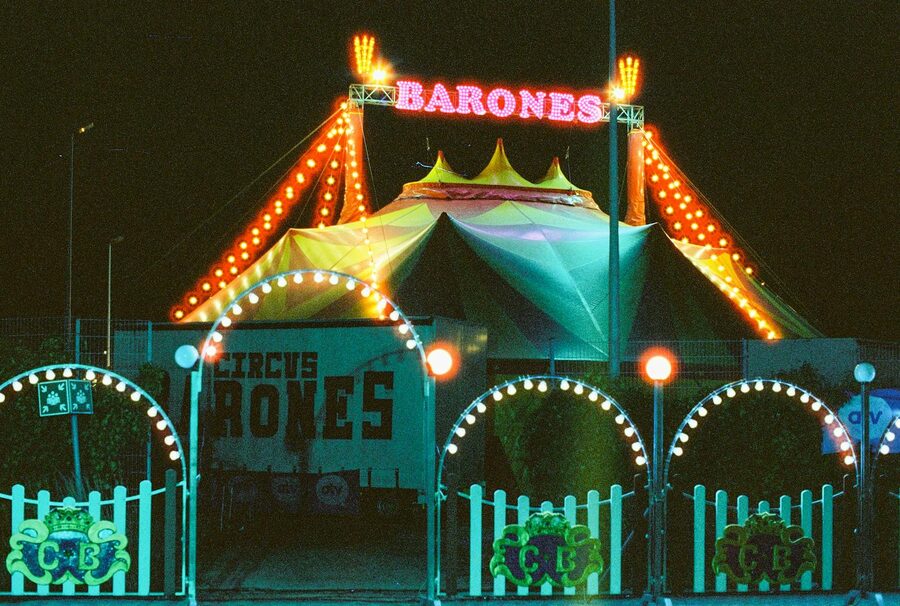
During high season — roughly November through March — the tent adds a 5:00 PM matinee on Wednesdays, Fridays, and Sundays. These are useful if you have small kids who will not last until a 9pm exit, or if you are doing an Angkor sunrise tour the next morning and want to be in bed by 10. Matinees sell the same tiered tickets at the same prices.
Showtime arrivals work like this: if you have Section A (reserved) tickets, you can walk in at 7:45pm and still get your seat. Fine. For Section B or C (open seating), you want to be at the tent by 7:15pm at the latest. The doors open around 7:15, and the first twenty minutes are when the good bench spots get claimed.
Most travellers skip the pre-show period, but it is worth showing up even earlier — 6:30 to 7:00pm — to explore. The venue has a small street-food area, a boutique selling art and souvenirs made by Phare Ponleu Selpak students in Battambang, and an exhibition space where you can see paintings and photographs from the school.
The street food is cheap and decent, and the boutique is the only place in Siem Reap where you can buy student art that directly funds the school. I wish someone had told me this before I showed up at 7:45 and missed all of it.
Which night to pick: if you have a choice, pick a night when the production is one you want to see. The Angkor Wat sunrise tour pairs poorly with a late show — if you are doing sunrise the next morning, go to the matinee if it is running, or save the circus for a different night. The circus also pairs well with a Khmer cooking class as a cultural double-bill day: class in the morning, circus in the evening.
How to Get to the Phare Tent
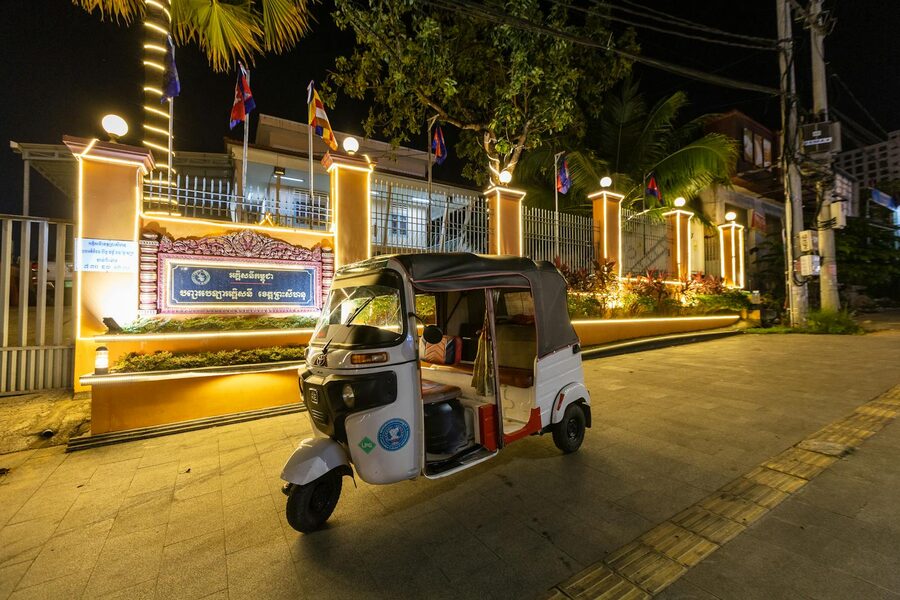
The Phare tent is on the southwest side of Siem Reap, at the intersection of Ring Road and Sok San Road south. It is maybe 15 minutes by tuk-tuk from the Pub Street area and 20 to 25 minutes from hotels on the Siem Reap River strip north of town.
Tuk-tuk: The easiest option. Flag one in the street or ask your hotel reception to arrange one. Round-trip fare to Phare and back is typically $8 to $12 total, depending on how hard you negotiate. Tell the driver to come back for you at 9:15pm — the show ends at 9, but it takes ten minutes to get out of the tent and into the pickup area. Every driver in town knows the word “Phare,” so you do not need to explain anything further.
Grab (the Southeast Asia rideshare app): Works fine in Siem Reap and gives you fixed pricing. Worth using if you are uncomfortable negotiating with drivers. Prices are similar to a fair tuk-tuk negotiation, maybe a dollar or two more. The app lets you book a PassApp tuk-tuk directly, which is how I prefer to get around.
Walking: Not advisable unless you are staying within a kilometer. The roads near the tent have patchy sidewalks and the walk home in the dark is not fun. Just take a tuk-tuk.
Hotel shuttle: Some high-end Siem Reap hotels run evening shuttles to Phare as part of their concierge service. Ask at reception. Free if they have one.
Tips That Will Save You Time and Money
A dozen practical things I wish I had known before I went:
The tent is air-conditioned, but poorly. It is a tent in Cambodia with industrial fans, not a climate-controlled theater. In April and May it can get genuinely hot inside. Dress in light clothes. Bring a water bottle.
Bring small-denomination cash. The boutique, the street food stalls, and the bar inside the venue all prefer US dollars in small bills. Twenties are hard to break. Fives and ones are your friend.
The show is 60 to 70 minutes. No intermission. Use the bathroom before it starts — the toilets at the venue are clean and there are enough of them for the crowd size.
Phones are allowed but flash is not. Stage managers will tell you off if you use flash, and rightly so — it ruins the lighting design for everyone. Turn off flash before the show starts, not mid-act.
The boutique in the foyer is not a tourist trap. It sells genuine student art from the Battambang school, priced fairly, with a small plaque explaining where the money goes. This is the only place in Siem Reap where you can buy Phare-school art directly. Bring an extra $20 or $30 if you think you might want a souvenir that matters.
Drinks are cheap. Angkor beer is under $2. Soft drinks are around $1.50. Wine by the glass, surprisingly, exists and runs $4. You can bring drinks into the tent.
Street food pre-show is worth the hype. The outdoor area between 6pm and 7:45pm has a few stalls serving fresh Khmer snacks — fish amok in a banana leaf cup, fried spring rolls, sticky rice with mango. This is cheap, fast, and decent.
Do not expect clowns or animals. I know I already said this, but it catches people off-guard anyway. Phare is theatrical circus, closer to Cirque du Soleil than to Ringling Brothers. If you want traditional Western circus, this is not it.
The show has emotional weight. Some productions deal with trauma, war, domestic violence, or poverty. If you are bringing a sensitive child, check which show is running before you book. Khmer Metal is loud and chaotic. Sokha is dark. Eclipse is the most family-friendly of the regular rotation.
Arrive early if you want to eat street food AND browse the gift shop AND get a bench spot. These three activities take 90 minutes minimum if you are doing all of them. Arrive at 6:30 at the absolute latest.
What You’ll Actually See Inside the Tent
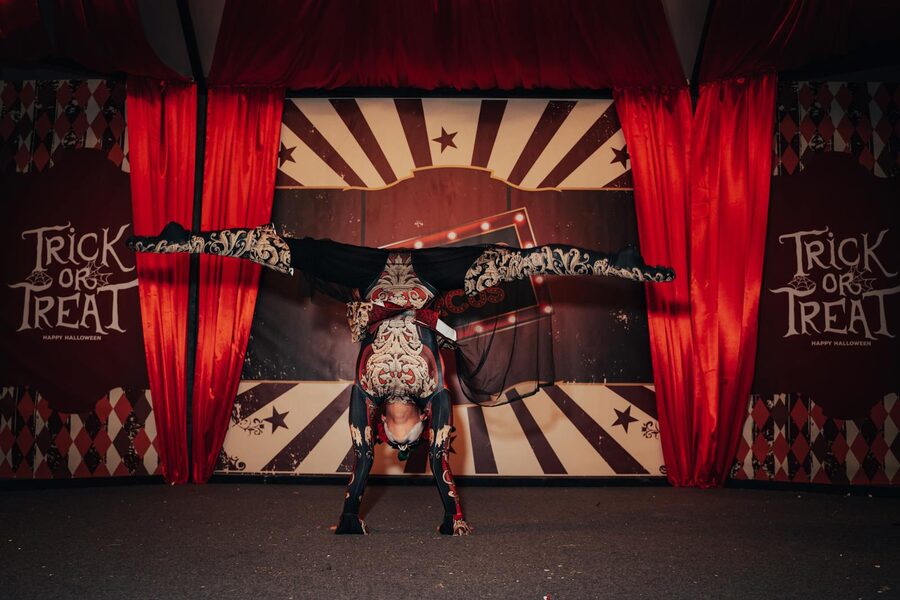
Every Phare production follows the same rough shape. The lights go down. A musician or two comes out carrying traditional Cambodian instruments — a tro (a two-string fiddle played on the knee), a small drum, sometimes a roneat (wooden xylophone). The music starts. Then the ensemble enters, usually four to eight performers, and the story begins.
The stories vary by production, but they all share one thing: they are Cambodian.
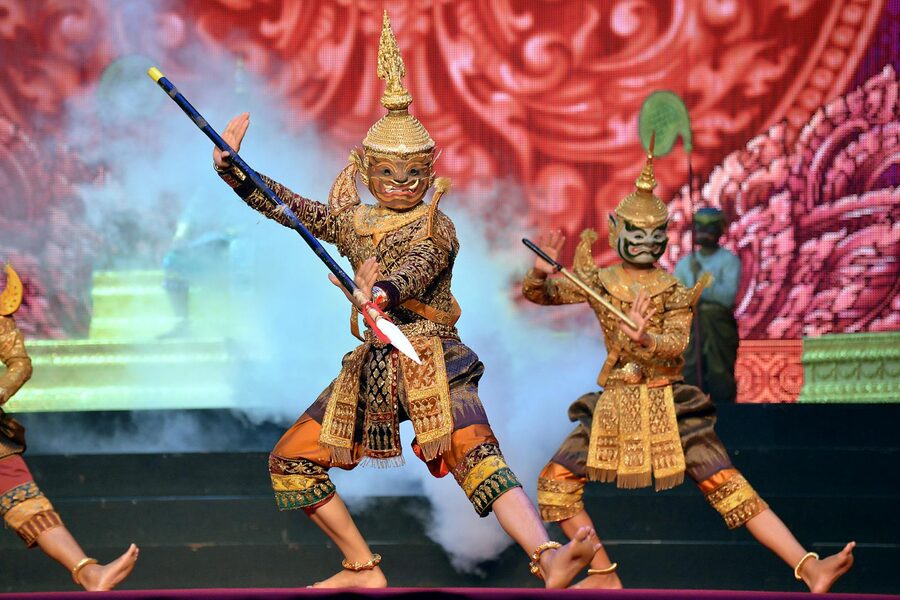
Not Cambodian-themed for travellers — actually Cambodian, written by Khmer performers about Khmer experiences. Sokha is the story of a girl traumatized by war who is healed through art, and is based on the real experience of one of the school’s founders. Eclipse pulls from Khmer mythology, using a shadow-play structure and a village love story. Khmer Metal is pure urban energy — a night in a Phnom Penh rock bar, with the acrobatics choreographed to an original metal soundtrack. Influence looks at how tourism, technology, and outside forces are reshaping Cambodian daily life.
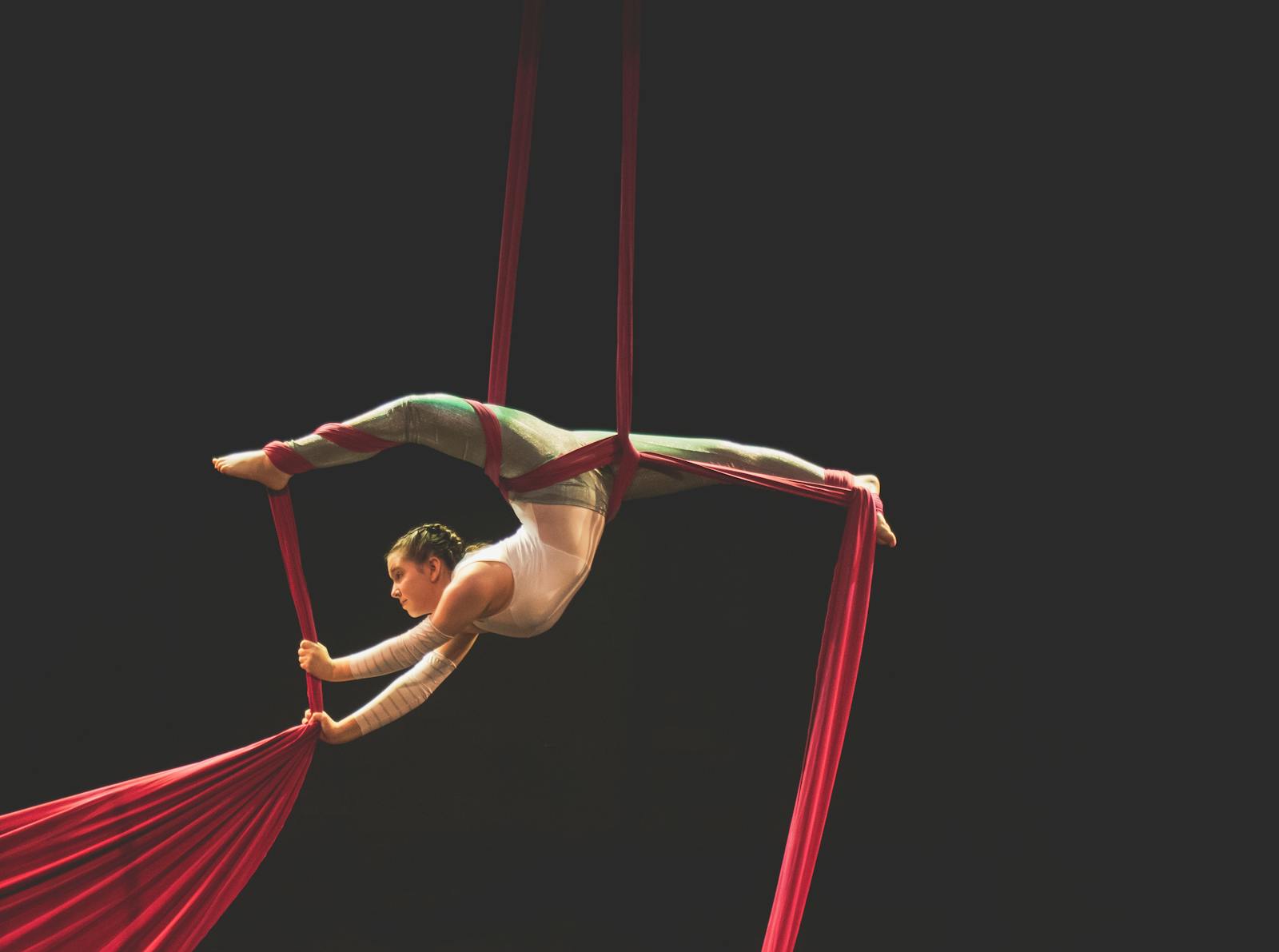
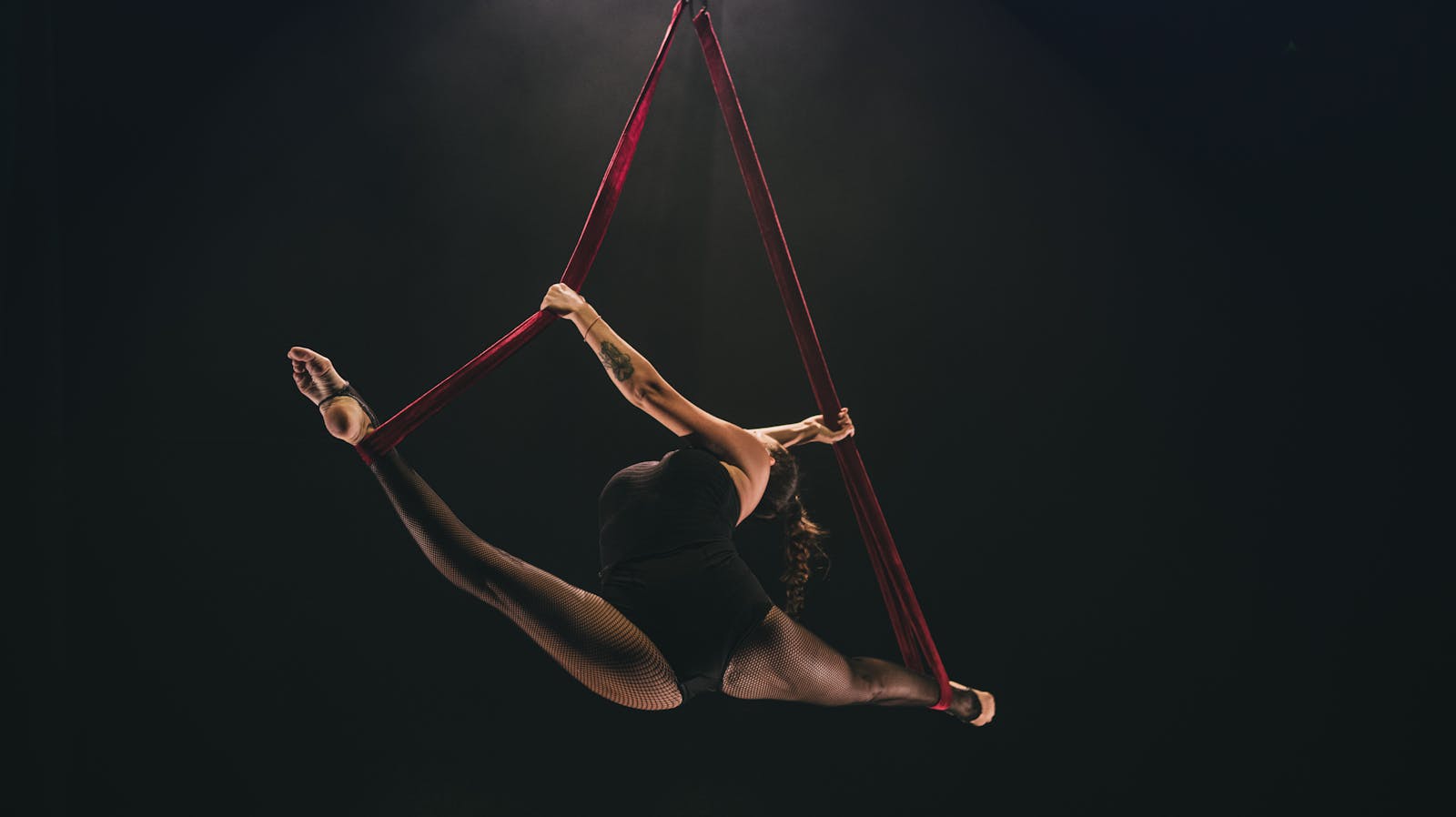
The circus skills themselves are world-class. I am not exaggerating this — Phare performers regularly go on to join Cirque du Soleil and international touring companies. The handstand work, the aerial silks, the acrobatic group balances, the slackwire walking, the juggling — all of it is performed at a level you would expect from a top-tier international troupe.
The difference is the story wrapped around the skills. Cirque du Soleil shows feel abstract. Phare shows feel specific.
The live music is the unsung hero. I say unsung but it literally is sung in several of the productions. Traditional Khmer instruments carry most of the score, mixed with drums and, in Khmer Metal, an electric guitar. The musicians are almost always sitting on the side of the stage in plain view, which changes the feel — this is not a pre-recorded soundtrack, it is a five-person band reacting to the performers in real time.
At the end, the house lights come up and the cast stays on stage for bows and photos. You can walk down to the stage, meet the performers, take pictures, and chat briefly. Most of them speak decent English. Tip them if you loved the show — there is usually a collection bucket near the exit, and the money goes to the school.
Is Phare Worth It?
Yes, and it is not close. Phare is the best-value cultural experience in Siem Reap. For $18, you get an hour of world-class performance, live traditional music, a genuine Khmer story, and the knowledge that the ticket money is literally funding a school in Battambang.
Compare that to the hotel Apsara dance dinners that charge $30 to $50 for an average buffet and twenty minutes of choreographed entrée-break performance, and there is no contest. Phare is the serious cultural booking in town and everything else is in second place.
I would go further and say Phare is the single thing in Siem Reap I would refuse to skip. You can skip some of the smaller temple circuit extras. You can skip the hot-air balloon and the quad bikes. You can even, in a pinch, skip Ta Prohm if you are temple-fatigued. But if you are in Siem Reap for more than one evening, go to Phare. It is the one experience that tells you something real about modern Cambodia that you cannot get from staring at stone walls.
While You’re in Siem Reap
A night at Phare pairs beautifully with the rest of a standard Siem Reap itinerary, but the ordering matters. Do the Angkor Wat sunrise tour on your first full day — you will be exhausted by 2pm, nap through the afternoon, and still be awake enough for an 8pm circus. Day two is the day to book a Khmer cooking class in the morning and save the Phare matinee for the afternoon if one is running.
Day three, if you have it, is when I would do the Kampong Phluk floating village tour — it gets you out to the Tonle Sap lake and back by sunset with enough energy left for a Pub Street dinner. Phare fits into any of those day patterns, because it runs every single night. That is the beauty of it.
One more thing: if you fall in love with Phare in Siem Reap and you have an extra day or two on your Cambodia itinerary, consider adding Battambang. The original Phare Ponleu Selpak circus in Battambang — the school, not the touring tent — runs its own student performances, and seeing it at the source is genuinely different. But start with the Siem Reap show. It is the right introduction.