
You can eat your way through Ho Chi Minh City on your own. Plenty of people do it. They point at things on menus they can’t read, sit on plastic stools they’re not sure are for customers, and spend half their time googling “is this safe to eat” instead of actually enjoying the meal in front of them.
Or you can climb on the back of a motorbike with someone who grew up eating this food, dodge through traffic that somehow makes perfect sense to everyone except you, and end up at a family-run stall in a District 4 alley that no guidebook has ever mentioned. That’s the difference a street food motorbike tour makes in Saigon — it’s not just about the food. It’s about the access.
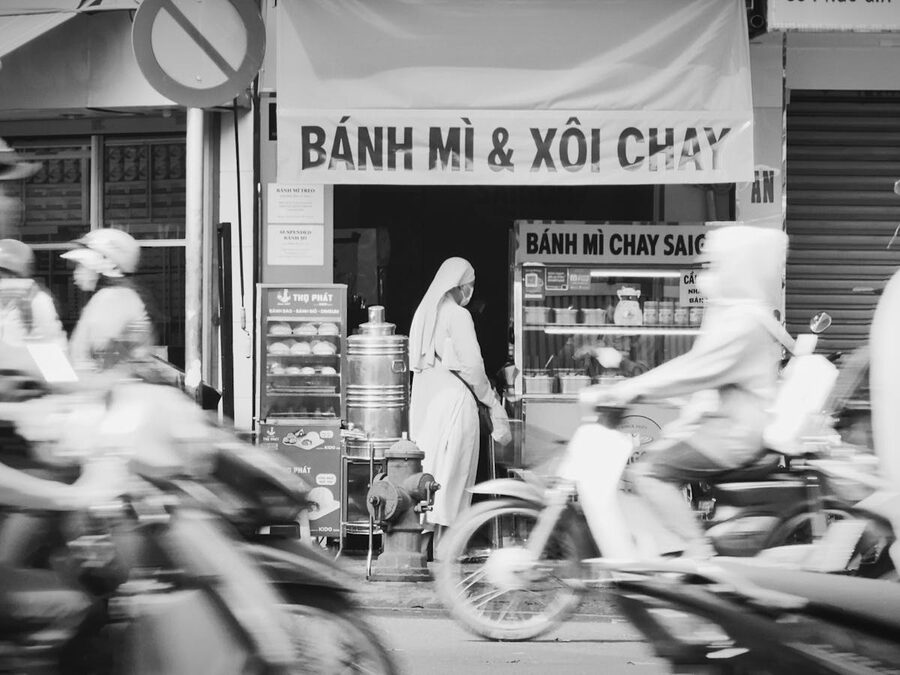
I’ve done both. I’ve wandered Bui Vien backpacker street eating whatever looked good (mixed results), and I’ve done the guided motorbike thing where someone else handles the driving and the ordering. The guided version wins, and it’s not even close.
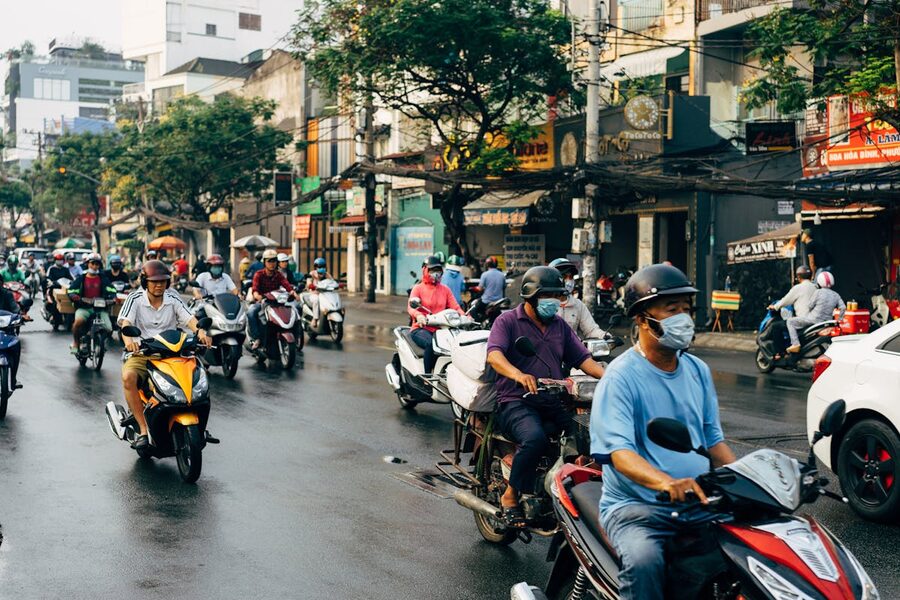
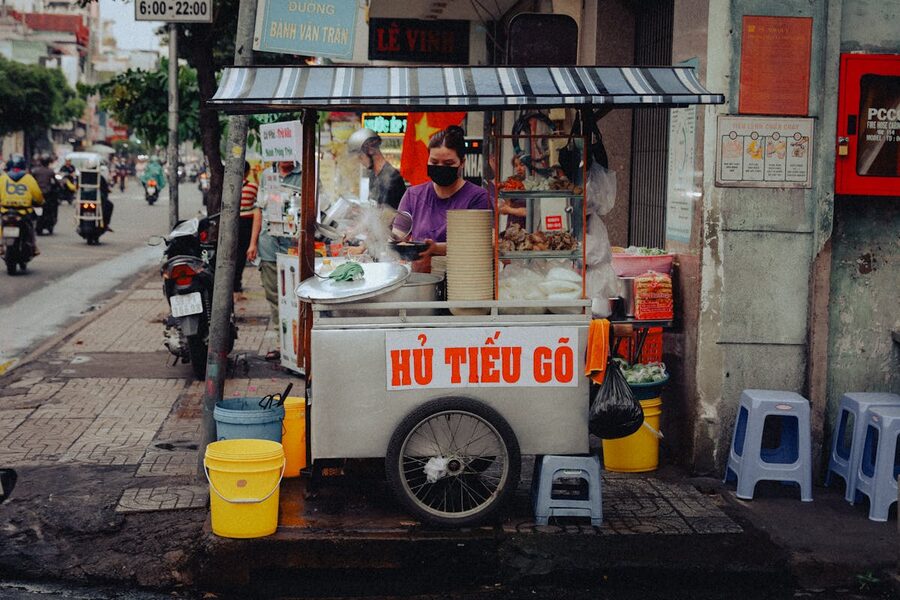
Short on time? Here are my top 3 picks:
Best overall: 12 Tasting Street Food Tour by Motorbike — $28. Twelve stops, all on the back of a scooter. Absurd value for the number of tastings you get.
Best for nightlife vibes: Saigon By Night Street Food by Motorbike — $37. Evening tour that mixes landmarks with food stops after dark.
Best for small groups: Private Tour with Local Students — $45. University students as guides. More personal, flexible route, genuinely fun company.
- How Street Food Tours by Motorbike Actually Work
- Going Solo vs. Booking a Guided Tour
- The Best Ho Chi Minh City Street Food Motorbike Tours to Book
- 1. 12 Tasting Ho Chi Minh Street Food Tour by Motorbike —
- 2. Saigon By Night and Street Food by Motorbike —
- 3. Private Street Food Tour by Motorbike with Local Students —
- What You’ll Eat on a Saigon Street Food Tour
- When to Book Your Food Tour
- How to Get to the Meeting Point
- Tips That’ll Actually Help
- What You’ll See Between Stops
- Street Food Safety — The Real Story
- More Vietnam Guides
How Street Food Tours by Motorbike Actually Work
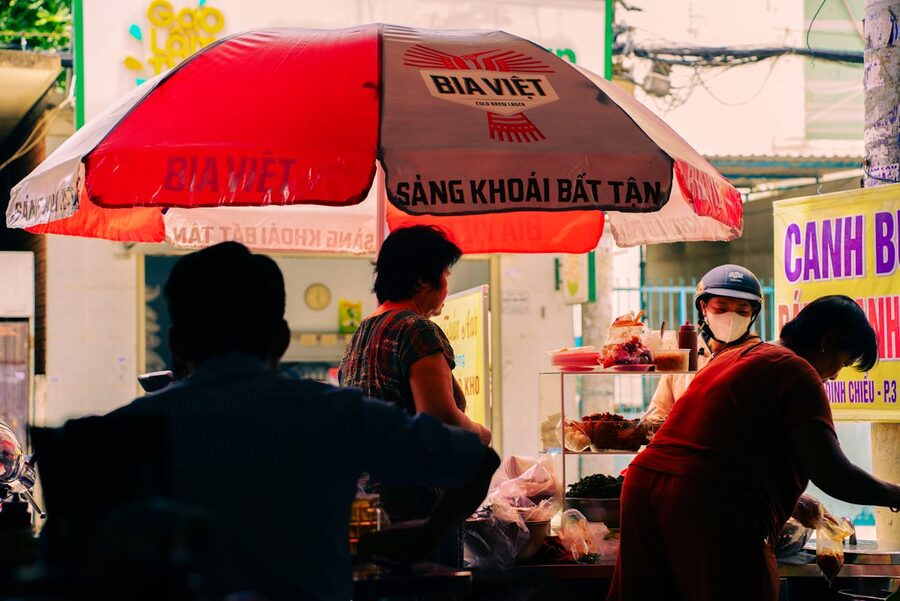
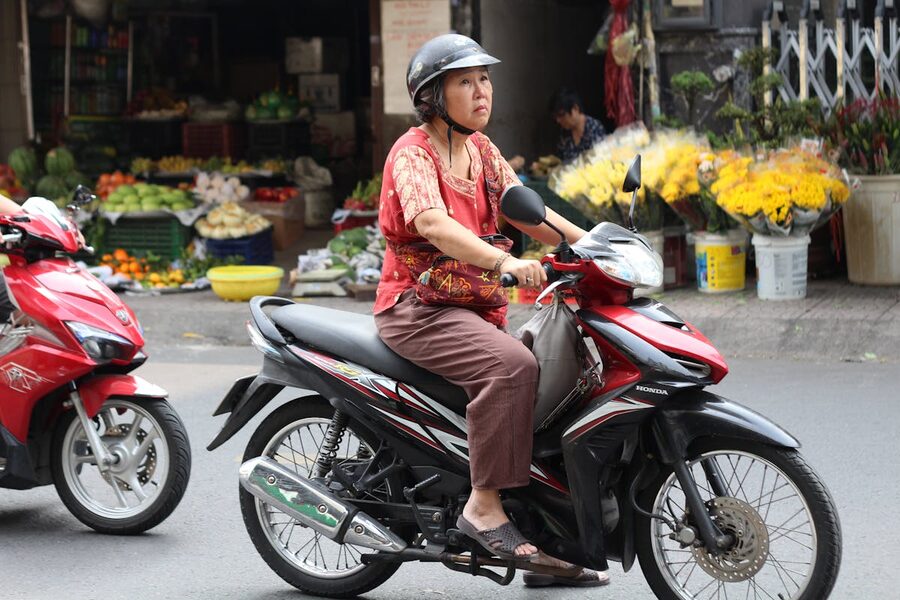
Here’s what throws first-timers off: you’re not riding the motorbike yourself. Your guide drives, you sit on the back. This is standard across every food tour in the city, and it’s the only legal option for travellers without a Vietnamese license anyway.
A typical evening tour runs 4-5 hours and hits anywhere from 6 to 12 different food stops, depending on which tour you book. You’ll zigzag between districts — usually starting in District 1 (where most hotels are), cutting through District 3 or 4 for the more local spots, swinging past landmarks like the Reunification Palace or Notre-Dame Cathedral, and ending up somewhere in Chinatown or back near Ben Thanh Market.
The food itself ranges from classics you’ve probably heard of — pho, banh mi, spring rolls — to dishes that don’t really translate into English. Banh xeo (crispy crepes stuffed with shrimp and pork), bot chien (fried rice flour cakes that are basically Saigon’s answer to hash browns), and che (sweet soup desserts that look like science experiments but taste incredible).
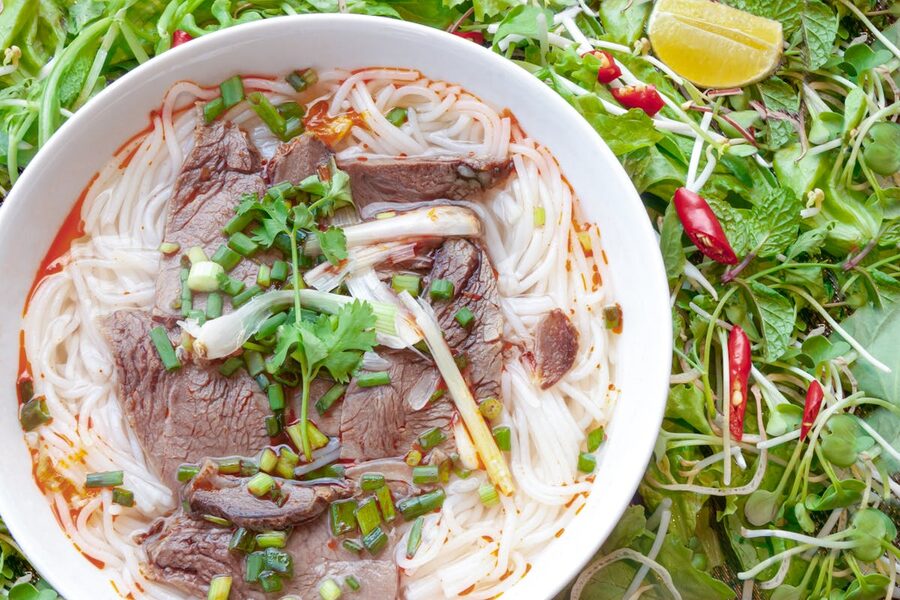
Most tours include all food and drinks in the price. A few throw in a beer or two. Your guide orders everything, explains what you’re eating, and usually has strong opinions about which condiments you should and shouldn’t add. Listen to them.
Going Solo vs. Booking a Guided Tour
I’ll be honest — you can do street food in Ho Chi Minh City without a guide. The food is everywhere, prices are cheap (most dishes under $2), and pointing at what someone else is eating works surprisingly well as an ordering strategy.
But here’s what you’ll miss without a guide:
The hidden spots. Not the Instagram-famous ones — the actual hidden ones. The pho place in a residential alley where the owner starts cooking at 3am. The banh cuon lady who’s been rolling rice noodle sheets on the same corner since the 1980s. These places don’t have English menus. Some don’t have menus at all.
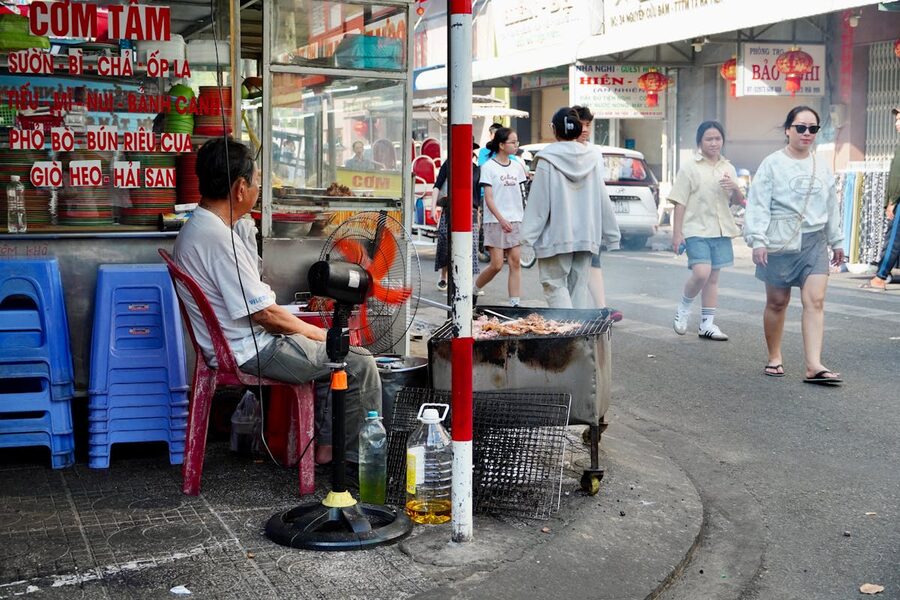
The context. A good guide doesn’t just tell you what’s in the dish. They tell you why this particular stall is better than the identical-looking one three doors down. They explain why southerners add bean sprouts to their pho while northerners consider it borderline offensive. That kind of detail makes the food stick in your memory.
The logistics. Saigon traffic is controlled chaos. Navigating it on your own while also trying to find a specific stall that may or may not have a sign is exhausting. On the back of a guide’s motorbike, you just sit there and take it all in.
If you’re comparing costs: a solo street food crawl might run you $10-15 for a full evening of eating. A guided tour costs $28-45 depending on the option. The extra $15-30 gets you a driver, a translator, local knowledge, and about ten times as many dishes as you’d find on your own. For most people, that math works out.
The Best Ho Chi Minh City Street Food Motorbike Tours to Book
I’ve compared the top-rated motorbike food tours available in Saigon. These three stand out for different reasons — one is the best value, one’s the best evening experience, and one gives you the most personal, flexible route. All three have perfect ratings, which is rare for tours with this many reviews.
1. 12 Tasting Ho Chi Minh Street Food Tour by Motorbike — $28

This is the one I recommend to most people, and the numbers back it up — it’s the most-reviewed street food motorbike tour in the entire city, with over 9,400 reviews and a perfect 5.0 rating. At $28 per person, you get twelve different tastings across multiple districts, all from the back of a scooter with a local guide doing the driving.
The route covers both iconic Saigon dishes and hyper-local stuff that most travellers never encounter. You’ll hit a mix of sit-down spots and street stalls, and the guides are known for being genuinely enthusiastic about the food — not just running through a script. If you’re only doing one food tour in Ho Chi Minh City, this is the safe bet. It’s the most popular for a reason.
If you’ve been looking at street food tours in Hanoi too, the Saigon version is a completely different experience — bigger portions, sweeter flavors, and the motorbike element adds a whole extra layer of excitement.
2. Saigon By Night and Street Food by Motorbike — $37
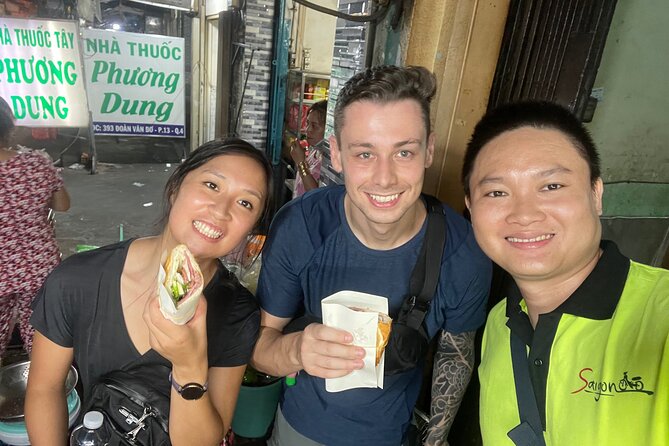
This one leans harder into the nightlife and sightseeing angle. At $37 per person, it’s a bit more than the 12-tasting option, but you’re getting an evening that mixes food stops with rides past illuminated landmarks — think Notre-Dame Cathedral lit up, the Saigon River reflections, and the old apartment buildings glowing in District 1.
Over 4,000 reviews with a perfect rating puts this firmly in the “tried and tested” category. The food selection focuses on evening-specific dishes: things cooked over open charcoal, late-night pho spots, and the kind of dessert stalls that only open after sunset.
It’s more of a “Saigon experience” than a pure food tour, which makes it a better choice if you’re also after photo opportunities and city atmosphere. The guides are well-reviewed for keeping the energy high without feeling rushed.
This pairs well if you’re also planning a Mekong Delta day trip — do the delta during the day, then this tour in the evening. Perfect combination.
3. Private Street Food Tour by Motorbike with Local Students — $45
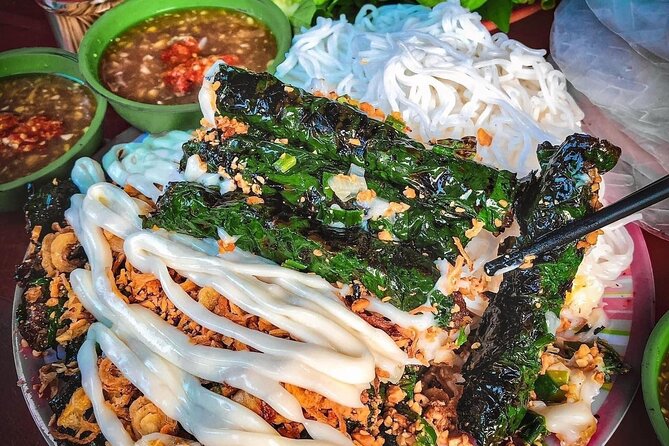
At $45 per person, this is the premium option — but “premium” here means private and personal, not fancy. Your guide is a local university student, which changes the entire dynamic. Instead of following a fixed route with a professional guide reading from a mental script, you get someone close to your age who’s genuinely excited to show off their city’s food scene.
The route is flexible. If you mention you love spicy food, they’ll adjust. If you’re vegetarian, they know the spots. Nearly 4,000 reviews with a perfect score tells you the student-guide model works, and honestly it makes sense — these students grew up eating at these stalls. They’re not recommending them because they’re on a route. They’re recommending them because it’s where they actually eat.
The private format also means you can go at your own pace. Want to linger at the banh xeo place? Fine. Want to skip the dessert stop because you’re already bursting? Also fine. That flexibility is worth the extra cost if you don’t love being on a fixed schedule. If you’ve done the Hanoi jeep and motorbike food tours, this is the Saigon equivalent — same spirit, completely different food.
What You’ll Eat on a Saigon Street Food Tour
The exact dishes vary by tour, but here’s what shows up on almost every motorbike food tour in the city:
Pho — Yes, the obvious one. But Saigon pho is distinctly different from the Hanoi version. The broth is sweeter, the herb plate is enormous (Thai basil, bean sprouts, lime, chili), and locals add hoisin and sriracha without hesitation. Most tours hit a specific pho stall that’s been in the same family for generations.
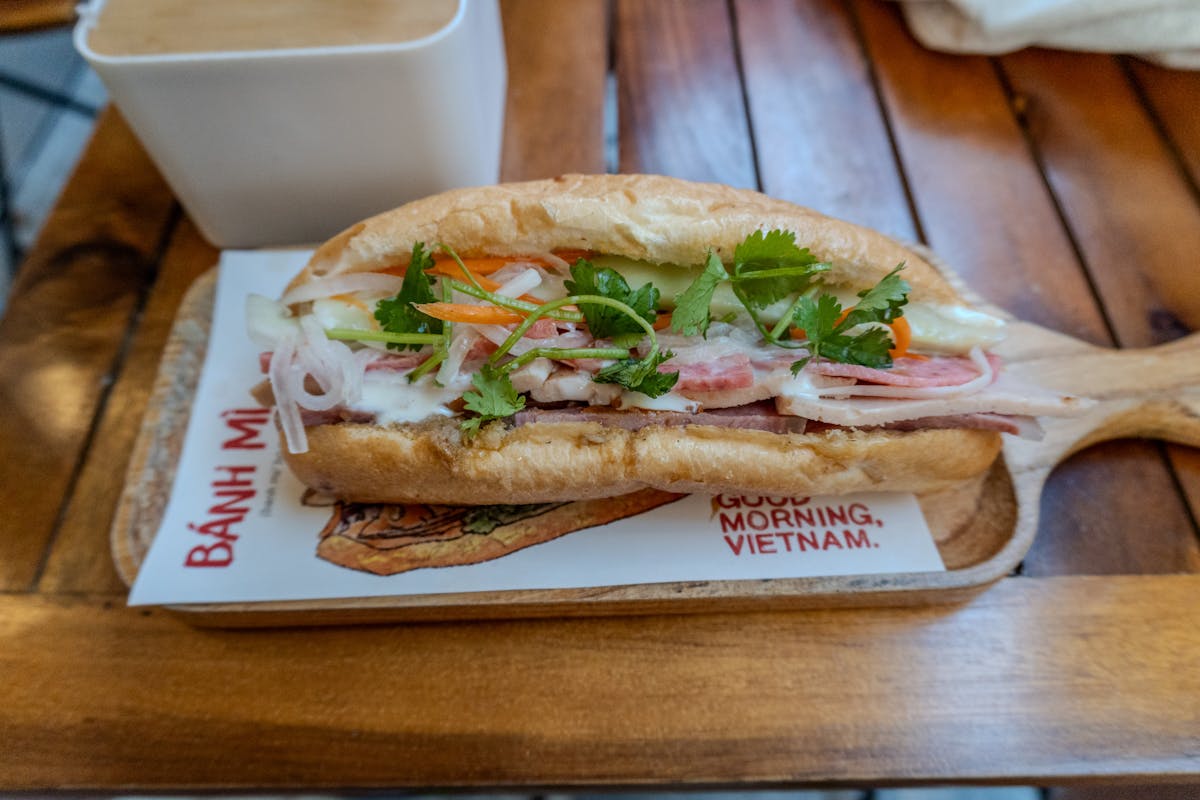
Banh mi — The Vietnamese baguette sandwich that’s taken over the world. In Saigon, the bread is lighter and crispier than what you get in Hanoi or Hoi An. Fillings range from the classic (pate, cold cuts, pickled daikon, cilantro) to the adventurous (sardines, liver, grilled pork). Your guide will have a favorite cart.
Banh xeo — Giant crispy crepes filled with shrimp, pork, and bean sprouts. You tear off pieces, wrap them in lettuce and herbs, and dip in nuoc cham (fish sauce dressing). This is the dish that converts people who thought they didn’t like Vietnamese food.
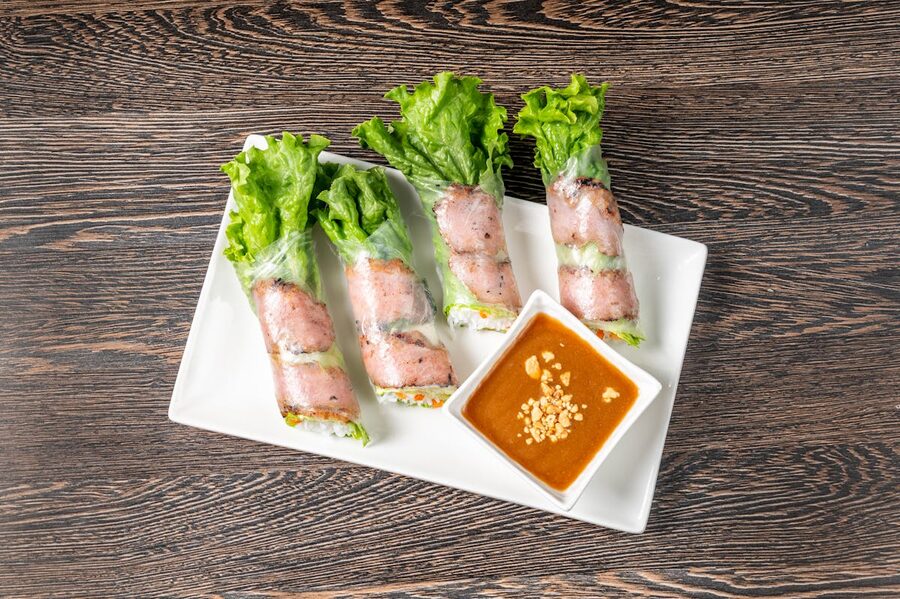
Goi cuon (fresh spring rolls) — Rice paper wrapped around shrimp, pork, vermicelli, and herbs. The southern version usually comes with a peanut dipping sauce that’s sweeter and thicker than what you get up north.
Bot chien — Fried rice flour cakes with eggs, essentially Saigon’s version of carb-heavy street food comfort. Crispy on the outside, chewy on the inside, and always served with papaya and pickled vegetables on the side.
Che — Vietnamese sweet soups and desserts. These look wild — layers of colored beans, jelly, coconut milk, crushed ice, and things you won’t be able to identify. Just eat it. It’s better than it looks.
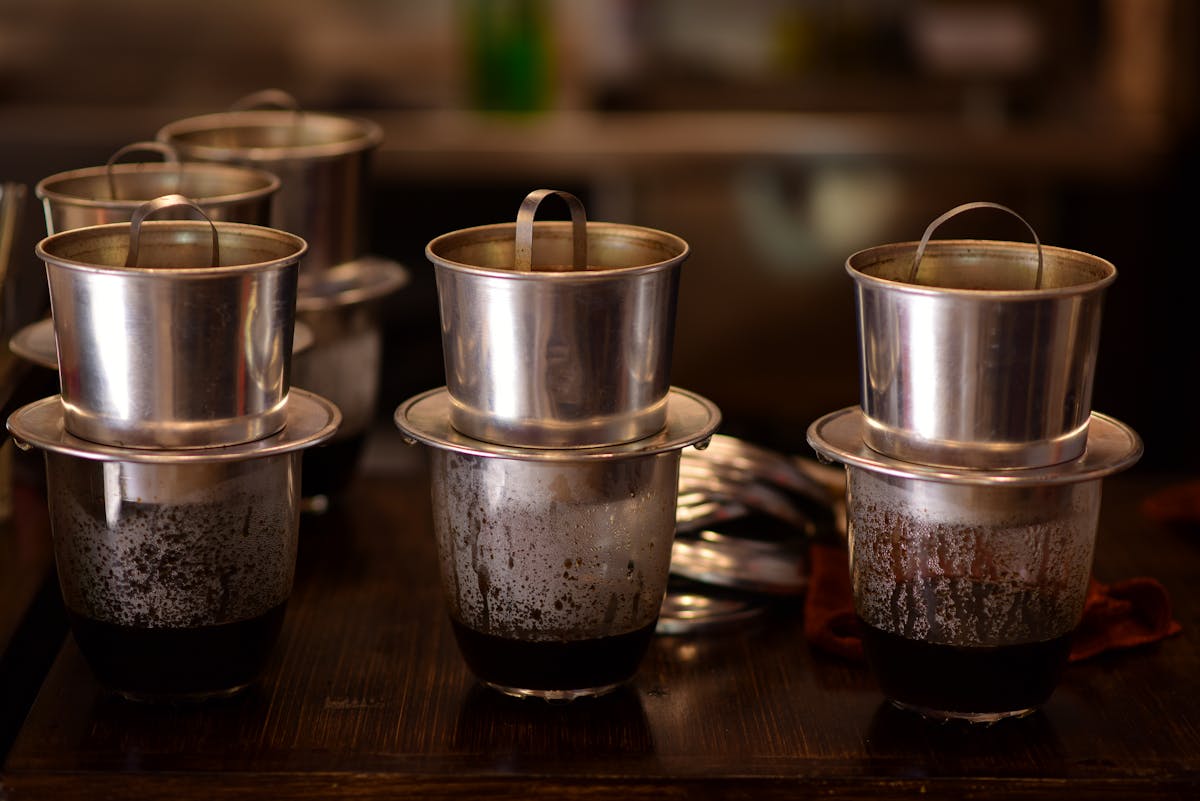
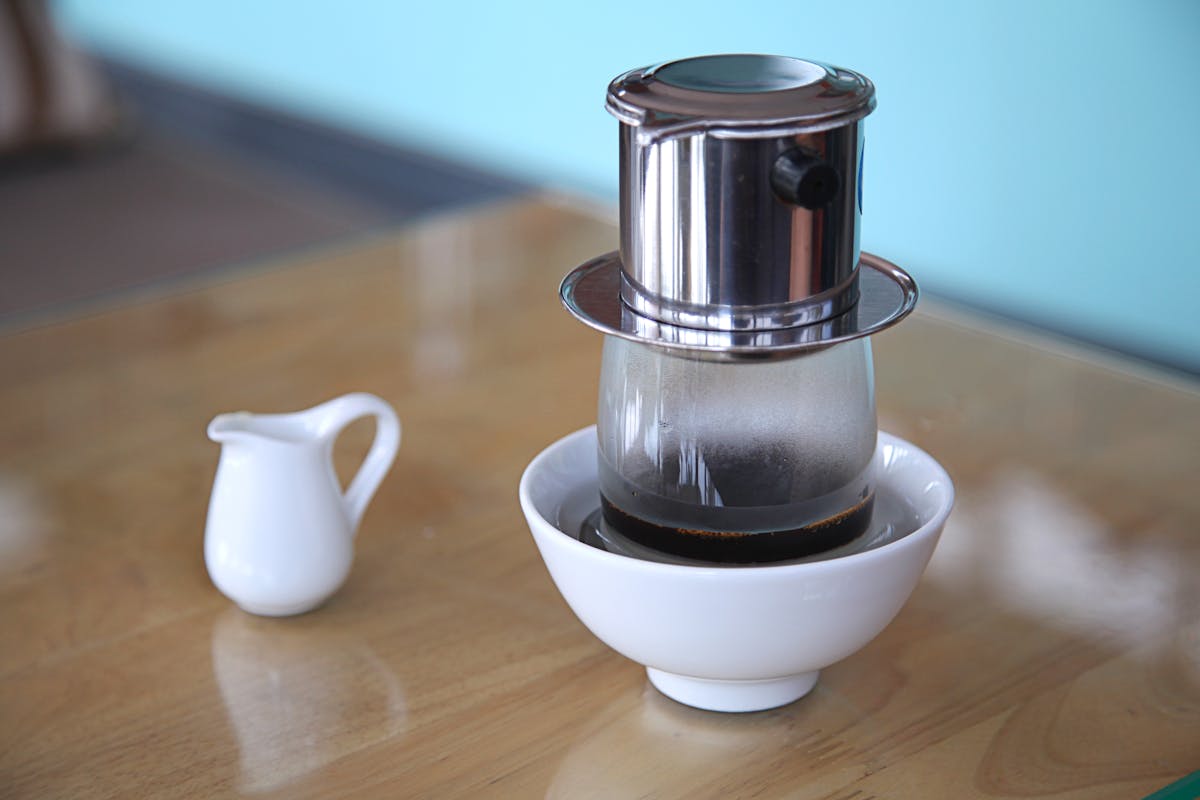
Ca phe sua da — Vietnamese iced coffee. Strong, sweet, and made with condensed milk. Some tours include a coffee stop, others end with one. Either way, you’ll be ordering these for the rest of your trip.
When to Book Your Food Tour
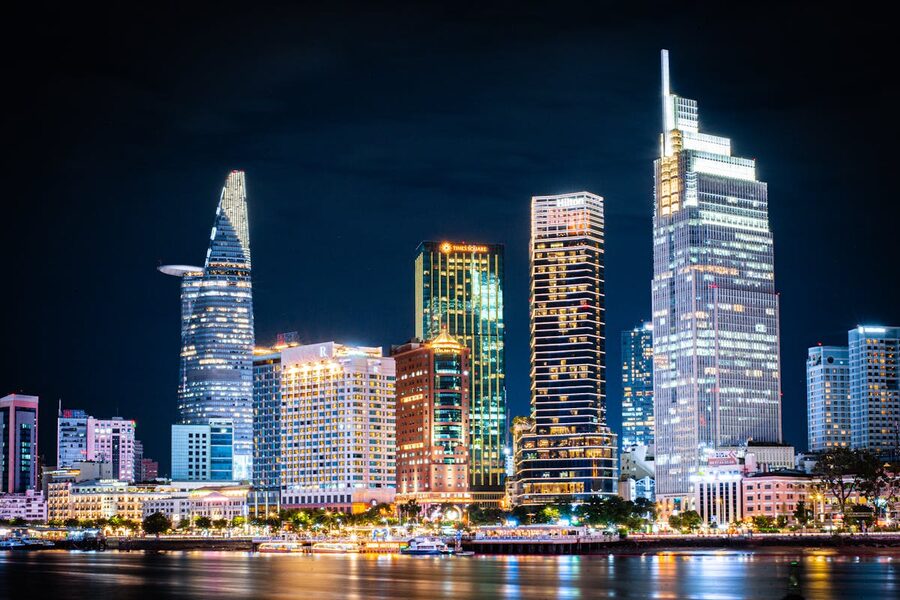
Most motorbike food tours run in the evening, typically starting between 4:30pm and 6:00pm. This is intentional — the evening is when street food culture in Saigon really comes alive. Vendors who don’t open until late afternoon start firing up their grills, the temperature drops from unbearable to merely warm, and the city’s neon signs start competing with the sunset.
Best months: November through April is dry season, and evenings are genuinely pleasant — low 80s Fahrenheit, low humidity by Saigon standards. December and January are the most comfortable months for being outdoors after dark.
Avoid if possible: May through October is rainy season. It doesn’t rain all day — typically a heavy downpour in the late afternoon that clears up by evening. But it can throw off tour timing, and riding on the back of a motorbike in a sudden tropical rainstorm is memorable in the wrong way. Most tours still run, and your guide will have rain ponchos, but the experience is better when it’s dry.
Book at least 2-3 days in advance during peak season (December-February and around Tet/Lunar New Year). These tours sell out because the group sizes are small — usually just 8-10 people on scooters. During shoulder season, next-day bookings are usually fine.
How to Get to the Meeting Point
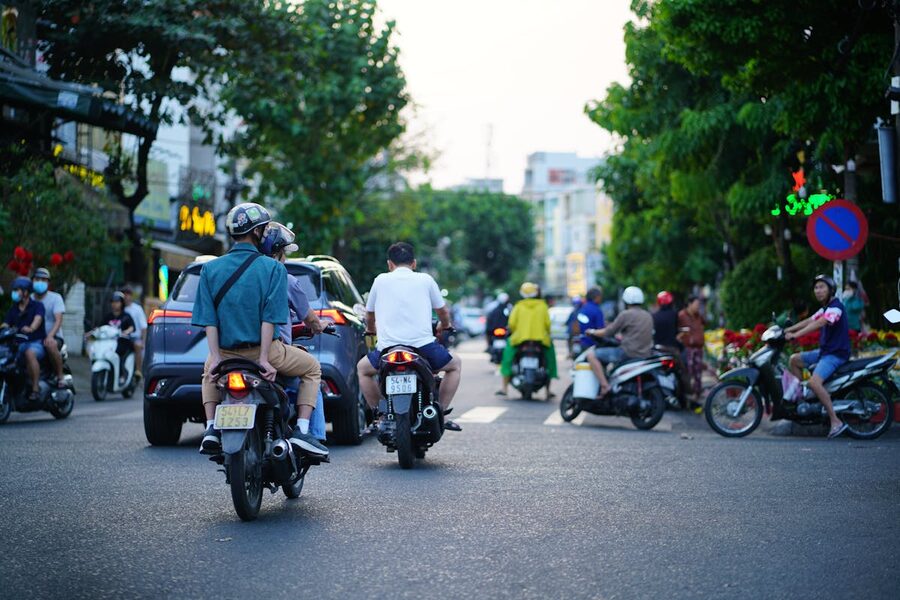
Every motorbike food tour starts from a central meeting point in District 1 — usually near Ben Thanh Market, Bui Vien Street, or somewhere along Nguyen Hue Walking Street. If you’re staying in District 1 (which most first-time visitors do), you’re probably within walking distance.
From other districts, a Grab (Southeast Asia’s Uber) to District 1 costs between 30,000-80,000 VND ($1.20-$3.20) depending on distance. Ho Chi Minh City doesn’t have a fully operational metro system yet, so Grab or taxi are your best options.
Some tours — particularly the private student-led one — offer hotel pickup. Check when you book. Getting picked up on a motorbike directly from your hotel lobby is a pretty great way to start the evening.
Tips That’ll Actually Help
Wear long pants. Not for cultural reasons (though that helps at temples) — the motorbike exhaust pipe will burn your calf if your skin is exposed. Every guide warns you, and someone on every tour forgets. Don’t be that person.
Bring cash in small denominations. Tours include food, but you might want to buy extra dishes, tip your guide, or grab a final snack on the way home. 500,000 VND ($20) in small bills is plenty.
Don’t eat a big lunch. Obvious, but worth saying. Twelve tastings is a lot of food. Some people make the mistake of thinking “tastings” means tiny portions — they’re not. Each stop is a proper serving. Come hungry.
Tell your guide about allergies upfront. Shellfish, peanuts, and pork are in almost everything. Good guides will adjust the route, but they need to know before you’re already at the stall.
Sit in the back and lean with the motorbike. First-time scooter passengers tend to sit stiff and lean against turns. Do the opposite — relax your body and lean the same direction the driver leans. It feels weird for about thirty seconds, then it feels completely natural.
Tip your guide. It’s not technically required, but these guides spend 4-5 hours driving you around Saigon traffic and sharing their city. 100,000-200,000 VND ($4-8) is standard and appreciated.
What You’ll See Between Stops
The motorbike isn’t just transportation — it’s the tour. Between food stops, your guide will loop past major landmarks and neighborhoods that you’d otherwise need a separate sightseeing tour to cover.
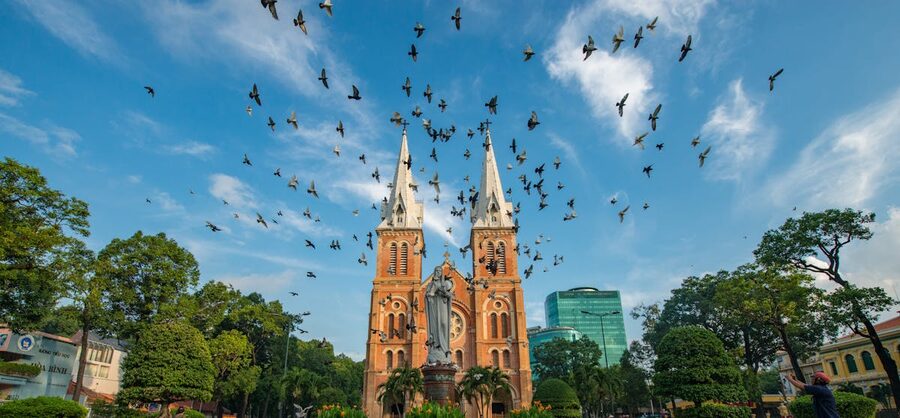
Notre-Dame Cathedral — The French colonial cathedral sits right in the center of District 1. It’s been under renovation for years, but the facade is still impressive, especially with the evening light behind it.
Reunification Palace — The former presidential palace where a North Vietnamese tank crashed through the gates in 1975. The building itself is a time capsule of 1960s architecture, and riding past it at night with the grounds lit up gives you a sense of scale that photos don’t capture.
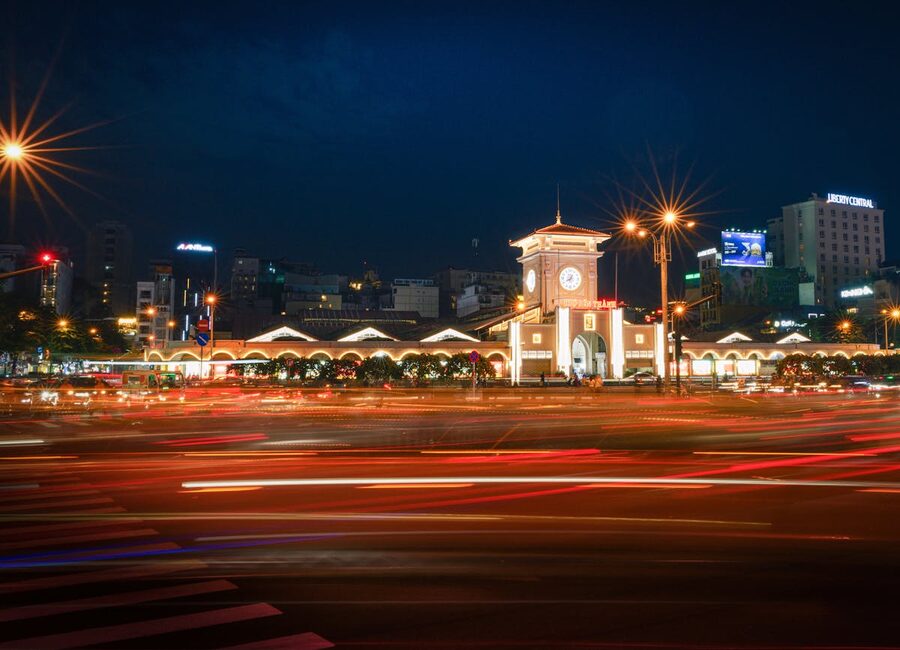
Ben Thanh Market — The city’s most famous market, which transforms into a night market after 6pm. Your tour might not stop here for food (the market stalls inside are overpriced and tourist-oriented), but passing the clock tower entrance at night is a Saigon postcard moment.
Chinatown (Cholon) — District 5’s Chinatown is where some of the best food in the city hides. The night markets here serve Chinese-Vietnamese fusion dishes you won’t find anywhere else in the country. Several tours include a Cholon stop, and it’s worth asking when you book.
Street Food Safety — The Real Story
Let’s address the elephant in the room. Is street food in Saigon safe?
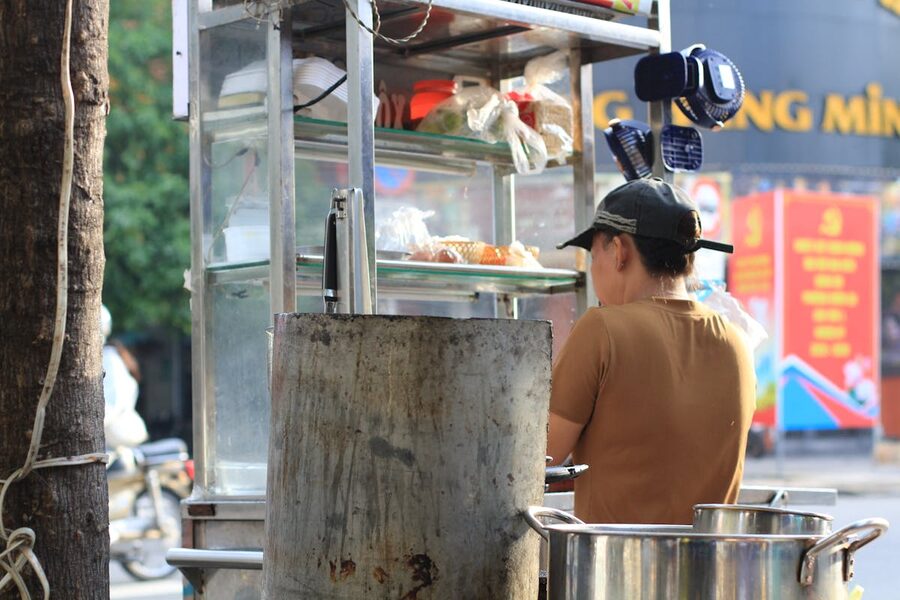
Short answer: yes, with common sense. Millions of locals eat from these stalls every single day. The food is cooked fresh in front of you, turnover is high (important for freshness), and the vendors have been doing this for years or decades.
The most common mistake travellers make isn’t eating street food — it’s eating street food from the wrong places. Avoid stalls with no customers. Avoid pre-made food that’s been sitting under a heat lamp for hours. Avoid raw vegetables if you have a sensitive stomach (stick to cooked dishes for your first couple of days).
On a guided tour, your guide handles all of this. They know which stalls have good hygiene, which ones they personally eat at, and which ones are just there for the tourist traffic. That peace of mind alone is worth the tour price for a lot of people.
One more thing: bring Imodium or activated charcoal, just in case. Not because you’ll definitely need it, but because “just in case” is better than scrambling to find a pharmacy when you don’t speak the language. I’ve eaten street food across Southeast Asia for months and needed it exactly twice. Both times were my own fault for ignoring obvious warning signs.
More Vietnam Guides
If Ho Chi Minh City is your base for a few days, the Cu Chi Tunnels are the most popular day trip out of the city — about 90 minutes each way, and every tour includes hotel pickup. The Mekong Delta is worth a full day too, with floating markets and river villages that feel like a completely different country from Saigon.
If you’re heading north, Hanoi’s street food scene is the natural comparison to Saigon — different dishes, different flavors, equally good. And the Hanoi jeep and motorbike food tours are worth comparing before you decide which city you want to do the guided version in.
For something completely different, the cooking classes in Hoi An let you learn to make the dishes you’ve been eating, and the basket boat rides through the coconut forest are the most fun you’ll have on water in Vietnam. Further afield, Halong Bay overnight cruises remain the bucket-list experience that Vietnam is famous for.