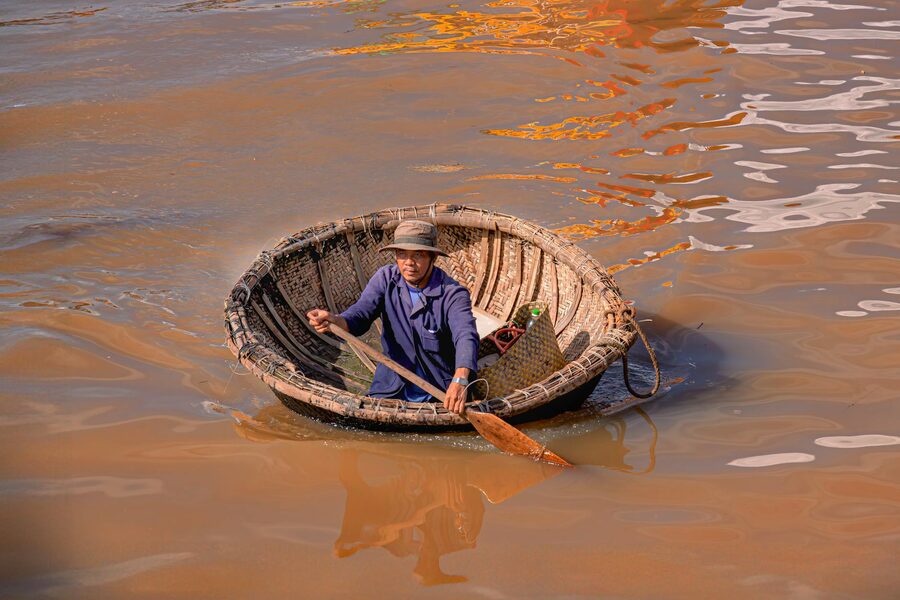
The water splashed over the rim of the basket and soaked my shorts before I could even process what was happening. Our guide — a wiry guy in his twenties who probably weighed less than my backpack — had just launched into one of those wild basket boat spins that make every TikTok from Hoi An look the same. My friend was screaming. I was laughing. And somewhere behind us, a grandmother in a conical hat was paddling her own basket boat through the coconut palms like she had been doing it since before either of us were born.
That is the Hoi An basket boat experience in a nutshell: part amusement park ride, part living museum. The Bay Mau Coconut Forest sits about 3 kilometers from Hoi An’s ancient town, and the basket boats bobbing through its waterways have become one of the most photographed activities in all of Vietnam. But booking the right tour — and knowing what you are actually getting into — matters more than most travel blogs let on.
I have spent weeks sorting through thousands of tour reviews, and the prices range from under $4 for a standalone basket boat spin to nearly $30 for a full-day combo that includes cooking classes, fishing, and a market visit. The difference between a forgettable 15-minute tourist trap and a genuinely memorable morning on the water comes down to which option you pick.
Short on time? Here are my top 3 picks:
Best budget: Basket Boat Ride in the Coconut Forest — $3.88. The classic spinning basket boat ride at a price that is hard to argue with.
Best full experience: Cooking Class with Market, Basket Boat and Fishing — $28.90. Half-day combo with a market tour, basket boat ride, fishing, and a hands-on cooking class.
Best for evening: Hoai River Boat Trip by Night with Floating Lantern — $8. Gentle evening paddle through the old town with a lantern release on the river.
- What Are Vietnamese Basket Boats (And Why Are They in a Coconut Forest)?
- Booking Your Basket Boat Ride: What the Options Actually Look Like
- The 3 Best Hoi An Boat Tours to Book
- 1. Basket Boat Ride in the Coconut Forest — .88
- 2. Cooking Class with Local Market, Basket Boat, Fishing and Cooking — .90
- 3. Hoai River Boat Trip by Night with Floating Lantern —
- When to Go (And When to Avoid the Crowds)
- How to Get to the Bay Mau Coconut Forest
- Tips That Will Actually Save You Money and Time
- What You Will Actually See in the Coconut Forest
- Standalone Basket Boats vs. Full-Day Combo Tours
- What to Do in Hoi An Before or After Your Basket Boat Tour
- More Vietnam Guides
What Are Vietnamese Basket Boats (And Why Are They in a Coconut Forest)?
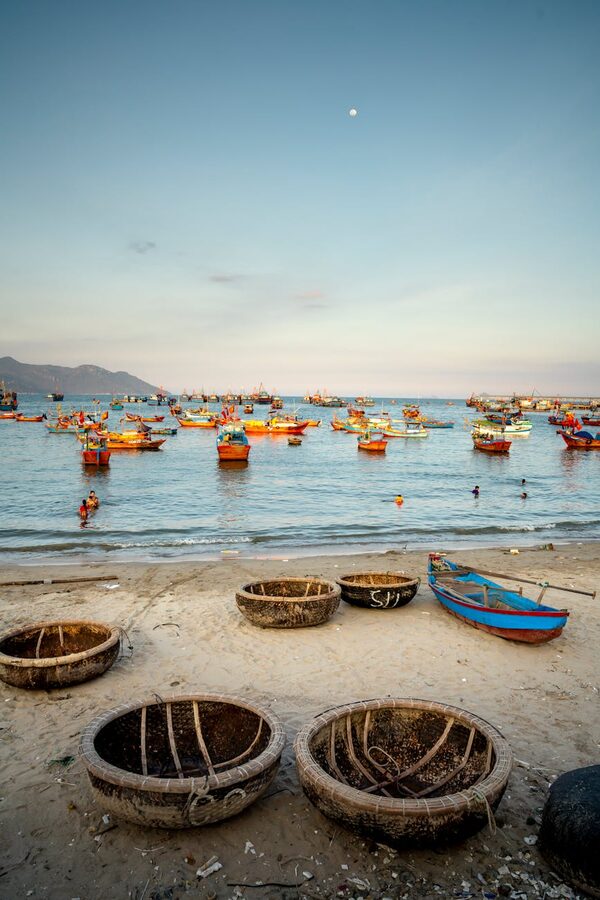
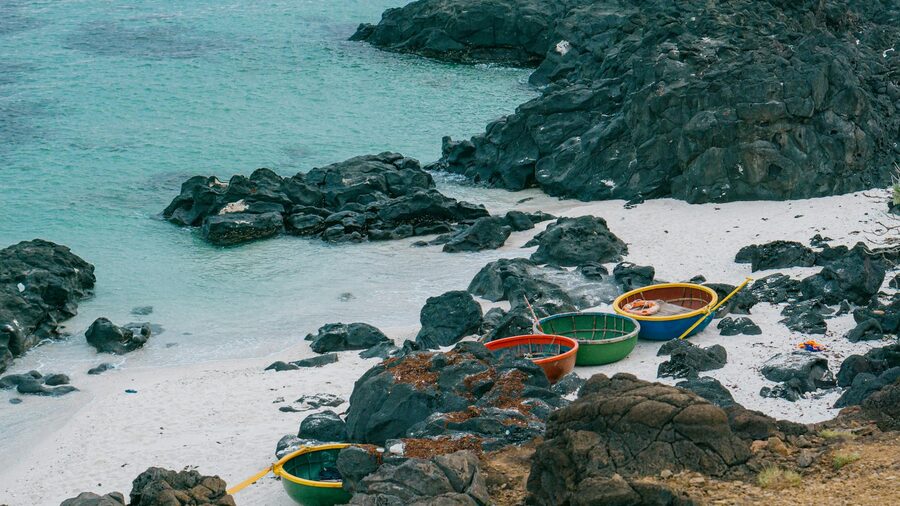
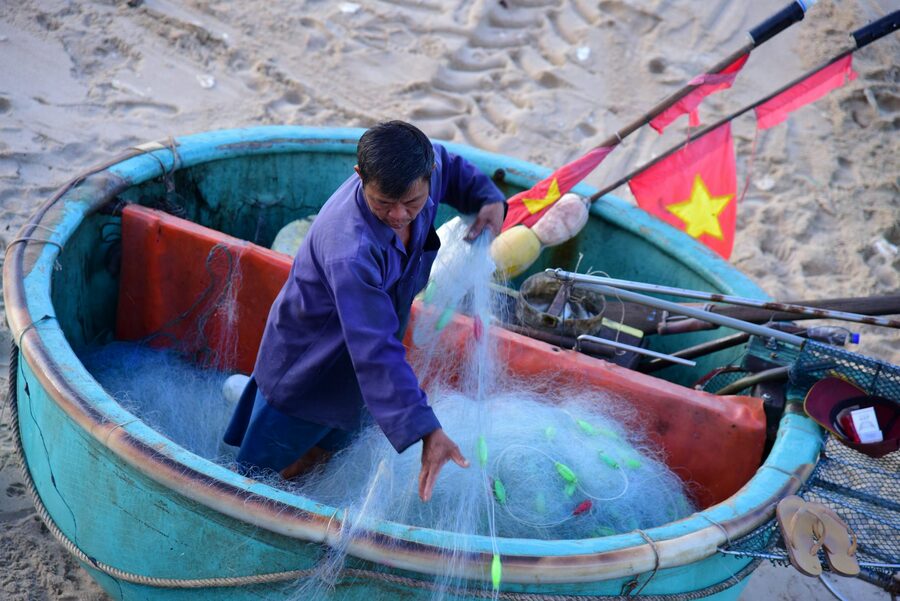
The round bamboo boats you will ride at Bay Mau are not a tourist invention. They are called thung chai, and Vietnamese fishermen along the central coast have been building them for centuries. The original design was practical — a round boat is nearly impossible to capsize, it draws almost no water, and it can be carried by one person over sand dunes to reach the shore. Fishermen in Quang Nam province still use them daily for crabbing and net fishing in shallow waters.
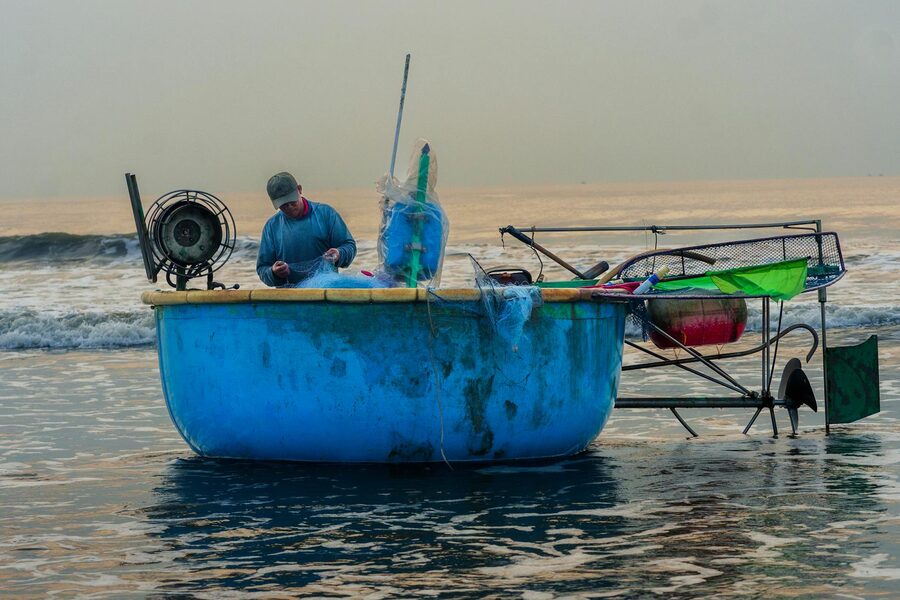
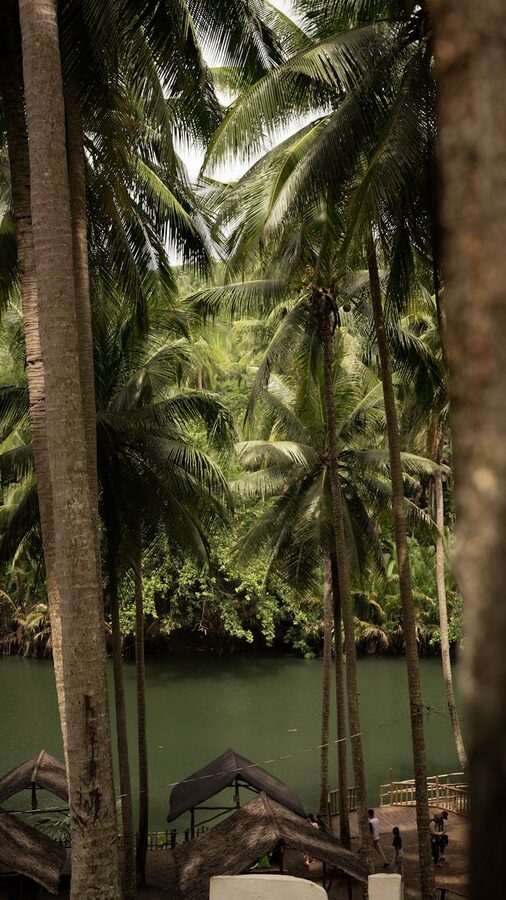
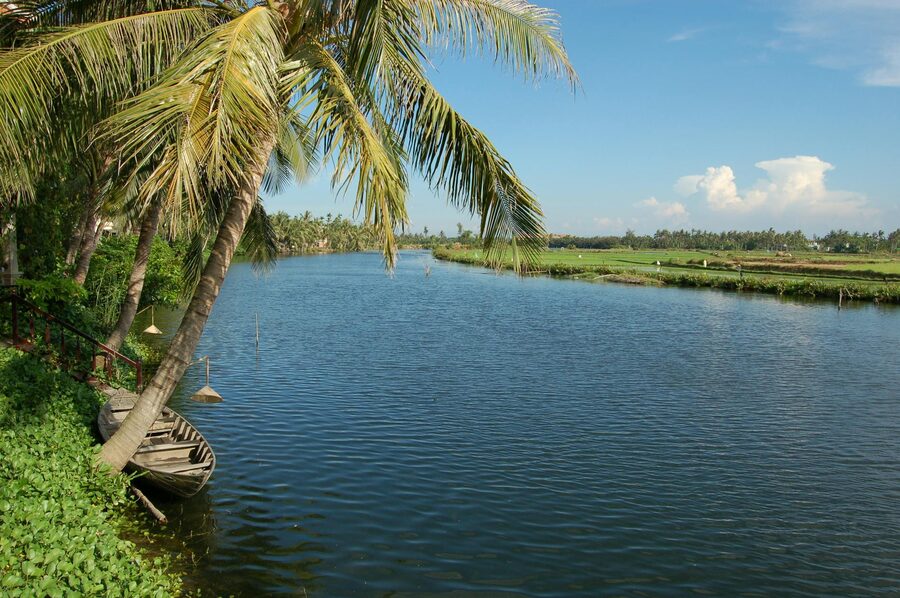
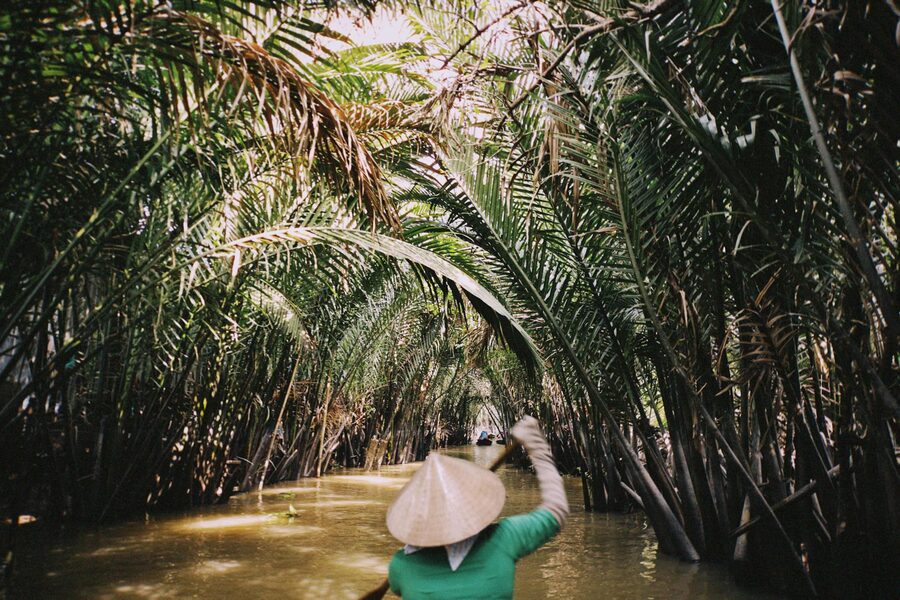
The Bay Mau Coconut Forest itself sits in Cam Thanh commune, about a 10-minute drive east of Hoi An’s old town. During the Vietnam War, this area served as a base for resistance fighters who used the dense palm canopy for cover. The water coconut palms (dua nuoc) that give the forest its name grow straight out of the brackish water where the Thu Bon River meets the tidal flats, creating a network of narrow channels that are perfect for small boats.
Today, local families from Cam Thanh run the basket boat tours as their primary income. The transition from fishing village to tourism hub happened fast — maybe 10 years ago, you would have needed to know someone to get a ride. Now there are organized embarkation points, designated routes through the palms, and guides who can spin a basket boat like a DJ spinning vinyl.
Booking Your Basket Boat Ride: What the Options Actually Look Like
Here is where it gets confusing if you are just browsing GetYourGuide or Viator. There are dozens of listings, and the naming is all over the place. Some say “basket boat tour” but include a cooking class. Others say “coconut village tour” but it is just the boat ride. After digging through several thousand reviews across all the major platforms, the options basically fall into three categories.
Standalone basket boat rides are the cheapest. You will pay somewhere between $3 and $8, get picked up from your hotel in Hoi An, ride out to the coconut forest, spend 30-45 minutes on the water, and come back. This is the pure basket boat experience — spinning, splashing, paddling through narrow palm-lined channels, maybe seeing someone weave a palm leaf hat or catch a crab.
Combo tours with cooking and fishing run $20-$35 and fill a full morning or afternoon. You will typically start at a local market, buy ingredients, head to the coconut forest for the boat ride, do some catch-and-release fishing with traditional nets, then sit down for a hands-on Vietnamese cooking class. These consistently get the highest satisfaction ratings because the variety keeps things interesting.
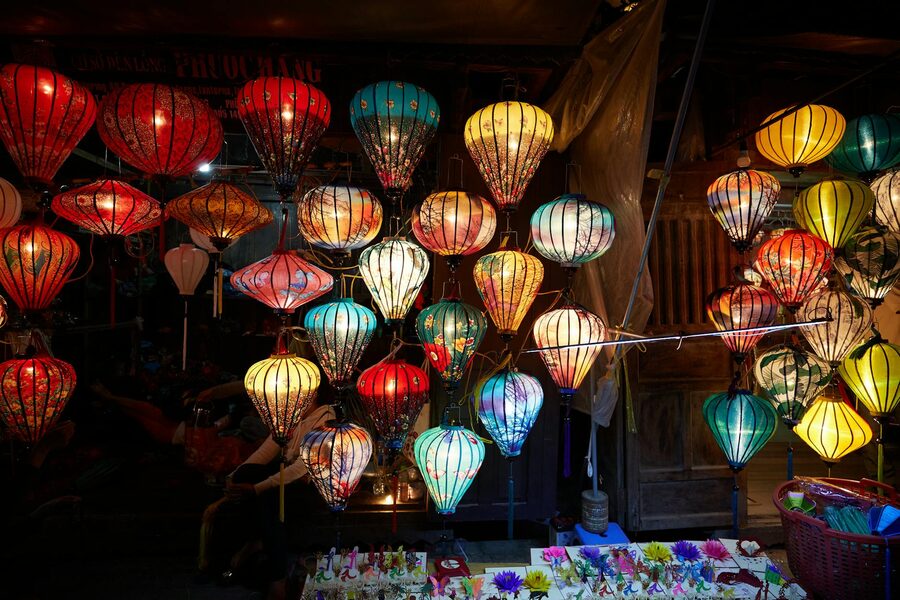
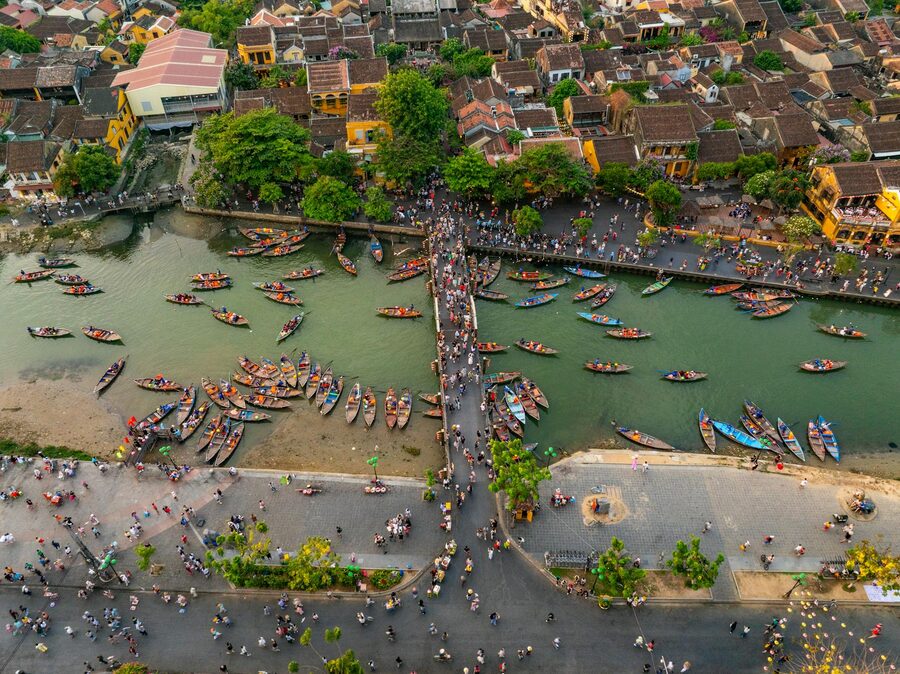
Evening river boat tours are a different experience altogether. Instead of the coconut forest, these run along the Hoai River through Hoi An’s old town at dusk. You float past centuries-old merchant houses, watch the lanterns come on, and release a paper lantern onto the water. It costs $5-$10 and takes about 20 minutes — short, scenic, and completely different from the daytime basket boat chaos.
The biggest mistake people make is assuming all basket boat tours are the same. A $4 standalone ride is fun but thin — 30 minutes of splashing and a hotel transfer. The combo tours pack in a full cultural experience. And the evening lantern boats are pure atmosphere but zero adrenaline. Pick based on what you actually want, not just what is cheapest.
The 3 Best Hoi An Boat Tours to Book
I have ranked these based on thousands of verified visitor reviews from our database, weighing value for money, overall experience quality, and what each option delivers that the others do not.
1. Basket Boat Ride in the Coconut Forest — $3.88
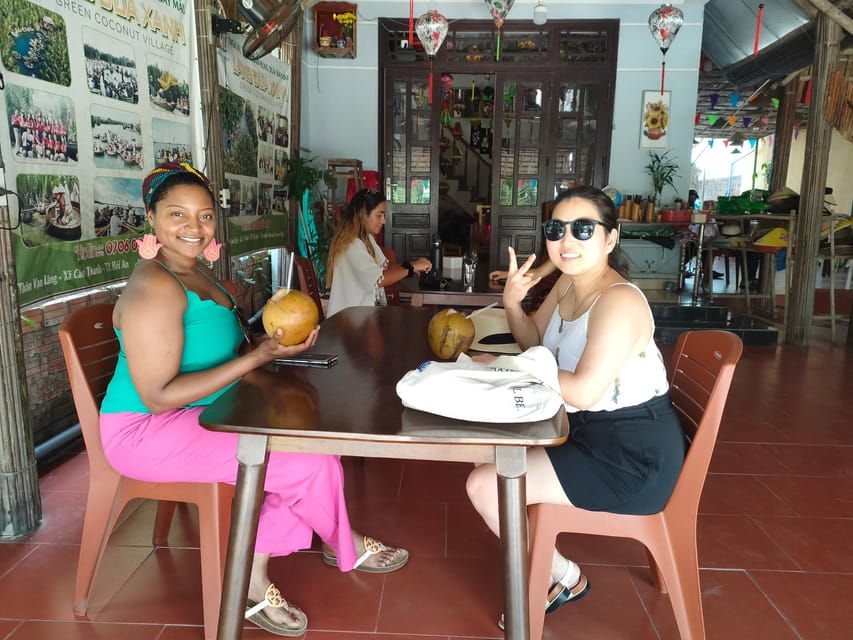
This is the one everyone is looking for. At under $4, it is one of the cheapest bookable activities in all of Vietnam, and the nearly 5,000 reviews with a 4.9-star average tell you that it delivers. The tour includes hotel pickup, a ride out to the Bay Mau Coconut Forest, and about 45 minutes on the water in a traditional basket boat with a local guide.
What you get is straightforward: your guide paddles you through the palm channels, shows you how the boats are made, and — if you want it — gives you the full spinning treatment. Some people love the spins, some do not. You can ask to skip them and just do a peaceful paddle instead. Either way, it is worth the $4 just for the scenery alone.
The only downside is timing. Hit this tour between 10am and 2pm and you will be sharing the waterways with a lot of other boats. Early morning departures are calmer.
2. Cooking Class with Local Market, Basket Boat, Fishing and Cooking — $28.90
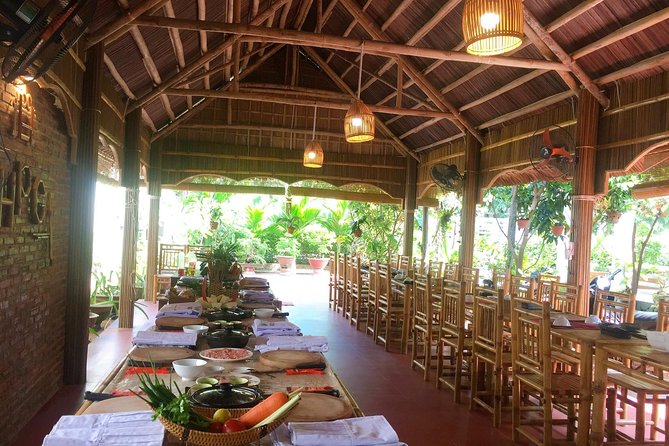
If you only have one day in Hoi An and want to squeeze in multiple experiences, this is the tour to pick. It has a perfect 5.0 rating across over 3,600 reviews — and that kind of score at that volume is not a fluke. The day starts at a local market where your guide walks you through the ingredients you will cook later. Then you head to the coconut forest for the basket boat ride and some traditional net fishing.
The cooking portion is hands-on. You are not watching a demo — you are making spring rolls, pho, or banh xeo yourself, depending on the session. At $28.90 for a half-day that covers four distinct activities, the value is hard to beat. Similar cooking classes alone cost $25+ in Hoi An, so you are getting the basket boat and market tour essentially thrown in.
This tour fills up faster than the standalone boat ride because of limited kitchen space, so food-focused travellers should book at least a day ahead.
3. Hoai River Boat Trip by Night with Floating Lantern — $8
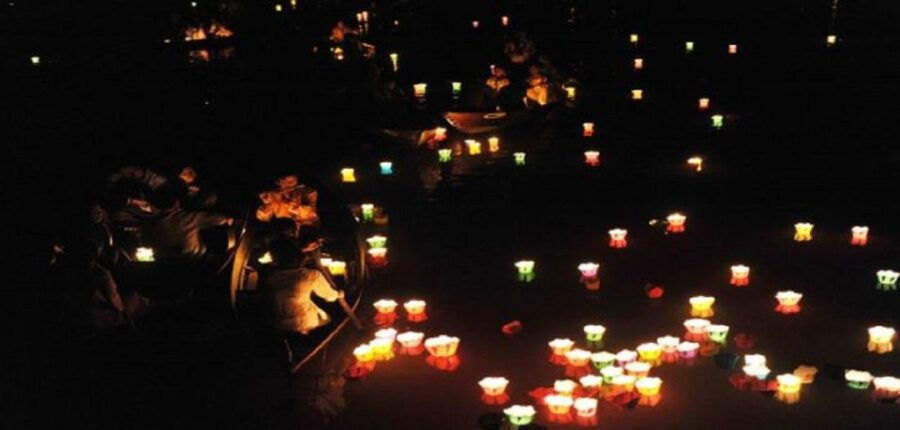
This is a totally different mood from the daytime basket boat ride, and I would argue you should do both if your schedule allows. The evening Hoai River trip floats you through the historic center of Hoi An as the lanterns are being lit along the waterfront. You get a small paper lantern to release onto the river — a Vietnamese tradition tied to making a wish and letting go of worries.
At $8 for a 20-minute ride, it is quick and atmospheric. The boat is a traditional wooden vessel (not a basket boat), and the whole thing feels quieter and more reflective than the coconut forest chaos. Nearly 2,000 reviews with a 4.6-star rating — the slightly lower score compared to the other two comes from visitors who expected something longer. Twenty minutes is over fast, but what you see in those 20 minutes is genuinely beautiful.
Go on a full-moon night if you can. Hoi An’s monthly lantern festival dims the electric lights and fills the river with even more floating candles.
When to Go (And When to Avoid the Crowds)
The coconut forest tours run year-round, but your experience will vary dramatically depending on when you show up.
Best months: February through April. The weather is dry, temperatures hover around 25-30 degrees Celsius, and tourist season has not peaked yet. March is the sweet spot — warm enough to enjoy getting splashed but not so hot that you are miserable on the water.
Worst months: October and November bring the heaviest rains. The coconut forest does not close during monsoon season, but the experience changes significantly — muddy water, grey skies, and guides who rush through the route to get everyone back before the next downpour. Some months see flooding that temporarily shuts down certain channels.
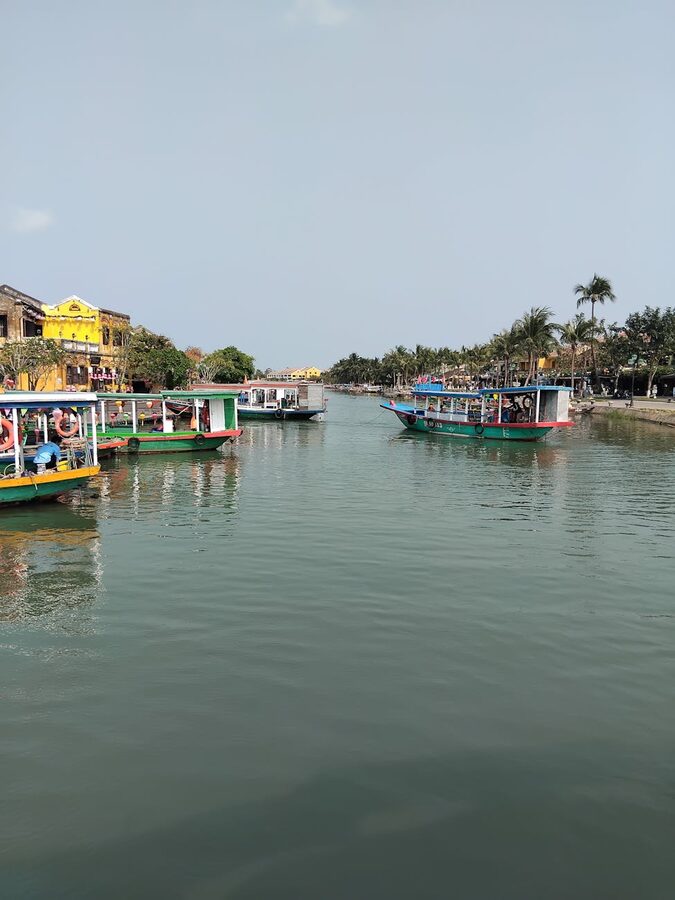
Best time of day: Early morning, hands down. The first departures around 7:30-8:00am catch the coconut forest before the big tour groups arrive from Da Nang (about 30 minutes north). By 10am, the waterways are packed with boats and the peaceful paddling turns into a traffic jam. Late afternoon (after 3pm) is the second-best window — many day-trippers have left by then.
The evening lantern boat tour runs at sunset and after dark, typically between 5:30pm and 8:30pm. On full-moon nights (the 14th day of each lunar month), Hoi An holds its famous lantern festival and the whole old town goes dark — electric lights off, candles and lanterns everywhere. Booking the evening river tour on a lantern festival night is one of the best things you can do in Vietnam.
How to Get to the Bay Mau Coconut Forest
The coconut forest is in Cam Thanh, about 3 kilometers east of Hoi An’s old town. Getting there is simple, and most tour bookings include hotel pickup, so you may not need to worry about transport at all.
With your tour (easiest): Both the budget basket boat tour and the cooking combo include round-trip hotel pickup in Hoi An. A minivan or car collects you from your hotel lobby and drops you at the embarkation point. This is the simplest option and it is already included in the price.
By bicycle: Hoi An is famously flat and bike-friendly. The ride from the old town to Cam Thanh takes about 15 minutes along rice paddies and small villages. Many hotels lend bikes for free, and this is my preferred way to get there if you are booking a standalone boat ride and do not need the hotel pickup. The route through the Vietnamese countryside is gorgeous.
By motorbike or Grab: A Grab car from the old town costs about 30,000-50,000 VND (roughly $1.50-$2). Motorbike rentals run $5-7 per day and give you freedom to explore Cam Thanh and the surrounding area at your own pace after the tour. Parking at the coconut forest is free.
From Da Nang: If you are staying in Da Nang, the coconut forest is about a 45-minute drive south. Several tours offer Da Nang pickup, but you will pay a premium and spend time in transit. Better to base yourself in Hoi An if the basket boats are a priority.
Tips That Will Actually Save You Money and Time
Tip your guide. At $4 for a tour, the guides are not making much per booking. A tip of 50,000-100,000 VND ($2-4) per person is appreciated and appropriate. These are local villagers from Cam Thanh who shifted from fishing to tourism — the tips make a real difference.
Wear clothes that can get wet. If you opt for the spinning, you will get splashed. Water shoes or sandals are better than sneakers. Quick-dry shorts beat jeans. Some guides offer rain ponchos, but they will not keep your legs dry.
Bring waterproof protection for your phone. You will want photos and video, but water sprays everywhere during the spins. A cheap waterproof phone pouch from any shop in Hoi An costs about $2-3 and saves you from a ruined phone.
Book through a platform, not a street tout. Independent touts near the old town will offer you basket boat rides for cheap — and some are legitimate — but you lose cancellation protection, quality guarantees, and the ability to leave a review if something goes wrong. The online prices are already rock-bottom, so there are no real savings from street bookings.
Do not skip the spinning just because it looks touristy. Yes, the basket boat spins are engineered for social media. But they are also genuinely fun, and the guides clearly enjoy performing them. If you want the calm, contemplative paddle through the palms — absolutely ask for that instead. But the spinning is not a scam; it is the evolution of a traditional boat-handling skill into entertainment.
Combine the basket boat with Tra Que vegetable village. Tra Que is a small organic farming village between Hoi An and the coconut forest. Some combo tours include it; otherwise, you can bike there independently and spend an hour learning about Vietnamese herbs and vegetables before heading to your boat tour. The two pair naturally.
What You Will Actually See in the Coconut Forest
The Bay Mau Coconut Forest covers about 100 hectares of waterways, islands, and nipa palm groves. During the American War (as Vietnamese call it), the dense canopy sheltered fighters and supplies — you can still see remnants of old trenches and bunkers along some channels. Guides usually point these out during the quieter paddling sections.
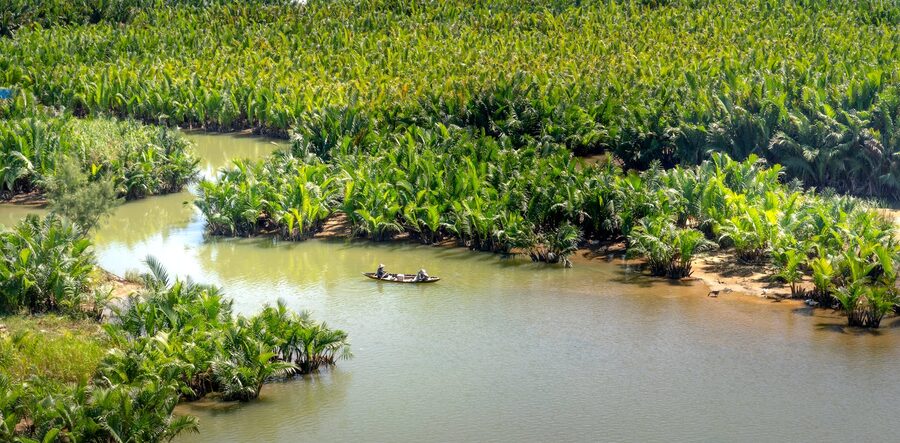
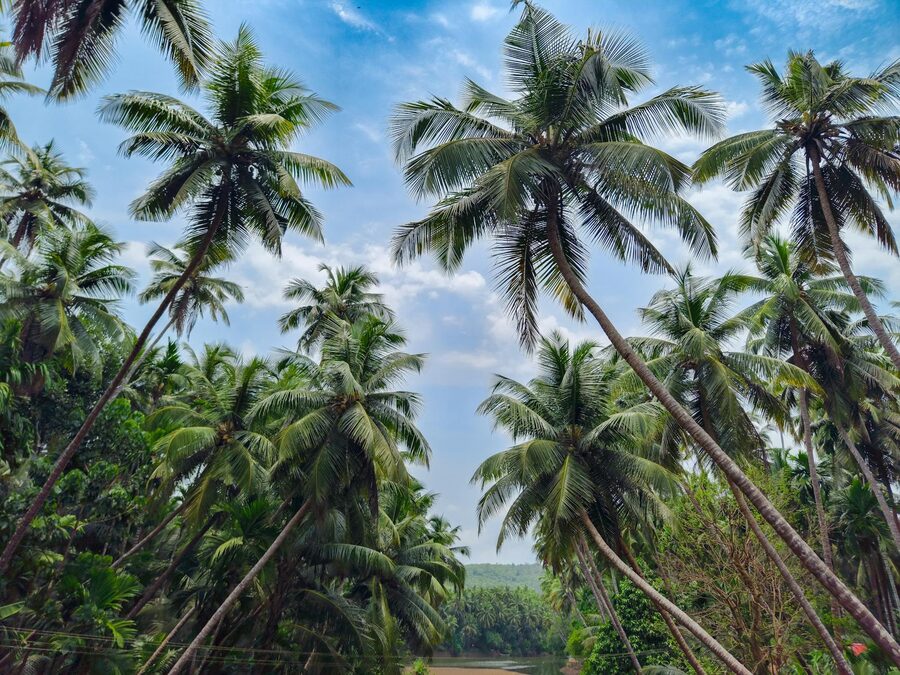
The water coconut palms are the dominant species here, growing directly from the brackish water in thick clusters. They are shorter than regular coconut palms and their fronds spread wide and low, creating a natural canopy over the waterways. The ecosystem supports dozens of bird species, small crabs, mudskippers, and the occasional water monitor lizard.
During your ride, guides often stop to demonstrate traditional fishing techniques — casting circular nets, setting crab traps, or scooping up tiny shrimp with hand-held bamboo frames. Some tours include a palm leaf weaving demonstration where your guide folds fronds into hats, rings, or small animal figures. It sounds hokey, but watching someone fold a grasshopper out of a single palm leaf in about 30 seconds is genuinely impressive.
The coconut forest also connects to a wider network of waterways that run through Cam Thanh. If you have time after your tour, walk or bike along the paths that follow the channels. You will see fish farms, small family gardens built on raised earth between waterways, and the daily life of a rural Vietnamese village that sits just minutes from one of the country’s biggest tourist towns.
Standalone Basket Boats vs. Full-Day Combo Tours
This comes down to two questions: how much time do you have, and what matters more to you — the boat itself or the broader cultural experience?
The $4 standalone ride is perfect if you have already done cooking classes elsewhere in Vietnam, or if you just want the basket boat experience without padding. You are in, you are on the water, you are done in under two hours including transport. It leaves your afternoon free for the ancient town, the beach, or the tailor shops.
The $29 combo tour is better if Hoi An is a short stop on a longer trip through Vietnam and you want to pack in maximum experiences. The cooking class alone would cost nearly that much, and you get the market tour, boat ride, and fishing included. travellers moving from Hanoi food tours to Hoi An often find the cooking combo the most satisfying single-day activity.
If money is not the deciding factor, do both the daytime basket boat and the evening lantern tour. They are completely different experiences — one is adrenaline and nature, the other is atmosphere and history. Total cost: about $12 for both. That is less than a single meal at most restaurants in the old town.
What to Do in Hoi An Before or After Your Basket Boat Tour
Hoi An is small enough that you can walk between most attractions, and the basket boat tour only takes a morning or afternoon. That leaves plenty of time for everything else.
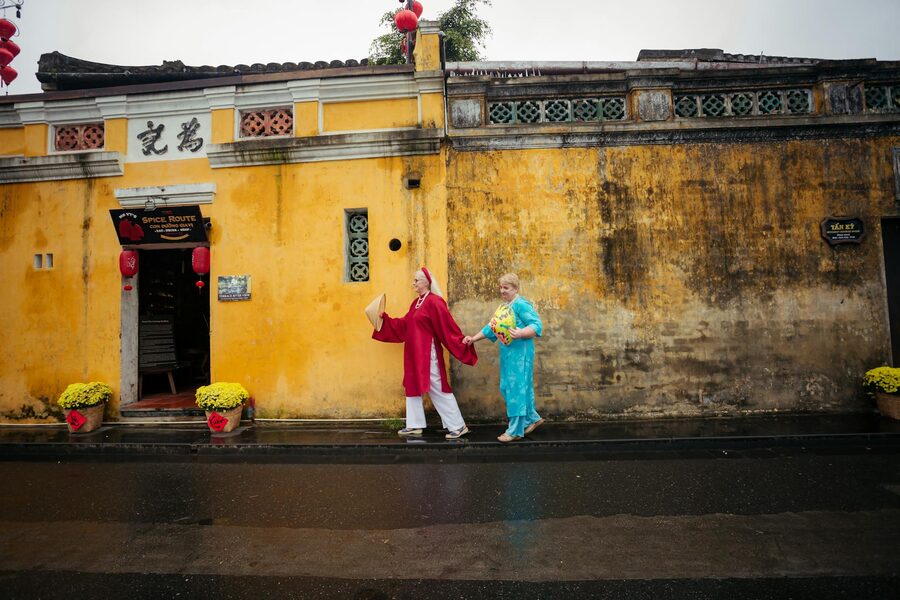
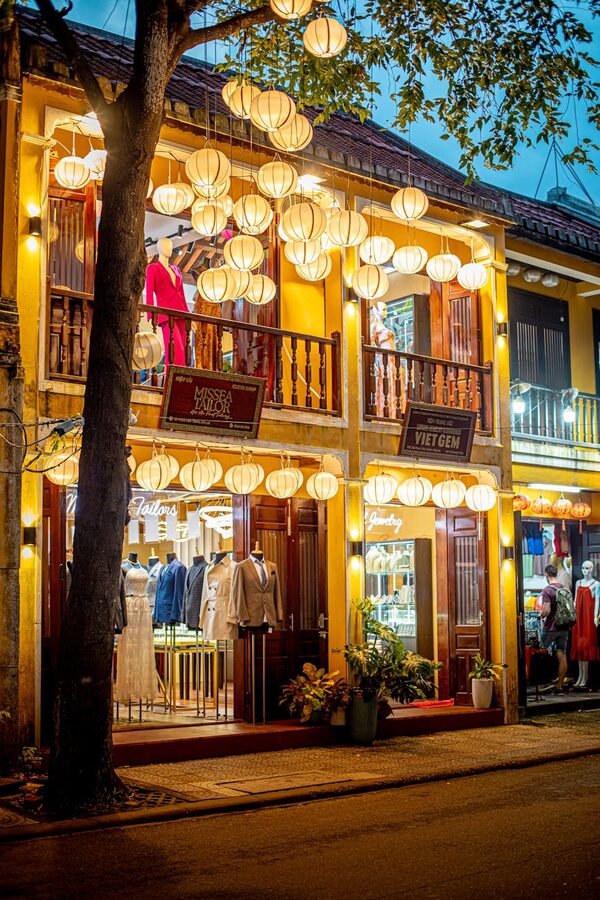
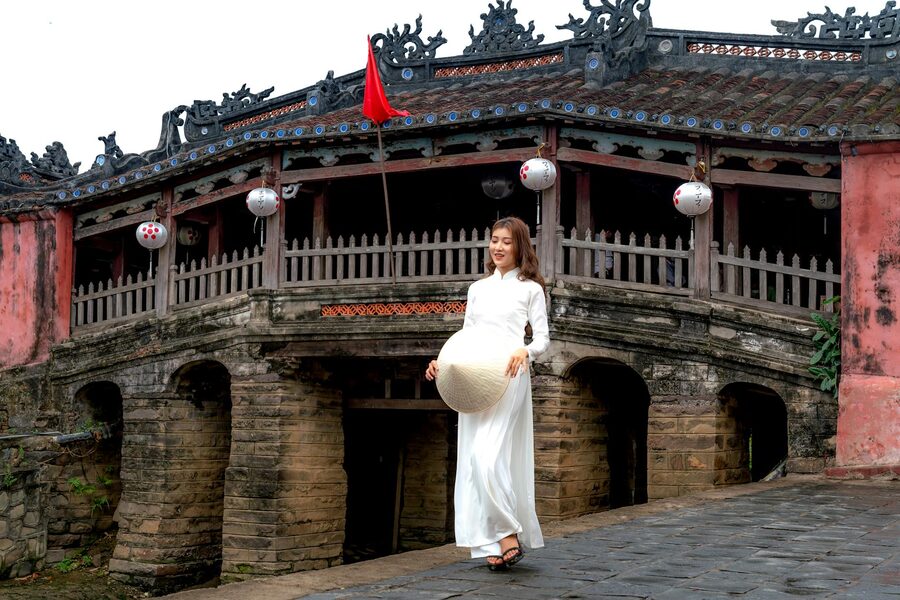
The ancient town is a UNESCO World Heritage Site with Japanese, Chinese, and Vietnamese architecture packed into a few walkable streets. The Japanese Covered Bridge is the obvious photo spot, but the real charm is in the side streets — tiny art galleries, family-run noodle shops, and tailors who can make you a custom suit in 24 hours.
An Bang Beach is about 4 kilometers east of the old town and makes a natural afternoon stop after a morning basket boat ride. The water is warm year-round, the beach bars have lounge chairs and cold beer, and sunset over the rice paddies on the drive back is excellent.
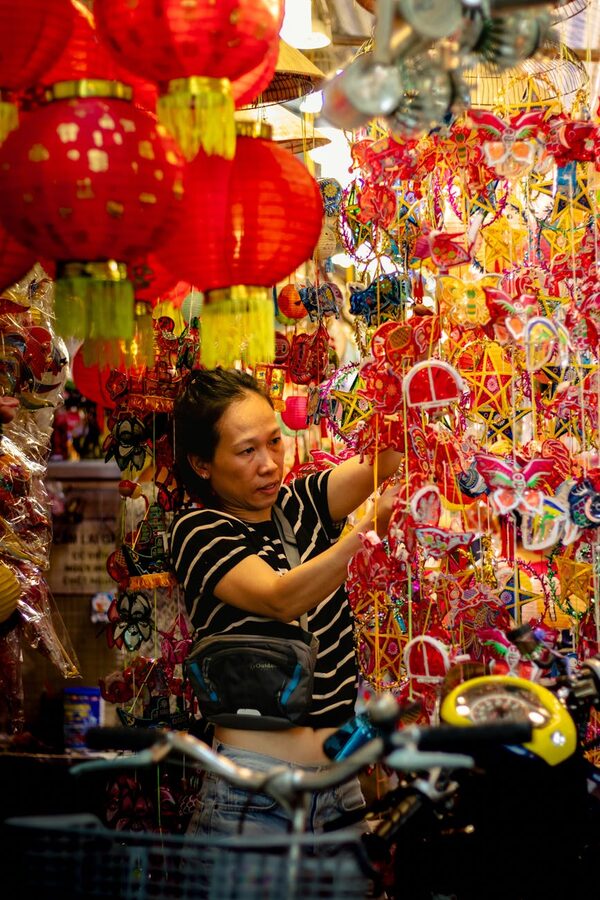
The street food scene in Hoi An is concentrated around the central market and the streets east of the river. Cao lau — thick noodles in a small amount of rich broth, topped with pork and greens — is unique to Hoi An and can only be made with water from a specific well. Banh mi here is legendary too, thanks to the French colonial baguette tradition mixing with Vietnamese fillings.
More Vietnam Guides
If Hoi An is part of a longer Vietnam trip, you have got no shortage of water-based experiences to compare. The Mekong Delta tours from Ho Chi Minh City trade coconut palms for fruit orchards and floating markets — a totally different river culture in the south. Up north, the Ha Long Bay and Lan Ha Bay cruises are the dramatic limestone-and-ocean counterpart to Hoi An’s calm channels.
For a completely different side of northern Vietnam, the Ninh Binh day tours from Hanoi take you through similar karst scenery but by rowboat instead. And if your trip routes through Ho Chi Minh City, the Cu Chi Tunnels add some historical weight to balance out Hoi An’s lighter, more photogenic side.