
The smell hit me before I even opened my eyes. Pho broth — that deep, beefy, star-anise-heavy steam — curling through the window of my hotel room at six in the morning. Somewhere below on the street, a woman had been simmering bones since midnight, and the whole block smelled like her kitchen.
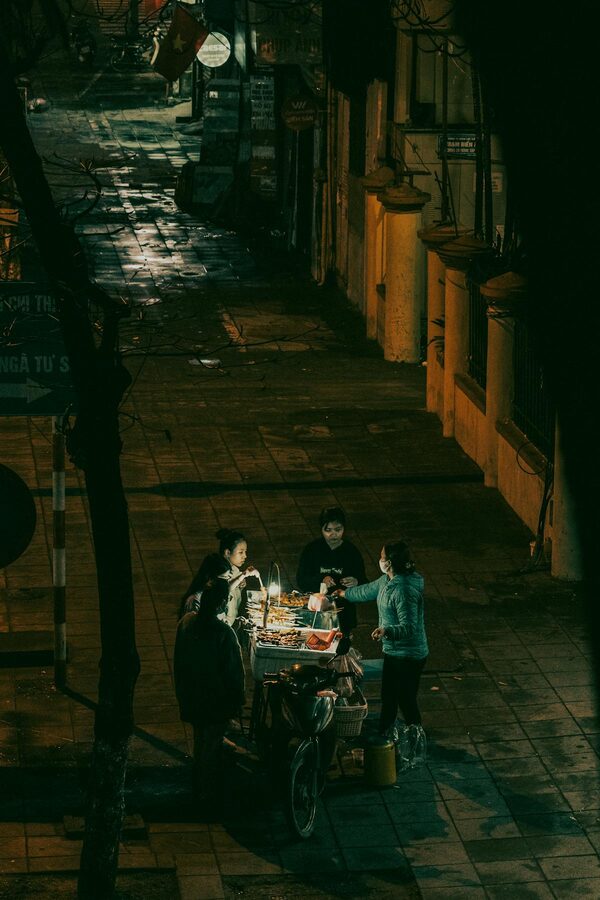
I pulled on shoes, went downstairs, and sat on a plastic stool so low my knees were at chest height. The pho cost 35,000 dong — about $1.40. It was, without exaggeration, one of the best bowls of soup I have ever eaten. And I had no idea what I was doing. I pointed at what the person next to me was having and hoped for the best.
That is exactly the problem a Hanoi street food tour fixes. The food is everywhere — literally on every corner, down every alley, spilling off the pavement — but knowing what to order, where to find the best version, and how to eat it without accidentally offending anyone? That takes a local.
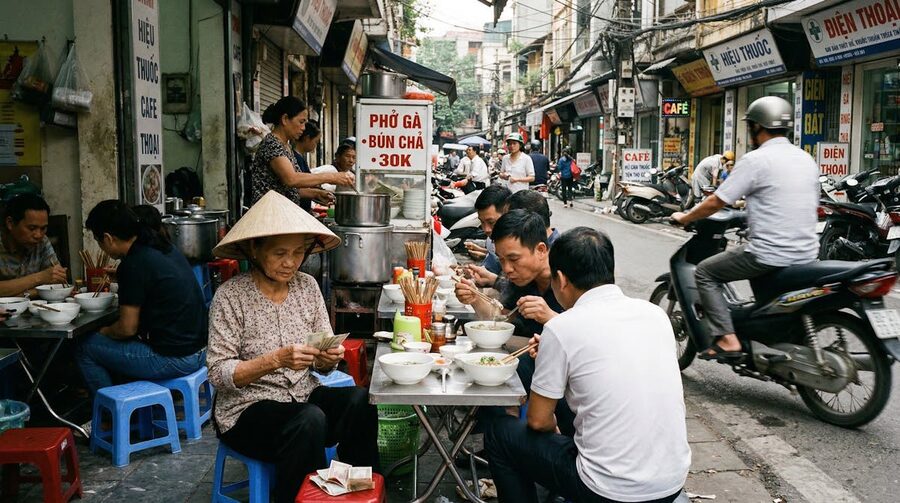
Walking food tours in Hanoi are different from the jeep and motorbike food tours that cover more ground by vehicle. Walking tours go deeper. You stop longer at each place, you watch the cooking up close, and you can actually talk to the people making your food. The pace is slower, the portions are bigger, and by the end you will be so full that the idea of dinner feels offensive.
Short on time? Here are my top 3 picks:
Best overall: Hanoi Guided Food Tour with Train Street Visit — $19. Best value by far. Includes Train Street, 6,000+ reviews, and a packed 3.5-4 hour route through the Old Quarter.
Best for foodies: Small Group Hanoi Street Food Tour with a Real Foodie — $28.58. Perfect 5.0 rating from nearly 5,000 reviews. Small groups, deeper food knowledge, guides who genuinely love what they do.
Best budget: Hanoi Old Quarter Walking Street Food Tour — $14. Cheapest solid option. Covers the Old Quarter essentials without the extras.
- What You Will Actually Eat on a Hanoi Street Food Tour
- Walking Tour vs Motorbike/Jeep Food Tour — Which One?
- The Best Hanoi Street Food Tours to Book
- 1. Hanoi Guided Food Tour with Train Street Visit —
- 2. Small Group Hanoi Street Food Tour with a Real Foodie — .58
- 3. Hanoi Old Quarter Walking Street Food Tour —
- When to Book Your Hanoi Food Tour
- Train Street — Is It Worth Adding?
- Tips That Will Save You Time (and Your Stomach)
- How to Get to the Old Quarter (Where Most Tours Start)
- What the Old Quarter Actually Looks Like
- Can You Do It Without a Tour?
- More Vietnam Guides
What You Will Actually Eat on a Hanoi Street Food Tour
Every tour is slightly different, but after comparing dozens of itineraries and going on a few myself, these are the dishes that show up on almost every walking food tour in Hanoi. Knowing what to expect helps — some of these are meals in themselves, so pacing matters.
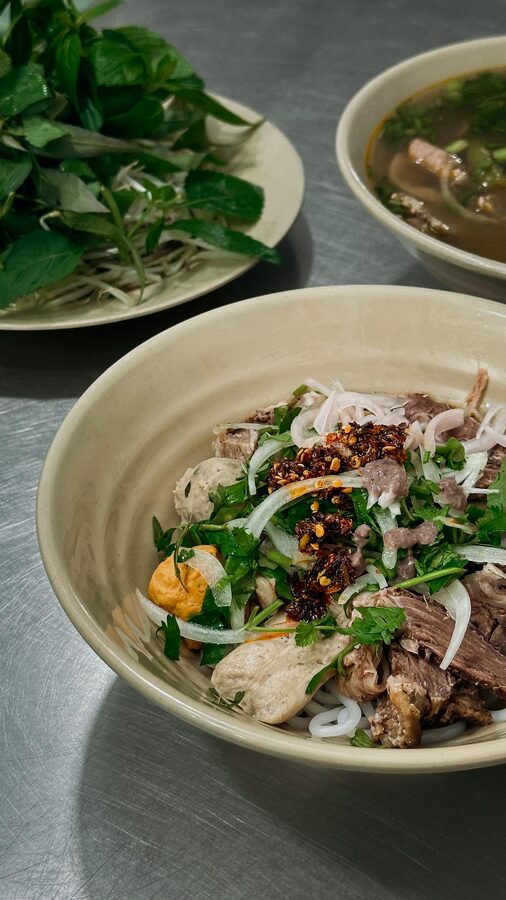
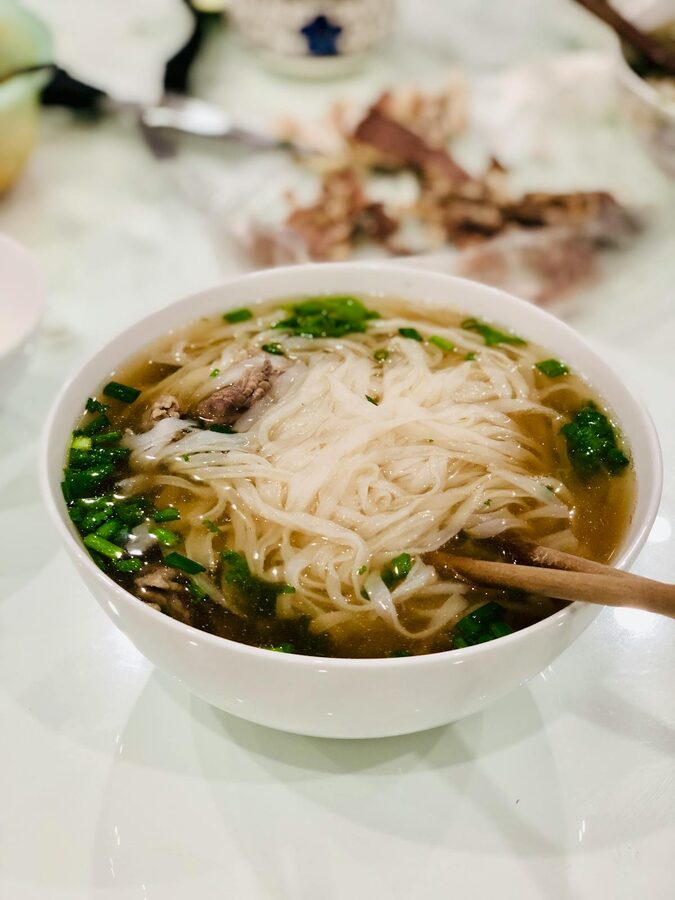
Pho bo (beef noodle soup) — The obvious one. But Hanoi pho is different from what you get in southern Vietnam or abroad. The broth is clearer, less sweet, and the herbs are served on the side rather than dumped in. Most tours take you to a specific pho shop that has been open for 30+ years. Do not add hoisin sauce. Northerners consider that a crime.
Bun cha — Grilled pork patties and sliced pork belly served with rice noodles and a bowl of sweet-sour dipping broth. This is the dish Obama ate with Anthony Bourdain in 2016 at Bun Cha Huong Lien (the restaurant still has the table roped off). Most tours take you to a different, less touristy spot that has been doing it longer.
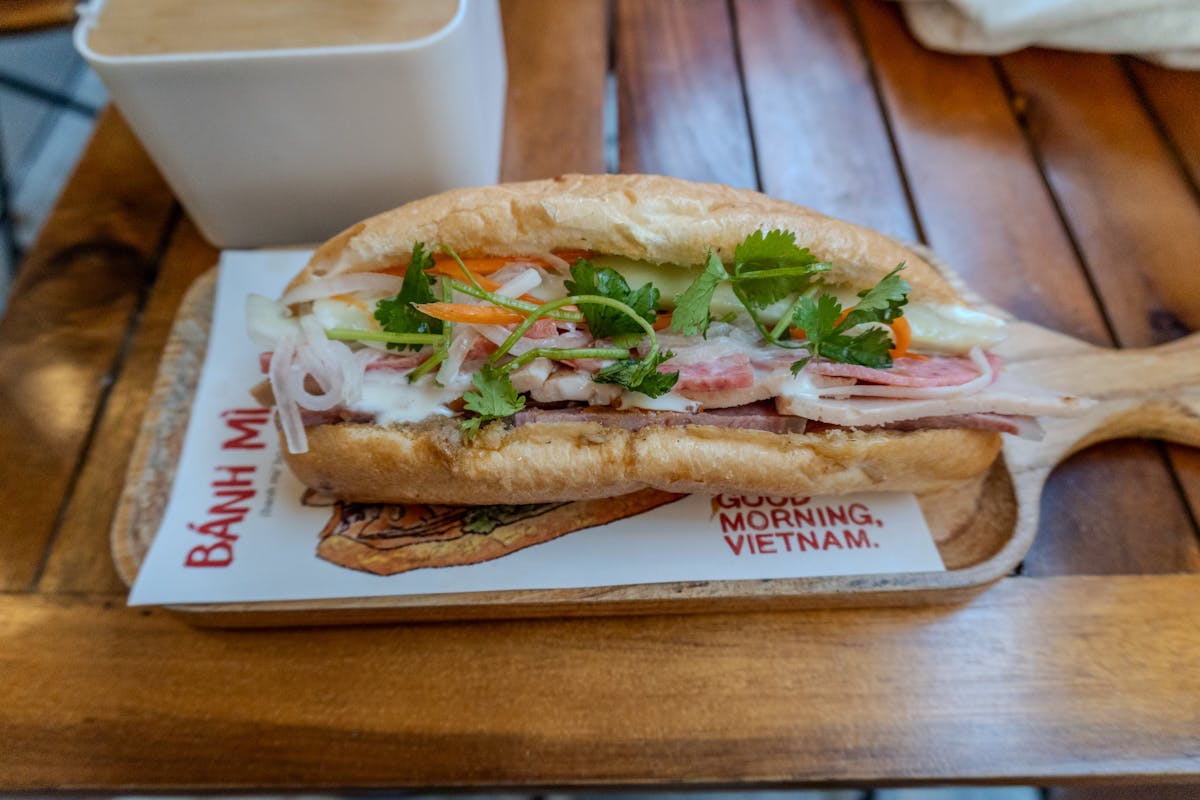
Banh mi — Vietnam’s take on the French baguette. The bread is lighter and crispier than a standard baguette, stuffed with pate, cold cuts, pickled daikon, cilantro, and chili. Most tour groups split one between two people by this point because you are already getting full. That is fine — they cost about 20,000 dong ($0.80) if you want another one later.
Banh cuon — Steamed rice rolls filled with minced pork and mushrooms, topped with crispy fried shallots. This is a breakfast dish most travellers walk right past because the stalls do not look like much. A good guide will make sure you try it.
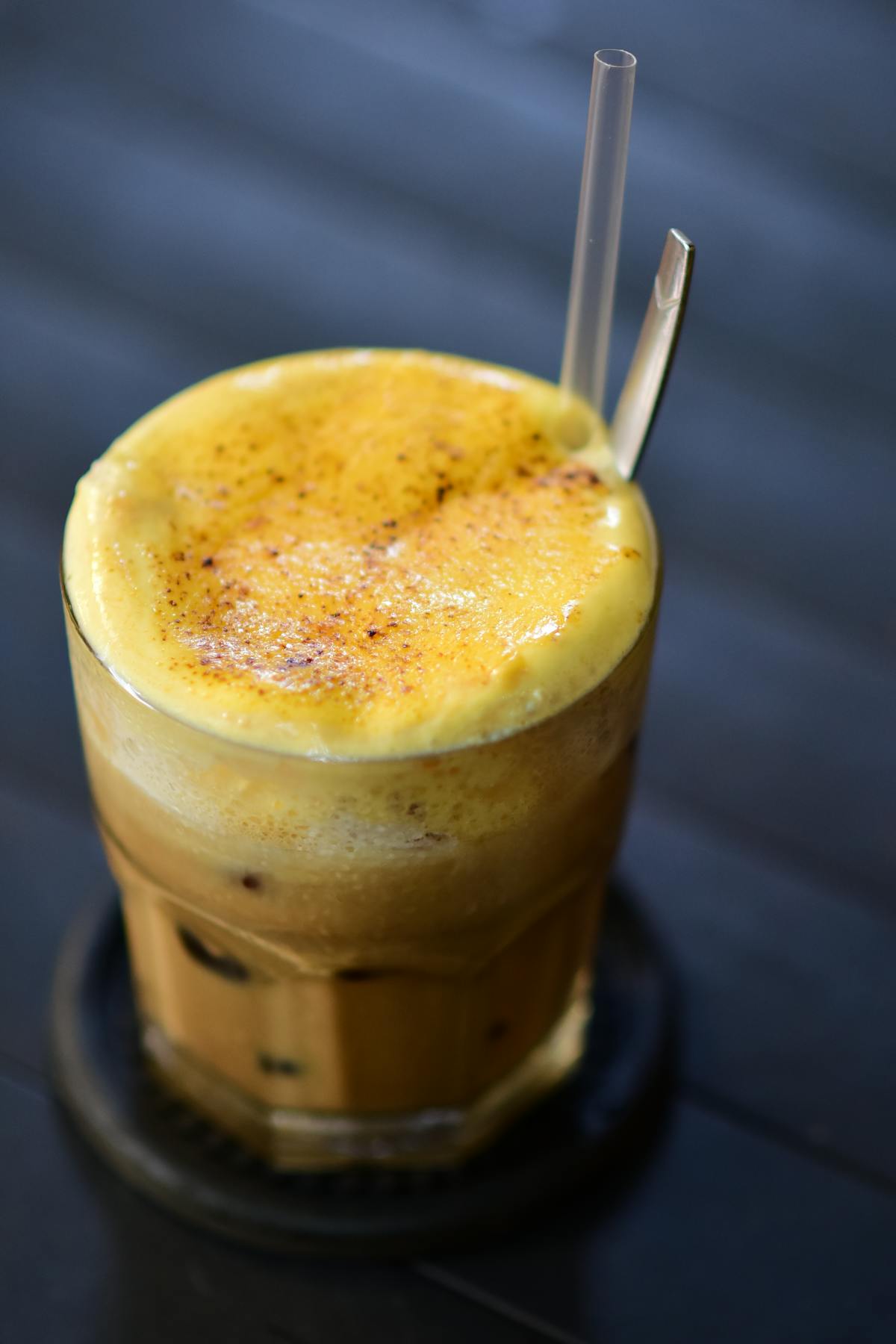
Egg coffee (ca phe trung) — Whipped egg yolk, condensed milk, and strong Vietnamese coffee. It sounds bizarre. It tastes like a warm, caffeinated dessert. Most tours end with this at a cafe overlooking Hoan Kiem Lake, which is a smart move because you need to sit down by that point.
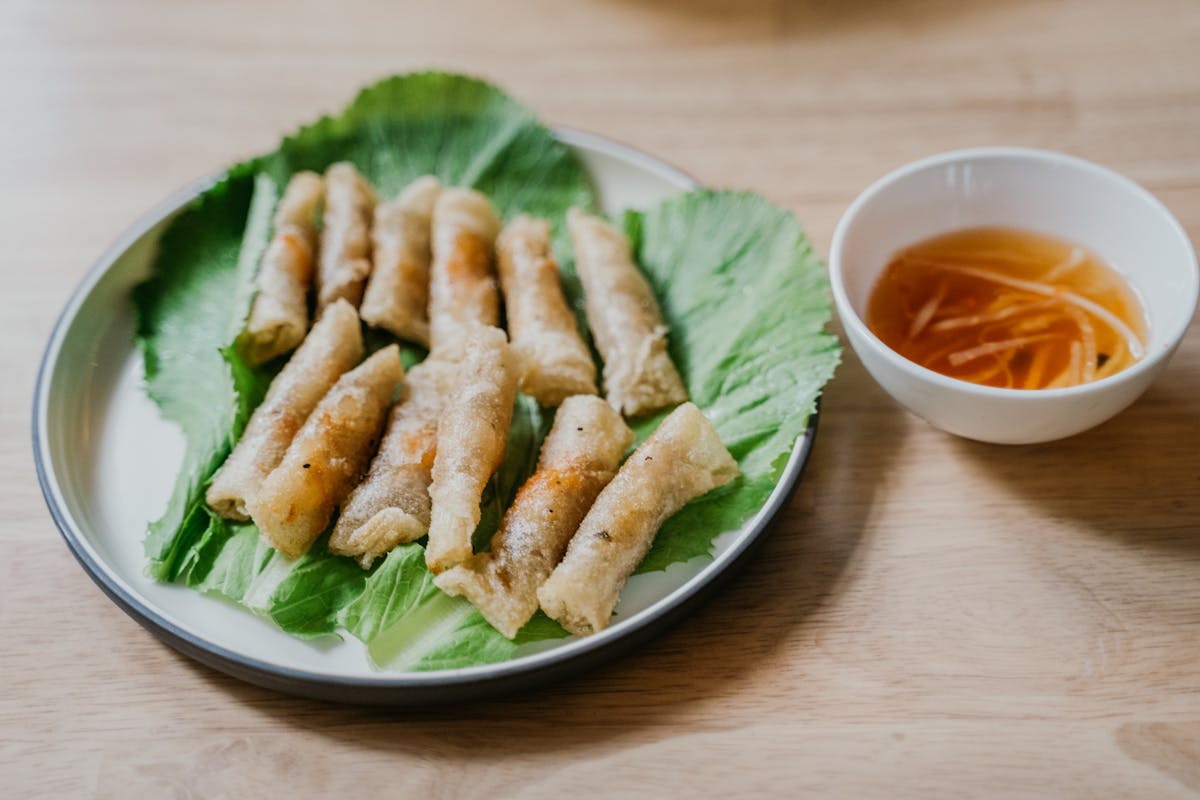
Nem ran (fried spring rolls) — Crispy, golden, packed with pork and vegetables, dipped in fish sauce. The Hanoi version uses thinner wrappers than what you find in the south. Some tours also include fresh spring rolls (goi cuon) as a lighter alternative.
You will typically hit 8-10 different dishes over 3-4 hours. Some tours also include pho cuon (unfried spring rolls made with pho noodle sheets), xoi (sticky rice with toppings), and che (sweet dessert soup). The guides usually adjust based on what looks best that day, which is one of the advantages of a walking tour over a fixed restaurant menu.
Walking Tour vs Motorbike/Jeep Food Tour — Which One?
This is the question I get asked most about Hanoi food tours, so here is the honest breakdown.
Walking tours are better if you care about the food itself. You spend more time at each stop, the guide can explain what you are eating while you eat it, and you get to wander through the alleyways of the Old Quarter on foot, which is how locals actually experience it. Walking tours are also cheaper — $14-$29 versus $35-$65 for motorbike tours.
Jeep and motorbike tours are better if you want the adrenaline rush of riding through Hanoi traffic AND eating food. They cover more ground — you might hit the West Lake area, the French Quarter, and the Old Quarter in one tour, whereas walking tours stay mostly within the Old Quarter. The ride itself is half the experience.
My honest take: do the walking tour first. Get a feel for the food, learn what you like, understand the Old Quarter layout. Then if you have a second evening free, do a motorbike food tour — you will appreciate it more because you already know what bun cha and banh cuon are.
If you only have time for one, and you care more about food than thrills, the walking tour wins. If you want Instagram content and an adventure story, take the motorbike.
The Best Hanoi Street Food Tours to Book
I went through the top-rated tours, read thousands of reviews, and narrowed it down to three that consistently deliver. These are all walking tours focused on the Old Quarter and the food itself — not vehicle-based experiences.
1. Hanoi Guided Food Tour with Train Street Visit — $19
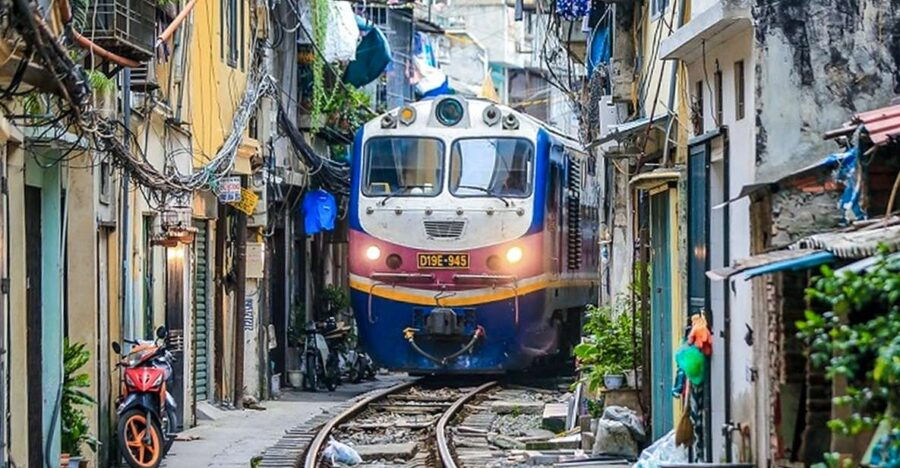
This is the one I recommend to most people, and it is not close. At $19 per person for a 3.5-4 hour tour that includes 6-8 food stops AND a visit to Hanoi’s famous Train Street, you are getting an absurd amount of value. Over 6,200 people have reviewed it and the average sits at 4.9 stars. That kind of consistency across thousands of reviews does not happen by accident.
The route covers the core Old Quarter food scene — pho, bun cha, banh mi, egg coffee, spring rolls — plus the cultural landmarks around Hoan Kiem Lake. The Train Street visit is a genuine highlight and something many walking tours skip. Guides are local, speak good English, and adjust the route based on what looks fresh that day.
The only downside is group size. It is not a private tour, so you might have 8-12 people. If that bothers you, look at option two below.
2. Small Group Hanoi Street Food Tour with a Real Foodie — $28.58

A perfect 5.0-star rating from nearly 4,700 reviews. That is borderline impossible at this scale, and it tells you something about the guides running these tours. The “Real Foodie” name is not marketing fluff — the guides on this tour are genuinely obsessed with food, know the backstory of every dish, and will happily argue about which pho shop is better and why.
At $28.58 it costs about $10 more than the top pick, but you get a smaller group (usually 6-8 people), more interaction with the guide, and deeper explanations of what you are eating. If you are the kind of person who watches cooking documentaries and wants to understand the difference between northern and southern Vietnamese cuisine, this is your tour.
The guides have names the reviews mention over and over — Mai Mai, Sticky Rice Bob, Corn — which is always a good sign. It means individual guides are building reputations, not just reading from a script.
3. Hanoi Old Quarter Walking Street Food Tour — $14

At $14 per person, this is the cheapest walking food tour worth booking. It has a 5.0-star rating from over 2,100 reviews on Viator, and it covers the core Old Quarter food trail — pho, bun cha, banh mi, and usually egg coffee or a sweet dessert to finish.
The trade-off versus the other two is straightforward: fewer stops, no Train Street visit, and the tour runs a bit shorter. But the food quality is the same because everyone goes to the same neighborhood. The Old Quarter is only about one square kilometer — there are only so many bun cha legends, and the budget tours go to the same ones the expensive tours do.
If you are on a tight budget and just want someone to show you where to eat and what to order, this gets the job done for the price of two cocktails at a rooftop bar.
When to Book Your Hanoi Food Tour
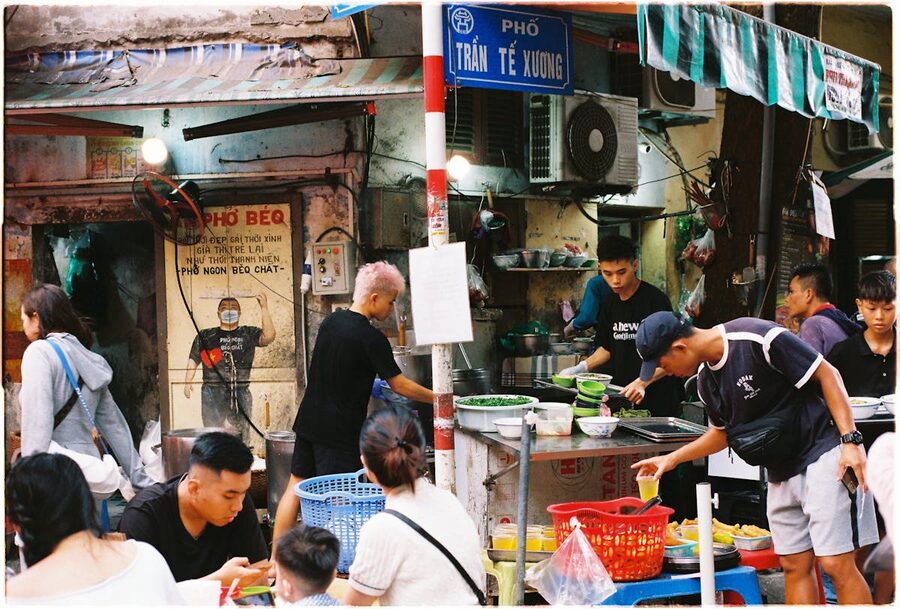
Morning vs evening tours — Most operators run both. Morning tours (starting around 9-10am) tend to include breakfast dishes like pho and banh cuon. Evening tours (starting around 5-6pm) lean toward bun cha, grilled meats, and beer. Personally, I prefer evening. The Old Quarter comes alive at night, the cooking fires and neon lights make everything look better, and beer with bun cha just works.
Best time of year — Hanoi has four actual seasons, which catches people off guard. October through December is ideal — cool, dry, and the street food scene is at its most active because locals are eating outside constantly. March through May is fine but humid. June through August is hot and rainy, which makes walking tours uncomfortable (you will be sweating and dodging downpours). January and February can be surprisingly cold — below 10 degrees some days — so the hot soup stops feel extra good.
How far in advance? — One to two days ahead is usually enough. These are not limited-entry attractions. But if you are visiting during Tet (Vietnamese New Year, usually late January or early February), book at least a week ahead — many food stalls close and tours sell out.
Train Street — Is It Worth Adding?
Hanoi’s Train Street is that narrow residential lane where an active railway runs between buildings with barely a meter of clearance on each side. Cafes have set up shop along the tracks, and when the train comes — a couple of times a day — everyone grabs their drinks and presses against the walls while a full-size locomotive passes close enough to touch.
It is genuinely one of the most surreal things I have seen in Southeast Asia. But here is the catch: the Hanoi government keeps cracking down on tourist access. Sometimes the cafes are open, sometimes they are shut down, and sometimes they operate in a grey zone where the police look the other way. Your guide will know the current situation, which is another reason a tour is better than going solo.
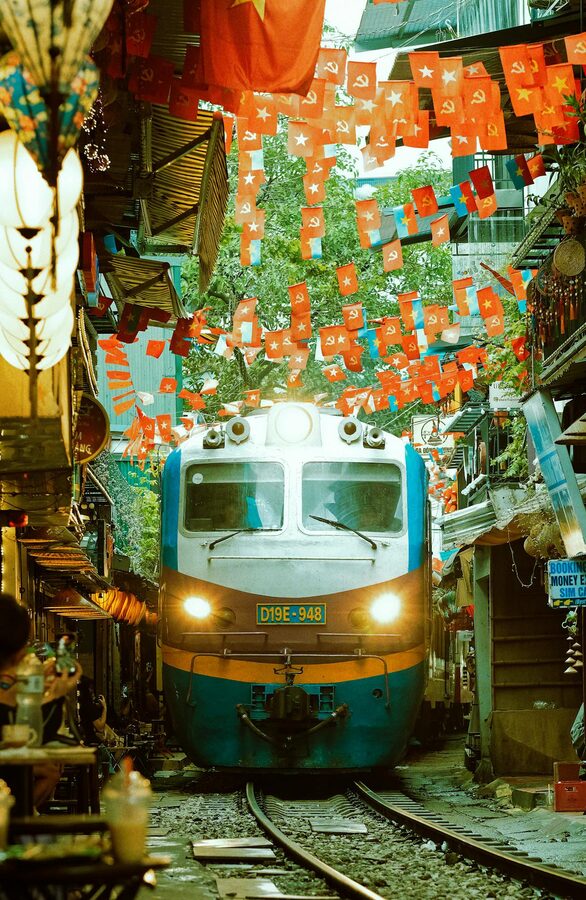
The Hanoi Guided Food Tour with Train Street Visit (tour #1 above) is the only one of my three picks that includes Train Street in the standard itinerary. If seeing Train Street matters to you, that is the one to book. The other two tours can sometimes swing by if you ask nicely, but it is not guaranteed.
Tips That Will Save You Time (and Your Stomach)
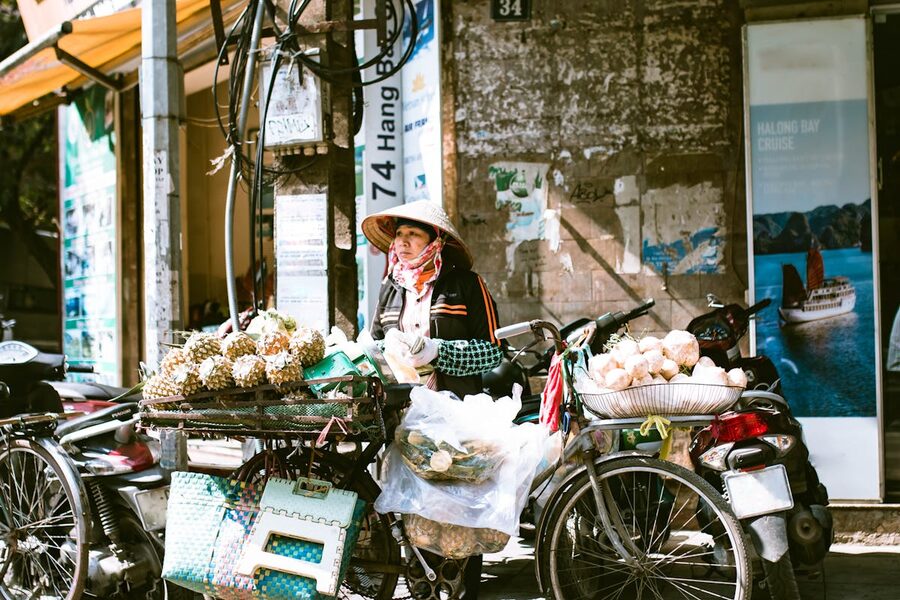
Skip breakfast. Seriously. If your tour starts in the morning, do not eat before. You will hit 8-10 stops and the portions are not small. If your tour is in the evening, eat a light lunch and nothing after 3pm.
Bring cash. Most street stalls are cash only. The tour covers the food, but you will want extra for drinks, seconds, or random things you spot along the way. 200,000-300,000 dong ($8-12) is plenty.
Wear comfortable shoes. You will walk 3-5 km over uneven pavement, duck through alleyways, and step over drainage grates. Sandals work if you are used to them. Heels are a terrible idea.
Tell your guide about allergies immediately. Vietnamese food uses fish sauce, shrimp paste, peanuts, and MSG in almost everything. Good guides will adjust the route, but they need to know before the tour starts, not at the third stop.
The plastic stool situation. You will sit on tiny plastic stools at street-level tables. If you have bad knees or back problems, mention it to your guide — some stops have regular chairs available nearby.
Do not fill up on rice. At pho and bun cha stops, the noodles and broth are the star. If you load up on plain rice, you will have no room for the next three stops.
Tipping. Not expected in Vietnam, but food tour guides work hard and $3-5 per person is appreciated if you had a good time.
How to Get to the Old Quarter (Where Most Tours Start)
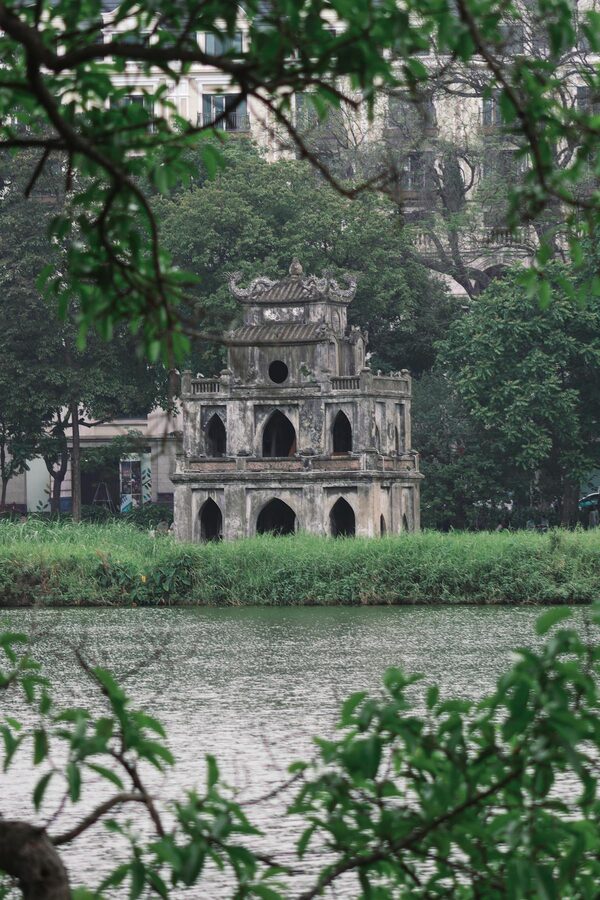
Most Hanoi food tours meet near Hoan Kiem Lake or at the north end of the Old Quarter. From Noi Bai Airport, a Grab (the local Uber equivalent) to the Old Quarter takes 40-50 minutes and costs around 250,000-350,000 dong ($10-14). The airport bus (route 86) costs 45,000 dong ($1.80) and drops you at the Long Bien side of the Old Quarter.
If you are already staying in the Old Quarter — which you should be, because it is the best neighborhood for first-time visitors — you can walk to virtually every food tour meeting point in under 10 minutes.
One piece of advice about day trips from Hanoi: do not book a food tour and a Ninh Binh day trip on the same day. You will get back from Ninh Binh exhausted and the last thing you want is four hours of walking and eating. Space them at least a day apart.
What the Old Quarter Actually Looks Like
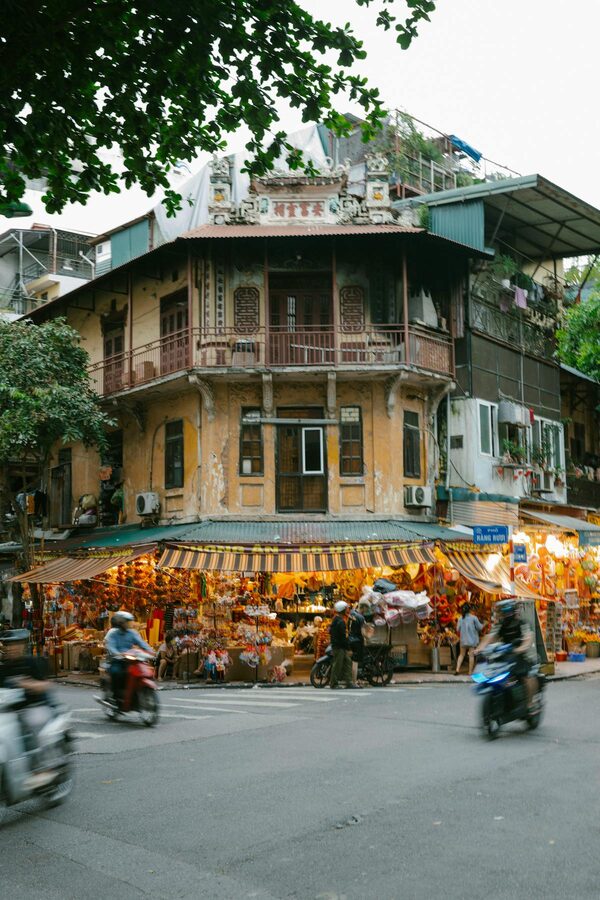
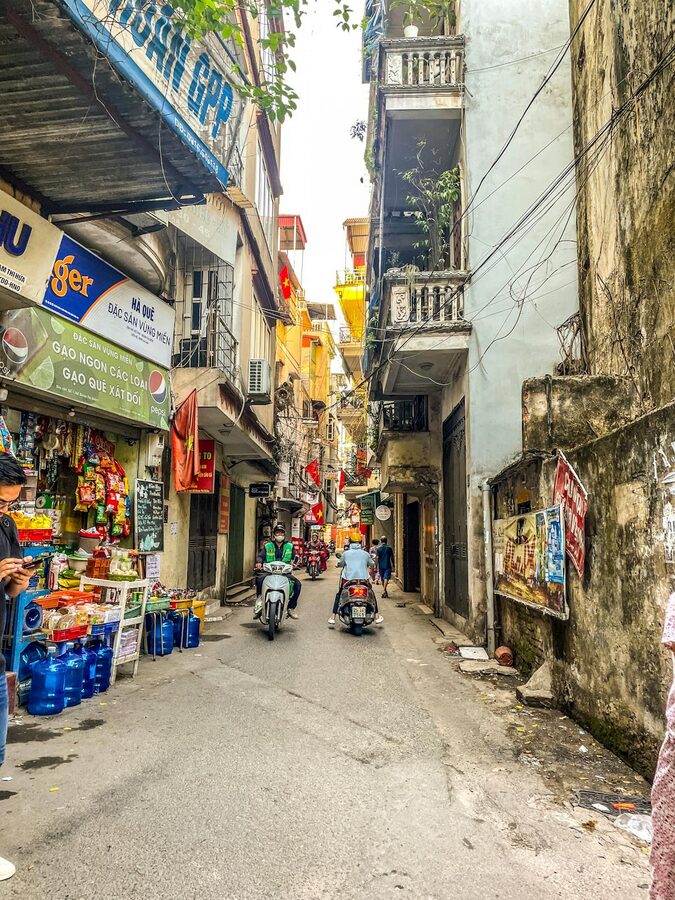
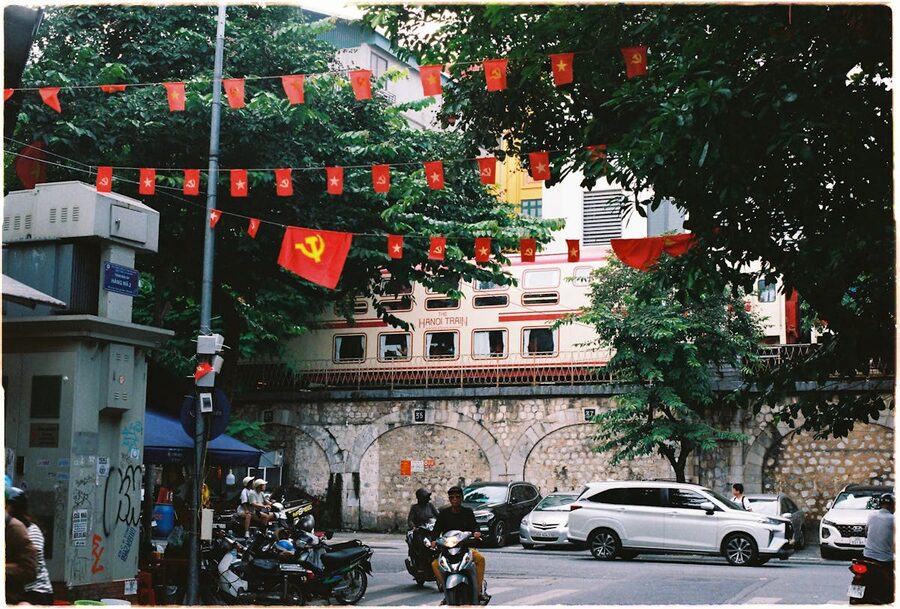
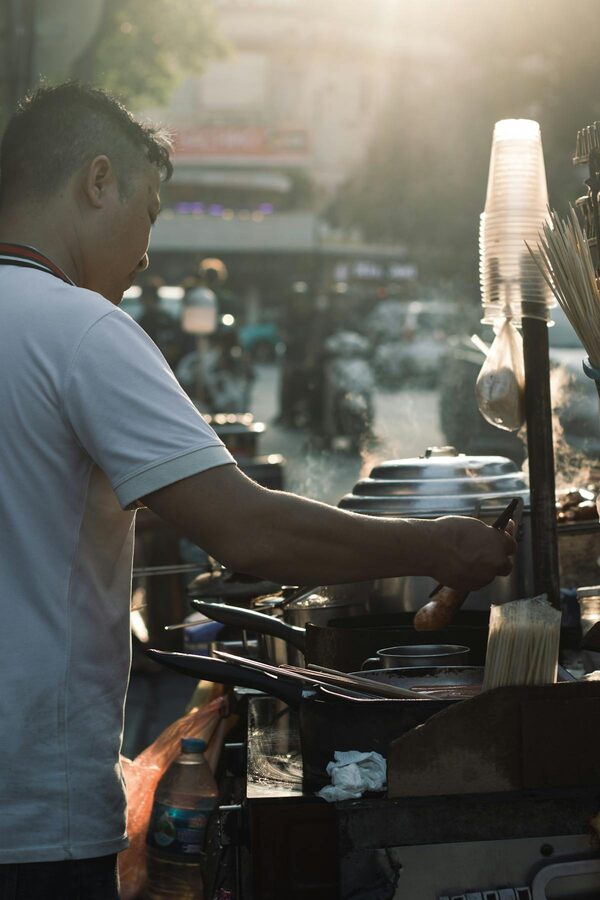
If you have not been to Hanoi before, the Old Quarter can be overwhelming. The streets are narrow, the motorbikes come from every direction, and the pavement is simultaneously a parking lot, a dining room, and a kitchen. There are no traffic rules that anyone seems to follow. Crossing the road feels like a trust exercise — you walk slowly and steadily, and the motorbikes flow around you.
But once you adjust — and it takes about 20 minutes — it becomes the most fascinating neighborhood you have walked through. The 36 streets are technically named after the goods they used to sell: Hang Ma for paper, Hang Dao for silk, Hang Buom for sails. These days most of them sell whatever makes money, but the food stalls follow older patterns and your guide will explain which streets have the best versions of which dishes.
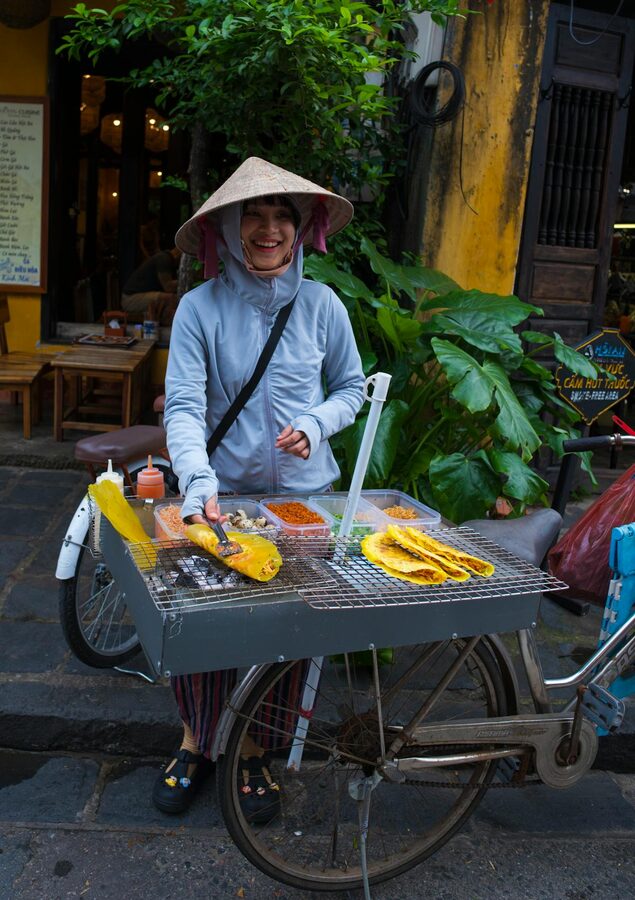
The water puppet theater sits right on the north end of Hoan Kiem Lake, and catching an evening show after a morning food tour is one of the best one-two combos in Hanoi. The puppets are weird and wonderful and uniquely northern Vietnamese — nothing else like it in Southeast Asia.
Can You Do It Without a Tour?
Yes, obviously. Hanoi street food is cheap, everywhere, and does not require a guide to access. You can Google the top-rated pho shops, grab a Grab to Bun Cha Huong Lien, and eat your way through the Old Quarter on your own for a fraction of the tour cost.
But here is what you miss: the context. A guide tells you that this particular pho shop has been open since 1979, that the owner’s grandmother invented the recipe, that the broth is made with charred ginger because Hanoi-style pho demands it. They explain why you dip the herbs in the broth rather than tossing them on top. They take you to the bun cha place that is down a residential alley with no sign — the one you would never find on your own.
At $14-$29 per person, with all food included, a walking food tour in Hanoi is one of the best-value experiences in all of Southeast Asia. You would spend nearly that much eating the same food on your own, minus the guide, the stories, and the confidence that you are eating at the right places. For your first time in Hanoi, just book the tour. You can go solo for the rest of the trip once you know what you are doing.
More Vietnam Guides
If Hanoi is part of a bigger Vietnam trip, we have booking guides for all the major stops. The Cu Chi Tunnels from Ho Chi Minh City and the Mekong Delta day tours are the two must-do experiences in the south. Up north, a Ninh Binh day trip from Hanoi pairs well with a food tour if you space them a day apart.
And if you want more Hanoi-specific experiences, the water puppet show is the perfect evening activity after a morning food tour, and the jeep and motorbike food tours cover ground the walking tours do not reach.