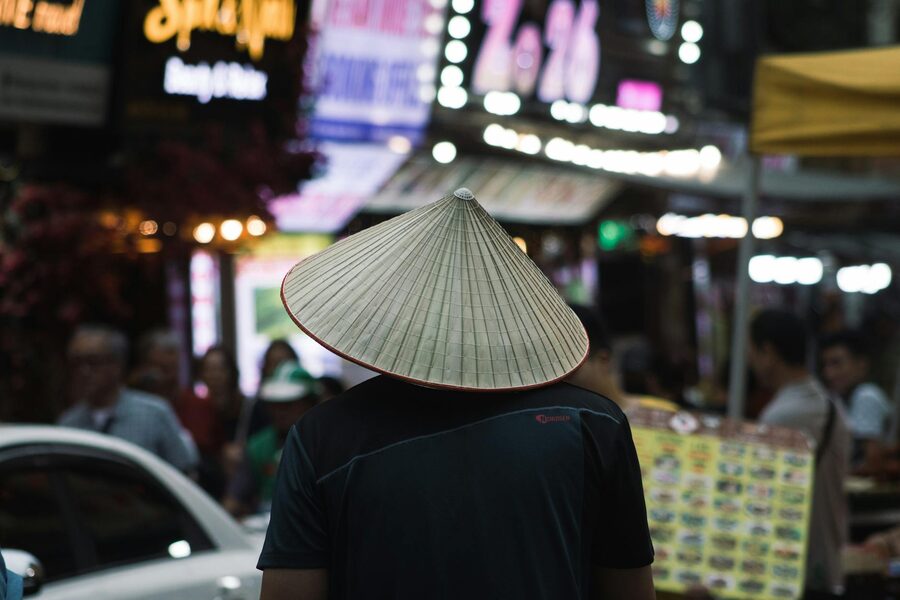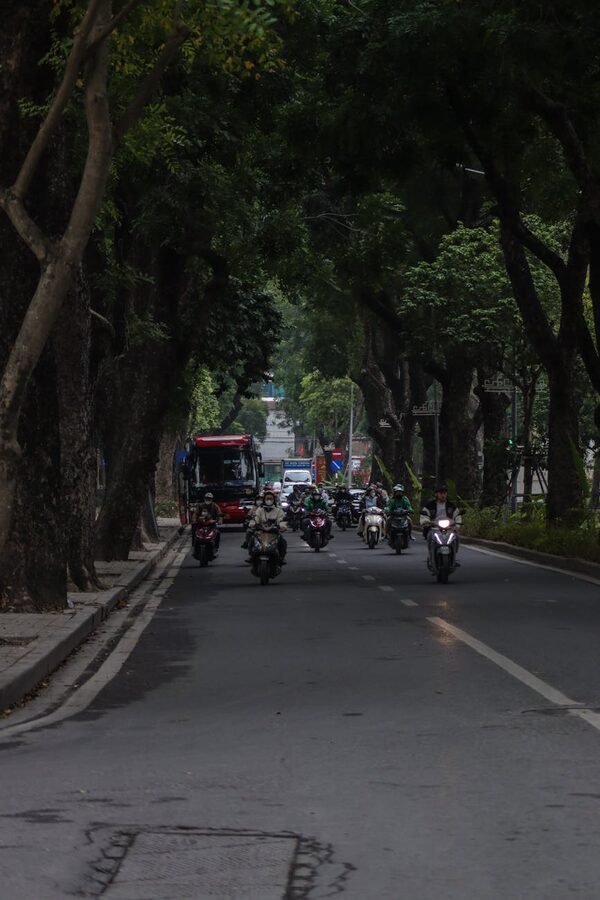
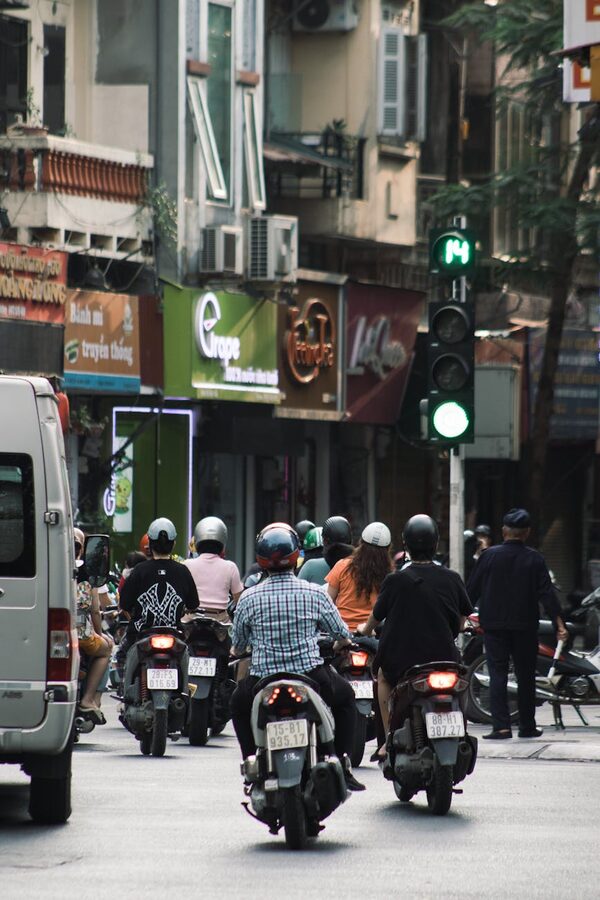
Hundreds of motorbikes pour through an intersection with no traffic lights. Nobody stops. Nobody crashes. Horns tap out a staccato code that apparently means something to everyone except you. And then you are in the middle of it, sitting in the back of a Soviet-era military jeep or gripping the seat of a vintage Minsk motorbike, weaving through Hanoi’s Old Quarter at dusk while your guide points out a noodle stall that has been open since 1979.
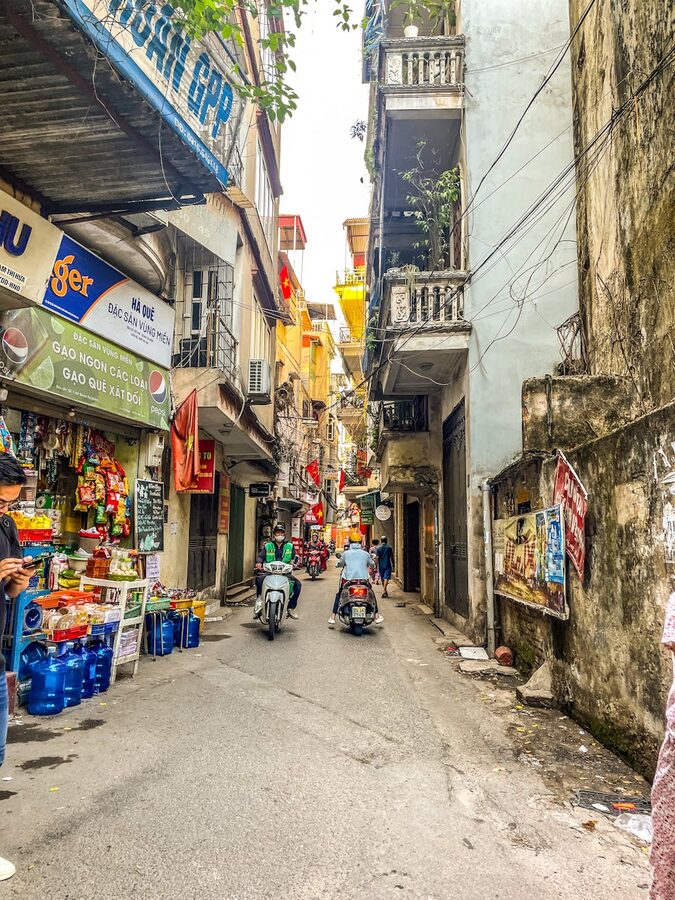
That is what a Hanoi food tour actually feels like. Not the sanitized version. Not a walking tour where you stand outside restaurants and listen to history. You are moving through traffic, eating at plastic stools on the sidewalk, and tasting dishes in the same spots where Hanoians eat every single day.
I have done food tours in Bangkok, Tokyo, and across Vietnam and most follow the same script. Walk, stop, eat, repeat. The Hanoi versions throw you on wheels instead, and that changes everything. You cover more ground, hit neighborhoods that walking tours cannot reach, and the vehicle itself — whether it is a restored GAZ-69 jeep or a decades-old Minsk — becomes part of the experience.
- Quick Picks — Best Hanoi Jeep and Motorbike Food Tours
- The Official Way to Book (And Why Tours Are Better)
- The 3 Best Hanoi Jeep and Motorbike Food Tours
- 1. Hanoi Jeep Tour: Food, Culture & Fun by Vietnam Army Jeep —
- 2. Hanoi Food, Culture & Fun on Vintage Minsk Motorbike —
- 3. Women-Led Hanoi By Night Foodie Motorbike Tour —
- When to Go
- How to Get to the Meeting Point
- Tips That Will Actually Help
- What You Will Actually Eat
- Jeep vs. Motorbike — Which Should You Pick?
- Train Street — The Stop Everyone Asks About
- What to Wear and Bring
- Beyond the Old Quarter — Hanoi Food Spots Worth Finding Yourself
- Planning the Rest of Your Vietnam Trip
Quick Picks — Best Hanoi Jeep and Motorbike Food Tours
Three tours stand out from the dozens available. Each one takes a different approach — a military jeep crawl through the Old Quarter, a vintage motorbike ride hitting all the signature dishes, and a women-led night tour that goes harder on the local food scene.
- Best overall: Hanoi Jeep Tour — Food, Culture & Fun — $55, 15,000+ reviews, the original and still the most popular
- Best on two wheels: Vintage Motorbike Food Tour — $55, same operator, same food stops, but on a classic Minsk
- Best for night owls: Women-Led Night Foodie Tour — $69, all-female guide team, deeper into after-dark Hanoi
The Official Way to Book (And Why Tours Are Better)
There is no official booking portal for Hanoi food tours the way there is for a museum or monument. This is not the Colosseum — you do not need timed entry tickets. What you need is a guide, a vehicle, and a route through the right neighborhoods.
You can walk into any tour agency on Hang Bac Street and book something for that evening. But the quality varies wildly, and you will not know what you are getting until you are already sitting in the jeep. The tours below have thousands of verified reviews specifically because they have been running the same refined routes for years. That matters when you are trusting someone to navigate Hanoi traffic with you on the back.
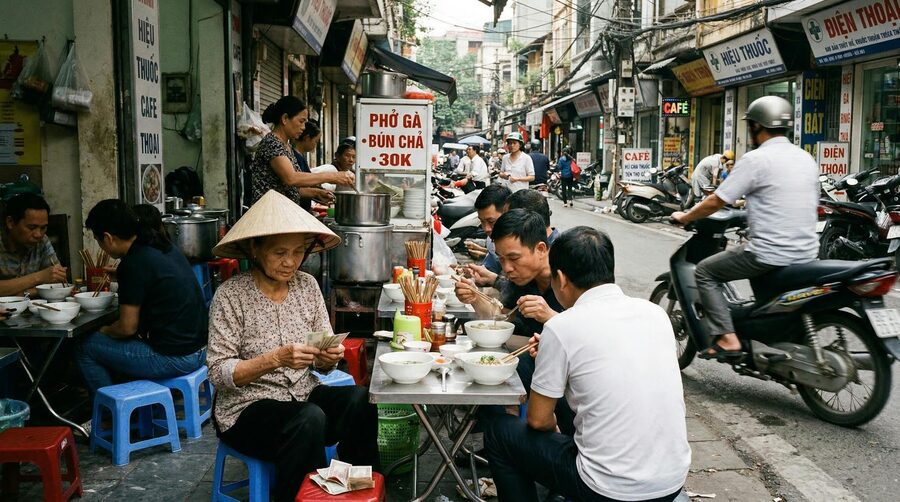
Book at least 2-3 days ahead if you are visiting between October and March — that is peak season and the evening departures sell out. Summer months (June through August) are easier to get last-minute spots, but the heat and humidity make evening tours strongly preferable over daytime ones.
The 3 Best Hanoi Jeep and Motorbike Food Tours
I have narrowed it down to three tours worth booking. All three are run by experienced operators, cover genuine local food spots (not tourist traps), and include the vehicle, guide, and all food tastings in the price. The difference comes down to what you ride in and when you go.
1. Hanoi Jeep Tour: Food, Culture & Fun by Vietnam Army Jeep — $55
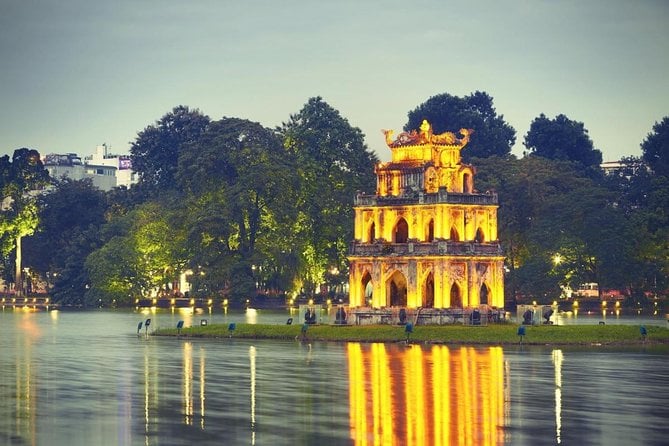
This is the one that started it all. Over 15,000 reviews with a perfect 5.0 rating — numbers like that do not happen by accident. The tour runs about 4 hours through the Old Quarter and surrounding neighborhoods in a restored Soviet-era GAZ-69 jeep, the same model used by the Vietnam People’s Army. At $55 per person, it includes all food stops, a local guide, and hotel pickup.
The route covers egg coffee at a spot that invented it, pho cuon (fresh rolled noodles — not the soup), Michelin-recommended bun cha, banh mi from a stall that has been operating since the French colonial era, and finishes with bia hoi (fresh draft beer) at a sidewalk joint. Most tours also swing past Hanoi’s Train Street for the cafe experience. The jeep itself draws crowds — locals stop and stare, kids wave, and you feel like you are in a movie scene.
This is the tour I would pick for first-time visitors. The jeep is more comfortable than a motorbike if you are nervous about Hanoi traffic, and the open sides mean you get the full sensory overload without the wind in your face.
2. Hanoi Food, Culture & Fun on Vintage Minsk Motorbike — $55
Same operator as the jeep tour, same price, same food stops — but on the back of a vintage Minsk motorbike instead. The difference is real. On a motorbike, you are IN the traffic rather than watching it from a jeep. You feel the heat from street-side grills, smell the pho broth from two lanes over, and your guide can duck down alleyways that a jeep cannot fit through.
At $55 and with nearly 7,000 reviews (also a perfect 5.0), this tour covers the same Michelin-recommended stops — egg coffee, pho cuon, bun cha, banh mi — but the motorbike access means you sometimes hit smaller, less-known spots that the jeep groups cannot reach. The guides are experienced riders and they do not take risks. You are a passenger, not driving.
Pick this one if you want something more adventurous than the jeep. It is the same food, same quality, but the ride itself is the upgrade. Not ideal if you are anxious about two wheels in heavy traffic, but genuinely thrilling if you are not.
3. Women-Led Hanoi By Night Foodie Motorbike Tour — $69

Different operator, different approach. This tour is run entirely by women guides — local Hanoians who ride motorbikes through the city every day and know the after-dark food scene cold. At $69 it costs a bit more than the two above, but the route hits different spots and the night-only timing means you see a completely different side of the city.
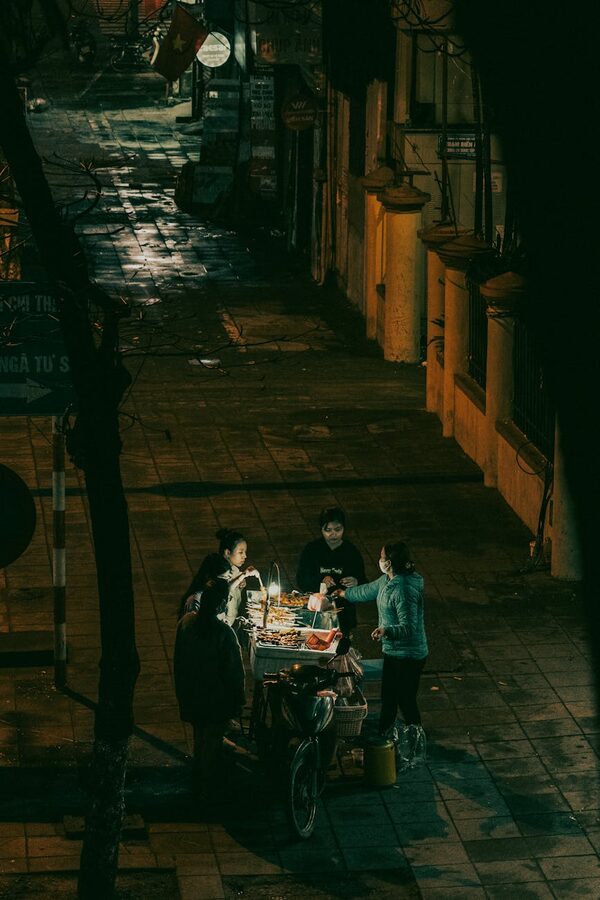
The food leans harder into street-level Hanoi. Expect grilled meat skewers from carts that only appear after 7pm, sweet soup desserts from a vendor who sells out by 9, and bia hoi corners where you are the only tourist at the table.
With over 1,700 reviews and a 5.0 rating, the guides get consistently praised for their local knowledge, riding skills, and the kind of unscripted commentary that makes you feel like you are hanging out with a friend rather than following a script.
This is the one for repeat visitors to Hanoi or anyone who has already done a daytime food tour and wants something deeper. The walking food tours cover the Old Quarter basics — this one goes beyond that.
When to Go
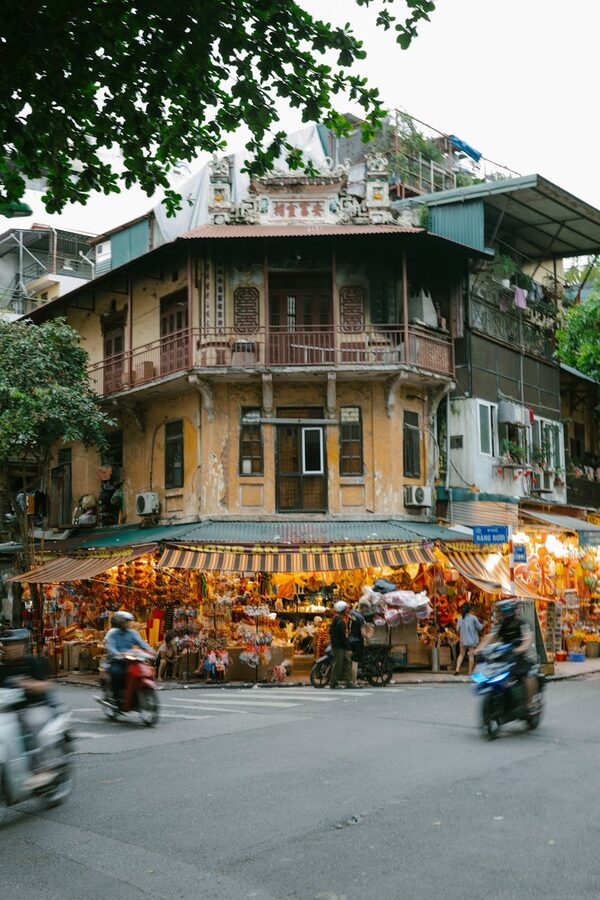
Most food tours run evening departures around 5:00-5:30 PM, and that is the slot you want. Morning tours exist but the heat builds fast, and half the street food vendors do not even set up until late afternoon. The evening timing also means you get to experience Hanoi’s Old Quarter transitioning from day to night — the lights come on, the plastic stools come out, and the real eating begins.
October through December is the sweet spot. Temperatures hover around 20-25 degrees, humidity is manageable, and the streets have that crisp autumn energy that makes riding around on a jeep or motorbike genuinely pleasant. This is also peak tourist season, so book 3-4 days ahead.
January through March can be surprisingly cold and drizzly. Hanoi gets a proper winter — not freezing, but 12-15 degrees with persistent damp feels colder than it sounds when you are on the back of a motorbike. Tours still run, but bring a jacket. The upside: fewer travellers at every stop.
June through August is hot and humid. We are talking 35 degrees plus with tropical downpours that appear from nowhere. Evening tours are the only reasonable option. The good news? Last-minute bookings are easy and the rain usually clears by dinner time.
How to Get to the Meeting Point
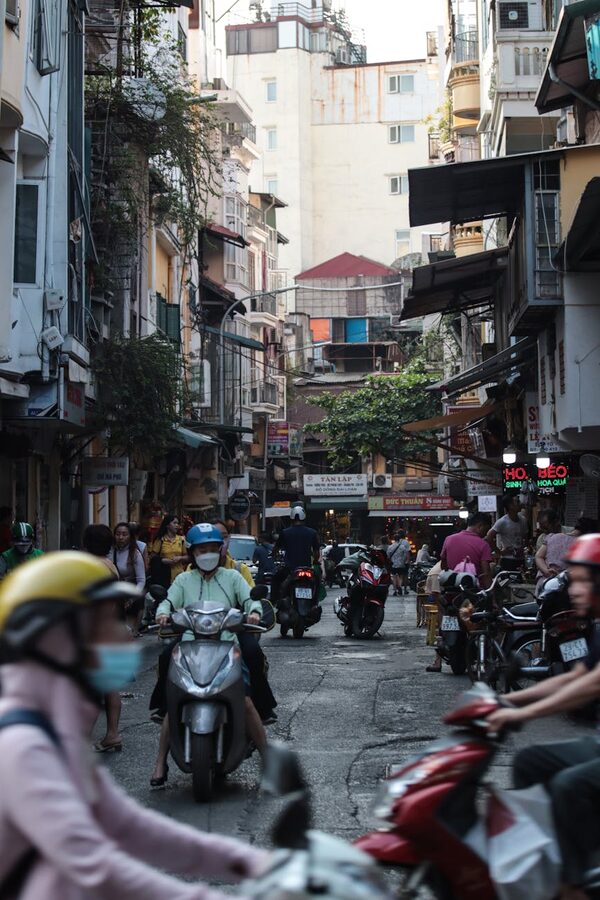
All three tours include hotel pickup if you are staying in or near the Old Quarter (Hoan Kiem district). If your hotel is outside the pickup zone, the standard meeting point is around Hang Tre Street, about a 5-minute walk from Hoan Kiem Lake.
Getting there from other Hanoi districts is straightforward. Grab (Vietnam’s ride-hailing app) costs about 30,000-50,000 VND (roughly $1.20-$2.00) from most hotels within the city. Do not take metered taxis from Noi Bai Airport — use the fixed-rate airport transfer or Grab instead. The airport is about 45 minutes from the Old Quarter without traffic, easily 90 minutes during rush hour (4-7 PM).
If you are coming from Hanoi’s West Lake area or the Tay Ho district, budget 20-30 minutes by Grab. The Ba Dinh district (near Ho Chi Minh Mausoleum) is closer — about 10-15 minutes.
Tips That Will Actually Help
Skip lunch. Seriously. The tours pack in 6-8 food stops over 4 hours and the portions are bigger than you would expect. I have watched people tap out by stop four because they ate a full meal beforehand. A light snack around noon, then nothing until the tour starts.
Bring cash in small denominations. While the tours include all the planned food stops, you will want to grab extra things along the way — a fruit shake here, an extra banh mi there. Street vendors do not take cards. 200,000-300,000 VND in small bills is plenty.
Wear closed-toe shoes on motorbike tours. Sandals work fine on the jeep, but if you are on the back of a Minsk, you want your feet covered. Hot exhaust pipes and flip-flops are a bad combination.
The vegetarian situation is limited. Most tours can accommodate vegetarian requests if you notify them when booking, but the standard route is heavily meat-focused. Bun cha is grilled pork, banh mi is stuffed with pate and cold cuts, and even the pho broth is beef-based. Let them know in advance so they can swap stops.
Rain does not cancel tours. Guides carry ponchos and the food stalls have covers. Some of the best food tour experiences happen in light rain when the streets empty out and you get the stalls almost to yourself. Heavy monsoon downpours will cause a delay, not a cancellation.
What You Will Actually Eat
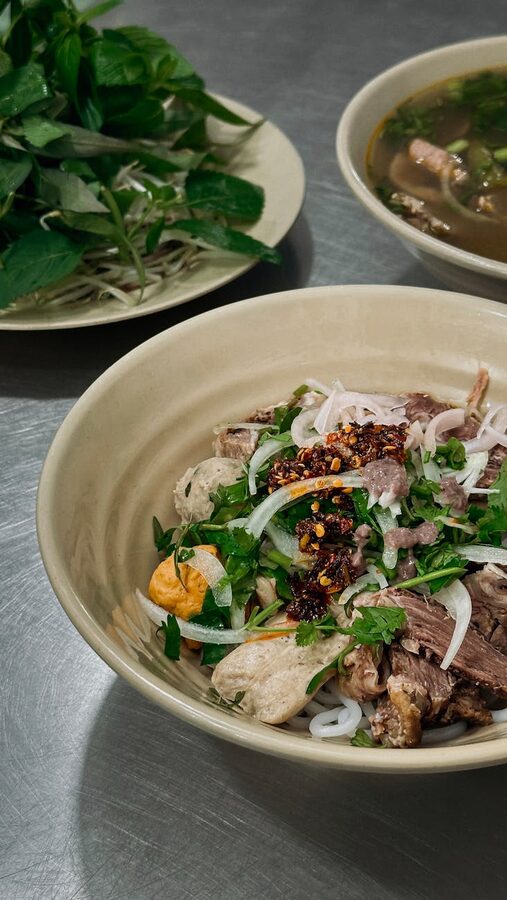
Every tour route is slightly different, but the core dishes overlap. Here is what to expect across the three recommended tours.
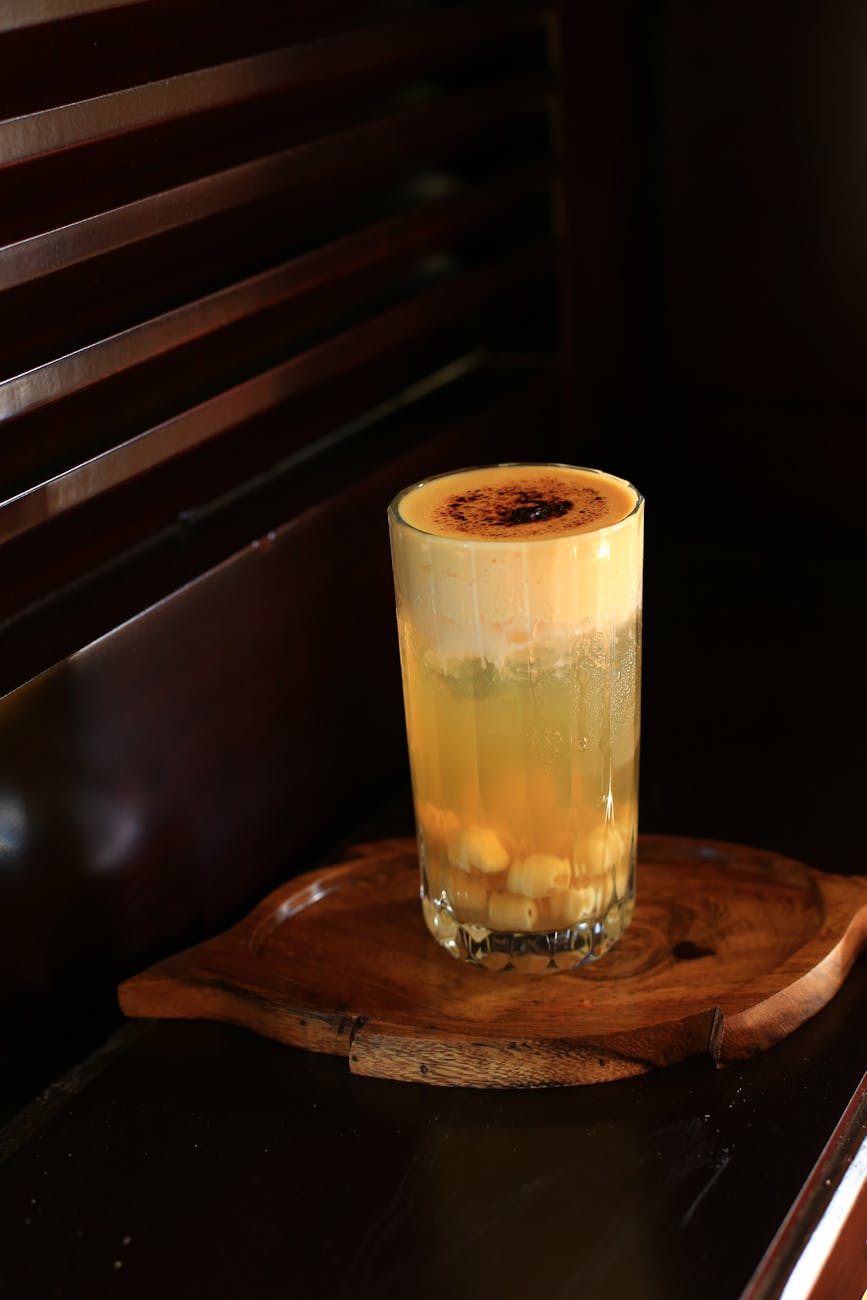
Egg coffee (ca phe trung) — Hanoi invented this. Strong Vietnamese coffee topped with a thick, sweet, whipped egg yolk foam. It tastes like coffee-flavored tiramisu and it is served warm in a small cup set in a bowl of hot water to keep the temperature right. The original recipe comes from Giang Cafe, established in 1946, and most tours stop either there or at a cafe using the same technique.
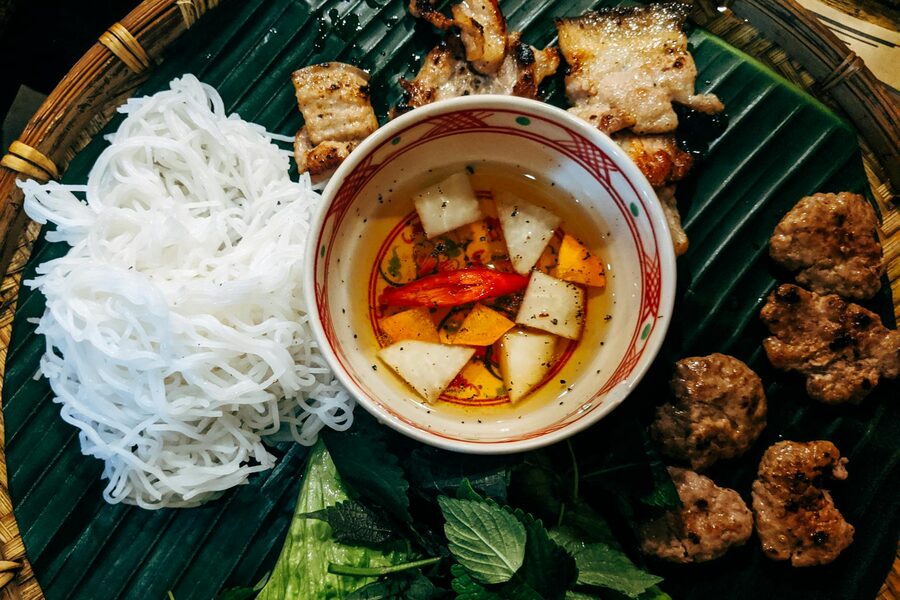
Bun cha — Grilled pork patties and sliced belly pork served in a sweet-sour fish sauce broth, with cold rice vermicelli noodles and a plate of fresh herbs on the side. This is the dish that put Hanoi street food on the international map. The Michelin-recommended stalls smoke through kilos of pork every day, and the best ones have queues out the door by 11 AM.
Pho cuon (rolled pho) — Not pho soup. Fresh rice noodle sheets rolled around stir-fried beef and herbs, served with a dipping sauce. It is lighter than regular pho, more like a fresh spring roll made from pho noodles. A Hanoi original that you will not find much of outside the city.
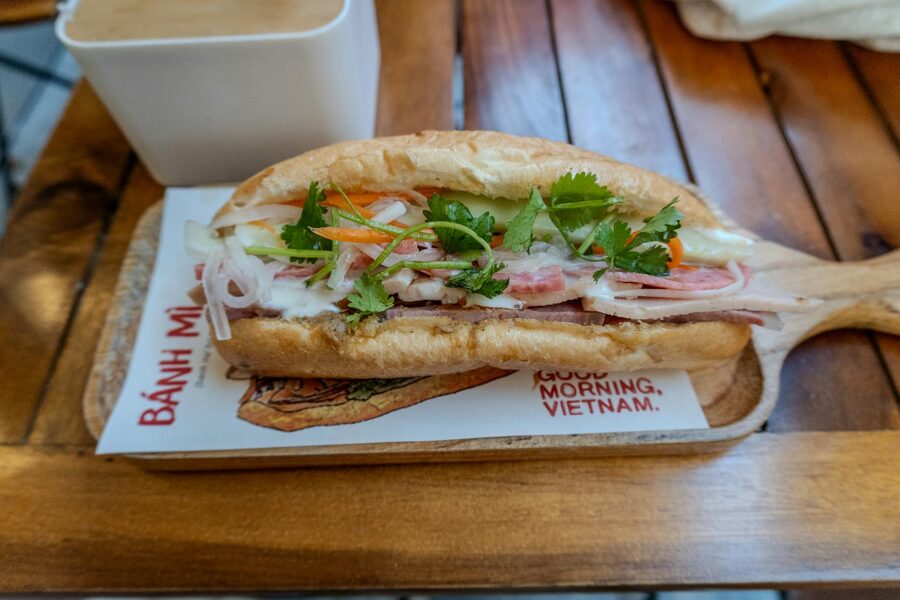
Banh mi — The Hanoi version uses a thinner, crispier baguette than what you will find in Ho Chi Minh City. Stuffed with pate, cold cuts, pickled carrots, daikon, cucumber, cilantro, and chili. Some stalls have been running the same recipe since the French left. At 15,000-25,000 VND ($0.60-$1.00), it is one of the best sandwiches on the planet for pocket change.
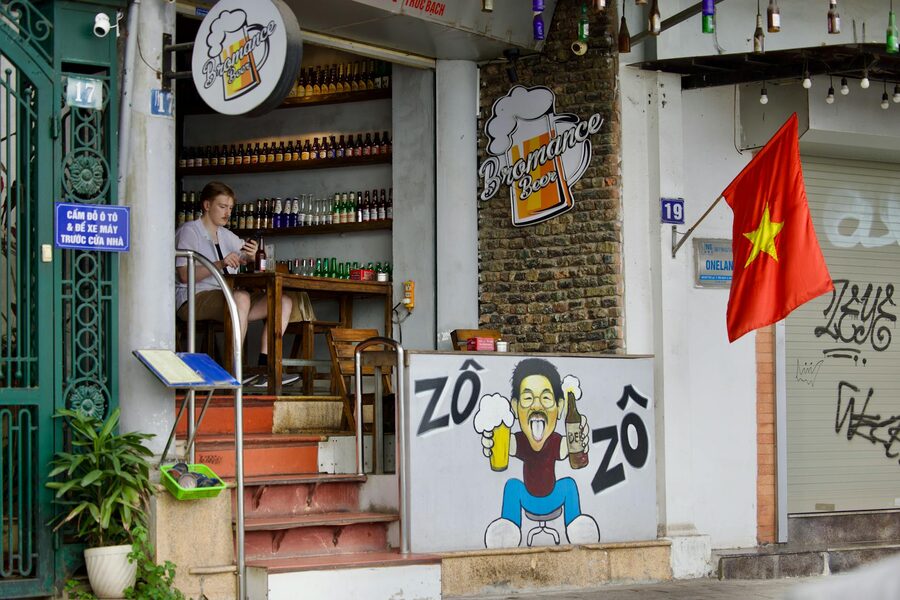
Bia hoi — Fresh draft beer, brewed daily and served at tiny plastic tables on the sidewalk. It costs about 10,000 VND ($0.40) per glass and tastes light, slightly sweet, and incredibly drinkable. The bia hoi corners — especially the famous junction at Ta Hien Street — are where every tour ends, and for good reason. It is the most social eating experience in the city.
Jeep vs. Motorbike — Which Should You Pick?
This is the first decision you will face, and it matters more than you would think.
Choose the jeep if: you are traveling with kids, you are nervous about motorbike traffic, you want a more comfortable ride, or it is your first time in Hanoi. The GAZ-69 has bench seating, you are enclosed (but open-sided), and it feels more like a safari vehicle than a taxi. Groups of 4-6 fit in one jeep, which makes it good for families or groups of friends.
Choose the motorbike if: you want the full sensory experience, you are comfortable on two wheels, you want to access tighter alleyways and smaller food spots, or you have done Hanoi before and want something more raw. The vintage Minsk bikes add character, and the one-on-one with your guide (who is also your driver) makes the commentary more personal.
The food is identical on both — same operator, same stops, same dishes. The only real difference is how you get between them. And honestly? If you have two evenings in Hanoi, do both. The jeep one night, the motorbike the next. They feel like completely different experiences even though the route overlaps.
Train Street — The Stop Everyone Asks About
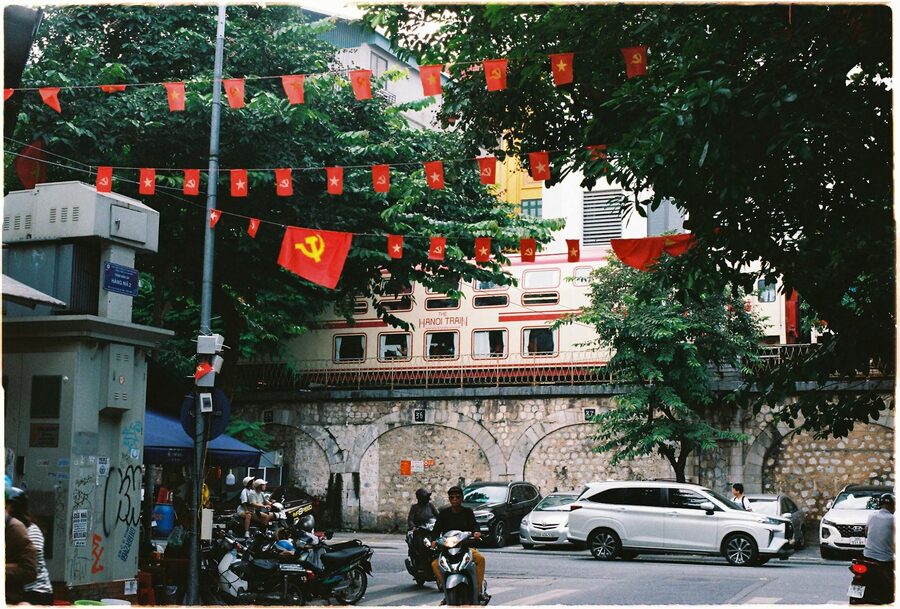
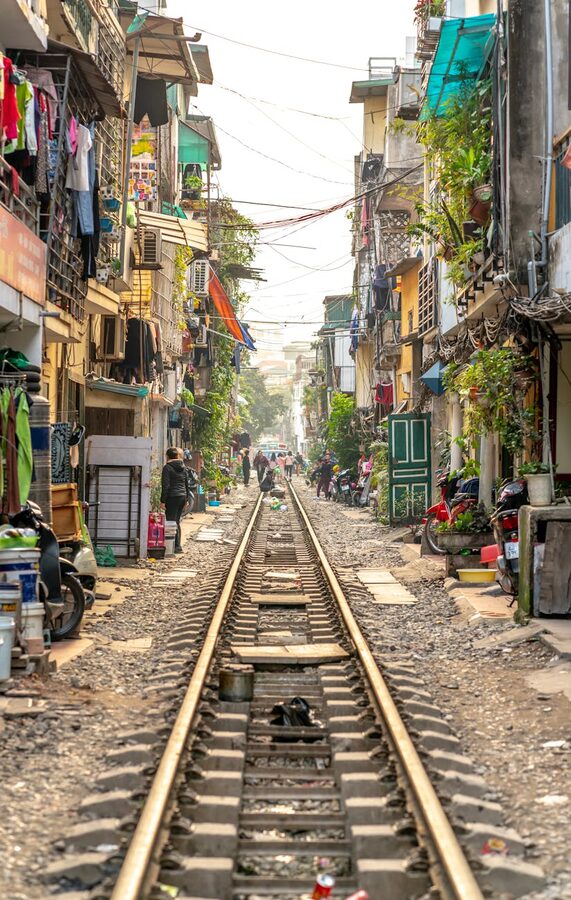
Most Hanoi food tours include a stop at Train Street (Phung Hung) — the narrow alley where houses and cafes sit centimeters from active train tracks. You sit in a cafe, drink your egg coffee, and then a real train comes through close enough to touch.
The government has cracked down on Train Street access multiple times over the years. As of early 2026, access is restricted but still possible through certain cafes that have agreements with local authorities. Tour operators know which ones are currently open and will route you there if it is accessible. If it is closed on your visit date, do not worry — it is a 10-minute stop that is cool but not essential. The food is the main event.
What to Wear and Bring
Keep it practical. Lightweight, breathable clothing — cotton or linen, not synthetic. Hanoi’s humidity will make you sweat regardless, but natural fabrics handle it better. Dark colors hide food splashes (and there will be food splashes when you are eating bun cha on a plastic stool).
For motorbike tours, wear long pants. Not for modesty — for the exhaust pipe burn protection I mentioned earlier. Shorts are fine on the jeep. A small crossbody bag works better than a backpack since you will be sitting in tight spaces. Leave the bulky camera at the hotel — your phone is all you need, and the guides are great at taking photos for you.
Beyond the Old Quarter — Hanoi Food Spots Worth Finding Yourself
Tours cover the greatest hits, but Hanoi’s food scene runs deeper than any 4-hour tour can reach. After your guided tour, you will have the confidence (and the full stomach) to explore on your own.
The city and countryside combo jeep tour extends the food experience beyond the Old Quarter if you have a full day. For something completely different, the Ho Chi Minh City scooter food tour gives you the southern Vietnam contrast — sweeter flavors, different noodle dishes, and a completely different street food energy.
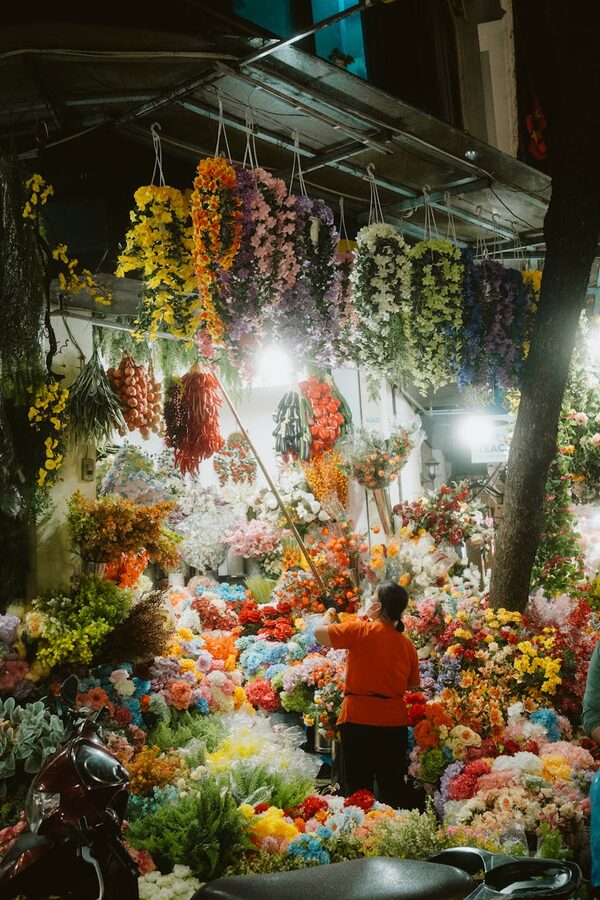
Dong Xuan Market in the north end of the Old Quarter is worth a solo visit during the day for the fresh produce section. The small group walking food tours are a solid complement if you want to go deeper on a single neighborhood without the wheels. And if you are heading south after Hanoi, the Cu Chi Tunnels from Ho Chi Minh City are a must — a completely different experience but essential for understanding Vietnam beyond the food.
Planning the Rest of Your Vietnam Trip
Hanoi works best as either your starting or ending point in Vietnam, and a food tour on your first evening is the ideal way to orient yourself. From here, most travellers head to Ha Long Bay for a day cruise or spend a couple of days in Ninh Binh exploring Tam Coc and Mua Cave.
If you are building a full itinerary, our 10-day Vietnam itinerary maps out five different routes depending on whether you prioritize food, history, beaches, or trekking. The Ban Gioc Waterfall trip from Hanoi is the sleeper pick — most travellers skip it, which is exactly why it is worth going. For the south, the Saigon street food tour makes for a perfect bookend to the Hanoi experience.