
Have you ever watched a sport where the crowd noise physically shakes the floor beneath your seat? Where two athletes throw elbows, knees, and shin kicks at each other for fifteen minutes while a live band plays faster and faster as each round intensifies? That is Muay Thai at a proper Bangkok stadium, and it is one of the most electric live events you will experience anywhere in the world.
I have attended fights at Rajadamnern, Lumpinee, and a half-dozen smaller rings across Thailand. Each venue has its own atmosphere, but the core experience is the same: raw, technical, and impossible to look away from.
The booking process is simpler than most travellers expect. You do not need a local contact or secret knowledge. But ticket types, seating sections, and fight schedules vary enough that a little homework beforehand means a much better night.
Short on time? Here are my top 3 picks:
Best overall: Rajadamnern Stadium Tickets, Bangkok — $32. The most famous Muay Thai venue in the world. Historic atmosphere and strong fight cards.
Best for Phuket: Patong Boxing Stadium, Phuket — $48. Ringside seats with traditional rituals in a smaller, more intimate setting.
Best for islands: Phetch Buncha Stadium, Koh Samui — $48. Authentic fights in a relaxed island atmosphere.
- How the Ticket System Works
- Buying at the Box Office vs Booking Online
- The Best Muay Thai Tickets to Book
- 1. Rajadamnern Stadium, Bangkok —
- 2. Patong Boxing Stadium, Phuket —
- 3. Phetch Buncha Stadium, Koh Samui —
- When to Go
- How to Get to Rajadamnern Stadium
- Tips for Your First Muay Thai Night
- What Makes Muay Thai Different from Other Combat Sports
- Building a Full Bangkok Itinerary Around Fight Night
How the Ticket System Works
Muay Thai tickets in Thailand work differently than western sporting events. There is no Ticketmaster or centralized box office. Each stadium manages its own ticketing, and the system is designed more for locals than travellers.
Rajadamnern Stadium (Bangkok) is the big one. Built in 1945, it is the oldest and most prestigious Muay Thai venue in the country. Fights happen on Wednesday, Thursday, Friday, and Sunday evenings, typically starting around 6:30 PM. Ticket prices range from $32 for standard seats to $100+ for VIP ringside.
You can buy tickets three ways:
- Online through booking platforms like GetYourGuide — guaranteed seat, skip the box office line, free cancellation up to 24 hours before
- At the stadium box office — opens around 4 PM on fight nights, first-come first-served for unreserved sections
- Through your hotel concierge — some hotels have relationships with stadiums and can arrange tickets, but usually at a markup
I recommend booking online for first-timers. The box office system is a bit chaotic, and the best sections sell out early on popular fight nights. Online tickets also include your section assignment so you are not left standing wondering where to go.
What is included in the ticket price: Entry to the venue, your assigned seat, and access to all fights on the card (typically 8-10 bouts). Drinks and food are available inside at reasonable prices. No dress code, but avoid wearing red or blue as these are the fighters corner colors and can cause confusion in the betting sections.
Buying at the Box Office vs Booking Online
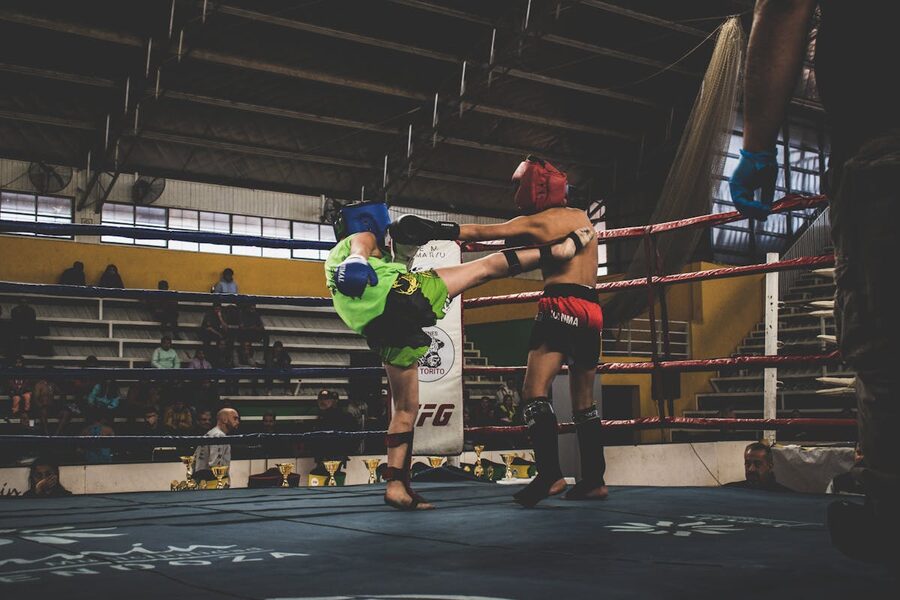
The box office has one advantage: you can sometimes negotiate on quiet nights. Tuesday and Wednesday fights at smaller stadiums occasionally have empty seats, and the price drops. But this only works at less popular venues. At Rajadamnern, the box office price is the box office price.
Online booking advantages:
- Guaranteed entry even on sold-out nights
- Free cancellation if your plans change
- Section assignment so you know exactly where you are sitting
- No language barrier at the box office
- Sometimes includes a drink or snack
Box office advantages:
- Slightly lower prices at some smaller venues
- Can choose your exact seat if sections are not full
- No booking fees
For travellers, online booking through a trusted platform is the way to go. The price difference is negligible, and the convenience of knowing you have a confirmed spot is worth it. All three stadium tickets I recommend below offer free cancellation.
The Best Muay Thai Tickets to Book
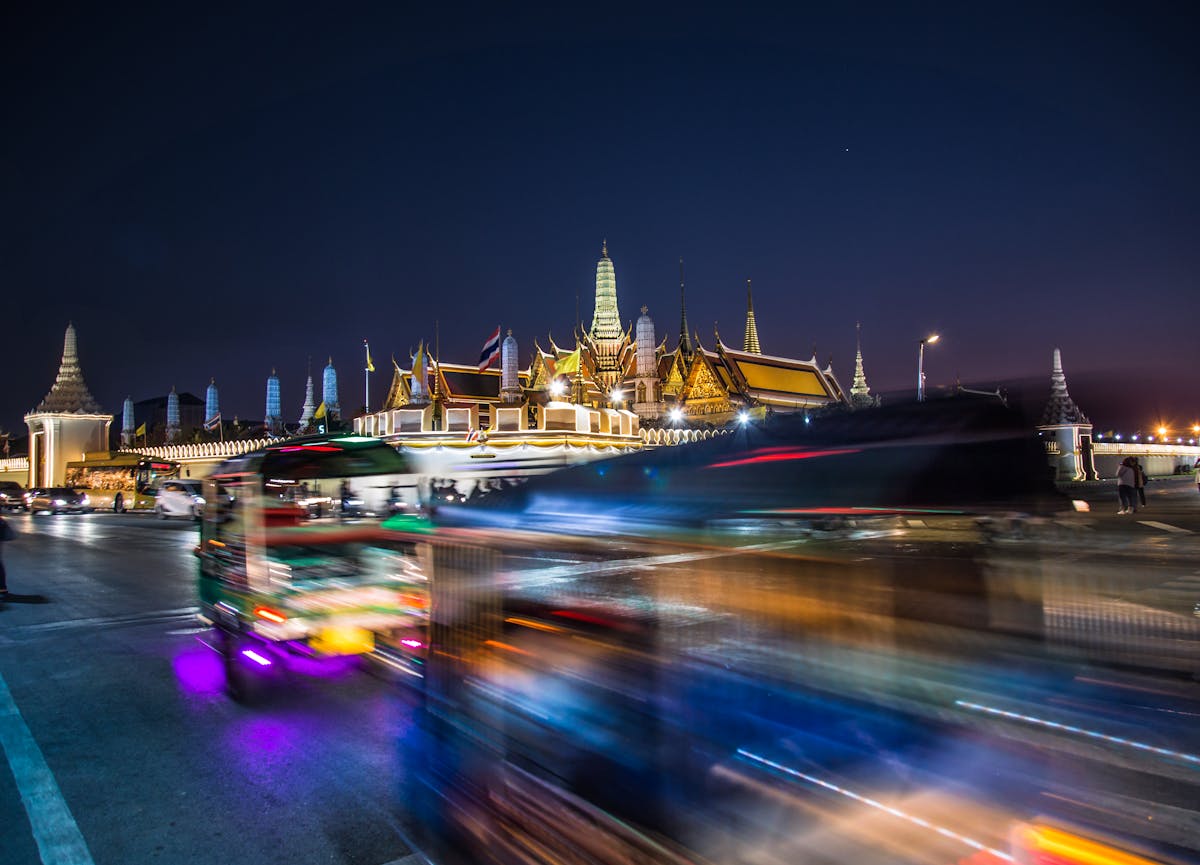
I have picked the three best venues across Thailand: one in Bangkok (the must-do), one in Phuket, and one in Koh Samui. Each is verified through our tour review database with thousands of real visitor ratings.
1. Rajadamnern Stadium, Bangkok — $32
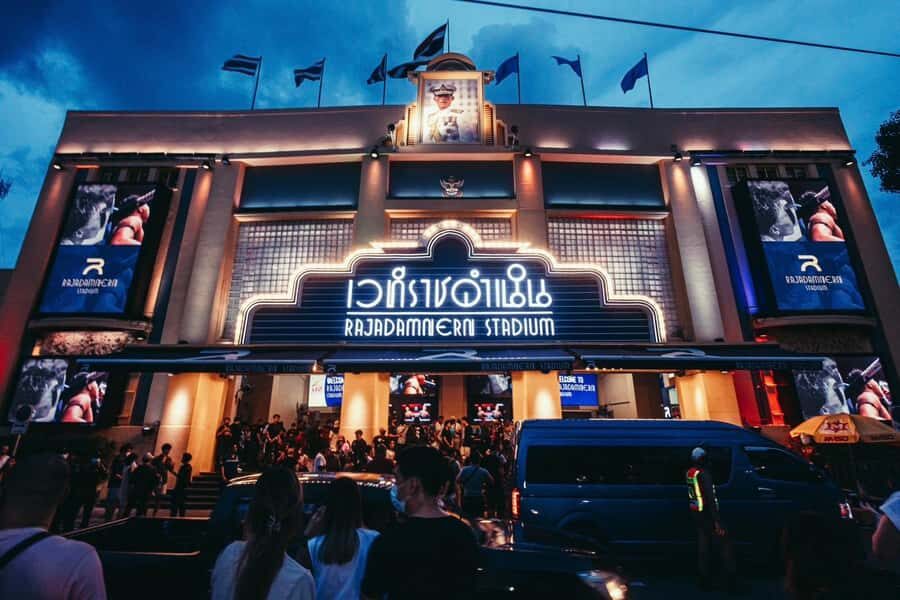
If you watch one Muay Thai fight in your life, make it at Rajadamnern. This is not a tourist show. This is where Thai championship belts are won and lost, where the best fighters in the country compete, and where the atmosphere is built by locals who have been coming here for decades, not by tour groups.
At $32 for standard seating, it is remarkably affordable for what you get. A typical fight card runs 8-10 bouts over two to three hours. The early fights feature up-and-coming fighters who fight with everything they have. The main events are more tactical, but no less intense. The live piphat band plays traditional music that speeds up as each round progresses, and the effect on the crowd is almost hypnotic.
Over 10,600 visitors have rated this experience 4.9 out of 5 stars. That is an extraordinary rating for a live sporting event where fight quality can vary night to night. The consistency tells you the venue and atmosphere deliver regardless of the specific card.
2. Patong Boxing Stadium, Phuket — $48
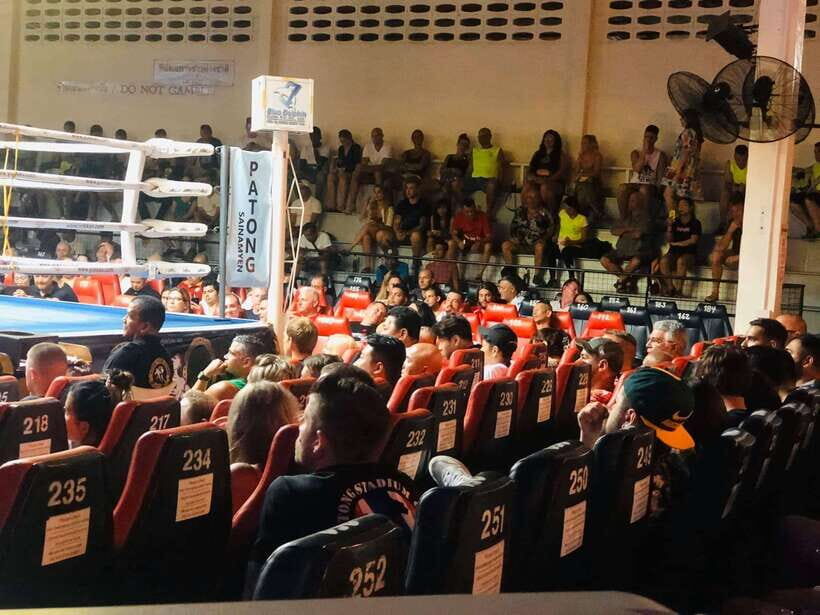
If your Thailand trip is centered on Phuket, Patong Boxing Stadium is the best option for watching real Muay Thai without flying to Bangkok. We have a separate guide covering all the Phuket fight venues if the island is your base. The stadium is smaller than Rajadamnern, which actually works in its favor: every seat feels close to the ring, and the energy in a packed 1,500-seat venue is intense.
At $48 per person, it costs more than Rajadamnern standard tickets, but the price includes ringside seating. You are close enough to see the sweat fly. Fight cards run several nights per week during high season (November through April) and less frequently in the low season.
With 2,200+ reviews at 4.7 stars, it trails Rajadamnern slightly in ratings. Some of that gap is the higher price and lower-ranked fighters compared to Bangkok championship cards. But for visitors already on the island, it saves a flight and still delivers an authentic Muay Thai experience. The traditional Wai Kru ritual before each bout is performed with the same reverence as the Bangkok stadiums.
3. Phetch Buncha Stadium, Koh Samui — $48
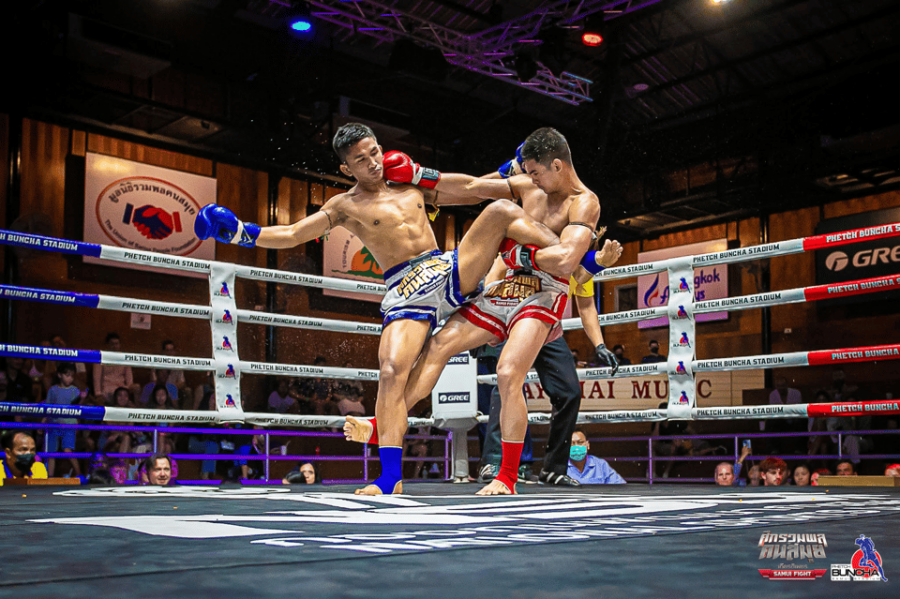
Koh Samui is not where you expect to find serious Muay Thai, which makes Phetch Buncha Stadium a genuine surprise. This is a local fighting venue where Thai boxers compete for regional rankings, and the atmosphere is less polished than Bangkok but more raw and unpredictable.
At $48 per person, the price matches Phuket. Fight nights are typically two or three times per week, with cards of 6-8 bouts. The crowd is smaller (maybe 300-500 people on a busy night), which means less anonymity and more direct engagement with the fights. When a knockout happens here, you hear the collective intake of breath from everyone in the building.
Nearly 800 reviews with a 4.8-star average. The smaller review count reflects the island lower tourist volume, not the quality. Visitors consistently call it one of the most memorable parts of their Koh Samui trip. Pair it with a beach day and you have the perfect island contrast: lazy morning, violent evening.
When to Go
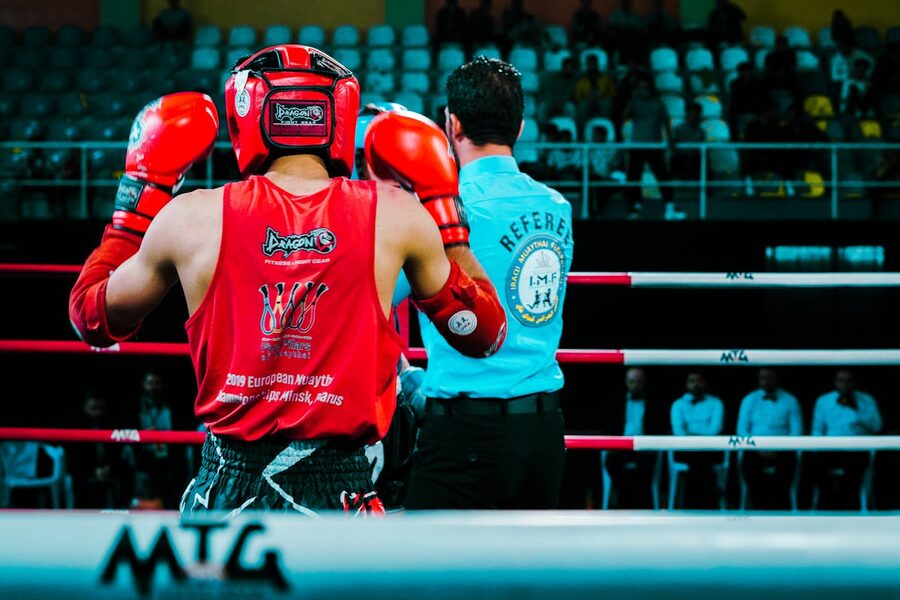
Rajadamnern fight schedule: Wednesday, Thursday, Friday, and Sunday evenings. Gates open around 5:30-6 PM, first fight starts around 6:30 PM. The main events begin around 9 PM. Plan to be there by 6 PM to see the full card.
Best nights for serious fights: Wednesday and Thursday tend to feature the strongest cards with championship-caliber fighters. These are the nights Thai boxing fans attend.
Best nights for atmosphere: Friday and Sunday draw larger crowds including more travellers, which creates a louder, more festival-like atmosphere. The fights are still real, but the energy is different from the purist midweek cards.
Avoid holidays: Fight schedules change around Thai public holidays, particularly Songkran (mid-April) and Chinese New Year (January/February). Check the specific fight card before booking during these periods.
Phuket and Koh Samui schedules vary by season. During high season (November-April), fights run 3-4 nights per week. Low season drops to 1-2 nights. Check availability when booking.
How to Get to Rajadamnern Stadium
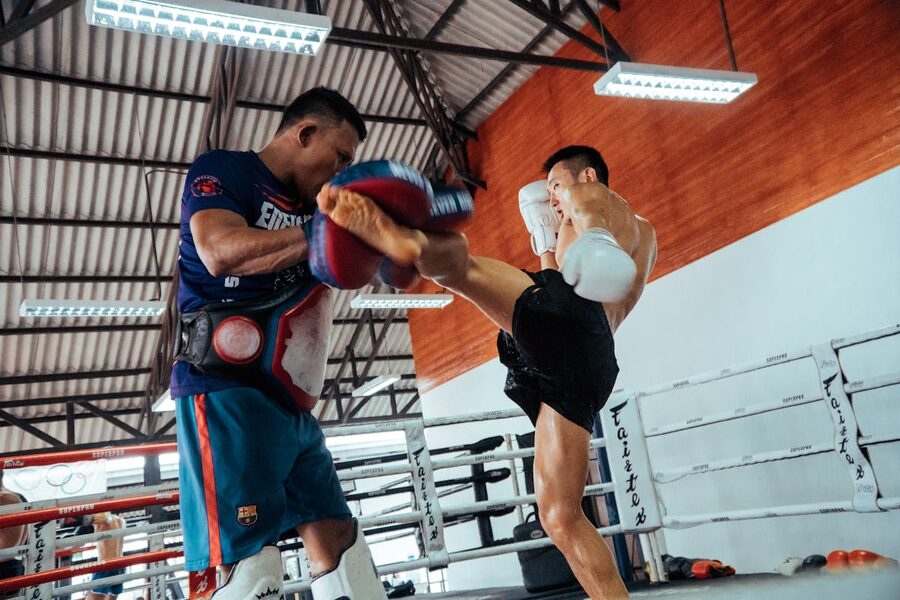
Rajadamnern Stadium address: 1 Ratchadamnoen Nok Road, Pom Prap Sattru Phai, Bangkok. It sits in the old city area near the Democracy Monument and the Grand Palace.
By BTS/MRT: The nearest station is Sanam Chai (MRT Blue Line), about a 15-minute walk. Or take the BTS to National Stadium and grab a taxi or tuk-tuk from there (about 10 minutes, 50-80 baht).
By taxi: From Sukhumvit/Silom, expect 100-200 baht depending on traffic. Use the meter. From Khao San Road, it is a 5-minute tuk-tuk ride (50-100 baht).
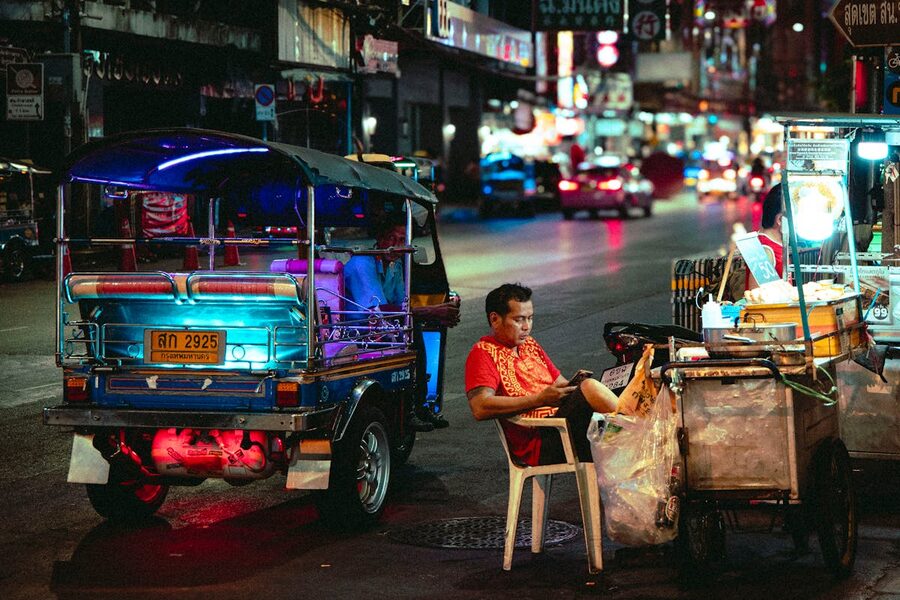
By tuk-tuk: The most fun way to arrive, and a good warm-up if you are planning a full tuk-tuk night tour with Chinatown dinner later. Agree on price before getting in. From the Khao San Road area, 50-100 baht is fair. From Siam, 100-150 baht.
After the fights: The area around Rajadamnern has street food stalls that stay open late. Khao San Road is a 5-minute ride away if you want post-fight drinks. The Chao Phraya river is walkable for a quieter end to the evening, or you could head to the Mahanakhon Skywalk earlier in the afternoon before the first bout.
Tips for Your First Muay Thai Night
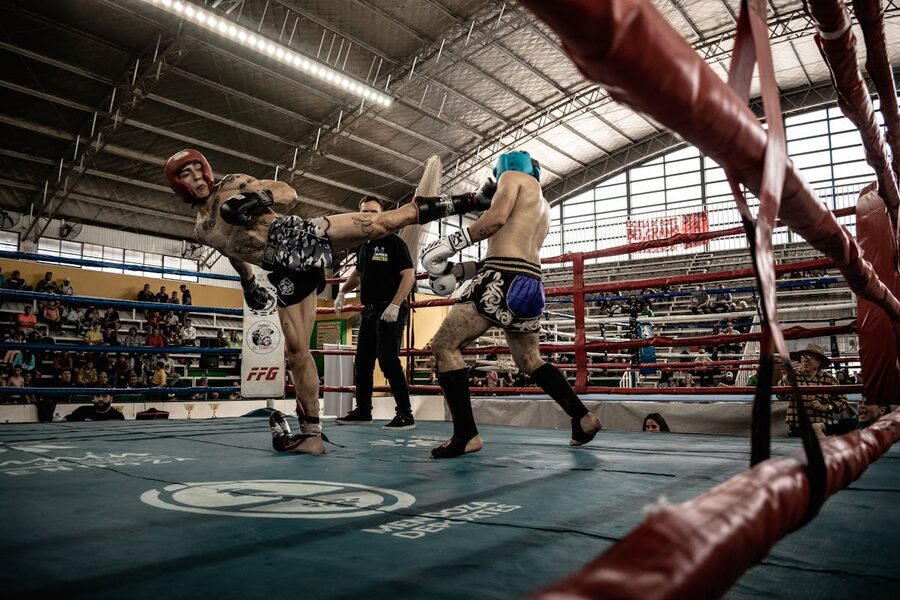
- Arrive early for the full experience. The undercard fights (6:30-8 PM) feature young fighters with more to prove. They are often more aggressive and entertaining than the cautious main events. Plus, you get to see the Wai Kru ritual multiple times.
- Understand the scoring. Muay Thai judges value technique over power. Clean kicks to the body score higher than wild punches. Knees in the clinch score well. If you know this, the fights make much more sense.
- Do not bet unless you understand the system. The Thai betting sections are loud and confusing. Hand signals, shouted odds, informal bookmakers. It is fascinating to watch but easy to lose money if you do not know the conventions. Observe first.
- Bring cash. Stadium vendors and nearby street food stalls generally do not accept cards. ATMs are available nearby but charge fees. 1,000-2,000 baht in cash is enough for drinks, snacks, and a tuk-tuk home.
- The music is part of the fight. The live piphat band plays throughout every bout and speeds up as the action intensifies. This is not background music. It is a tactical element that affects fighter rhythm and crowd energy. Pay attention to it.
- Earplugs for ringside. If you book VIP or ringside seats, the noise level during knockdowns and close rounds is genuinely painful. Bring earplugs or stuff napkins in your ears. Not glamorous, but practical.
- Dress comfortably. There is no dress code at any Thai boxing venue. Shorts and t-shirts are fine. The stadiums are hot even with fans running, so light clothing is smart. Avoid wearing red or blue to stay neutral.
- The fights are real. Unlike some tourist shows in Pattaya or resort areas, the fights at Rajadamnern, Patong Boxing Stadium, and Phetch Buncha are genuine competitive bouts with ranked fighters. Injuries happen. Blood happens. If you are squeamish about contact sports, be prepared.
What Makes Muay Thai Different from Other Combat Sports
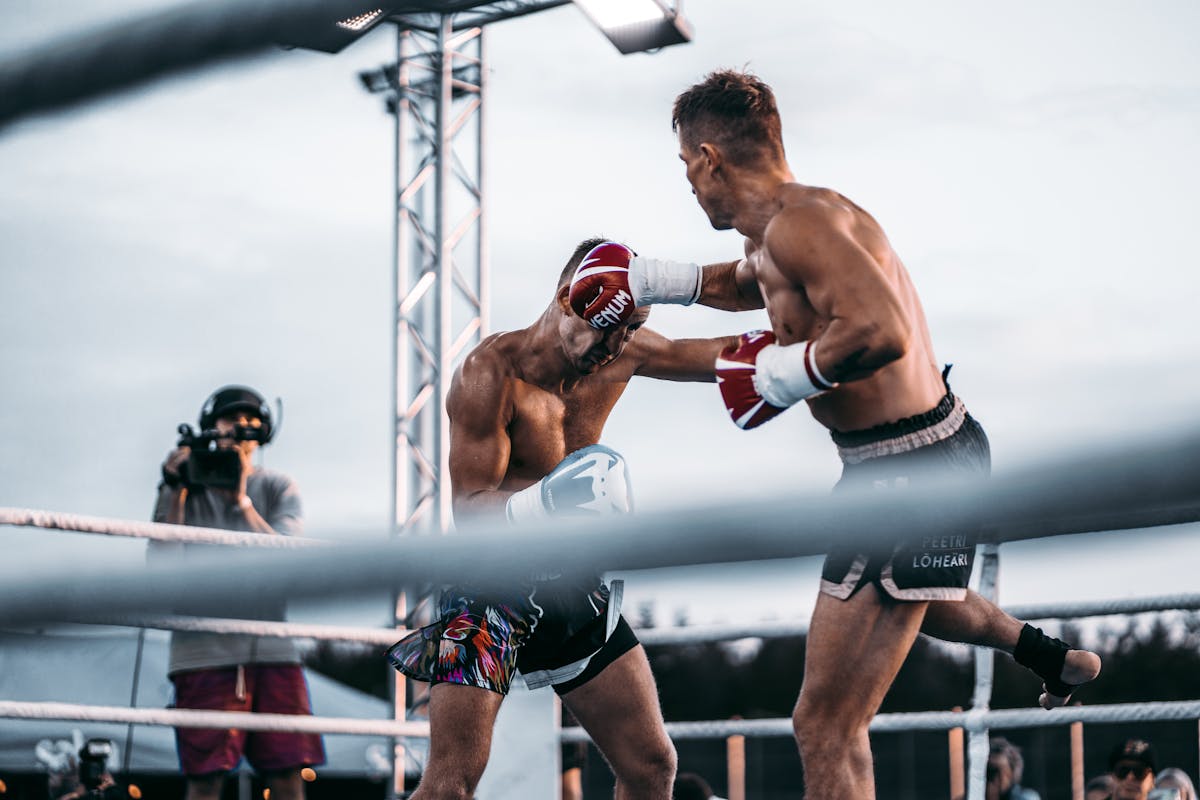
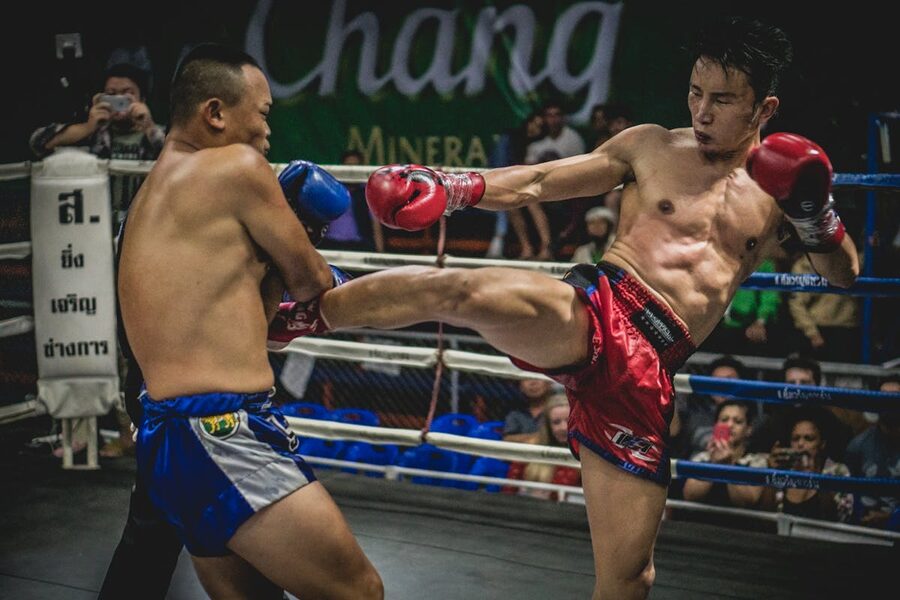
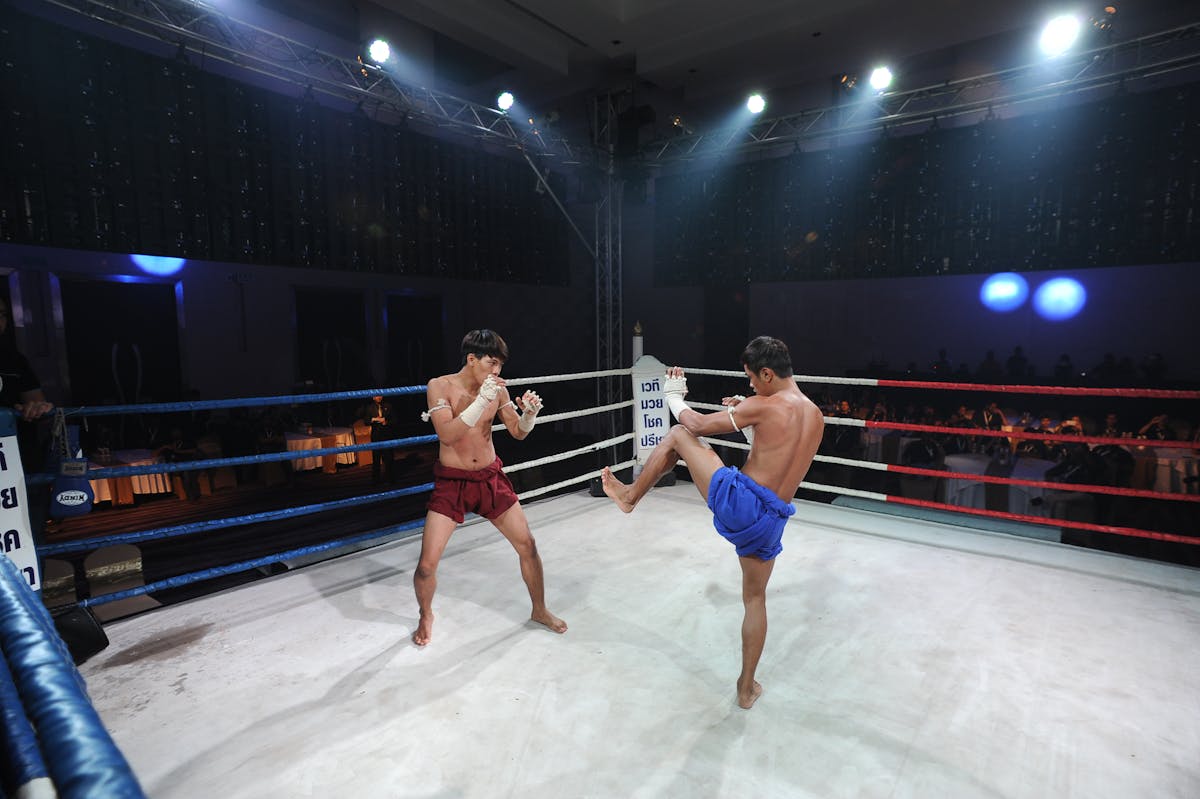
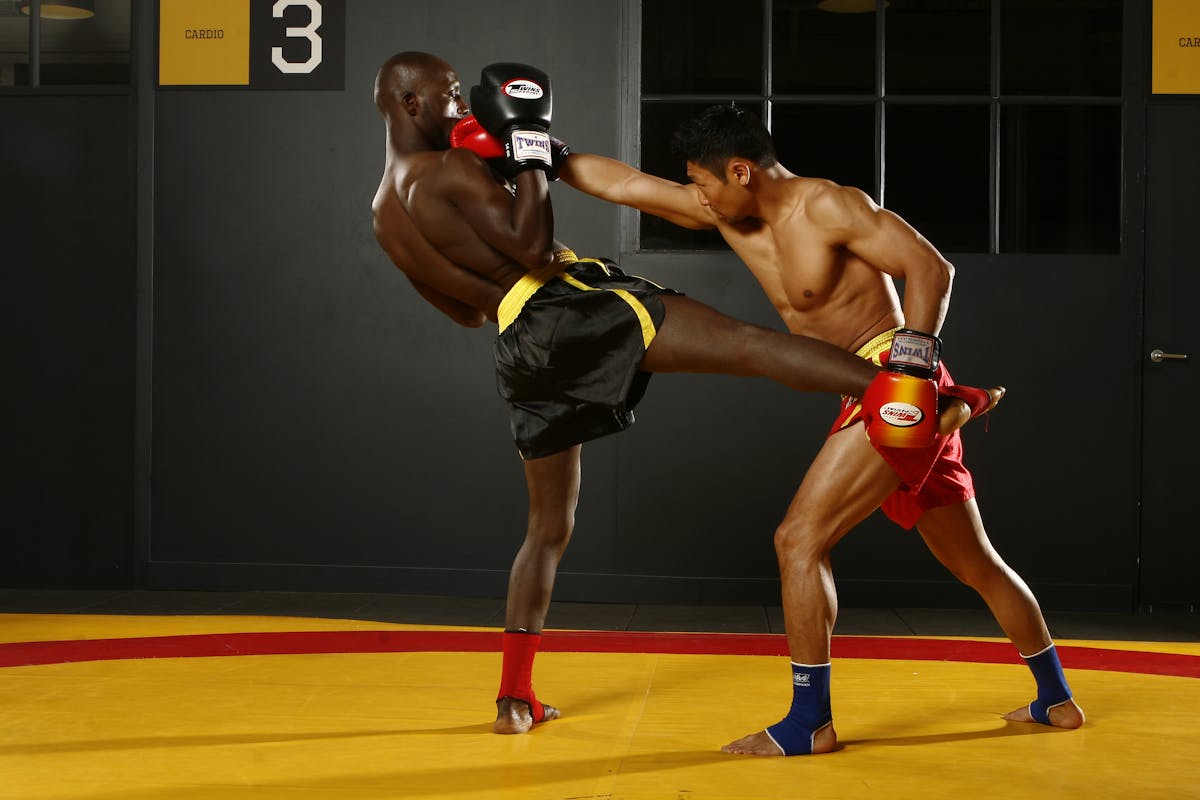
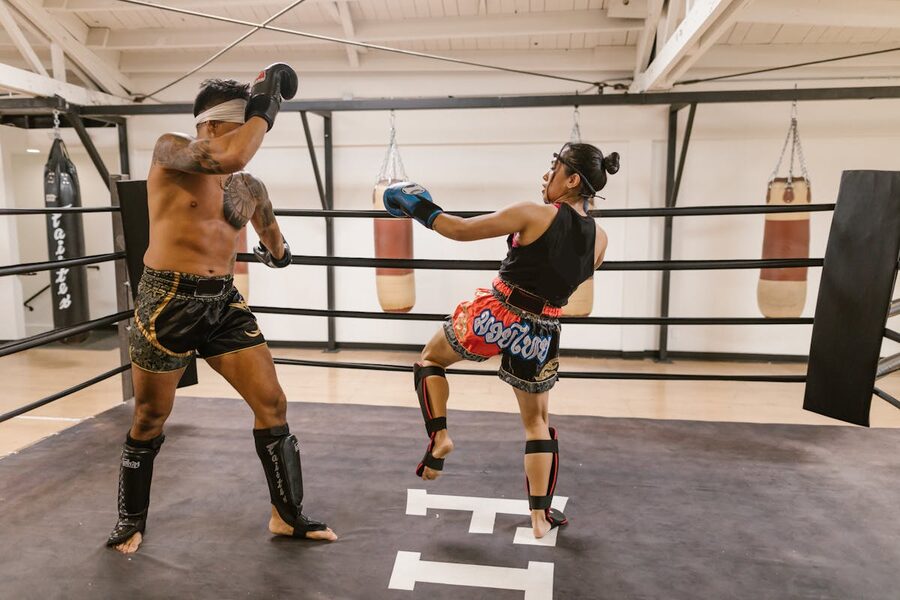
If you have only seen western boxing or MMA on TV, Muay Thai will surprise you. It is called the Art of Eight Limbs because fighters use fists, elbows, knees, and shins. That is eight striking surfaces compared to boxing two.
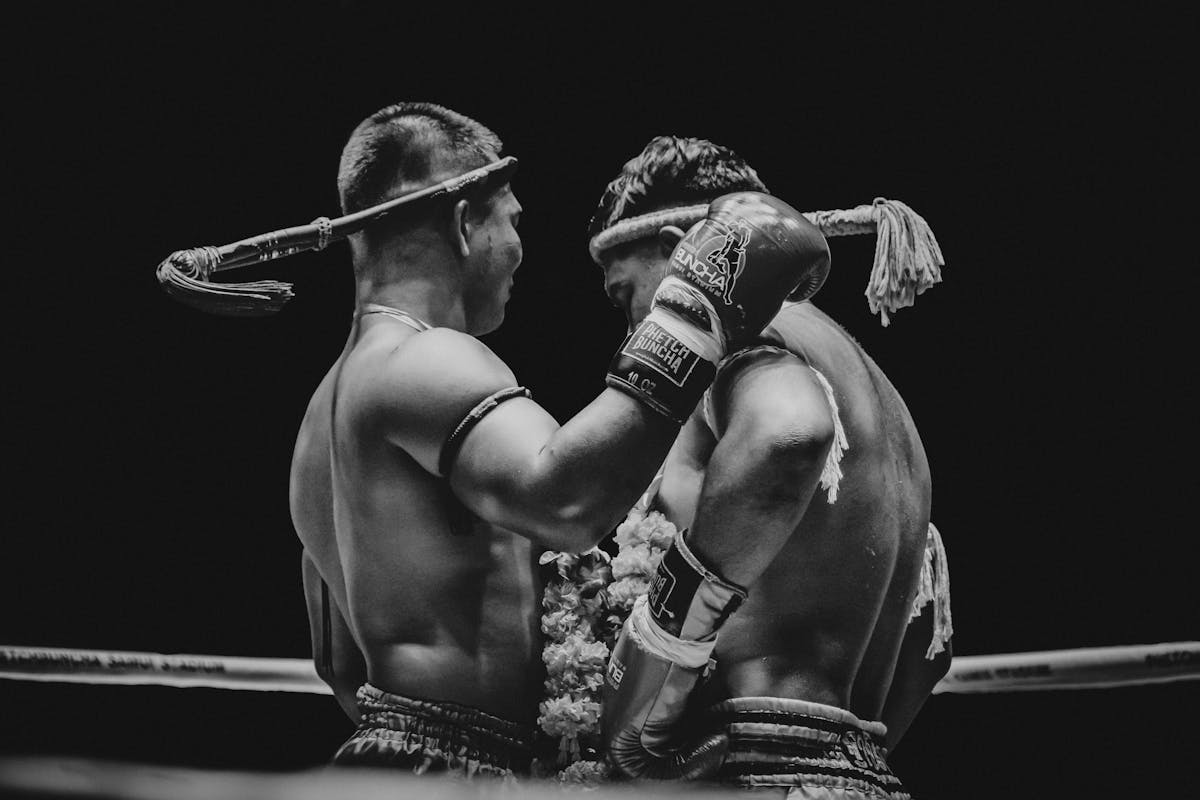
The clinch work is where Muay Thai gets really interesting. Fighters grab each other behind the neck and throw short-range knees. In boxing, the referee breaks up clinches. In Muay Thai, the clinch IS the fight for much of rounds three through five. It looks like hugging until someone takes a knee to the solar plexus.
The tempo is unique too. Rounds one and two are typically slow and tactical. Fighters are feeling each other out, testing range, scoring with low kicks. Round three is when things open up. By rounds four and five, the pace is frantic, the music is at maximum speed, and the crowd is on its feet. If you arrive late and miss the early rounds, you will still catch the best action.
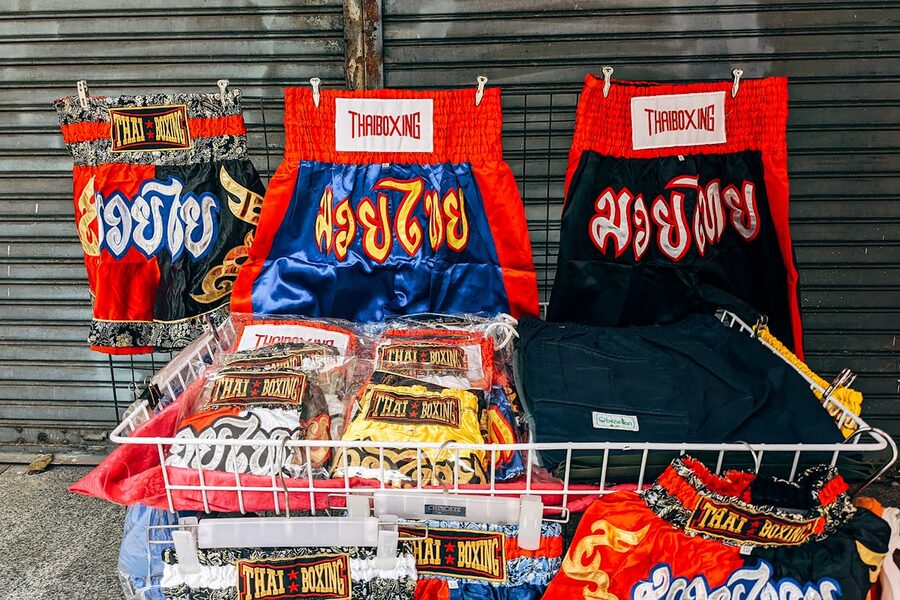
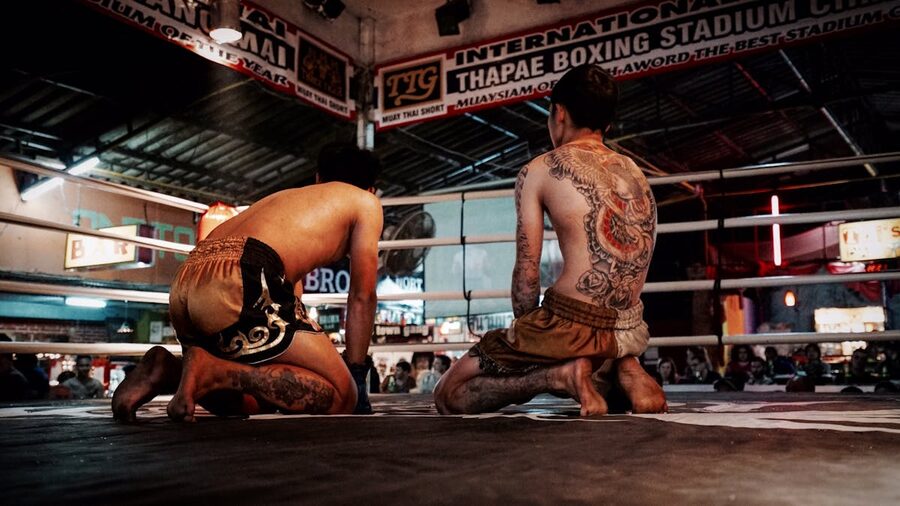
The Wai Kru ritual before each fight is worth watching closely. Each fighter performs a dance-like routine in the ring that pays respect to their trainer, their gym, and their family. Some are elaborate and theatrical. Others are short and intense. The ritual tells you a lot about the fighter personality and confidence before a single punch is thrown.
Building a Full Bangkok Itinerary Around Fight Night
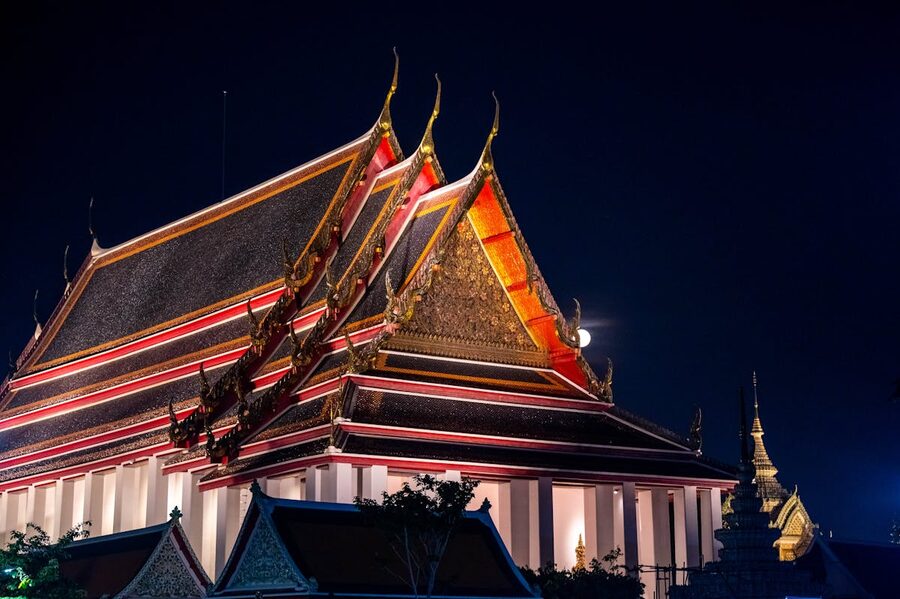
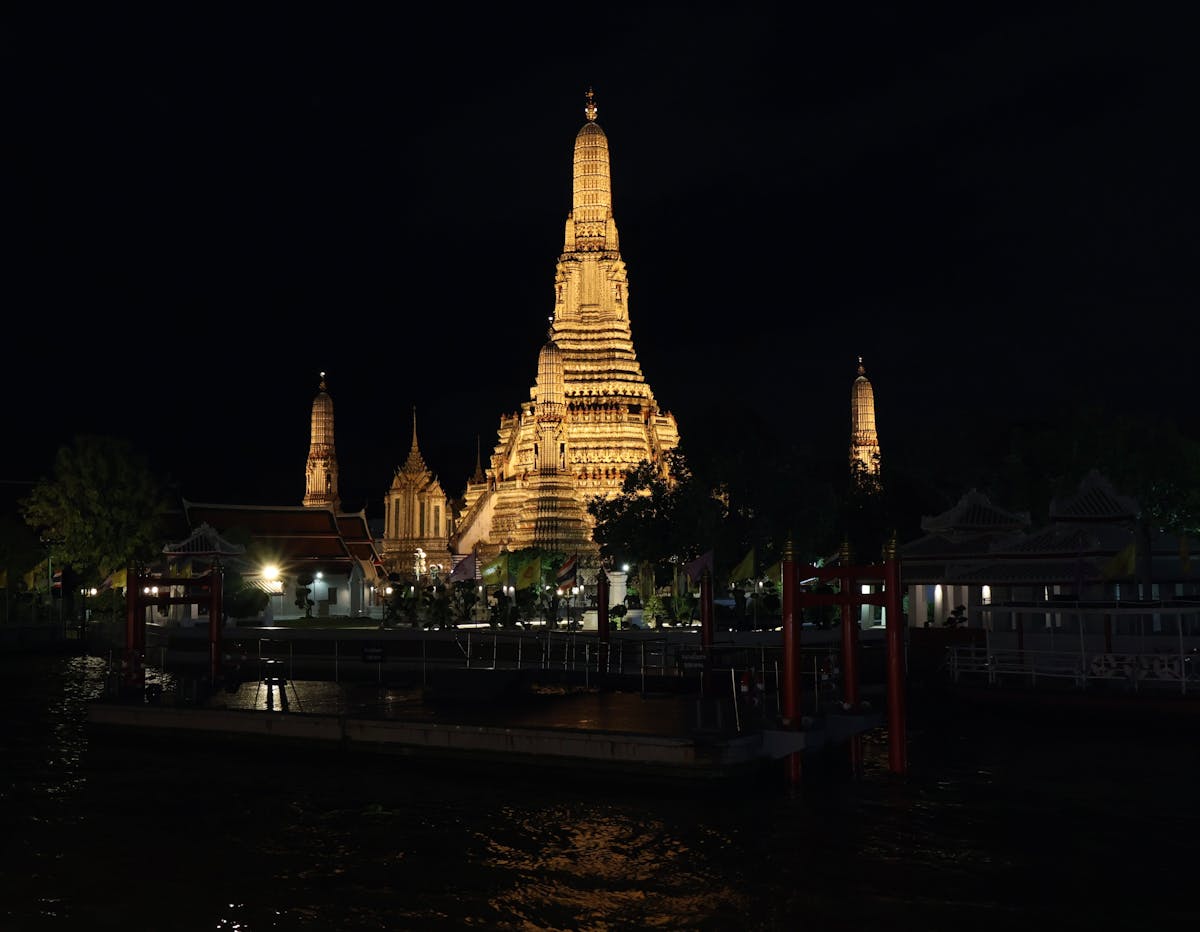
A Muay Thai evening works best when you plan the rest of your day around it. Most visitors spend the morning at the Grand Palace and temple complex, grab lunch in Chinatown, then head to Rajadamnern for the 6:30 PM card. If you have a free afternoon before the fights, the Mahanakhon Skywalk observation deck offers sunset views that rival anything in Southeast Asia, and you will be back at street level with plenty of time to spare.
For a day trip before or after your fight night, the Damnoen Saduak floating market and Maeklong train market combination fills a morning perfectly and gets you back to Bangkok by early afternoon. travellers with more time often add a day trip to Ayutthaya, the ancient capital about ninety minutes north, where crumbling temple ruins make fight night feel like a different century entirely.
Heading to Chiang Mai next? A hands-on cooking class is the perfect counterweight to all the adrenaline, and both experiences are better booked a few days ahead during peak season.
This article contains affiliate links to tour booking platforms. If you book through these links, we earn a small commission at no extra cost to you. This helps us keep producing detailed, honest travel guides. We only recommend tours we have personally vetted and would book for ourselves.