
Thailand has more Michelin-starred street food vendors than most countries have Michelin-starred restaurants. That fact alone should tell you something about how seriously Thai people take cooking — and why learning it here, rather than from a YouTube video in your kitchen, produces completely different results. The ingredients are different. The heat is different. The way a Thai cook handles a wok is different. And Chiang Mai, specifically, is where most travellers go to learn all of this, for reasons that have nothing to do with convenience and everything to do with the food itself.
Northern Thai cuisine is a separate tradition from the Bangkok food most visitors eat first. It is heavier on fermented flavors, uses more pork and sticky rice, and draws from Burmese and Lao influences that you simply do not find in southern cooking. The cooking classes in Chiang Mai teach both — the “greatest hits” dishes travellers want to learn (pad thai, green curry, tom yum) plus the northern specialties that most people have never tried. That combination is why Chiang Mai cooking classes consistently outrank Bangkok ones in reviews. You get the familiar AND the surprising.
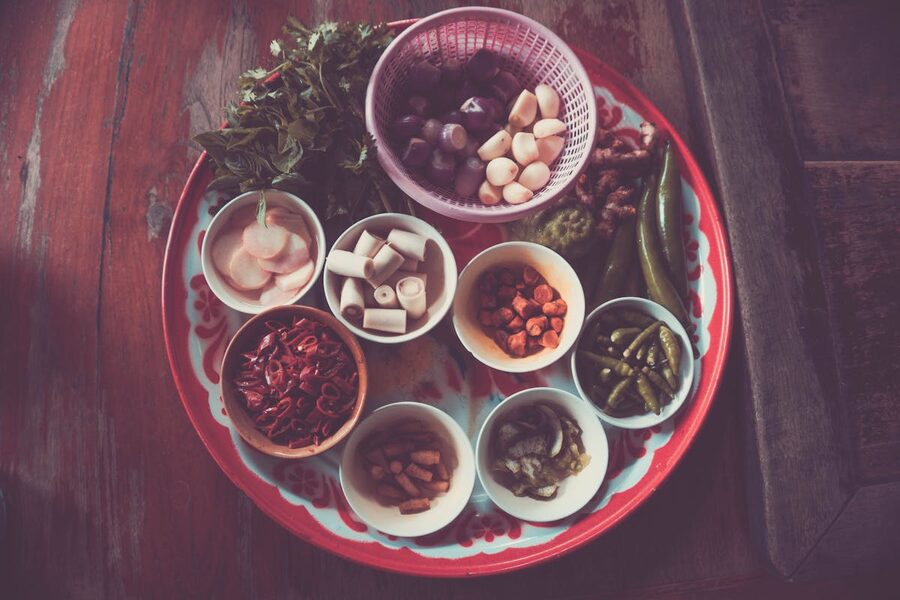
The best part? These classes are absurdly affordable. We are talking $29-42 for a half or full day that includes a market tour, an organic farm visit, hands-on cooking of 3-5 dishes, and you eat everything you make. Try finding that price for a cooking class in Paris or Tokyo. It does not exist.
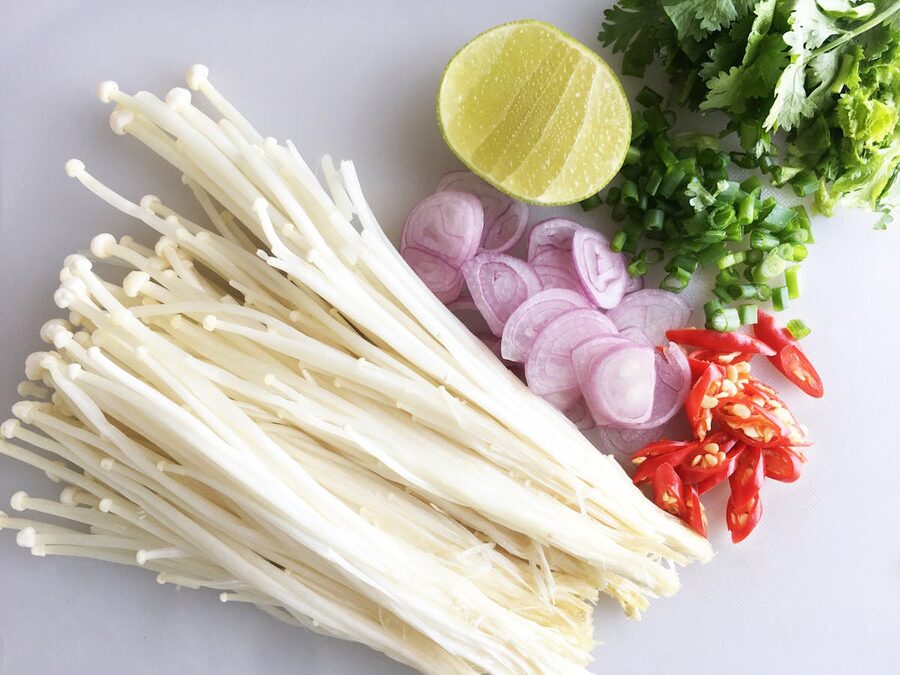
Short on time? Here are my top picks:
Best overall: Half Day Thai Cooking Course at Farm — $29.35. Perfect five-star rating across 19,000+ bookings. Farm setting with organic ingredients you pick yourself.
Best for foodies: Thai and Akha Cooking Class — $42. Goes beyond standard dishes to include hill tribe recipes you will not find anywhere else.
Best with market tour: Cooking Class, Market and Thai Herbs Garden — $31. Starts with a guided market visit that teaches you how to shop for Thai ingredients anywhere in the world.
- How Chiang Mai Cooking Classes Work
- Farm Classes vs City Kitchen Classes
- The Best Chiang Mai Cooking Classes to Book
- 1. Half Day Thai Cooking Course at Farm — .35
- 2. Thai and Akha Cooking Class —
- 3. Cooking Class, Market and Thai Herbs Garden Tour —
- 4. Authentic Cooking Class with Market and Farm Visit —
- 5. Cooking Class With Organic Farm at Mama Noi —
- When to Book
- How to Get to Chiang Mai
- What You Will Actually Learn
- Tips Before You Book
- Planning the Rest of Your Thailand Trip
How Chiang Mai Cooking Classes Work
Every cooking class in Chiang Mai follows roughly the same format, with variations in setting, menu options, and group size. Here is what to expect.
Morning or afternoon session. Most schools run two sessions per day. Morning classes (typically 8:30-9am start) usually include a market tour; afternoon classes (1-2pm start) skip the market and go straight to cooking. Full-day options combine both. I would pick the morning session every time — the market tour alone is worth waking up early for.
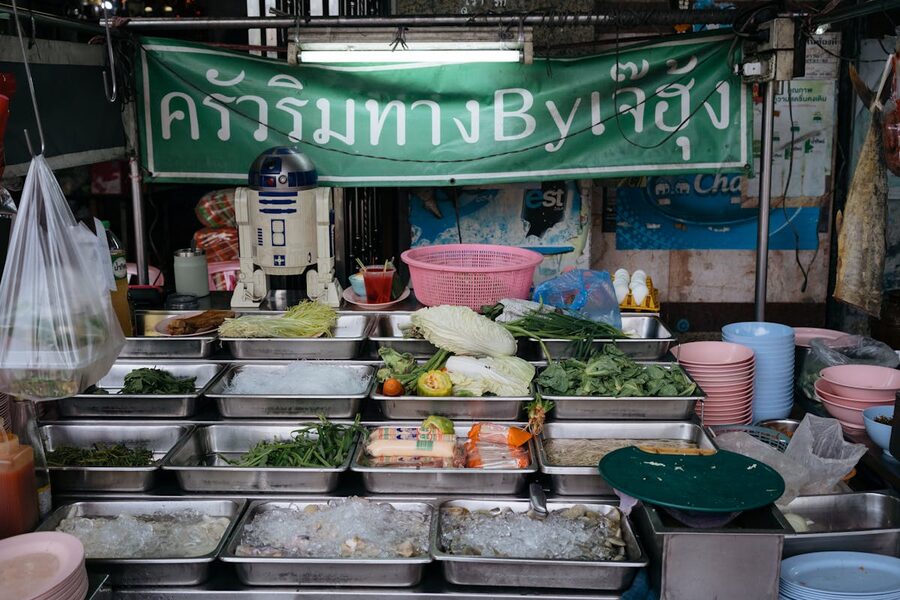
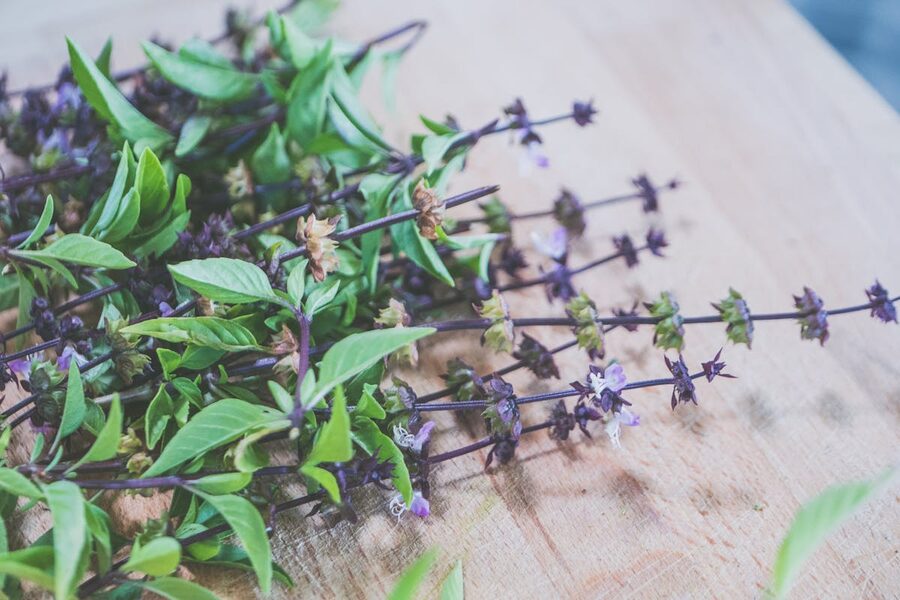
Market tour (morning only). Your instructor walks you through a local market — usually Warorot Market or a smaller neighborhood market — explaining what each ingredient is, how to pick good produce, and which substitutions work back home. This is where you learn that Thai basil and sweet basil are completely different plants, that palm sugar comes in discs and you shave it with a knife, and that the “fish sauce” section of a Thai market has about 40 different varieties.
Farm or garden visit. The farm-based classes (Smile Organic Farm, Mama Noi, Thai Farm Cooking) take you to an actual organic garden where you pick herbs and vegetables for your dishes. This is not a gimmick — the ingredients taste noticeably different when they were pulled from the dirt 10 minutes ago versus sitting in a market stall since dawn.
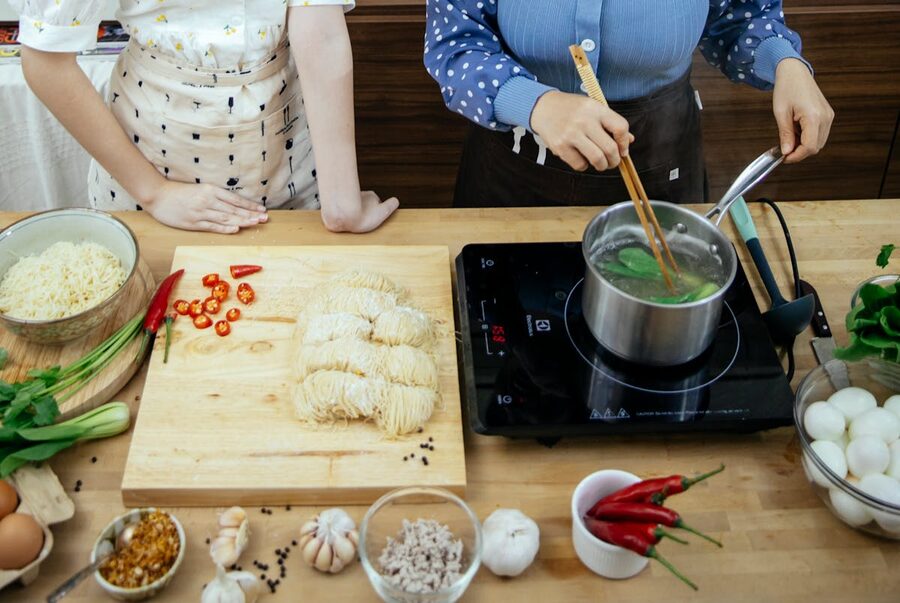
Cooking. You pick 3-5 dishes from a set menu (usually 8-12 options). Typical choices include pad thai, green/red/massaman curry (paste from scratch), tom yum or tom kha soup, spring rolls, mango sticky rice, and papaya salad. Each person gets their own cooking station with a wok, burner, and pre-measured ingredients. The instructor demonstrates each step, then you do it yourself. Total cooking time: 2-4 hours depending on how many dishes.
Eating. You eat everything you cook. Seriously — by the end of a 5-dish class, you have had lunch, dessert, and possibly dinner. Plan accordingly. Do not eat a big breakfast before a morning class.
There are no official tickets or government-run booking systems for cooking classes. Each school runs independently and takes bookings through their own website, GetYourGuide, Viator, or Klook. Prices range from about $29 to $50 per person depending on the school, duration, and inclusions.
Farm Classes vs City Kitchen Classes
This is the biggest decision you will make when booking, and it matters more than you might think.
Farm-based classes (Smile Organic Farm, Mama Noi, Thai Farm Cooking) are set in the countryside 15-30 minutes outside Chiang Mai, in the same lush foothills you would pass through on a Doi Inthanon day trip. You ride in a songthaew or van to a property surrounded by rice paddies and herb gardens. The vibe is relaxed, rural, and photogenic. Group sizes cap at 10-15 people. The ingredients are fresher because half of them come from the garden you are standing in. The downside: you need the morning free, and the travel time adds up.
City classes (Grandma’s Home Cooking, Asia Scenic, Thai Cottage) are in the Old City or nearby neighborhoods. Easier to get to, faster to complete, and some offer evening sessions. The kitchens are purpose-built and polished. The ingredients come from the market rather than a garden, which is fine — they are still excellent quality. Group sizes vary more widely; some pack in 20+ students.
My recommendation: if this is your first Thai cooking class, do a farm class. The setting adds something that a kitchen in a shophouse simply cannot replicate. If you have limited time or want to squeeze a class into a packed day, a city class works perfectly well — you are still learning the same dishes from excellent instructors.
The Best Chiang Mai Cooking Classes to Book
I have compared every major cooking class in Chiang Mai by price, reviews, format, and what you actually learn. Here are the five worth booking, starting with the one I would pick first.
1. Half Day Thai Cooking Course at Farm — $29.35

This is the clear winner and it is not particularly close. A perfect 5.0-star rating across over 19,000 bookings is almost unheard of in the tour industry. To maintain that score at that volume, almost every single person who has taken this class walked away happy. That is not luck — that is a genuinely great operation.
The Smile Organic Farm class includes hotel pickup, a market tour (morning session), a walk through their organic farm, and hands-on cooking of 3-4 dishes at your own station. The farm is about 20 minutes from the city center, set among rice paddies with mountain views. At $29.35, this is cheaper than most cooking classes anywhere in Southeast Asia.
The half-day format (about 4-5 hours total) leaves your afternoon free for temples, the night market, or just recovering from how much you ate. They also offer full-day and evening sessions if you want more.
2. Thai and Akha Cooking Class — $42

This is the class for people who already know pad thai and want something they cannot get from a recipe book. The Akha cooking tradition comes from the hill tribes of northern Thailand and Laos, and it uses techniques and flavor combinations that mainstream Thai cooking does not.
Fermented soybean paste, charcoal-roasted chili, hand-pounded herb pastes — the Akha dishes have a depth and earthiness that is completely different from the bright, punchy flavors of central Thai food.
At $42, it is the most expensive option on this list, but the 5.0-star rating across 4,300+ bookings tells you people think it is worth the premium. The class is smaller and more intimate than the mass-market options, and the instructor brings a personal connection to the Akha culinary tradition that elevates the whole thing beyond a tourist cooking activity.
If you have already done a standard Thai cooking class on a previous trip, this is the one to do on your second visit.
3. Cooking Class, Market and Thai Herbs Garden Tour — $31
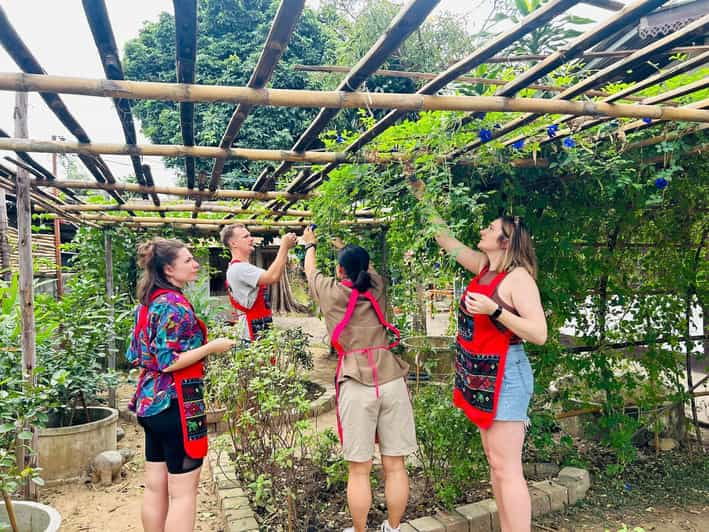
This class nails the trifecta: market tour, herb garden visit, and hands-on cooking, all for $31. The 3.5-hour format (210 minutes) is tight but well-paced. You are not waiting around — it is market, garden, cook, eat, done.
The market tour component is particularly well-reviewed. The instructor does not just point at things — they explain the supply chain, how pricing works, which vendors are the best, and how to pick produce like a local. If you plan to cook Thai food at home, this market education might be the most valuable part of the entire day.
With 4,800+ bookings and a 4.9-star rating, the consistency is there. It sits in the sweet spot between the budget option and the premium Akha class.
4. Authentic Cooking Class with Market and Farm Visit — $34
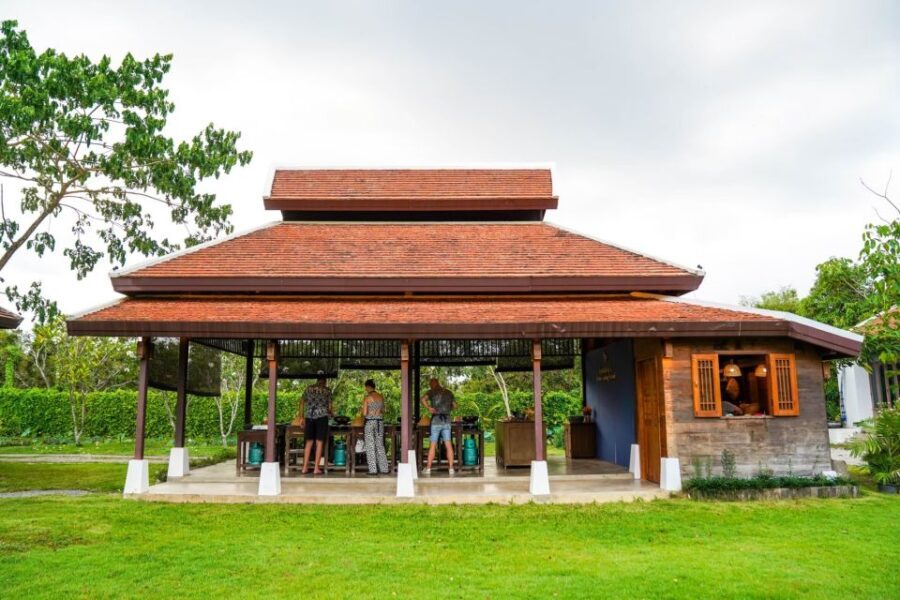
This class stands out because it offers both half-day (210 minutes) and full-day (7 hours) formats at the same starting price. The full-day version is the better deal — you cook more dishes, spend more time at the farm, and the pace feels less like a production line. At $34, the full-day option undercuts some schools that charge $45+ for the same duration.
The farm is working and organic, not decorative. You will see the difference in the herbs — basil that was cut 10 minutes ago has a punch that market basil from the morning simply does not match. The instructors are patient and genuinely skilled, and the group sizes are small enough that you get individual attention.
A 4.9-star rating across 4,500+ bookings. Reliable, well-priced, and the flexible duration is a nice touch.
5. Cooking Class With Organic Farm at Mama Noi — $32
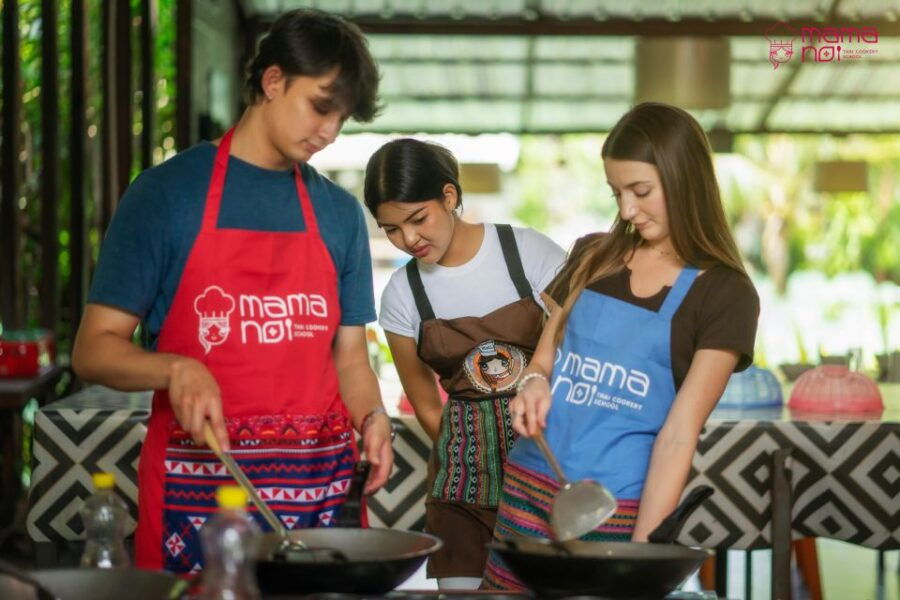
Mama Noi is one of those places that built its reputation through word of mouth rather than marketing. The school sits on an organic farm outside the city, and the 4-hour class moves at a pace that lets you actually absorb what you are doing rather than just following instructions robotically.
At $32 with a 4.9-star rating across 1,150+ bookings, it is the smallest operation on this list, and that is part of the appeal. The groups are intimate, the instructor knows your name, and the whole thing feels more like cooking with a friend than attending a class. The downside of being smaller is that it books out faster — reserve 3-4 days ahead during high season (November-February).
If you value personal attention over polished production, this is your pick.
When to Book
Best months: November through February. This is Chiang Mai’s cool season, and outdoor cooking in 25-28C (77-82F) is pleasant. The farm classes are especially good in this period because the gardens are lush from the end of rainy season and the air is crisp. December and January are peak tourist season though, so book 5-7 days ahead.
Worst months: March through May. The burning season fills Chiang Mai’s air with smoke from agricultural fires, and temperatures push above 40C (104F). Cooking over a gas burner in that heat is miserable. Some farm classes scale back operations during this period. If you must visit, book an indoor city class.
Rainy season (June-October): Actually not bad for cooking classes. The rain is usually short afternoon bursts, and the farm gardens are at their greenest. Prices drop, crowds thin, and availability is rarely an issue. Just bring a light rain jacket.
Time of day: Morning classes start at 8:30-9am and finish around 1pm. Afternoon classes start at 1-2pm and finish by 5-6pm. Evening classes (offered by some city schools) start at 5-6pm. The morning session with the market tour is the most popular and books out first.
How to Get to Chiang Mai
From Bangkok: Flights take about 75 minutes and cost 1,500-3,000 baht ($40-85) on AirAsia, Nok Air, or Thai Lion Air. The overnight train from Bangkok’s Hua Lamphong Station takes 12-14 hours and costs 800-1,800 baht for a sleeper berth — a classic Southeast Asia experience but not exactly efficient.
Getting around Chiang Mai: The Old City is walkable. For cooking classes outside the center, every school includes hotel pickup in a songthaew (red truck taxi) or minivan. You do not need to arrange transport separately.
Where to stay: Book a hotel in the Old City or along Nimmanhaemin Road. Both areas are within the pickup zones of every cooking school. The Tha Phae Gate area is ideal — it is central, has excellent street food for post-class comparison eating, and the Sunday Walking Street market is right there. If your trip starts in Bangkok, a guided Bangkok food tour before you fly north makes for a great contrast between central Thai and northern Thai flavors.
What You Will Actually Learn
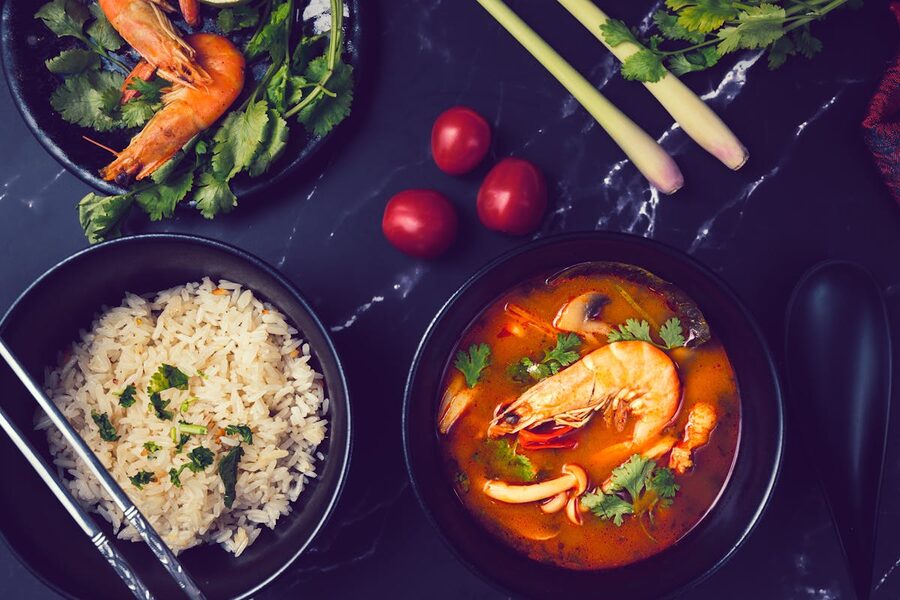
The typical menu at a Chiang Mai cooking class includes 8-12 dish options. You pick 3-5 depending on the class format. Here is what most schools offer:
Starters: Spring rolls (fresh or fried), papaya salad (som tam), chicken satay, fish cakes.
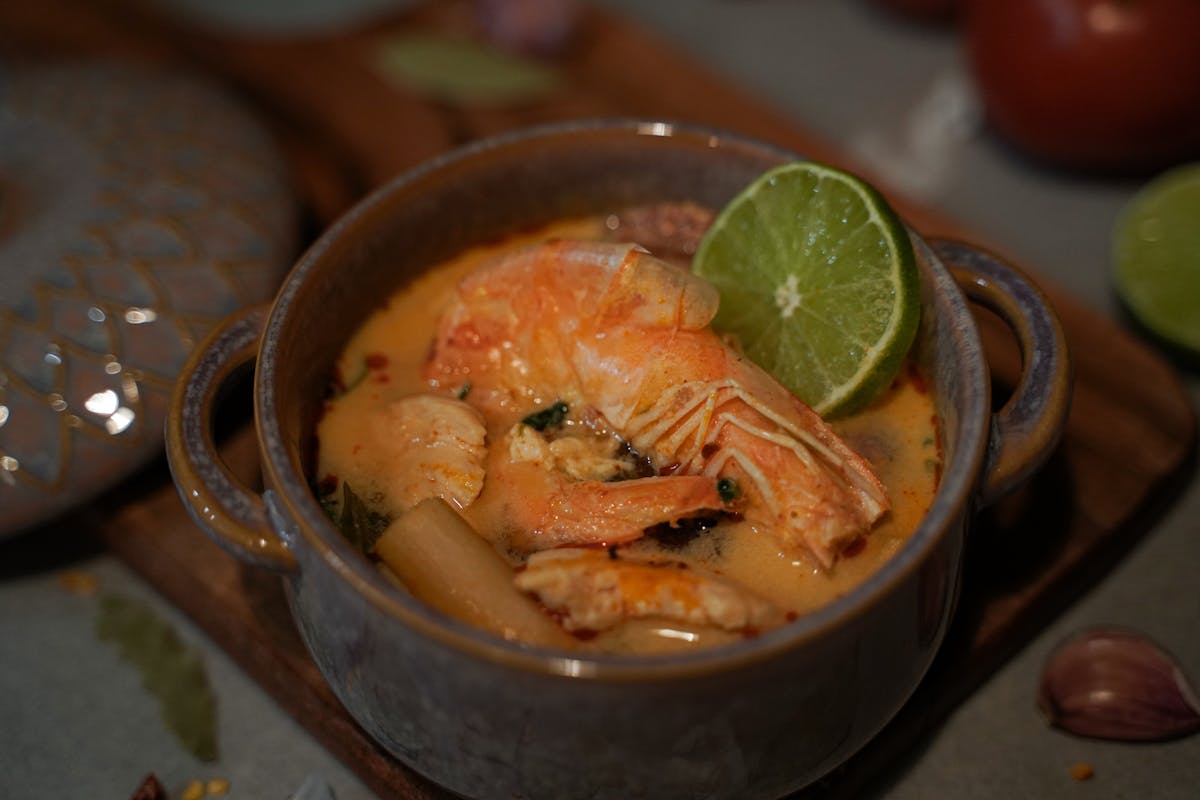
Soups: Tom yum (hot and sour with shrimp or chicken), tom kha (coconut milk soup). Both start with a mortar-and-pestle paste that forms the backbone of the flavor.
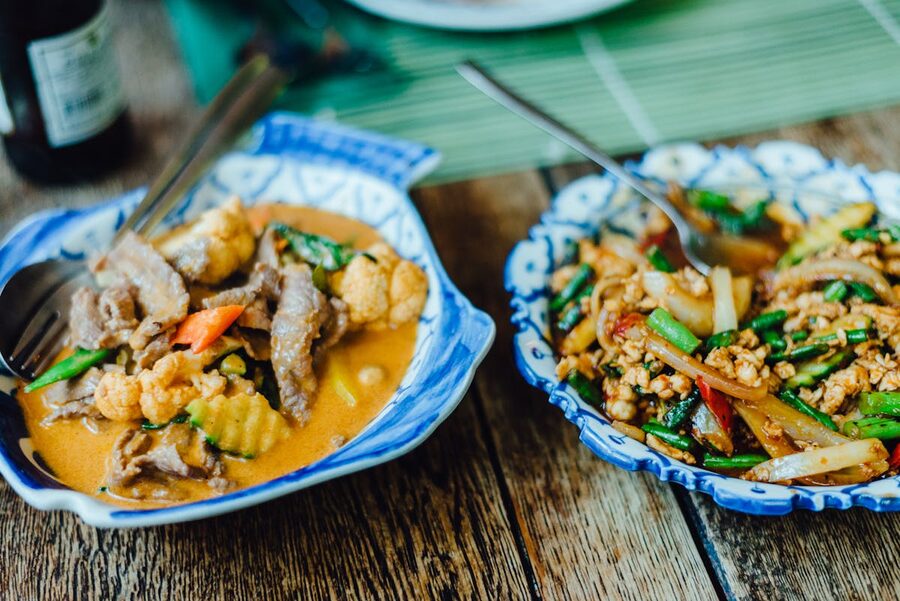
Curries: Green curry, red curry, massaman curry, panang curry. The big learning moment here is making the curry paste from scratch. It takes about 20 minutes of pounding in a mortar and it is genuinely hard work, but the paste you make will taste nothing like the stuff from a jar. Most schools let you take leftover paste home.
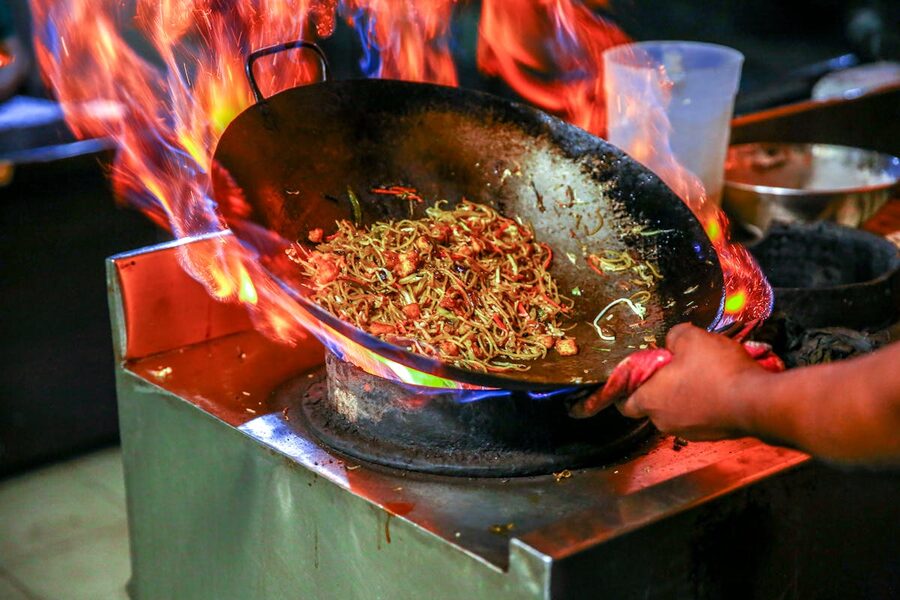
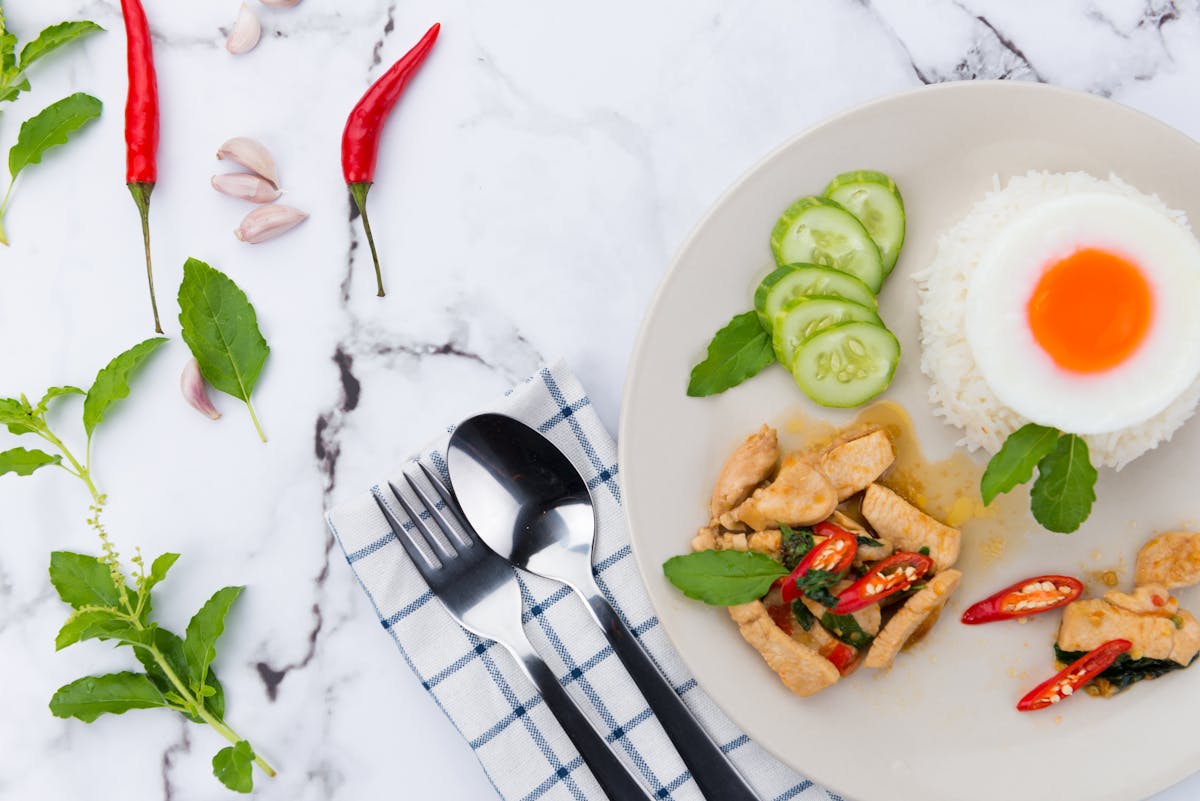
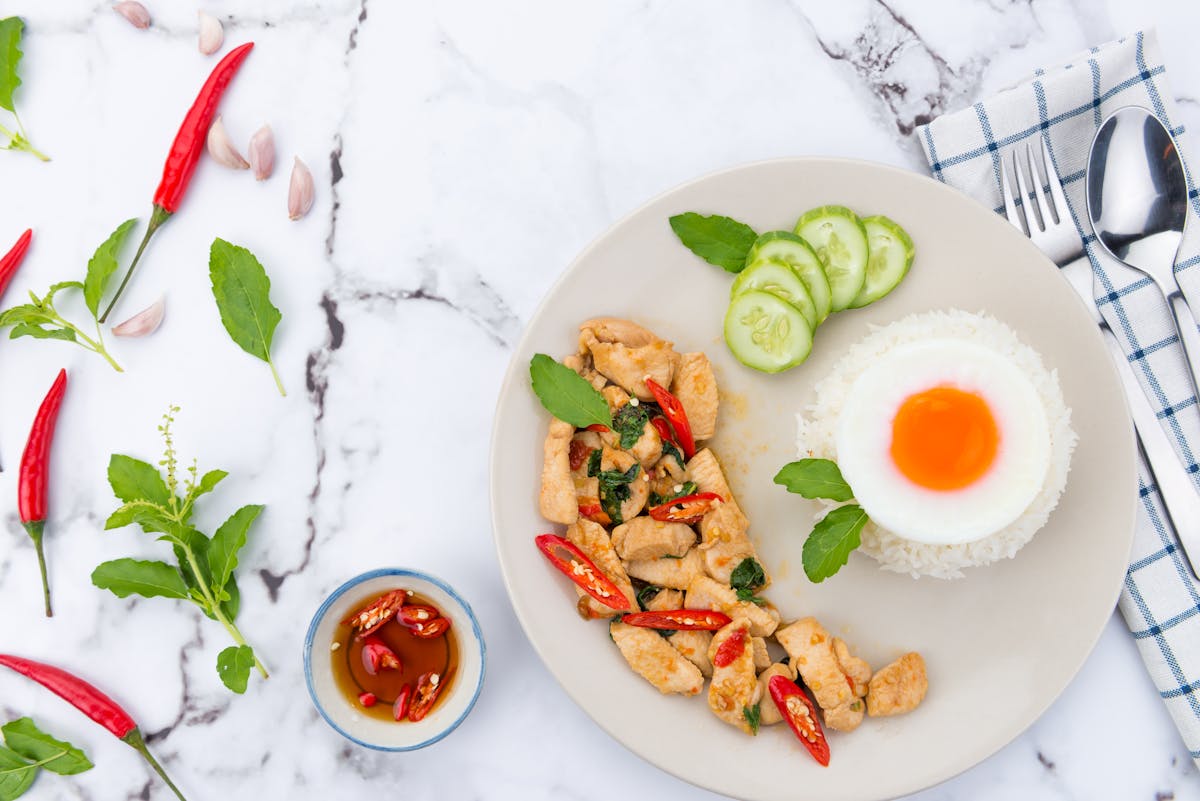
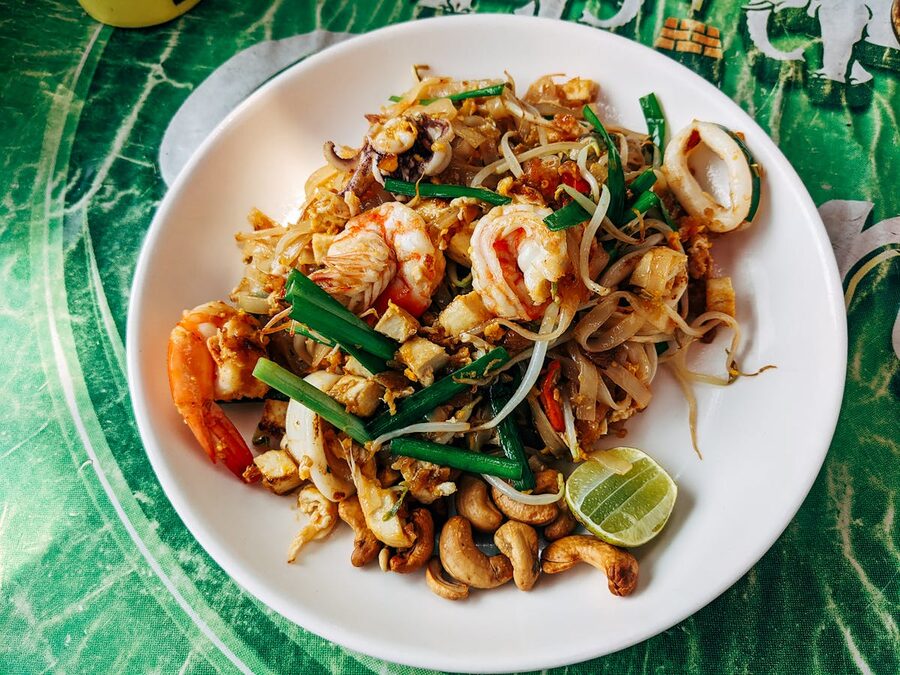
Stir-fries: Pad thai, pad see ew, basil chicken (pad kra pao). These are the dishes where wok technique matters most. The instructor will teach you the “toss and flip” motion that distributes heat evenly.
Desserts: Mango sticky rice is the universal crowd-pleaser. Some classes offer banana in coconut milk or pumpkin custard.
What you will actually take home: Beyond the recipes (every school gives you a printed or digital recipe book), you will learn three things that change how you cook Thai food forever. First, how to balance the four Thai flavor pillars: salty (fish sauce), sweet (palm sugar), sour (lime), and spicy (chili). Second, how to build a curry paste from individual spices rather than opening a packet. Third, how to control a wok — the heat management and timing that makes or breaks a stir-fry.
Tips Before You Book
Book 3-5 days ahead in high season. November through February is peak tourist season in Chiang Mai, and the popular classes (especially Smile Organic Farm) fill up fast. During low season you can usually book the day before.
Tell them about dietary restrictions. Every school on this list can accommodate vegetarian, vegan, gluten-free, and halal diets. But they need advance notice to swap ingredients. Mention it when booking, not when you show up.
Wear clothes you do not mind getting splashed. Cooking involves hot oil, curry paste, and coconut milk. None of these come out of cotton easily. Leave the white shirt at the hotel.
Do not eat a big breakfast before the morning class. You will cook 3-5 full dishes and eat all of them. That is lunch and possibly dinner. Arrive slightly hungry.
The market tour is the most underrated part. A lot of people treat it as filler before the “real” activity. Wrong. The market visit teaches you how to identify and shop for Thai ingredients anywhere in the world. If you plan to cook Thai food at home, pay close attention during this part.
Bring your phone charger. You will take an absurd number of photos. The farm settings are photogenic, the food is photogenic, and the cooking process is photogenic. Plan for it.
Morning or afternoon? Morning if you want the market tour. Afternoon if you are not a morning person. Evening if you want to combine it with Chiang Mai nightlife afterward. All three are valid.
Planning the Rest of Your Thailand Trip
A cooking class works well as one piece of a longer Chiang Mai stay. Most travellers pair it with an elephant sanctuary visit, which fills a separate half day and is the other experience people consistently call the highlight of their trip. If you have a third day in the area, the Chiang Rai white and blue temple day trip covers stunning architecture that you will not find anywhere else in Thailand.
Bangkok deserves its own food agenda. The floating market and train market tour is the iconic day trip, and a tuk-tuk night tour through the capital’s backstreets shows a completely different side of Thai food culture than what you learn in a Chiang Mai classroom. For the historical angle, an Ayutthaya day trip pairs well with any Bangkok stay.
And if you want to compare cooking traditions across Asia, our guides to sushi making in Tokyo and ramen cooking classes cover the Japanese side of hands-on food experiences.
This article contains affiliate links. If you book a tour through our links, we earn a small commission at no extra cost to you. This helps us keep writing honest, detailed guides like this one.