Tokyo’s temples and food stalls, a day around Mount Fuji, Kyoto’s red torii gates, and Nara’s free-roaming deer: this tour packs Japan’s best-known sights into one week, then carries you west to Osaka by bullet train. You get guides, arranged transport, hotel breakfasts, and a planned route, so you can spend less time sorting connections and more time looking around.
I like the mix of city, mountain, and old capitals, and the option to adjust the plan to your interests. I also like that UME’s planner Amber has worked through as many as seven itinerary revisions for one family, while Tokyo guide Yuya earned praise for thoughtful explanations and food recommendations.
The main consideration is pace. Kyoto and Nara share one day, and the Fuji-area visit is a long round trip from Tokyo. The tour is described as both private and a group tour for two to ten people, so ask UME Travel to confirm whether your booking means an exclusive guide and vehicle or a small shared group.
- At a glance
- A week from Tokyo to Osaka
- Day 1: Arrive and get your bearings in Tokyo
- Day 2: From the Imperial Palace to Asakusa snacks
- Day 3: Lake Kawaguchi and the Mount Fuji area
- Day 4: Tokyo to Osaka by Shinkansen
- Day 5: Fushimi Inari, Uji, and Nara
- Day 6: Osaka Castle, ninja skills, and Dotonbori
- Day 7: A simple Osaka departure
- What the price includes, and what it does not
- Who should book this tour?
- FAQ
- How long is the tour?
- What is the starting price?
- Are international flights included?
- Is the tour private or shared?
- Which hotels are included?
- Are meals included?
- Is the Tokyo-to-Osaka train included?
- How large is the group?
- Is there a single supplement?
- Can the itinerary be customized?
- The Best Of Tokyo!
- More Guided Tours in Tokyo
- More Tours in Tokyo
- More Tour Reviews in Tokyo
- Not for you? Here's more nearby things to do in Tokyo we have reviewed
At a glance
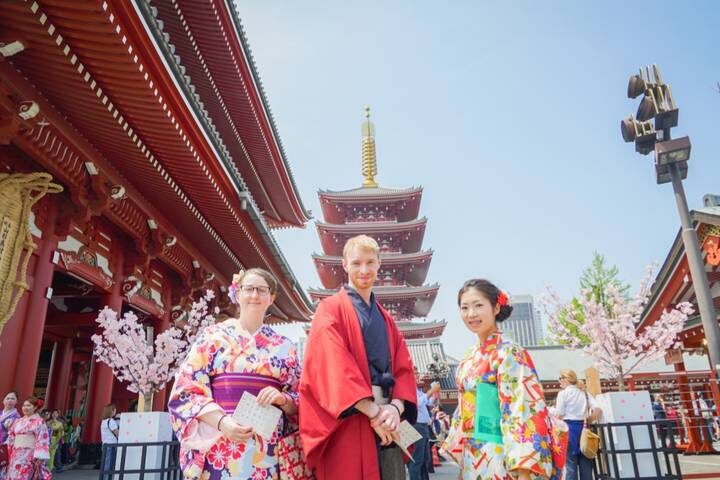
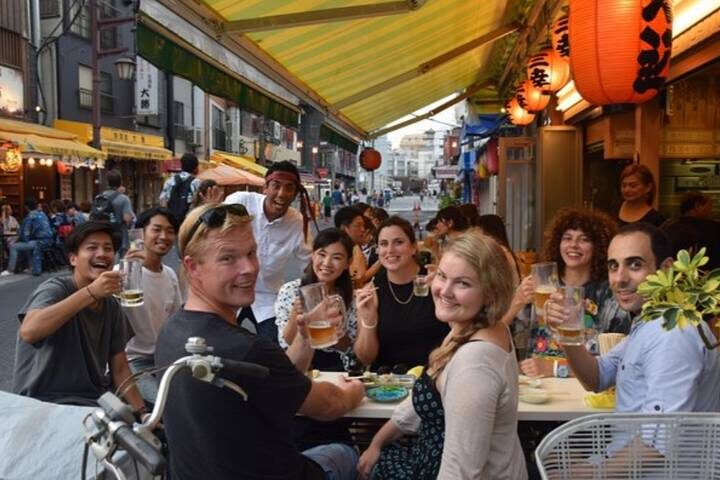
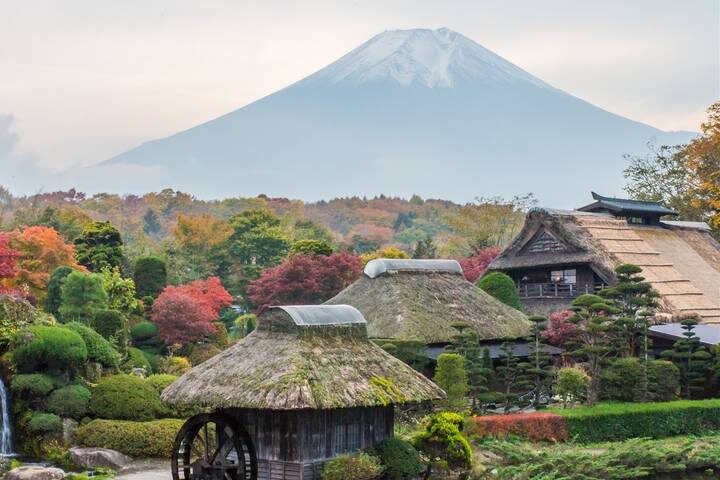
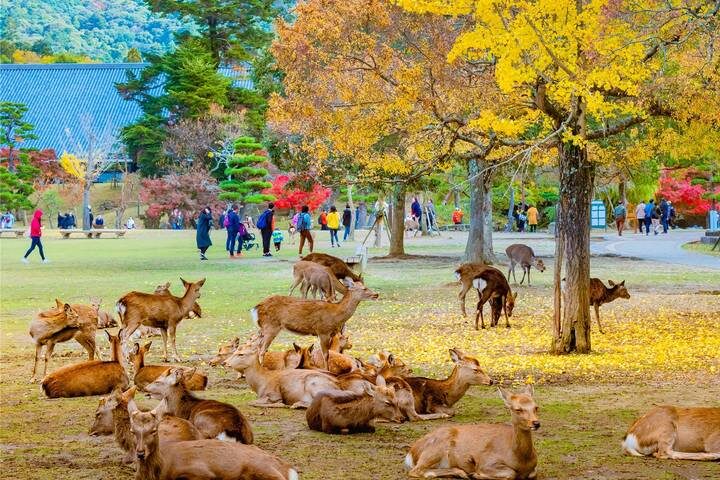
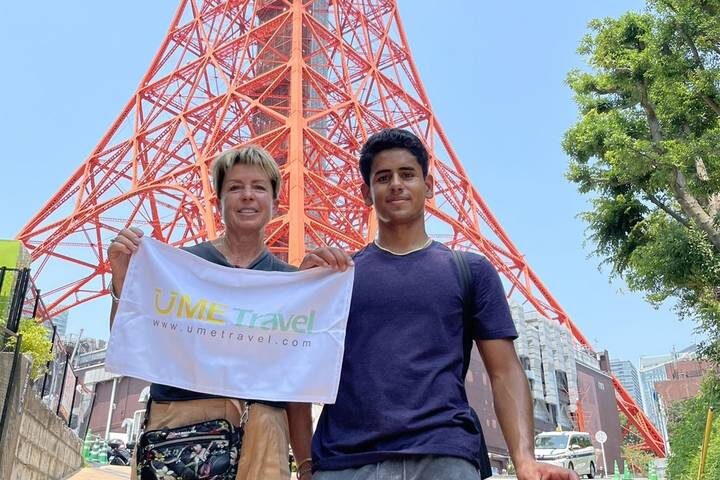
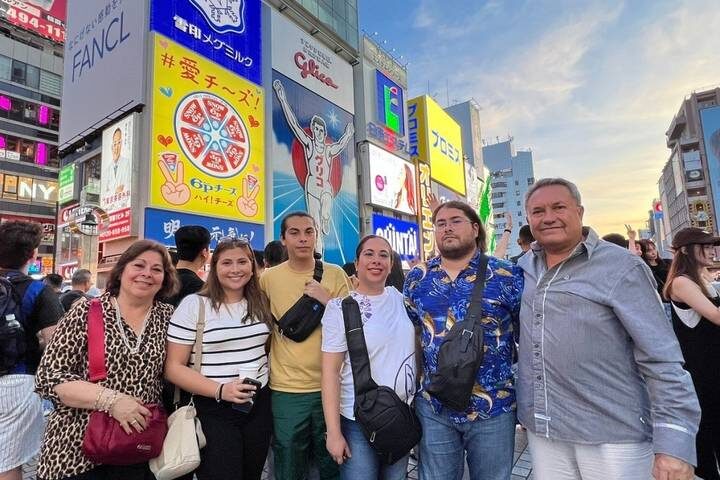
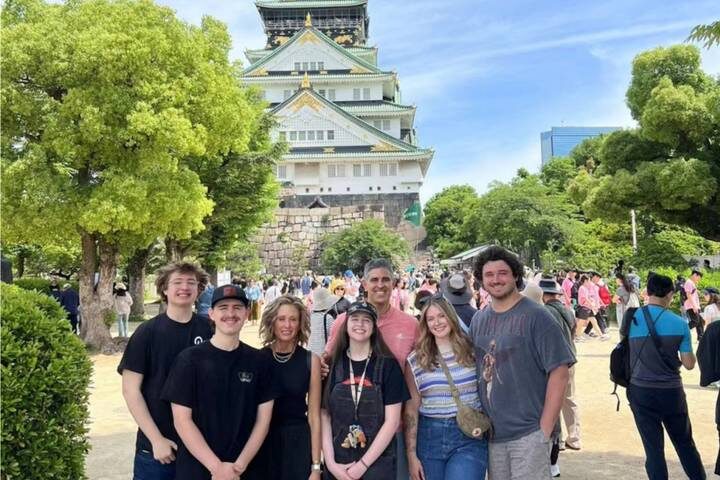
- Two classic Japanese capitals in one day: Visit Kyoto’s Fushimi Inari and tea country in Uji, then continue to Nara Park and Todai-ji.
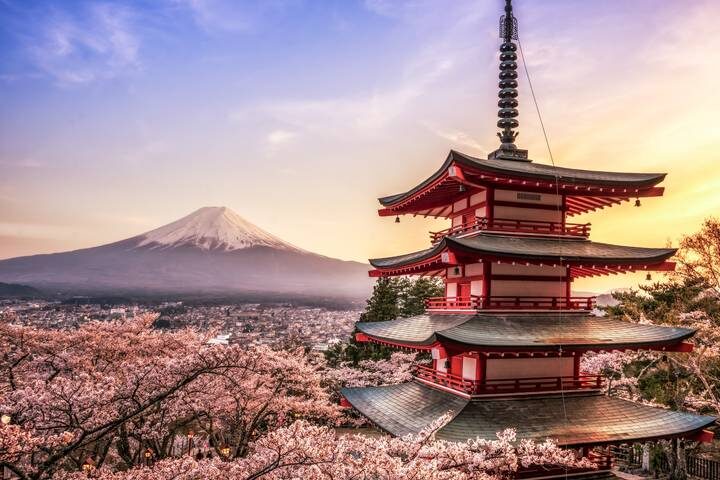
- A full Fuji-area outing: See Lake Kawaguchi, Tenjozan Park, Oshino Hakkai, and Arakurayama Sengen Shrine, with about two hours of driving each way.
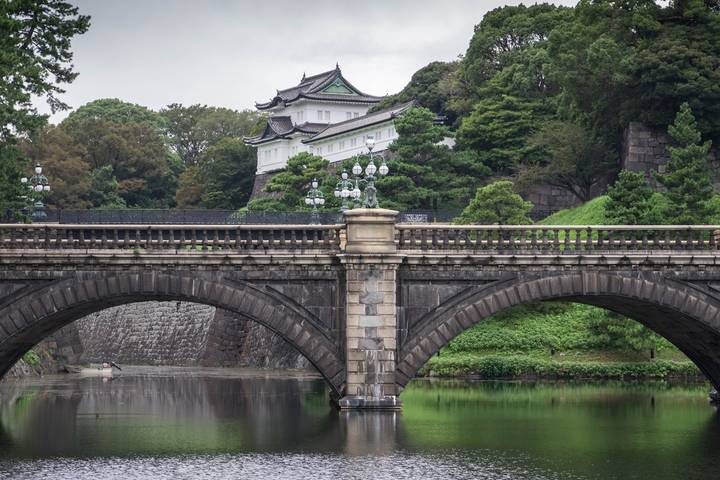
- Tokyo’s old and new sides: Visit the Imperial Palace Outer Gardens and Senso-ji, browse Nakamise, taste local snacks, and walk through Akihabara.
- A fast westbound transfer: The Shinkansen ride from Tokyo to Osaka takes about 2.5 hours, with station transfers included.
- Food is part of the sightseeing: Try Asakusa tastings, then choose your own Osaka favorites in Dotonbori, from takoyaki to okonomiyaki.
- A flexible, guided format: The tour lists an English-speaking guide, private vehicle transport, and a group size of two to ten. Confirm what applies to your particular departure.

👉 See our pick of the 25 Best Guided Tours In Tokyo
A week from Tokyo to Osaka
This is a guided, hotel-based introduction to Japan, not a slow trip with long stretches in one place. In seven days, you move from Tokyo to the Fuji area and on to Osaka, using Osaka as a base for Kyoto and Nara. The plan has a good range: historic sites, city neighborhoods, a mountain-view day, food, and a playful ninja activity.
The trade-off is time. Several days are full, and famous places can be crowded. You will see a lot, but you will not have hours to linger at every temple or explore each neighborhood at your own pace. If this is your first Japan trip, that structure can be a real help. If you prefer a slower rhythm, ask UME to remove stops or add days before you book.
You can also read our reviews of more guided tours in Tokyo

Day 1: Arrive and get your bearings in Tokyo
A local driver meets you at the airport and takes you to your hotel. The arrival transfer is included, but the driver is described as having basic English. An English-speaking guide and driver can be arranged for an extra cost if you want more help from the start.
The listed Tokyo hotel is Hotel East 21 Tokyo or a similar four-star property. The trip includes hotel breakfast, and the hotel is described as being in a convenient location with restaurants and transport nearby. You have the rest of the day free, which is welcome after a long flight. Keep plans simple: a casual bowl of gyudon or sushi is an easy first meal.
Tokyo’s train system can look daunting at first. Download or prepare to use Google Maps, and have mobile data or portable Wi-Fi ready. The tour notes that some smaller stations may have signs only in Japanese. On trains, avoid eating or talking on your phone, and follow the queues when boarding.
Day 2: From the Imperial Palace to Asakusa snacks
Your guided Tokyo day begins at the Imperial Palace Outer Gardens, where you can see the grounds around the emperor’s former residence. It is a worthwhile introduction to the capital’s older political history, and the gardens are especially attractive during cherry blossom season. The tour also includes a distant view of Tokyo Tower, a useful photo stop rather than a tower visit.
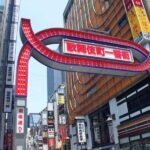
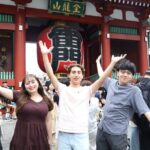
At Senso-ji, Tokyo’s oldest temple, the scale and age of the complex offer a sharp contrast to the modern city. Follow the approach through Nakamise Shopping Street, where shops sell traditional goods and snacks. The included food tastings feature tempura, Japanese sweets, and ningyoyaki, small cakes associated with Asakusa. Bring cash for traditional snack stalls, as not all accept cards.
Akihabara’s electric-town walk is also included, giving the day a change of tone from temple grounds and souvenir shops. It is a useful contrast, though the itinerary does not specify how long you spend there. If a particular Tokyo neighborhood matters more to you, ask the planner whether it can replace or supplement a stop.
Day 3: Lake Kawaguchi and the Mount Fuji area
The drive to the Fuji area takes about two hours each way, depending on conditions. A private vehicle makes the outing easier than piecing together several train and bus connections, and your English-speaking guide can help make sense of the region’s cultural sites as well as its views.
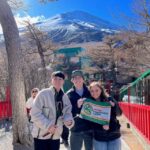
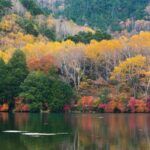
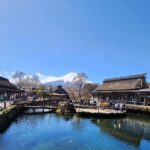
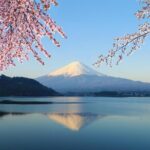
The planned stops include Lake Kawaguchi, Tenjozan Park, Oshino Hakkai, and Arakurayama Sengen Shrine. Lake Kawaguchi and Tenjozan are the day’s big scenic draws, but Mount Fuji visibility depends on the weather. Oshino Hakkai is known for clear spring water, while the shrine visit adds a spiritual stop to a day otherwise centered on scenery.
There is no need to treat the food suggestions as a formal included lunch. Houtou, a thick noodle soup, Fujiyama curry, and Fuji-shaped soft serve are local options to look for near the lake. Around Oshino Hakkai, the tour suggests mochi or grilled sweetfish. Breakfast is included; other meals are generally not listed as included.
Day 4: Tokyo to Osaka by Shinkansen
The Shinkansen carries you from Tokyo to Osaka in roughly 2.5 hours. Your ticket is included, along with private station transfers, so you avoid managing luggage and local connections alone. That is one of the tour’s most practical benefits: the journey is quick, but the station handoffs can be the fiddly part.
You have the afternoon to settle into Osaka. The accommodation information is inconsistent: the day-by-day plan names Hot Spring from Deep Water Osaka Hinode Hotel Nipponbashi, while the overall inclusions name Tokyu Stay Osaka Hommachi or a similar hotel. Both are presented as four-star options, but confirm the actual property, location, and access to hot spring facilities before paying.
The hotels are described as carefully selected, with breakfast, comfortable rooms, and convenient locations. Since the exact Osaka hotel can affect your evening plans and transport, this is a detail worth pinning down rather than leaving to assumption.
You can also read our reviews of more private tours in Tokyo

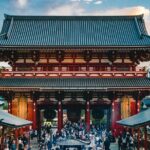
Day 5: Fushimi Inari, Uji, and Nara
This is the tour’s most ambitious day. From Osaka, you travel by private vehicle to Kyoto and Nara, with an approximate one-hour drive noted between Osaka and the Kyoto area. The stops include Fushimi Inari Taisha, Uji, Nara Park, and Todai-ji Temple.
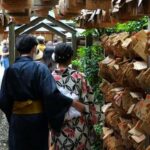
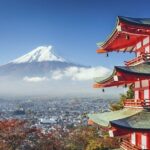
Fushimi Inari is known for its long corridors of red torii gates and its connection to Inari shrines. The site is large, so even a short visit can mean plenty of walking. Uji brings a quieter interlude and a chance to learn about Japanese green tea, which has been grown in the area for centuries.
In Nara, deer roam through the park around Todai-ji, whose Great Buddha is the main draw. The deer are charming, but they are still animals with an appetite. Feed them only the official shika senbei crackers, keep paper and snacks tucked away, and do not wave food around. Kakinoha sushi, wrapped in persimmon leaves, and yomogi mochi are local treats to try if time allows.
The day covers a lot, and the itinerary does not state how long you have at each stop. If you care most about walking through Fushimi Inari or spending time inside Todai-ji, tell UME in advance so the guide can set expectations and shape the day where possible.
Day 6: Osaka Castle, ninja skills, and Dotonbori
Osaka Castle Park starts the day with a look at the city’s shogunate-era past. The experience then takes a lighter turn with a ninja-themed activity: you wear a costume and try shuriken throwing and blowgun techniques. It is a good family-friendly change of pace, especially after several days of temples and formal historic sites.
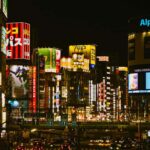
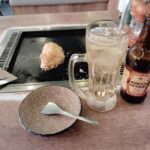
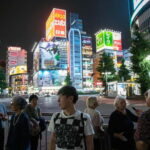
The evening belongs to Dotonbori, Osaka’s best-known food and entertainment district. Neon signs and animated displays make it an easy place to find, while the food offers a quick tour of Osaka specialties. Takoyaki, okonomiyaki, kushikatsu, yakitori, and taiyaki are among the options. The listed tour includes public transport fares for the day, but the food itself is not included.
Dotonbori gets crowded in the evening, and some restaurants cater heavily to tourists. Look for a place that suits your appetite and budget rather than choosing the first bright sign you see. One small local detail: people in Osaka generally stand on the right side of escalators, unlike Tokyo, where the usual side is left.
Day 7: A simple Osaka departure
After breakfast and a relaxed morning, a local driver takes you to the airport. As on arrival, the driver is described as having basic English. If your departure airport or city differs from the planned route, UME says it can adjust the arrangements.
The schedule lists three Tokyo hotel nights and three Osaka hotel nights, which means six nights for the seven-day trip. Some descriptions call it a seven-night tour, so check the exact dates and nights included in your quote. International flights are not included.
What the price includes, and what it does not
The advertised starting price is $3,280, with the final amount depending on room choice and the customized plan. Accommodation is based on two people sharing; a solo traveler pays a single supplement. One May quote puts that supplement at $2,611, nearly the cost of the tour itself, so solo travelers should request a firm price before deciding.
In return, the package includes hotels with breakfast, an English-speaking guide, listed admissions and activities, private air-conditioned transport on scheduled touring days, the Shinkansen ticket, airport transfers, and basic insurance. Vegetarian, vegan, and halal meals can be requested. International flights and most lunches and dinners are not included, so budget extra for food, especially in Osaka.
At $3,280, this is not a bargain-basement way to see Japan. Its value lies in having transport, hotels, guides, and a complicated series of day trips arranged for you. That can be especially useful for a family or a small group, where private vehicle transfers make sense and the cost is shared. If you are comfortable planning trains and hotels yourself, an independent trip may cost less.
UME Travel has an overall operator rating of 4.8 out of 5 across 224 reviews, and this tour has seven five-star ratings. The strongest praise centers on planning, punctuality, guides, and comfortable hotels. Amber, the travel planner, patiently revised one family’s itinerary seven times; guide Yuya was singled out for her explanations and food tips. These are useful signs of attentive service, though a small number of tour-specific ratings cannot guarantee the same guide or experience on every departure.
Who should book this tour?
I would consider this tour if you want to cover Tokyo, Fuji, Kyoto, Nara, and Osaka in one week without managing every transfer yourself. It suits families and small groups who value a guide, a private vehicle for day trips, and a planned route. The ninja activity and deer encounter also give children something hands-on among the temples and historic sites.
It is less suited to anyone seeking a slow, deeply independent stay in each city. The long Fuji outing and packed Kyoto-Nara day leave limited room for spontaneous detours. Before booking, get written confirmation of the group format, the Osaka hotel, the number of hotel nights, the exact inclusions, and whether your preferred changes affect the price. If those details match your needs, the tour offers a convenient, varied first look at Japan.
7 Days Customized Tokyo and Kansai Classic Tour (private guide & driver) by UME Travel
“Amber was absolutely amazing! Our big family of 10 was planning a trip to Japan, and TourRadar recommended UME Travel to us. Amber was our travel p…”
FAQ
How long is the tour?
The itinerary lasts seven days, starting in Tokyo and ending in Osaka. The hotel schedule lists three nights in Tokyo and three in Osaka, so confirm the number of nights in your final plan.
What is the starting price?
The advertised price starts at $3,280. The final cost may vary by room choice and customized arrangements.
Are international flights included?
No. International flights are not included.
Is the tour private or shared?
The tour is described as customized and private in its title, but it is also identified as a group tour for two to ten people. Ask UME Travel to confirm the format for your departure.
Which hotels are included?
The Tokyo hotel is Hotel East 21 Tokyo or a similar four-star property. Osaka accommodation is listed as either Tokyu Stay Osaka Hommachi or Hot Spring from Deep Water Osaka Hotel Nipponbashi in different tour details, so confirm the exact hotel.
Are meals included?
Hotel breakfasts are included, along with the listed food tastings in Asakusa. Most other meals are not listed as included. Vegetarian, vegan, and halal food options can be requested.
Is the Tokyo-to-Osaka train included?
Yes. The Shinkansen ticket is included, and private station transfers are listed for the journey.
How large is the group?
The stated group size is two to ten people. Confirm whether your booking is an exclusive private tour or part of a shared group.
Is there a single supplement?
Yes. The amount depends on the date. A May quote listed a single supplement of $2,611.
Can the itinerary be customized?
Yes. UME Travel says the itinerary can be adjusted to your preferences, including changes for a different arrival or departure city. Check whether requested changes affect the price.